Mathematics - Ensuring everyone counts!
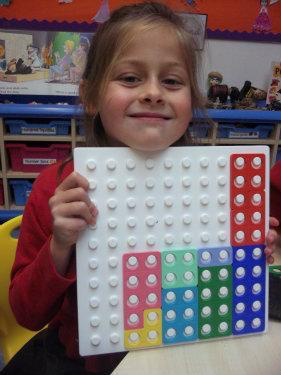
Mathematics at Camelford Primary School
At Camelford Primary School, we believe that mathematics is an essential part of everyday life and a powerful tool for understanding the world around us. Our ambition is for every child to develop into a confident, resilient and enthusiastic mathematician who understands the value of mathematics and can apply their learning in meaningful contexts.
We want every child to believe that they can be successful in mathematics. Through high-quality teaching, carefully sequenced learning and a positive classroom culture, we aim to develop children who are curious, independent and willing to embrace challenge. We encourage children to see mistakes as valuable opportunities to learn, develop their thinking and deepen their understanding.
Our vision for mathematics
At Camelford Primary, our mathematics curriculum aims to:
- Develop positive attitudes towards mathematics, fostering a sense of enjoyment, achievement and curiosity.
- Build confidence, resilience and perseverance, enabling children to tackle challenges and overcome difficulties with increasing independence.
- Develop mathematical curiosity, encouraging children to ask questions, identify patterns, make connections and explore different possibilities.
- Develop mathematical language and reasoning, giving children opportunities to explain their thinking, justify their ideas and learn from the perspectives of others.
- Build secure mathematical understanding, ensuring children develop a strong foundation of knowledge and skills which they can draw upon as they progress through the school.
- Develop fluency, particularly in number and the four operations, so that children can select and apply efficient methods with increasing confidence.
- Develop problem-solving skills, enabling children to apply their mathematical knowledge to unfamiliar situations and real-life contexts.
- Promote independence, equipping children with the strategies and confidence to make decisions, evaluate their approaches and take increasing responsibility for their learning.
- Ensure that every child is included and supported, with appropriate challenge and scaffolding so that all pupils can make strong progress from their individual starting points.
A rich and inclusive mathematical curriculum
We want our mathematics curriculum to be ambitious, engaging and accessible to every child. Learning is carefully planned and sequenced so that children can build on prior knowledge, make connections between mathematical concepts and develop increasingly sophisticated understanding as they move through the school.
We provide children with opportunities to explore, practise, reason and apply their mathematical knowledge. Lessons encourage children to talk about mathematics, use precise mathematical vocabulary and explain how they have arrived at an answer. Children are encouraged to consider different methods and approaches, helping them to recognise that mathematics is not simply about finding an answer, but about developing understanding and being able to justify their thinking.
We make effective use of a wide range of resources and representations, including practical equipment, ICT and our outdoor learning environment. Where appropriate, mathematics is connected to other areas of the curriculum and to children's experiences beyond school, helping them to recognise the relevance and purpose of mathematics in everyday life.

|
Maths Pathway | [pdf 281KB] |

|
Supporting every child to succeed
At Camelford Primary, we recognise that children learn mathematics at different rates and in different ways. We therefore place great importance on identifying children's needs and responding effectively to them.
Assessment is used purposefully to identify what children know, understand and can do, as well as any misconceptions or gaps in learning. Teachers use this information to adapt teaching, provide appropriate support and identify opportunities for further challenge. Children's progress is carefully monitored so that we can celebrate their achievements and ensure that they receive the support they need to continue to develop.
We want children to leave each stage of their mathematical journey with increasing confidence in what they know, an understanding of how to use it and the resilience to tackle what comes next.
Preparing children for life beyond primary school
Ultimately, our mathematics curriculum is about more than learning mathematical facts and procedures. We aim to develop confident mathematical thinkers who can reason, solve problems, communicate their ideas and apply their knowledge in new situations.
We want every child to leave Camelford Primary believing that mathematics is something they can do, understanding its importance in everyday life and equipped with the knowledge, skills and positive attitudes they need to become successful, independent and lifelong learners.
Camelford Primary Schools Calculation Policy
Here at Camelford, we aim to deliver a high quality mastery approach to the teaching of mathematics across our school. This is achieved through small step learning objectives and a progressive calculation policy that builds on children using concrete resources, pictorial representations and abstract methods. Please take a look at our calculation policy for more details.
|
|
Calculation policy 21 | [pdf 7MB] |
|
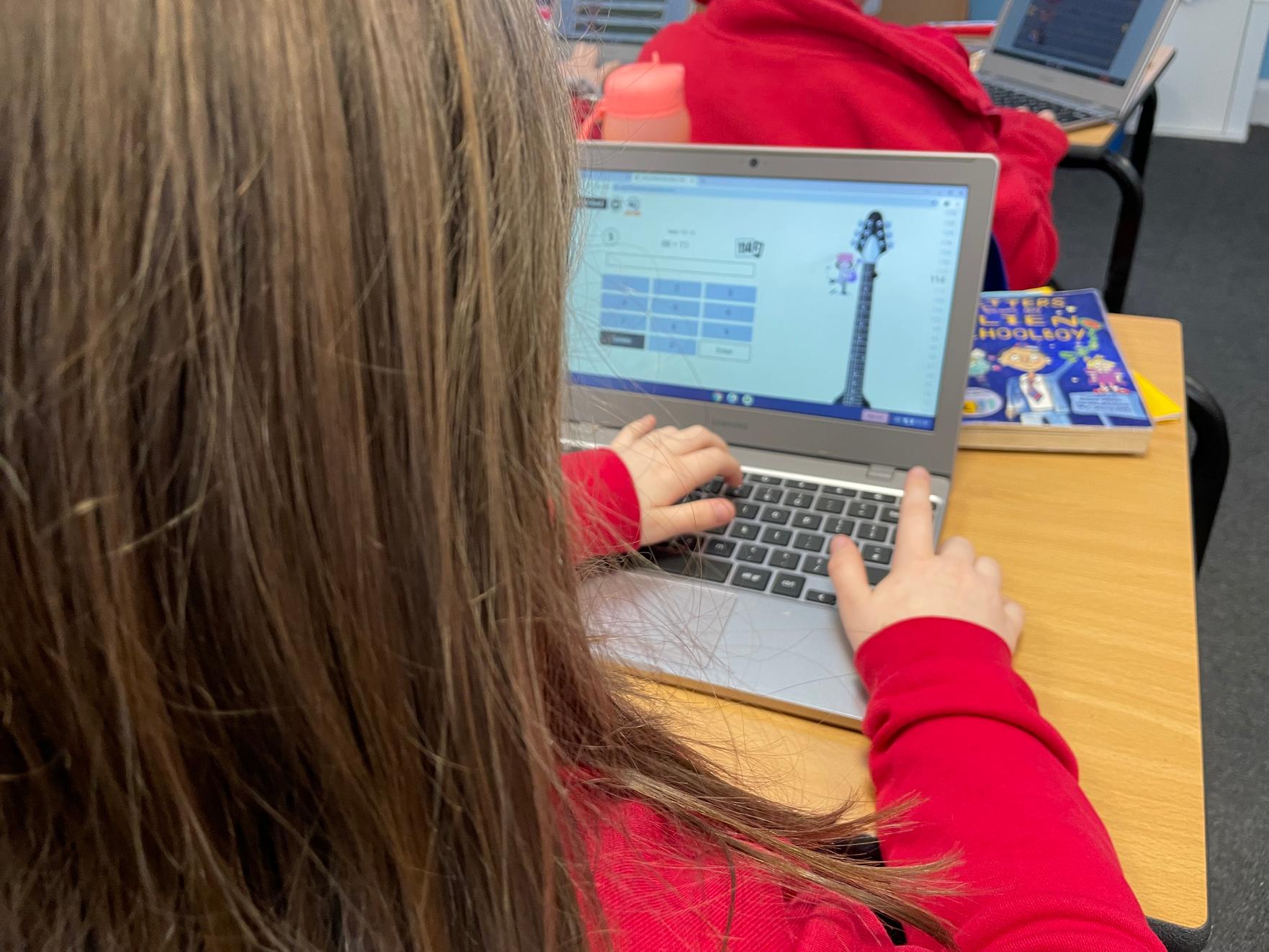
Parent workshops
This term we held parent workshops on ways to support children in the lead up to SATs and MTC check. A massive thank you to everyone who attended. For those who were unable to make it, please find all the information below. Don't forget to contact your child's class teacher if you have any further questions or concerns.

|
Year 6 SATs Presentation | [pptx 28MB] |
|
|
|
MTC workshop | [pptx 21MB] |
|
Our Approach to Teaching Mathematics
At Camelford Primary School, mathematics is taught daily through 50–60 minute lessons, following a carefully sequenced and progressive curriculum. Our teaching is designed to build securely on prior learning, enabling children to develop their knowledge and understanding over time and make meaningful connections between different areas of mathematics.
Lessons provide a balance of fluency, reasoning and problem-solving, with children given opportunities to develop and apply their mathematical knowledge in increasingly challenging contexts. Fluency includes both the accurate recall of key number facts and the development of varied and efficient strategies, ensuring that children understand not only what to do, but why a particular method works.
Every lesson has a clear learning intention and high expectations for mathematical thinking and communication. Children are encouraged to use precise mathematical vocabulary when explaining their ideas, discussing different approaches and justifying their reasoning. Mathematical talk is an important part of our lessons, helping children to articulate their thinking and learn from one another.
We recognise the importance of using a range of representations to develop deep and secure understanding. Children have access to concrete resources and practical experiences, alongside carefully chosen pictorial representations, before progressing towards increasingly efficient abstract methods. This approach supports children in making connections between what they can see, what they can represent and the mathematical concepts they are developing. Further information can be found in our Calculation Policy.
Developing Fluency
Alongside their daily mathematics lesson, children take part in a 20-minute fluency session. These sessions provide regular opportunities to revisit and consolidate essential mathematical knowledge and skills.
Children practise the recall of key number facts, rehearse and refine efficient calculation strategies, and discuss different methods and solutions. Regular retrieval and practice help children to develop accuracy, confidence and automaticity, freeing up their working memory so that they can apply their mathematical knowledge successfully when reasoning and solving problems.
Together, our daily mathematics lessons and fluency sessions ensure that children have regular opportunities to learn, practise, explain, apply and deepen their mathematical understanding.
Developing a love of maths. A cross curricular approach!
At Camelford Primary School, we believe that mathematics should not exist in isolation. We aim to nurture a genuine love of mathematics by helping children recognise its purpose, relevance and value across all areas of learning and in everyday life.
Our children are given regular opportunities to revisit, apply and deepen their mathematical knowledge and skills in meaningful contexts across the curriculum. These opportunities help children to make connections, strengthen their understanding and recognise that mathematics is an essential tool for solving problems and making sense of the world around them.
For example, children may apply their mathematical thinking by:
- Measuring, estimating and calculating in Design and Technology, using their mathematical knowledge to design, make and evaluate products.
- Collecting, presenting and interpreting data in Science, developing their ability to record results, identify patterns and draw conclusions from evidence.
- Using scale, coordinates, distance and direction in Geography, applying mathematical concepts to maps, landscapes and the wider world.
- Measuring, timing and recording performance in PE, using mathematics to compare results, track progress and develop an understanding of distance, time and measurement.
- Exploring shape, pattern, symmetry, proportion and position through Art and Design, recognising the mathematical ideas that underpin creativity and design.
- Using mathematical understanding when working with chronology, timelines and historical data in History, helping children to develop a sense of time and sequence.
- Applying number, measurement and problem-solving skills in real-life contexts, making mathematics purposeful and relevant to children's experiences.
These cross-curricular opportunities enable children to transfer their mathematical knowledge into new situations, strengthening both their understanding and their confidence. They also help children to see that mathematics is not simply a subject taught in a maths lesson, but a fundamental part of learning, problem-solving and everyday life.
Through these connections, we aim to develop flexible, confident and curious mathematicians who can recognise when and how mathematics can be used and who understand the important role it plays in the world around them.
Key Instant Recall Facts (KIRFS)
Key Instant Recall facts (KIRFs) are designed to support the mental skills and key knowledge that underpins so much of the maths work we complete in school. Each half term your child will have a new KIRF to work on. It is important that they know these facts thoroughly and can recall them instantly.
The KIRFs have been carefully planned so that they are built on term-by-term, as well as year-by-year. They will help to secure the fundamental skills and knowledge crucial to your child’s success in maths.
Please encourage your child to learn these facts and engage with them to make this learning as practical and as fun as you can. Each KIRF has ideas and weblinks to support you. Please also speak to your class teacher or myself for further ideas. Again, we stress that it is important that your child develops an instant recall of these facts.
We hope that you enjoy working along side your children with this mathematics work. If you have any questions about KIRFs, please do not hesitate to contact your child's class teacher.
|
|
Summer 2 Whole school KIRFS | [pptx 1MB] |
|
|
|
Summer 1 Whole school KIRFS | [pptx 2MB] |
|
|
|
Spring 2 KIRFS | [pptx 3MB] |
|
|
|
Spring 1 KIRFS | [pptx 2MB] |
|
|
|
Autumn 2 | [pptx 1MB] |
|
|
|
Year 1 - Autumn 1 | [pptx 415KB] |
|
|
|
Year 2 - Autumn 1 | [pptx 712KB] |
|
|
|
Year 3 - Autumn 1 | [pptx 444KB] |
|
|
|
Year 4 - Autumn 1 | [pptx 472KB] |
|
|
|
Year 5 - Autumn 1 | [pptx 546KB] |
|
|
|
Year 6 - Autumn 1 | [pptx 661KB] |
|
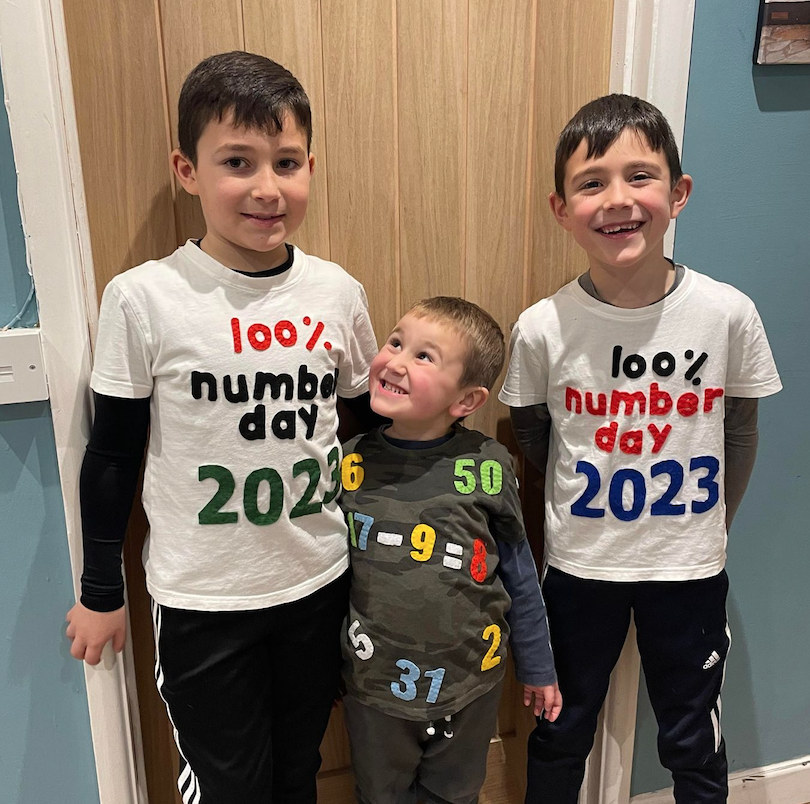
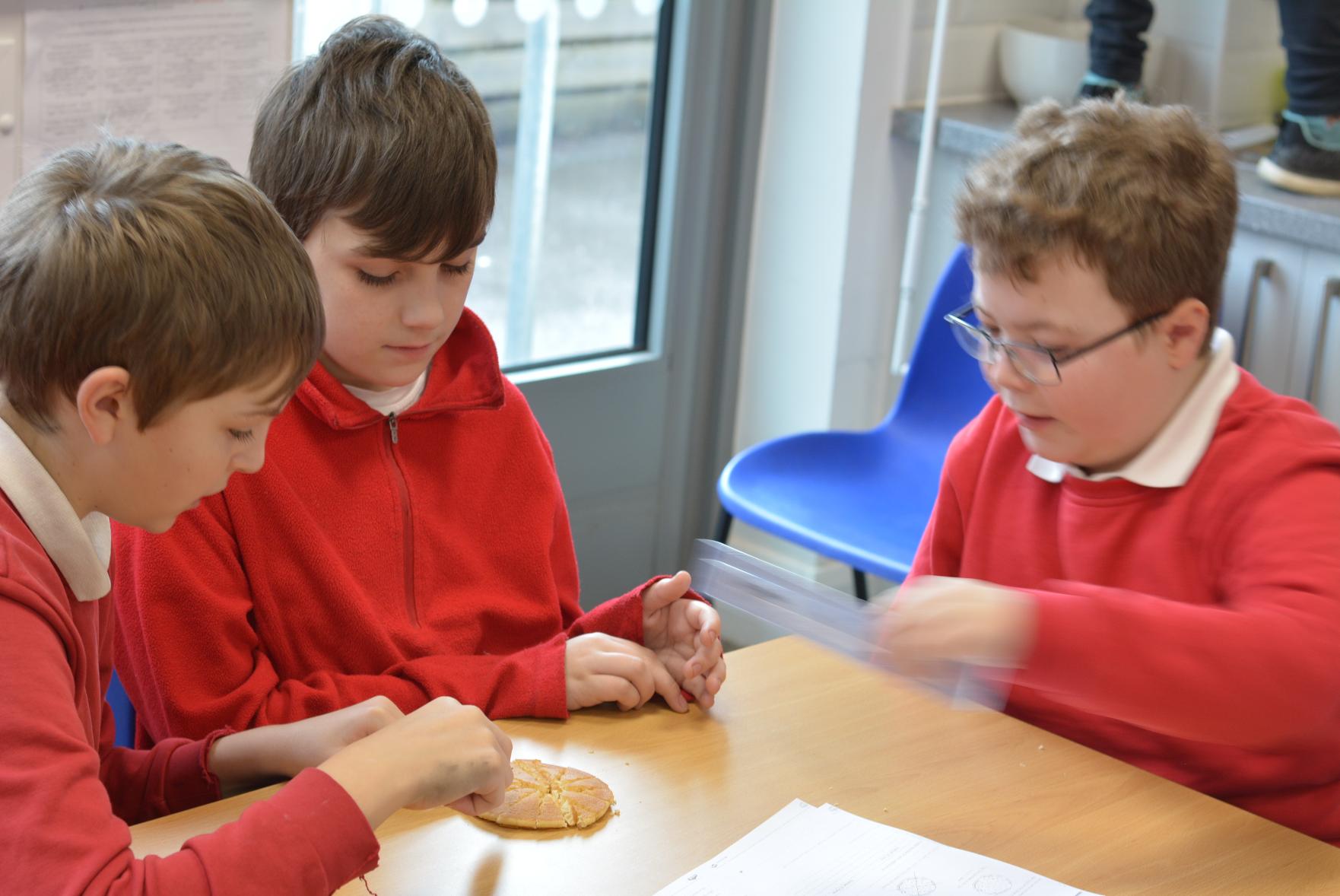
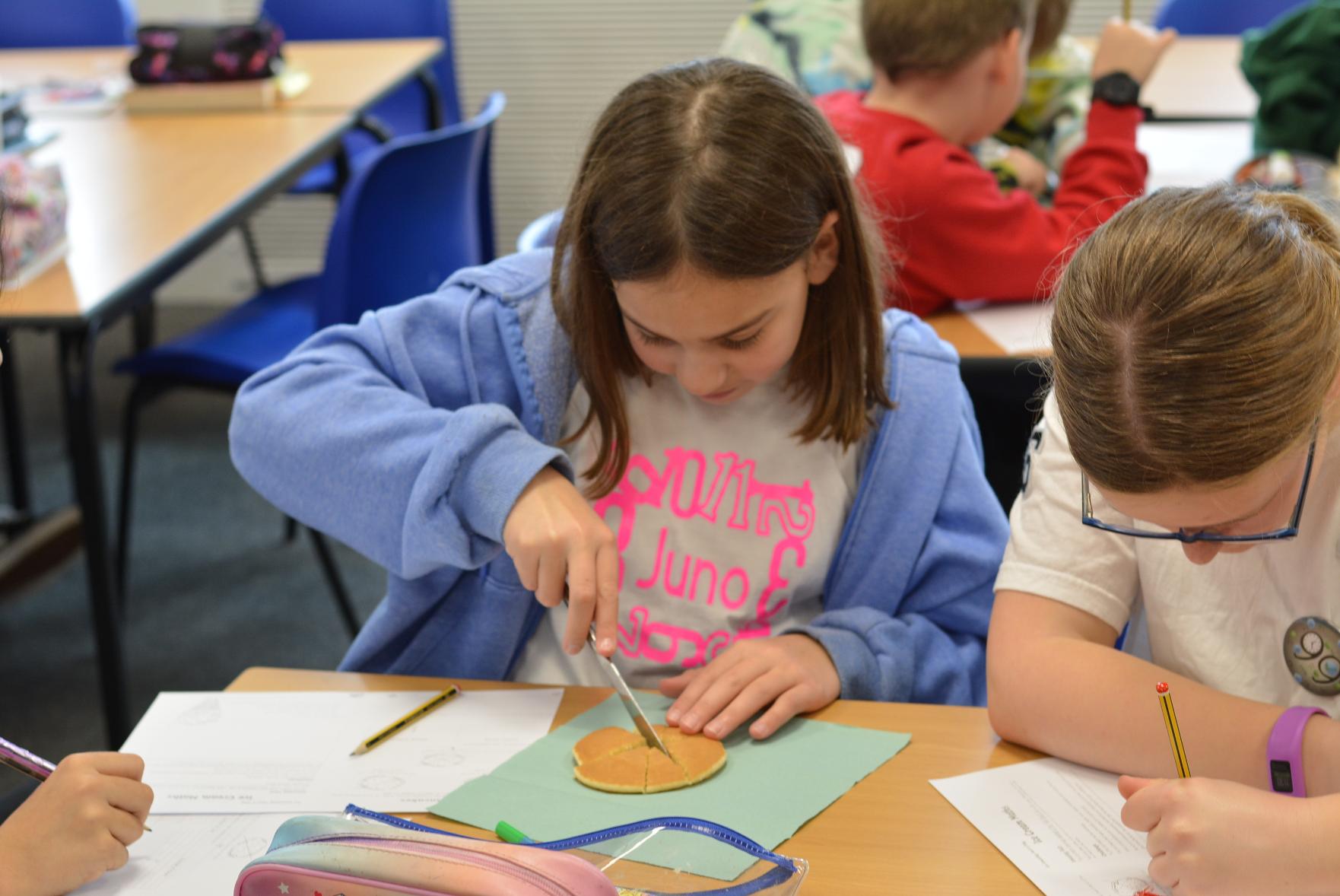
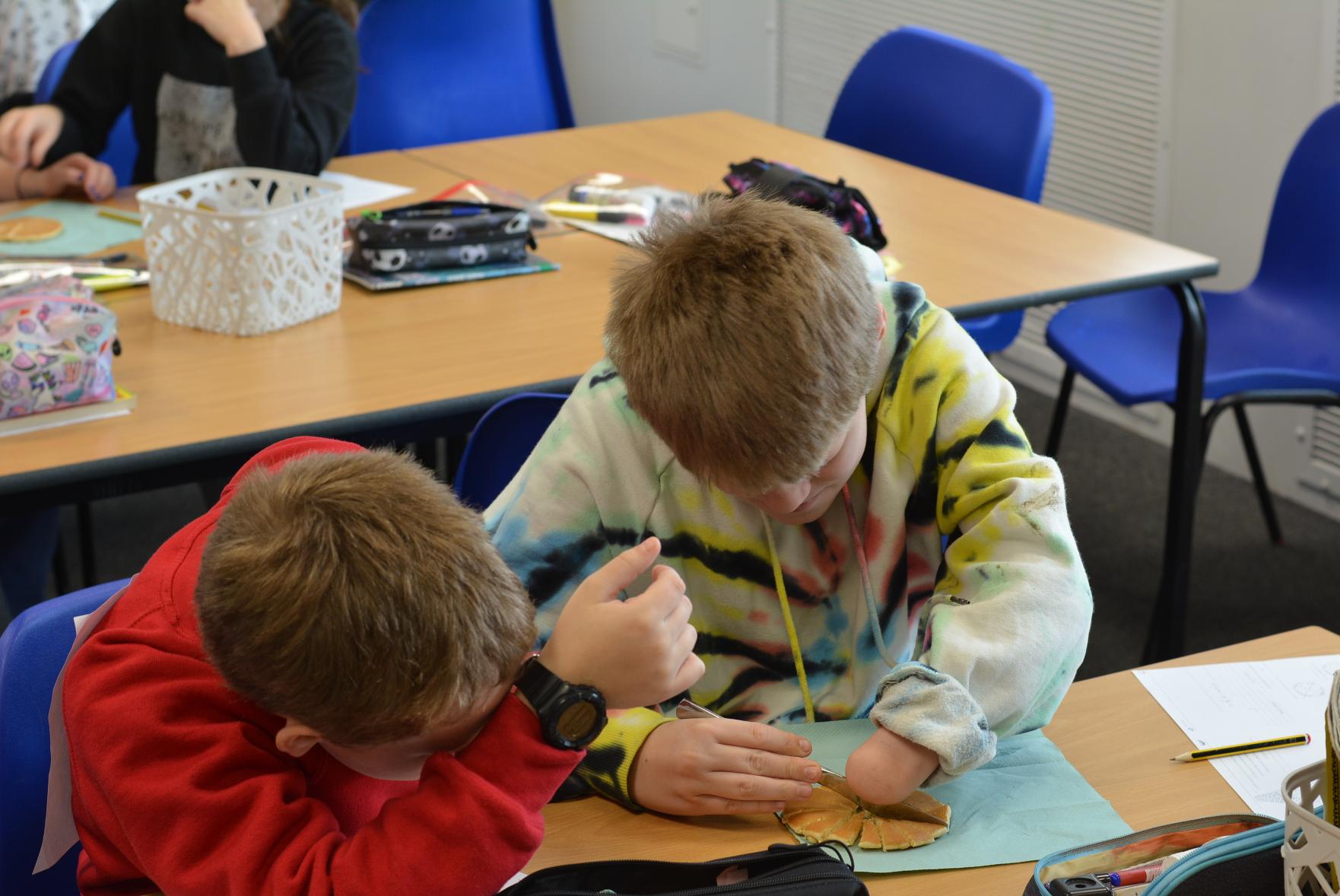
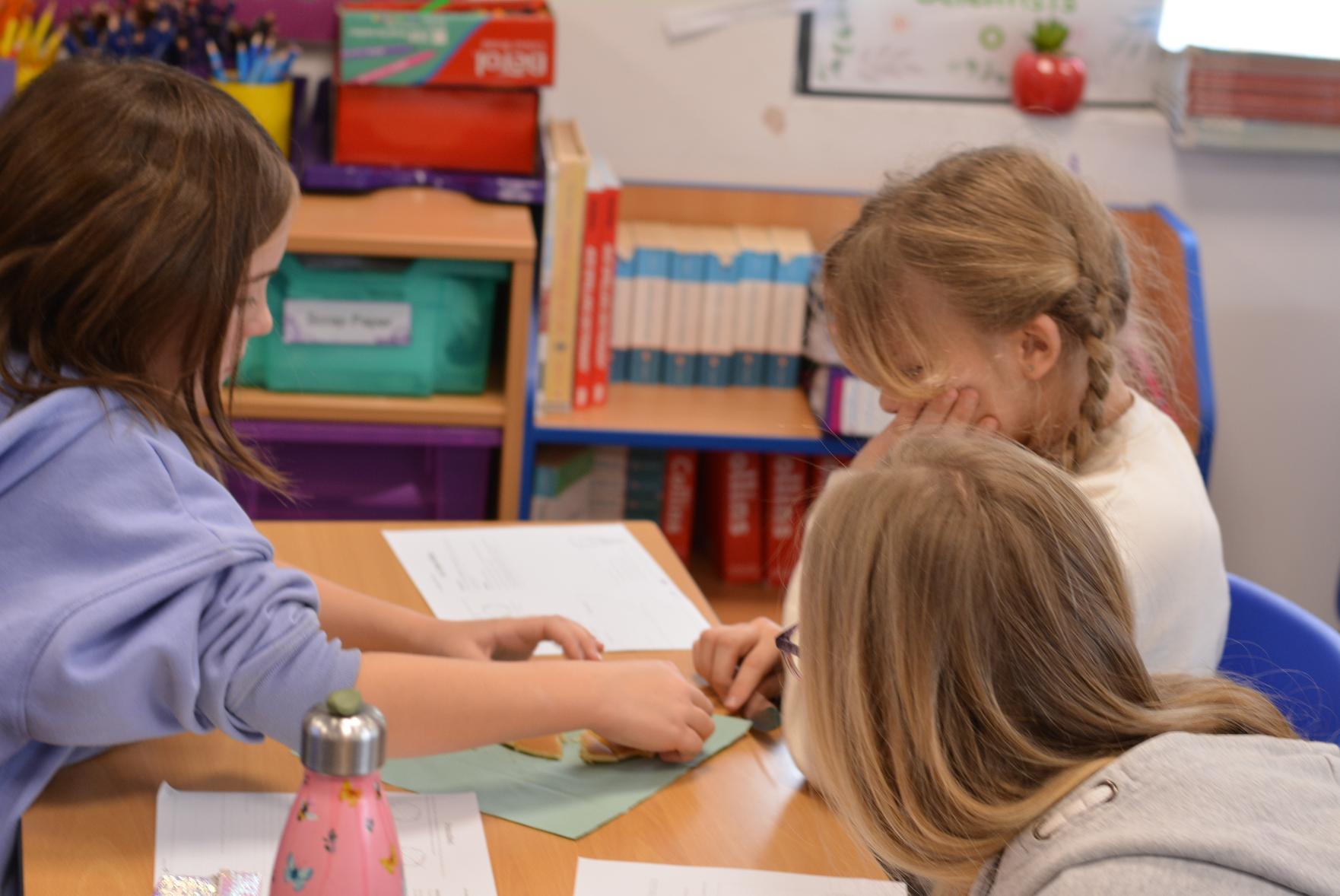
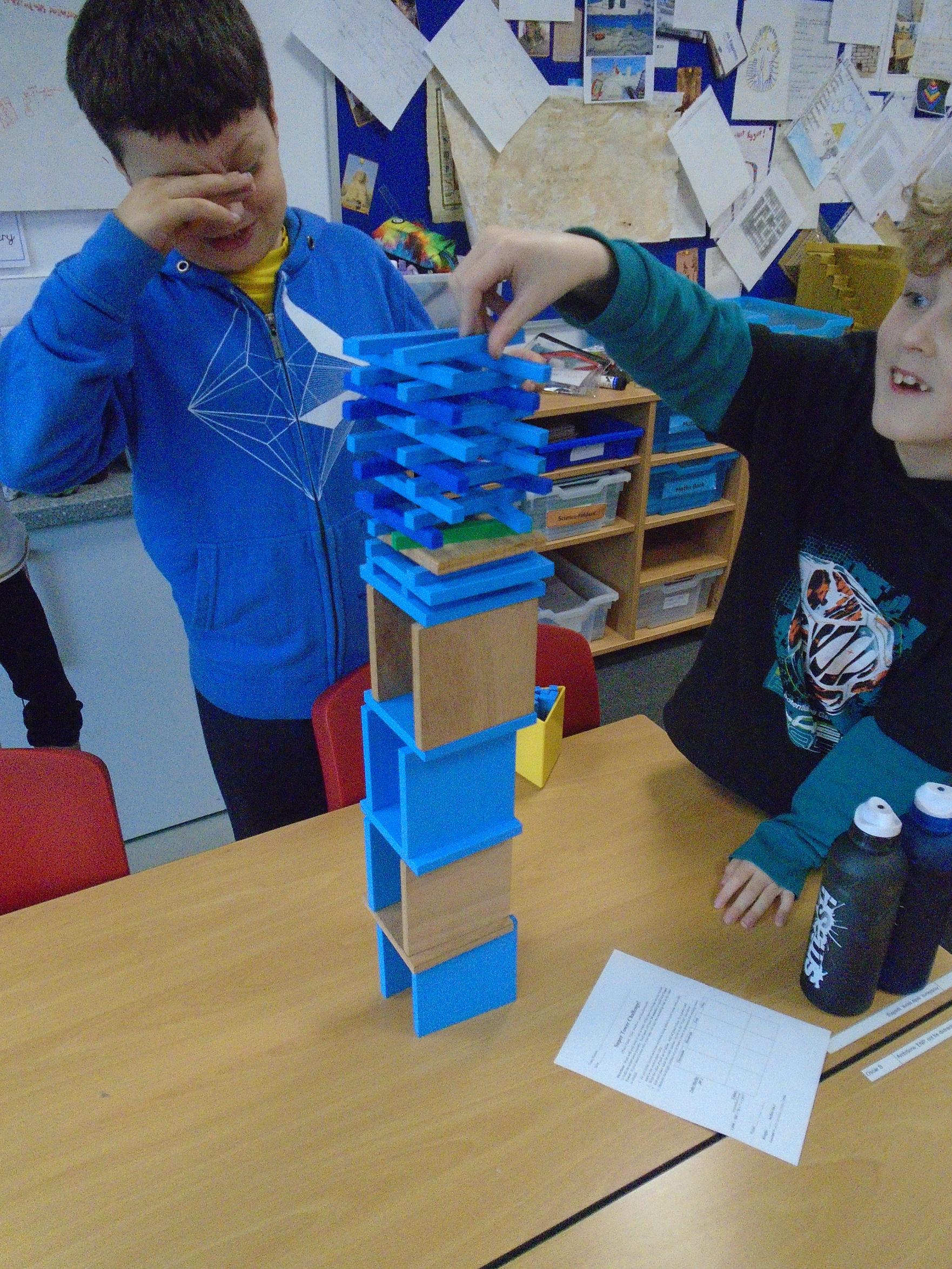
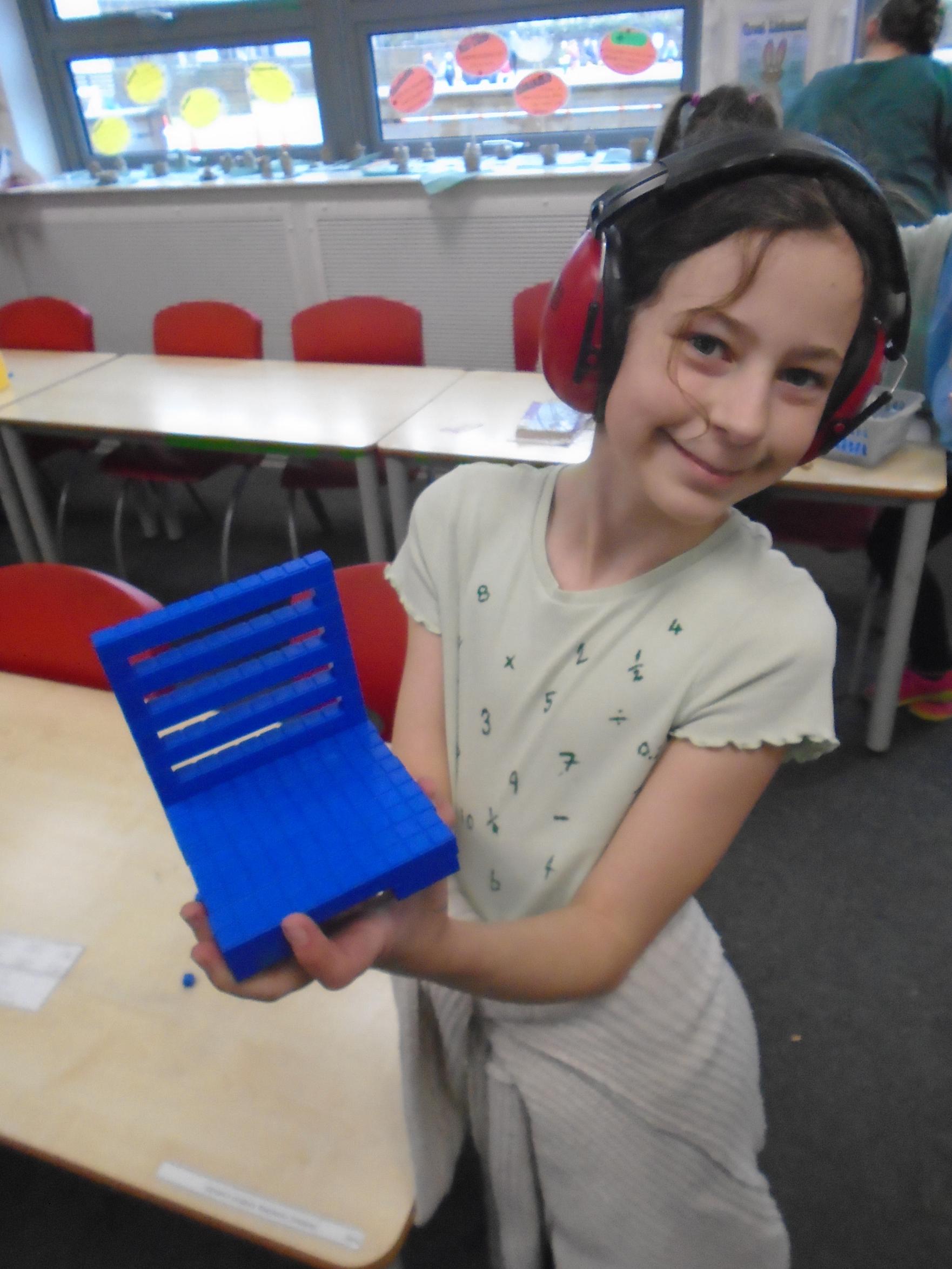
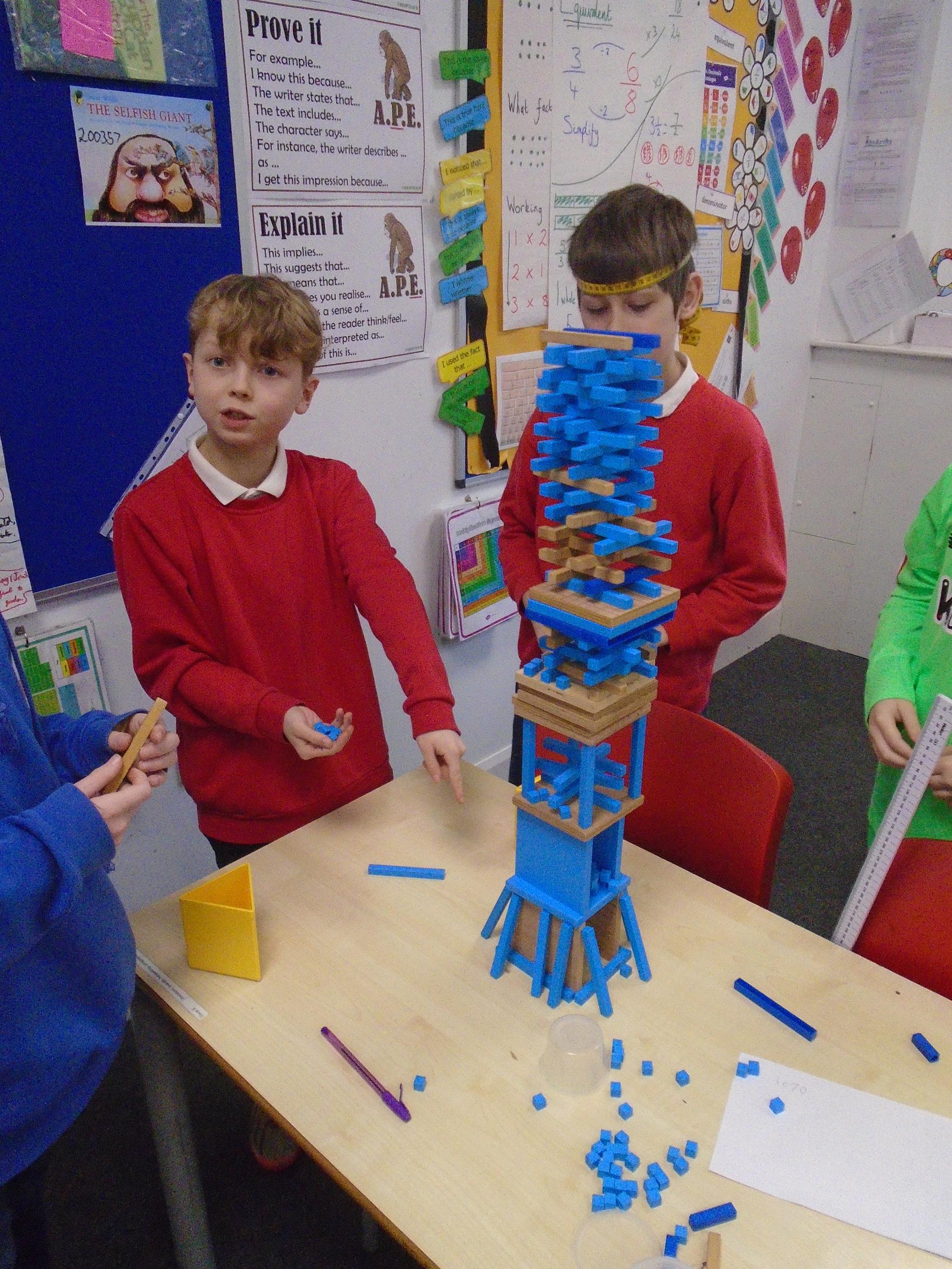
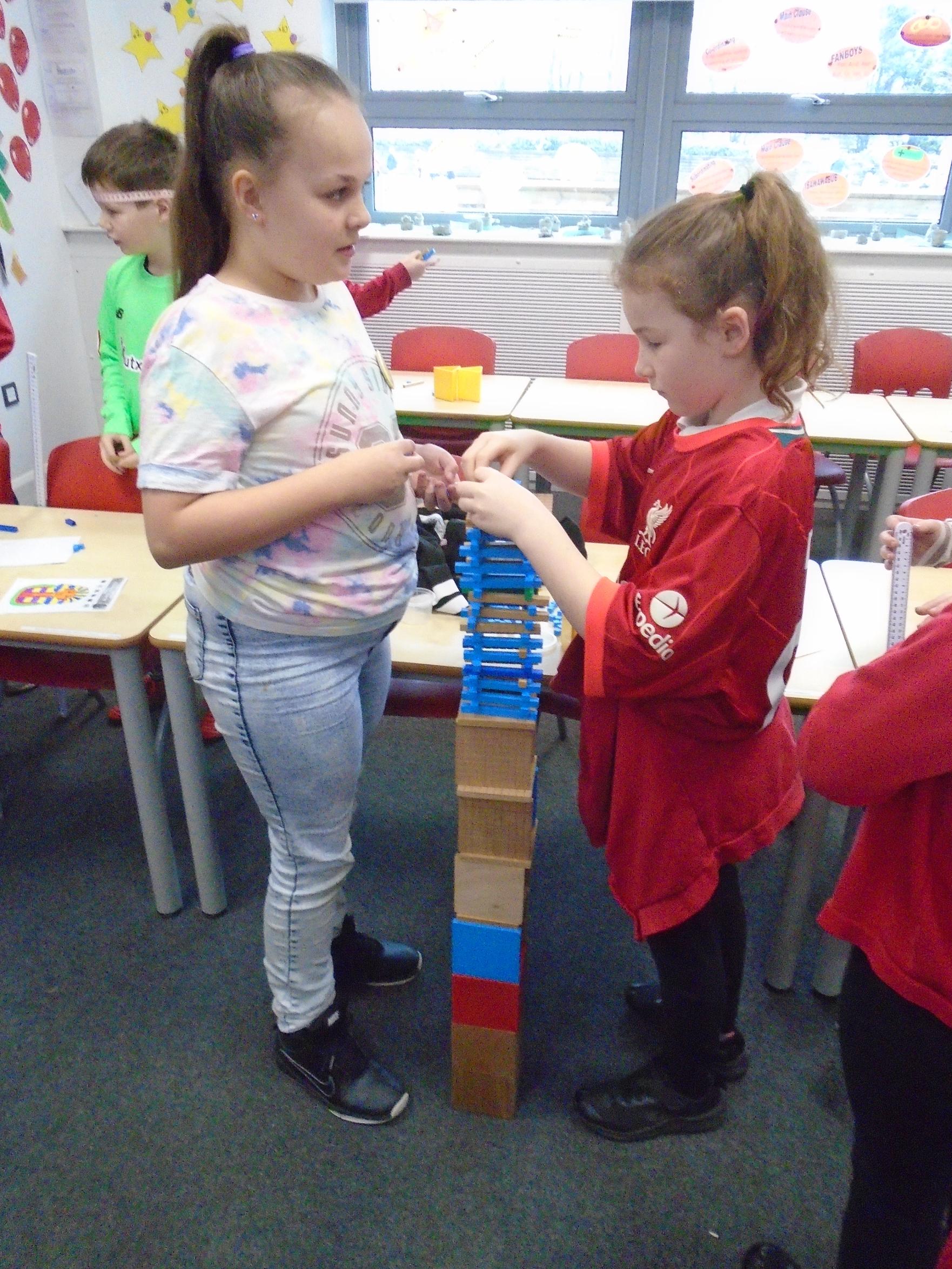
Number Day 2023
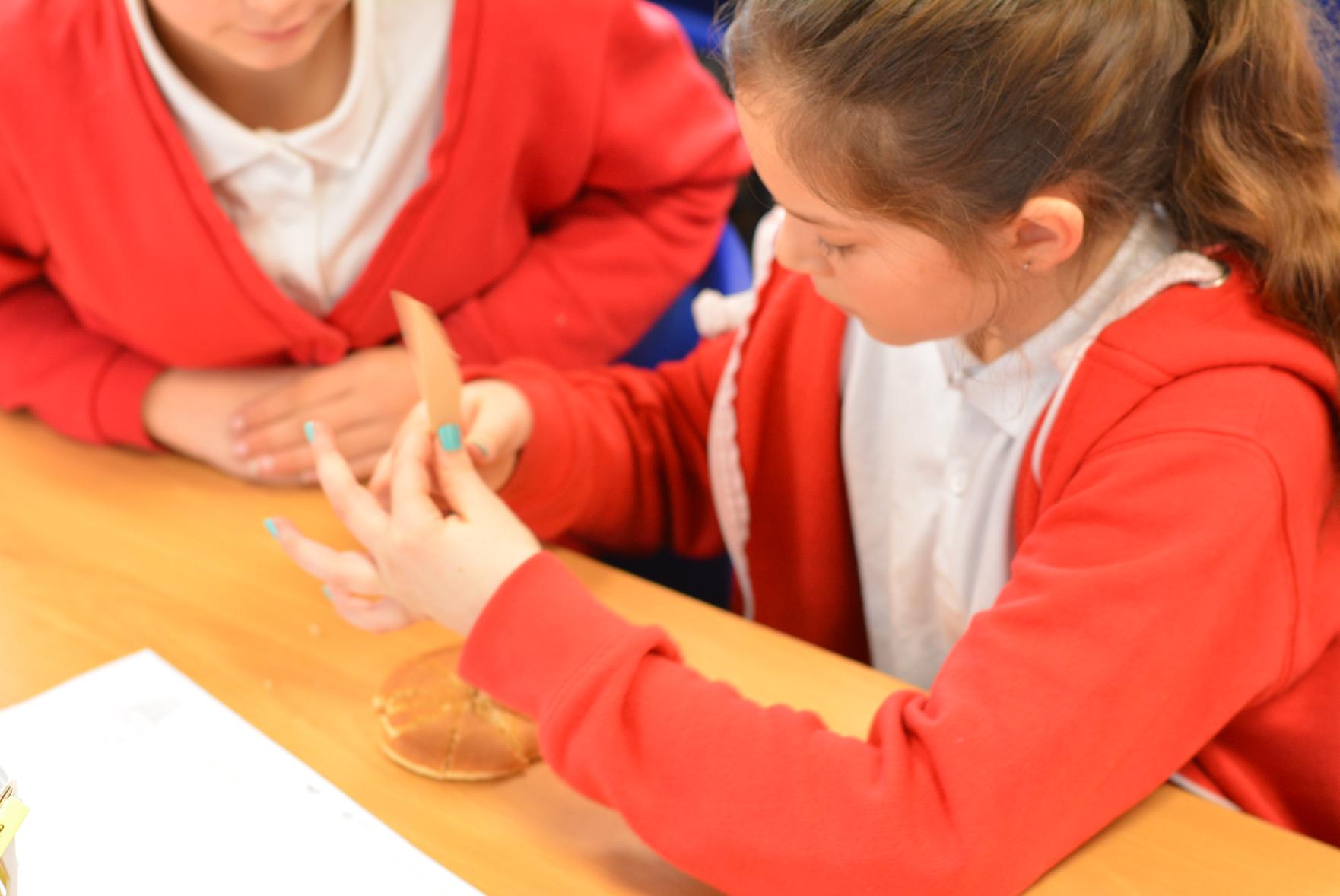
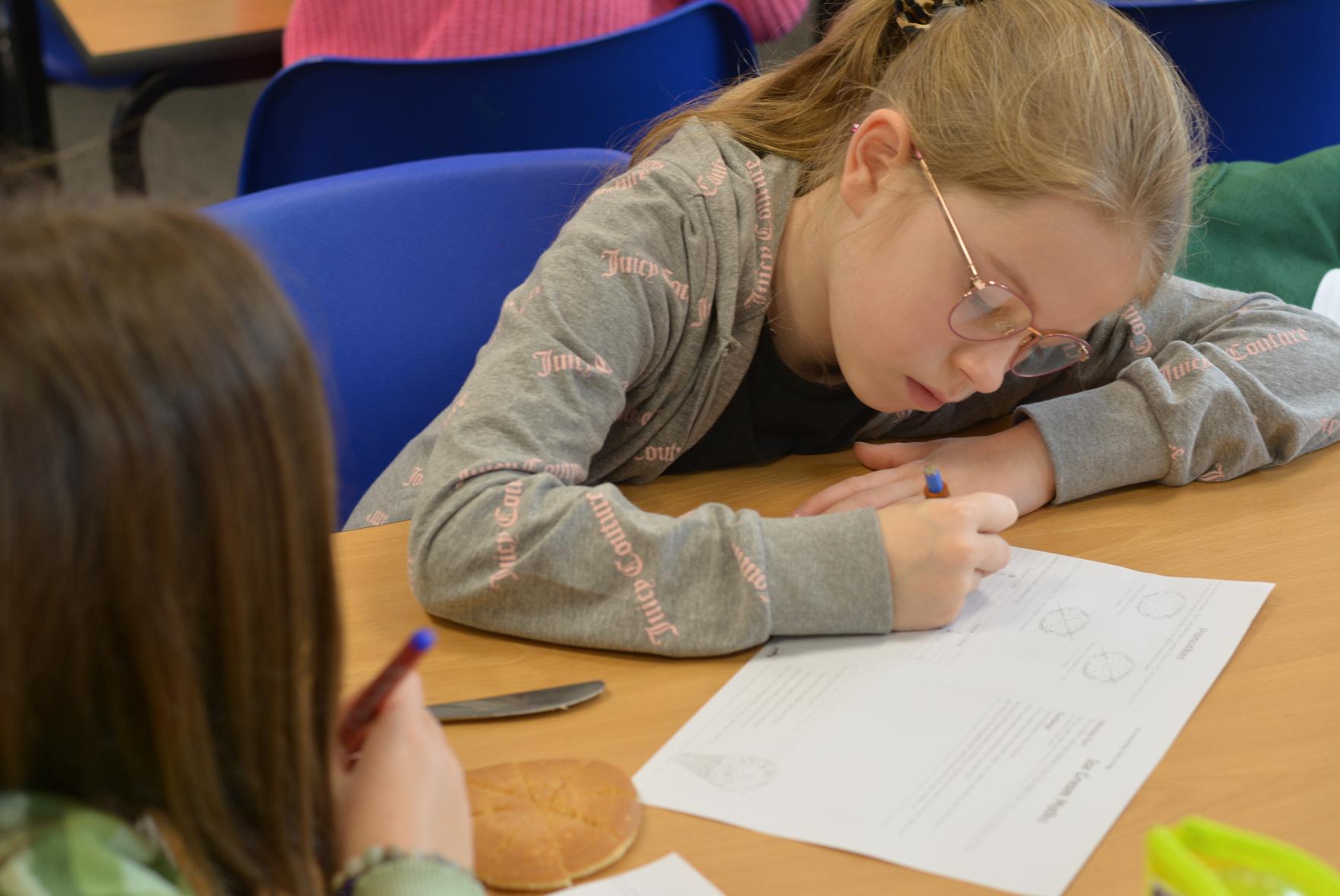
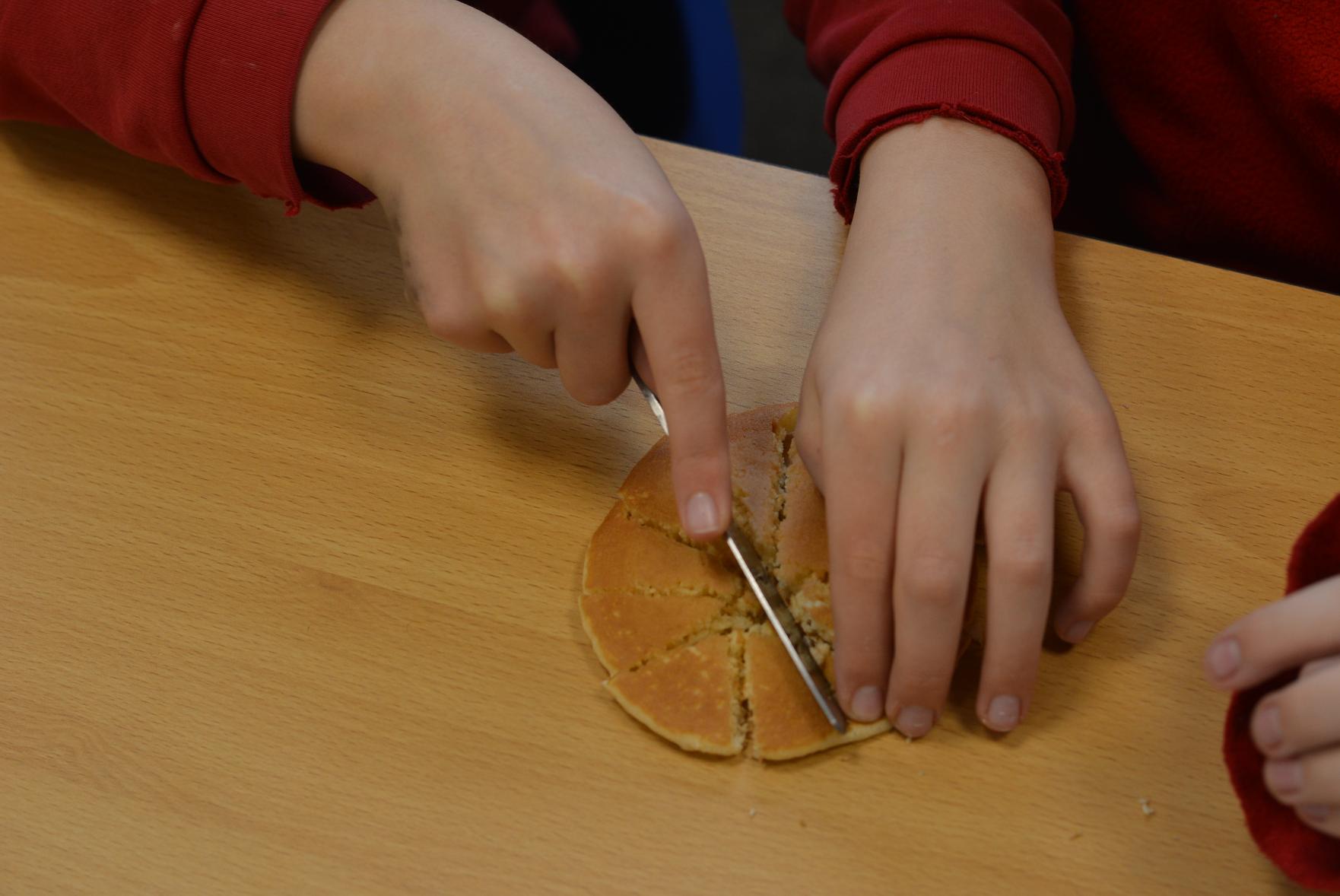
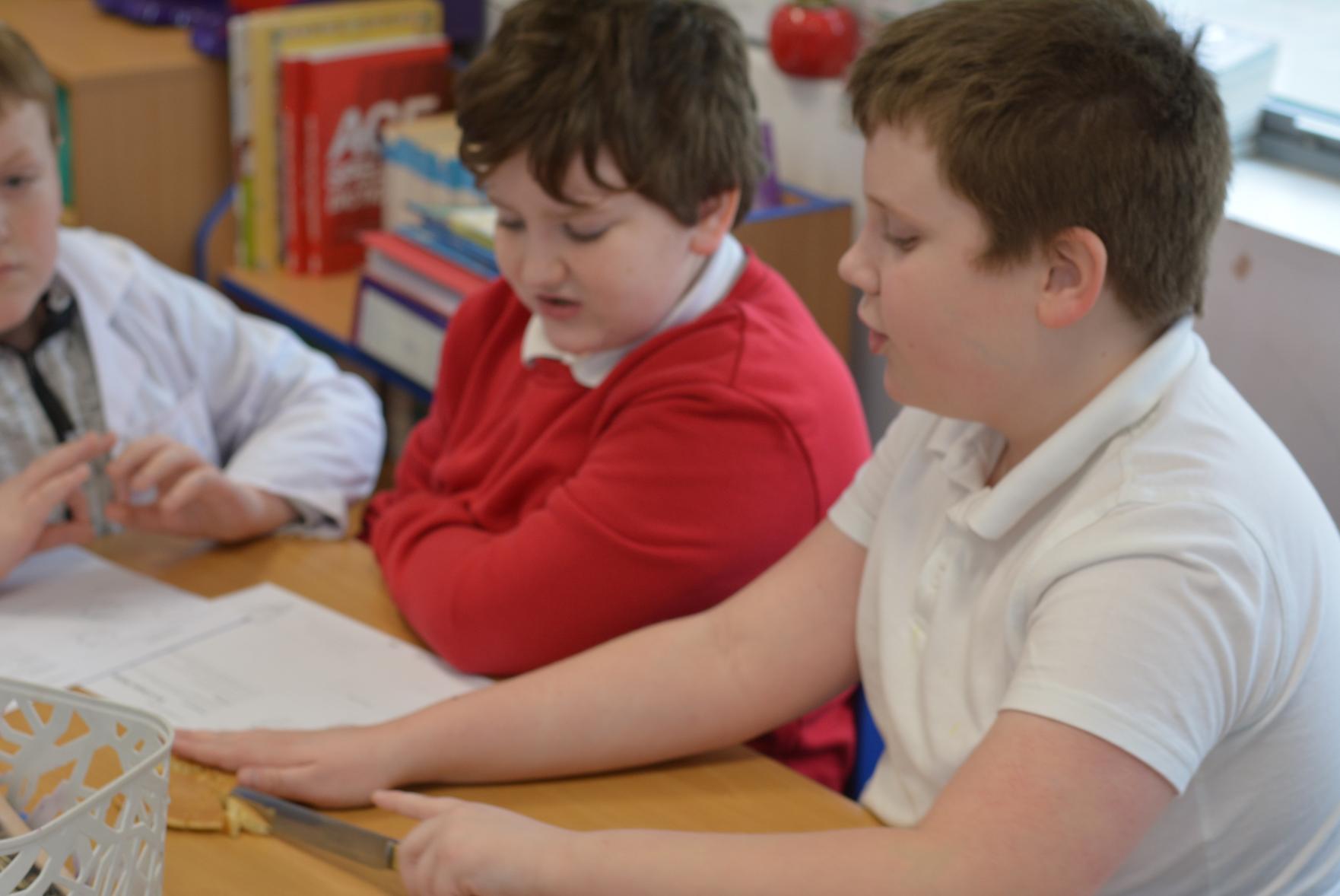
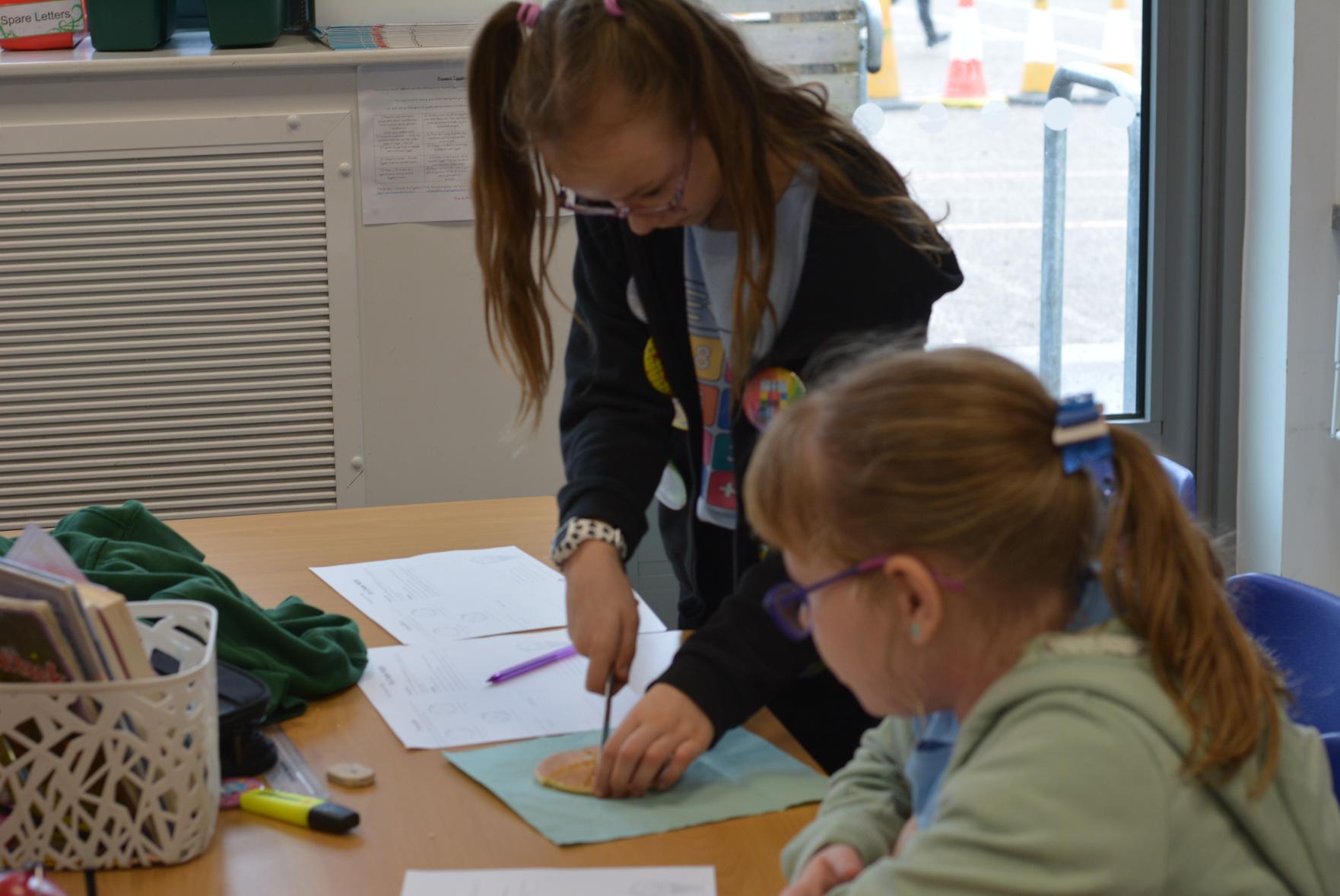
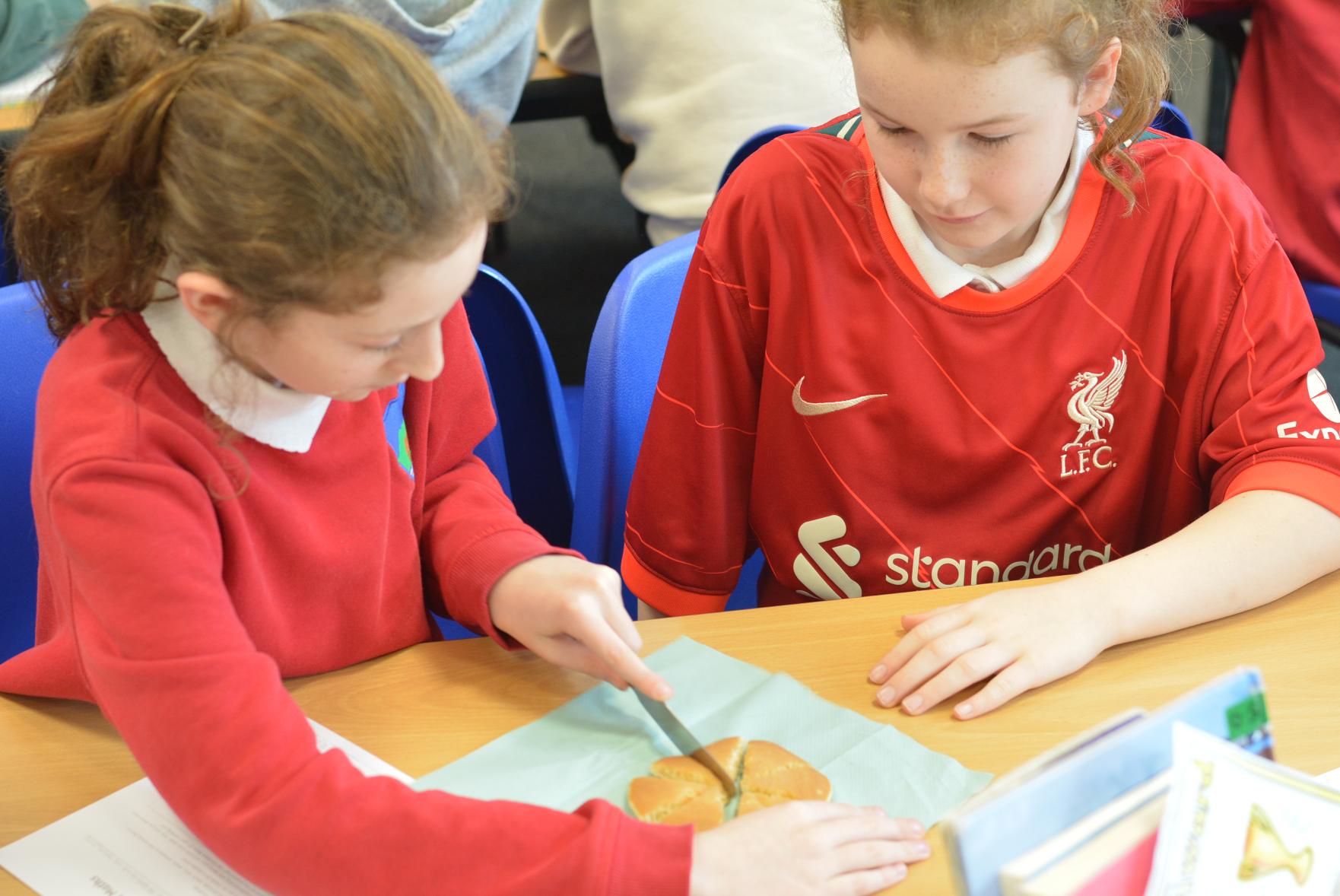
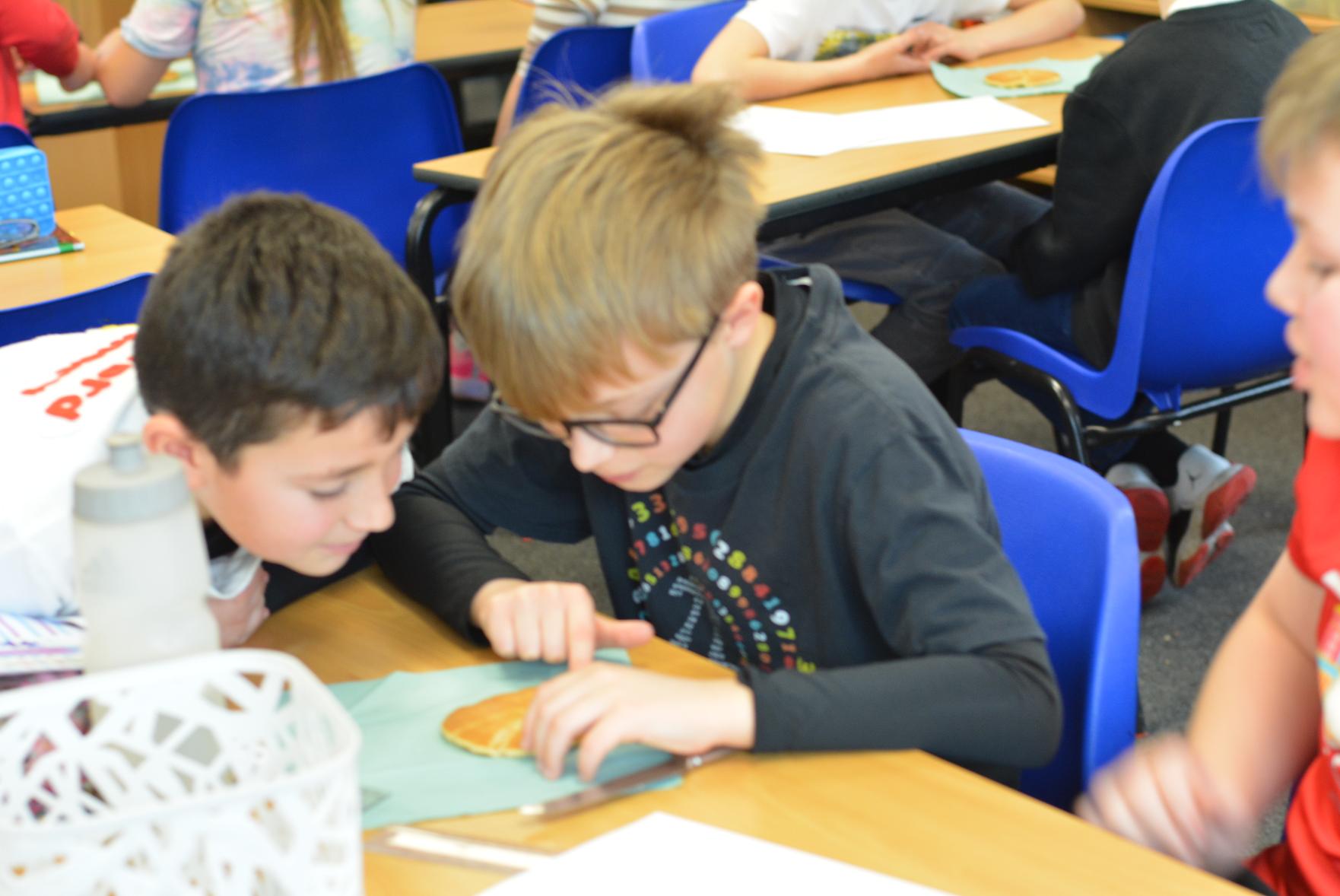
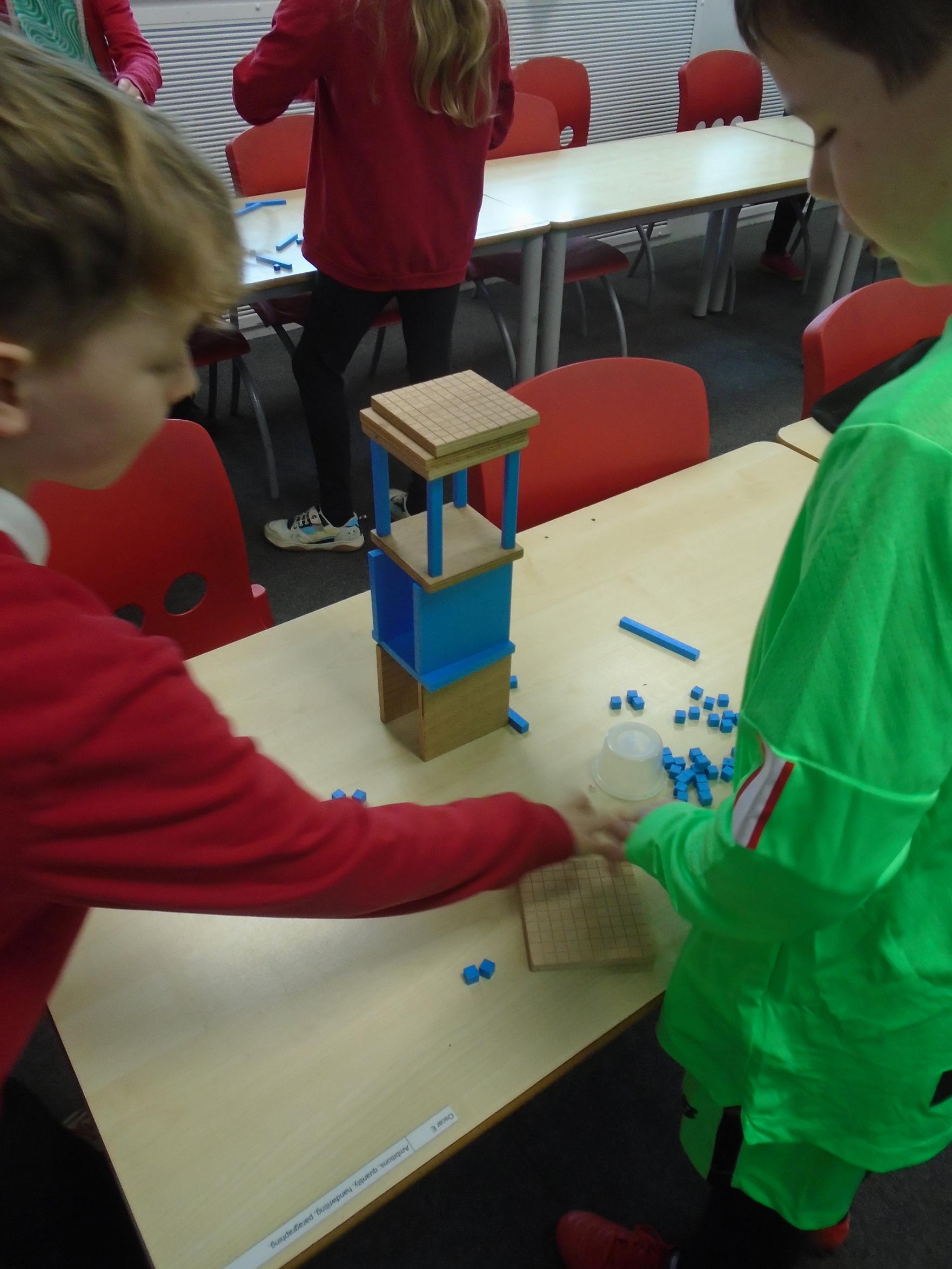
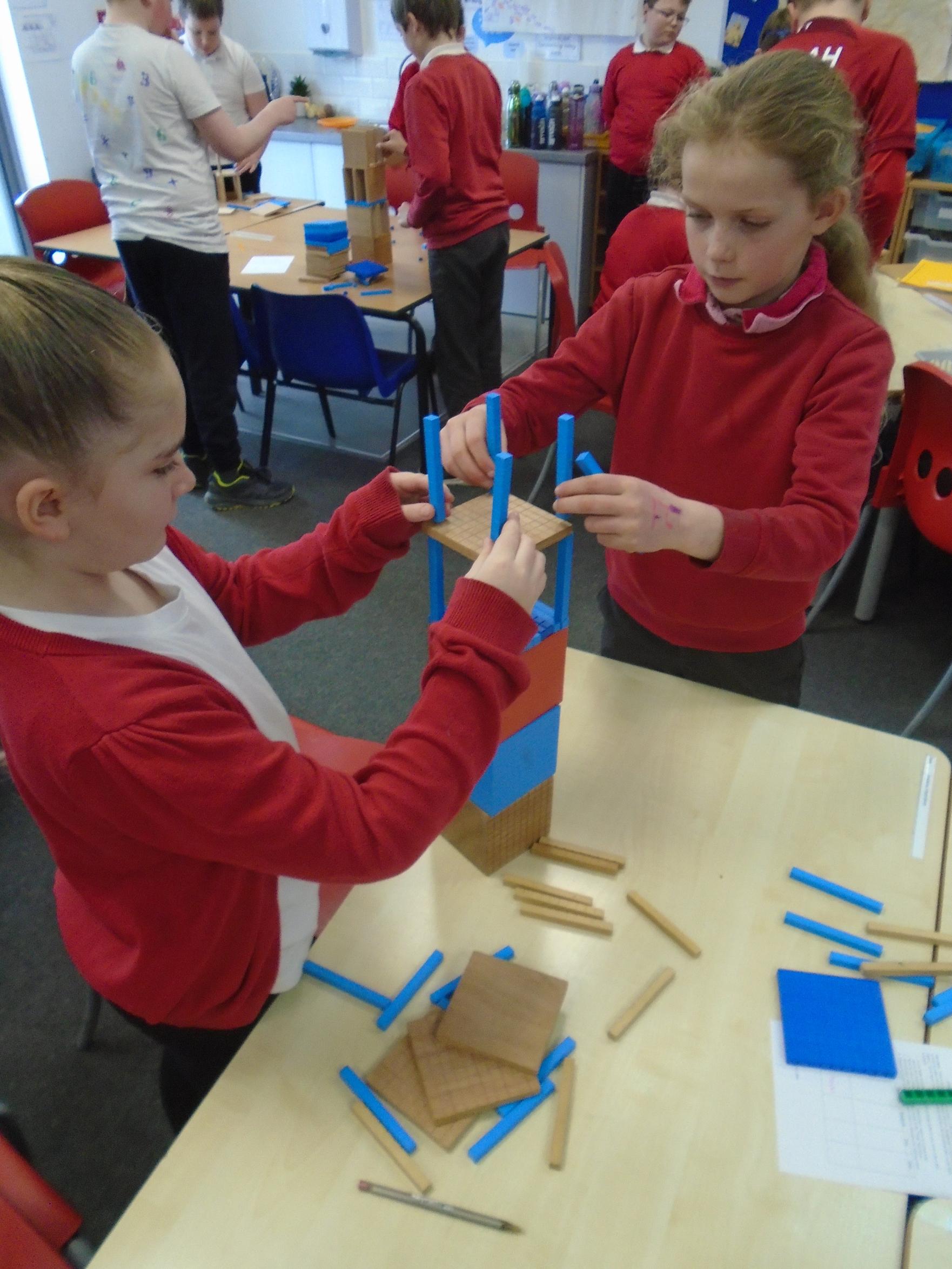
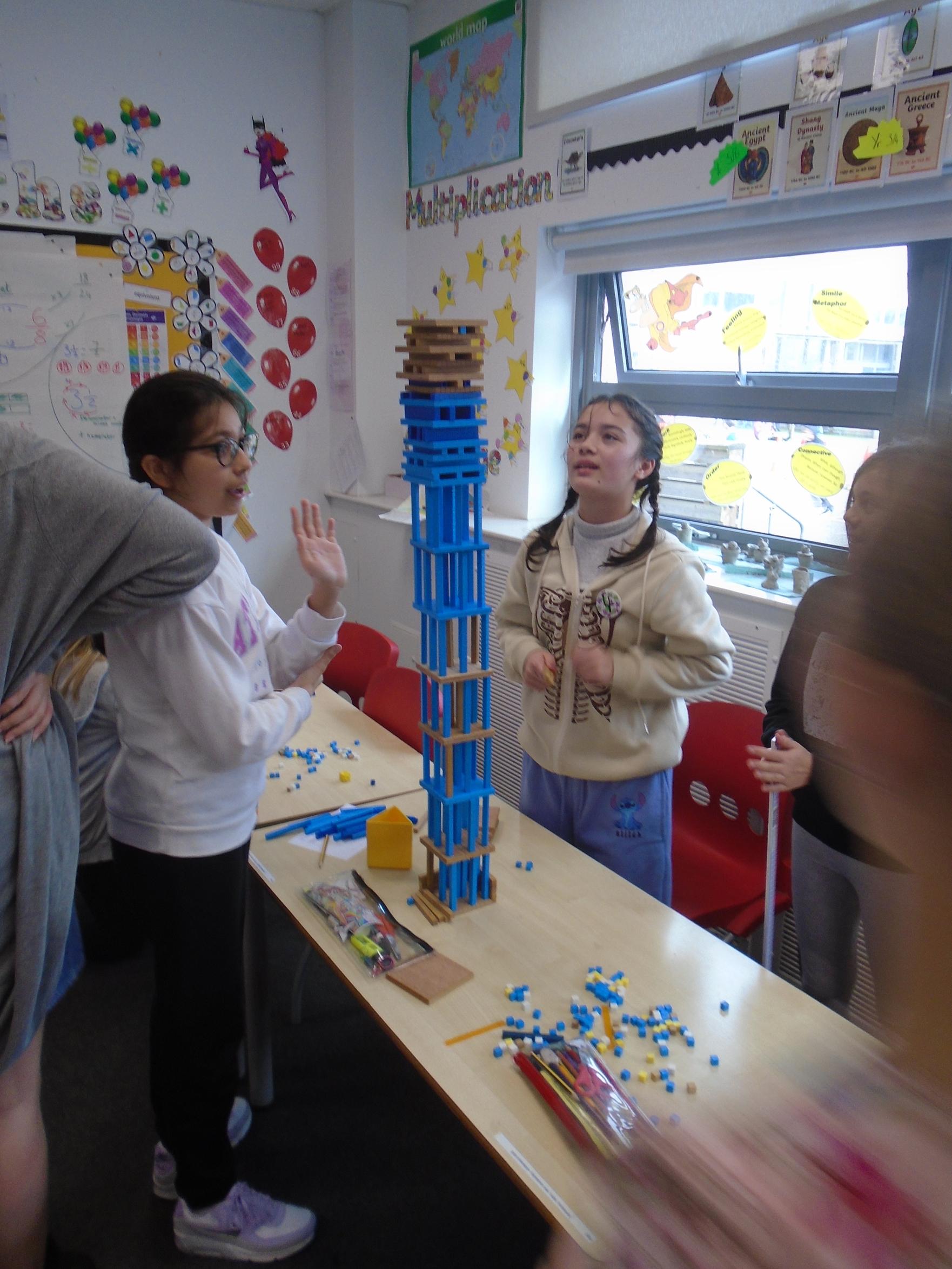
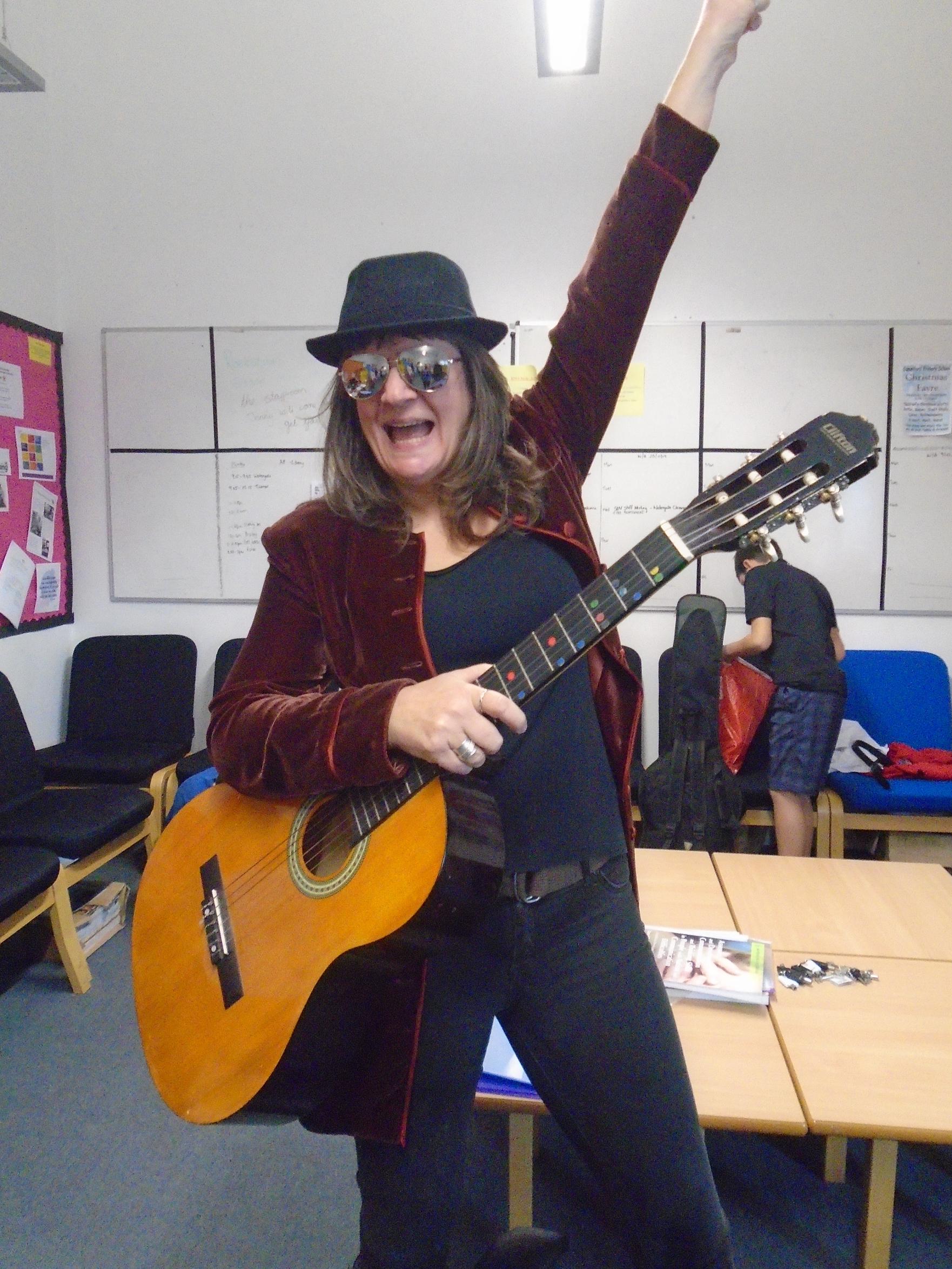
On Friday 3rd February, we held our annual number day.
Children are encouraged to dress with a mathematical theme and this year we had losts of great costumes.
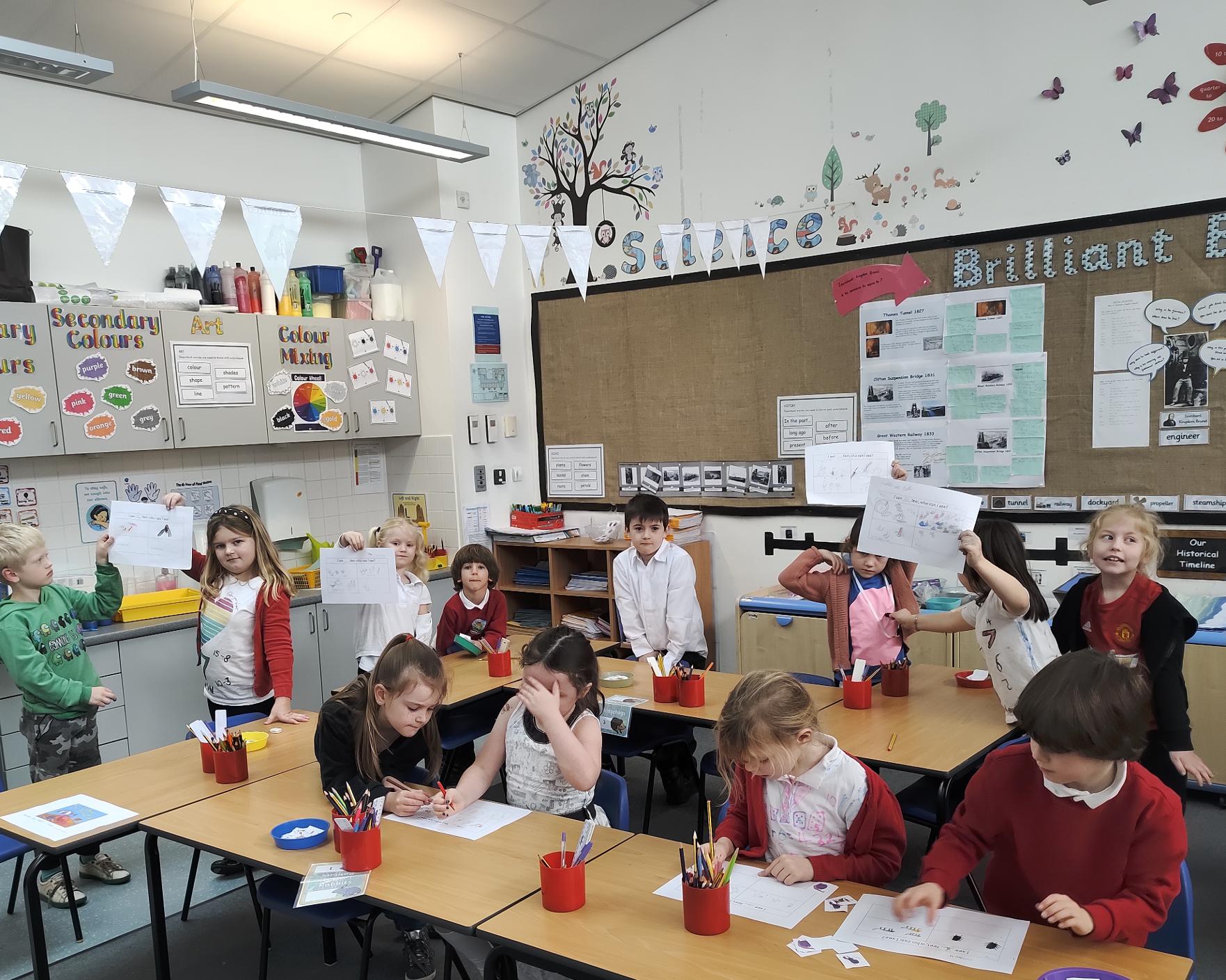
Over the course of the day, children particiapte in different workshops and activities. These activities are designed to fun and encourage children to develop thier mathematical oracy, problem solving and team work skills.

Times Tables Rock Stars Battle
TTRS is used to support the recall of times table facts. We regularly hold tournaments within classes, phases or even the whole school. Keep an eye out for our next one!
99 Times Tables' Club

The 99 Club is a scheme which aims to raise standards in maths through encouraging pupils to improve their mental calculations when attempting quick-fire multiplication and division problems.
The idea is that with repeated practice, the scheme should result in increased speed and confidence when tackling mental maths problems without relying on written workings and methods.
All KS1 pupils will begin at the 11 Club and all KS2 pupils will begin at the 44 club and then work their way up. They will have one opportunity per week during one of their maths lessons to answer all calculations at their current level unaided and within the allotted time of ten minutes. If all of the calculations are answered correctly, the child can move up to the next level!
The initial 11 Club involves eleven problems which involve adding 2 single digit numbers ie. 5+4, 1+9. The 22 Club then adds eleven further questions and will be a mixture of addition and subtraction sums, ie. 13-2, 20-10, 3+14. The 33 Club add another eleven addition and subtraction questions.
The 44 club begins to introduce the times tables. Division facts are added by the time a pupil reaches the 77 Club, and from the 77 Club onwards, pupils will be tackling a range of mixed multiplication and division problems
The ultimate challenge is to complete all 99 questions of the 99 Club unaided, with no errors and within ten minutes!
The 99 Club is not designed for the Foundation Stage, but if teachers feel that children are ready to attempt it, they will be given the opportunity to enter the 11 Club!
Sheets are available to download below for pupils to practise their level at home. You can support your child by finding out which level they are working at and helping them to practise the relevant times tables and fundamental number skills. As children move into Key Stage 2, they will complete club sheets that include other fundamental skills that reflect the KS2 curriculum.
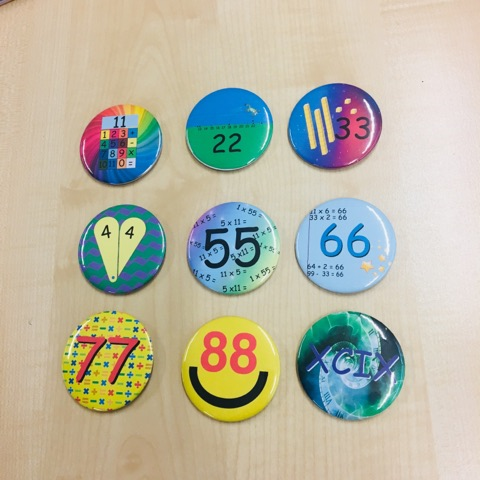
As each child achieves each level they will receive a badge, which has been designed by a child in our school. When the child achieves the next level they need to exchange it for the next level badge. For example, a child who has previously achieved the 44 club and then achieves the 55 club will return their 44 badge and gain a 55 badge. Alternatively, if children want to keep the badge they can be bought for 50p.

|
99 | [docx 190KB] |
|
|
|
88 | [docx 197KB] |
|
|
|
77 b | [docx 53KB] |
|
|
|
66 club | [docx 182KB] |
|
|
|
55 | [docx 167KB] |
|
|
|
44 club | [docx 149KB] |
|
|
|
33 club | [docx 144KB] |
|
|
|
22 club | [docx 156KB] |
|
|
|
11 | [docx 48KB] |
|
Year 6 SAT revision
Here are some helpful documents to help you revise.
|
|
001-BODMASBIDMAS | [pdf 480KB] |
|
|
|
002-ColumnMethodsAdd+Subtract | [pdf 2MB] |
|
|
|
003-Decimals | [pdf 431KB] |
|
|
|
004-Division | [pdf 621KB] |
|
|
|
005-Factors,Primes+Squares | [pdf 333KB] |
|
|
|
006-FractionAdding | [pdf 237KB] |
|
|
|
007-FracDecPercEquivalence | [pdf 786KB] |
|
|
|
008-FractionofaQuantity | [pdf 593KB] |
|
|
|
009-FractionsofShapes | [pdf 497KB] |
|
|
|
010-MultiplyDivideby10,100,1000 | [pdf 375KB] |
|
|
|
011-LongMultiplication | [pdf 331KB] |
|
|
|
012-MultiplyingandMultiples | [pdf 1MB] |
|
|
|
013-NegativeNumbers | [pdf 770KB] |
|
|
|
014-Percentages | [pdf 416KB] |
|
|
|
015-PlaceValue | [pdf 560KB] |
|
|
|
016-Rounding | [pdf 469KB] |
|
|
|
017-AlgebraandUnknowns | [pdf 544KB] |
|
|
|
018-Comparing | [pdf 319KB] |
|
|
|
019-Coins | [pdf 401KB] |
|
|
|
020-ExplainbyCounterexample | [pdf 242KB] |
|
|
|
021-InequalitySigns | [pdf 220KB] |
|
|
|
022-MoneyProblems | [pdf 1MB] |
|
|
|
023-ProblemSolving | [pdf 293KB] |
|
|
|
024-Proportion&Ratio | [pdf 465KB] |
|
|
|
025-Sequences | [pdf 672KB] |
|
|
|
026-SortingDiagrams | [pdf 328KB] |
|
|
|
027-Useeachnumberonce | [pdf 276KB] |
|
|
|
028-WorkingBackwards | [pdf 538KB] |
|
|
|
029-Angles+Lines | [pdf 679KB] |
|
|
|
030-Area | [pdf 393KB] |
|
|
|
031-Coordinates | [pdf 782KB] |
|
|
|
032-MeasurmentConversionofunits | [pdf 810KB] |
|
|
|
033-MissingLengthsfromDiagrams | [pdf 422KB] |
|
|
|
034-Nets+3DShapes | [pdf 472KB] |
|
|
|
035-Perimeter | [pdf 643KB] |
|
|
|
036-Quadrilaterals | [pdf 406KB] |
|
|
|
037-ReadingScales+NumberLines | [pdf 569KB] |
|
|
|
038-Rotation | [pdf 449KB] |
|
|
|
039-ShapeNames | [pdf 322KB] |
|
|
|
040-Symmetry+Reflection | [pdf 684KB] |
|
|
|
041-Time | [pdf 856KB] |
|
|
|
042-TranslatingShapes | [pdf 263KB] |
|
|
|
043-Combinations | [pdf 568KB] |
|
|
|
044-InterpretCharts | [pdf 2MB] |
|
|
|
045-LineGraphs | [pdf 319KB] |
|
|
|
046-Pictograms | [pdf 367KB] |
|
|
|
047-PieCharts | [pdf 736KB] |
|
|
|
048-Probability | [pdf 641KB] |
|