Early Reading and Phonics

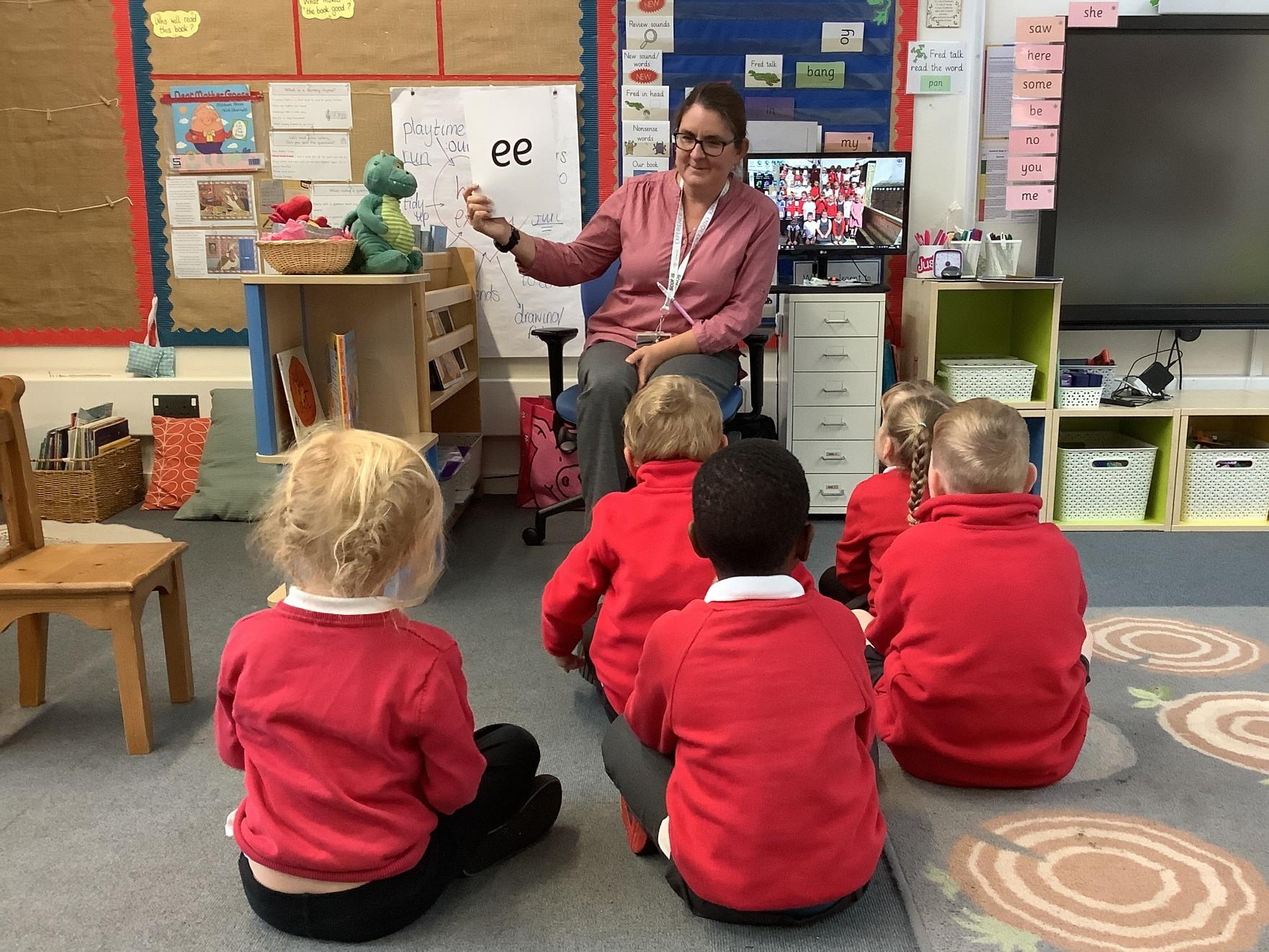
In Nursery and Reception, your child will learn to read the Set 1 sounds by sight. They will also learn how to blend them together to read words e.g. c-a-t = cat. In Year 1 and Year 2, they will then move onto learning to Set 2 and Set 3 sounds.
Before your child can start to read, they need to learn to:
- Say the sound that is represented by each letter or groups of letters. These are called ‘speed sounds’.
- Know how to blend the sounds together in a word to read it e.g. c-a-t = cat. This is called ‘sound- blending’.


Set 1 speed sounds
To begin, we learn a sound a day. We use pure sounds so that your child will be able to blend the sounds into words more easily.

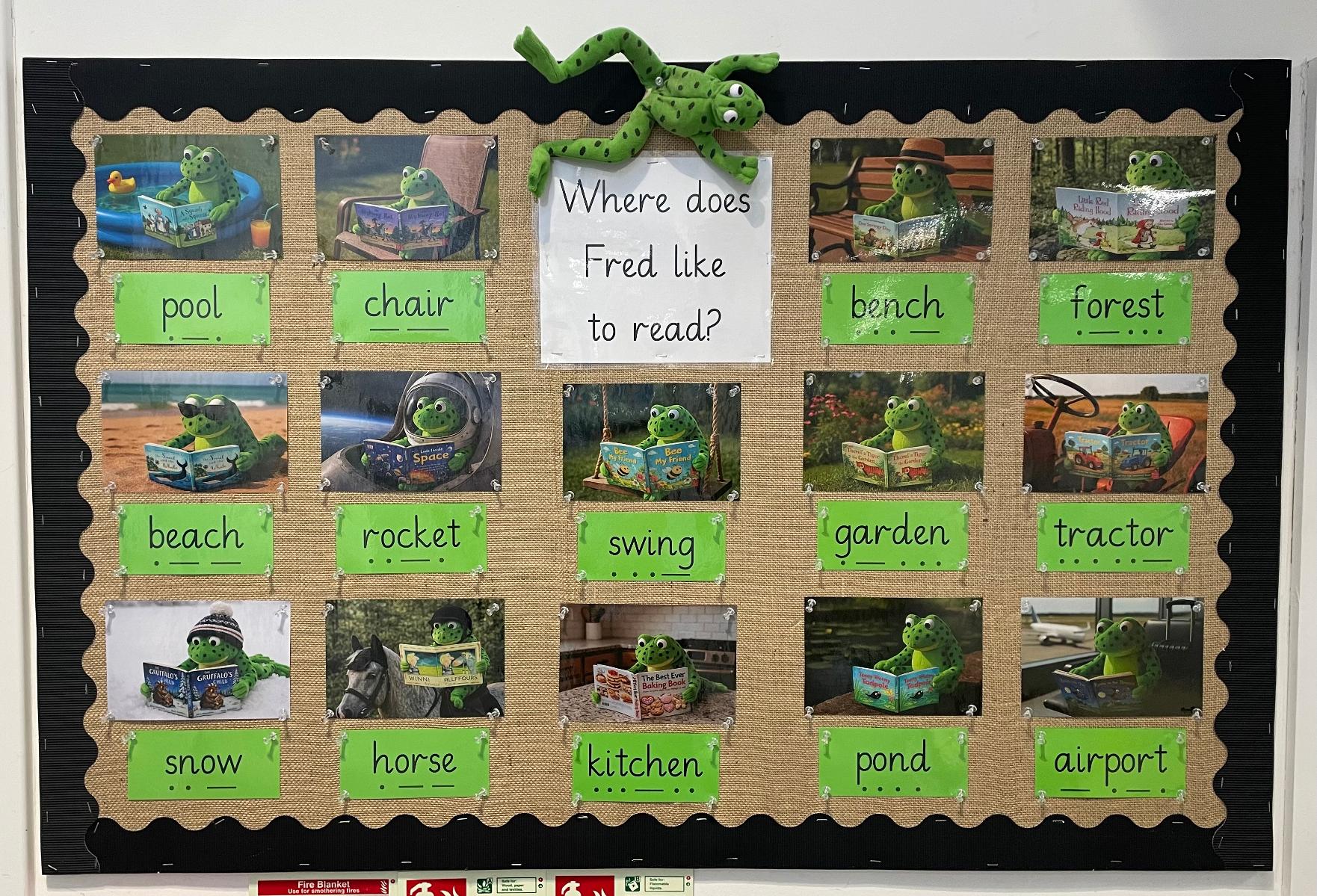
We then use ‘Fred talk’ to sound out words. Fred talk helps children read unfamiliar words by pronouncing each sound in the word one at a time. Children can start blending sounds into words as soon as they know a small group of letters well. At the start we use magnetic boards and magnetic letters to build the words. The first words that we start to blend, are the following:


|
Word Time - blending words | [pdf 148KB] |

|
Set 2 speed sounds
Once your child knows all Set 1 sounds by sight uses them to blend to read words, we start teaching Set 2 initially and then Set 3 long vowel sounds.
We now start to learn that two or three letters together can make one sound. We call them ‘special friends’.

Set 3 speed sounds
After learning the Set 2 sounds, your child will have learnt one way in which each long vowel sound is written. When learning their Set 3 speed sounds, they will be taught that there are more ways in which the same sounds are written, e.g. ee as in tree, and ea as in tea.
Reading Set 3 speed sounds will be taught for most of Year 1, and spelling the Set 3 speed sounds during Year 2. When your child learns their Set 3 sounds in school they will learn:
• The letters that represent a speed sound e.g. 'ea’
• A simple picture prompt linked to the ‘speed sound’ and a short phrase to say e.g. ‘cup of tea’
There are 20 Set 3 speed sounds that are made up of two or three letters which represent just one sound, e.g. ea as in tea, ow as in cow, and are as in care. As before, it is important that your child does not pronounce these as 2 or 3 separate sounds.
When a sound contains two letters that makes just one sound e.g. ‘ea’, we call it a‘digraph’. When a sound contains three letters that make just one sound e.g. ‘ure’, we call it a ‘trigraph’. When a sound has two letters, which work as a pair to make one sound, but are separated with the word e.g. ‘a-e’ (cake), we call it a‘split digraph’.

Sound families
We learn to distinguish between the sounds that sound the same but have different spellings. E.g., we learn that , and all sound the same and we learn the correct spelling for words like day, rain, cake, play, train, shake.

The Phonic Screening Check
Letters to support reading development at home
The letters below will help you to support your child in making steady progress with their phonic and reading development. Each half term you will be told which reading group your child is in.
|
|
1 Sound Belnding Group 1A - Letter to support reading development | [pdf 339KB] |
|
|
|
2 Sound Belnding Group 1B - Letter to support reading development | [pdf 533KB] |
|
|
|
3 Sound Belnding Group 1C - Letter to support reading development | [pdf 535KB] |
|
|
|
4 Photocopiable Ditty Group - Letter to support reading development | [pdf 450KB] |
|
|
|
5 Red Ditty Group - Letter to support reading development | [pdf 425KB] |
|
|
|
6 Green Group - Letter to support reading development | [pdf 538KB] |
|
|
|
7 Purple Group - Letter to support reading development | [pdf 540KB] |
|
|
|
8 Pink Group - Letter to support reading development | [pdf 541KB] |
|
|
|
9 Orange Group - Letter to support reading development | [pdf 573KB] |
|
|
|
10 Yellow Group - Letter to support reading development | [pdf 568KB] |
|
|
|
11 Blue Group - Letter to support reading development | [pdf 603KB] |
|
|
|
12 Grey Group - Letter to support reading development | [pdf 609KB] |
|
RWI Reception Phonics - Information Meeting
|
|
set 1 sounds parent meeting | [pdf 1MB] |
|
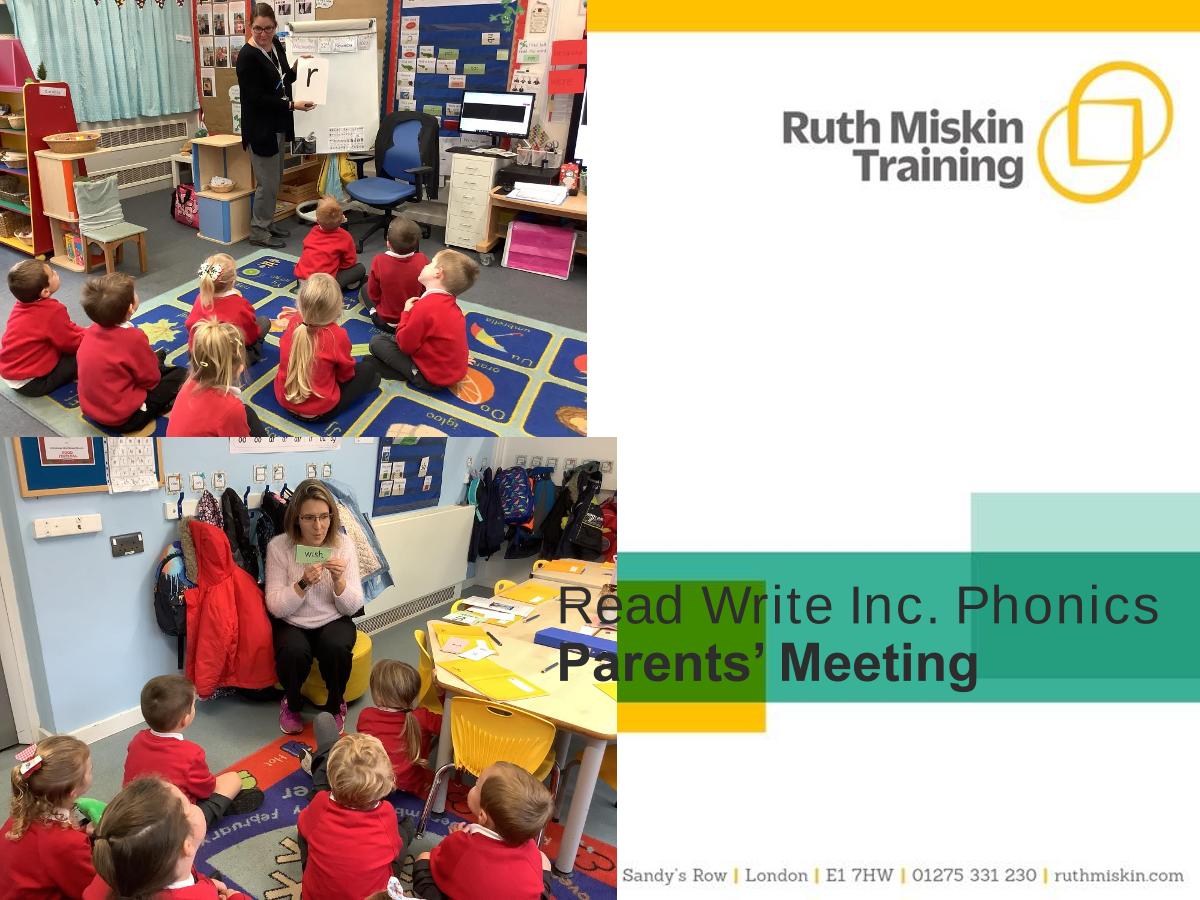
Please use the link below to find out how we teach Early Reading and Phonics. Thank you.


Year 1 Common Exception Words
By the end of Year 1, our pupils need to be able to read and spell the following Common Exception Words.
|
|
Year-1-Common-Exception-Words | [pdf 30KB] |
|
Year 2 Common Exception Words
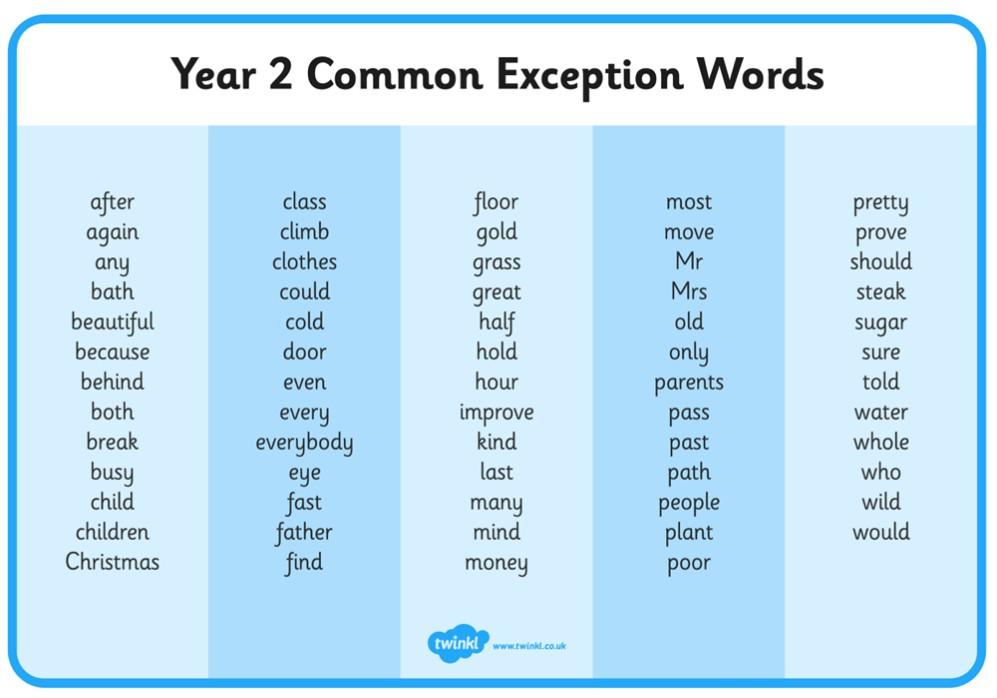
By the end of Year 2, our pupils are expected to be able to read and spell a set of Common Exception Words. These words do not always follow standard spelling rules, so regular practice at home can help children become confident readers and spellers.
Encouraging your child to read these words in books, write them in sentences, and play simple spelling games will make learning them fun and effective.
|
|
Year-2-Common-Exception-Words | [pdf 347KB] |
|


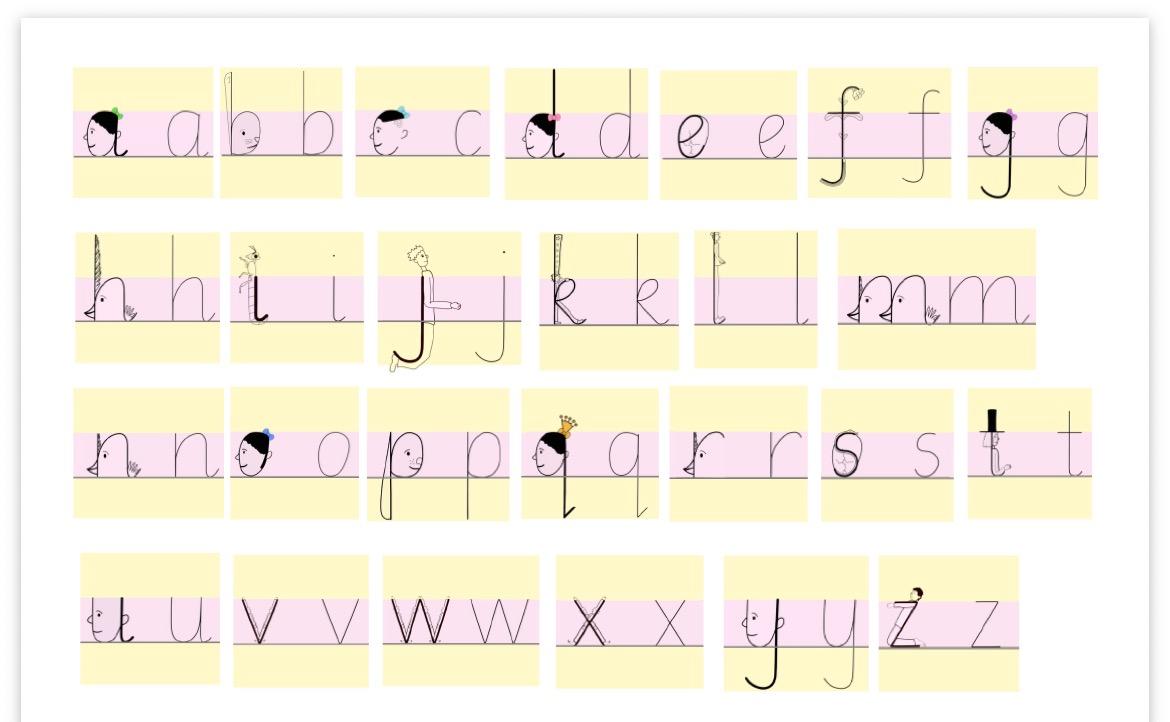
RWI Phonics - Information for Reception parents
- The letter formation chart highlights how to form the letters correctly with your child.
- The information booklet explains the RWI phonic and reading programme we use at Camelford School.
|
|
Phonics Home Activities | [pdf 8MB] |
|
|
|
fred talk games | [pdf 122KB] |
|
|
|
Home practice cards | [pdf 2MB] |
|
|
|
RWI Parent information booklet set1 | [pdf 570KB] |
|
|
|
Letter-formation-chart | [pdf 320KB] |
|
Where do you like to read?