Early Reading and Phonics

Camelford Primary School Early Reading
At Camelford Primary, we aim for all children to learn to read with fluency and comprehension, regardless of their background, needs and abilities. We recognise that the ability to read with fluency and comprehension enriches children’s lives, underpins their academic progress in primary school and prepares them for secondary school and beyond. We also recognise that reading supports effective and accurate writing and is integrated throughout the curriculum.
At the beginning of the pupils’ journey, in the Foundation Stage, we teach early reading skills by providing a systematic programme of reading which involves a combination of shared, guided, and individual reading. We aim to develop a reciprocal and interactive community of readers, fully involving parents and carers in supporting their child’s reading development. We aim to develop an appreciation of a wide variety of literature from English and other cultures. We believe that it is important for children to hear stories read aloud to them, to engage in making preferences about books, and to build vocabulary of the written word.

RWInc
Learning to read is the most important thing your child will learn at our school. Everything else depends on it. And so, we prioritise reading so that every single child learns to read as quickly and confidently as possible.
We want your child to love reading – and to want to read for themselves. This is why we put our efforts into making sure they develop a love of books as well as simply learning to read.
How will my child be taught to read?
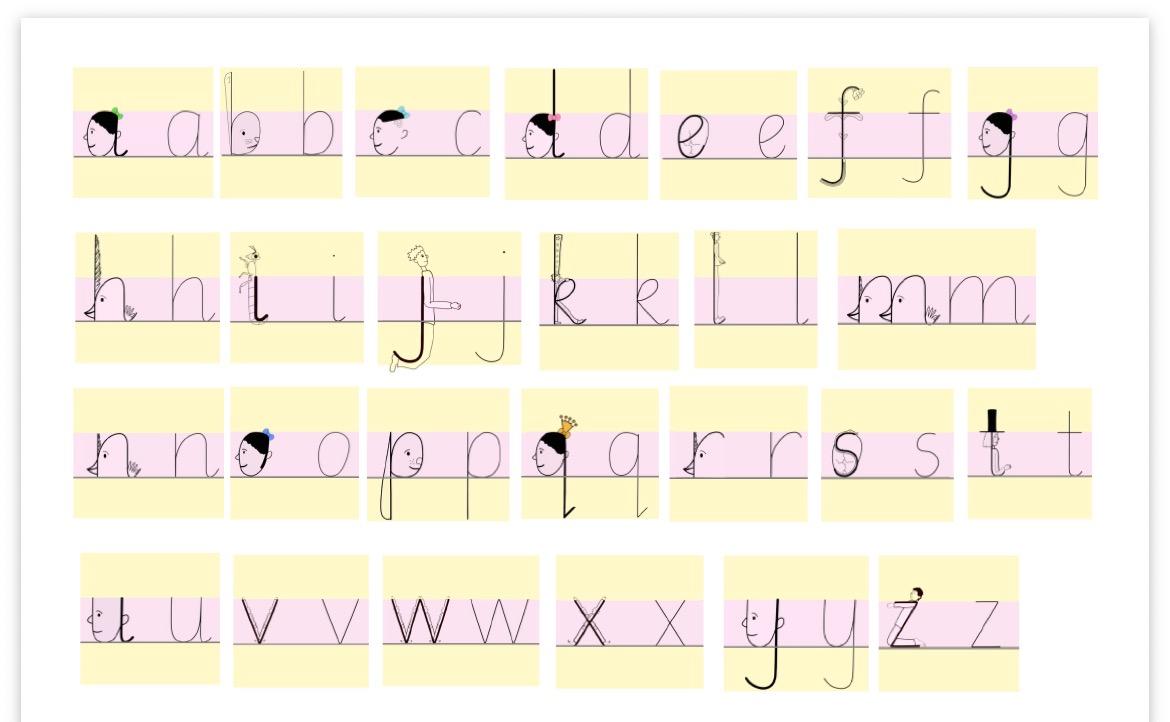
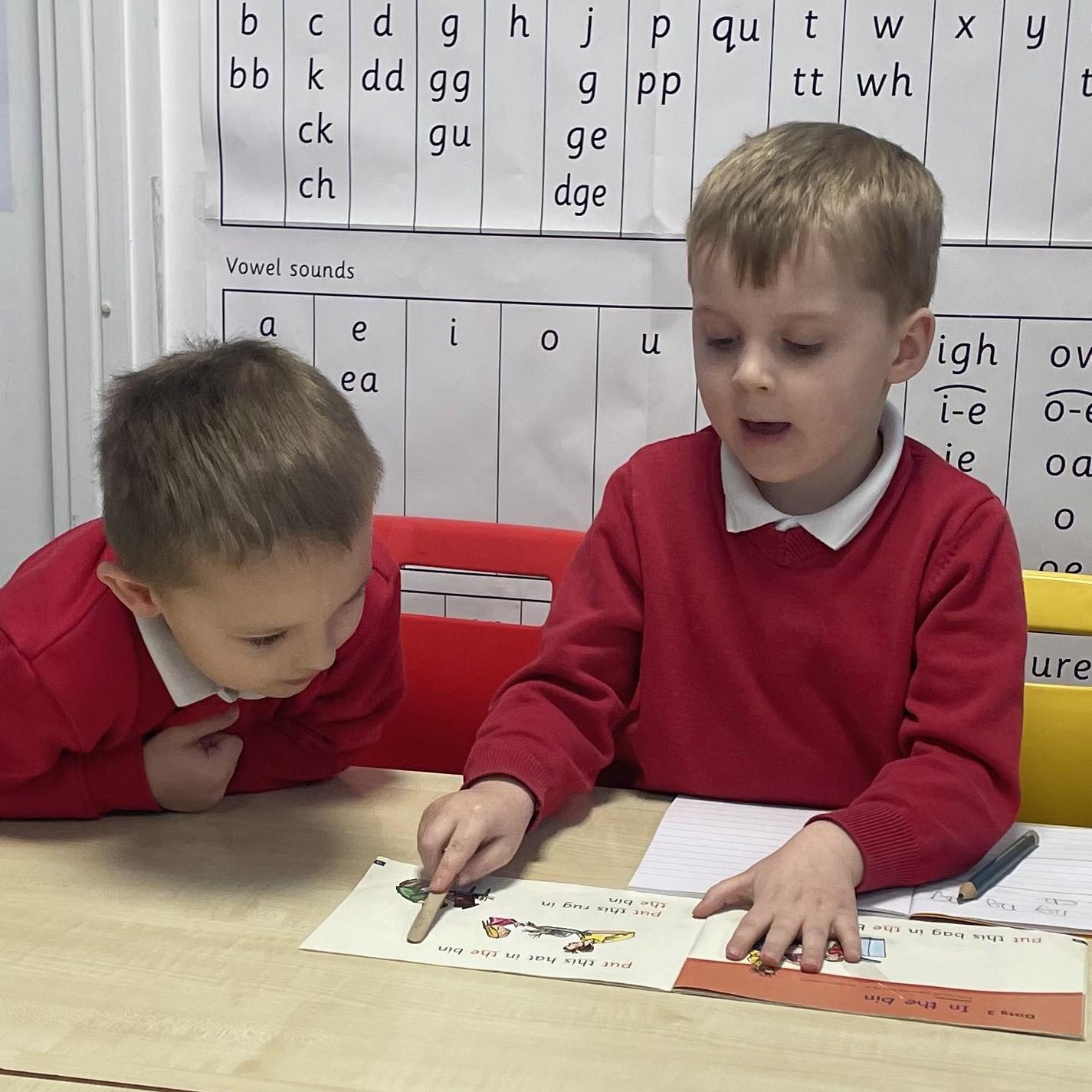
We start by teaching phonics to the children in our Reception class from their first day in school. This means that they learn how to ‘read’ the sounds in words and how those sounds can be written down. This is essential for reading, but it also helps children learn to spell well. We teach the children simple ways of remembering these sounds and letters. We suggest that you ask them to show you what these are.
The children also practise reading (and spelling) what we call ‘tricky words’, such as ‘one,’ ‘have,’ ‘said’ and ‘where’.
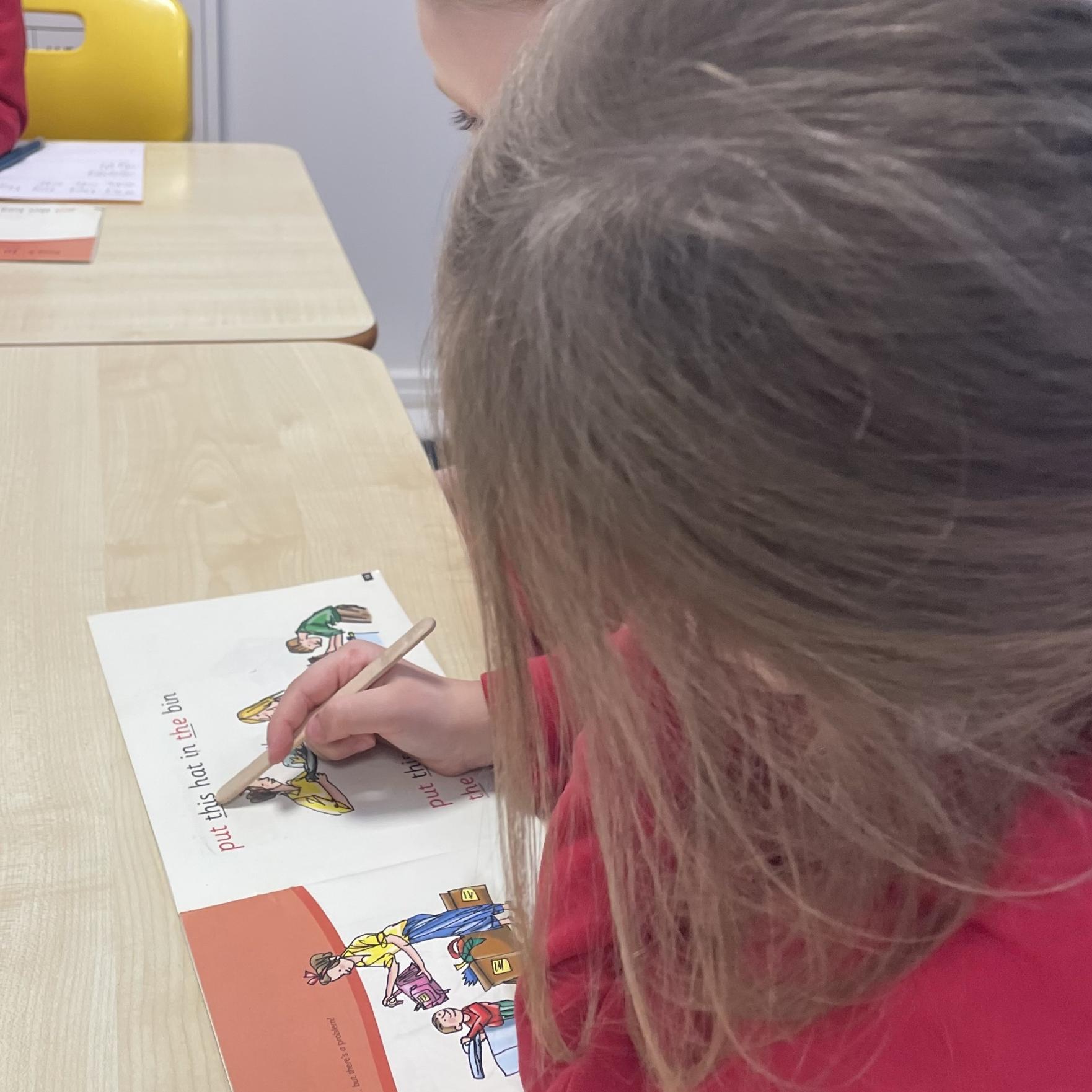
The children practise their reading with books that match the phonics and the ‘tricky words’ they know. They start thinking that they can read and this does wonders for their confidence.
The teachers read a range of books with embedded diversity to the children too so that they get to know all sorts of stories, poetry and information books. They learn many more words this way and it also helps their writing.
Practice the correct pronunciation for the sounds:
Set 1 speed sounds
To begin, we learn a sound a day. We use pure sounds so that your child will be able to blend the sounds into words more easily.

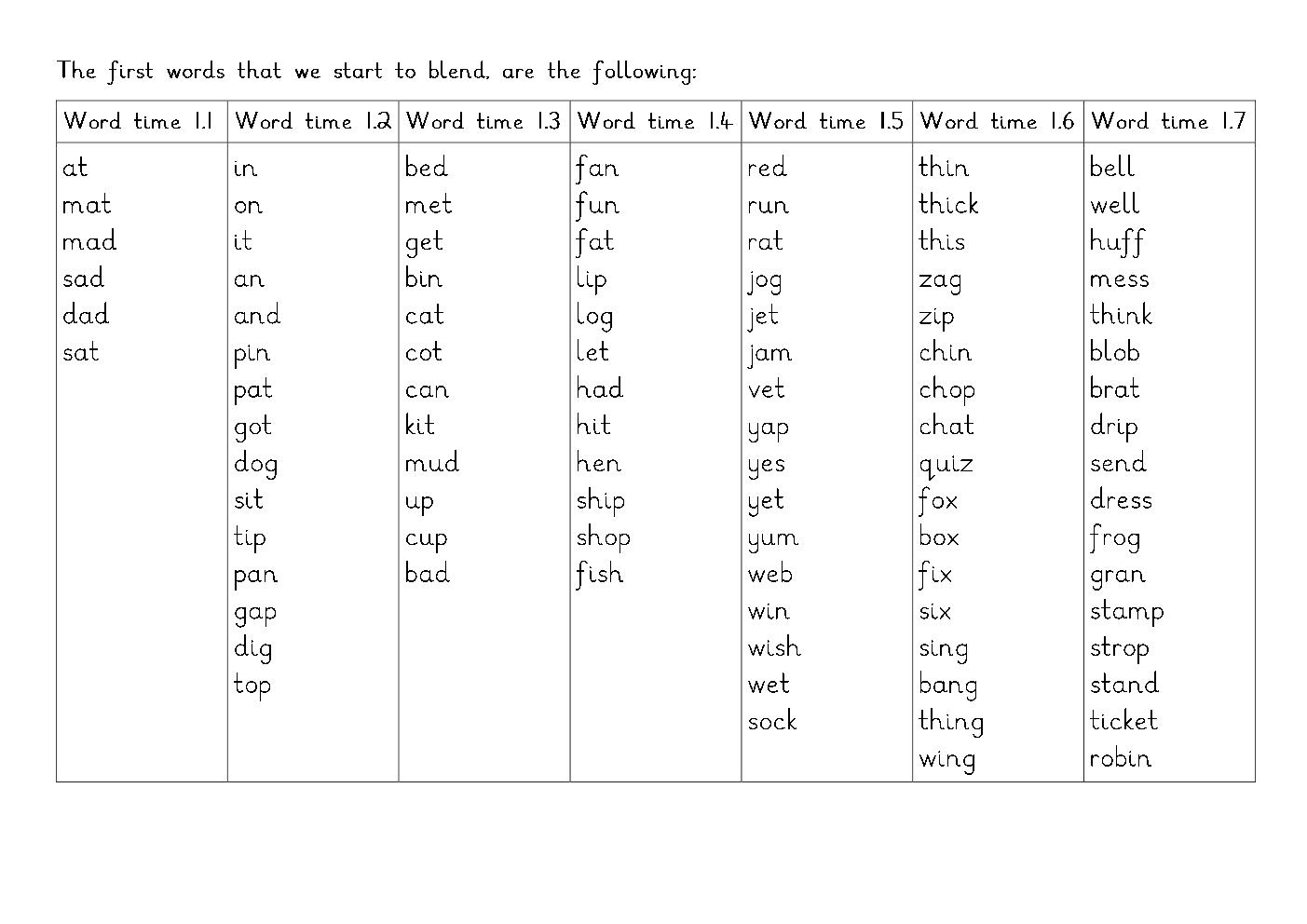
Word time 1.1-1.7
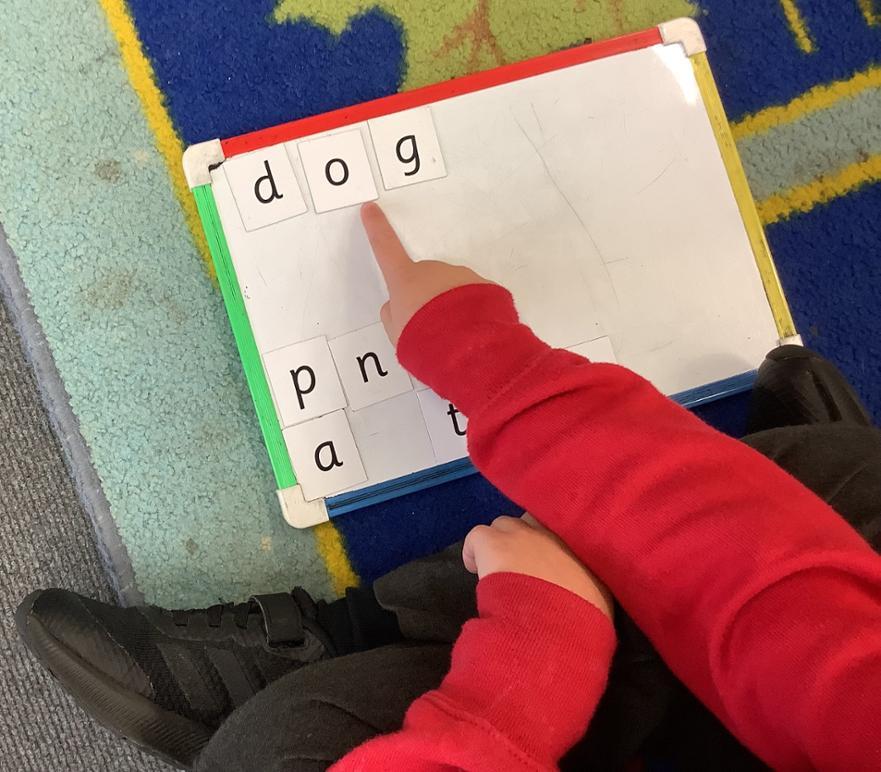
We then use ‘Fred talk’ to sound out words. Fred talk helps children read unfamiliar words by pronouncing each sound in the word one at a time. Children can start blending sounds into words as soon as they know a small group of letters well. At the start we use magnetic boards and magnetic letters to build the words. The first words that we start to blend, are the following:




Set 2 speed sounds
Once your child knows all Set 1 sounds by sight uses them to blend to read words, we start teaching Set 2 initially and then Set 3 long vowel sounds.
We now start to learn that two or three letters together can make one sound. We call them ‘special friends’.

Set 3 speed sounds
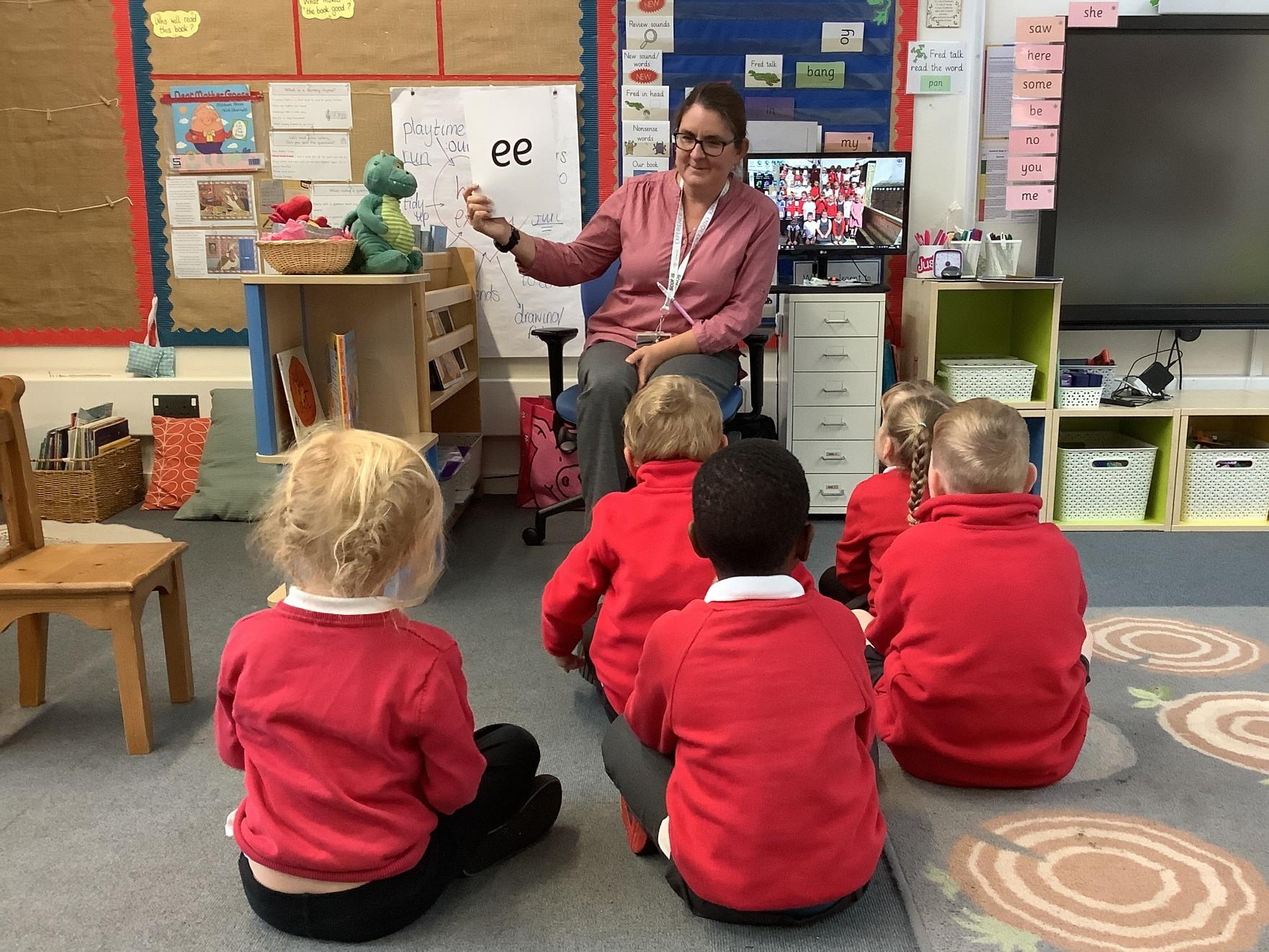
After learning the Set 2 sounds, your child will have learnt one way in which each long vowel sound is written. When learning their Set 3 speed sounds, they will be taught that there are more ways in which the same sounds are written, e.g. ee as in tree, and ea as in tea.
Reading Set 3 speed sounds will be taught for most of Year 1, and spelling the Set 3 speed sounds during Year 2. When your child learns their Set 3 sounds in school they will learn:
• The letters that represent a speed sound e.g. 'ea’
• A simple picture prompt linked to the ‘speed sound’ and a short phrase to say e.g. ‘cup of tea’
There are 20 Set 3 speed sounds that are made up of two or three letters which represent just one sound, e.g. ea as in tea, ow as in cow, and are as in care. As before, it is important that your child does not pronounce these as 2 or 3 separate sounds.
When a sound contains two letters that makes just one sound e.g. ‘ea’, we call it a‘digraph’. When a sound contains three letters that make just one sound e.g. ‘ure’, we call it a ‘trigraph’. When a sound has two letters, which work as a pair to make one sound, but are separated with the word e.g. ‘a-e’ (cake), we call it a‘split digraph’.
Sound families
Once your child knows all Set 1 sounds by sight uses them to blend to read words, we start teaching Set 2 initially and then Set 3 long vowel sounds.
We now start to learn that two or three letters together can make one sound. We call them ‘special friends’.

How will I know how well my child is doing?
We will always let you know how well your child is doing.
We use various ways to find out how the children are getting on in reading. We use the information to decide what reading group they should be in. Your child will work with children who are at the same reading level as they are.
Children will move to a different group if they are making faster progress than the others. Your child will have one-to-one support if we think they need some extra help to keep up.
In the summer term, the government asks us to do a phonics check of all the Year 1 children. This provides extra information about their progress. We will talk to you about how well your child has done, and especially if we have any worries at all.
How long will it take to learn to read well?
By the end of Year 2, your child should be able to read aloud books that are at the right level for his or her age. In Year 3, we concentrate more on helping children to understand what they are reading, although this work begins well before this. This happens when the teacher reads to the children and also when the children read their own story book.

How do I know the teaching will be good?
All the staff have been trained to teach reading in the way we do it in this school. We believe that it is very important that all of the reading leads work in the same way. Senior teachers watch other teachers teaching to make sure that the children are learning in the way we want them to learn. If you have any questions, please come to school and talk to us.
What can I do to help? Is there anything that I shouldn't do?
You will be invited to a meeting in the first term that your child is in school so that we can explain how we teach reading. Please come and support your child. We would very much like you to know how to help.
Your child will bring different sorts of books home from school: a book that your child can read on their own and a book that you should read to them.
Help your child to sound out the letters in words and then to ‘push’ the sounds together to make a whole word. Try not to refer to the letters by their names. Help your child to focus on the sounds.

|
set 1 sounds parent meeting | [pdf 1MB] |

|
Letters to support reading development at home
The letters below will help you to support your child in making steady progress with their phonic and reading development. Each half term you will be told which reading group your child is in.
|
|
1 Sound Belnding Group 1A - Letter to support reading development | [pdf 339KB] |
|
|
|
2 Sound Belnding Group 1B - Letter to support reading development | [pdf 533KB] |
|
|
|
3 Sound Belnding Group 1C - Letter to support reading development | [pdf 535KB] |
|
|
|
4 Photocopiable Ditty Group - Letter to support reading development | [pdf 450KB] |
|
|
|
5 Red Ditty Group - Letter to support reading development | [pdf 425KB] |
|
|
|
6 Green Group - Letter to support reading development | [pdf 538KB] |
|
|
|
7 Purple Group - Letter to support reading development | [pdf 540KB] |
|
|
|
8 Pink Group - Letter to support reading development | [pdf 541KB] |
|
|
|
9 Orange Group - Letter to support reading development | [pdf 573KB] |
|
|
|
10 Yellow Group - Letter to support reading development | [pdf 568KB] |
|
|
|
11 Blue Group - Letter to support reading development | [pdf 603KB] |
|
|
|
12 Grey Group - Letter to support reading development | [pdf 609KB] |
|
Where do you like to read?
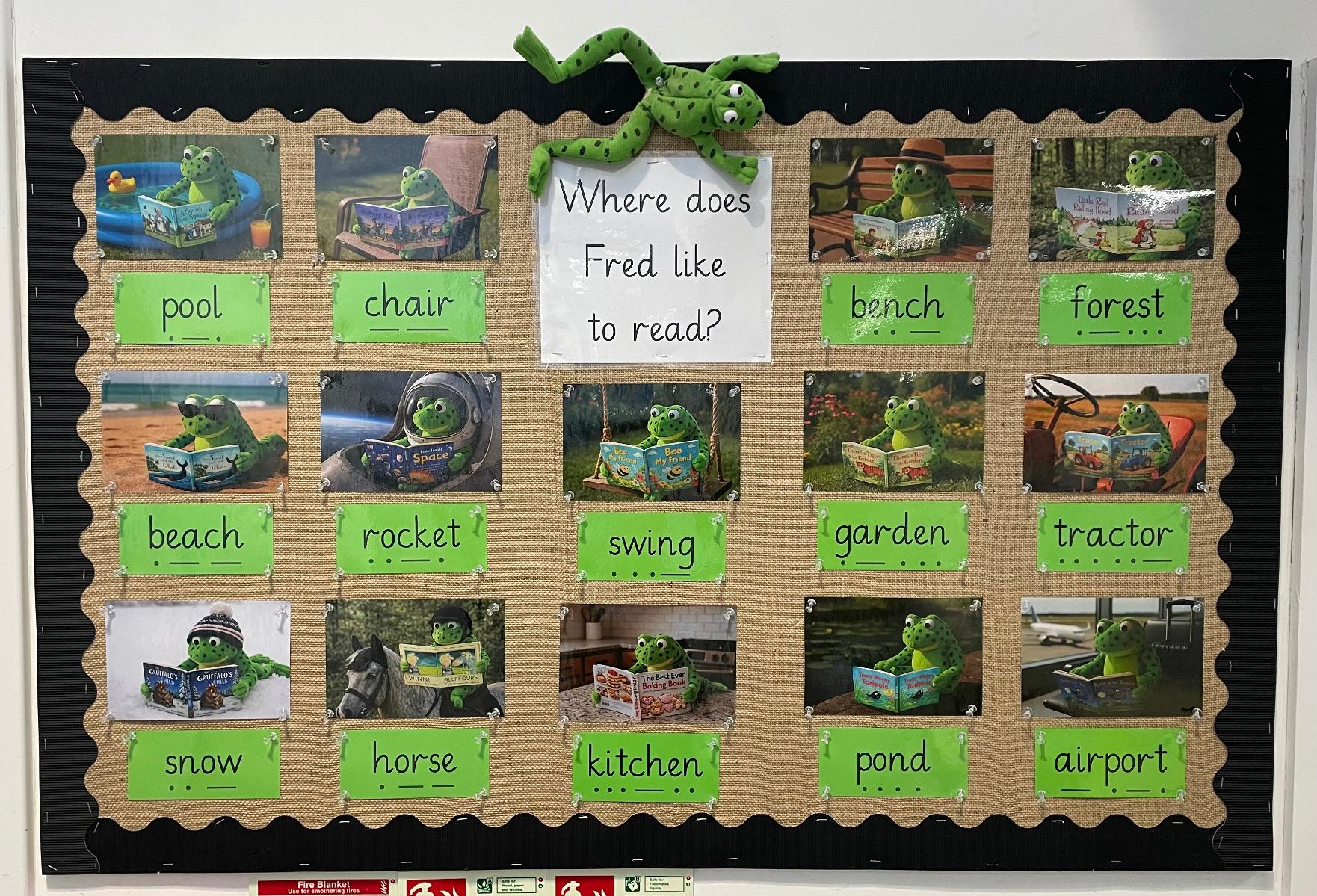
Story Time at home
We know parents and carers are very busy people. But it is vital to your child’s progress to read to your child as much as possible. It helps them to learn about books and stories. They also learn new words and what they mean. Show that you are interested in reading yourself and talk about reading as a family. Please click on the link to the ten top tips below. You can find out about good stories to read to your child here: https://www.booktrust.org.uk/books-and-reading/our-recommendations/
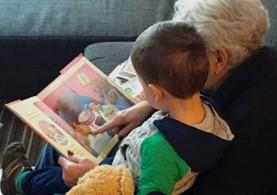
At Camelford Primary, we have a passion for teaching your children reading and encourage your children to develop a love and enthusiasm for reading. If you would like to find out more about the Ruth Miskin Read Write Inc Programme, please follow this link. https://www.ruthmiskin.com/parentsandcarers/
|
|
RWi-information-letter-for-parents | [pdf 227KB] |
|
|
|
Phonics Home Activities | [pdf 8MB] |
|
|
|
Letter-formation-chart | [pdf 320KB] |
|
|
|
fred talk games | [pdf 122KB] |
|
Letter Formation - Reception to Year 2