History
Welcome to our History subject page. We pride ourselves in our History Curriculum at Camelford Primary School. In Keystage one the children learn a range of purposefully chosen topics based upon their interestes and with consideration of our local context.
In Keystage 2 we have fully invested in a phenomenal Curriculum called Opening Worlds which enables each and everychild gain historical skills, knowledge and understanding through and engaging and enriched curriculum heavily based around storytelling.
Each History topic progresses on a clear journey to guide the children in answering an enquiry style question. By the end of the topic, the pupils use their knowledge and skills gained to answer this question with depth and understranding.
Take a look at all of the wonderful History learning across our school.
History Intent
At Camelford Primary, our intent is to instil a love of history in our children. Our aim is to develop their knowledge and understanding of the past, to enable them to have a greater insight into the community in which we live and the wider world. By gaining an understanding of inspirational people and past achievements, children will obtain their own sense of self and identify, enabling them to become confident, aspirational learners. Children will be encouraged to think critically, ask and answer historical questions whilst examining the validity and reliability of sources. To embed learning, children will gain real-life experiences inside and outside of school through educational trips and utilising local members of the community and their experiences. Our curriculum is based on the National Curriculum and ensures that themes are revisited, with clear progression in both historical knowledge and skills to enable a deeper learning and understanding of history.
History Curriculum
Click on the document below to see the History Curriculm here at Camelford Primary School.

|
WHOLE SCHOOL History Pathway UPDATED NOV 2024 | [docx 58KB] |

|
History Curriculum Overview
By clicking on the below document you'll be able to see how History fits amongst the rest of the curriculum over the course of an academic year.
|
|
2024 2025 Curriculum Overview WHOLE SCHOOL ALL SUBJECTS UPDATED | [docx 122KB] |
|
Our History Vision
Our vision is for each and every child to gain an understanding of the world around them within the context of history. To be excited by the events and people of the past and undersatnd how they have shaped the world that they live in today.
We believe every child should feel excited about history and equiped with the skills and understanding to talk about key events and people and how they are significant.
Our curriculum enables us to provide this opportunity for all.
Past learning in History
Below you'll find some past and present examples of History learning in action.
Enjoy.
Year 1/2 Fire!
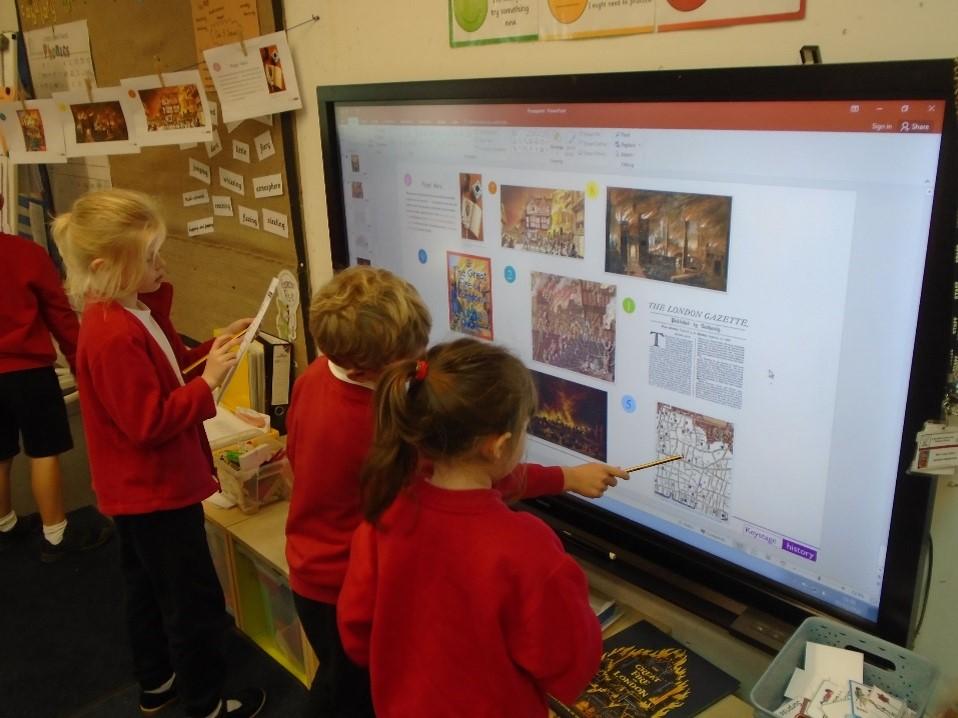
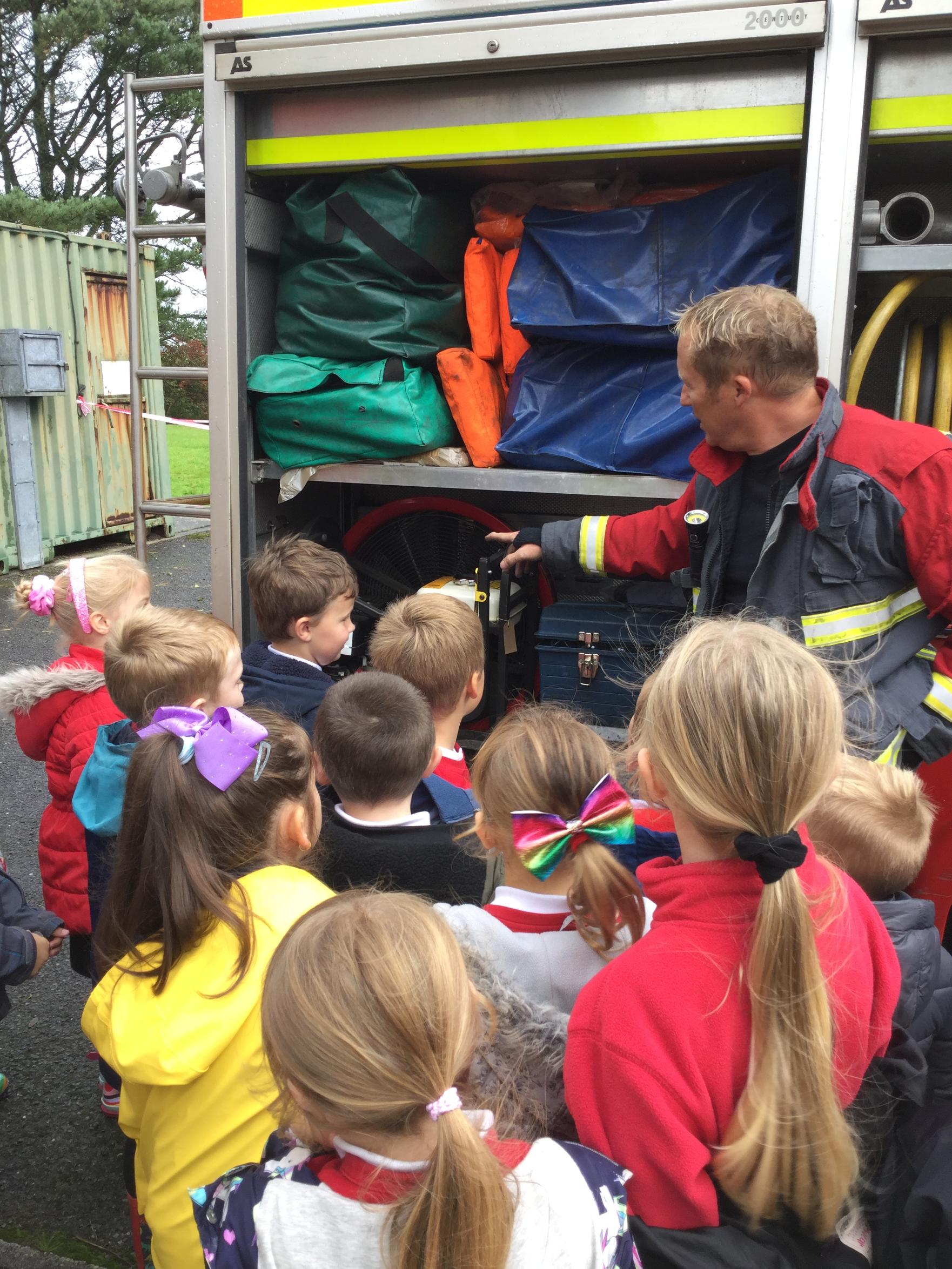
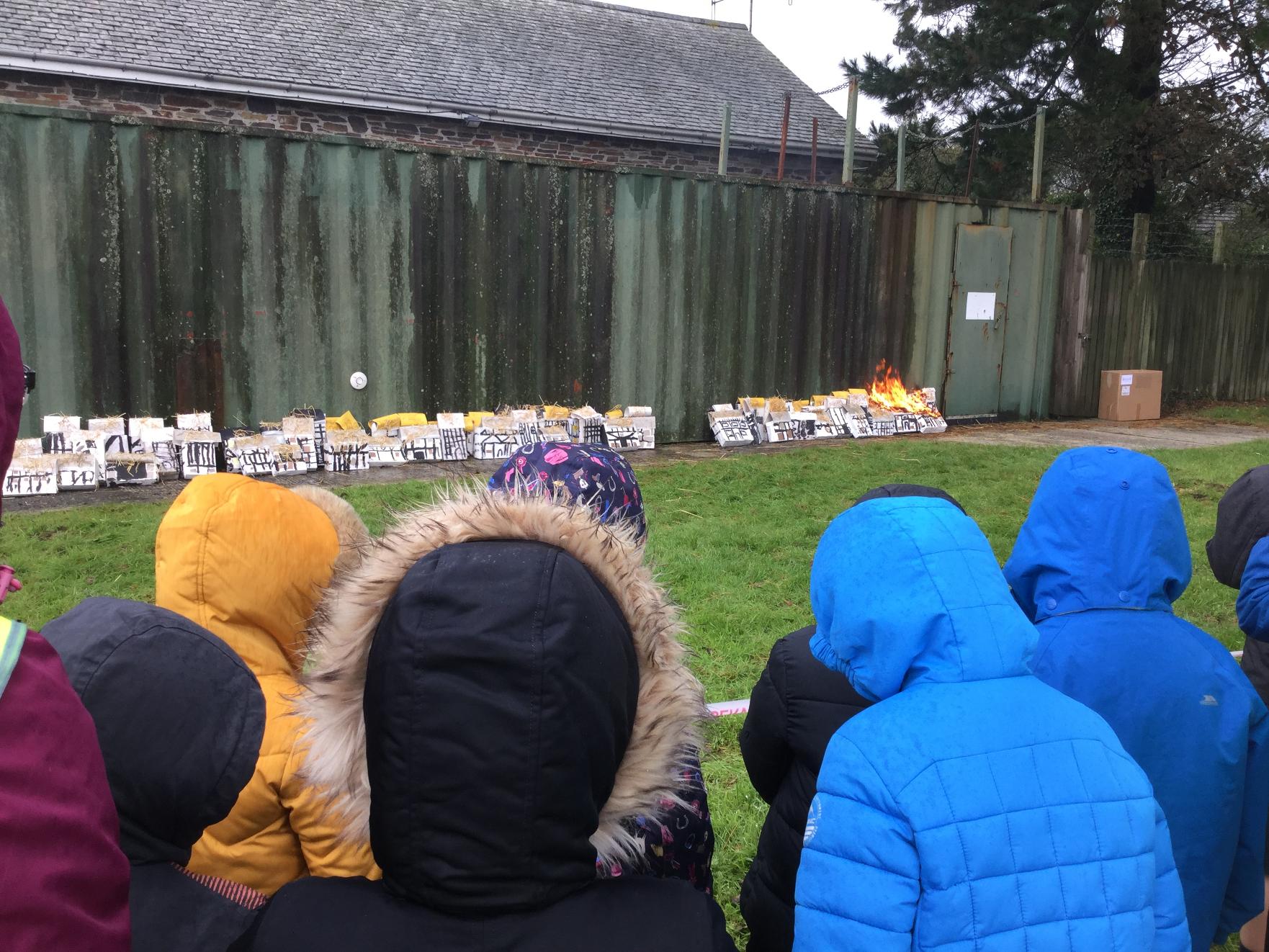
Year 1/2 have been learning to be Historians by understanding that they can use a range of sources to build up a reliable picture of what happened in The Great Fire of London. Amongst many great learning opportunities including timeline work, asking and answering historical questions and using different sources of historical bevidence, the pupils visited Delabole Fire Station where they were able to recreate ‘The Great Fire!’
The pupils listened to the firefighters talk about their jobs and how they keep safe as well asking relevant and interesting questions.
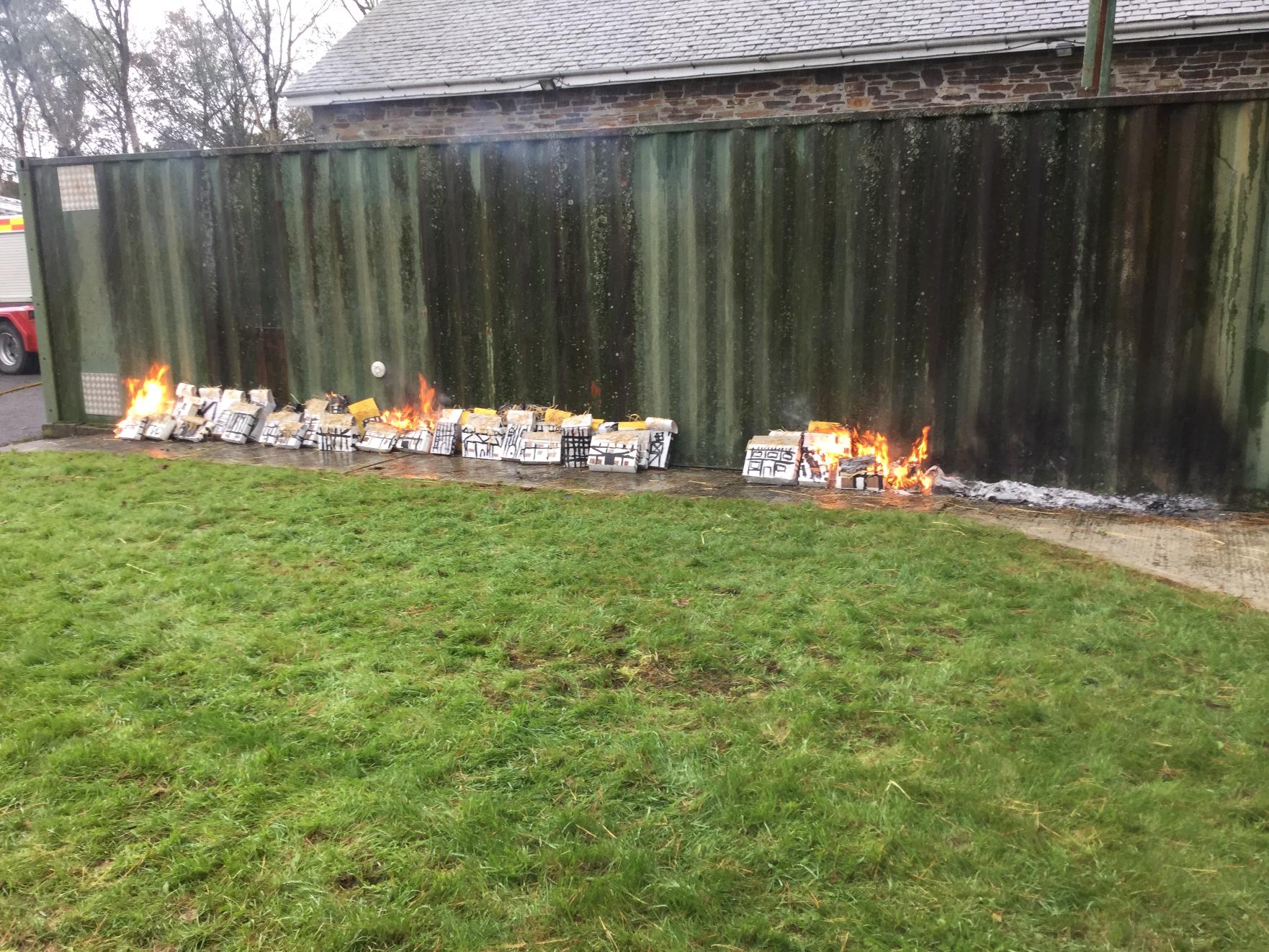
One of the most exciting parts was when they created their own mini fire of London. They made Puddling Lane by placing the Tudor houses they had made in school in a line...the houses were then set alight!
All the children sang a song to retell the story as the houses were burning!
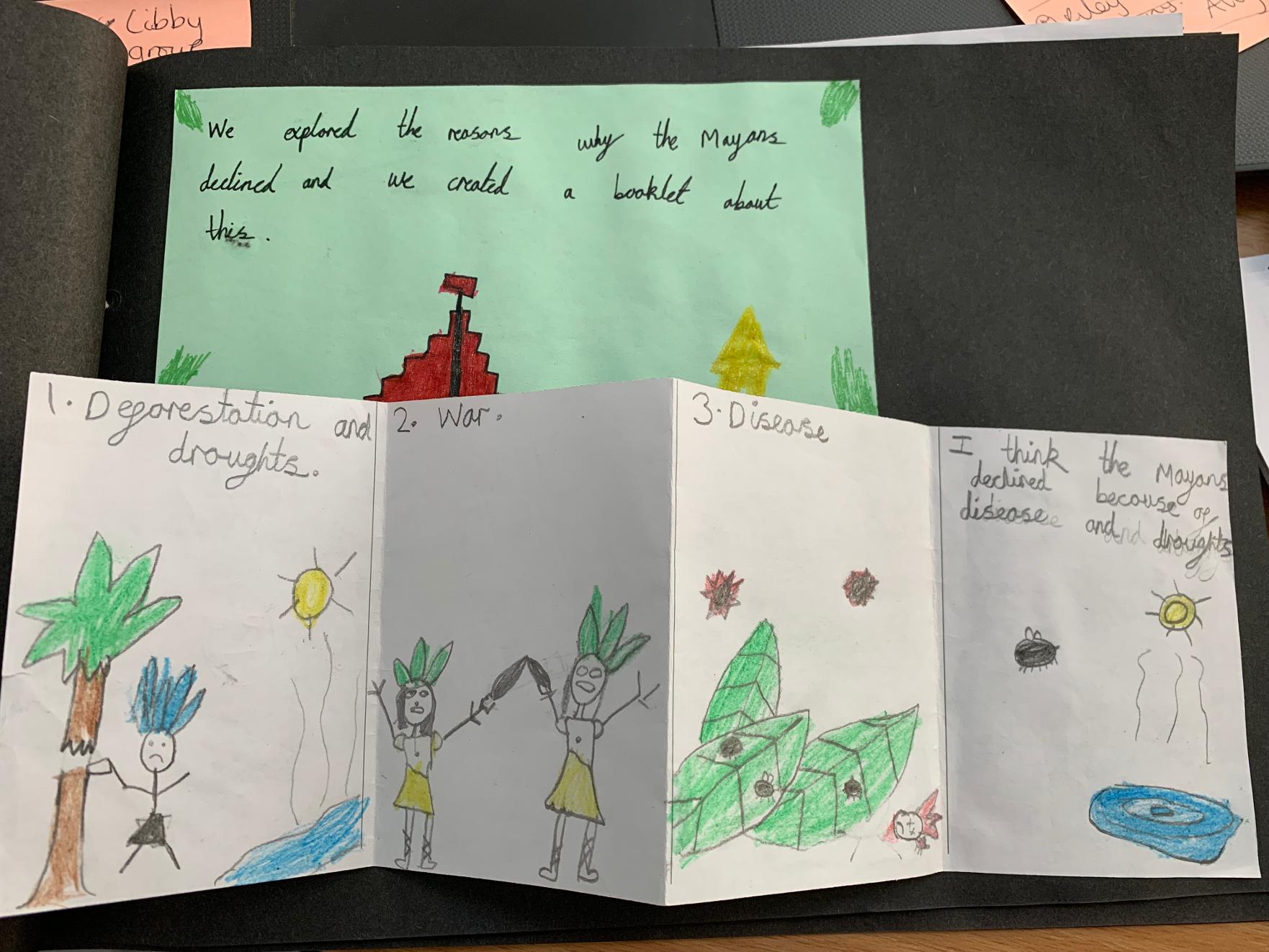
Year 3/4 Mayan Civilisation: Who? What? Where? Why did they decline if they were so clever?
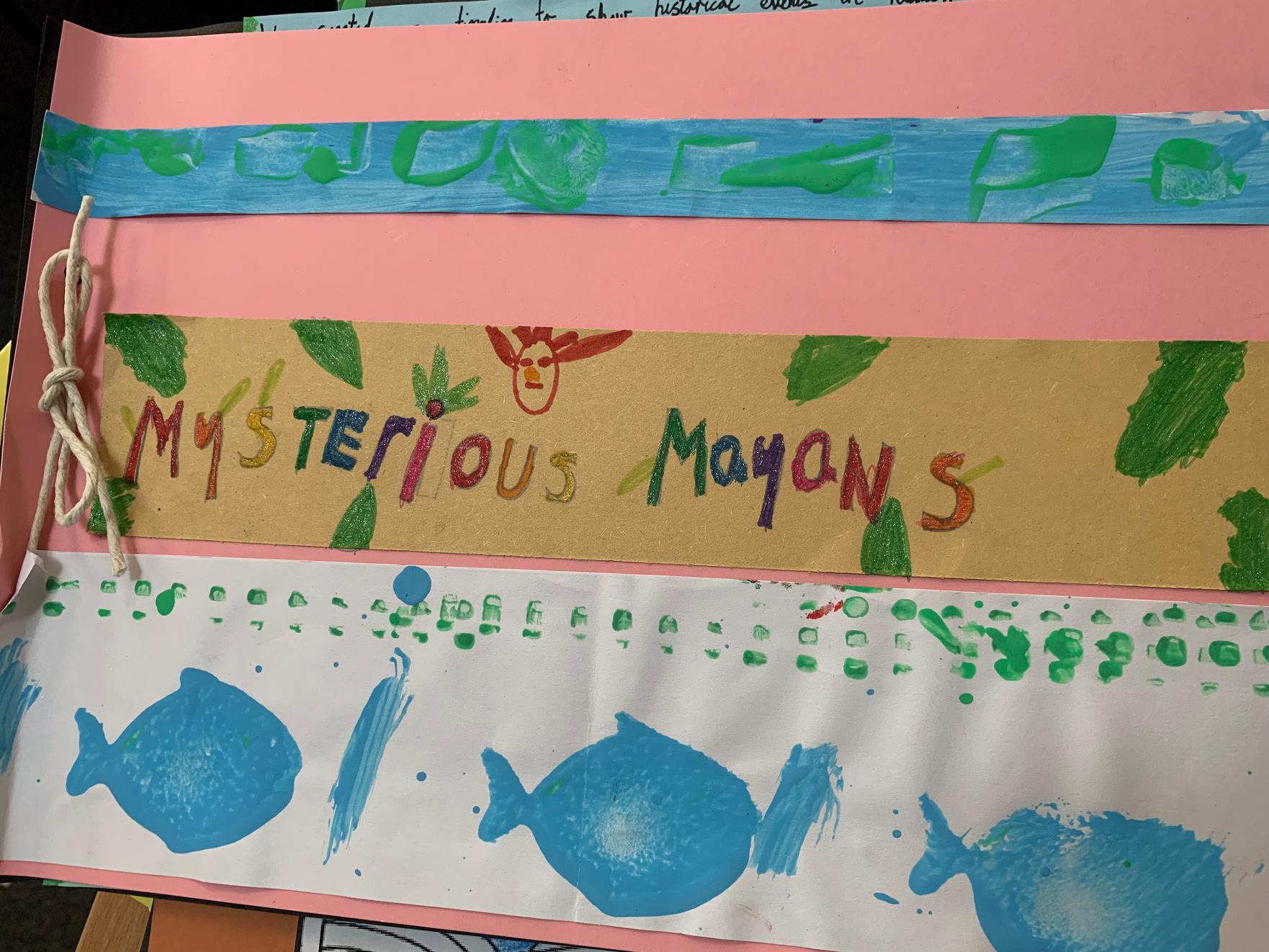
Year 3 and 4 have been learning to use a range of Historical skills to research the Mayan civilisation. These skills have included: using timelines of varying scale, using a range of historical sources including images and artwork and forming historical explanations. Some enquiry questions the pupils have been answering along the way are:
Why do we study the Mayan civilisation?
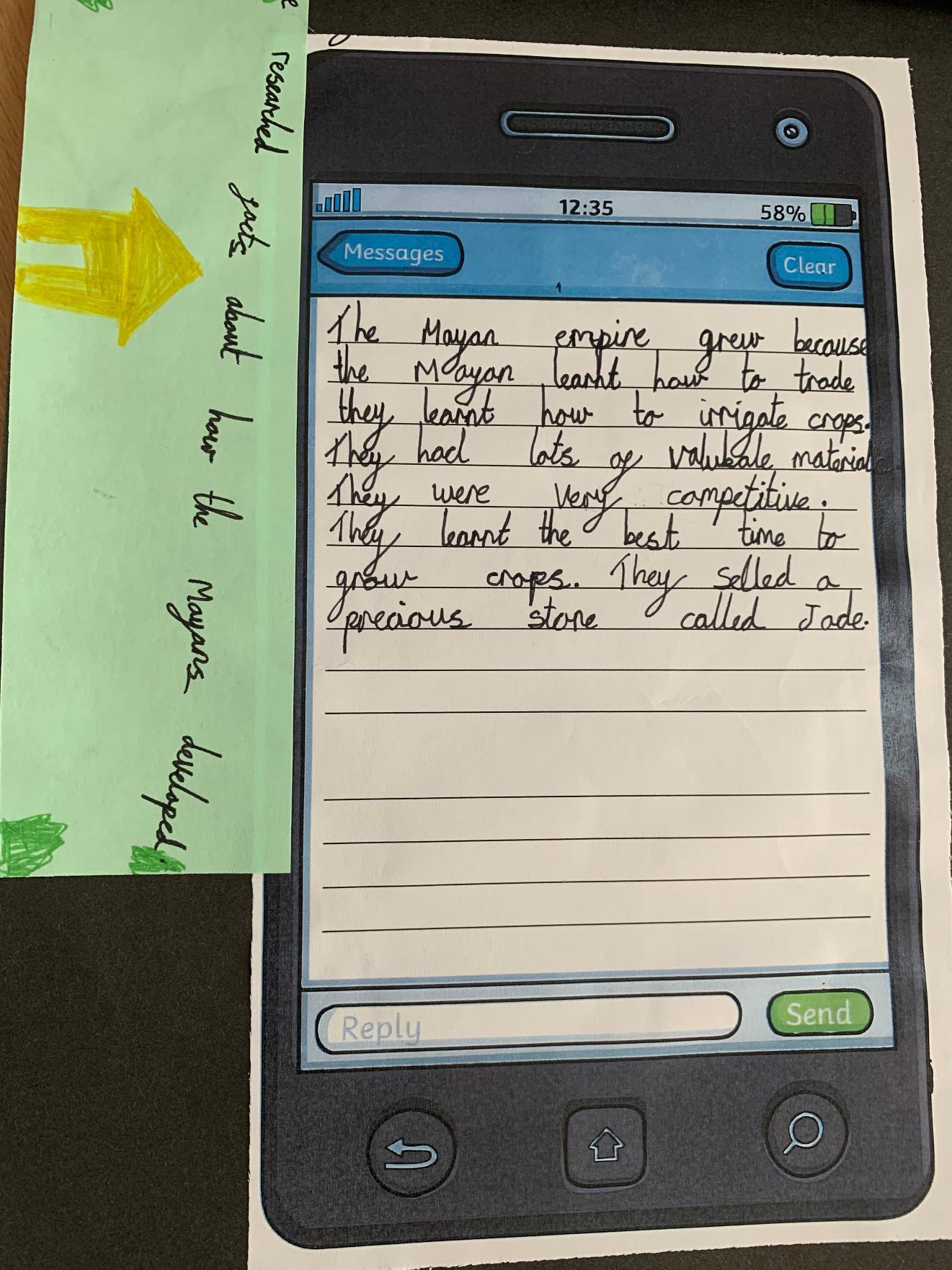
Why did the Mayan empire grow? When so much of the land they lived in was mountains and jungle, how did the Maya manage to become so important?
What was everyday life like in Mayan civilization? How different was it for rich and poor?
How can we possibly know what life was like for Mayan people 1000 years ago?
Why did the Mayan empire decline? How can we solve the riddle of why the empire ended so quickly?
Year 3/4 Ruthless Romans: How ruthless were they?
In the Autumn Term, Year 3 and 4 led historical enquires around the Romans! They had a wide range of learning opportunities including a whole day workshop with real-life artefacts and experts in in the field. Learning linked all across the subjects enabling the pupils to fully embed their learning and skills. Some of the historical skills and knowledge gained included:
Constructing and recapping on past events using a timeline.
Identifying where the Roman Empire came from
Using sources of evidence to research Julius Caesar, understand Julius Caesars attempted invasion identify how the Roman Empire impacted Britain and enquire how did Britain become part of the Roman Empire.
Recall Britain's settlement by the Anglo-Saxons and Scots and explore the impact this had in Britain and the world.
Amongst discovering Roman artefacts and information finding, the Roman workshop provided pupils with an opportunity to understand the power of the Roman army.
Some further core questions the pupils explored included:
Why was the Roman Army successful? Balanced arguments. Who was Boudica and how did she rebel against the Romans? Why did the Romans withdraw from Britain AD410? Why did this happen if they were so successful and ruthless?
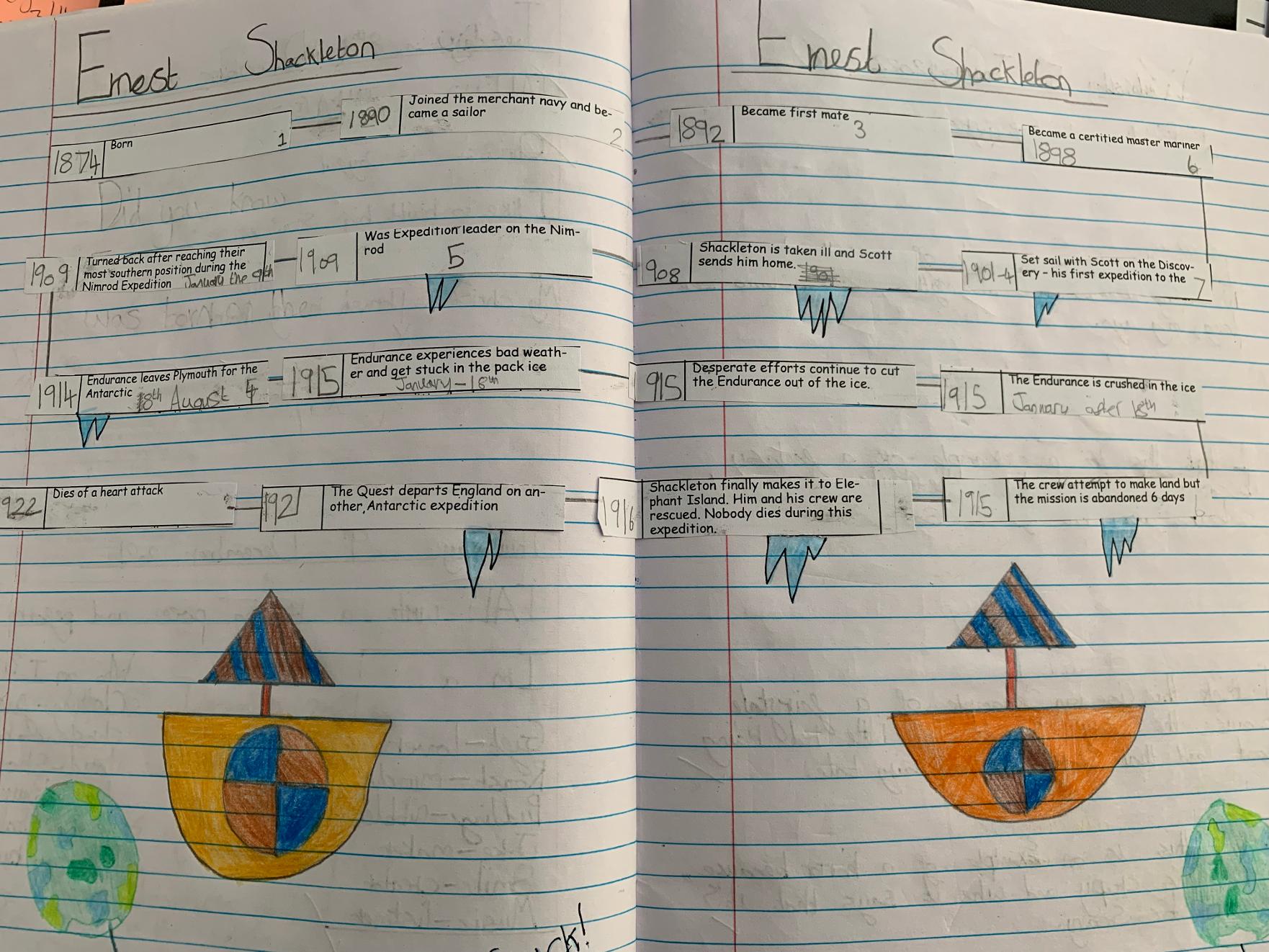
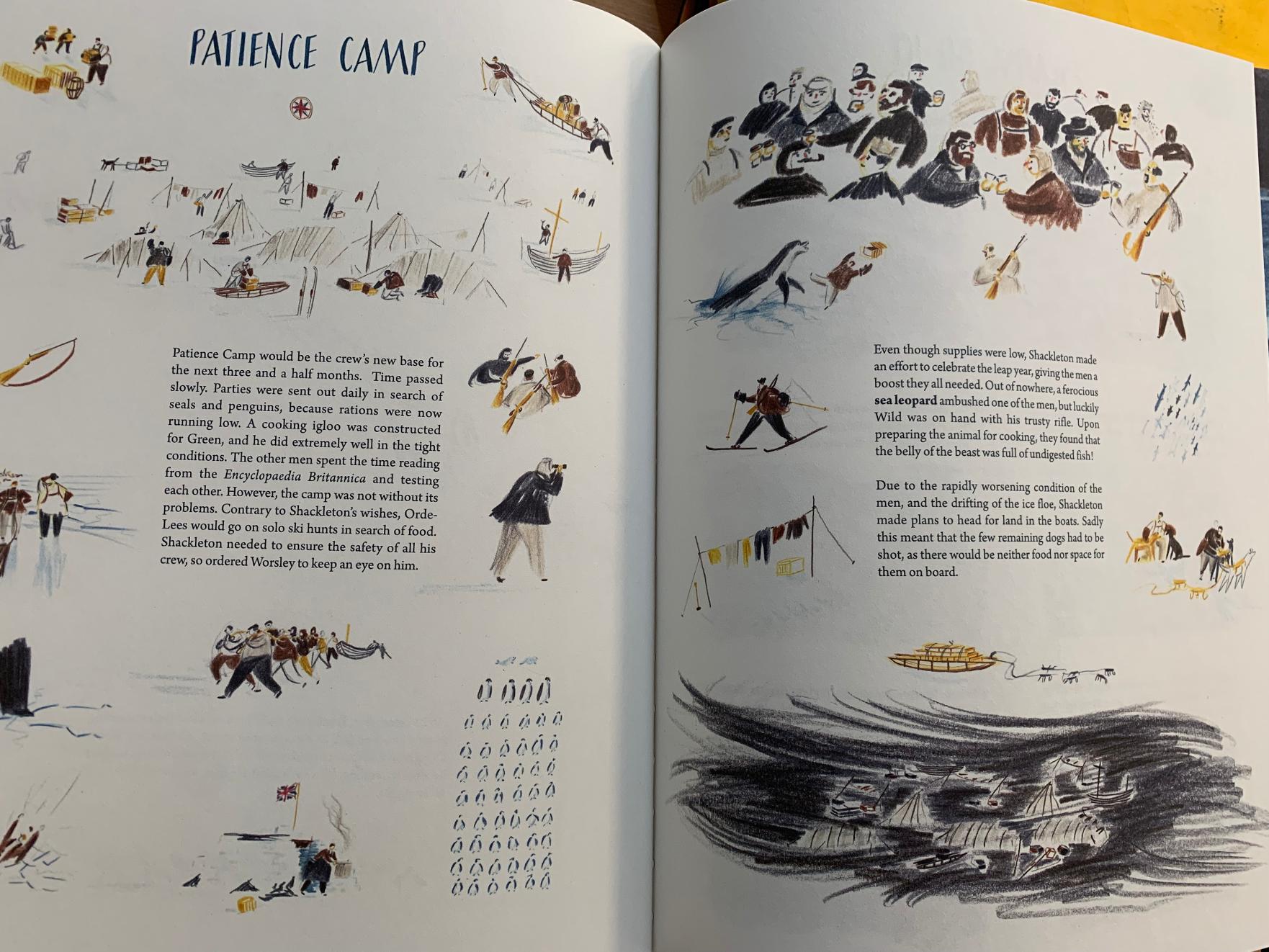
Year 5/6: ICE WORLDS Ernest Shackleton - was he the epitome of resilience?
Year 5 and 6 have been learning all about Ernest Shackleton and his adventures on the Endurance. The children used a range of Historical skills to help them build their knowledge of him, what he did and how. Through a range of enquiry led learning opportunities, pupils have:
- Identified facts and information from a range of sources (photos, diary extracts and info texts)
- Asked relevant questions about source reliability
- Selected evidence from a range of sources to support judgements giving reasoning
- Scrutinised sources- commenting on the reliability and context
The topic culminated with a debate and blog aimed at answering our key question.
What do you think? Was Shackleton the epitome of resilience?
Take a look at our Ice Worlds flip book to see more of the learnign in this topic.

|
Ice worlds Flipbook | [pdf 9MB] |
|
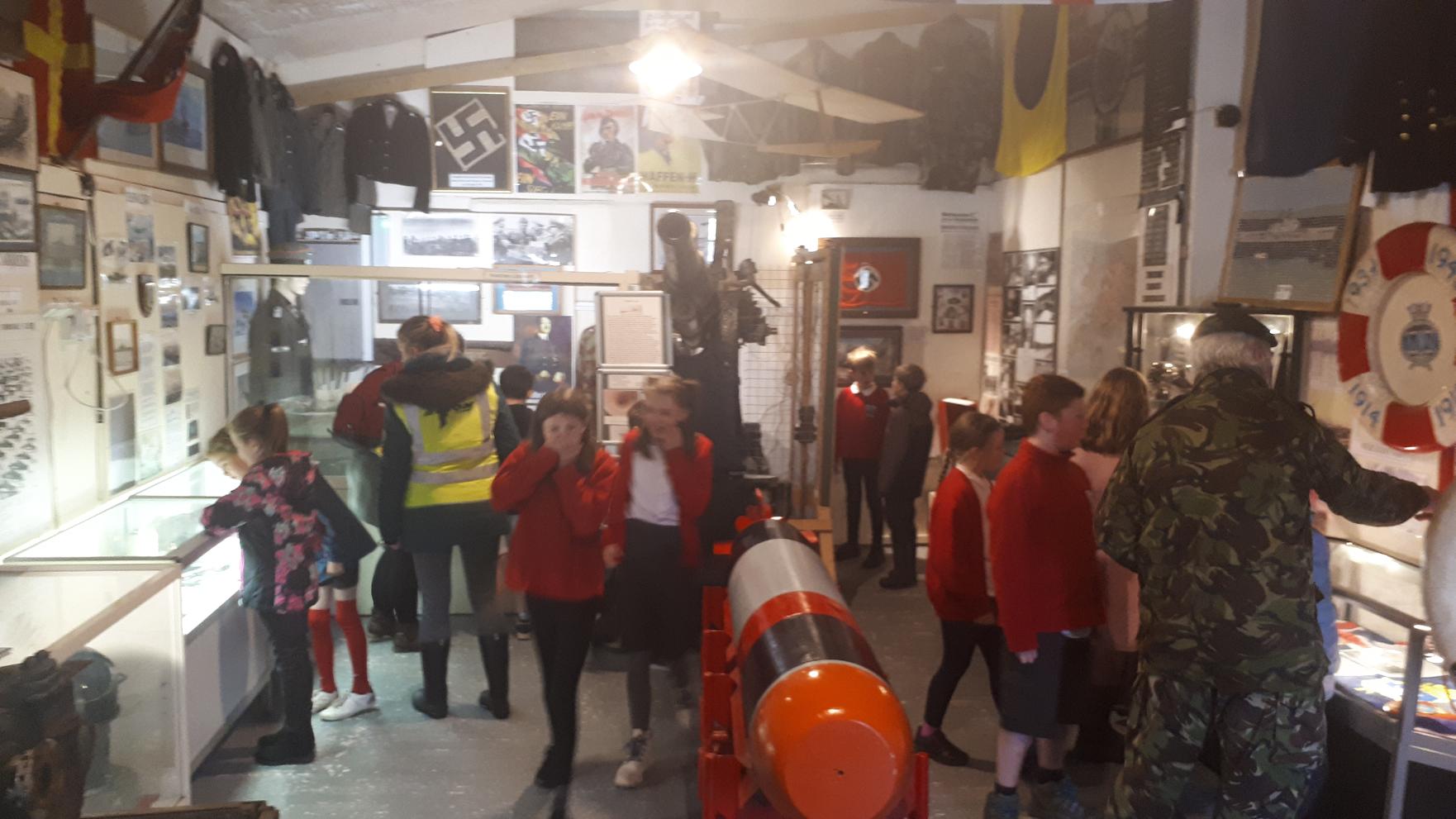
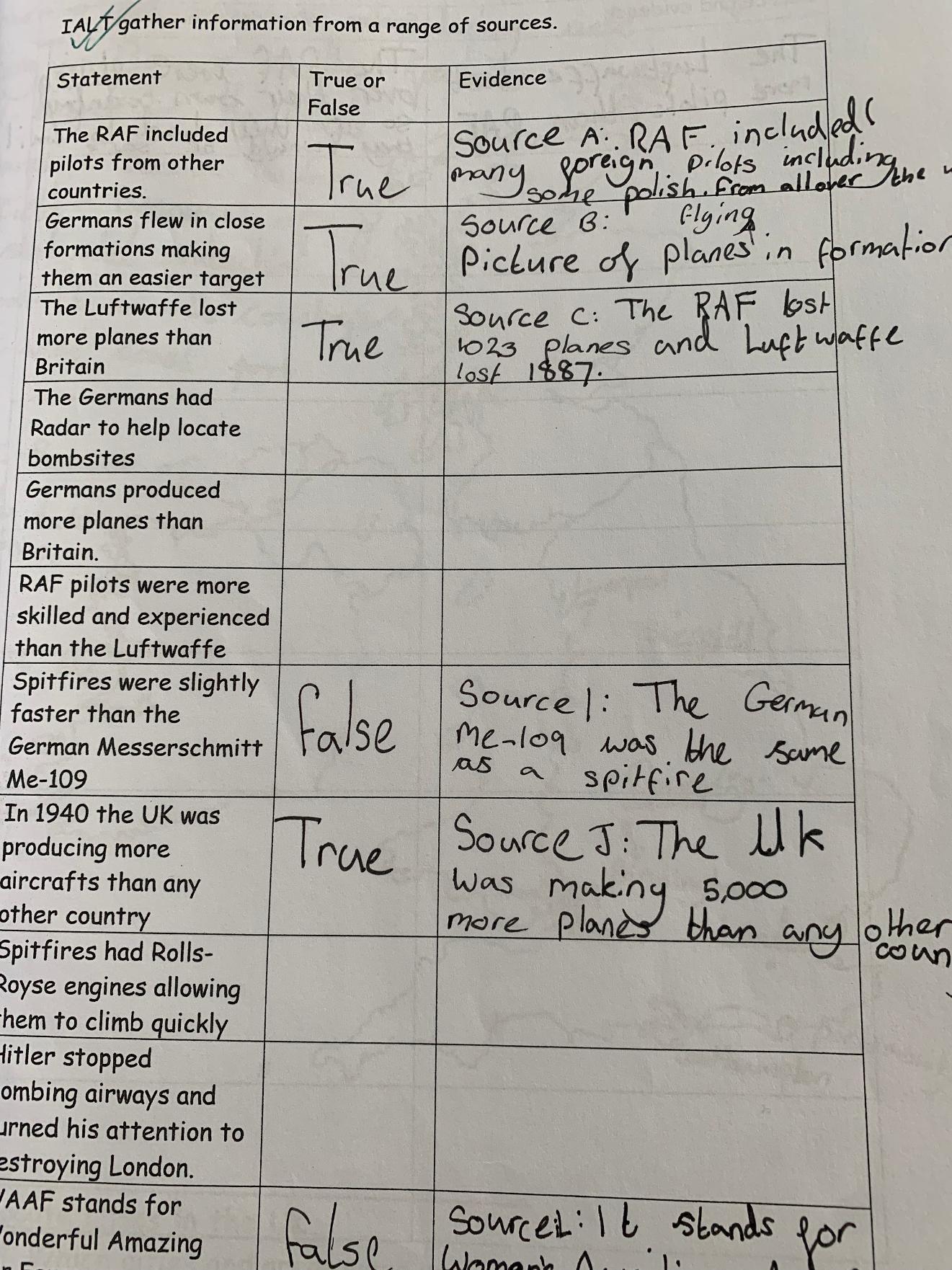
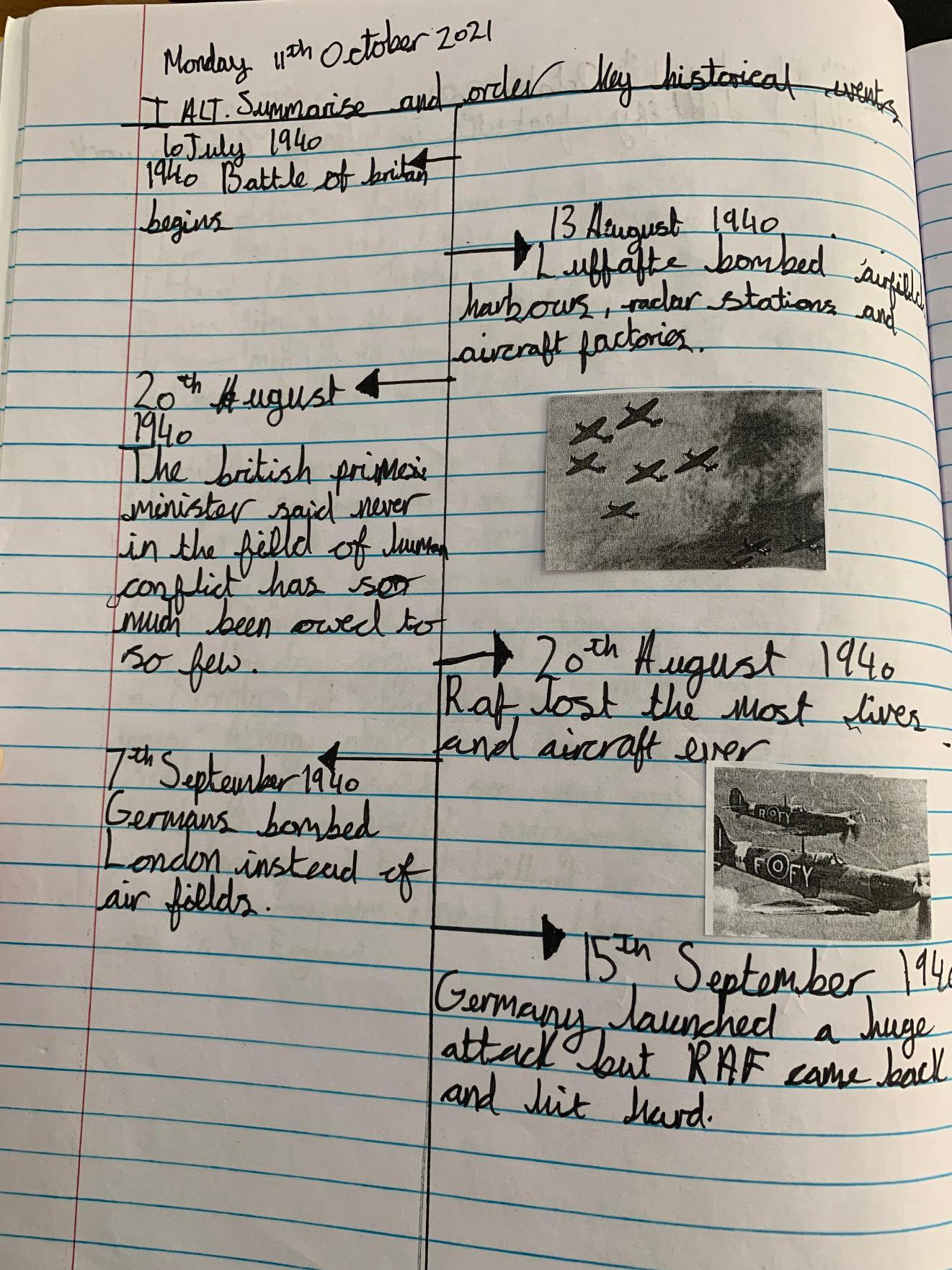
WW2 The Battle of Britain and Sir Winston Churchill.
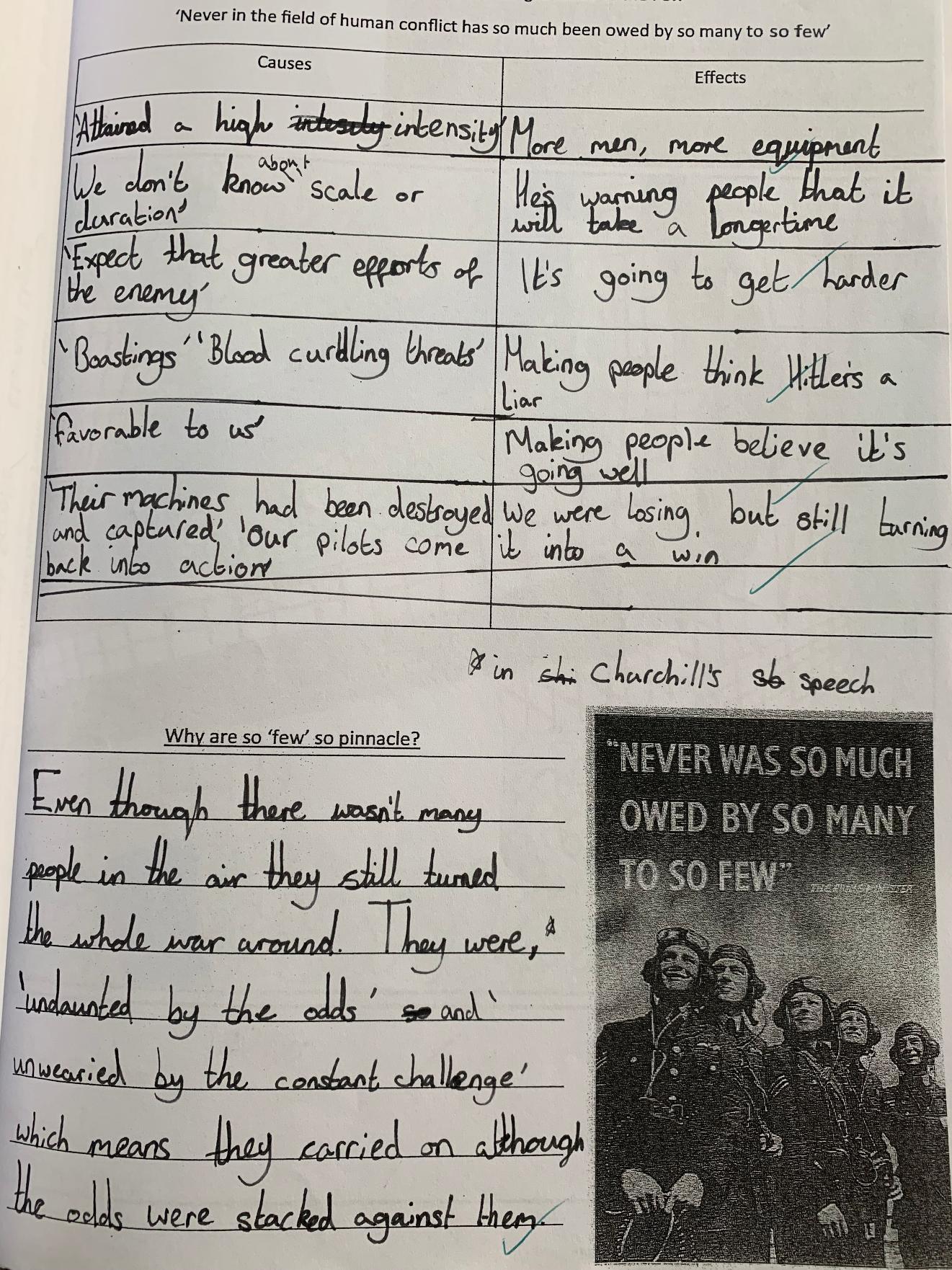
‘Never in the field of human conflict has so much been owed by so many to so few’ – Why was this infamous speech so relevant?
During the Autumn term, Year 5 and 6 had the opportunity to learn and refine historical knowledge and skills through a WW2 study. The children enthusiastically began research to help them consider their response to the key question. The skills which the children were learning included:
Sequencing key events
Identifying causes and effects
Using sources of evidence to make interpretations
Unpicking the cause and effect of propaganda
Using a range of sources to research a key historical event
Historical enquiry questions were posed along the way which included: Why did Britain have to go to war? Chamberlain vs Churchill: What should we believe? How did Churchill prepare us for war? Why did Churchill say we shall fight them on the beaches…? What is the consequence of the Phoney War? Was it a hoax? When did it impact us? Battle of Britain: How did we protect our country?
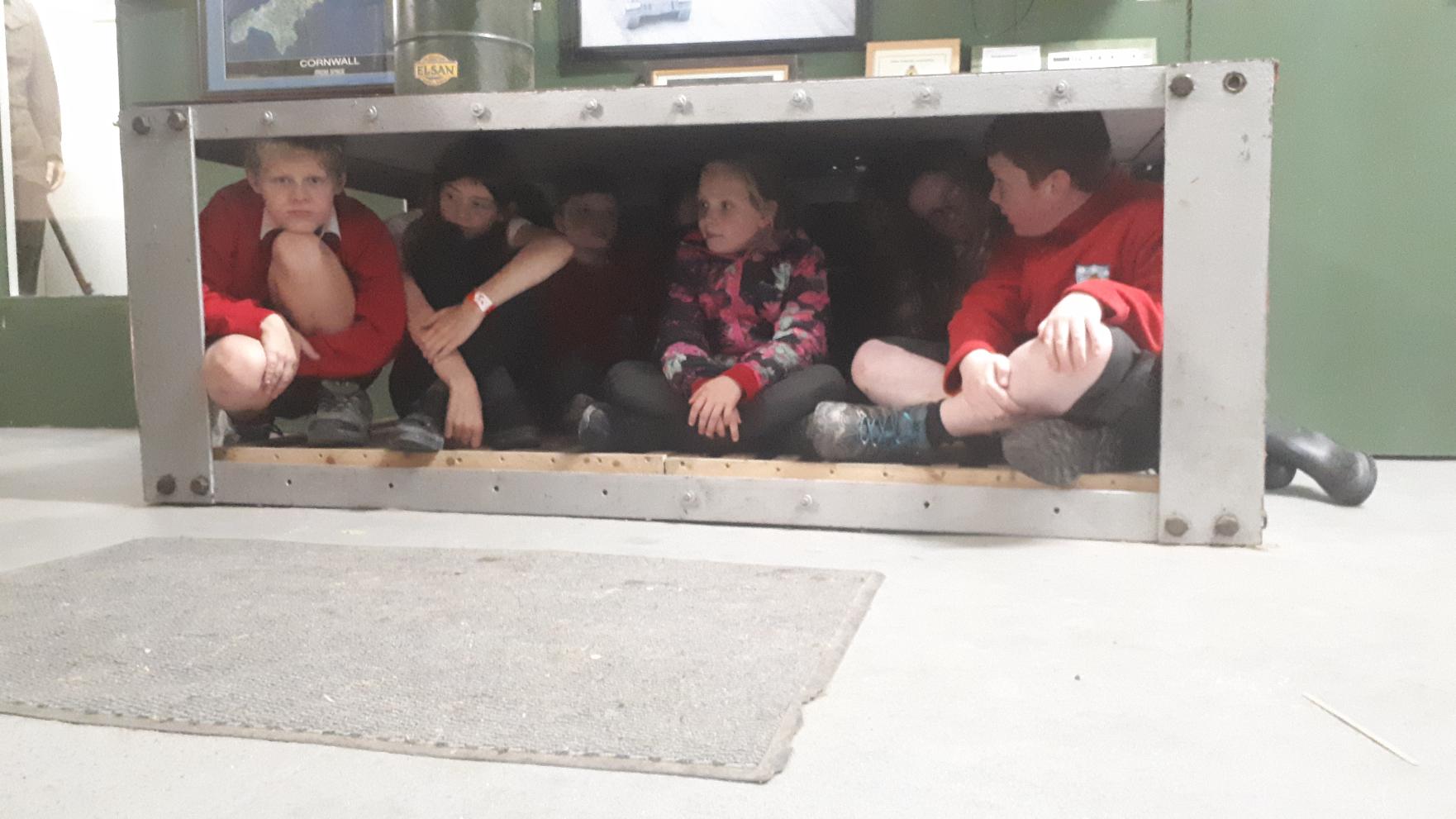
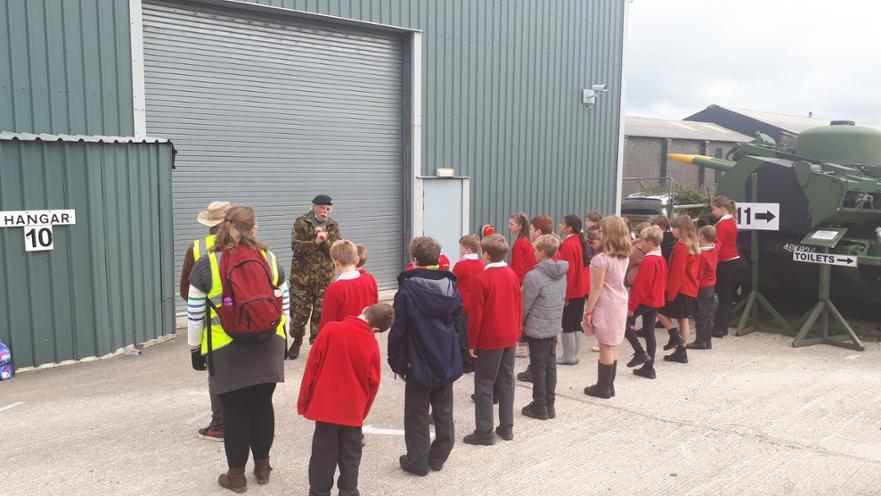
In addition to this, the pupils conducted a Dunkirk study and visited a local WW2 Museum and airfield on Davidstow which was a great hit indeed!
Remember to take a look at our Flip book located on the website in previous learning projects for further info and photographs.