
Religious Education
Exploring beliefs, asking big questions and understanding our world
At Camelford Primary School, Religious Education encourages children to be curious, thoughtful and respectful as they explore some of life’s biggest questions.
Through RE, children discover what people believe, why they believe it and how those beliefs can influence the way people live. They encounter a range of religious and non-religious worldviews and are encouraged to reflect on their own ideas, values and experiences while developing an appreciation of those of others.
We want our pupils to leave Camelford with the knowledge, confidence and understanding to engage positively with the diverse world around them.
Why is RE important?
RE helps children understand both the world around them and their place within it.
It develops knowledge, curiosity, empathy and critical thinking. Children learn that people may hold different beliefs and viewpoints while still listening to and respecting one another.
By creating opportunities for meaningful discussion and reflection, RE helps prepare our pupils to participate positively and confidently in a diverse society.
What does RE look like in our school?
Our RE curriculum gives children opportunities to:
- explore a range of religious and non-religious beliefs and worldviews
- encounter important stories, sacred texts, traditions and sources of wisdom
- understand how beliefs can influence people's choices, actions and ways of life
- ask and explore big questions about life, meaning, morality, identity and belief
- listen to different viewpoints and learn how to agree and disagree respectfully
- make meaningful connections between their learning and their own experiences and understanding of the world
- develop the vocabulary and confidence to express their ideas clearly and thoughtfully
Through this, we aim to nurture children who are knowledgeable, open-minded and able to engage respectfully with people whose beliefs and experiences may be different from their own.
Our Three Aims
Our RE curriculum is built around three key aims.
1. Making sense of beliefs
Children develop knowledge and understanding of religious and non-religious beliefs. They explore important concepts, teachings, texts and traditions and learn how these may be understood and interpreted in different ways.
2. Understanding their impact
Children explore how beliefs influence people's lives. They consider how individuals and communities express their beliefs through their actions, traditions, celebrations, choices and ways of living.
3. Making connections
Children are encouraged to think deeply about what they have learned. They make connections between different beliefs and ideas, ask thoughtful questions and consider how their learning relates to their own understanding of the world.
Our RE Curriculum
In EYFS and Key Stage 1, we follow the Cornwall Agreed Syllabus, while pupils in Key Stage 2 study RE through Opening Worlds.
Our curriculum is carefully sequenced to build children's knowledge and understanding over time. Pupils encounter important beliefs, stories, traditions, practices and sources of wisdom, while continually making connections between what they learn and the wider world.
RE is much more than simply learning facts about different religions. Our children are encouraged to wonder, question, discuss, reflect and respectfully challenge ideas.
Right to Withdraw
Parents and carers have the legal right to withdraw their child from Religious Education and/or collective worship.
If a child is withdrawn from RE, the school has a duty to supervise them but is not required to provide alternative teaching or incur additional costs. A pupil who is withdrawn may therefore be required to work in another area of the school.
Parents and carers should be aware that children may encounter religions, beliefs and wider aspects of faith through other areas of the curriculum, including subjects such as History and PSHE. There is no right of withdrawal from these curriculum areas. Children may also raise spontaneous questions relating to religion, belief, identity or diversity during their wider learning.
Where parents wish their child to receive alternative religious education, arrangements may be made by the parents in accordance with the relevant statutory requirements.
We encourage any parent or carer considering withdrawal to discuss this with us first. Please contact the school office to arrange a conversation with the Headteacher or RE Subject Leader.
RE Curriculum Overview
|
Autumn 1 |
Autumn 2 |
Spring 1 |
Spring 2 |
Summer 1 |
Summer 2 |
Years 1/2 |
Islam 1 Who is a Muslim and how do they live? |
Christianity What gifts might Christians have given Jesus if he had been born here rather than in Bethlehem? |
Islam 2 Who is a Muslim and how do they live? |
Salvation Why does Easter matter to Christians? |
Cornwall Agreed Syllabus What makes some people and places in Cornwall sacred? |
Gospel What is the ‘good news’ Christians believe Jesus brings? |
Year 3 |
Hinduism 1 The Hindu story of Rama and Sita |
Hinduism 2 More Hindu stories |
Hinduism 3 Living Hindu traditions |
Judaism 1 Abraham, Isaac and Jacob |
Judaism 2 Joseph, Moses and the Exodus |
Judaism 3 The kings, the temple & living as a Jew |
Year 4 |
Christianity 1 The family of Jesus |
Christianity 2 The birth of Jesus |
Christianity 3 The life and teachings of Jesus |
Christianity 4 The death and resurrection of Jesus |
Christianity 5 The message of Jesus spreads |
Islam 1 Ramadan |
Year 5 |
Islam 2 Stories of the prophets |
Islam 3 Living Muslim traditions |
Christianity 6 Living Christian traditions |
Christianity 7 Christian Sites including local churches |
Buddhism 1 The prince who became the Buddha |
Buddhism 2 Buddhist stories and traditions |
Year 6 |
Sikhism 1 - part 1 The teaching of the gurus |
Sikhism 2 Living Sikh traditions |
Christianity 8 Art and action: 3 Christian lives |
Holy spaces and places |
Sikhism 1 - part 2 The teaching of the gurus |
Reason and revelation |
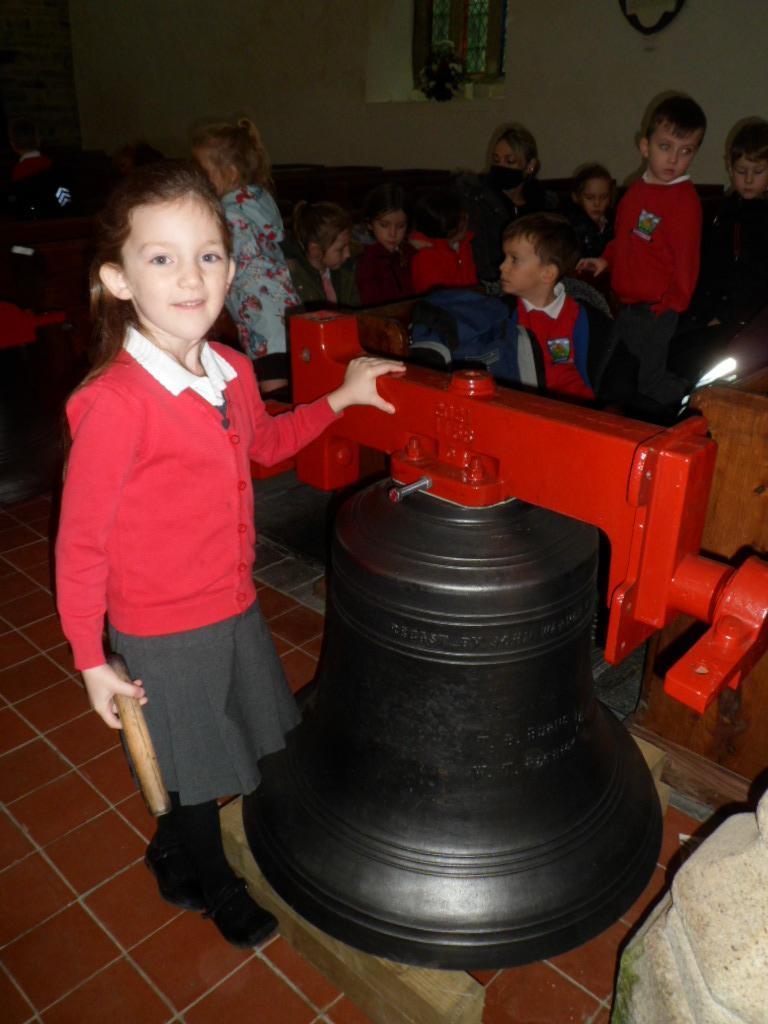
Whole School trip to Lanteglos Church
The Whole School visited St. Julitta's, Lanteglos Church in Camelford.
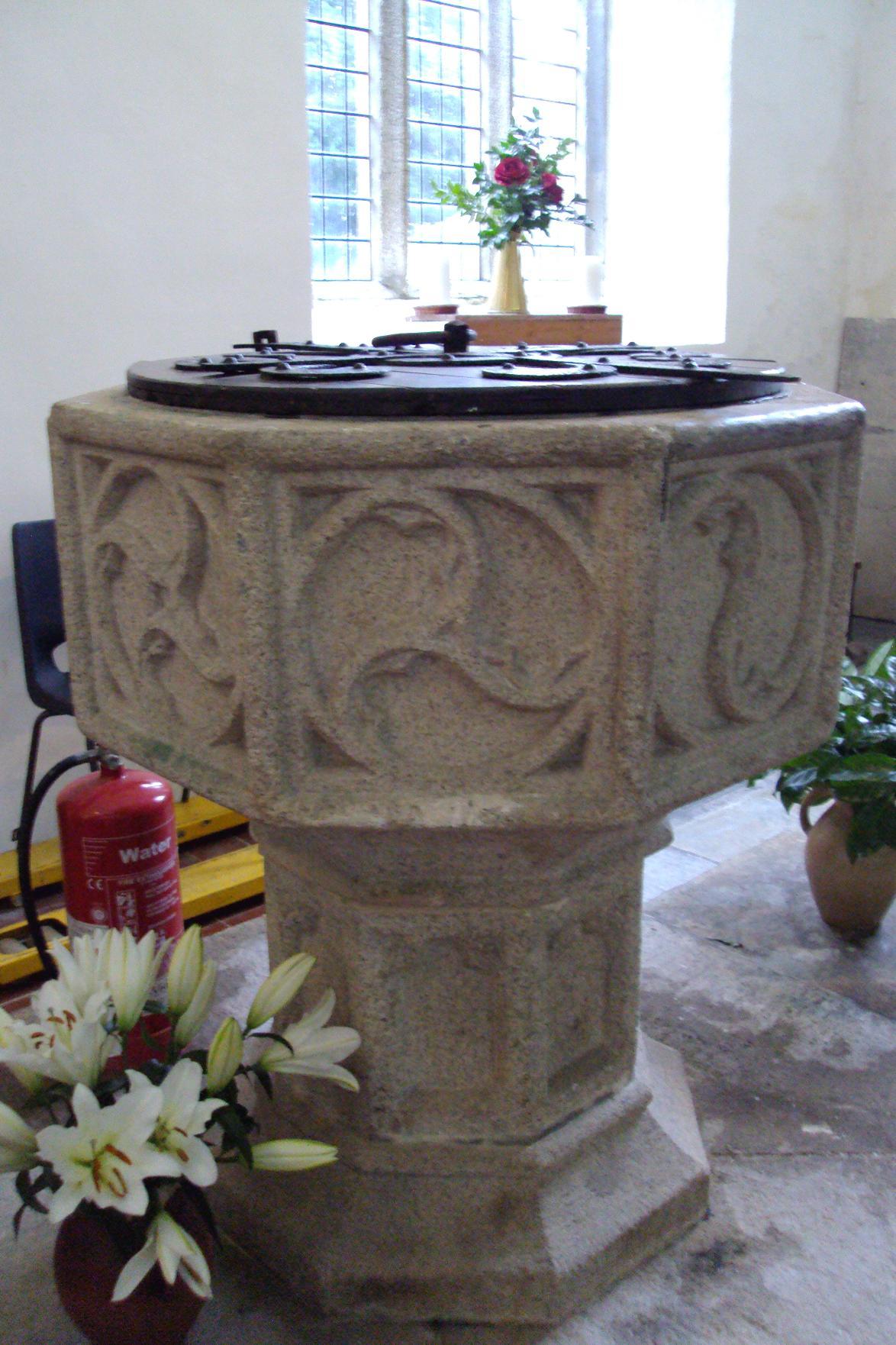
Christianity
The children looked at and discuss features of a church and their importance to the Christian faith.
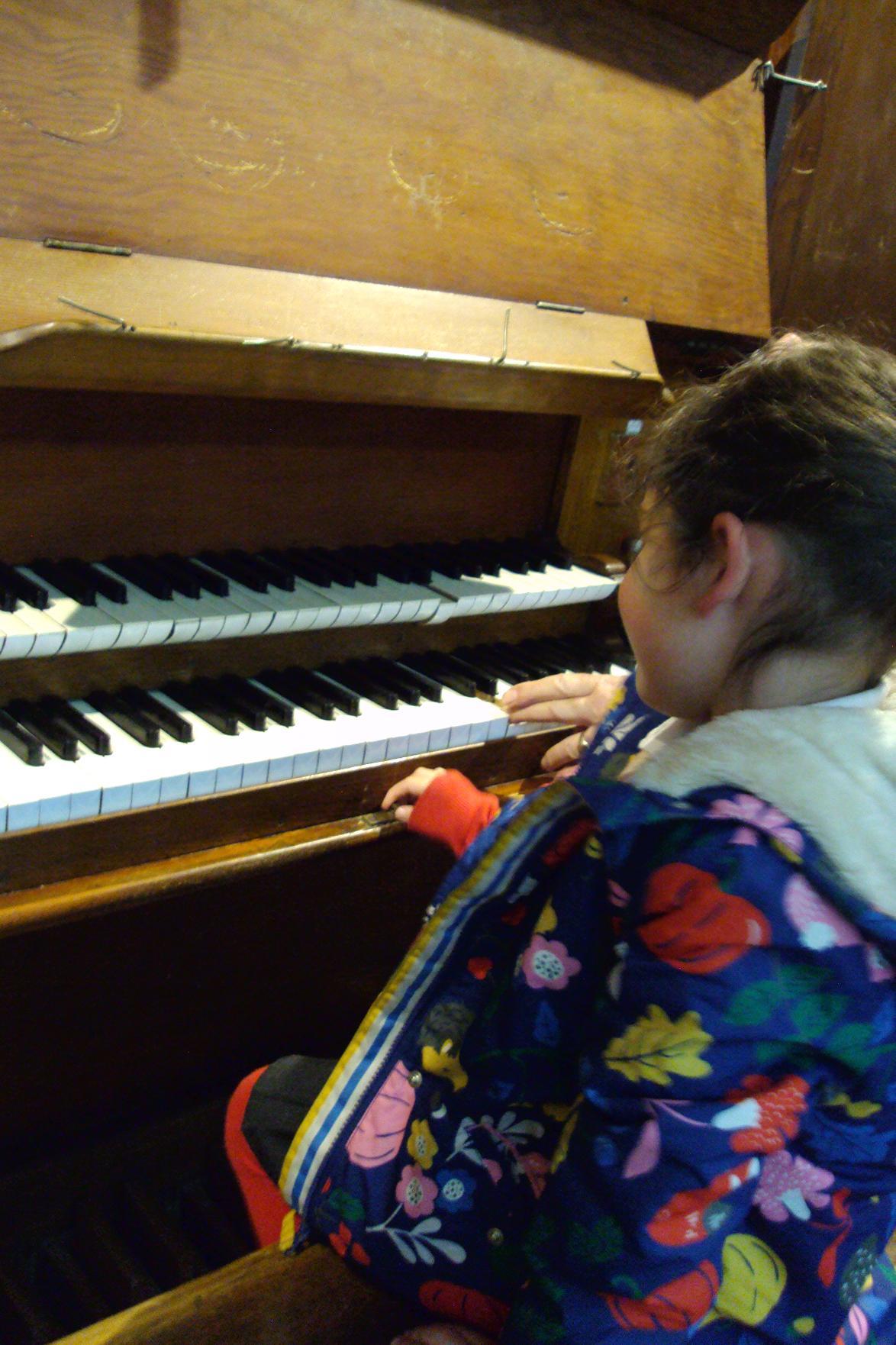
Music
The children were able to experience what the role of music plays within the church and were able to play the organ.
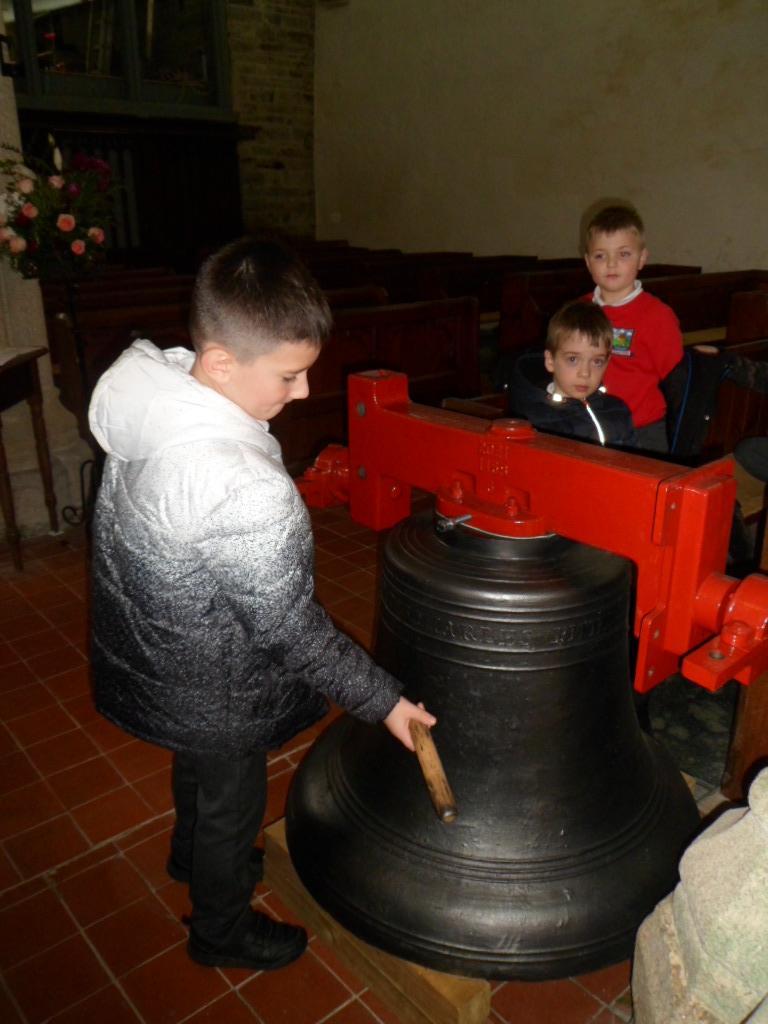
The Bells
The children were able to see, learnt about and hear the bells before their were restored in the bell tower. This linked to local history and Science.