How we develop reading?
Pupils begin the Read, Write, Inc programme on their first day in Reception (for some children they start during their last term in Nursery). Once learners have completed the programme they move on to the 'Accelerated Reader Programme' which encourages reading and develops comprehension skills. Pupils continue on this programme throughout their time at Camelford.
Keeeep Reading!
<iframe src="https://global-pr-widgets.renaissance-go.com/widgets/v1/9827920a-3223-4c6d-b4cd-3907a87ca358"></iframe>

|
Camelford Primary School Reading Policy V1 | [pdf 472KB] |

|
Camelford Loves Reading!
Read, Write, Inc
We use 'Read, Write, Inc' Phonics to teach children to learn to read accurately and fluently with good comprehension. Throughout the programme, children learn the alphabetic code: the 150+ graphemes (letters) that represet the 44 speech sounds. They rapidly learn sounds and the letter, or groups of letters, they need to represent them, in three sets of Speed Sound Lessons. Simple and enjoyable mnemonics help all children to grasp the letter-sound correspondences quickly. This knowledge is taught and consolidated every day. High frequency words that are phonically decodable are taught as 'tricky' words (Red Words) and are practised frequently.
Lively phonic books are matched to children's increasing knowledge of phonics and 'tricky' words so that, early on, they experience plenty of success. Repeated readings of the texts support their increasingly fluent decoding.
A thought-provoking introduction, prompts for thinking out loud and discussions help teachers ensure that children comprehend what they are reading.
Teachers read aloud and discuss picture books with similiar themes to those in the Storybooks, so children build up background knowledge ready for the next Storybook.
Accelerated Reader
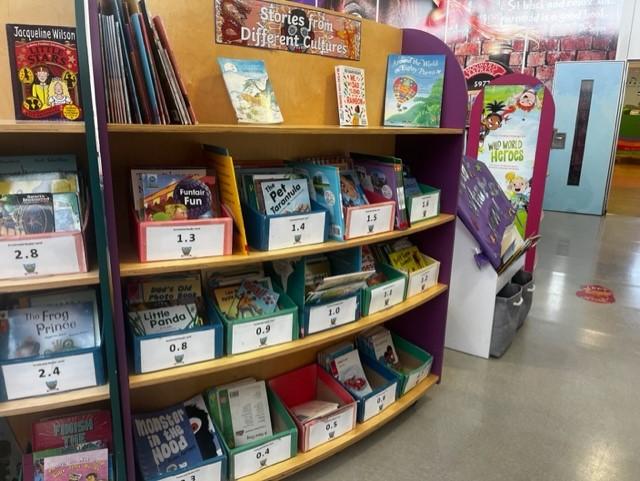
We use Accelerated Reader (AR) to help further develop our children's reading. Pupils take a 'Star Assessment' to determine their reading age, and are then given a 'Book Level' range. Pupils read books from within this range and quiz to determine understanding. This system ensures they read accurately and for meaning.
We like to acknowledge classes who make a special effort to read and quiz and give out weekly certificates in Praise Assembly. If you have any questions regarding Accelerated Reading, please speak to your child's class teacher.
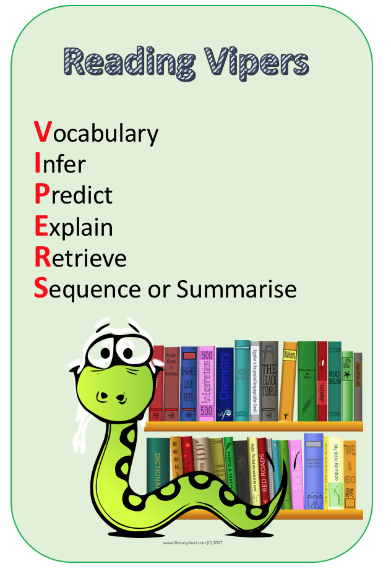
VIPERS
When teaching reading in KS2 we follow the acronym 'VIPERS' to ensure our reading sessions are clear and focused. Each week, our reading sessions focus on one or two of these key areas so that by the end of the year, the children have a deep understanding of each reading skill.
Reading- an essential life skill
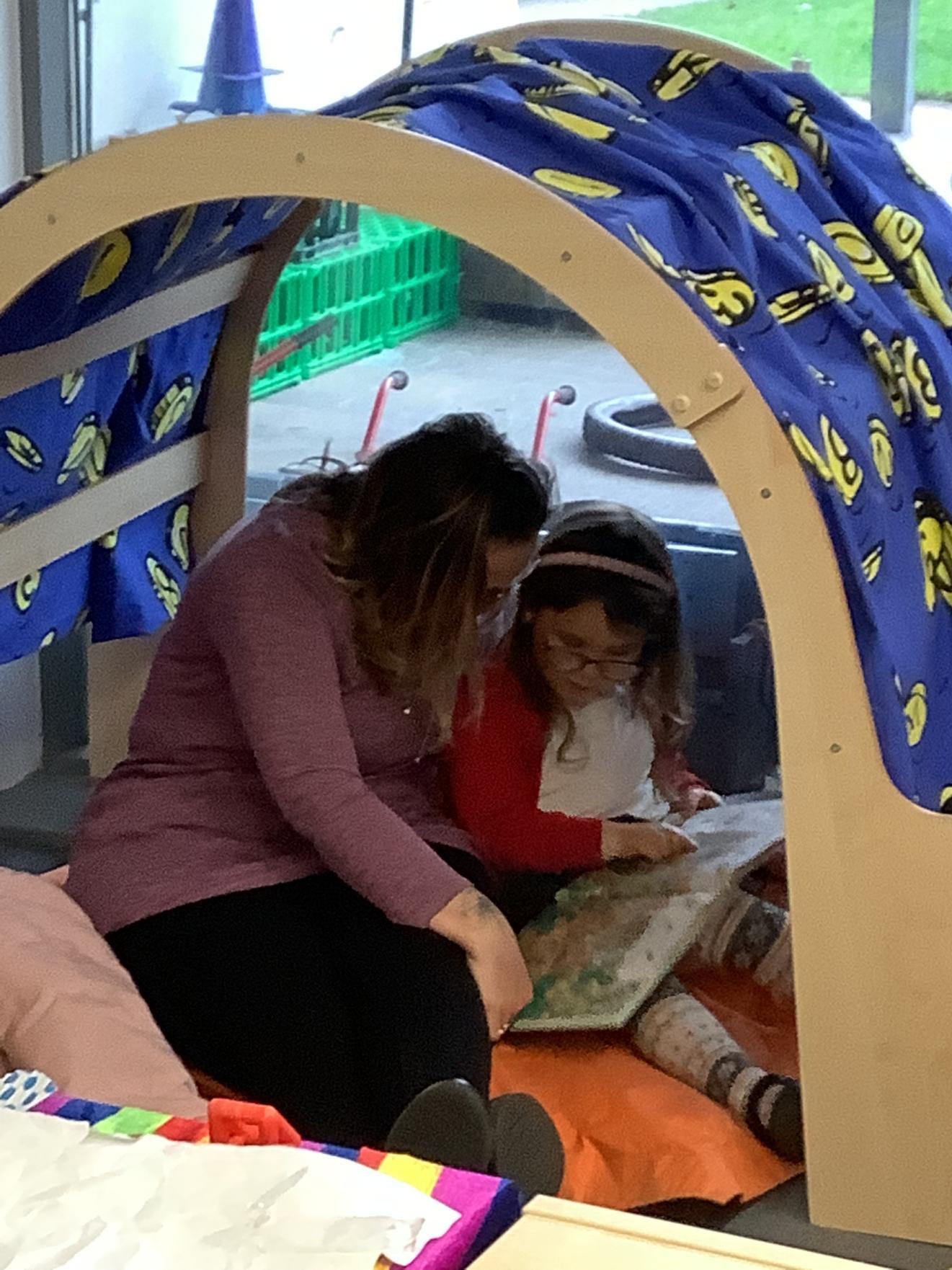
At Camelford Primary School we love reading. Listening to your child read every night and reading to them is incredibly important. Spending this time with your child each day will make a significant difference to, not only their reading, but their success as a learner across the curriculum.

10 Benefits of Daily Reading
Children who read often and widely get better at it.
Practice makes perfect in almost everything humans do, and reading in no different.
Reading exercises our brain.
Reading is a much more complex task for the human brain rather than watching TV, for example. Reading strengthens brains connections and builds NEW connections.
Reading improves concentration.
Children have to sit still and quietly so that they can focus on the story when they are reading. If the read often, they will develop the skill to do this for longer.
Reading teaches children about the world around them.
Through reading a variety of books children learn about people, places, and events outside of their own experience.
Reading improves vocabulary and language skills.
Children learn new words as they read. Subconsciously, they absorb information on how to structure sentences and how to use words and other language features effectively in their writing and speaking.
Reading develops a child's imagination.
As we read our brains translate the descriptions we read of people, places and things into pictures. While we are engaged in a story we are also imagining how a character is feeling. Children then bring this knowledge into their writing.
Reading helps children to develop empathy.
As children develop they begin to imagine how they would feel in that situation.
Reading is a fun.
A book or an e-reader doesn't take up much space and is light to carry, so you take it anywhere. You'll never be bored if you have a book in your bag.
Reading is a great way to spend time together.
Reading together on the sofa, bedtimes stories and visiting the library are just some ways of spending time together.
Children who read achieve better in school.
Reading promotes achievement in all subjects, not just English. Children who are good readers tend to achieve better across the curriculum.
We Love Reading
In this section of the website, you will see the teachers and support staff sharing their reading journeys so far. Too often we ask children to read and enjoy reading without sharing our own journeys. The children have taken the interviews and even edited the footage. There are definitely some aspiring interviewers and directors in the making!
Mrs Howard shares her reading journey
TOP 50 BOOKS for your CHILD and Recommended Websites
Listed below are the top fifty books recommended per year group. Have a look and see how many of these you can read this year. If you click on the link you can also download a checklist too. Happy reading!
 |
Reading Y1 |
|
Reading Y2 |
|
Reading Y3 |
|
Reading Y4 |
|
Reading Y5 |
|
Reading Y6 |
|
Book Trust |
| Free interactive books to read online and games to play | |
|
Literacy Trust |
| A great website for advice, games and recommended reads. | |
|
Storynory |
| Free audio books for your child to listen to | |
|
Love Reading 4 Kids |
| Book reviews and extracts to read | |
|
Oxford Owl |
| 250 free e-books and advice for listening to your child read |
Extreme Reading Competition
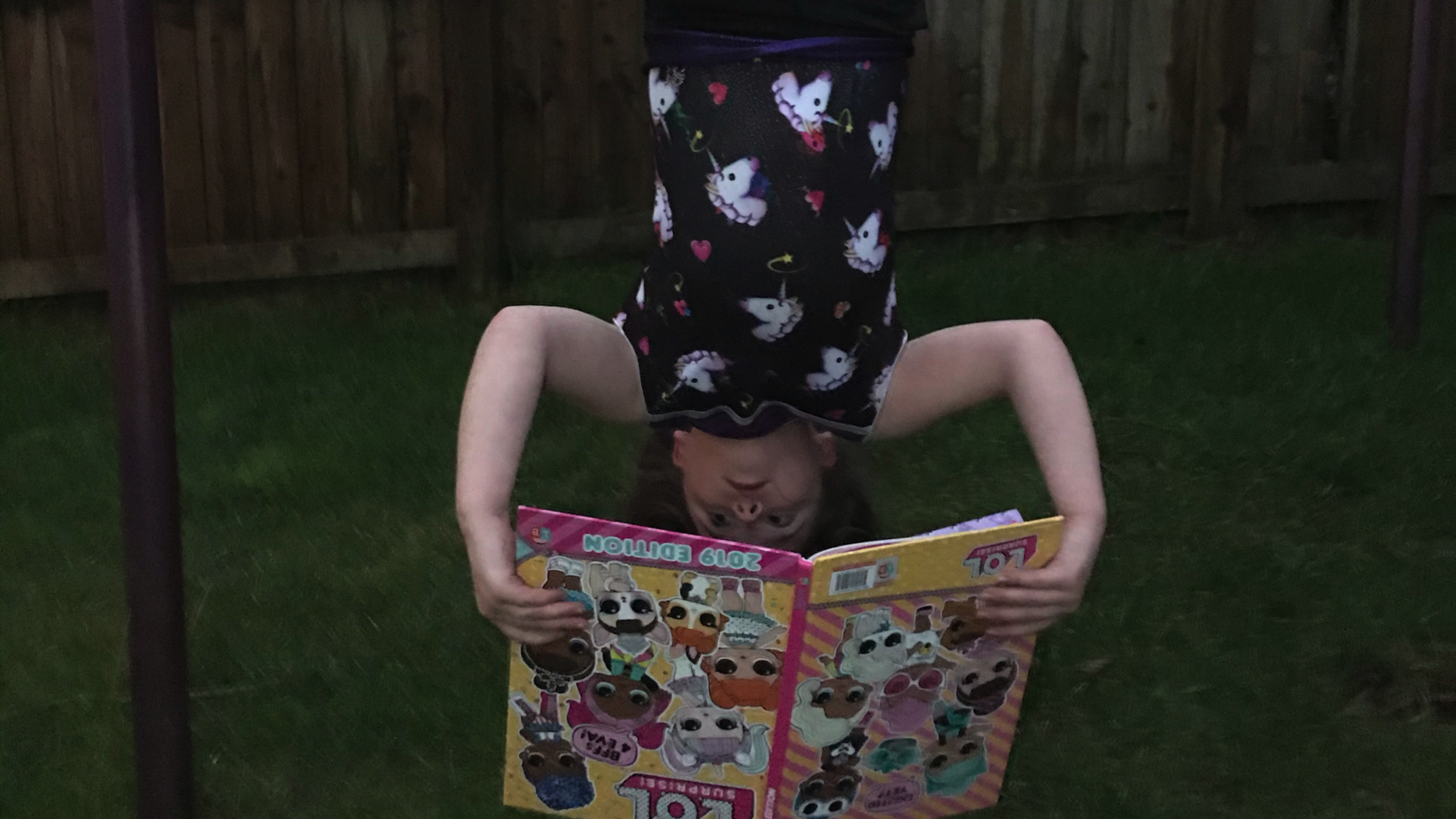
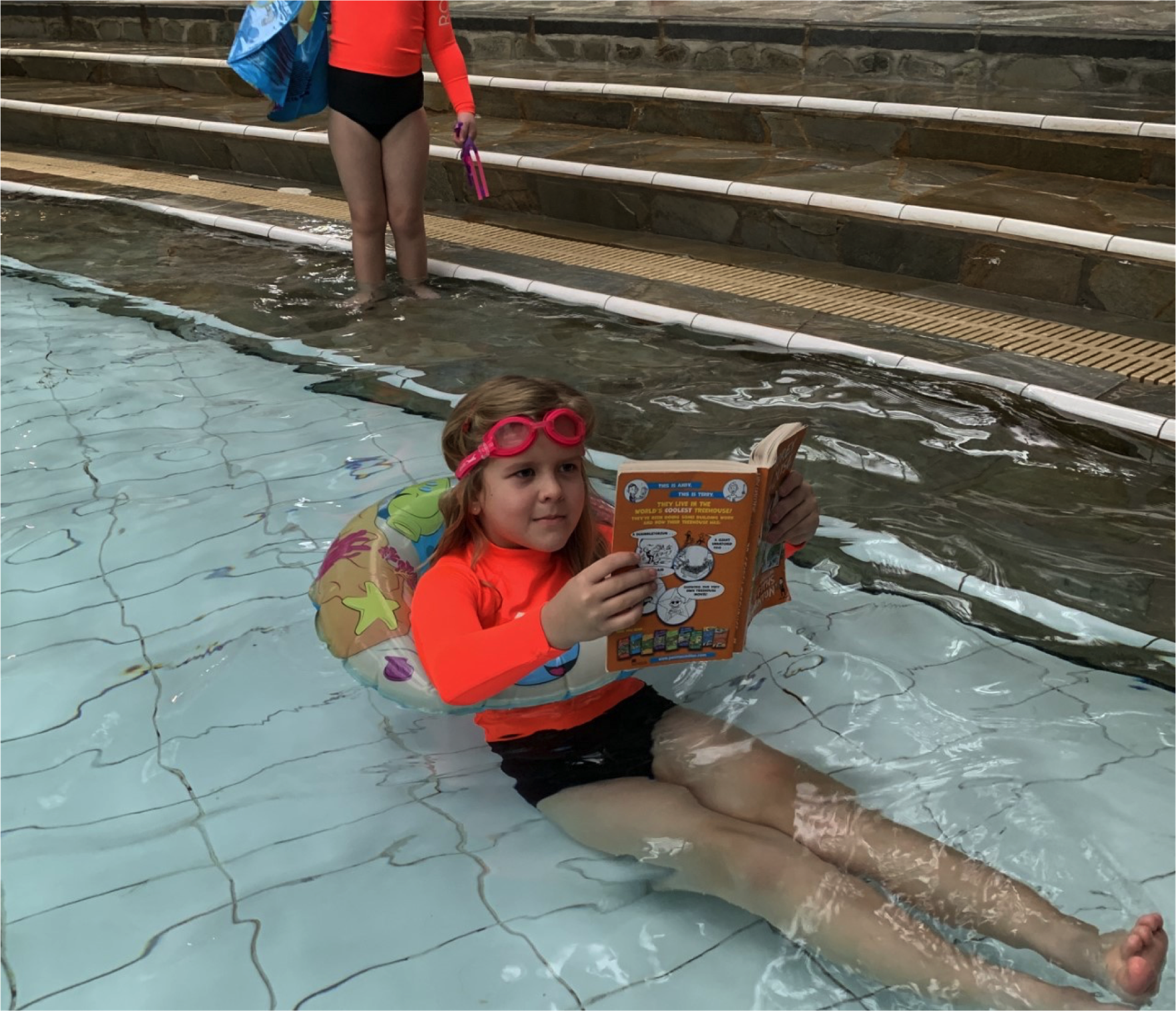
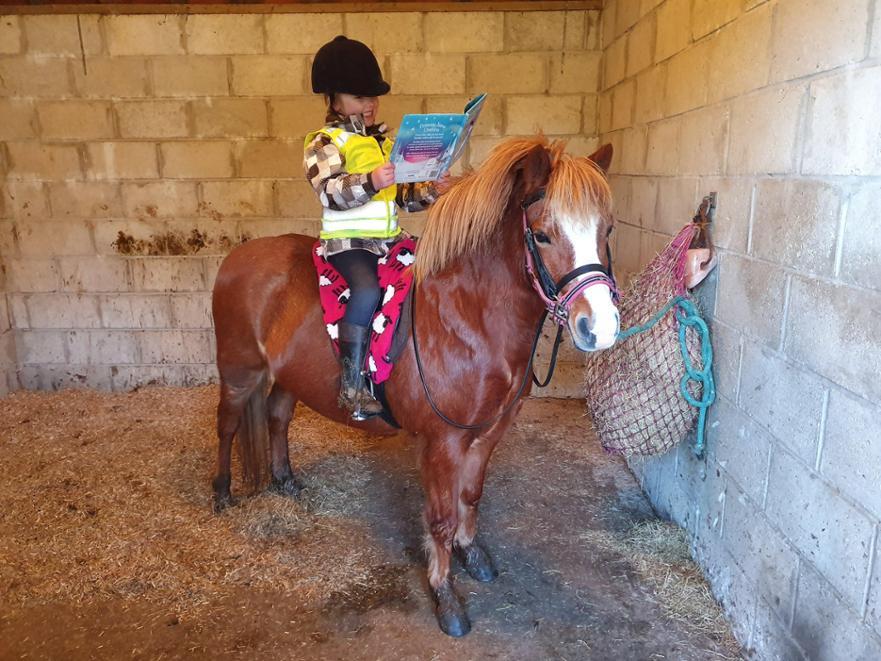
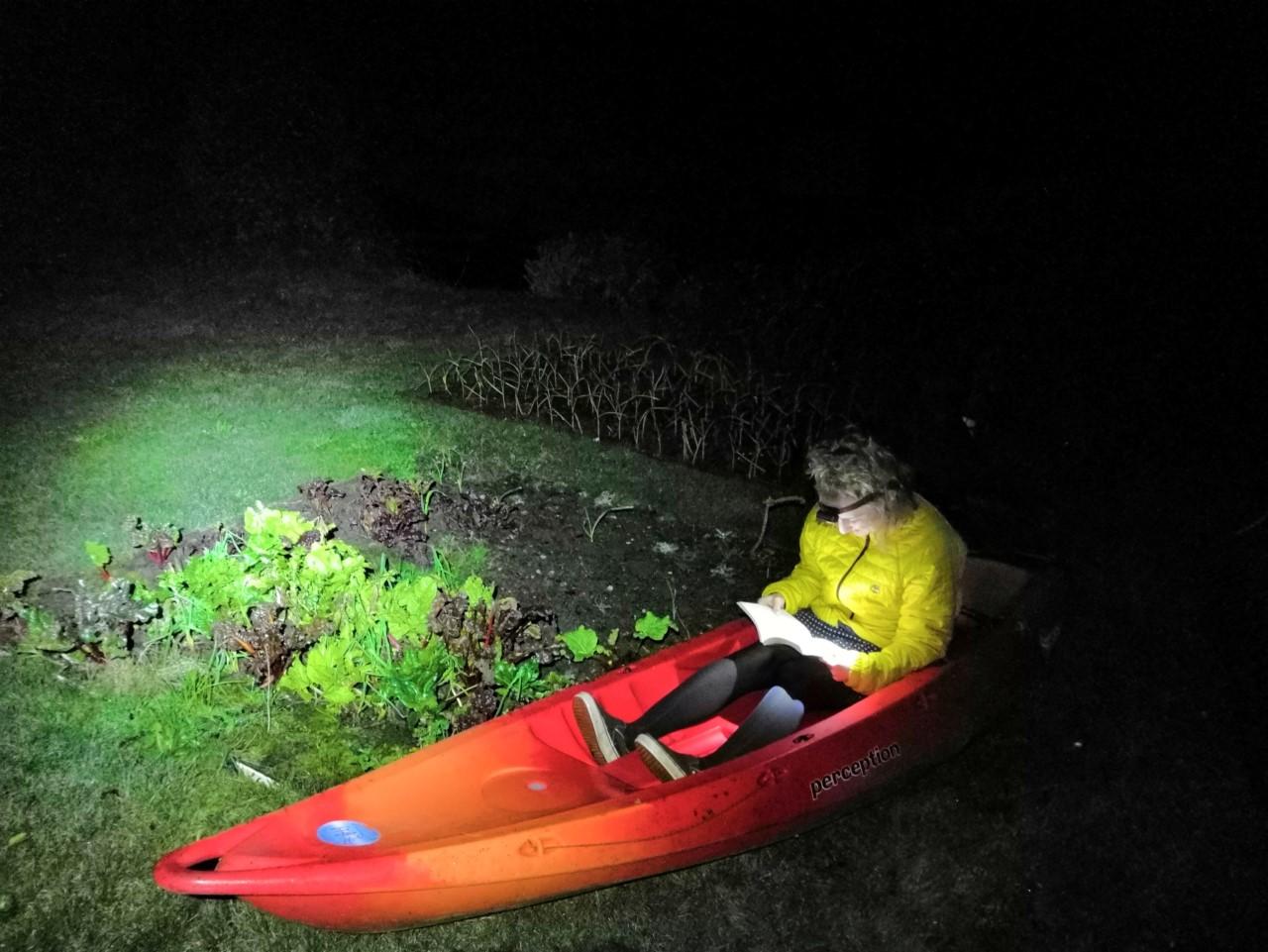
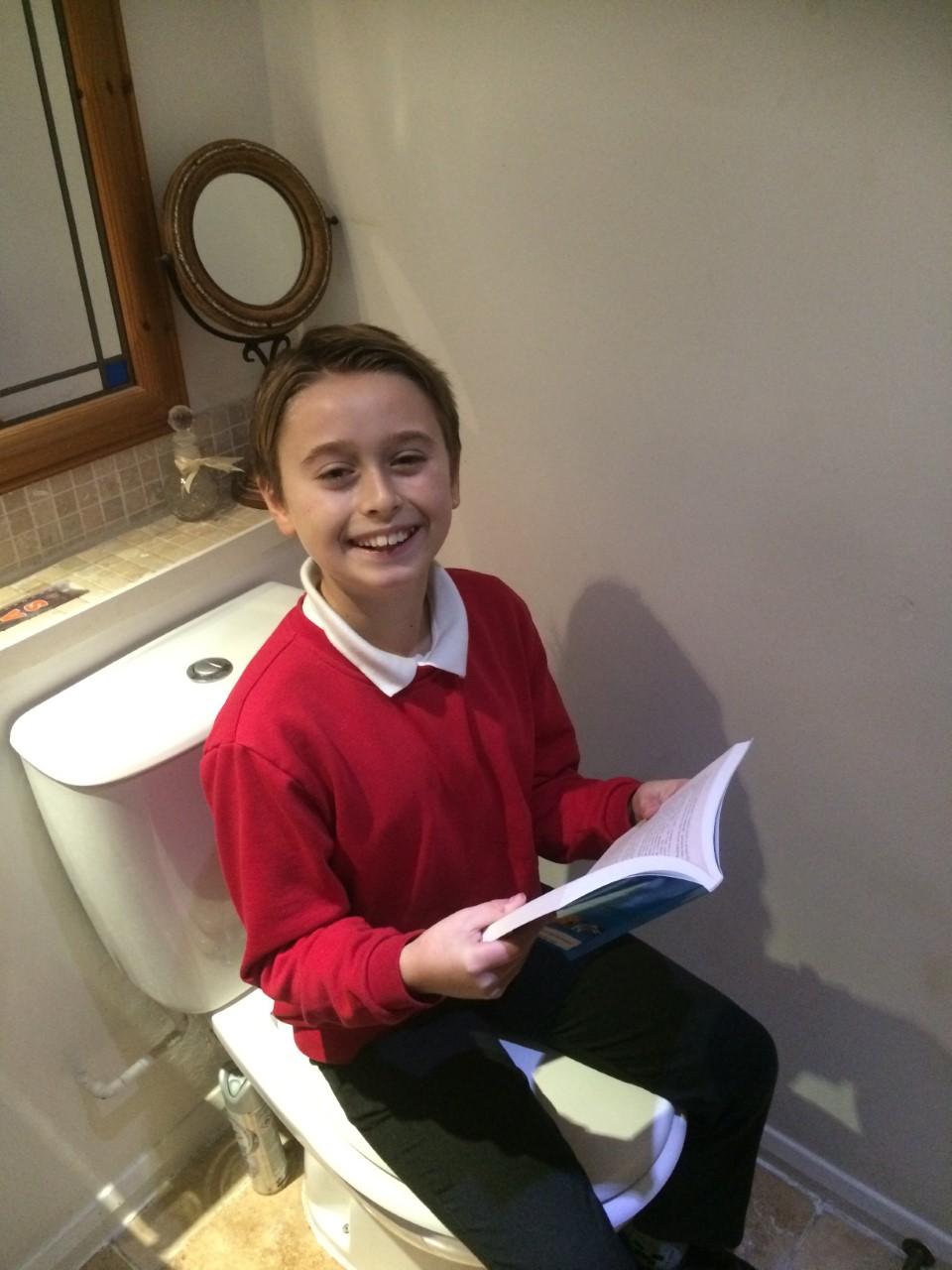
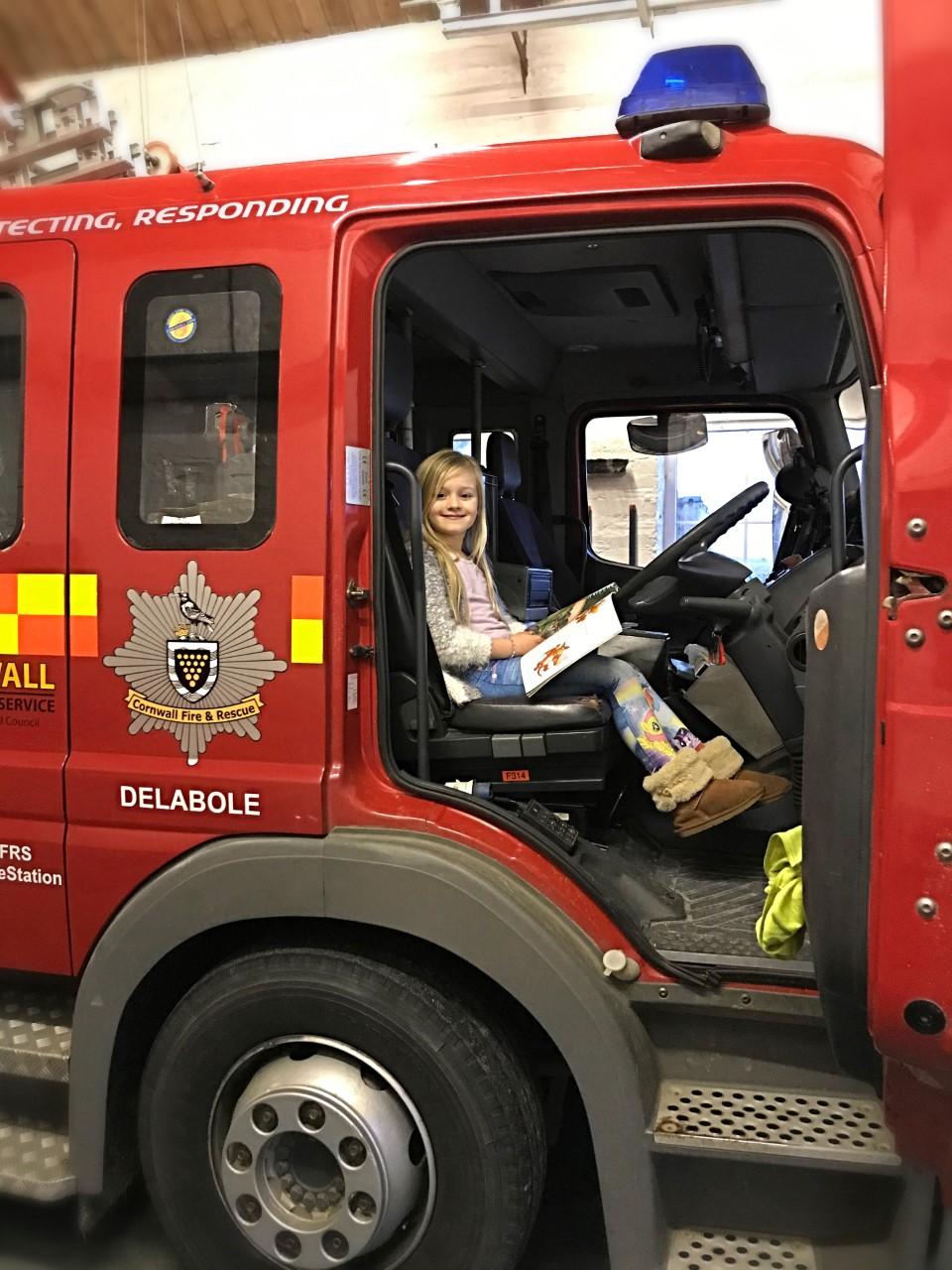
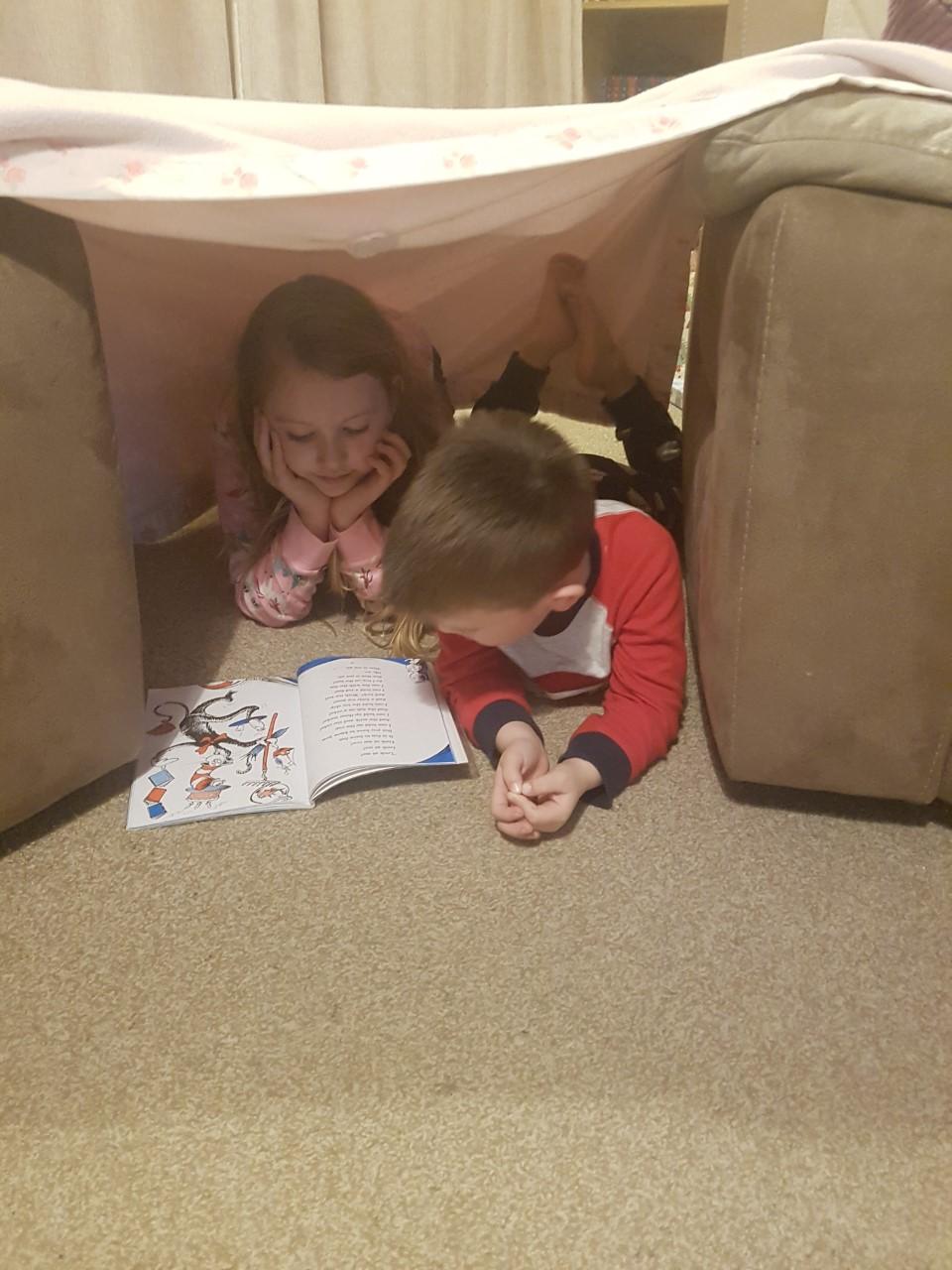
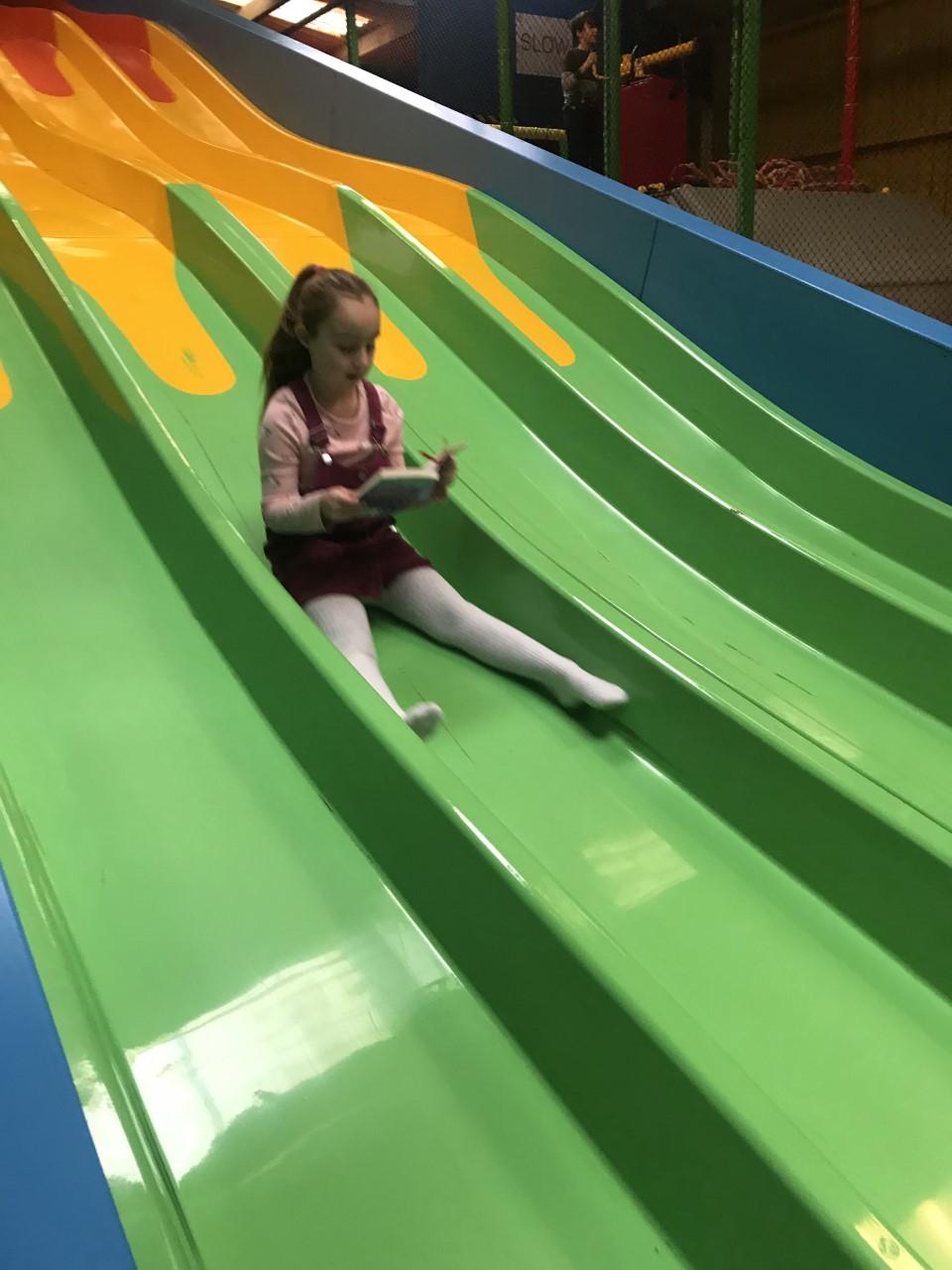
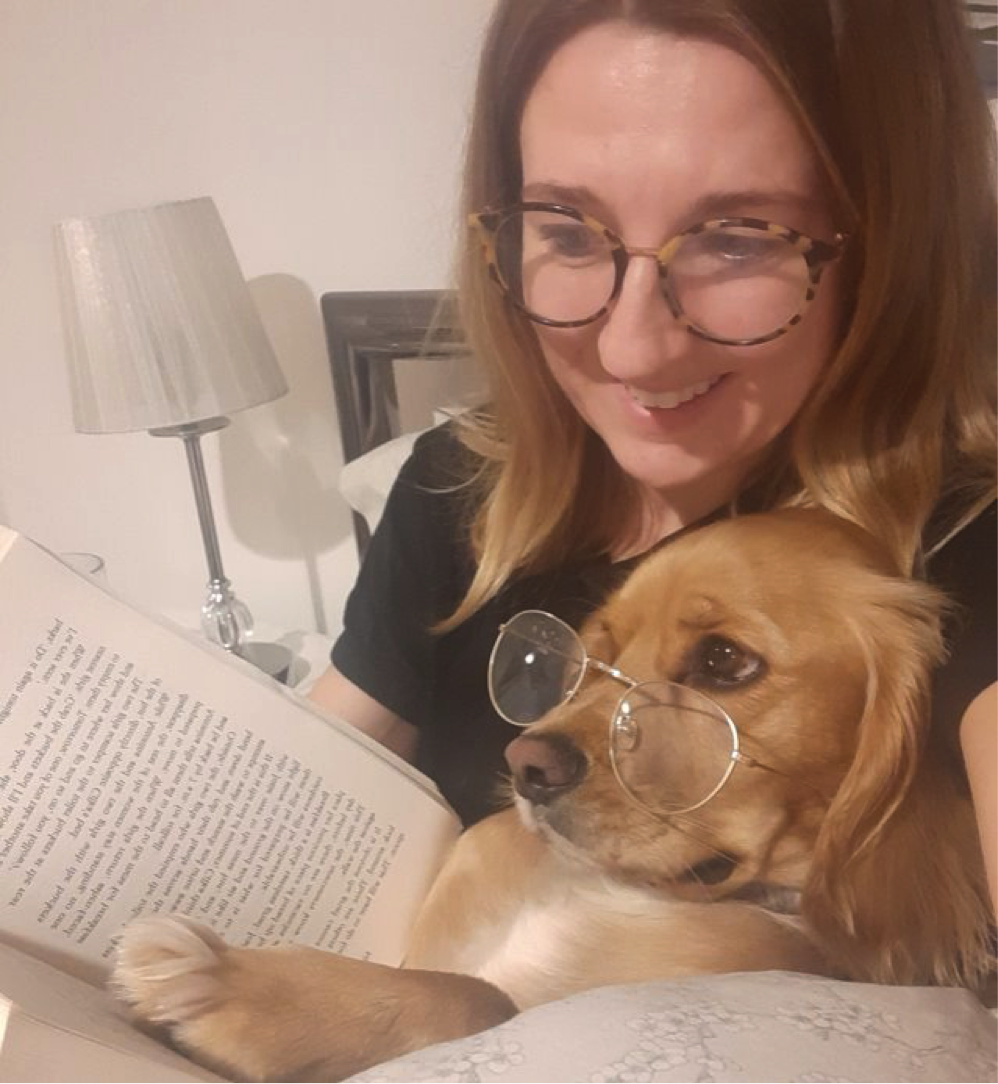
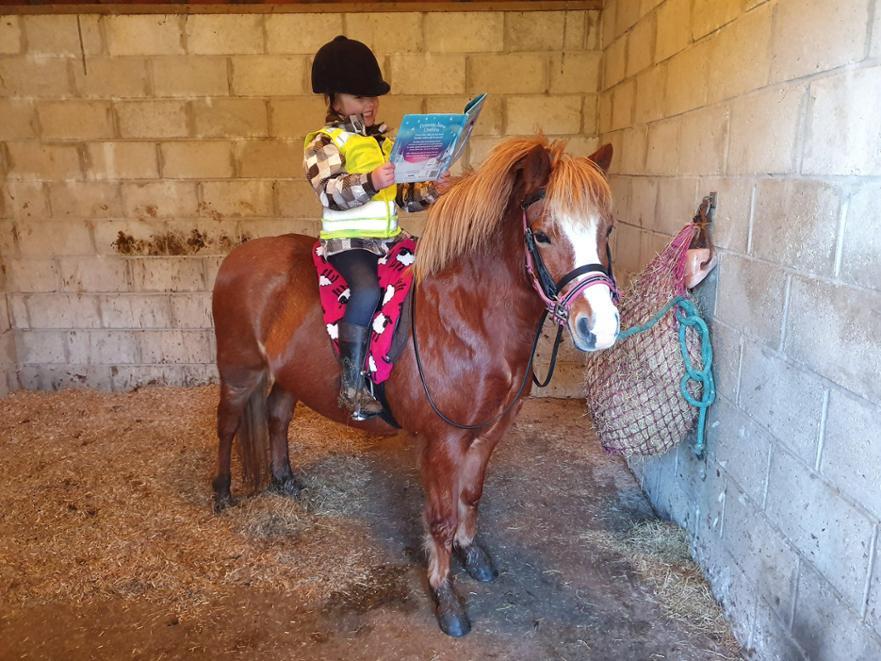
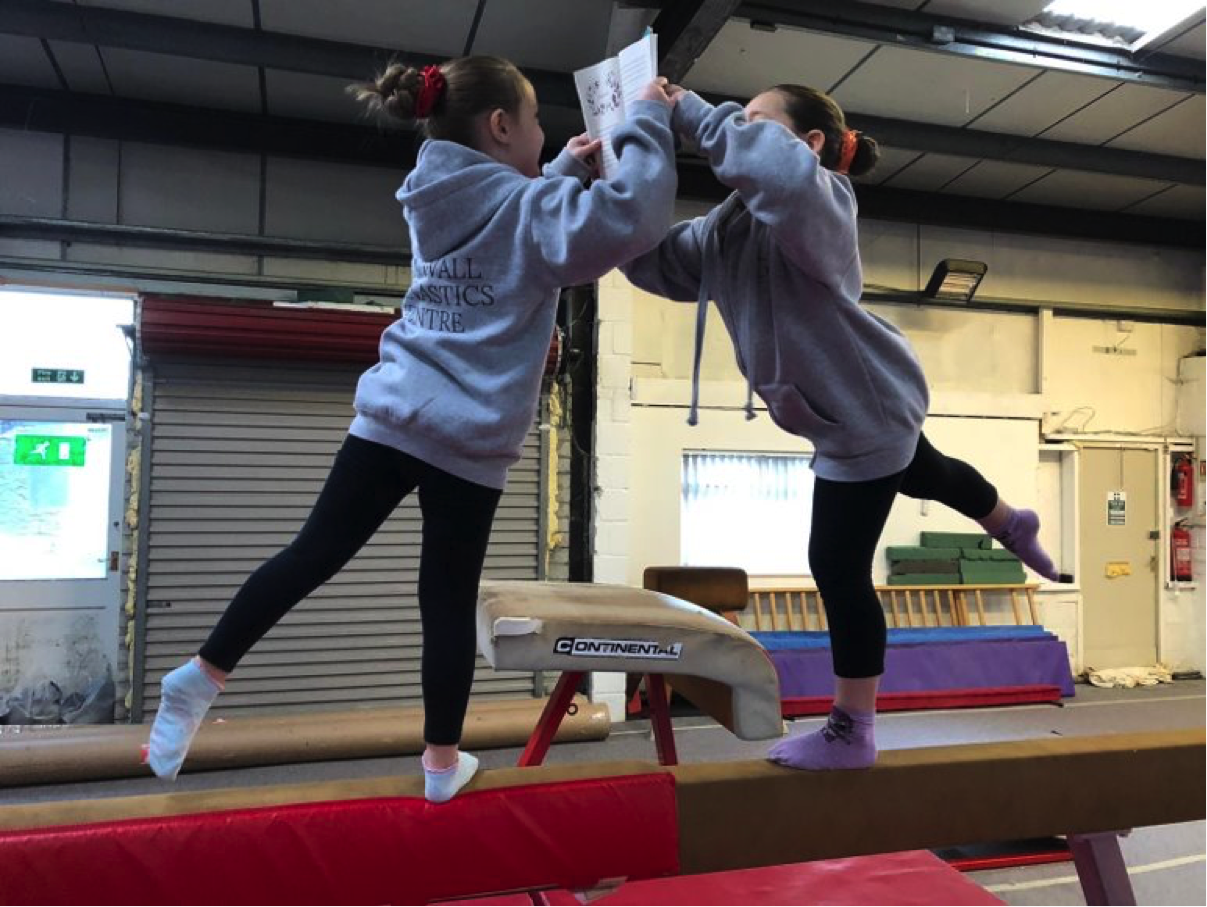
Here at Camelford, we love reading so much that we even do it in unusual places! Have a look at the pictures and think about the most extreme place that you've ever read a book.
Visiting Authors
We love inviting real-life authors to our school. In the past, we have enjoyed visits from:
- the TIntagel Storyteller
- Vashti Hardy
- Olivia Lowry
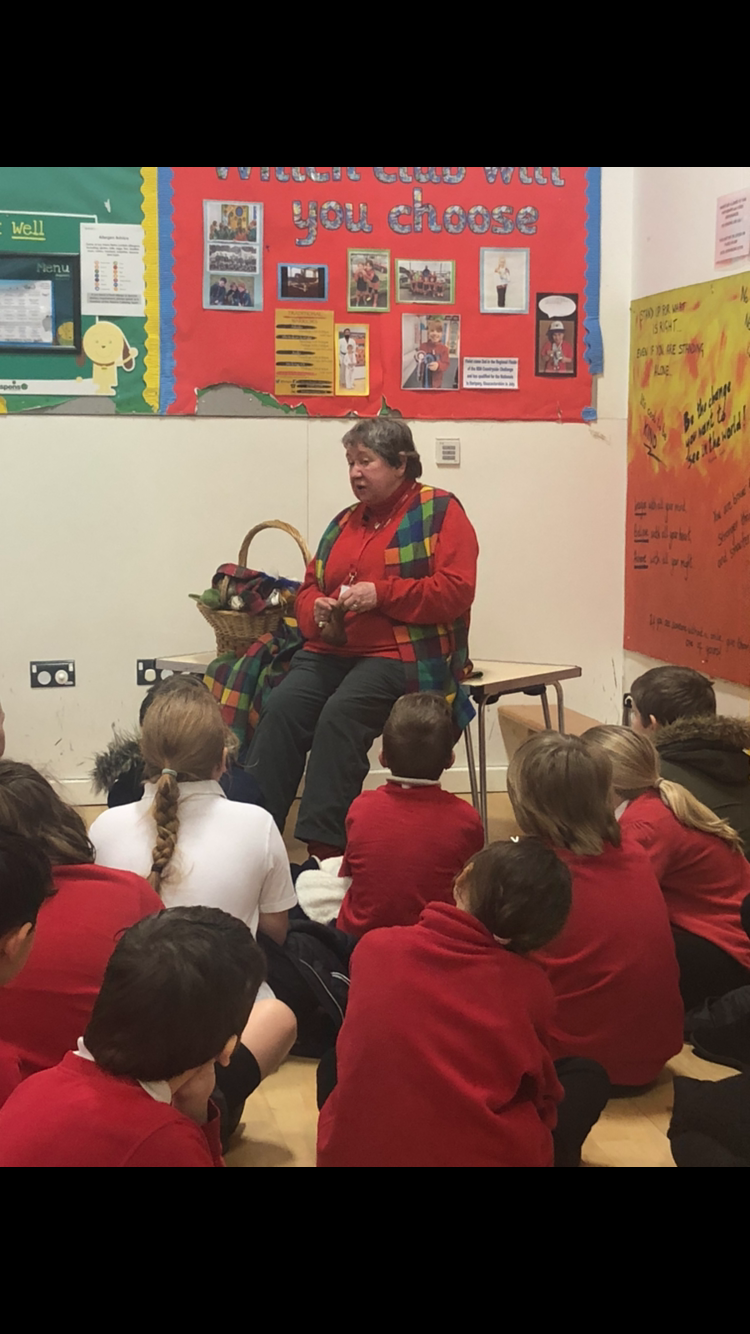
Our children gain so much from these workshops and it is invaluable to hear their journeys as authors, including where they get their inspiration from!