INTENT: What do we aim to do for our pupils?
We aim to support every pupil to:
- Develop meaningful ways to communicate their needs, choices, ideas and feelings.
- Build an understanding of their emotions, sensory needs and individual ways of regulating.
- Develop independence, confidence and self-advocacy in ways that are appropriate and meaningful for them.
IMPLEMENTATION: How do we do this?
We achieve this through a consistent, personalised and child-centred approach. Our highly trained staff work closely together, alongside families and other professionals, to understand each pupil’s individual strengths, needs, communication style and sensory profile.
We use specialist approaches and appropriate supports to ensure pupils are able to access learning, communicate, make choices and participate in school life in ways that work for them. We value all forms of communication and recognise that progress will look different for every child.
IMPACT: What do we want for our pupils when they leave us?
When pupils leave our provision, we want them to have the skills, strategies, support and systems they need to participate as fully as possible in their lives and communities.
We want our pupils to:
- communicate their needs, wants, choices and preferences as independently as possible;
- understand and advocate for the support they need;
- develop independence in personal care and everyday life skills, where appropriate;
- develop their mobility and physical independence to the best of their ability;
- feel confident in their own identity, strengths and ways of communicating and learning;
- feel valued, respected and included within their community;
- approach the next stage of their lives with confidence, self-belief and the right support around them.
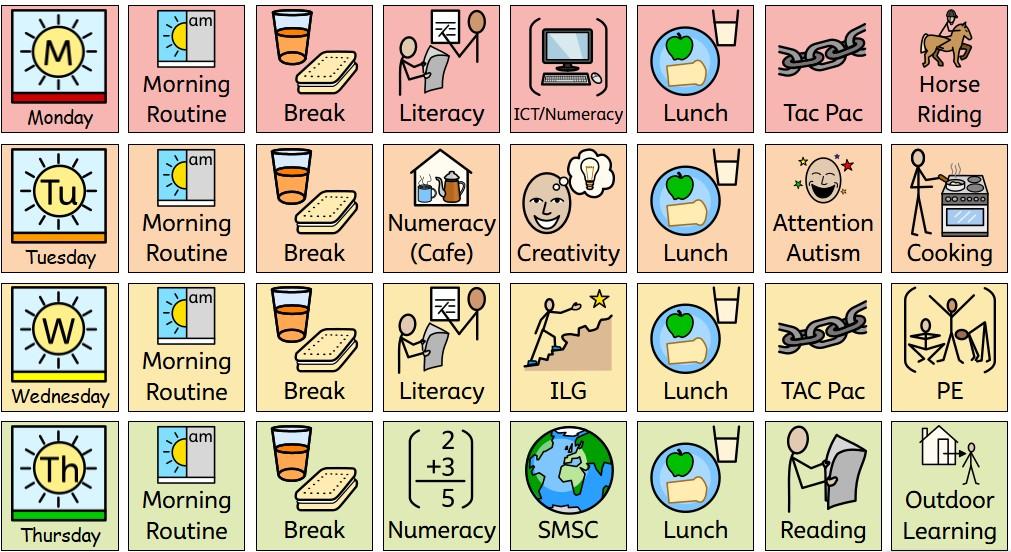
Pathway One (Sample TT)
Our Pathway One is designed for pupils who learn best through sensory experiences, interaction, movement and meaningful engagement with the world around them.
Learning is highly personalised and focuses on developing key skills such as communication, engagement, anticipation, choice-making, physical development and emotional regulation. Pupils are supported to explore and respond through a range of sensory experiences, including touch, sound, movement, light and smell.
We value all forms of communication, including facial expression, body movement, vocalisation, eye gaze, gestures, objects of reference and AAC. Progress may be seen in small but important steps, such as showing anticipation, making a choice, initiating an interaction or sustaining attention for longer.
The pathway is flexible and responsive, allowing pupils to learn at their own pace in ways that are meaningful, motivating and accessible to them.
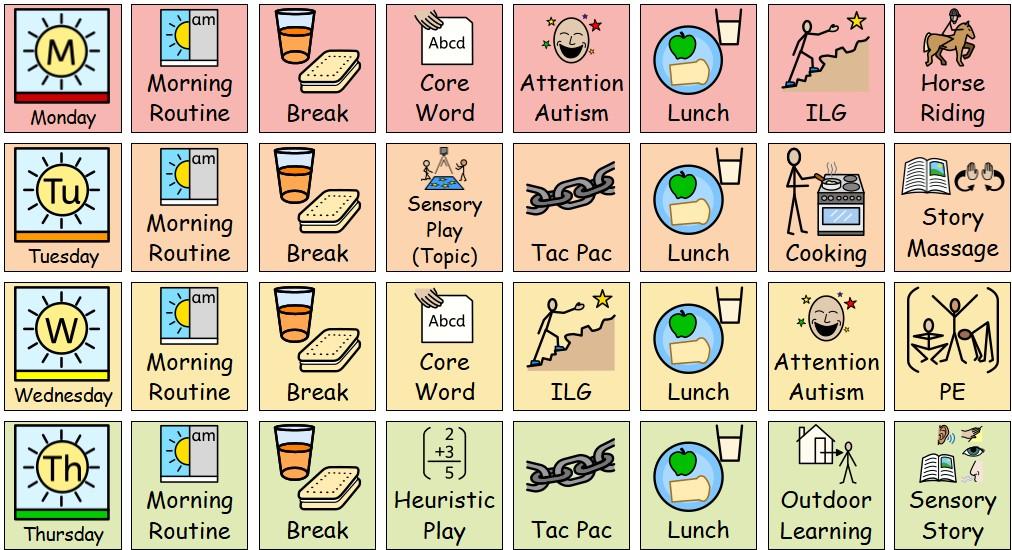
Pathway Two (Sample TT)
Our Pathway Two is designed for pupils who benefit from a practical, personalised and structured approach to learning, while continuing to access a broad and balanced curriculum.
Learning focuses on developing functional skills across areas such as communication, literacy, maths, independence, social understanding, emotional regulation and life skills. Teaching is adapted to each pupil’s individual strengths and needs, with opportunities to learn through hands-on experiences, repetition, real-life contexts and purposeful activities.
Pupils are supported to develop increasing independence, confidence and self-advocacy, while building the skills they need to participate in school, home and community life.
The pathway remains flexible, ensuring that learning is meaningful, achievable and appropriately challenging for each individual pupil.