Welcome to Reception at Camelford
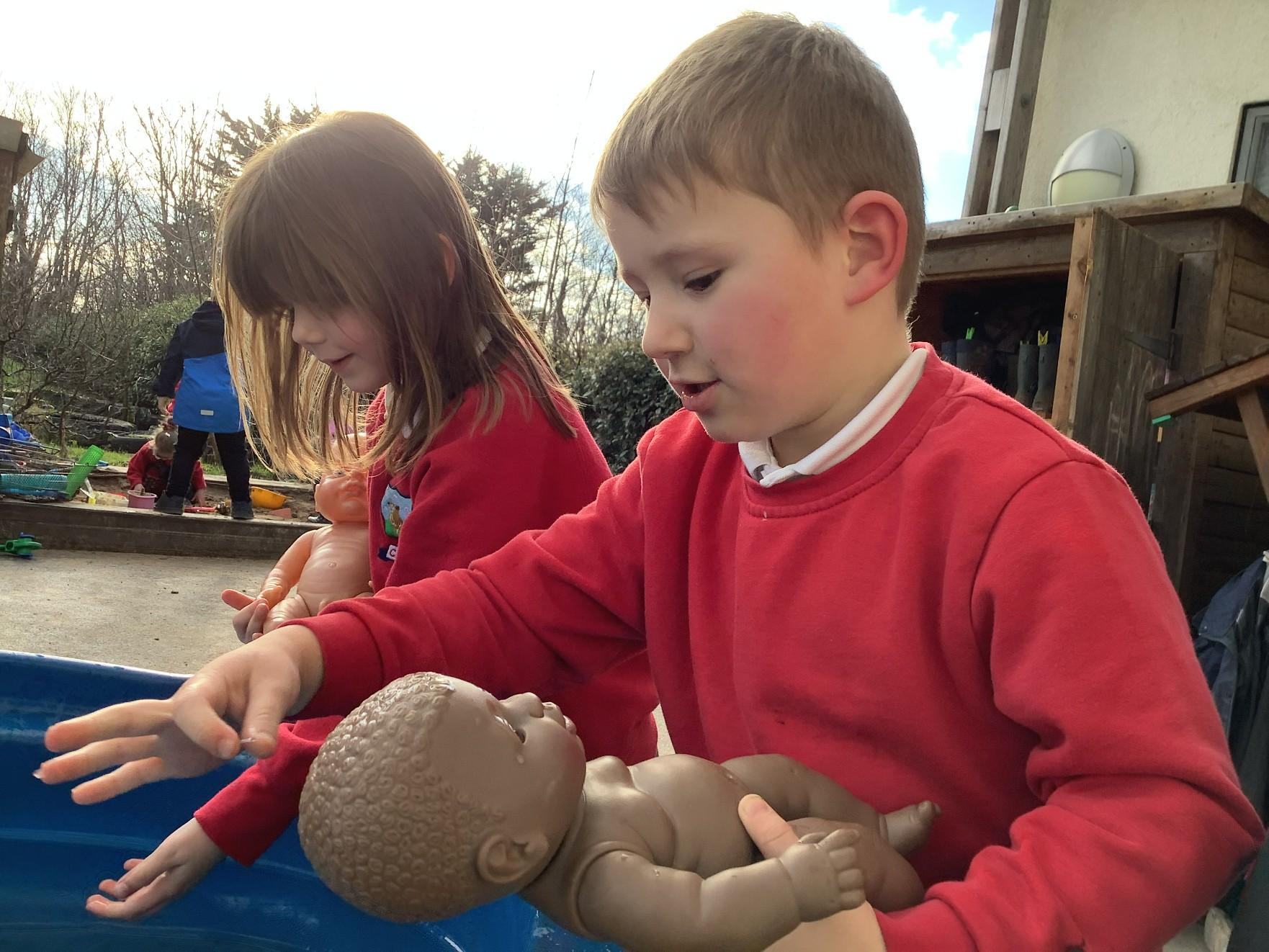
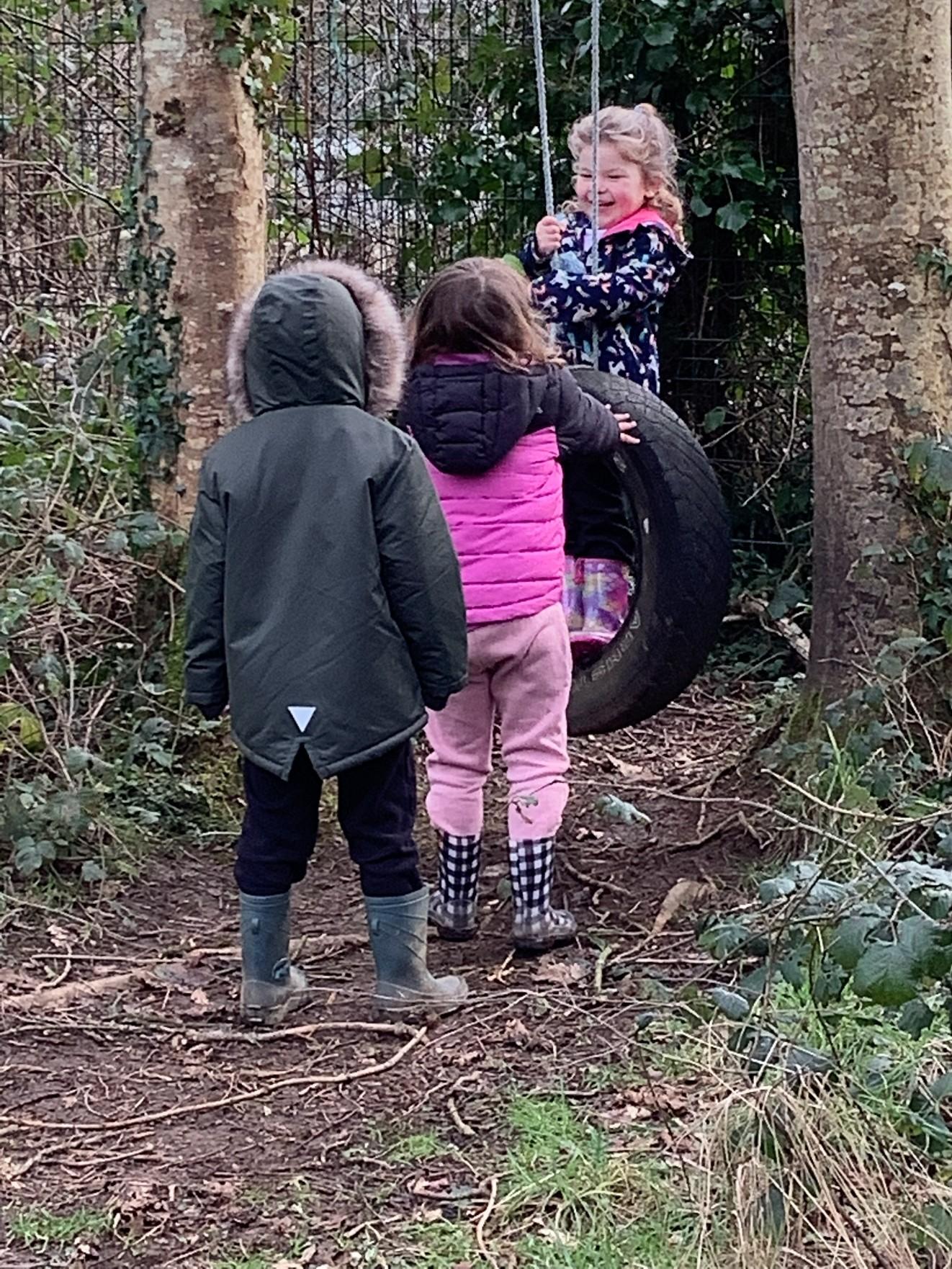
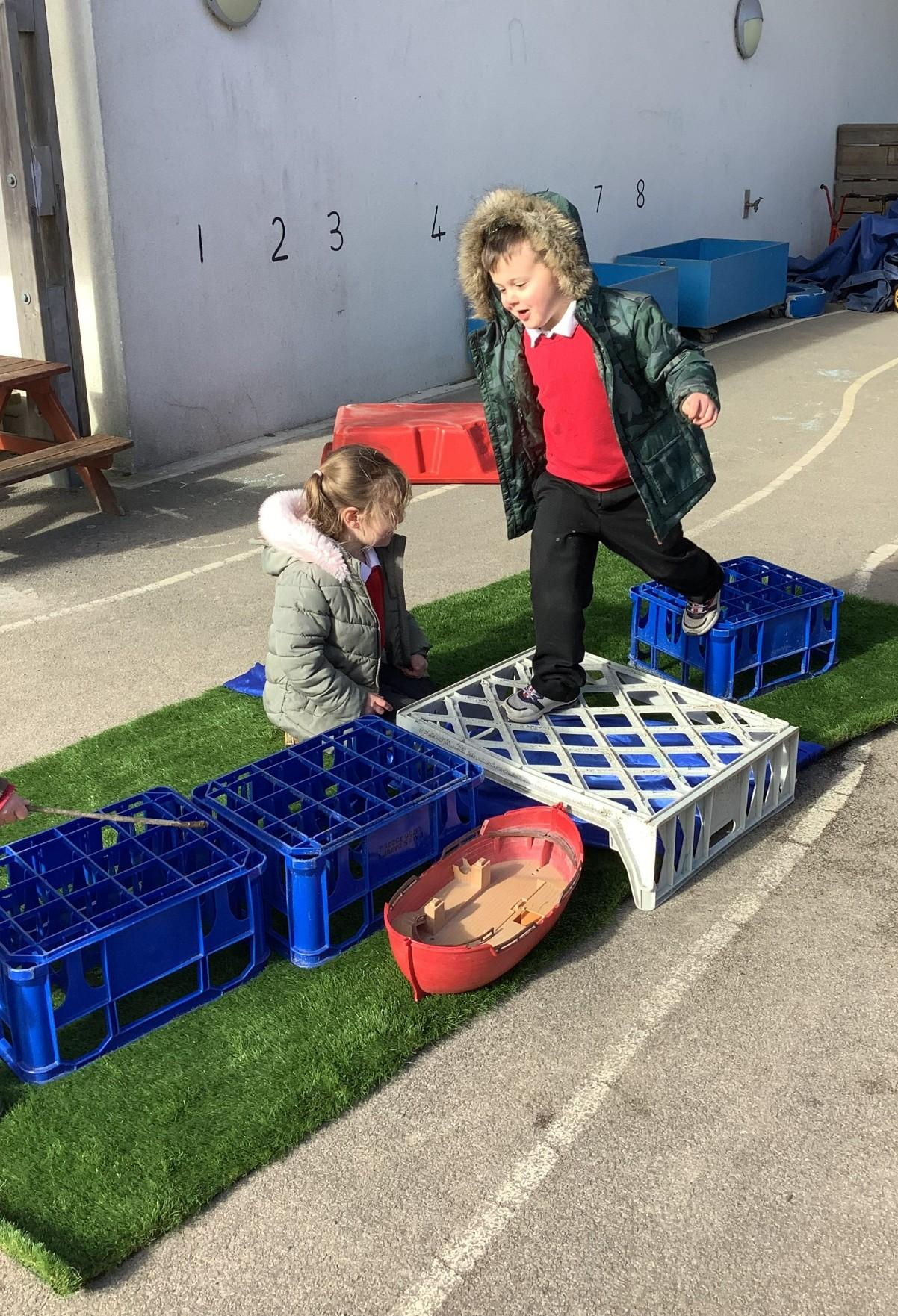
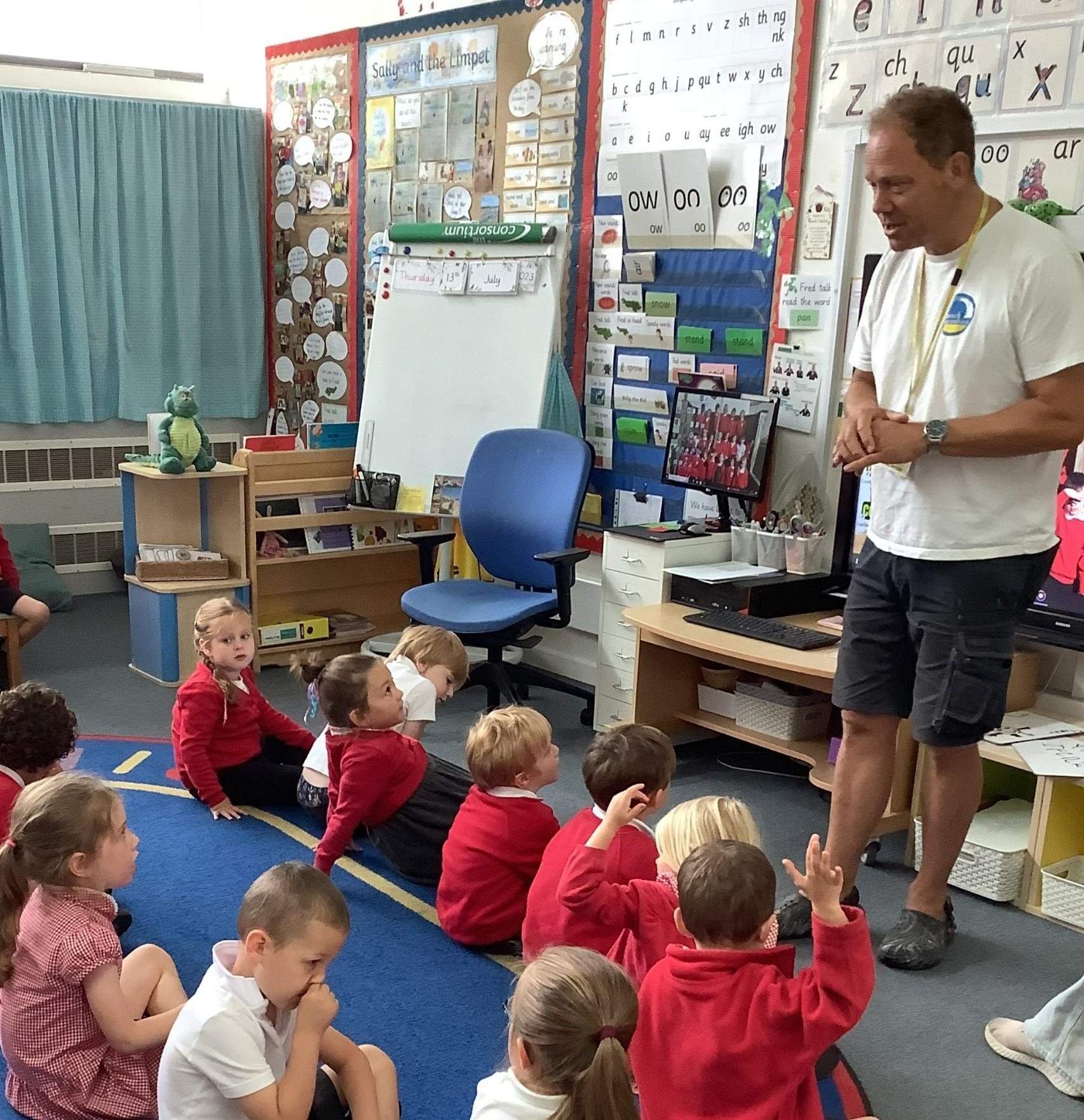
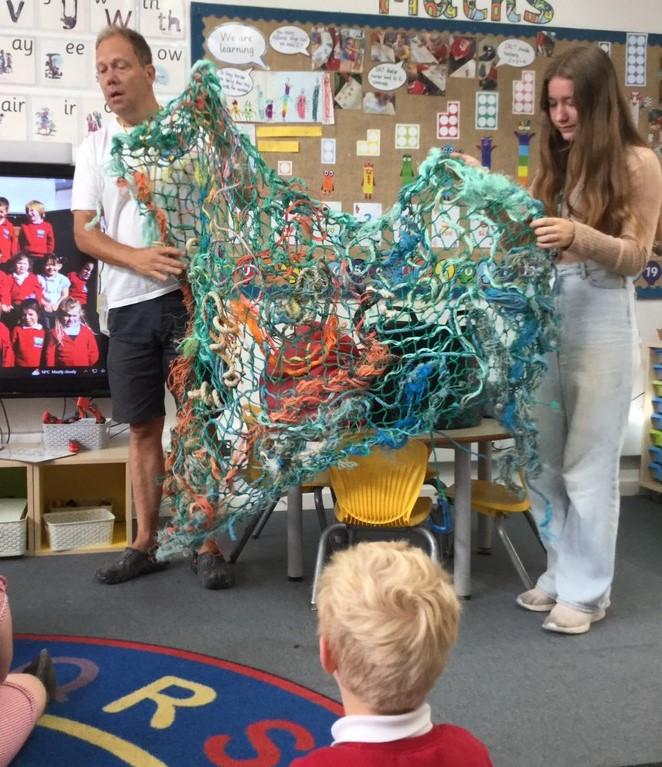
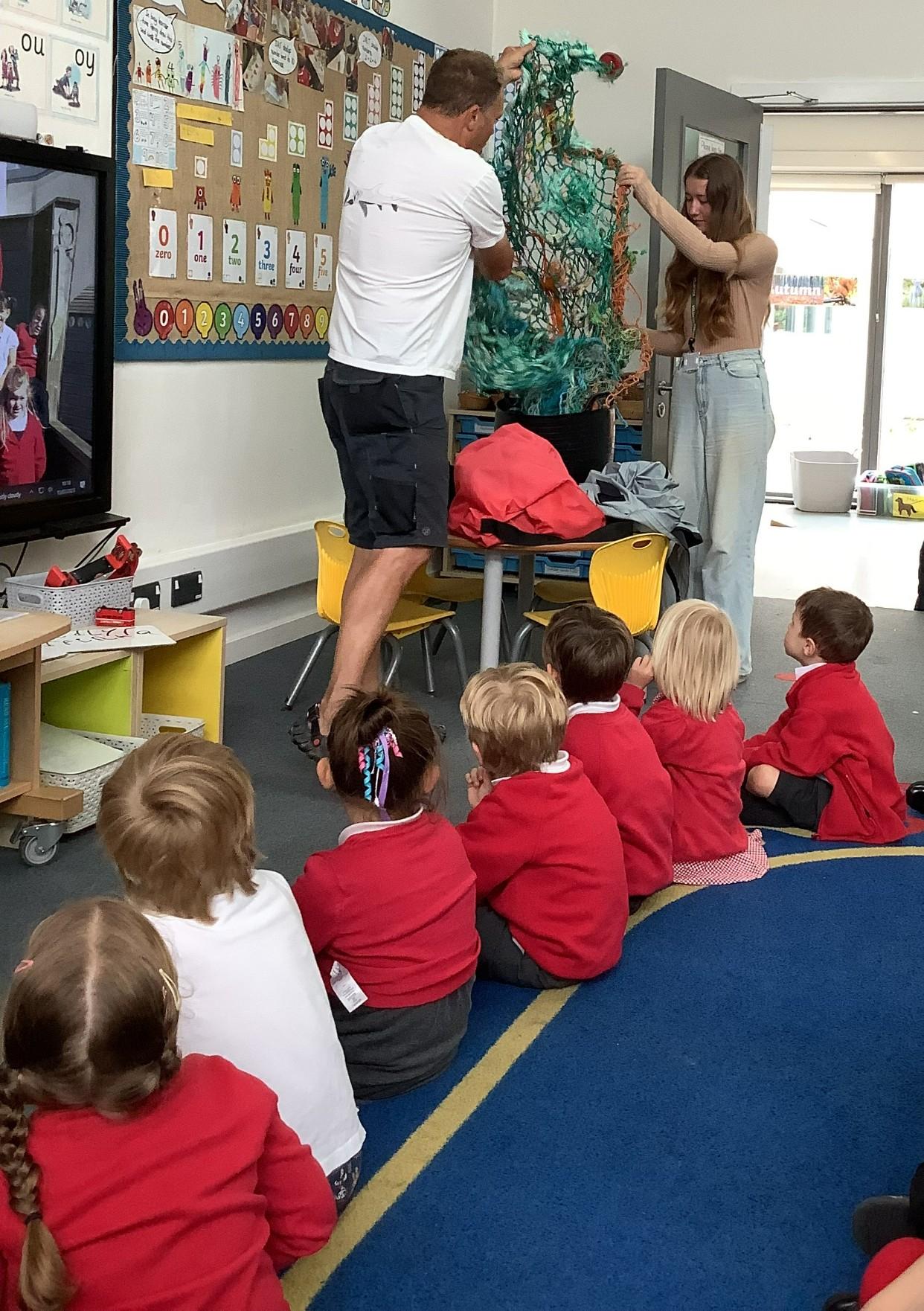
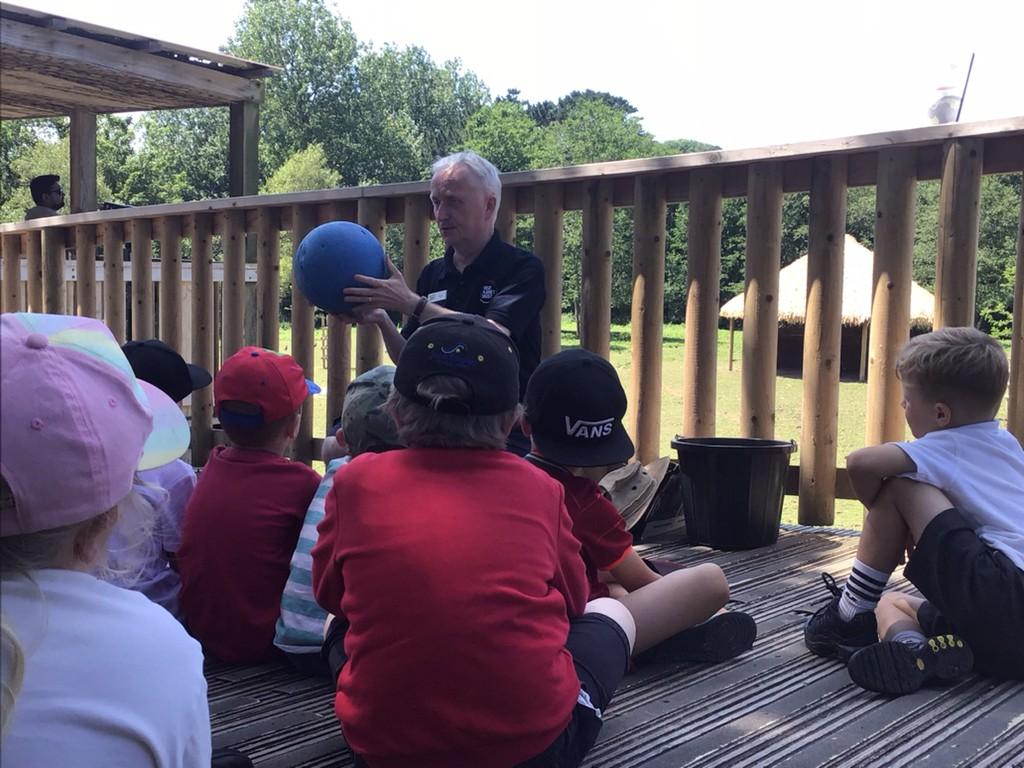
Beach Guardian visit
Learning about recycling and caring for our environment.
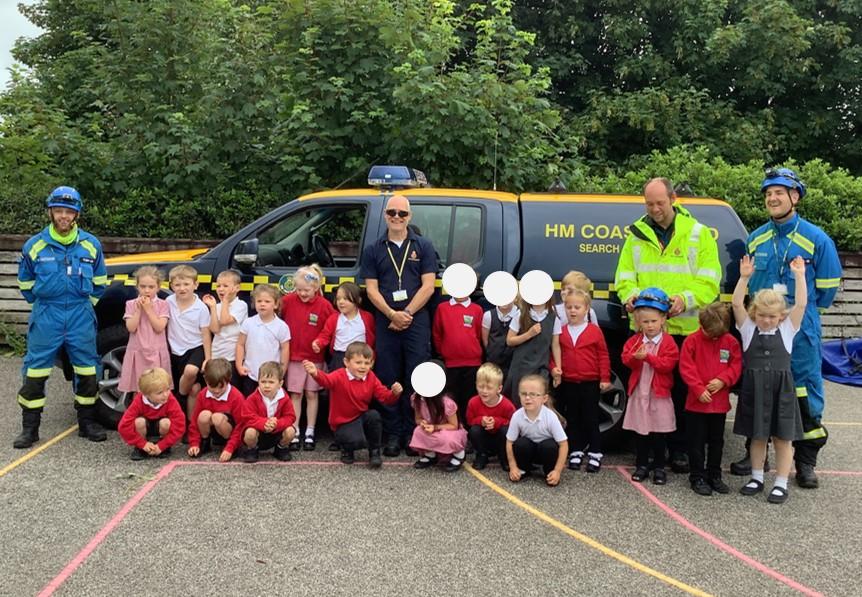
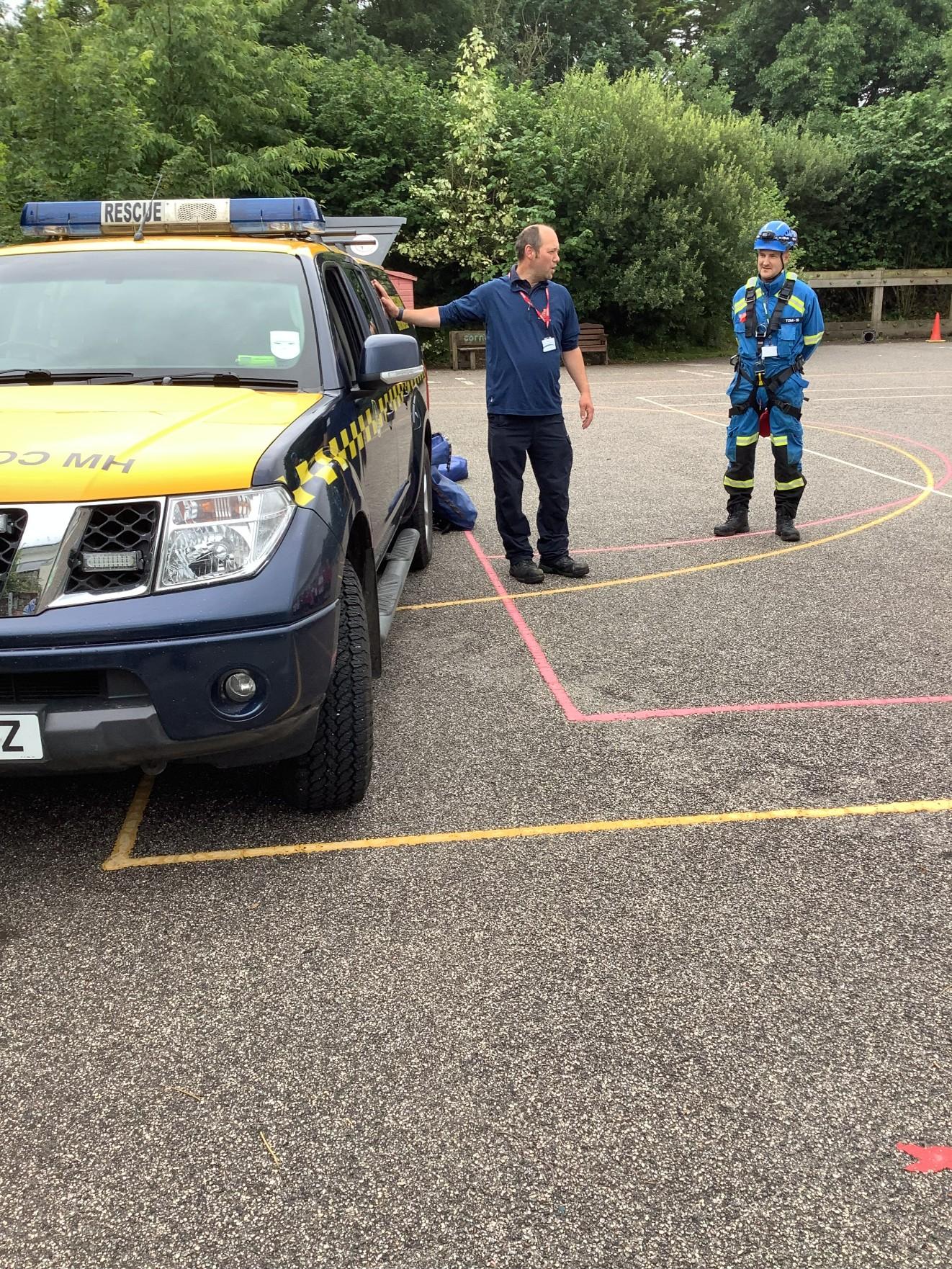
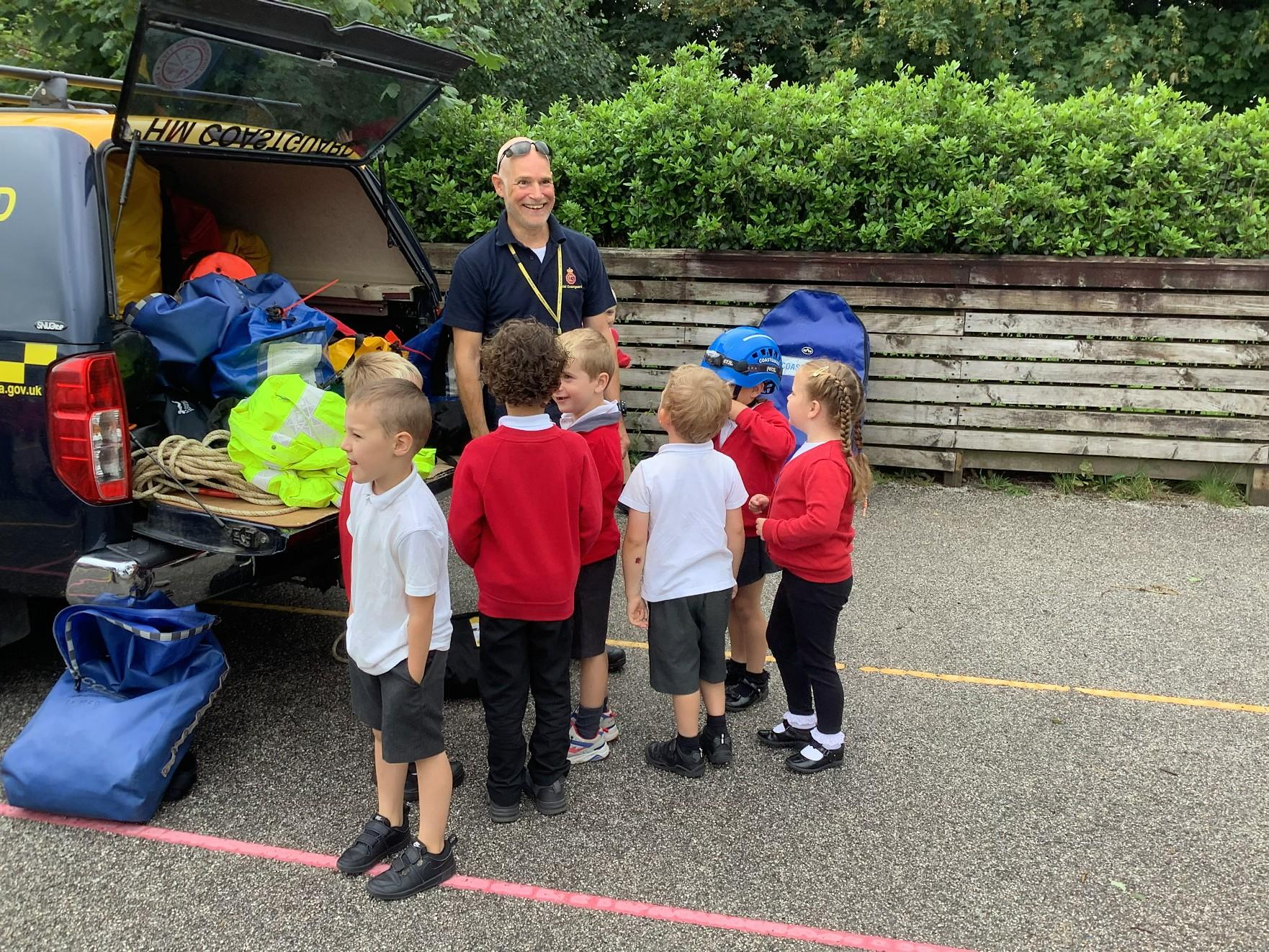
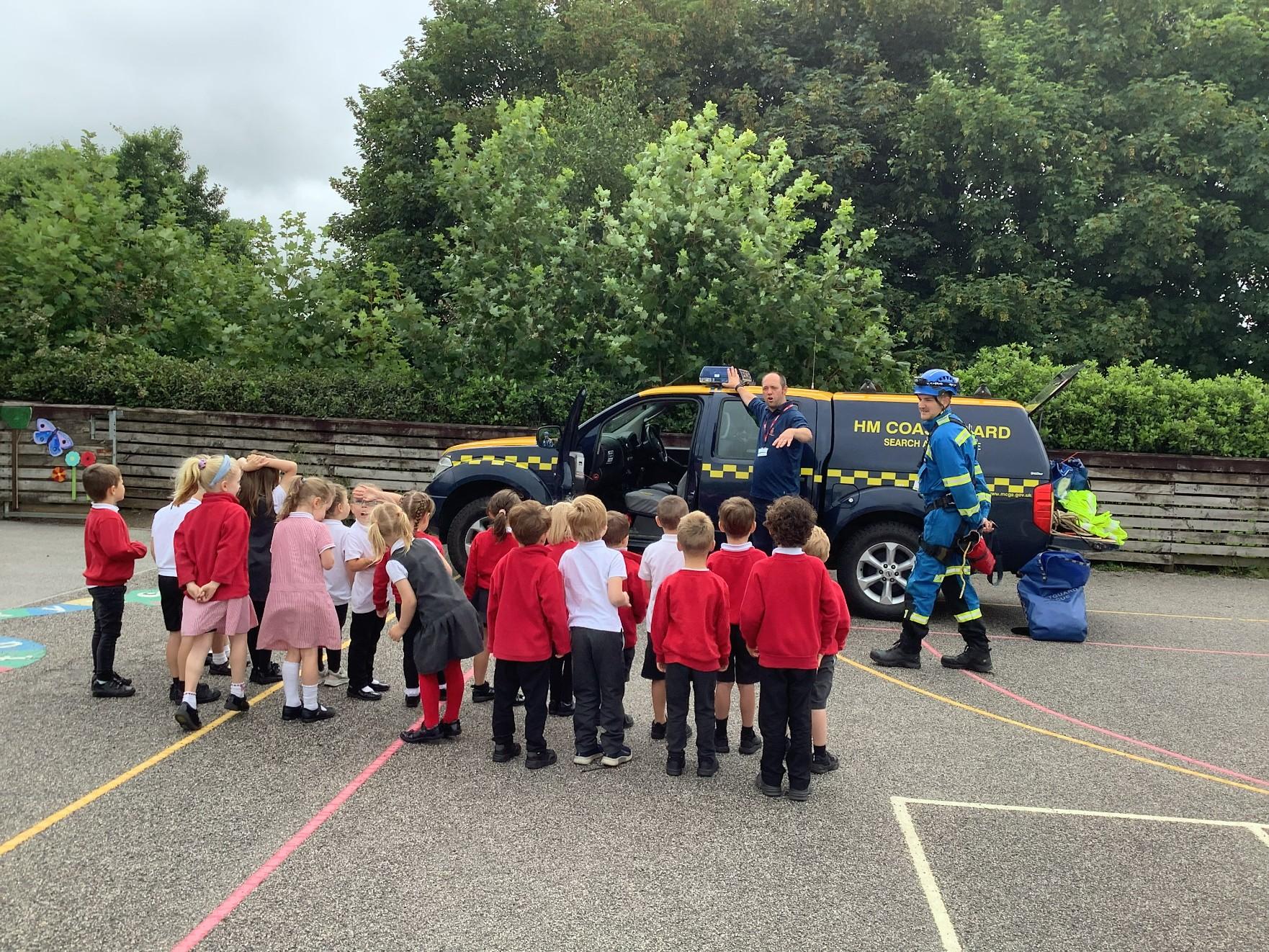
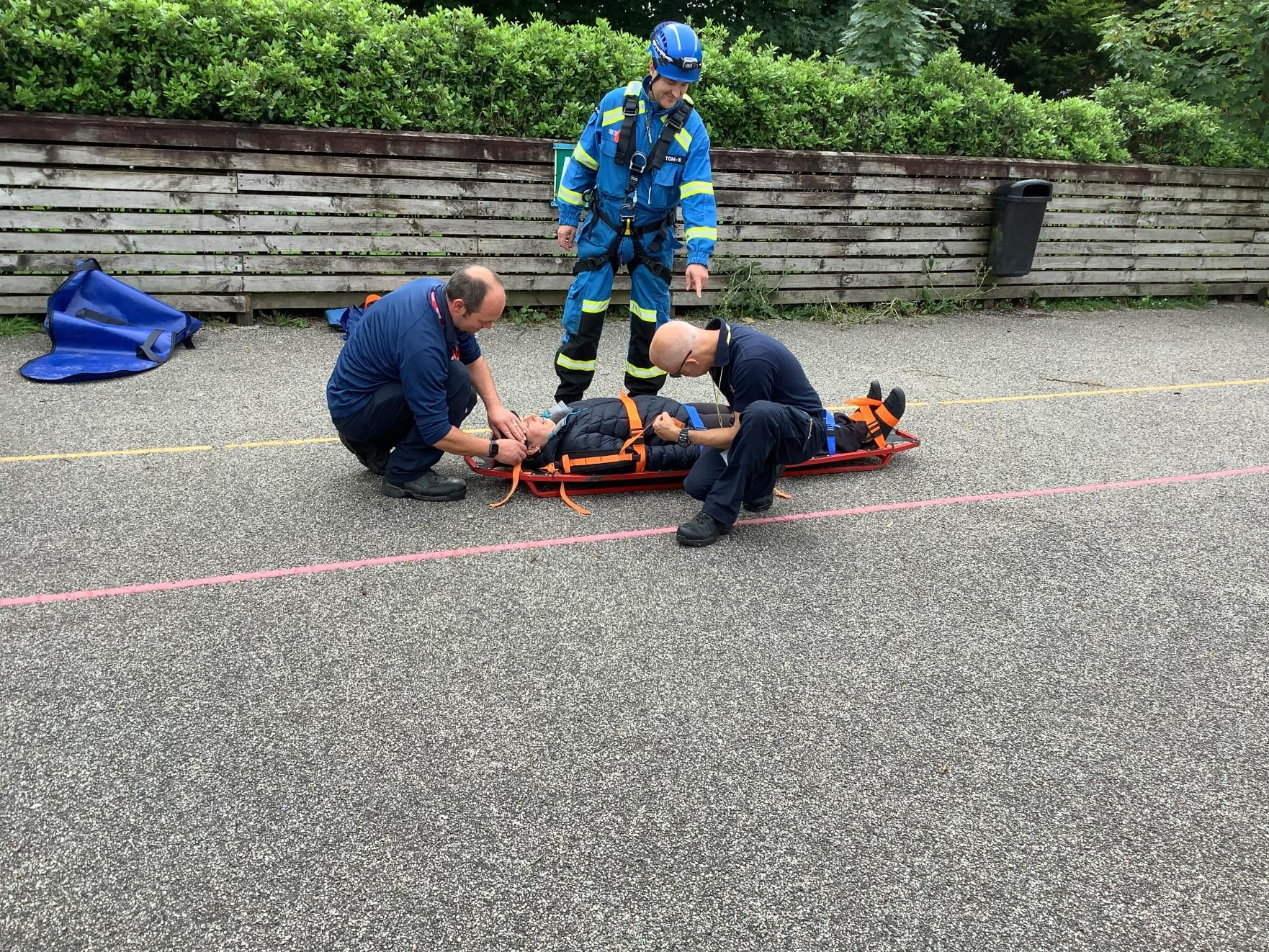
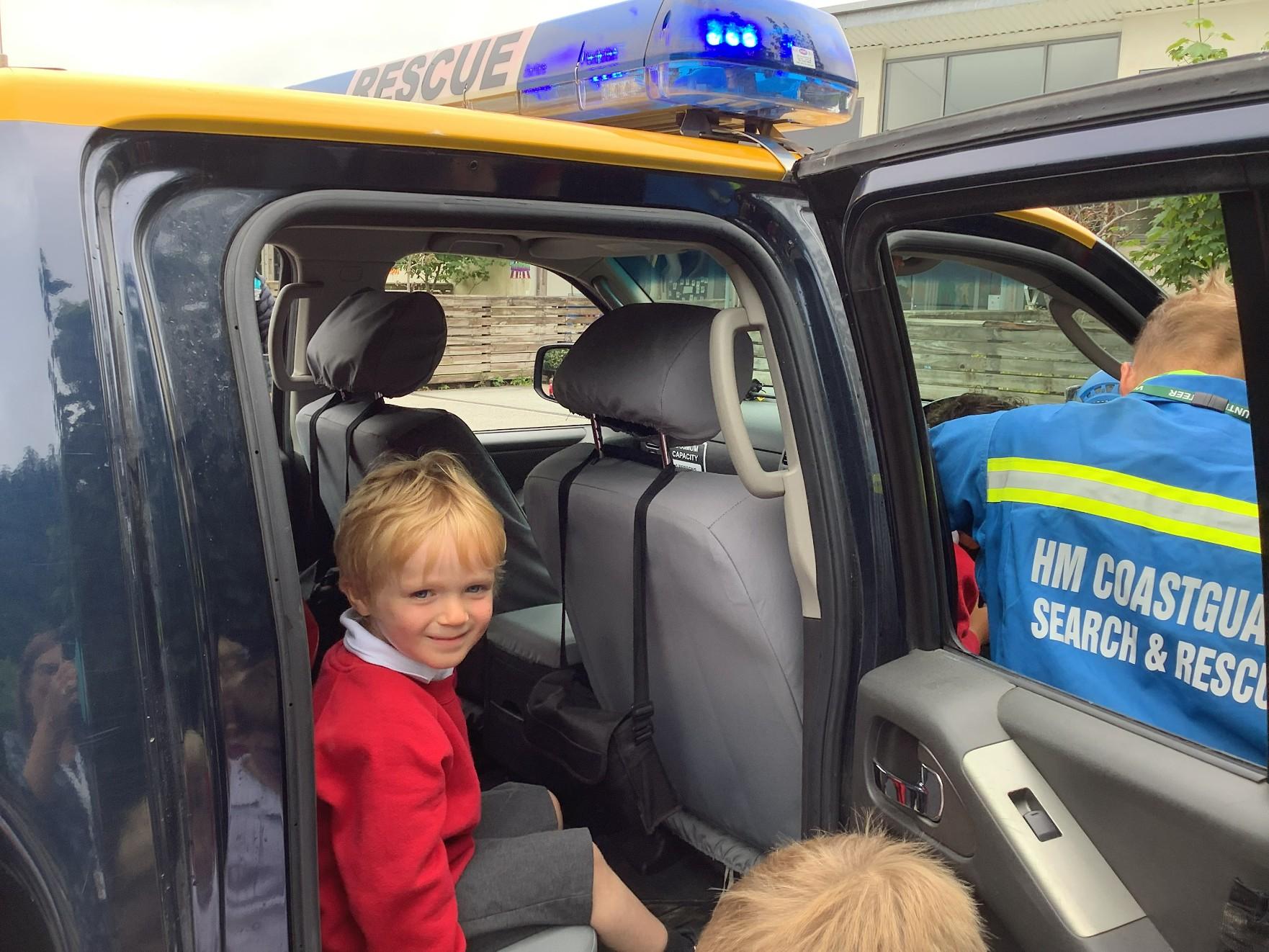
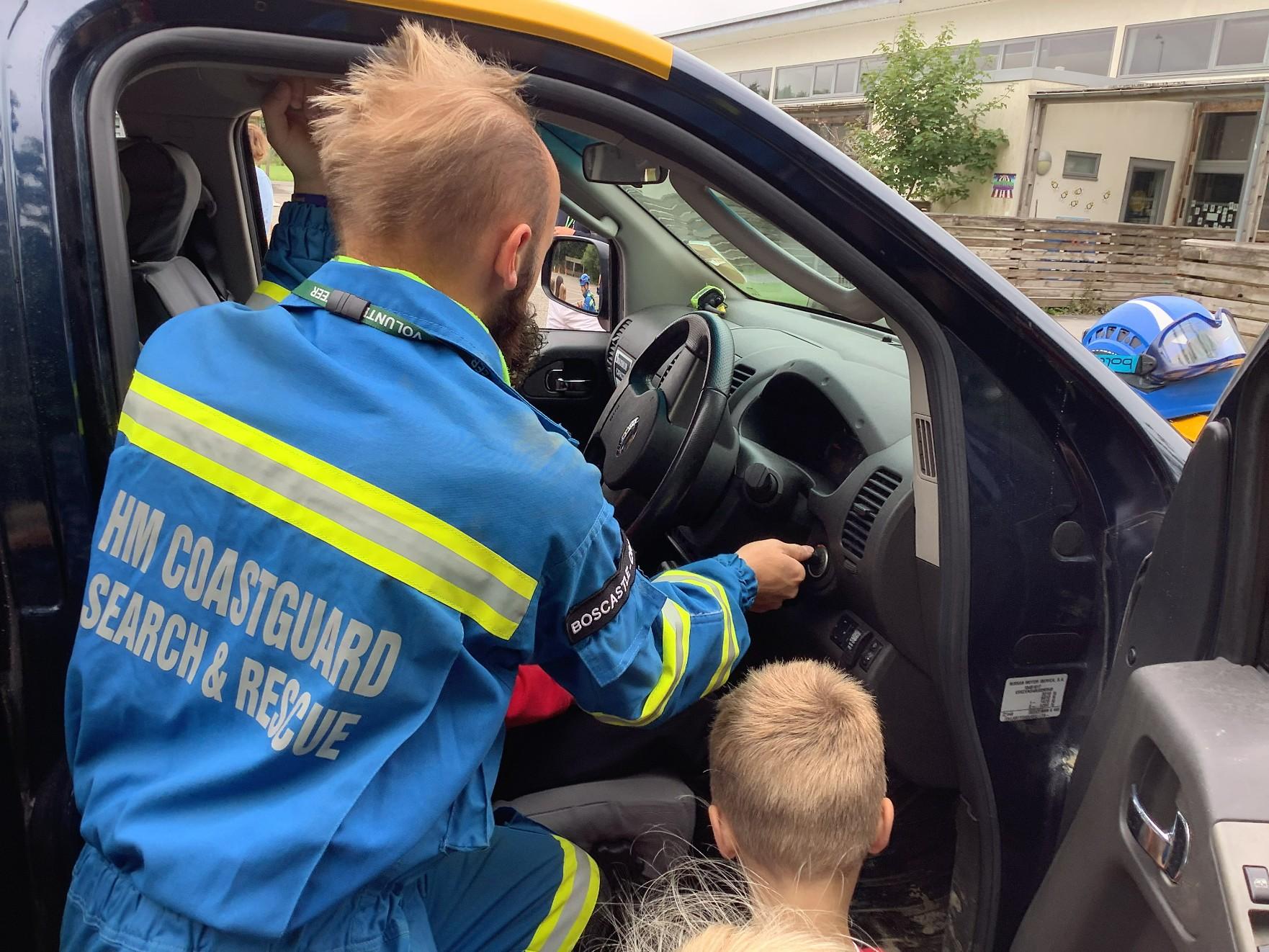
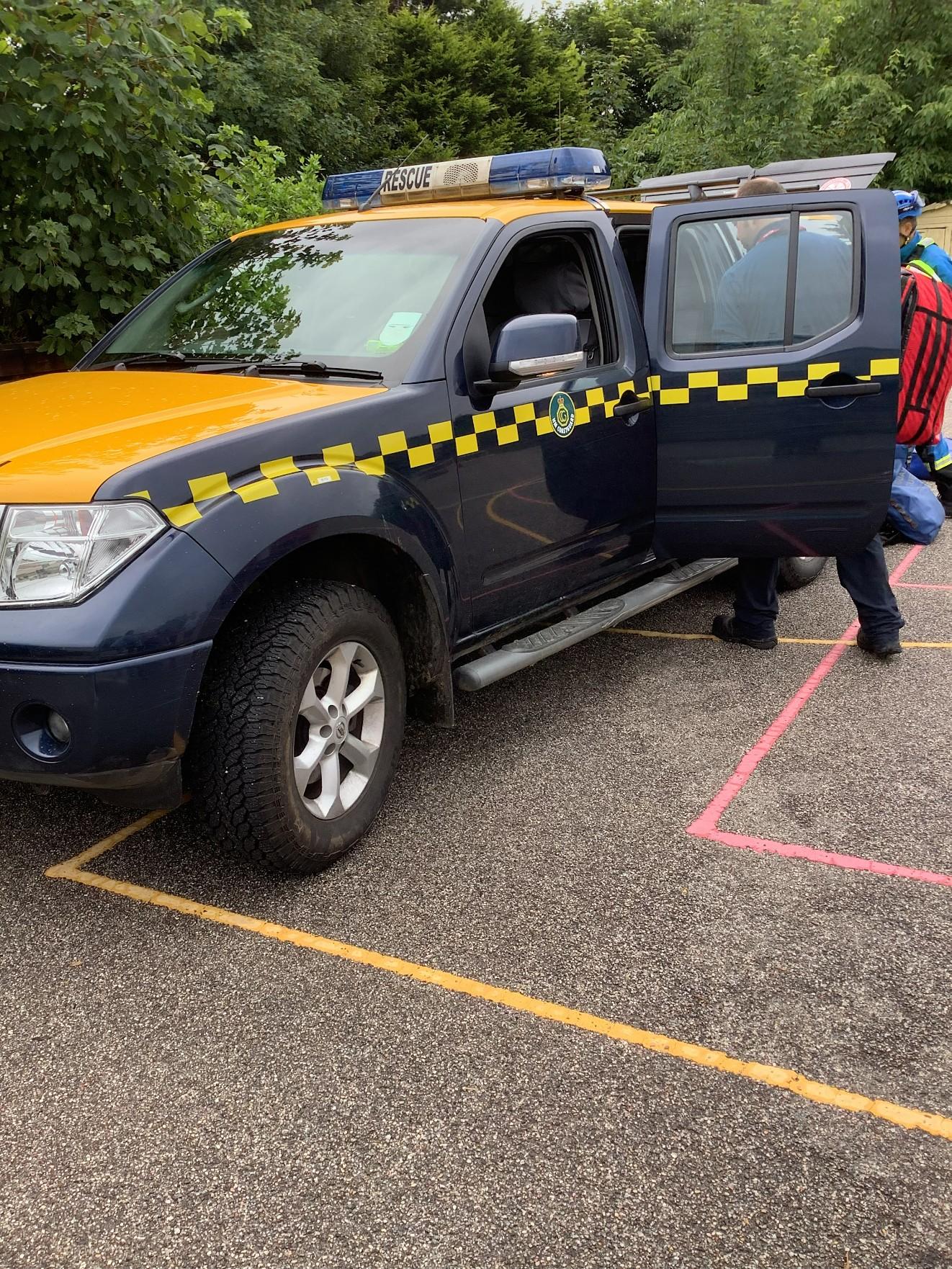
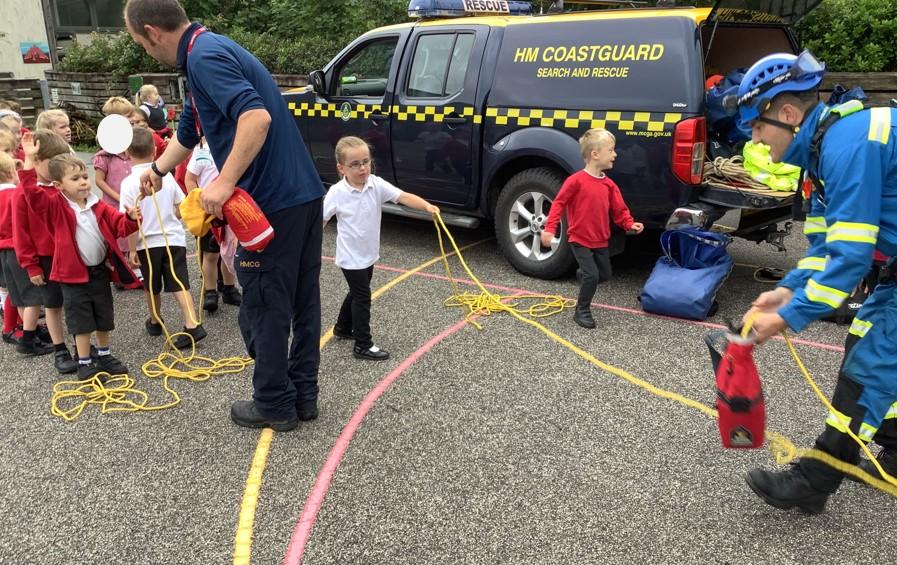
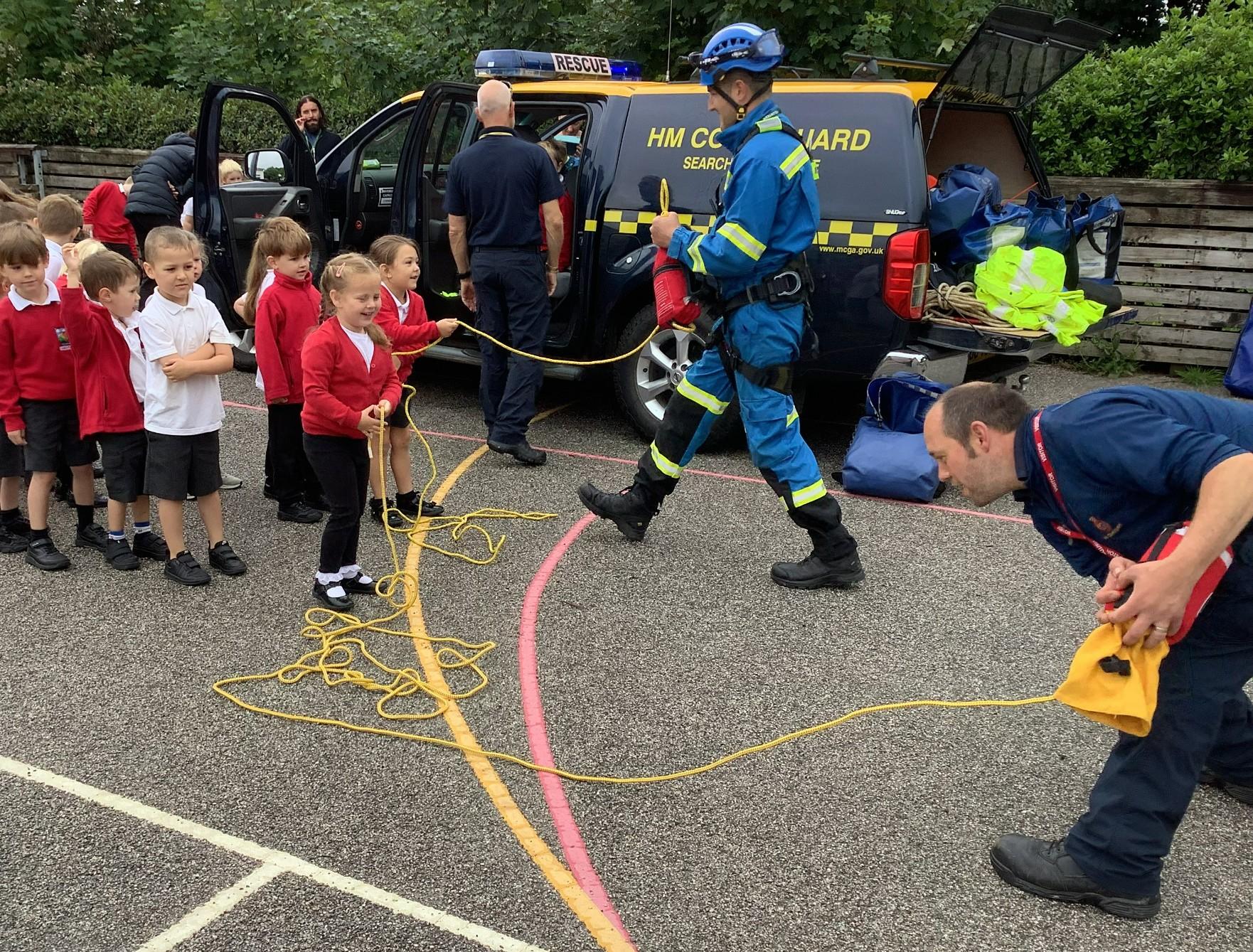
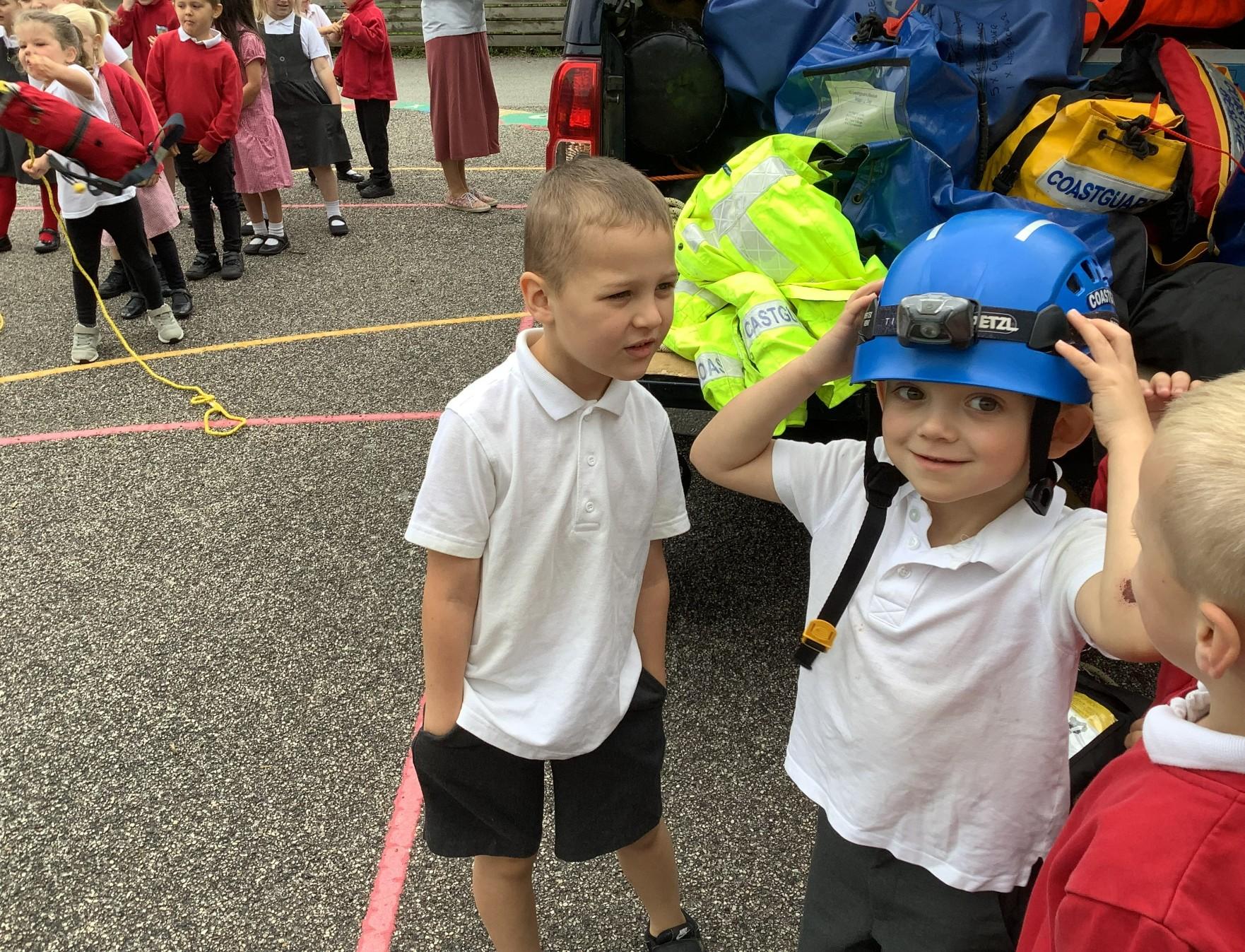
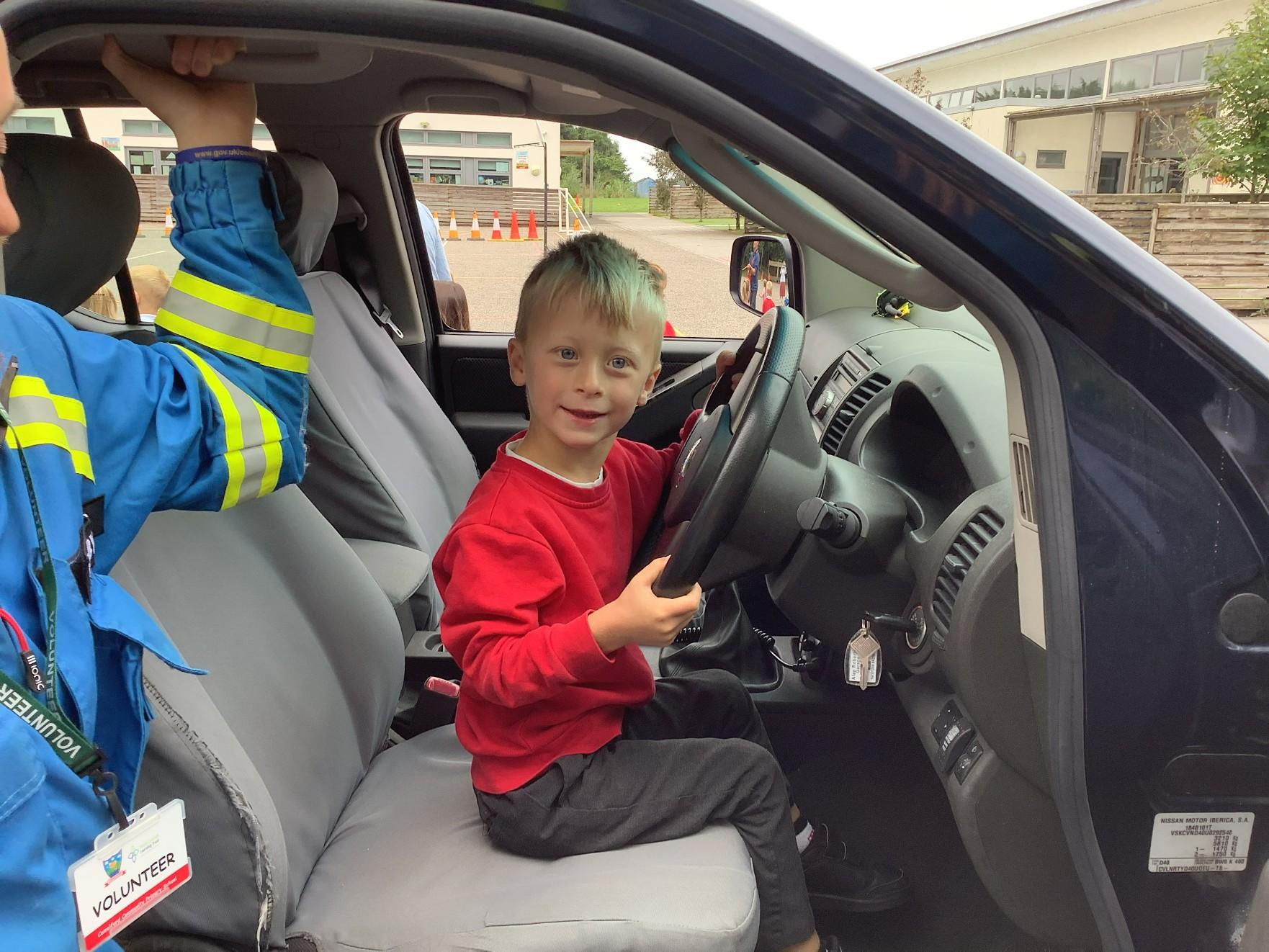
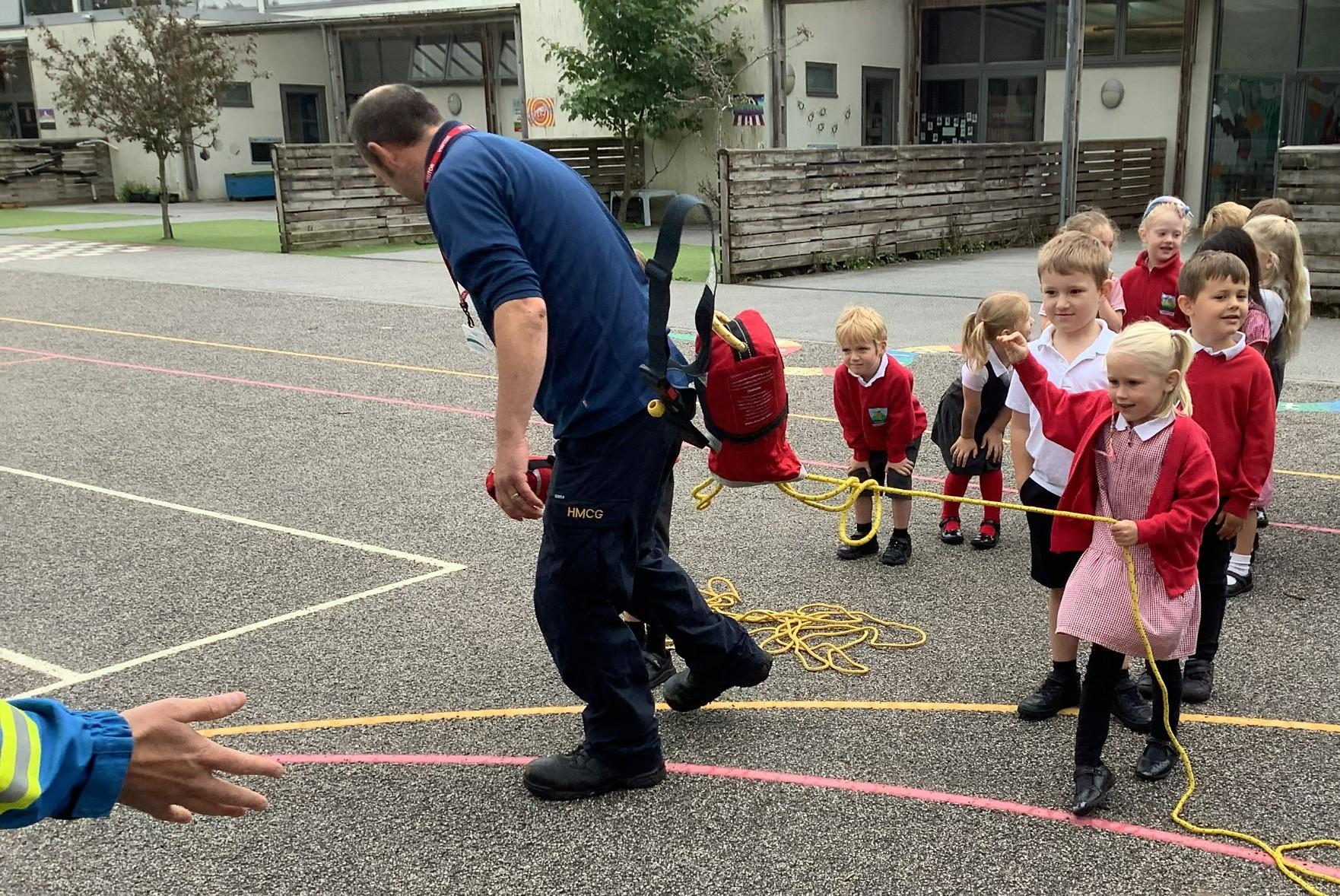
HM Coastguard Search and Rescue visit
Newquay Zoo trip
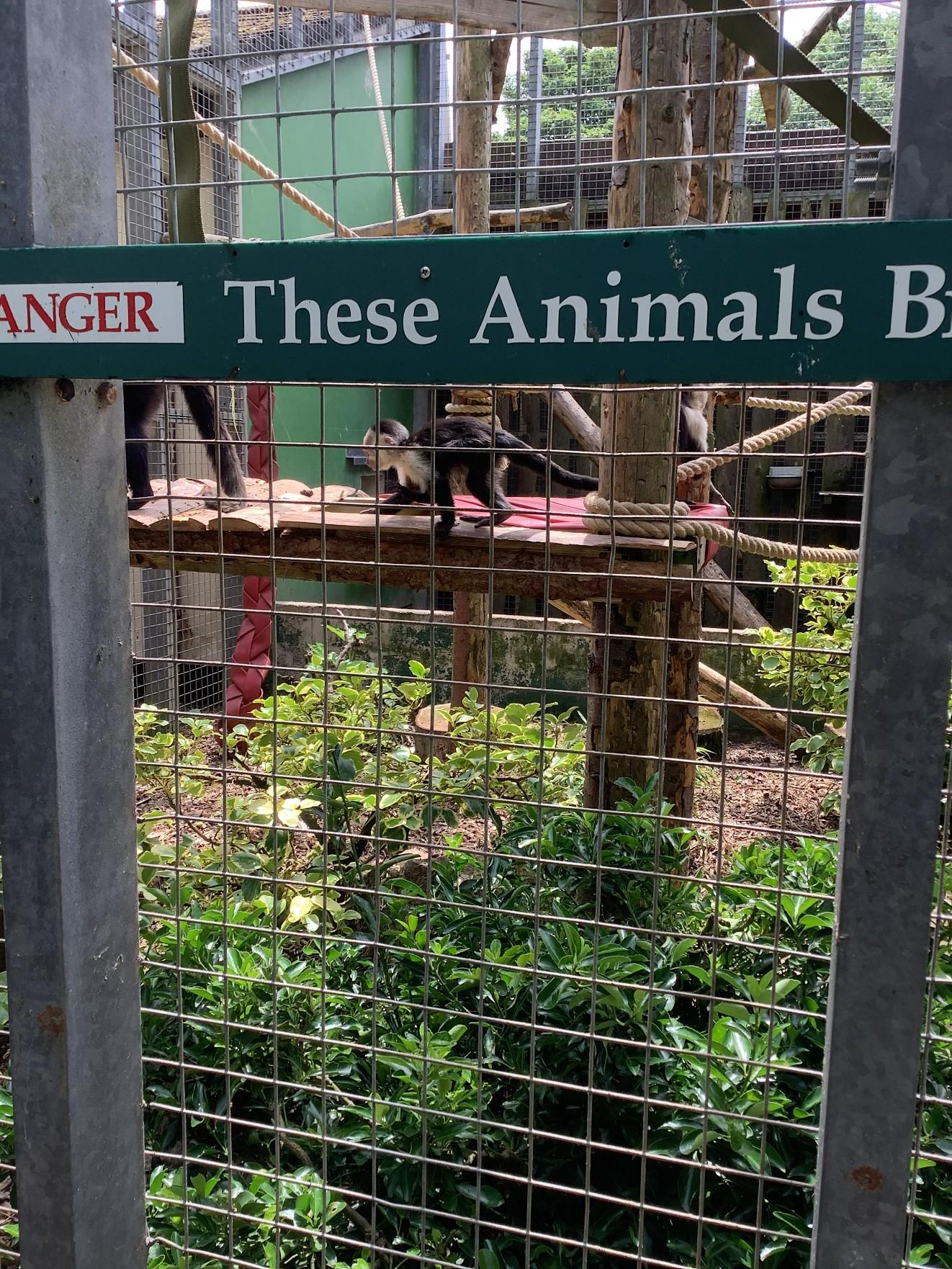
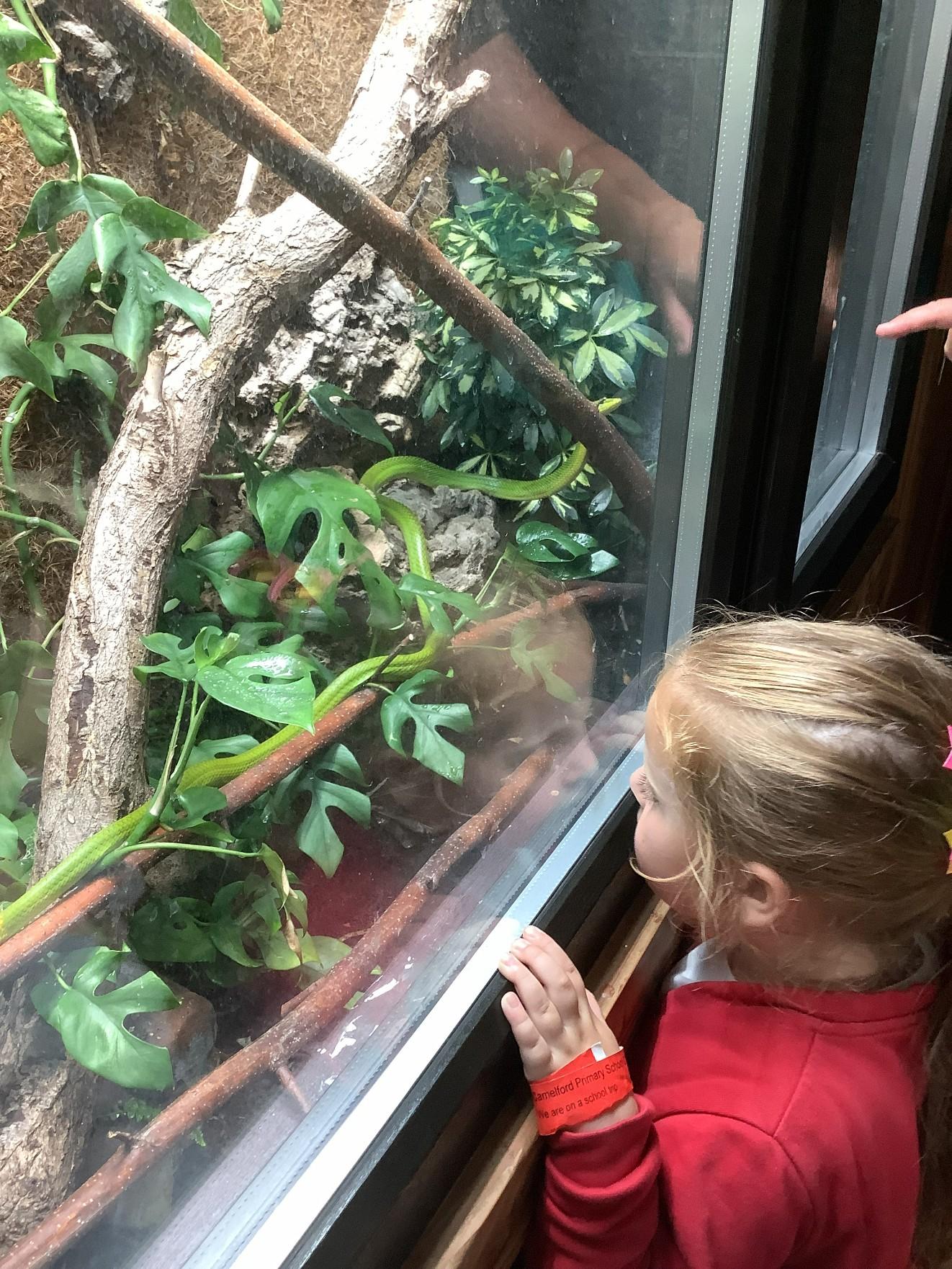
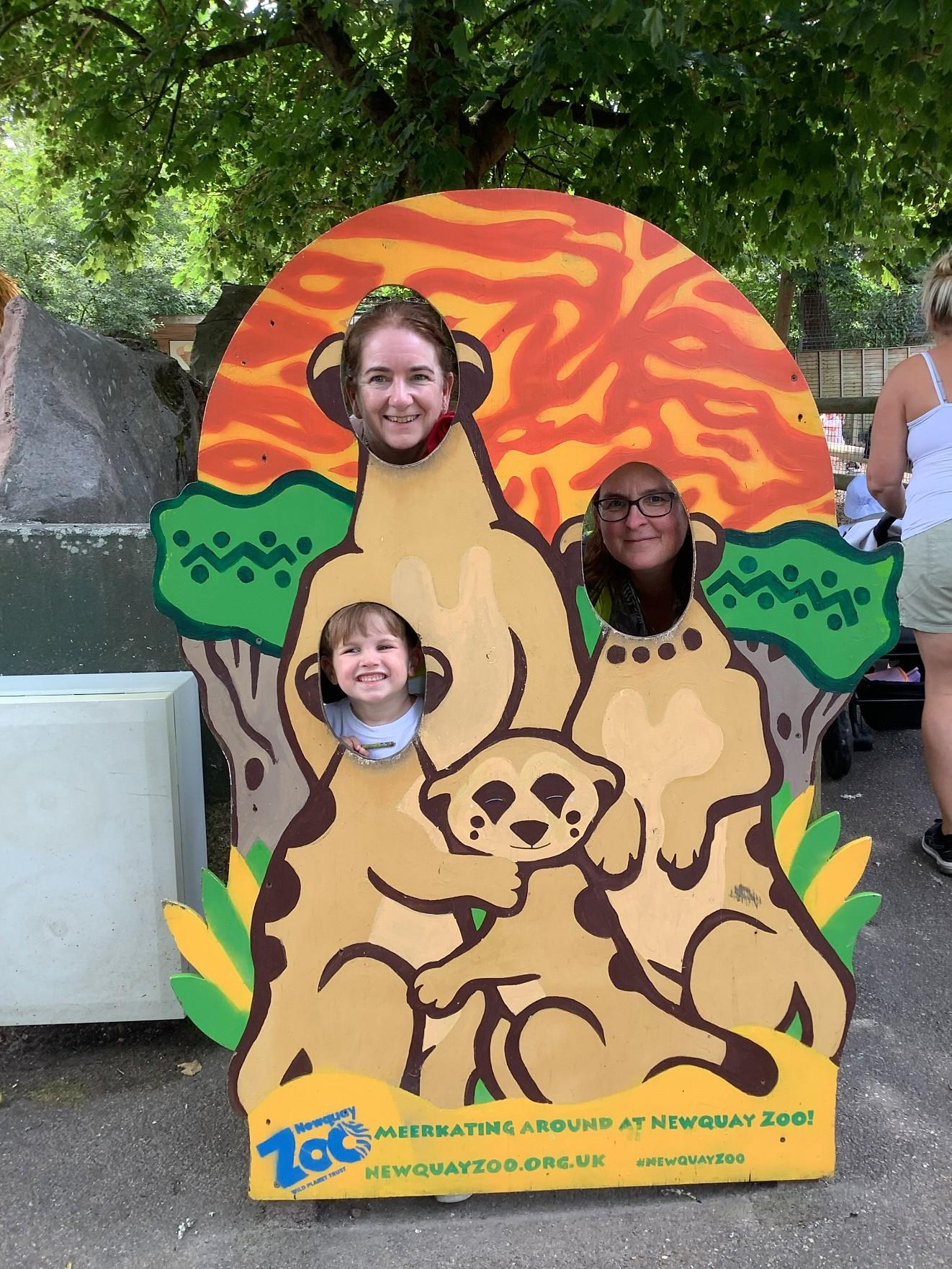
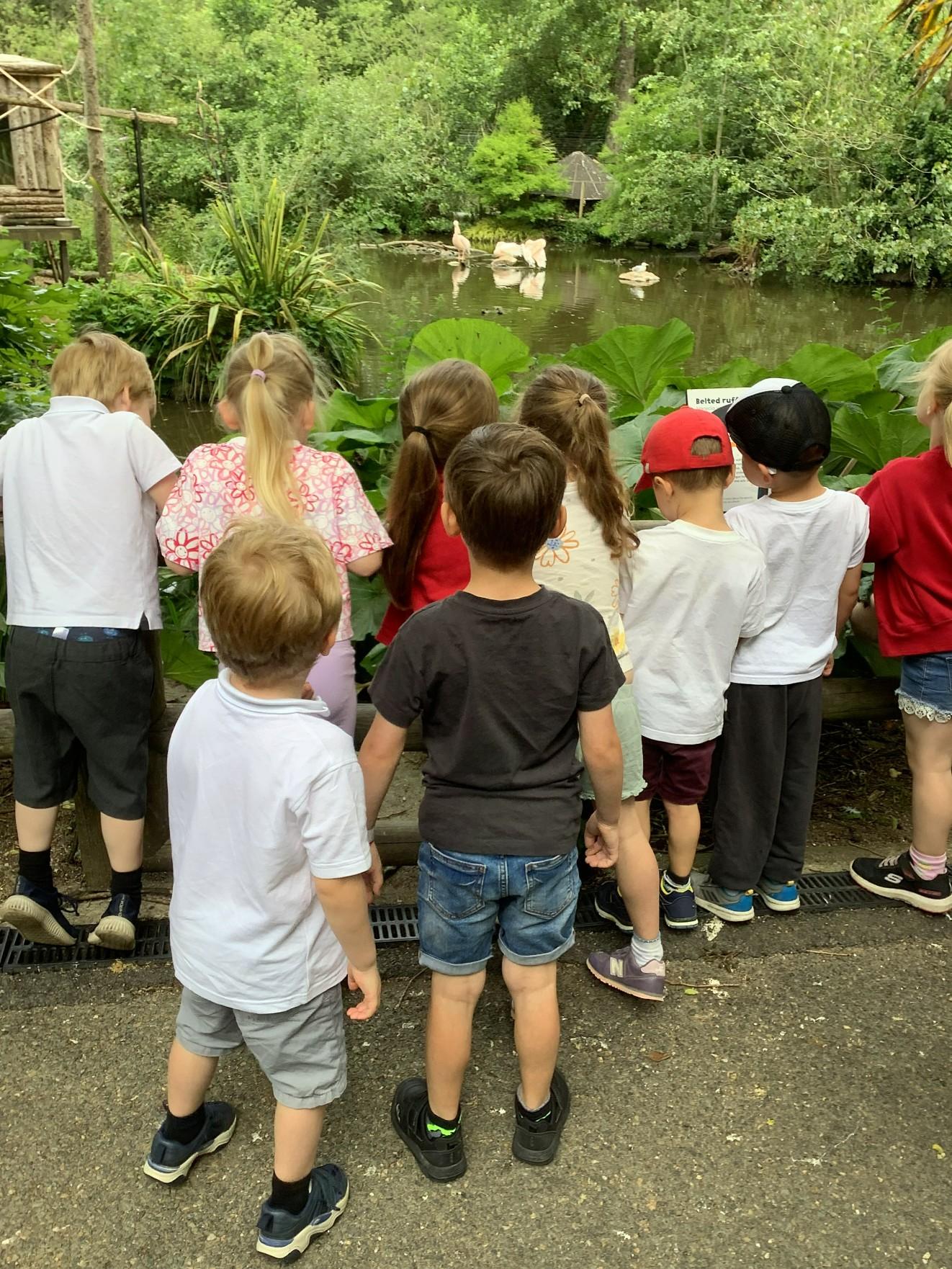
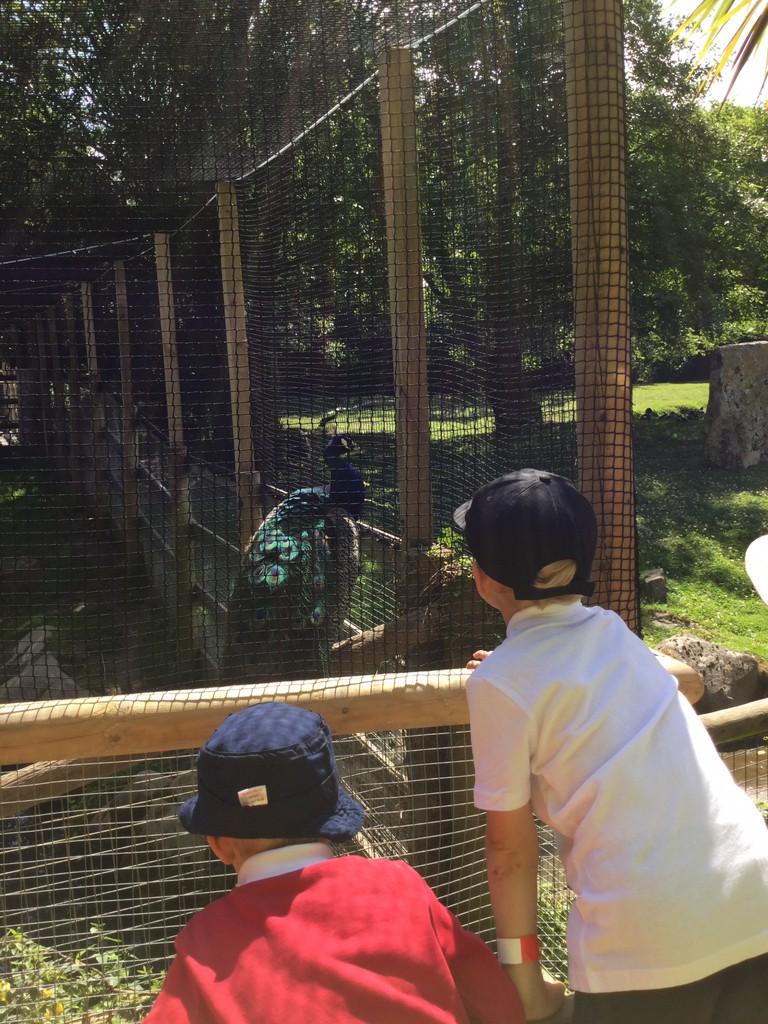
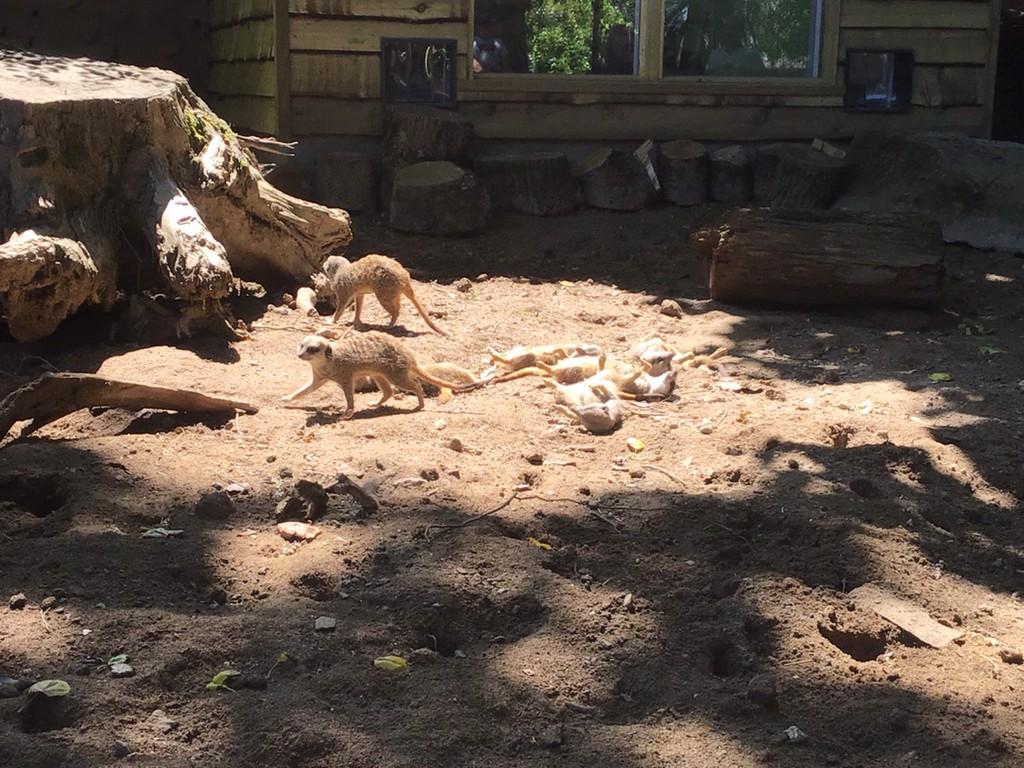
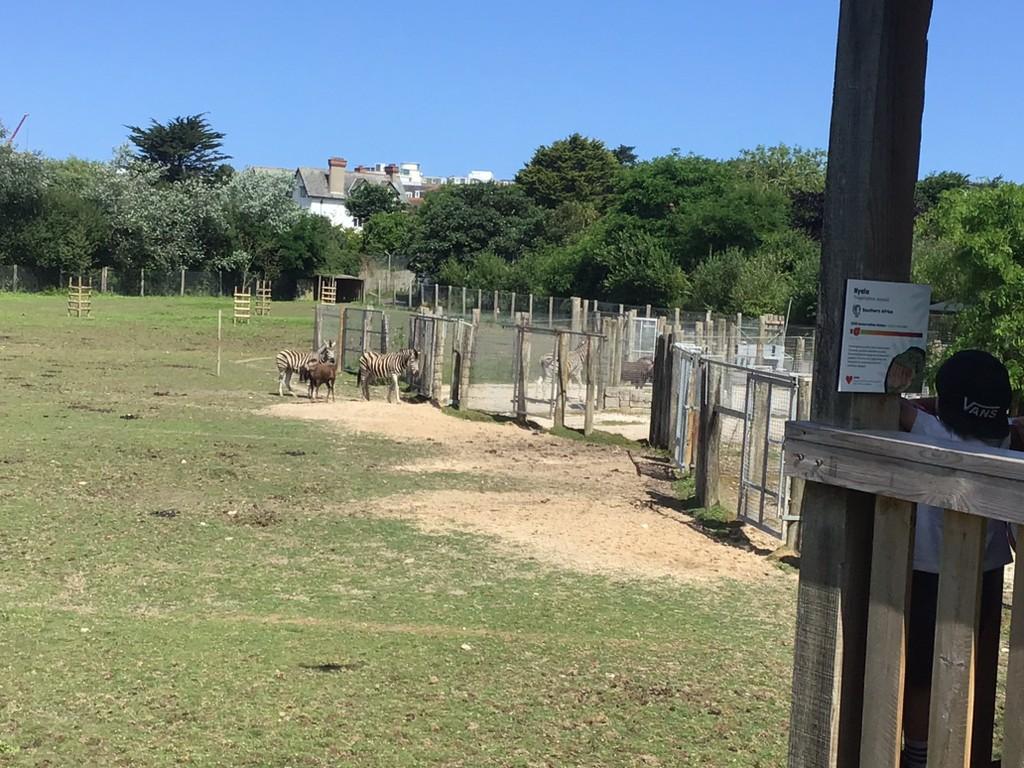
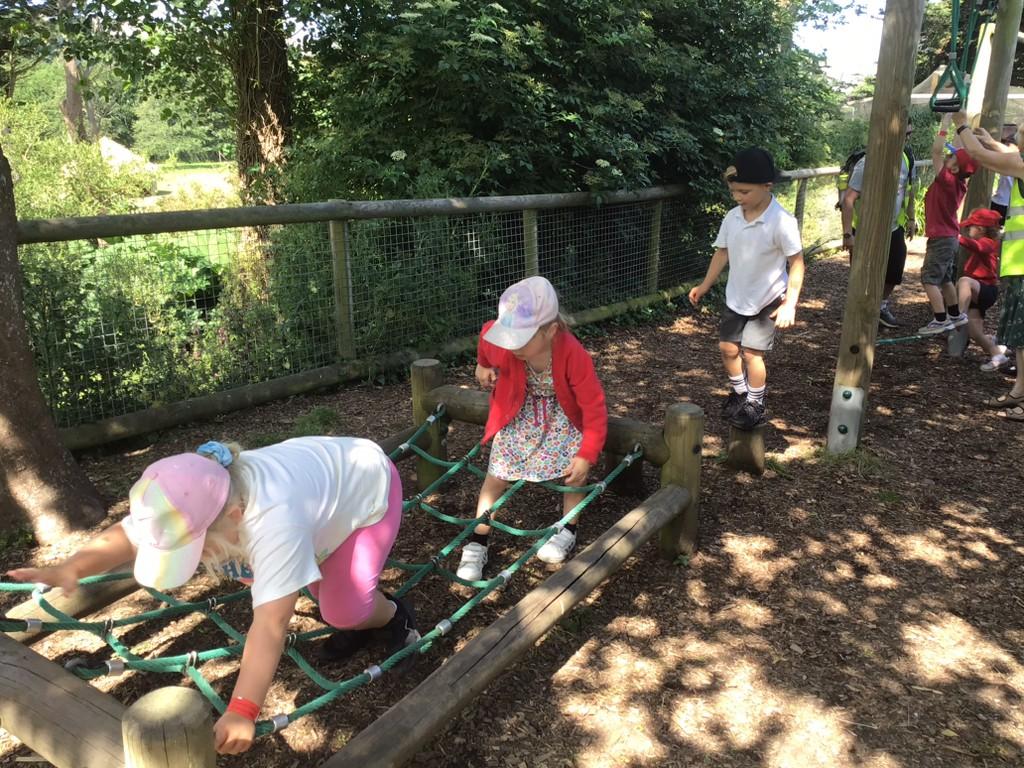
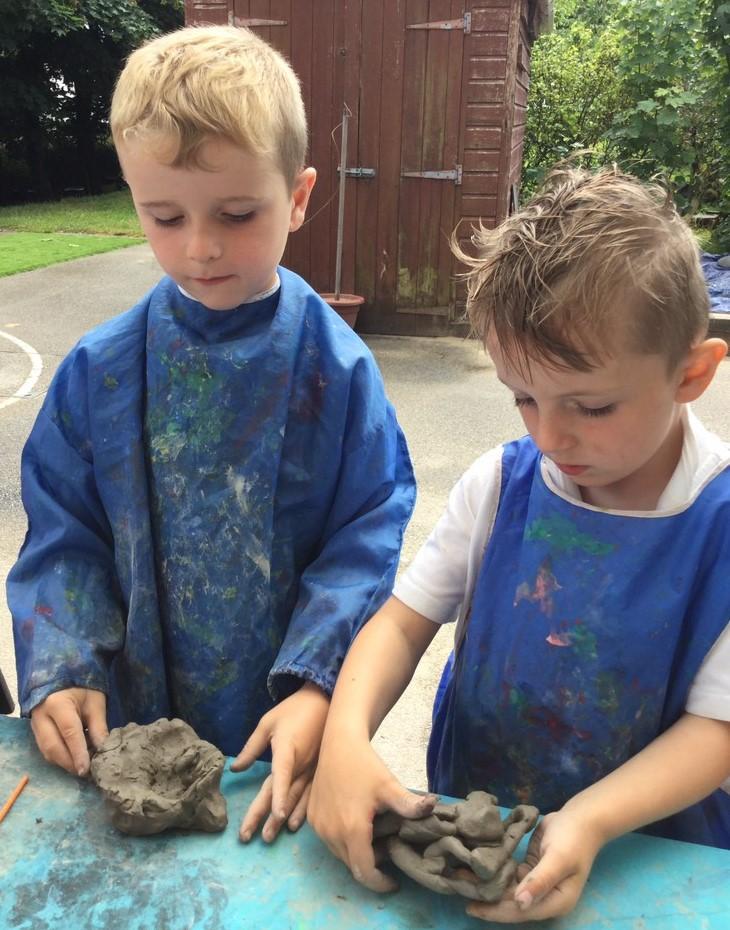
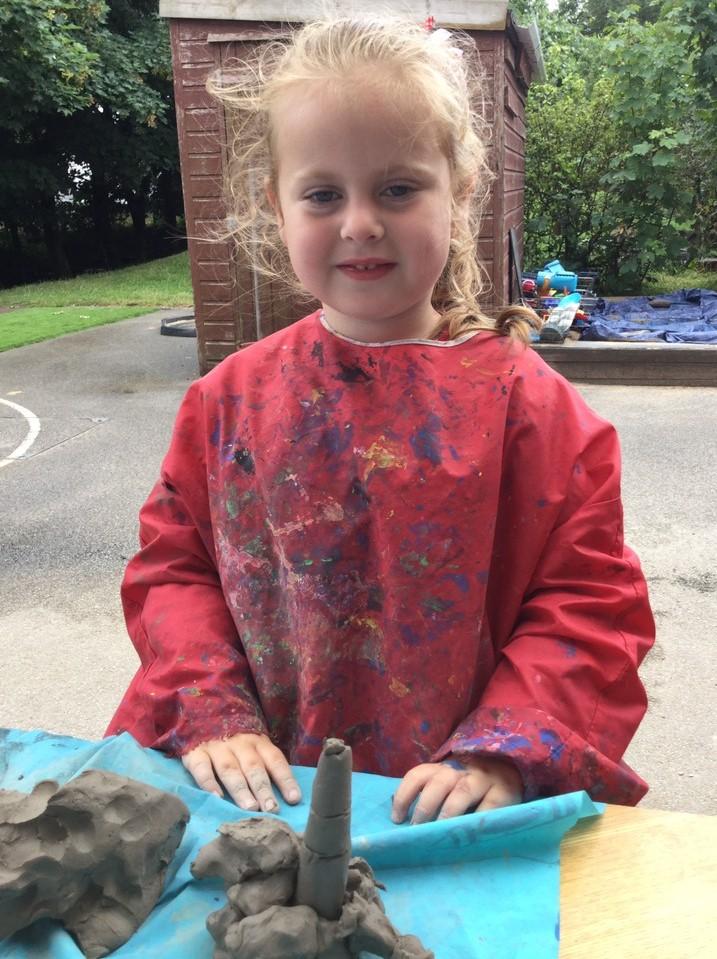
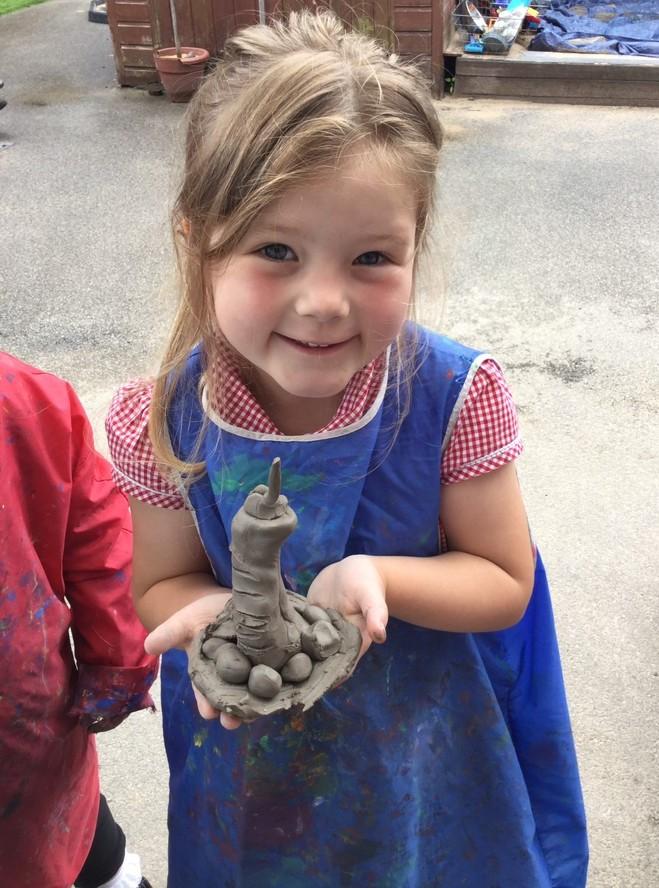
Clay lighthouses
Learning different techniques to use in the construction of their lighthouses.
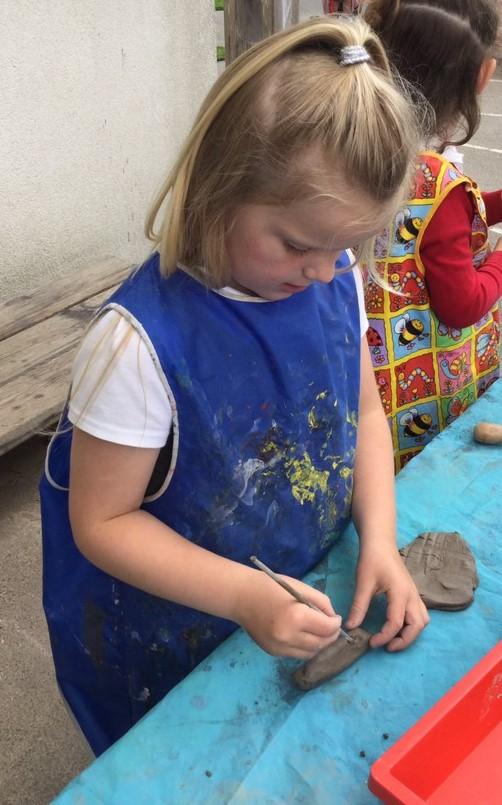
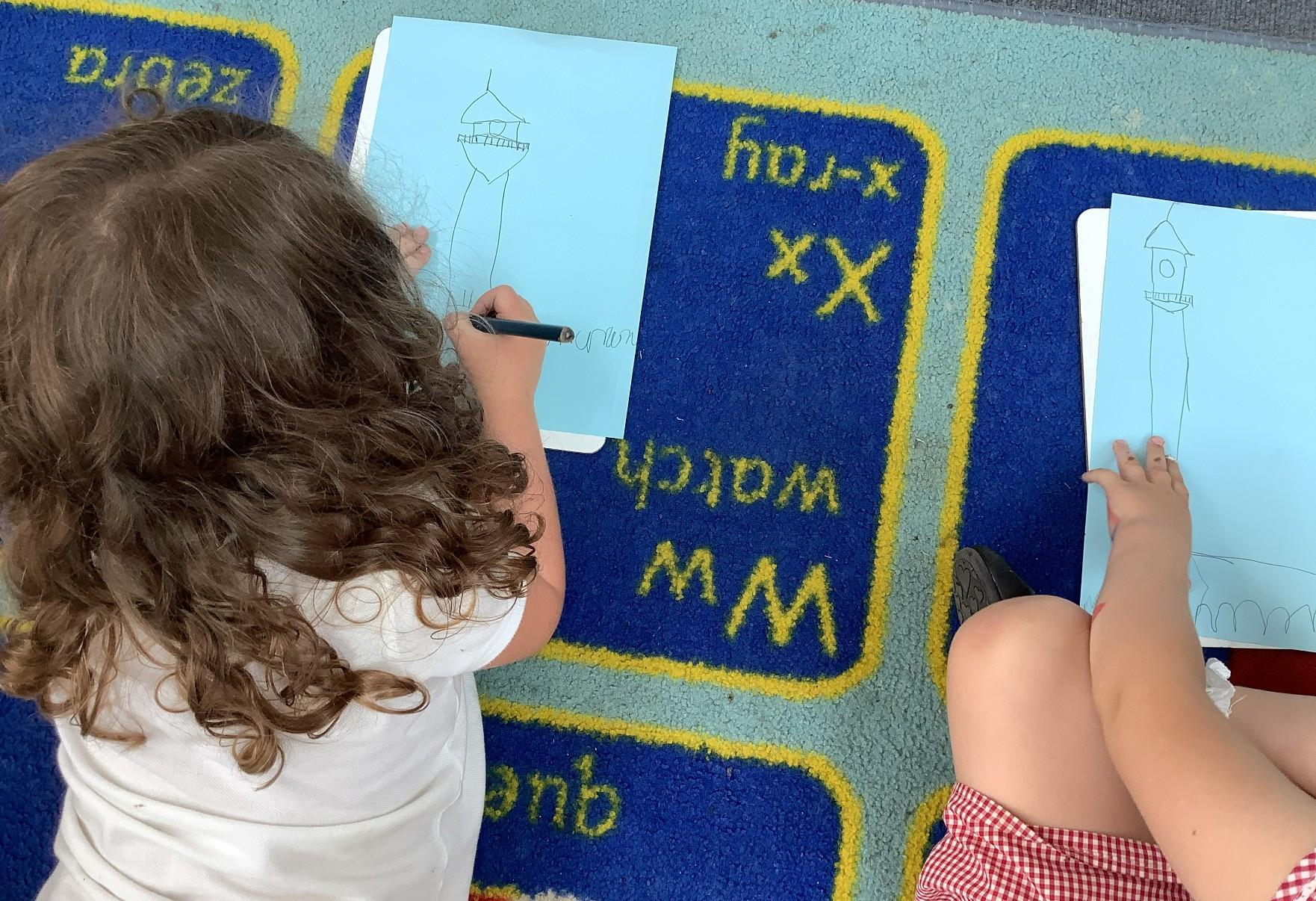
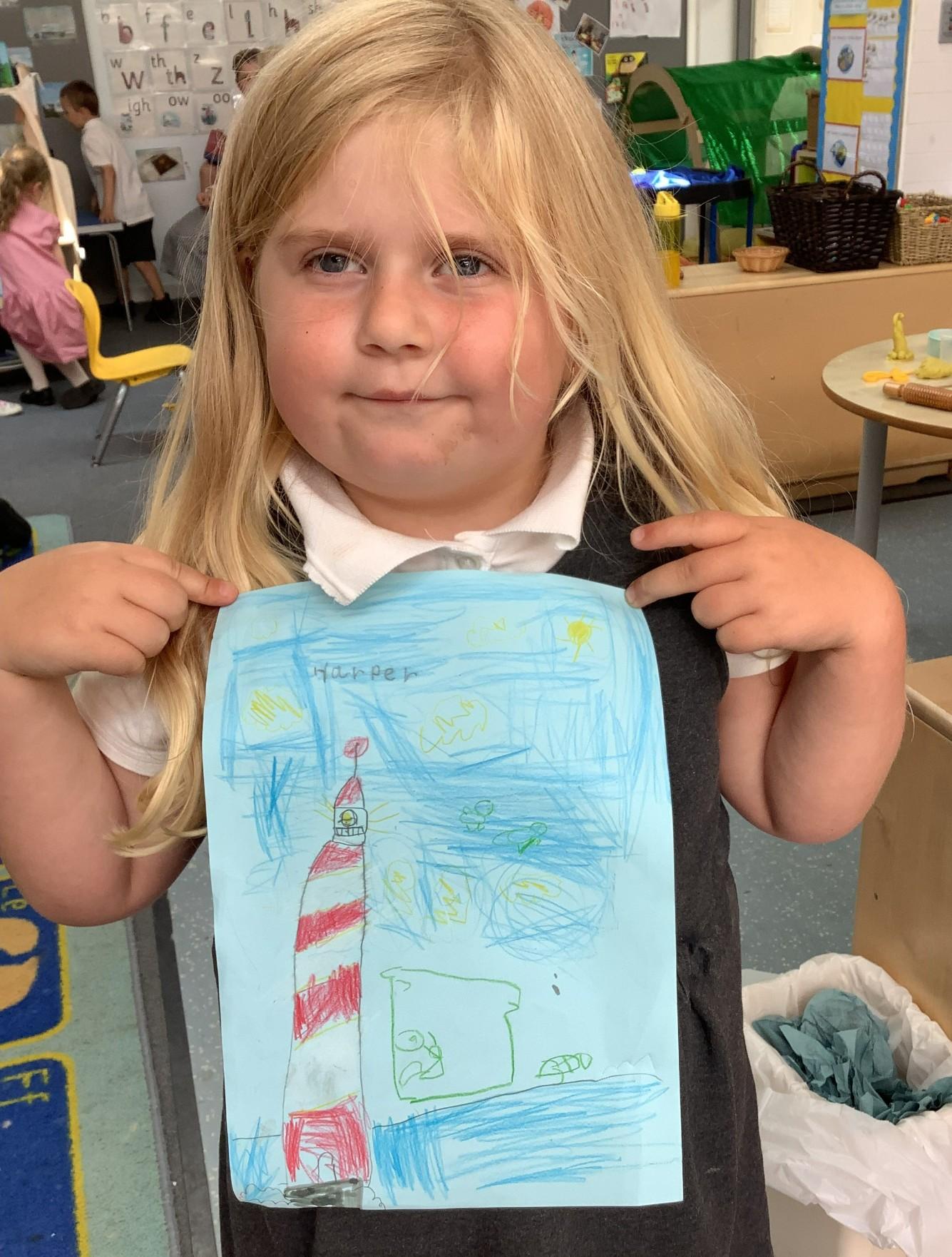
Learning how to draw a lighthouse
The children had to listen carefully to the instructions. By following them they were able to produce accurate drawings of lighthouses.
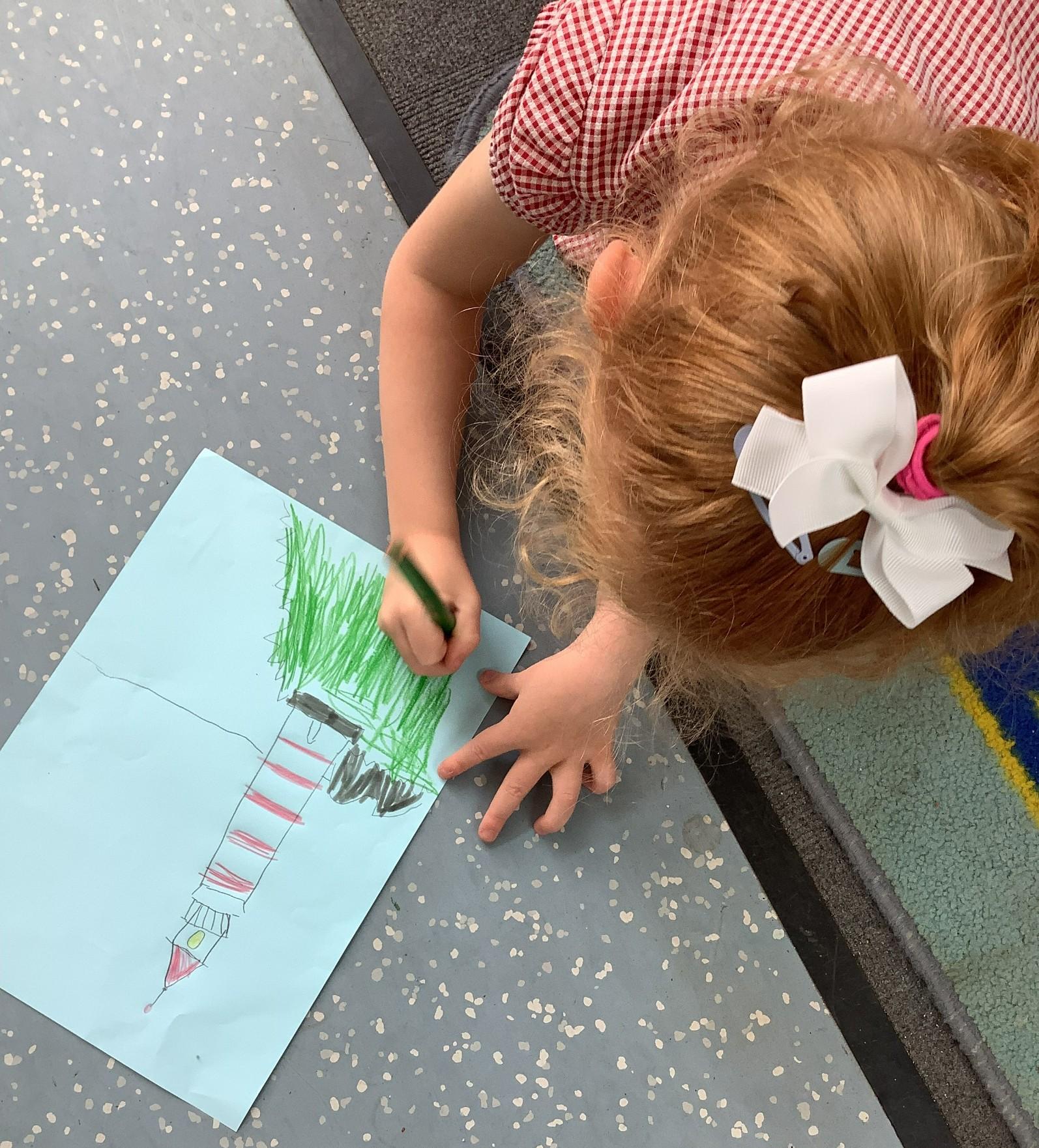
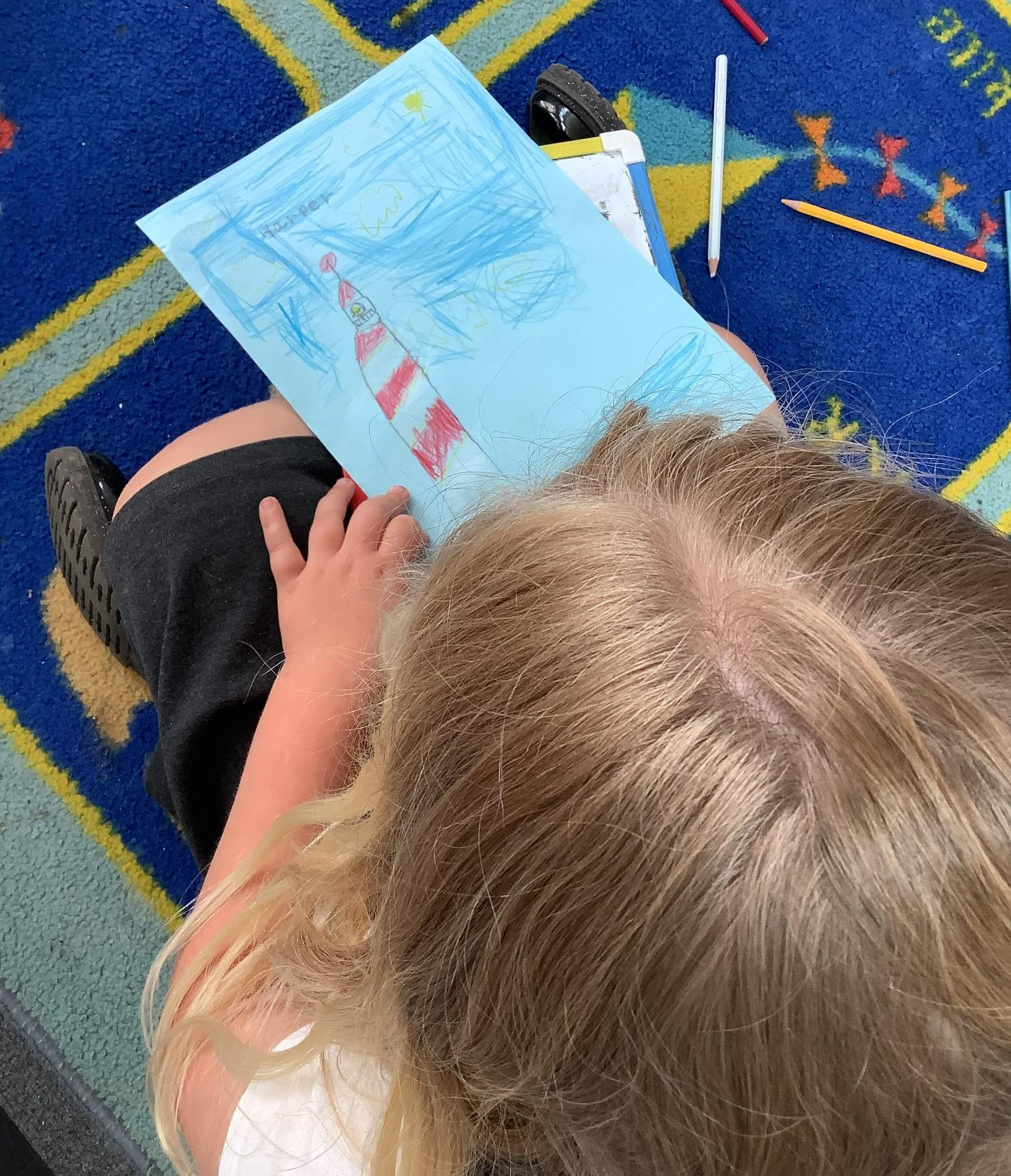
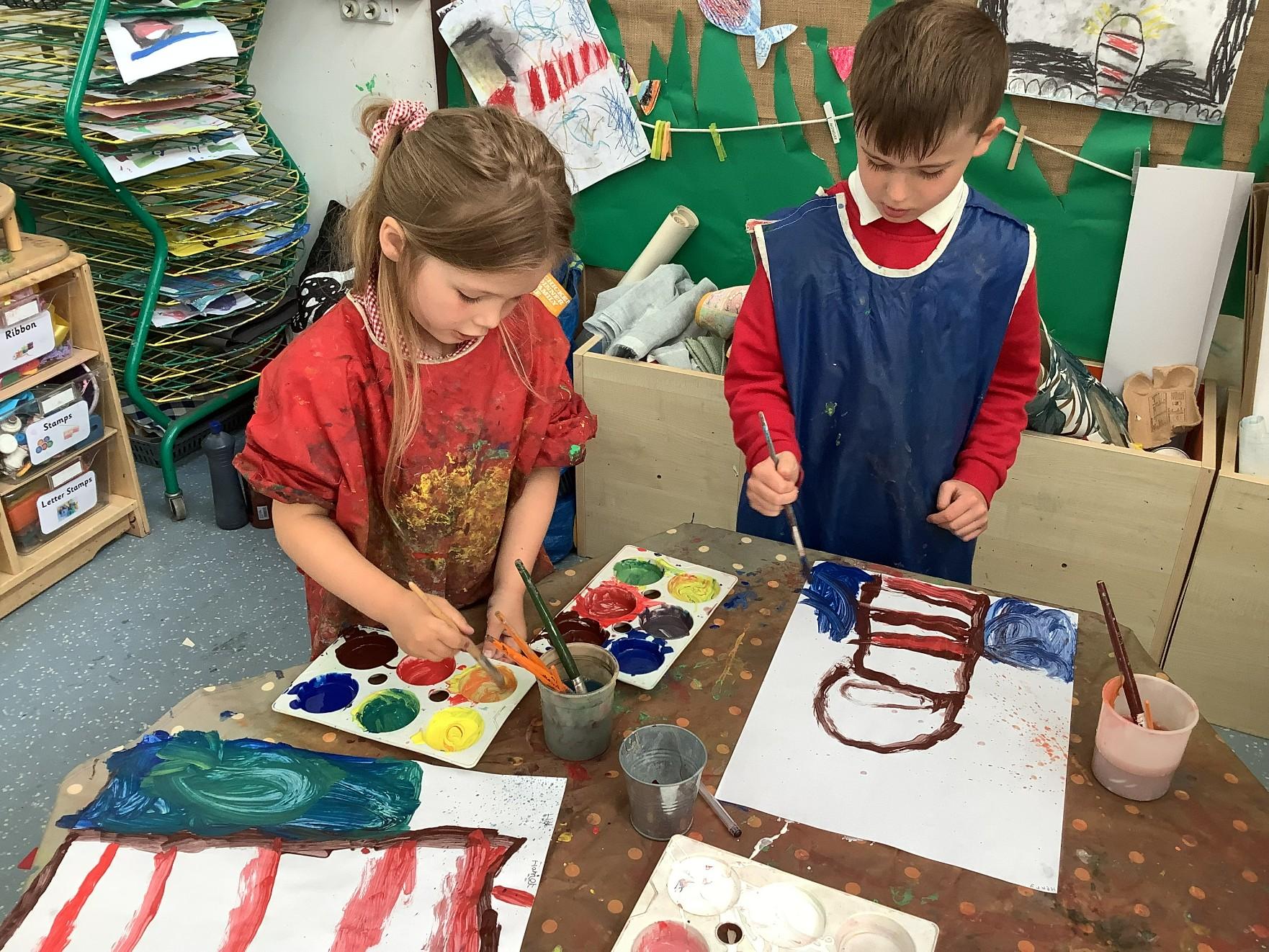
Painting pictures of lighthouses
After learning about the importance of lighthouses the children chose to paint pictures of them in busy learner time.
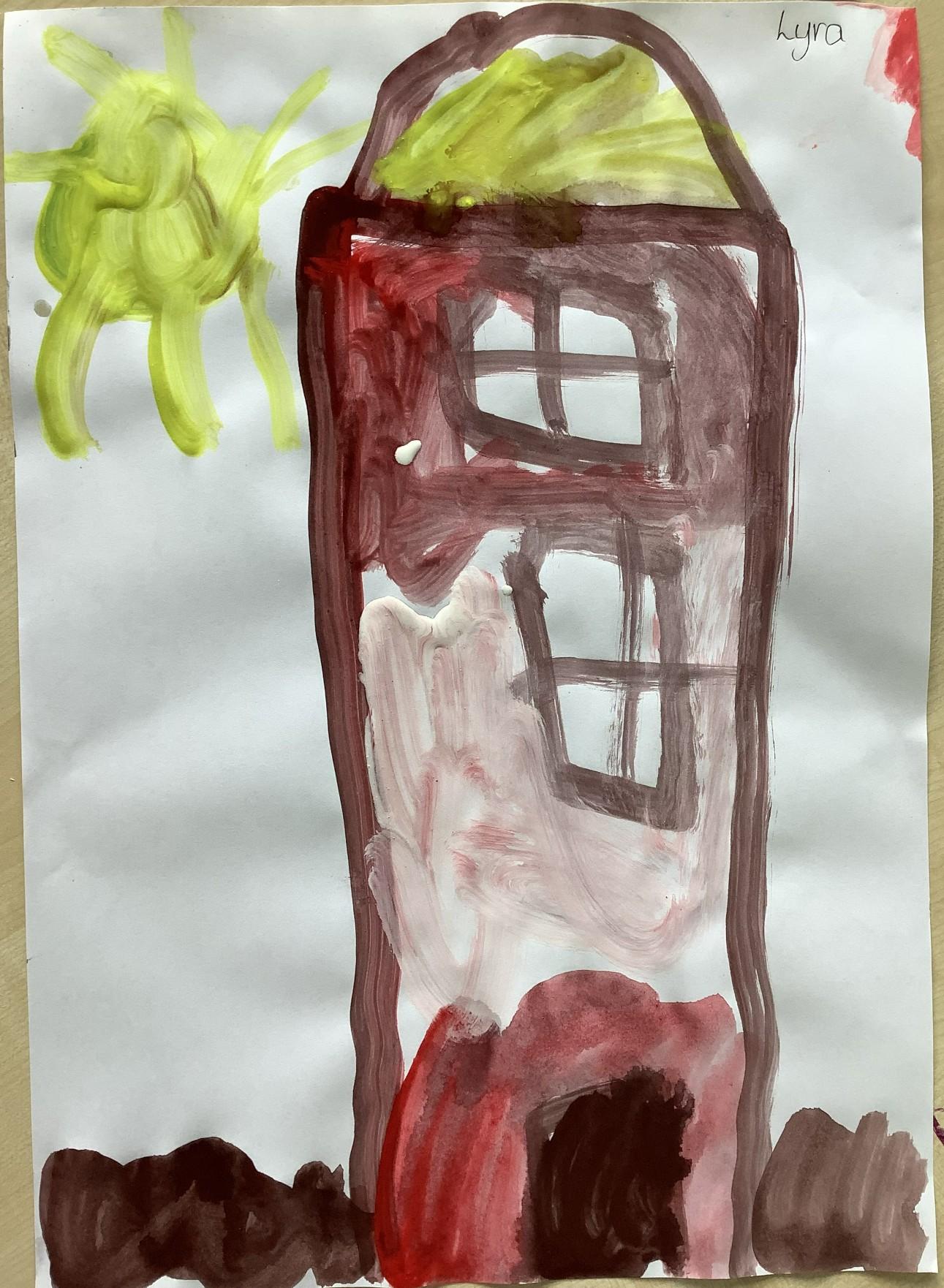
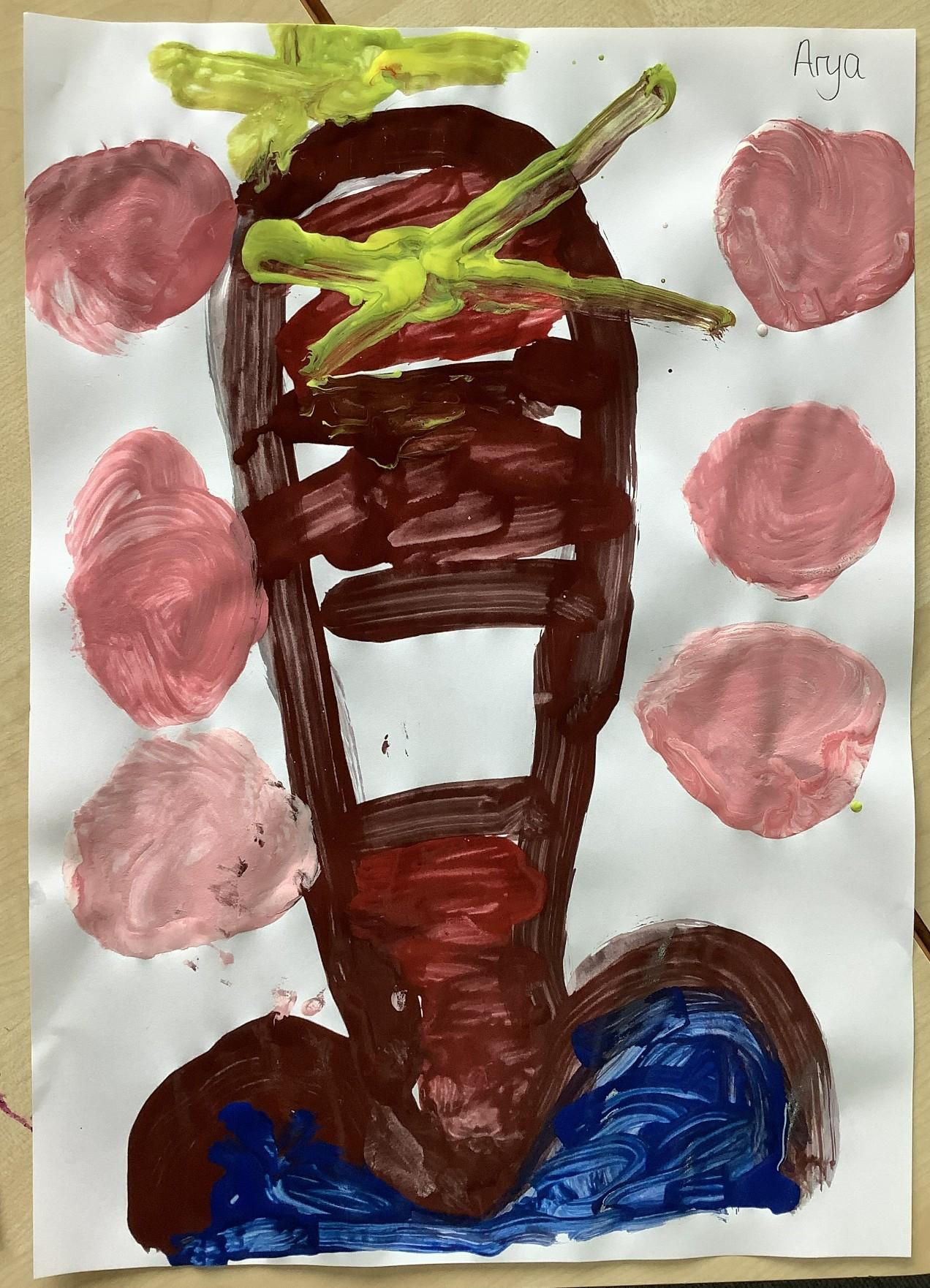
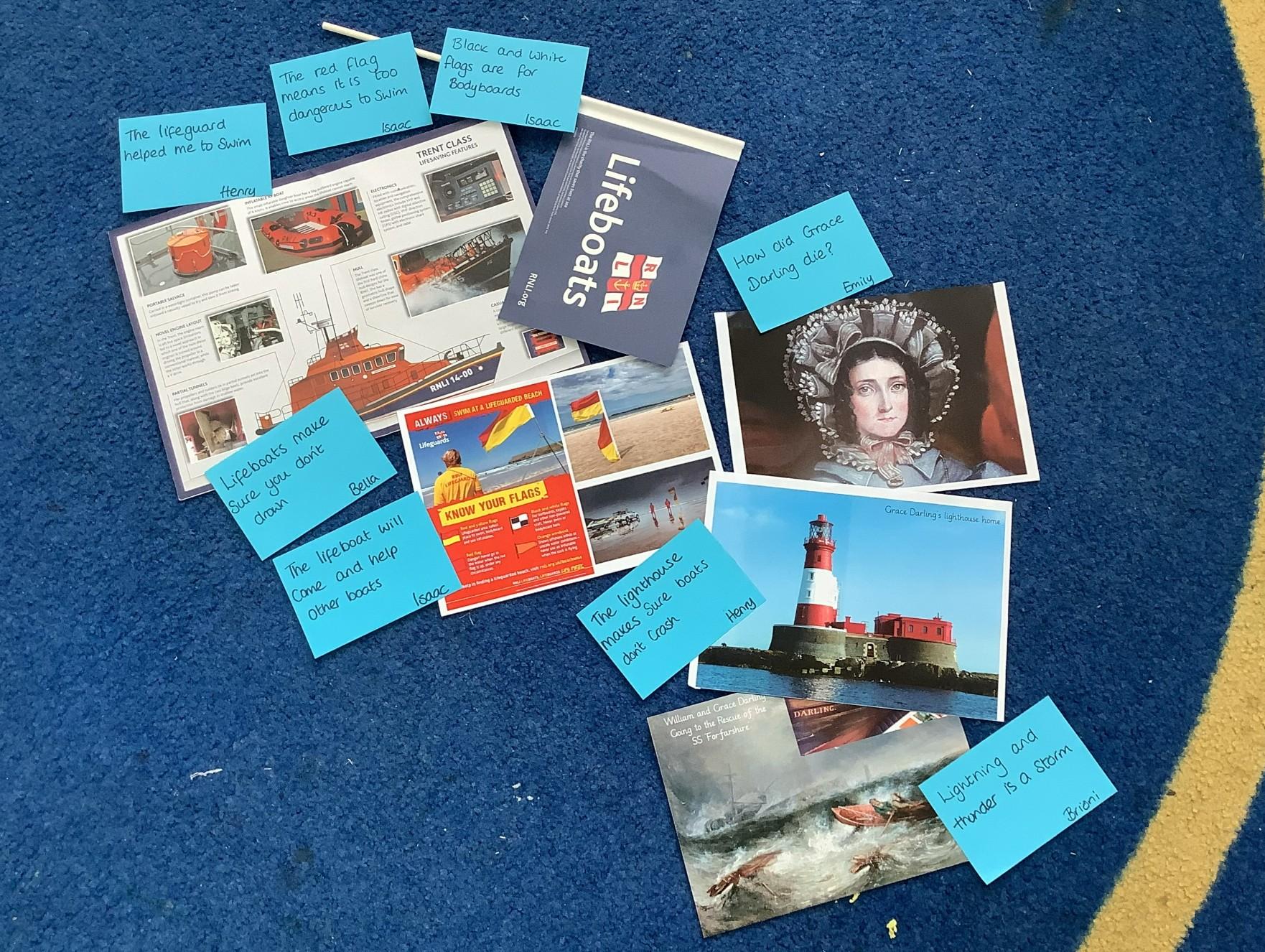
Learning about Grace Darling
"Grace was brave because she went out in a storm to rescue people."
"Grace lived in a lighthouse with her family."
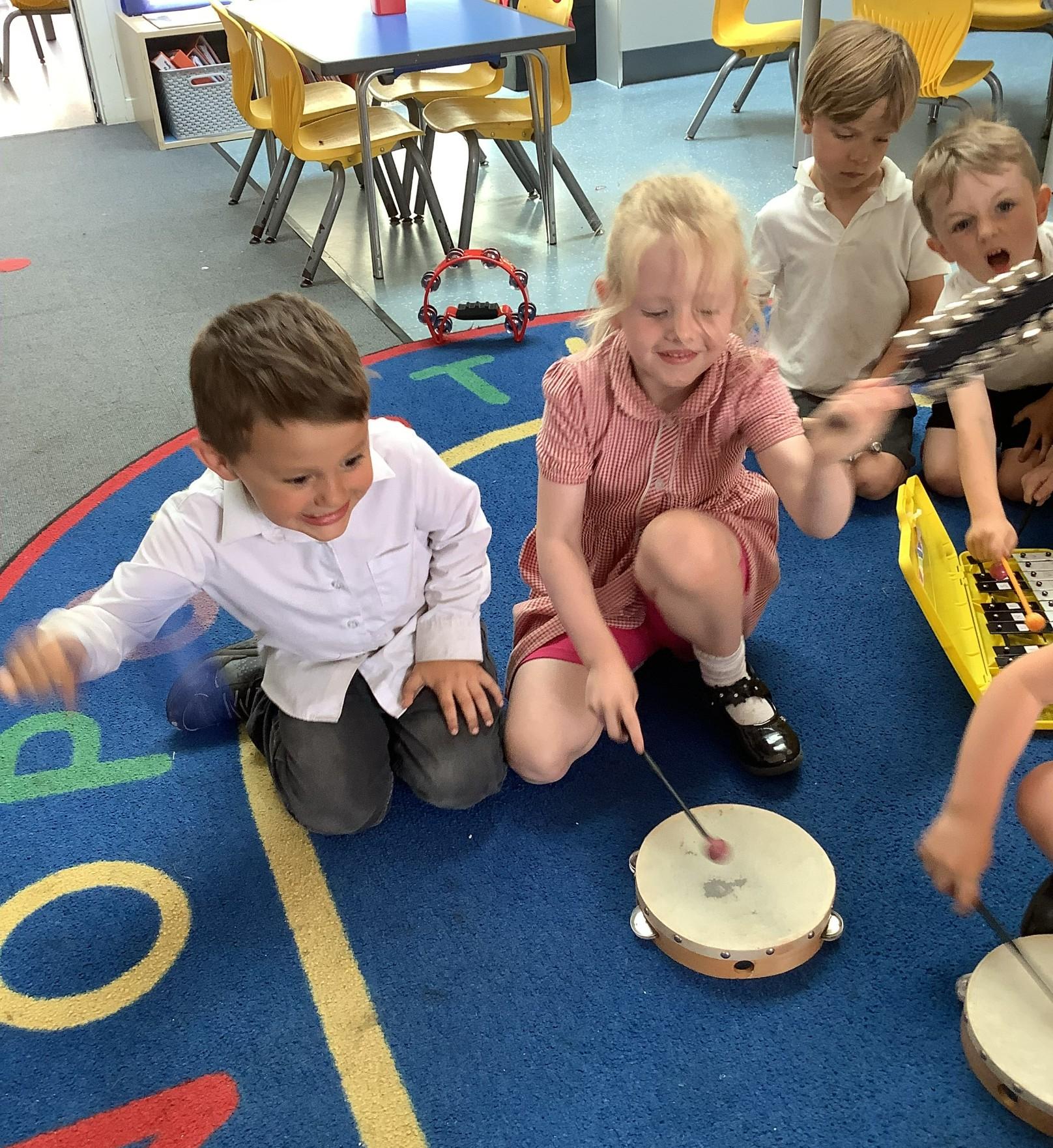
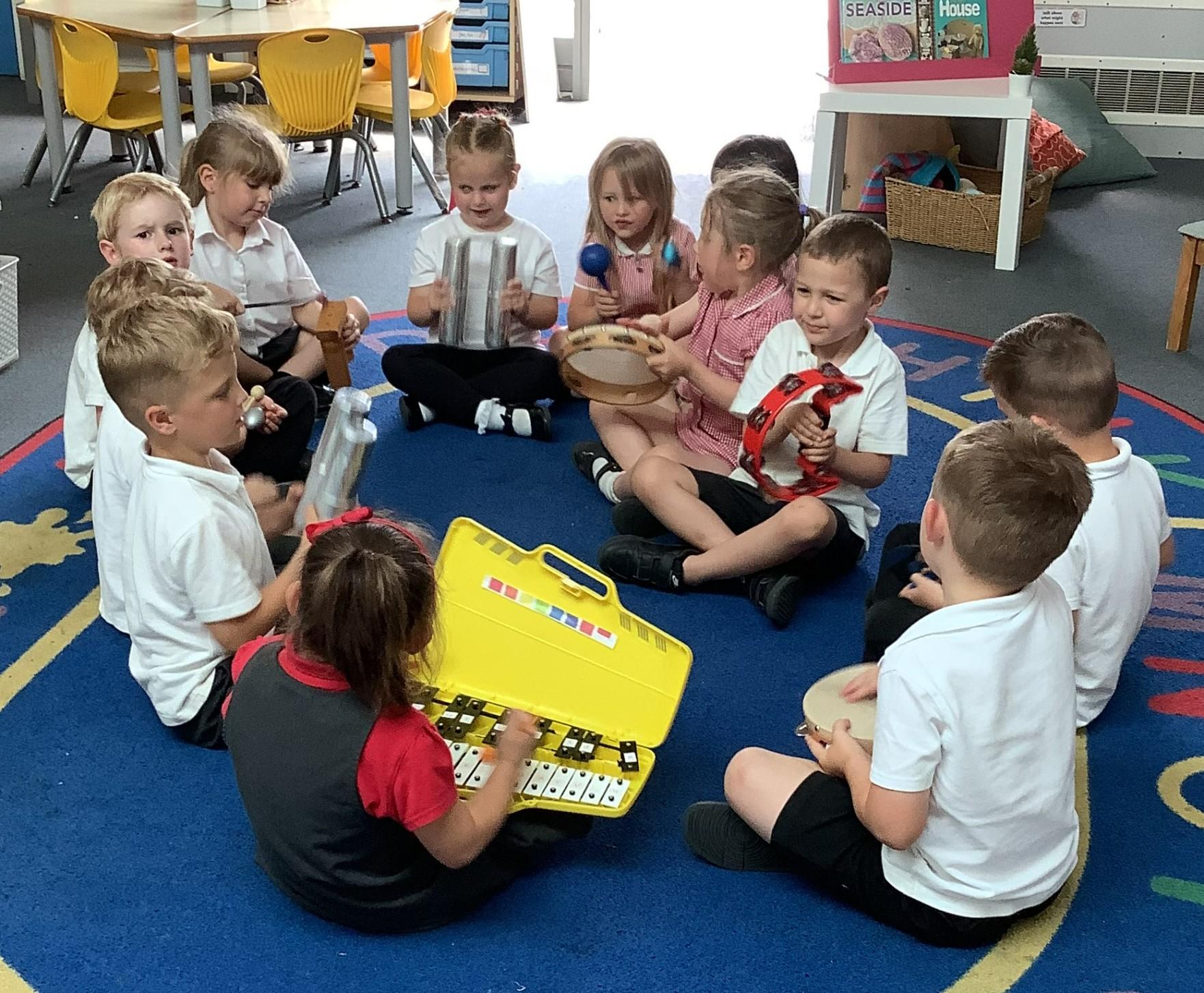
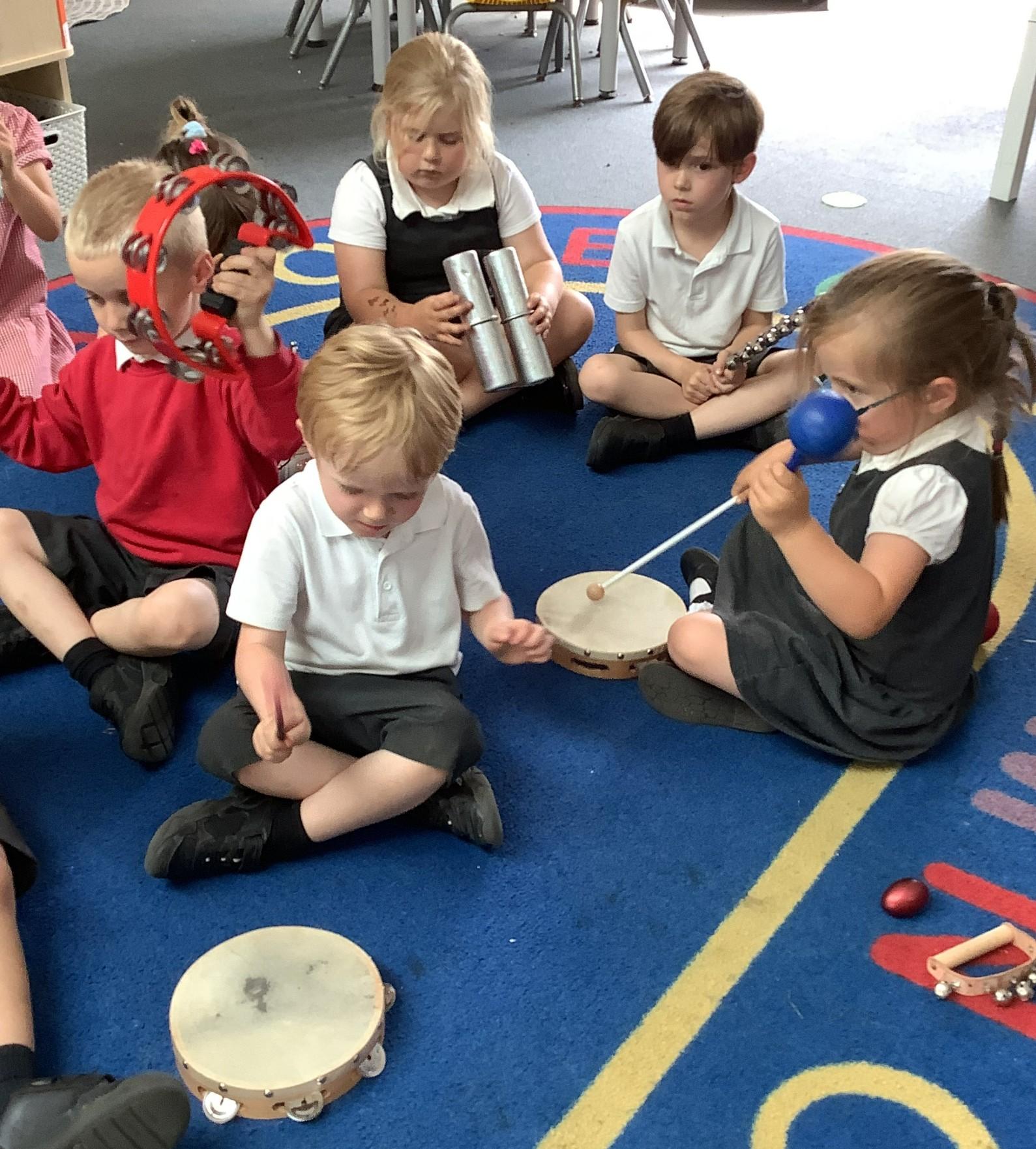
Creating a storm with percussion instruments
After learning about Grace Darling, we listened to Vivaldi's Storm music. We then used percussion instruments to create our own storm music.
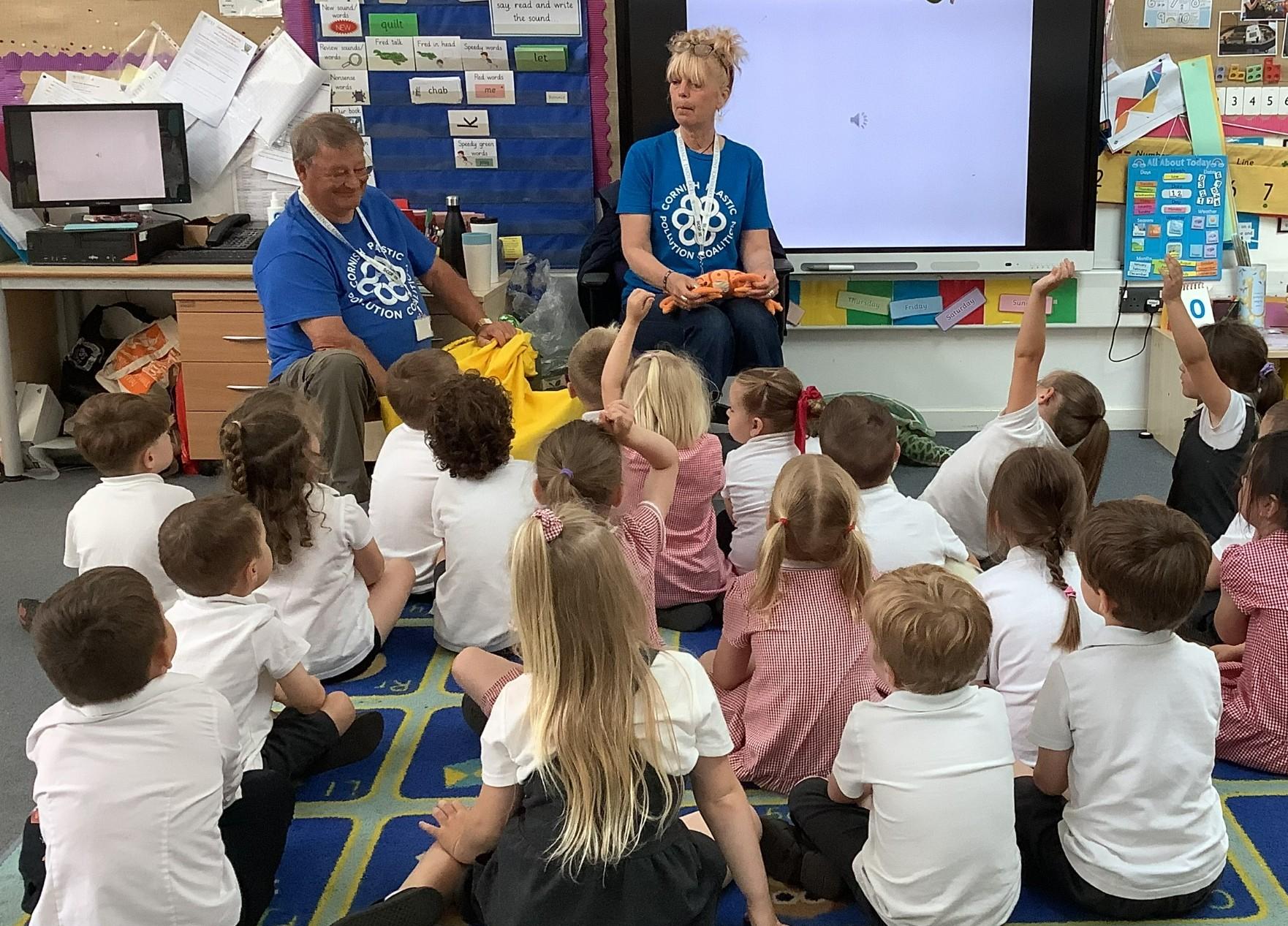
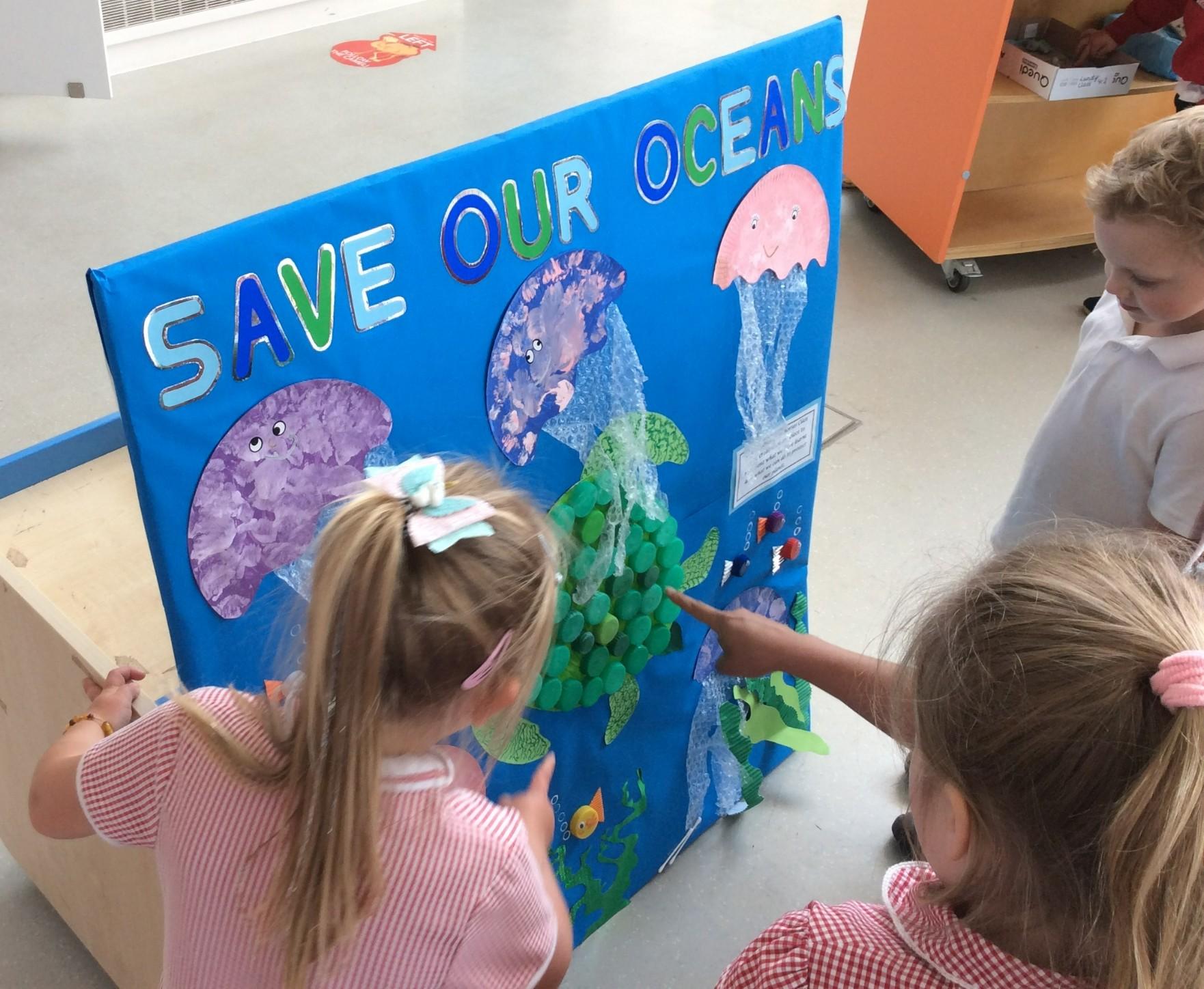
Marine Conservation and Plastic Pollution
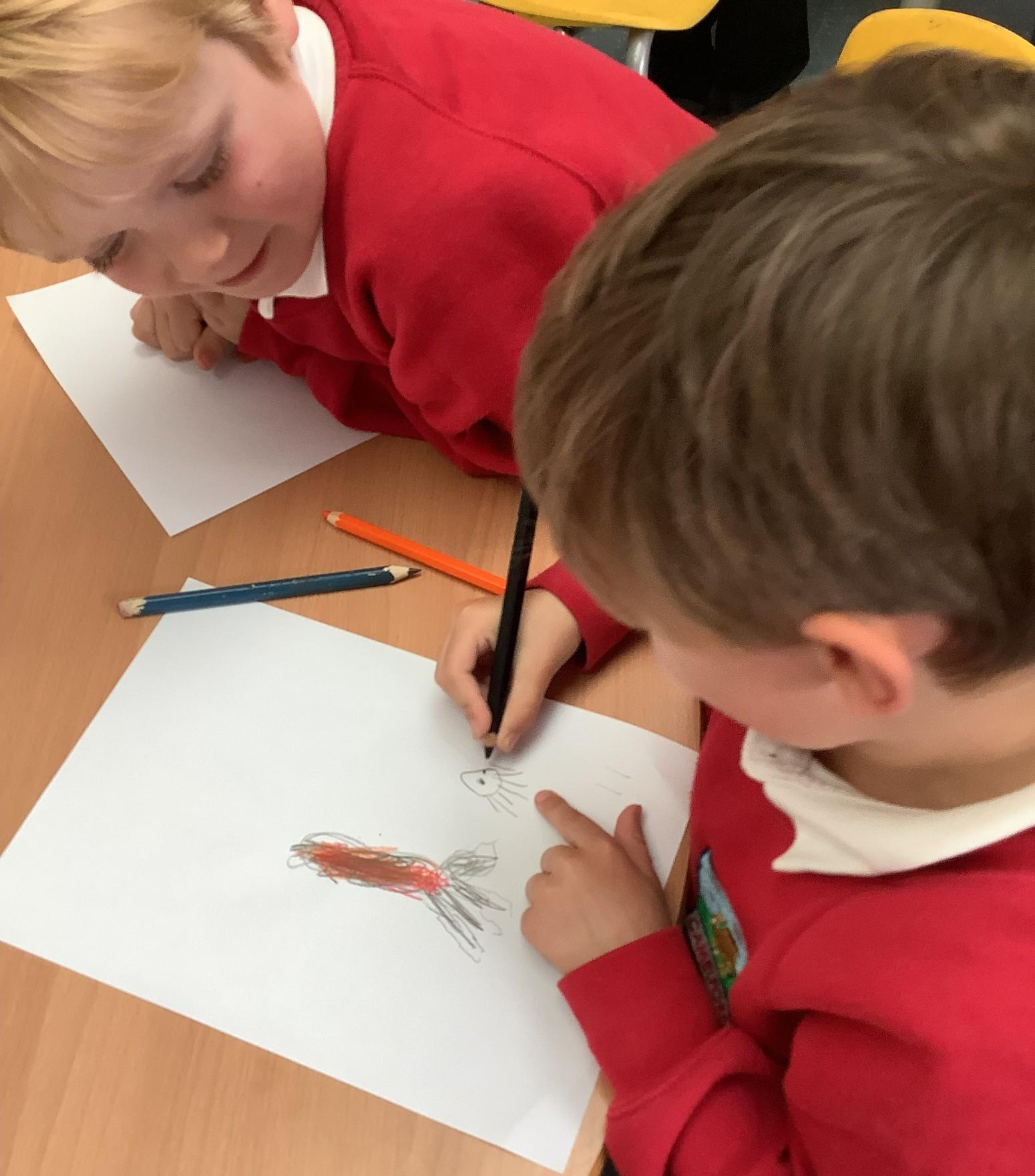
Our visitors told us all about the different types of plastics that pollute our sea and our beaches, where they originate from, how long they persist in the environment, and the damage they can cause to wildlife
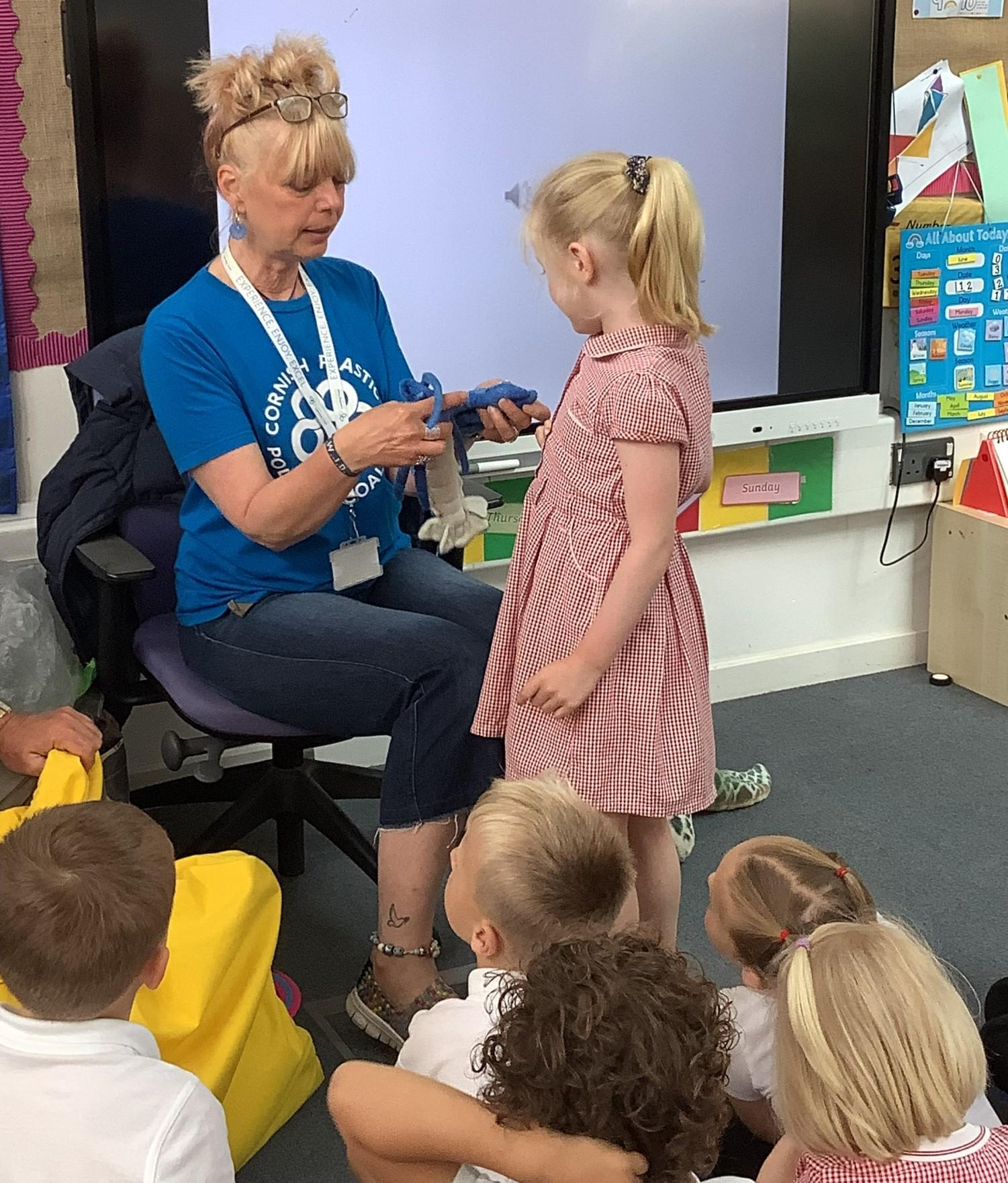
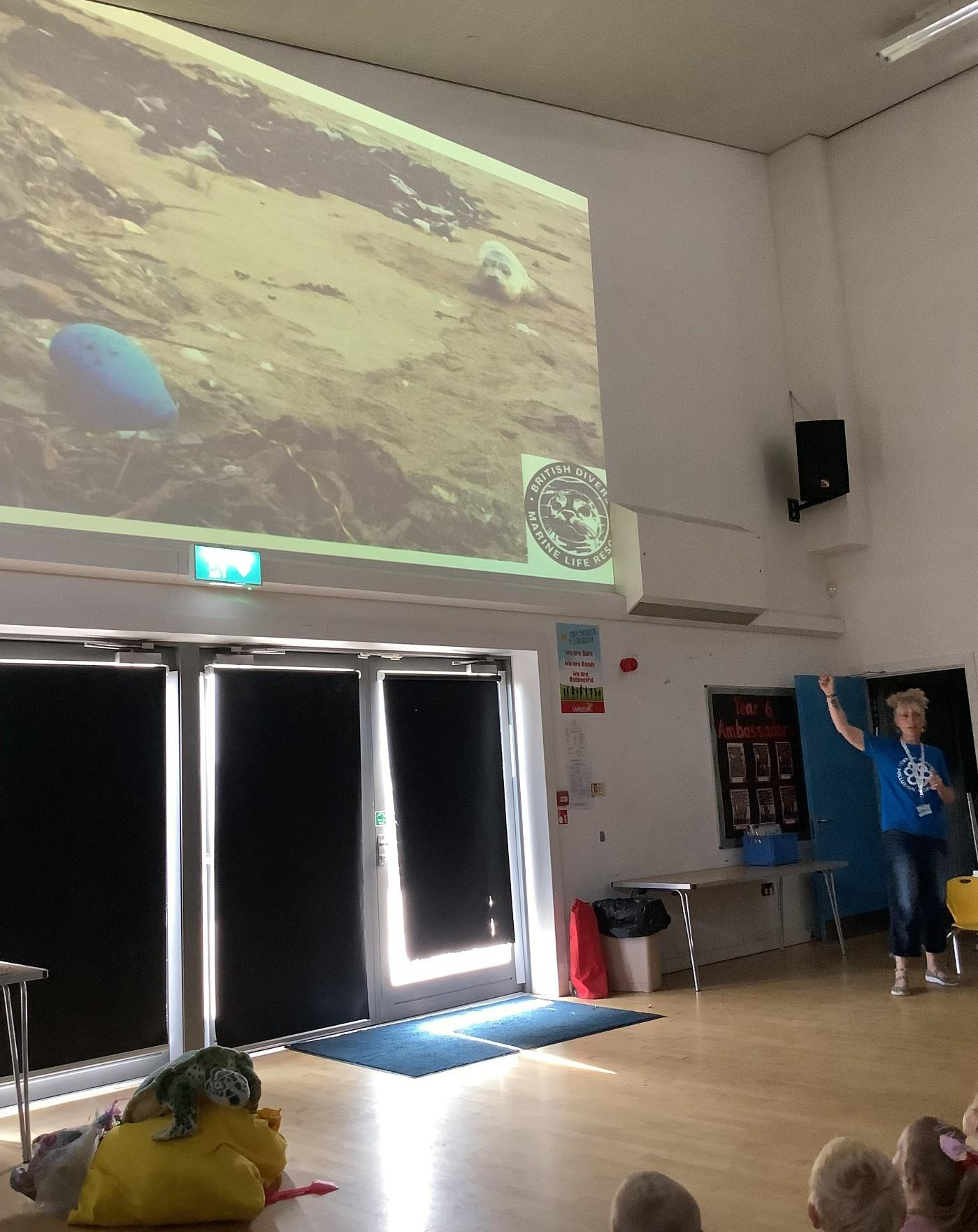
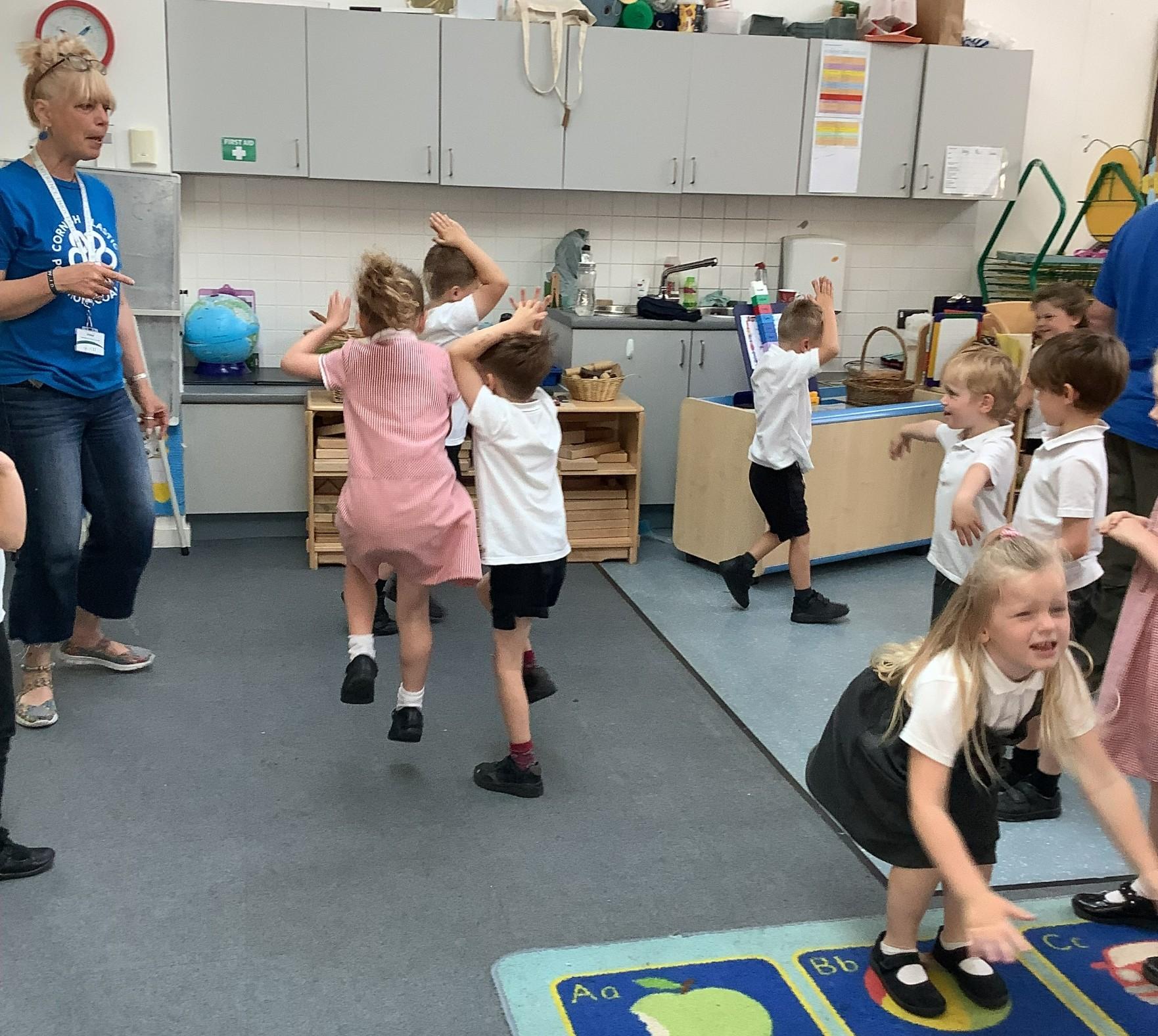
‘Beach Performers’ music and role play activities to explore the impact of marine plastics on wildlife.
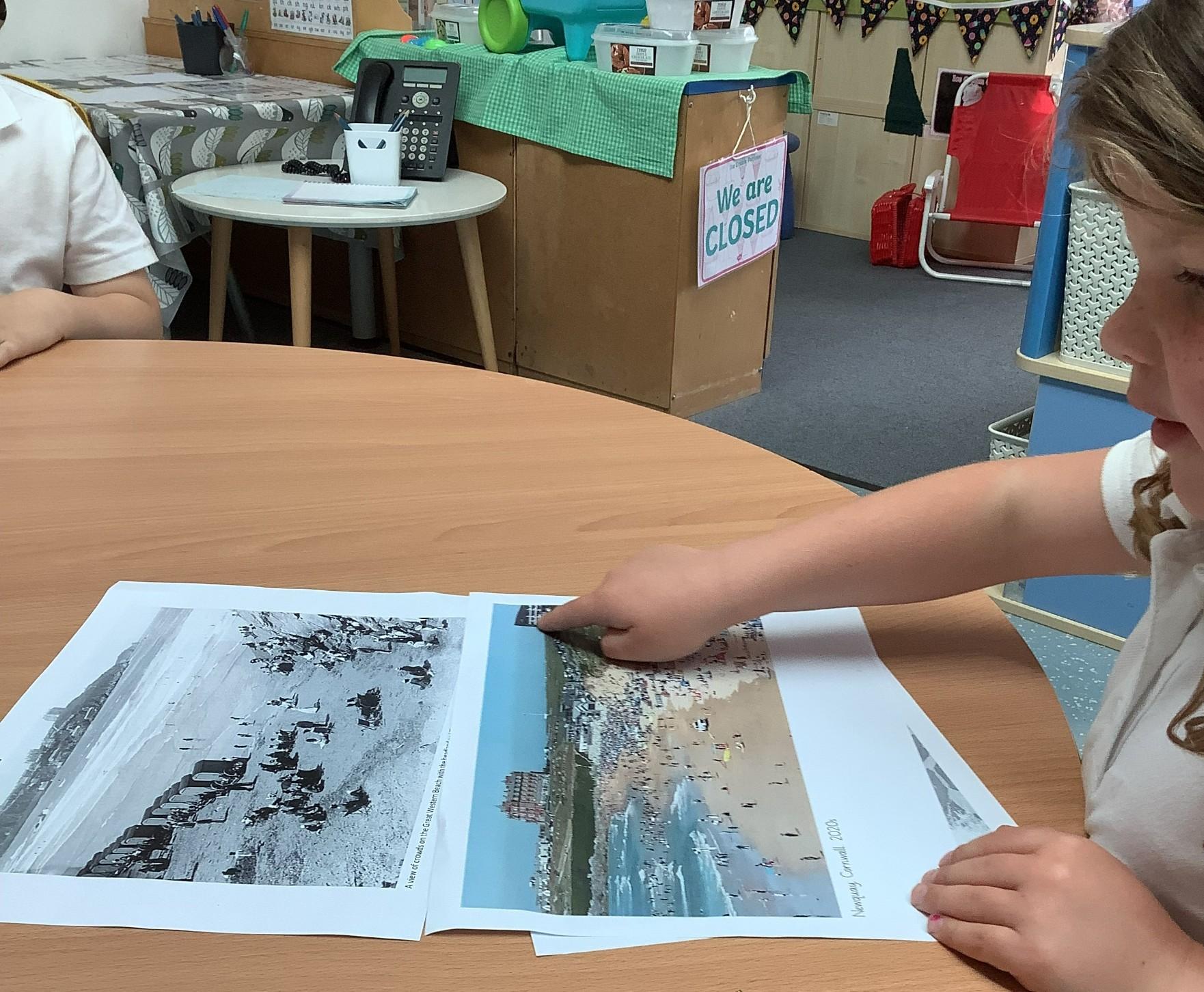
Past and present - What was the beach in Newquay like in 1900?
Learning about the past and comparing it with the present.
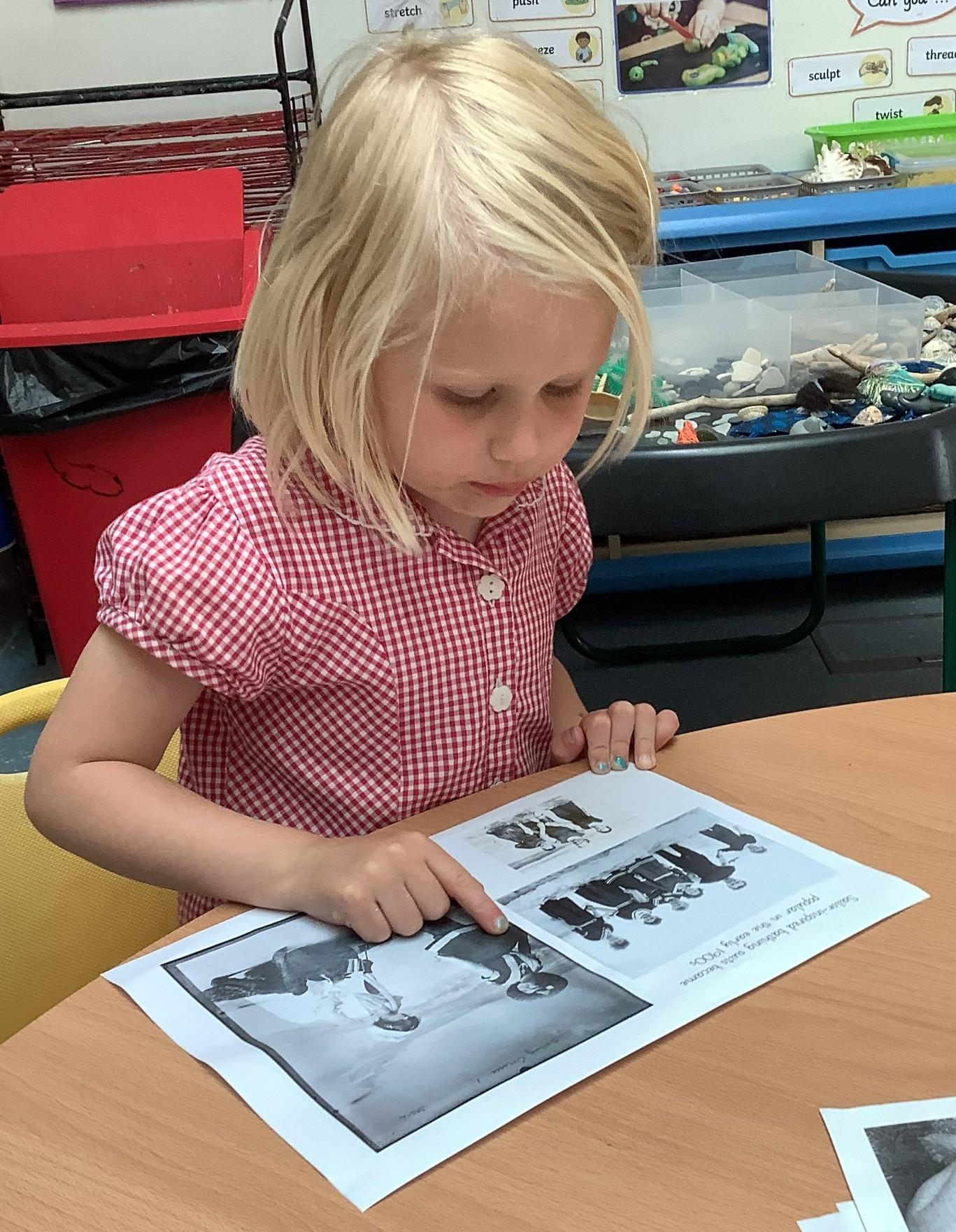
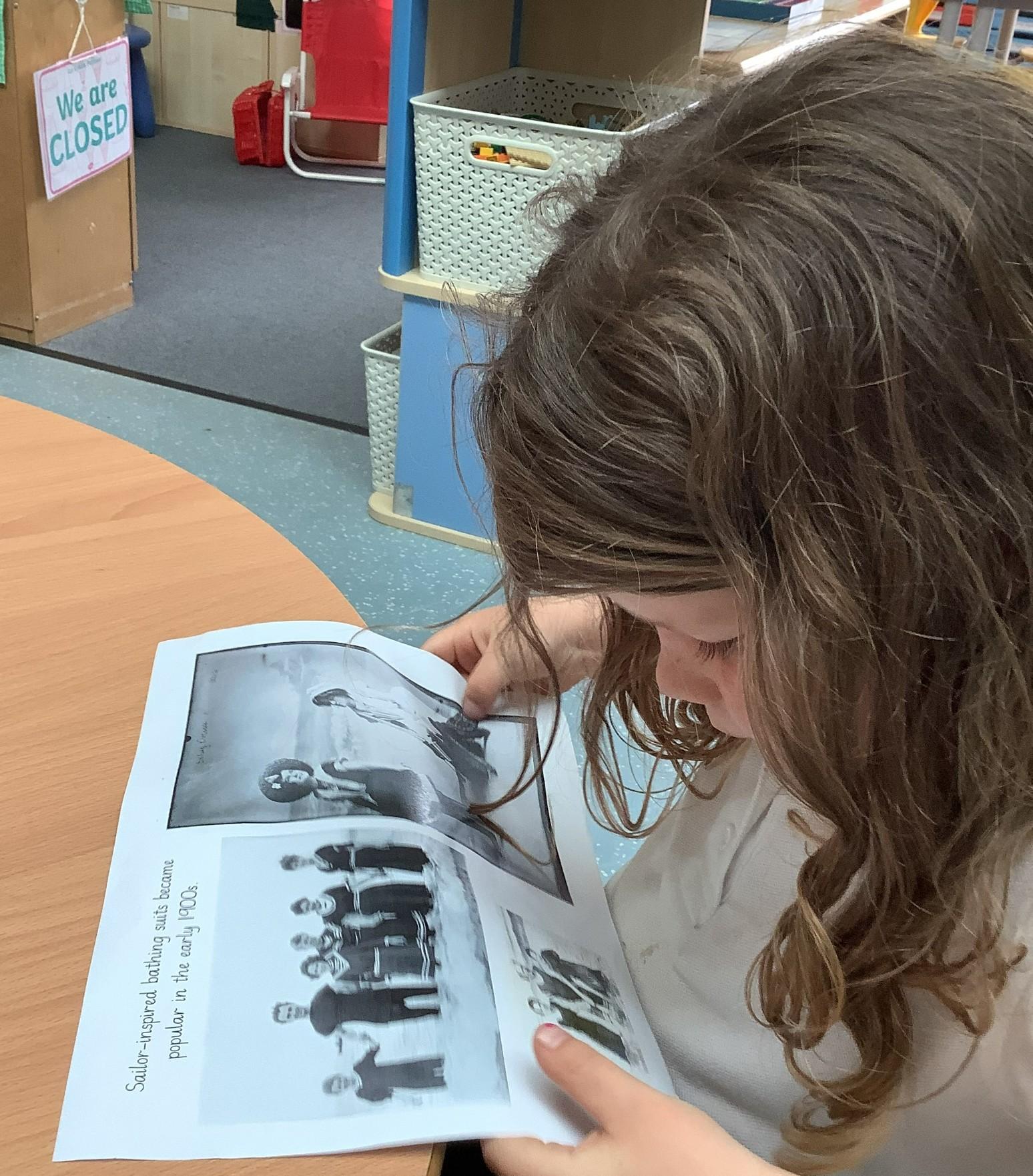
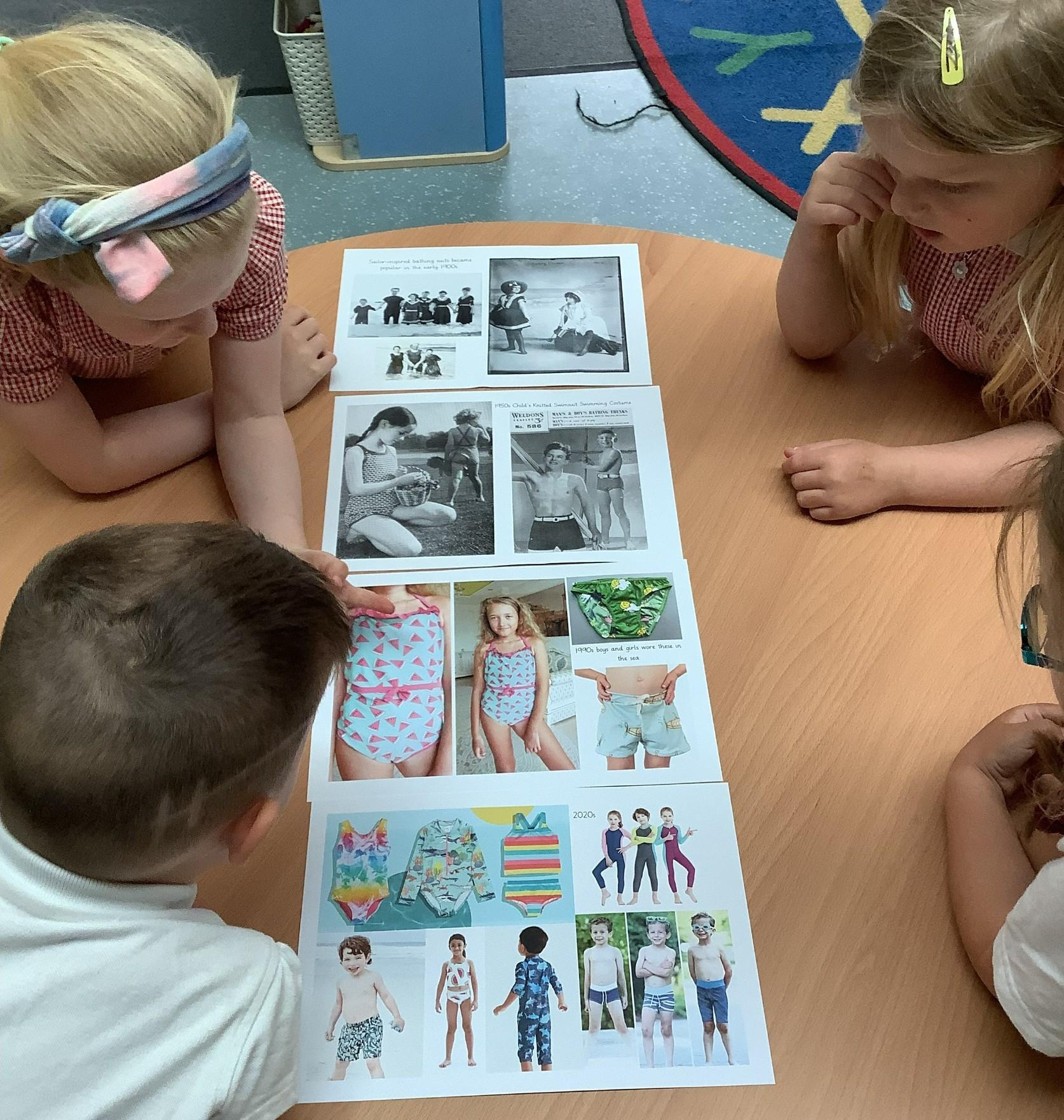
What a difference. Comparing past and present beach wear.
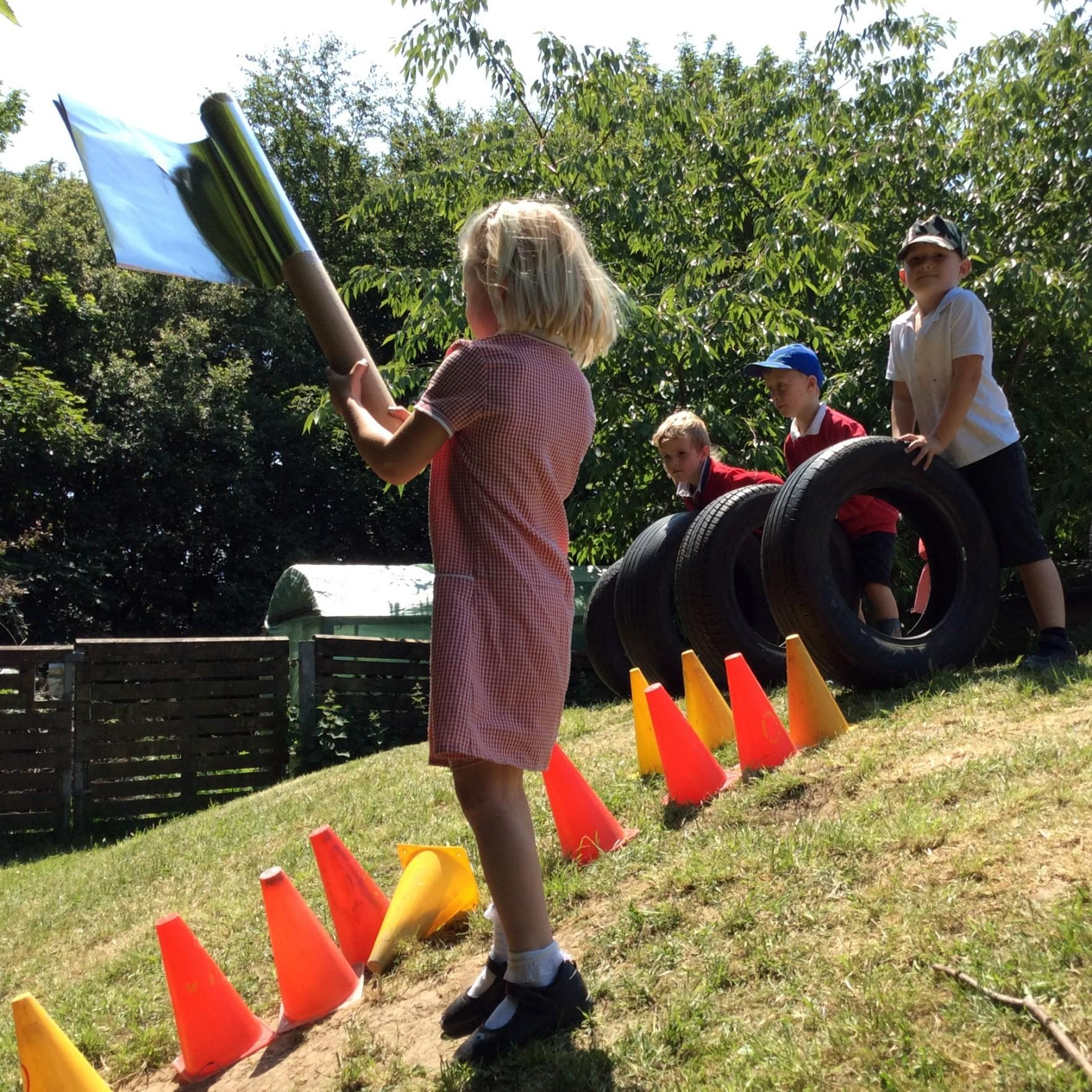
Gross motor development
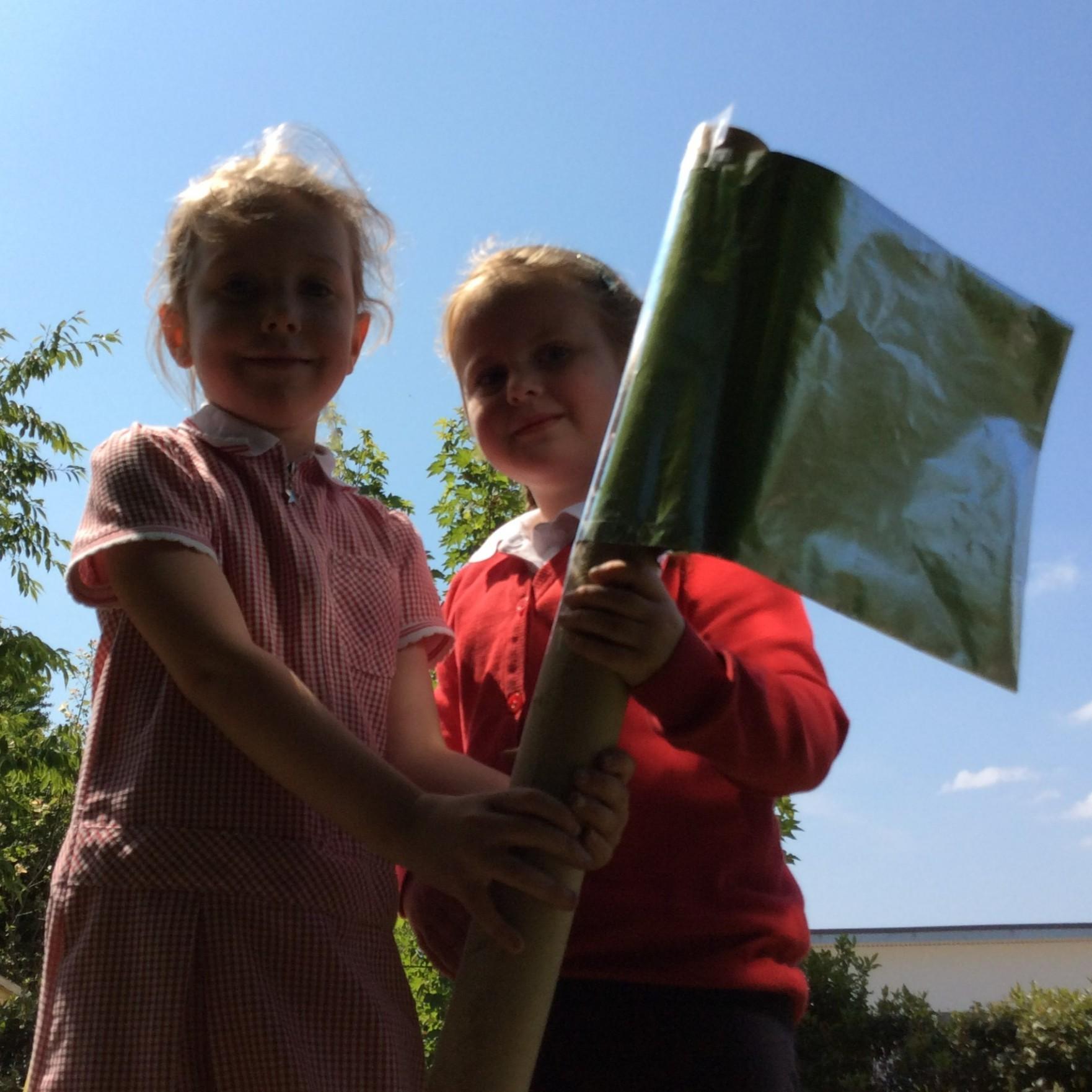
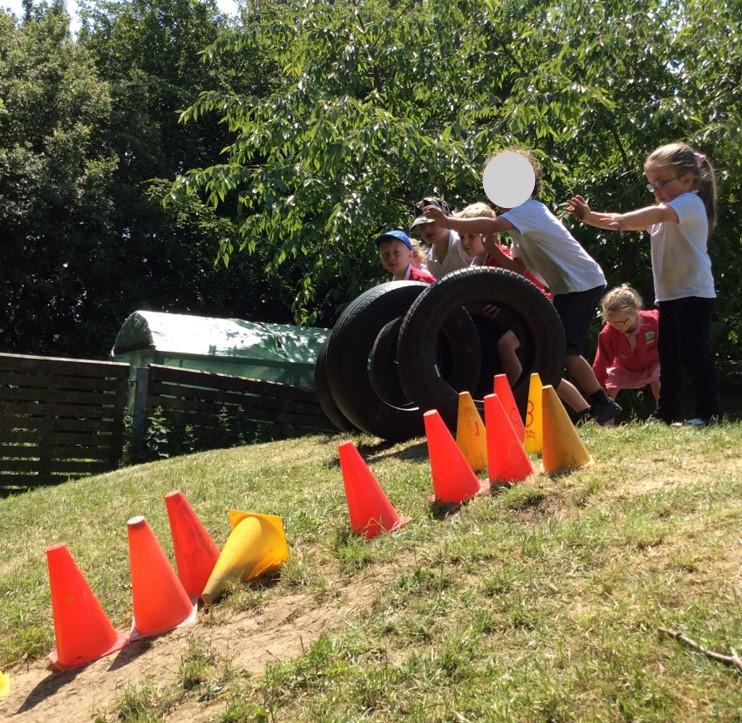
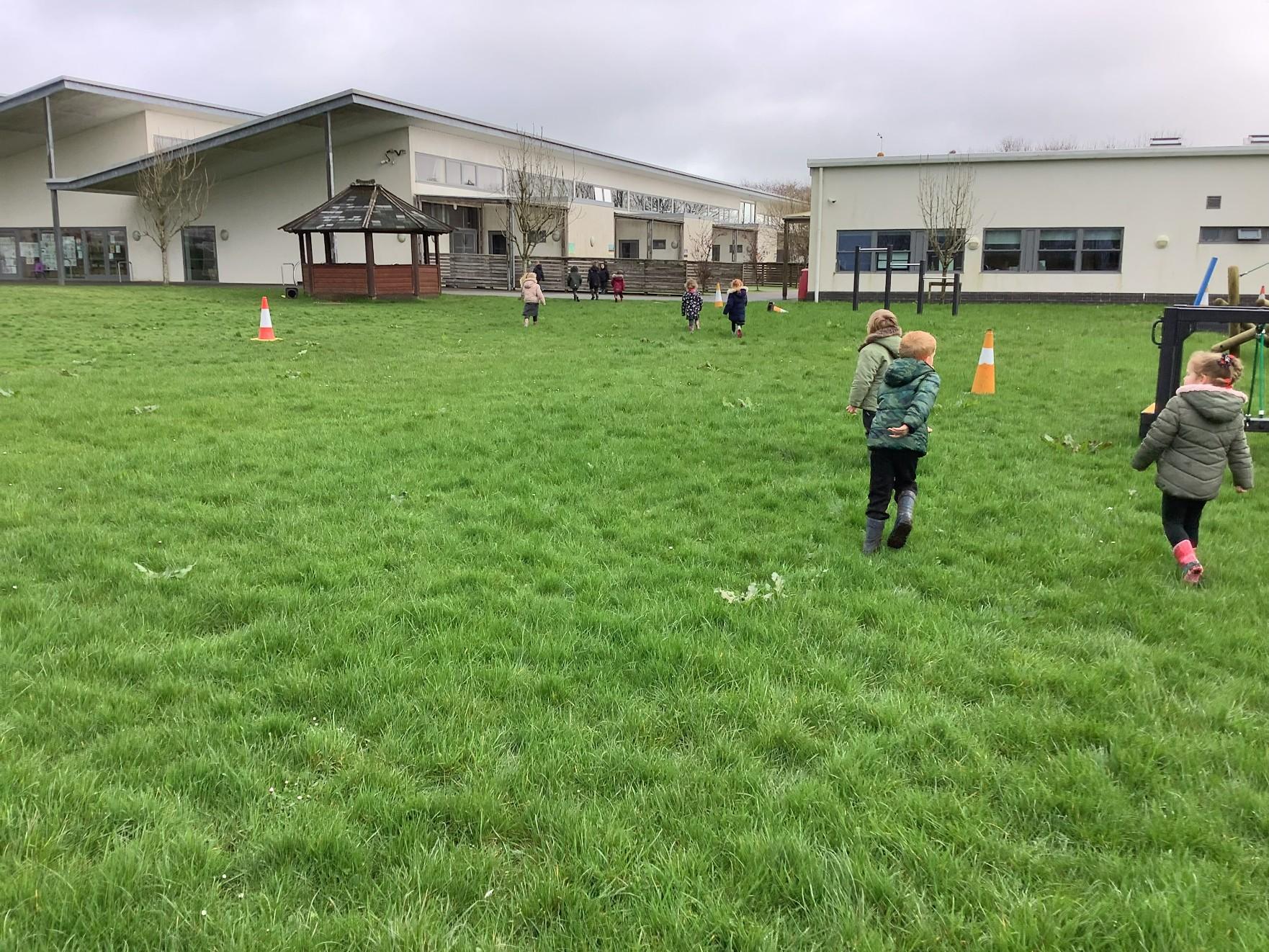
Creating our own games in the garden.
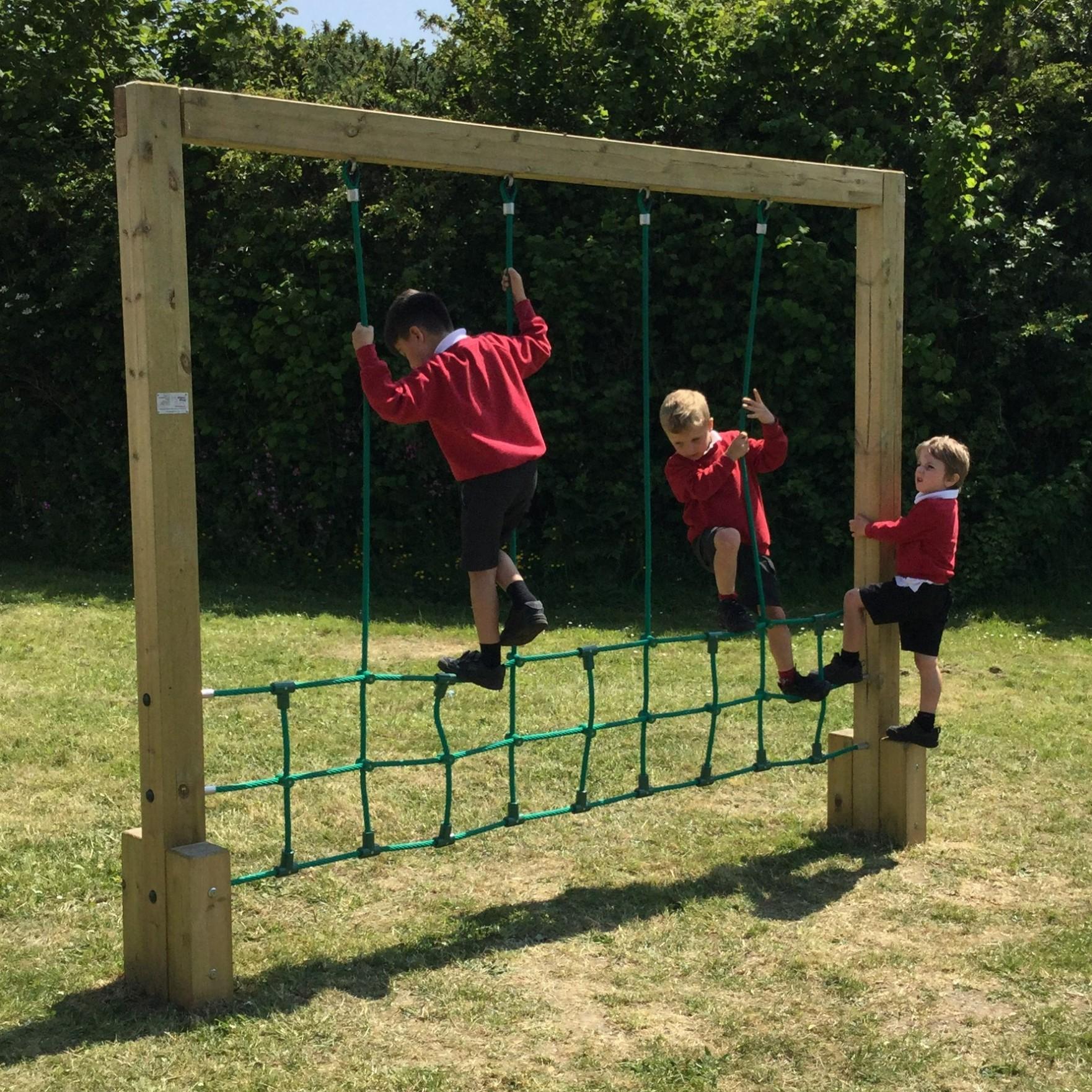
Balancing and climbing.
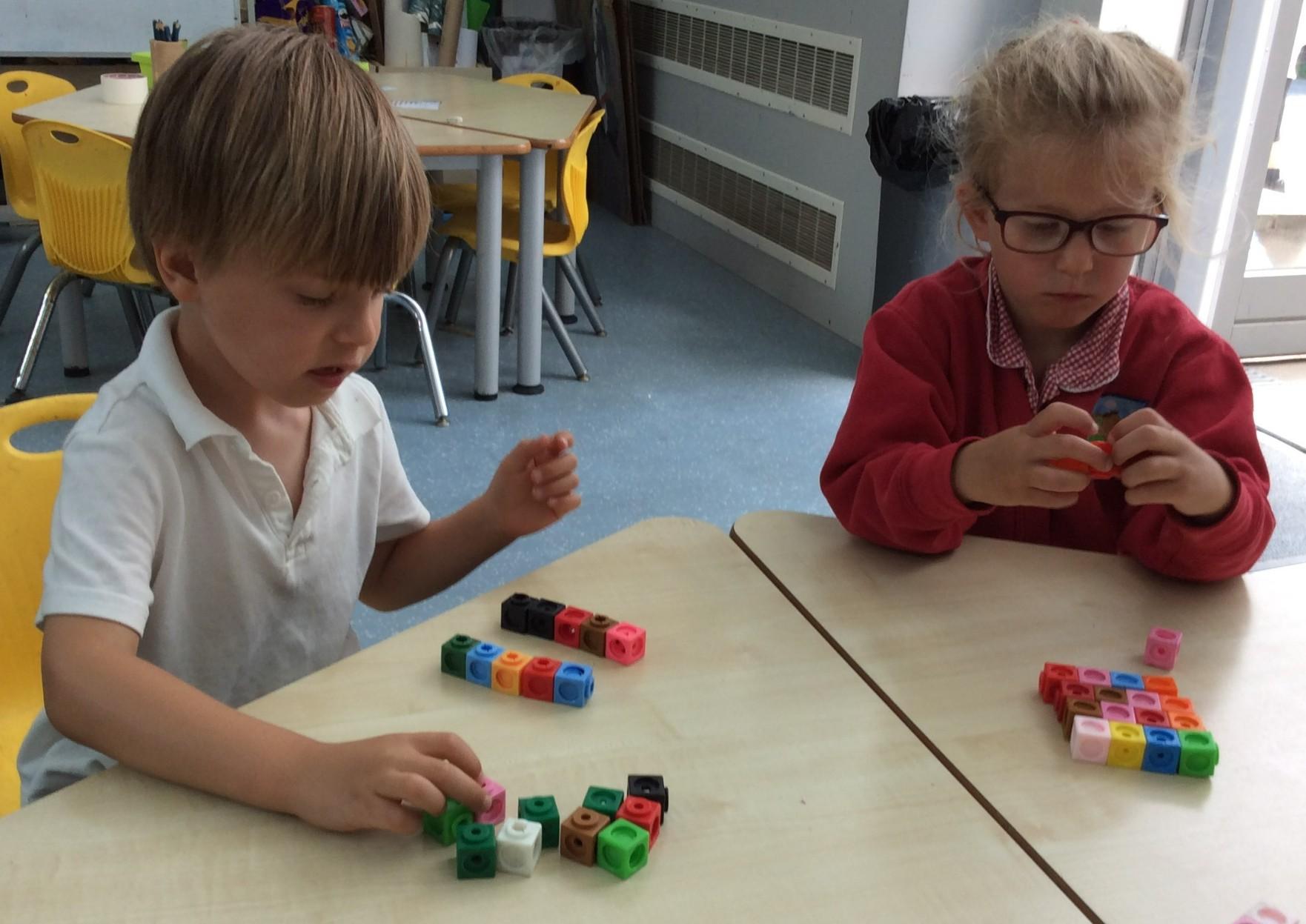
Sharing
Learning all about sharing.
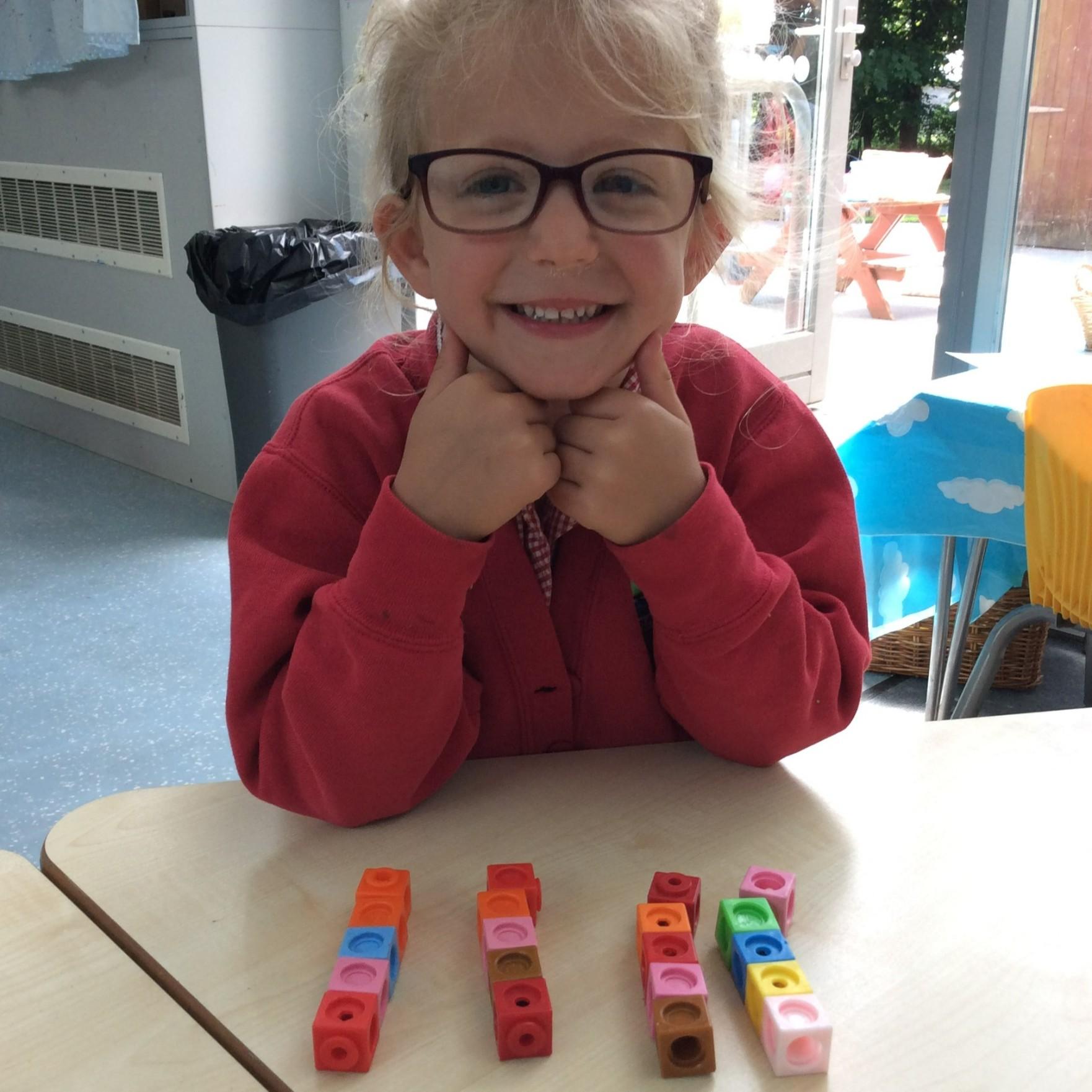
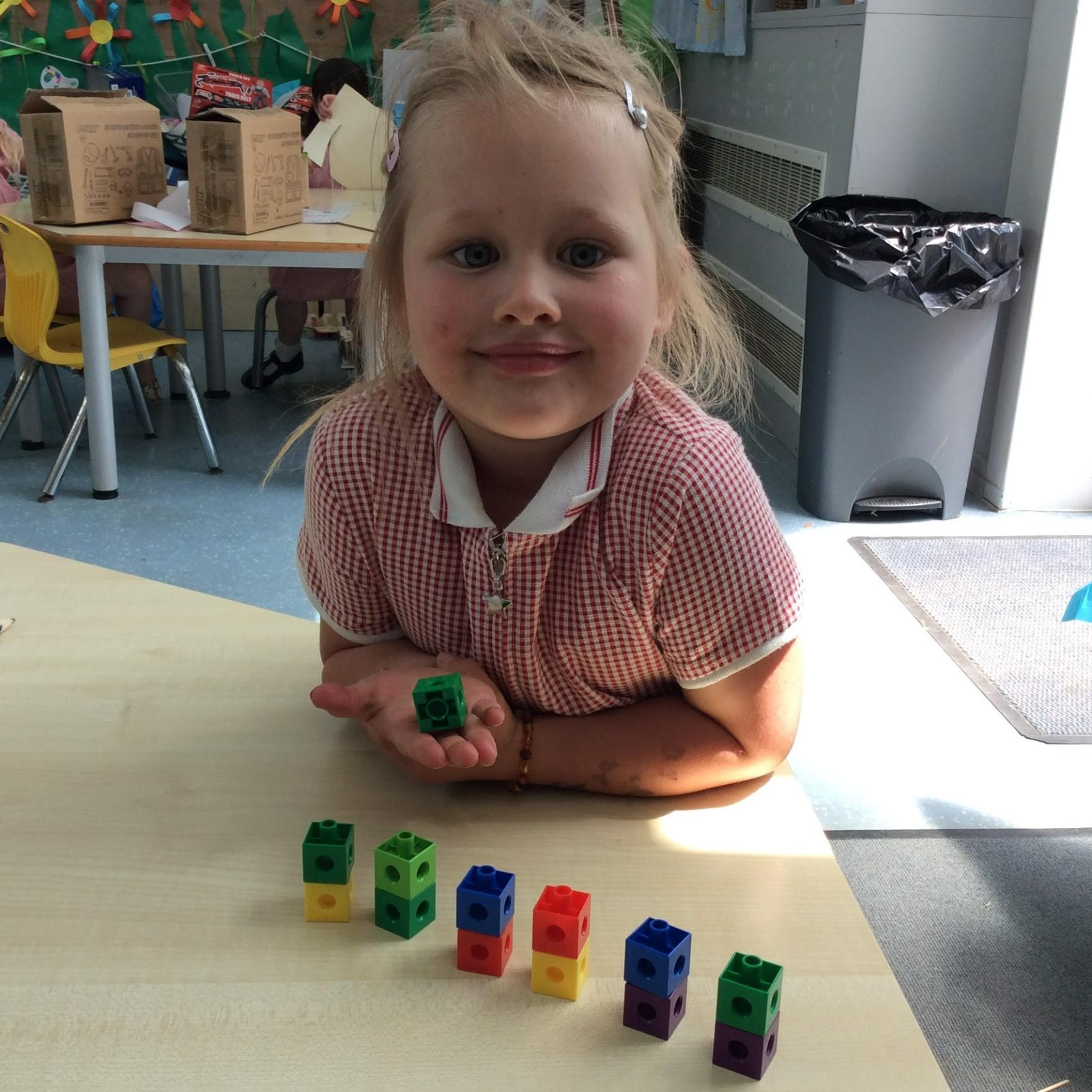
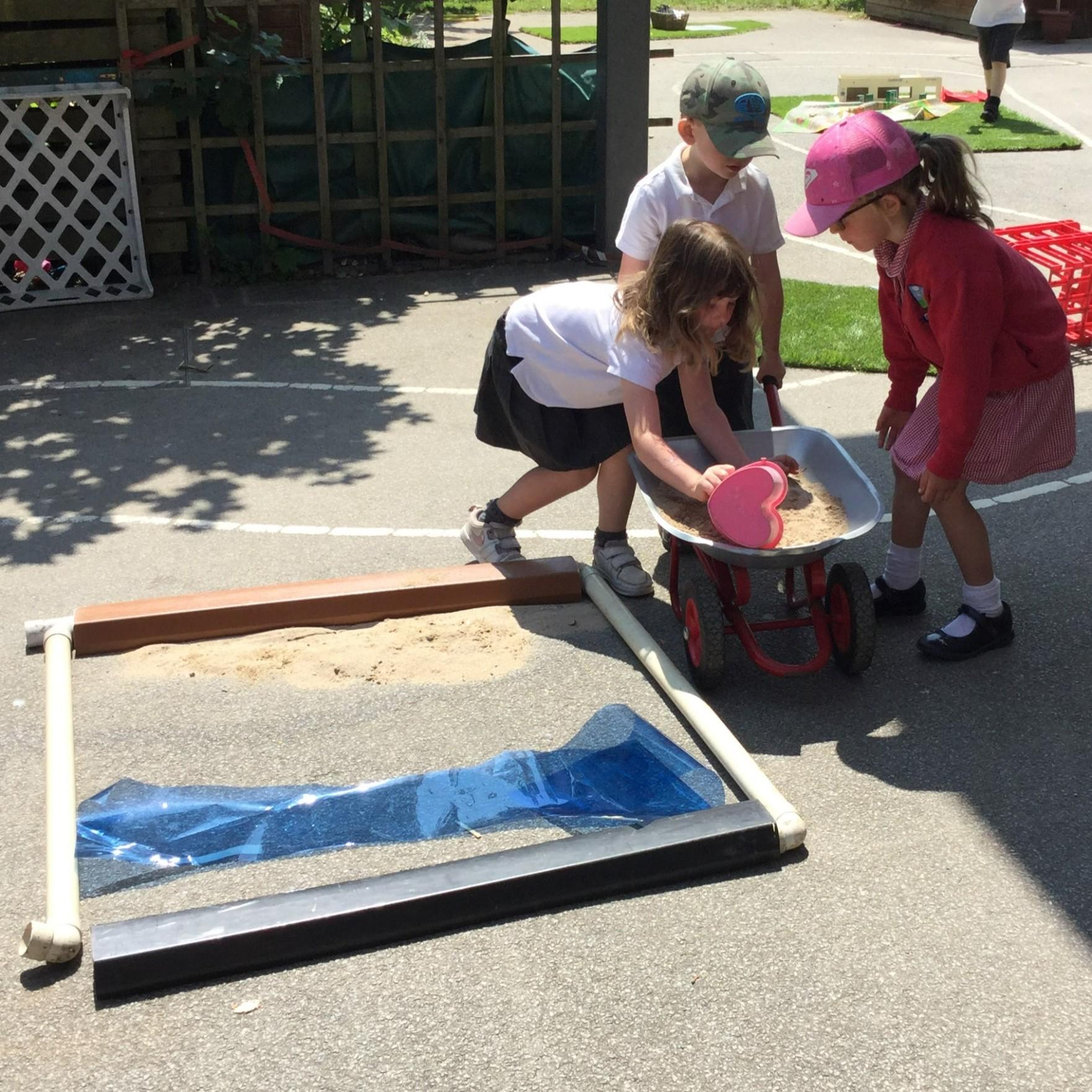
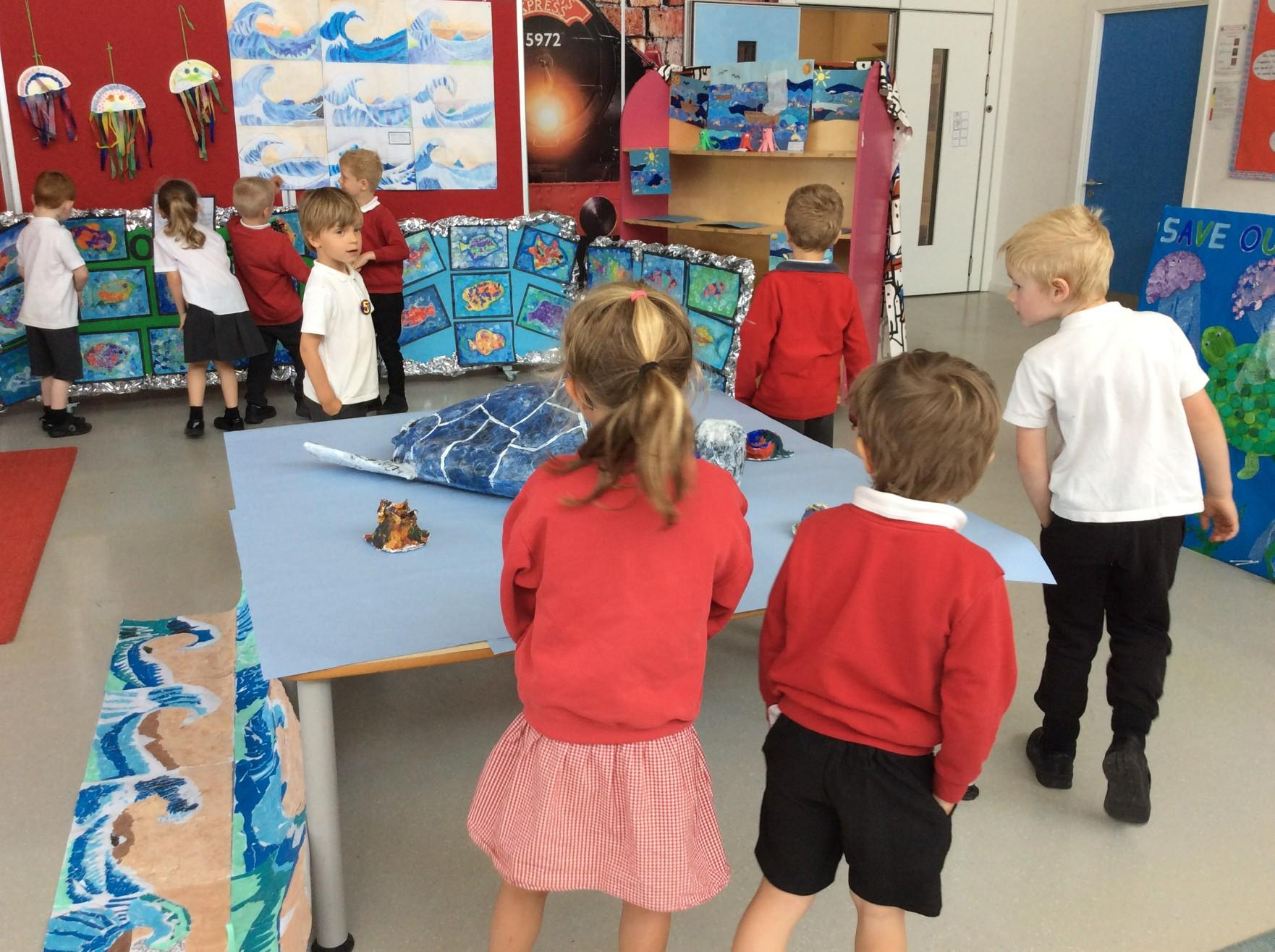
Creating a group collage
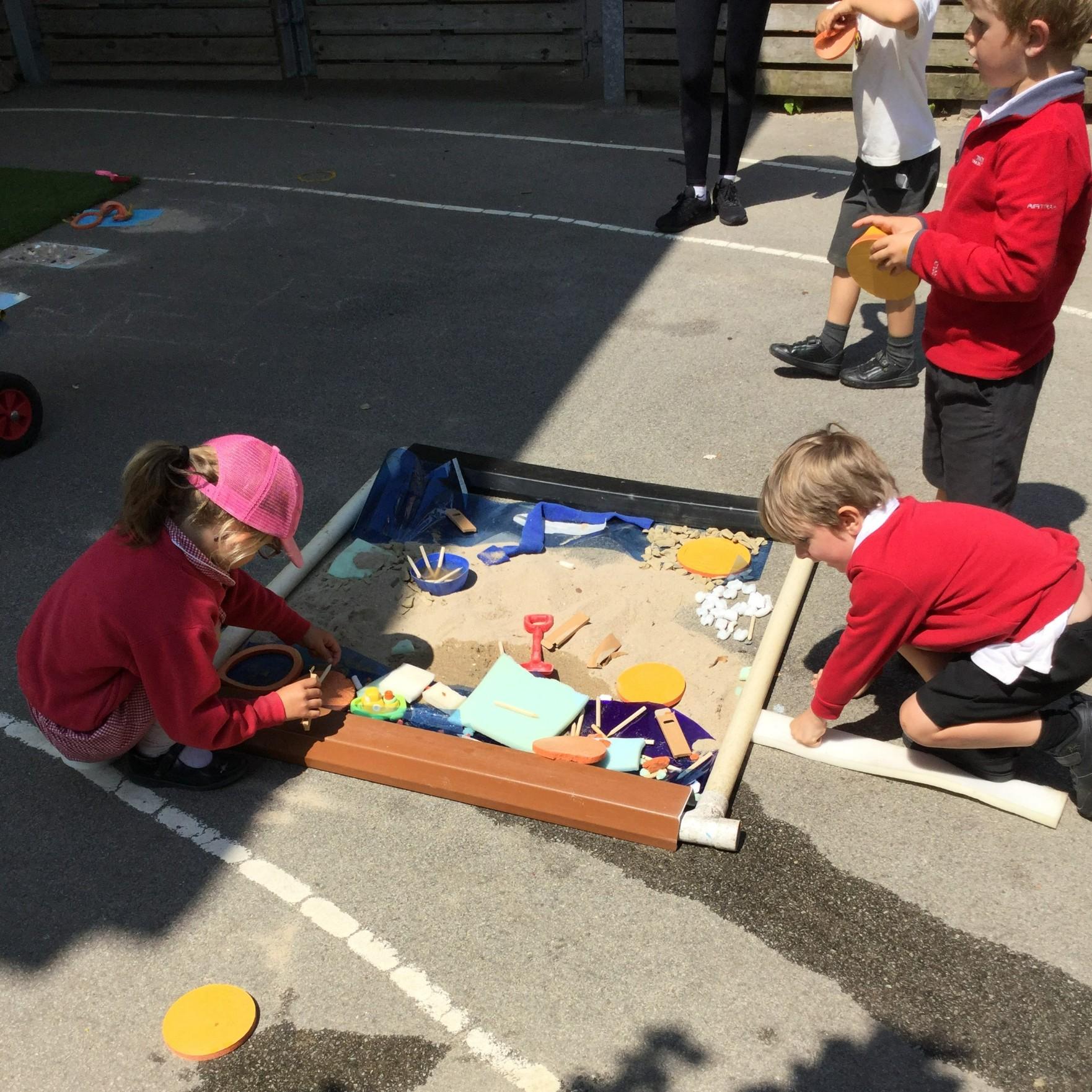
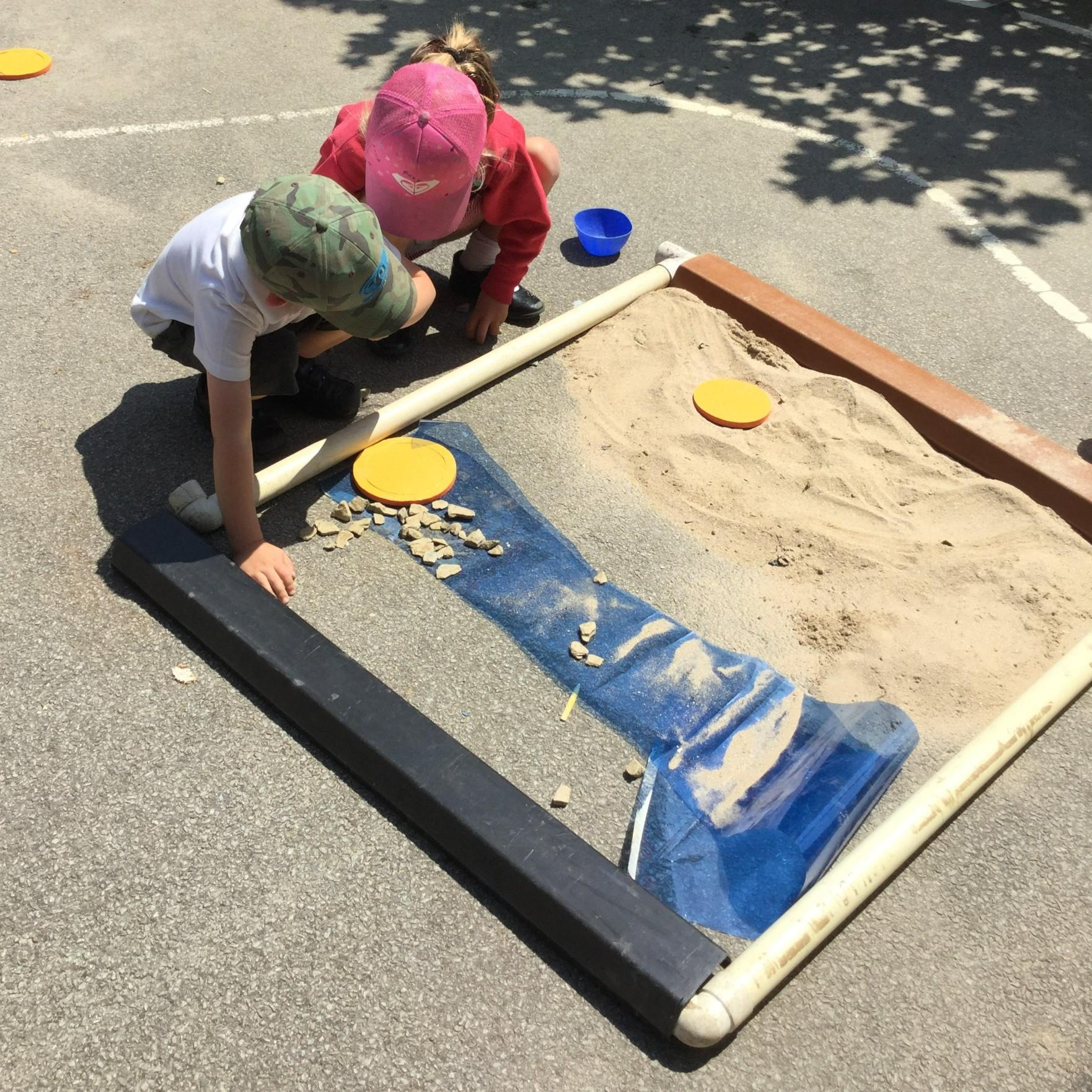
Inspired from visiting the exhibition the children worked together to create a collaborative collage.
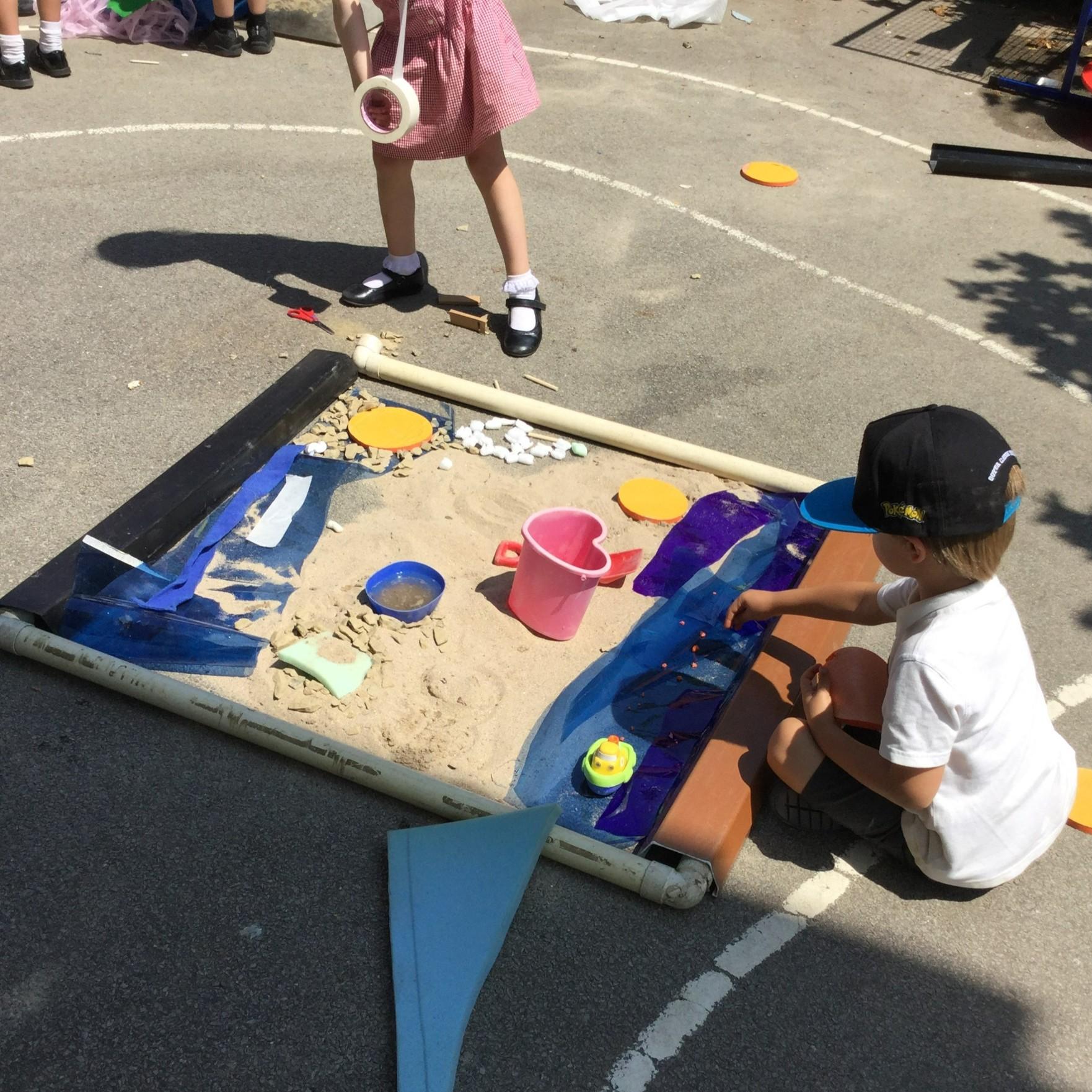
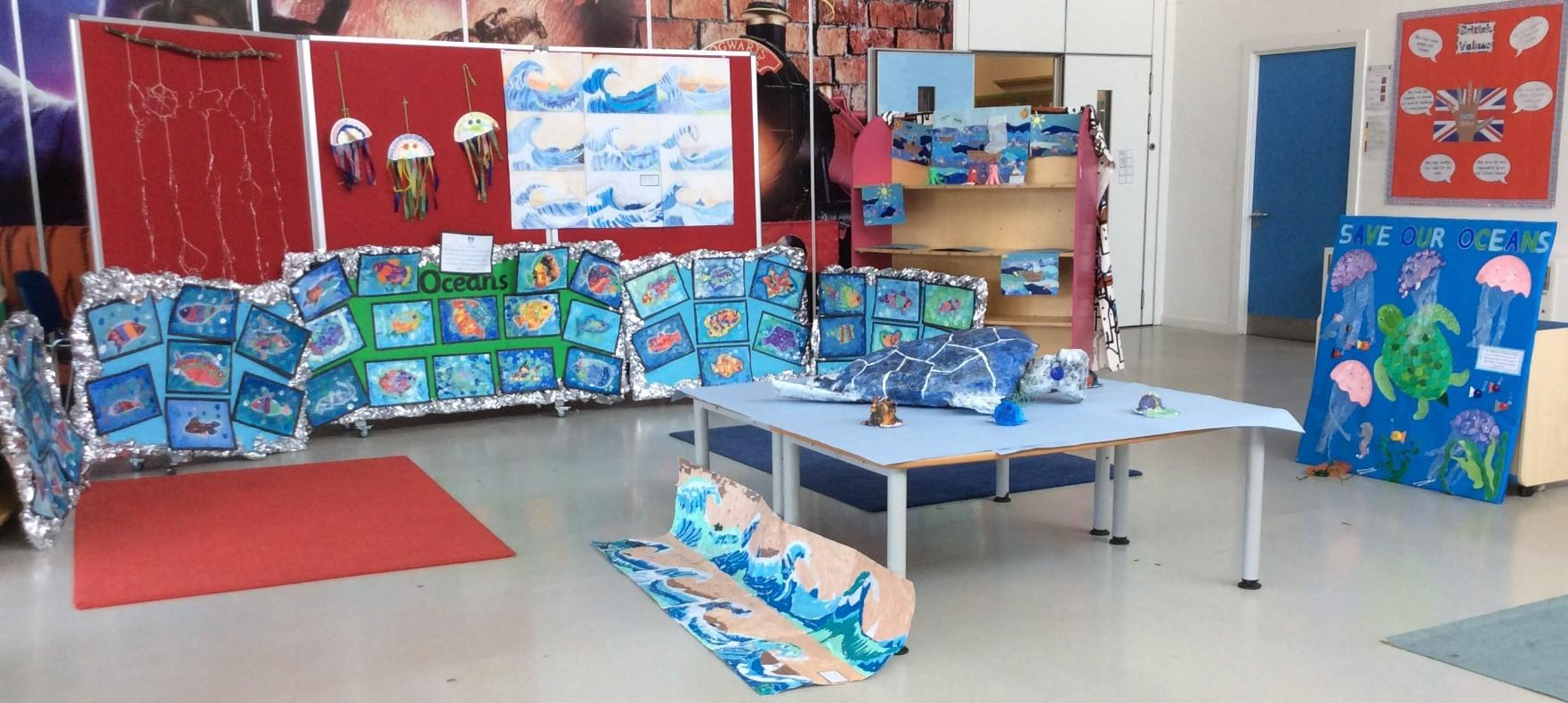
Visiting the art exhibition
We visited to get inspiration for our own work.
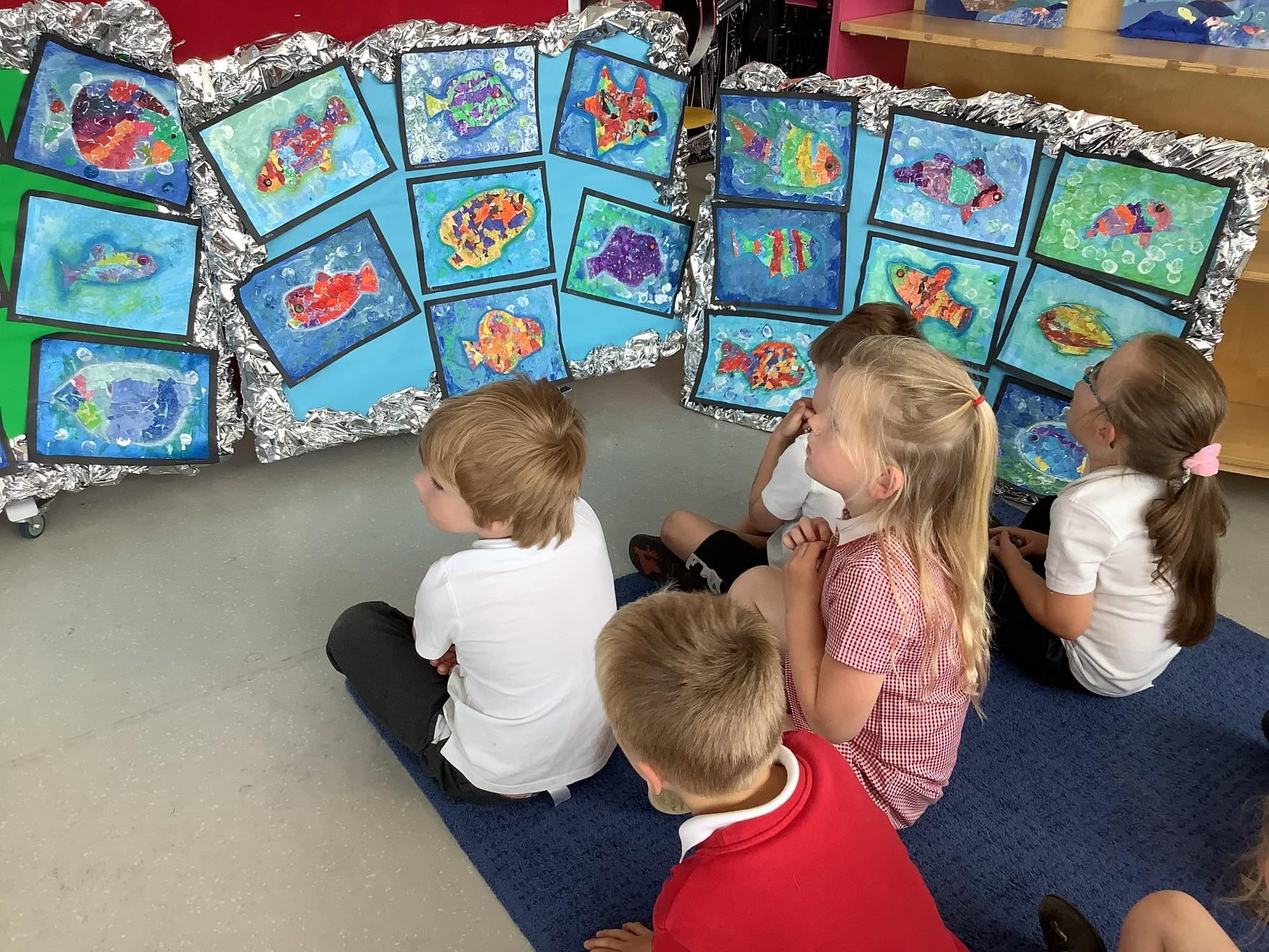
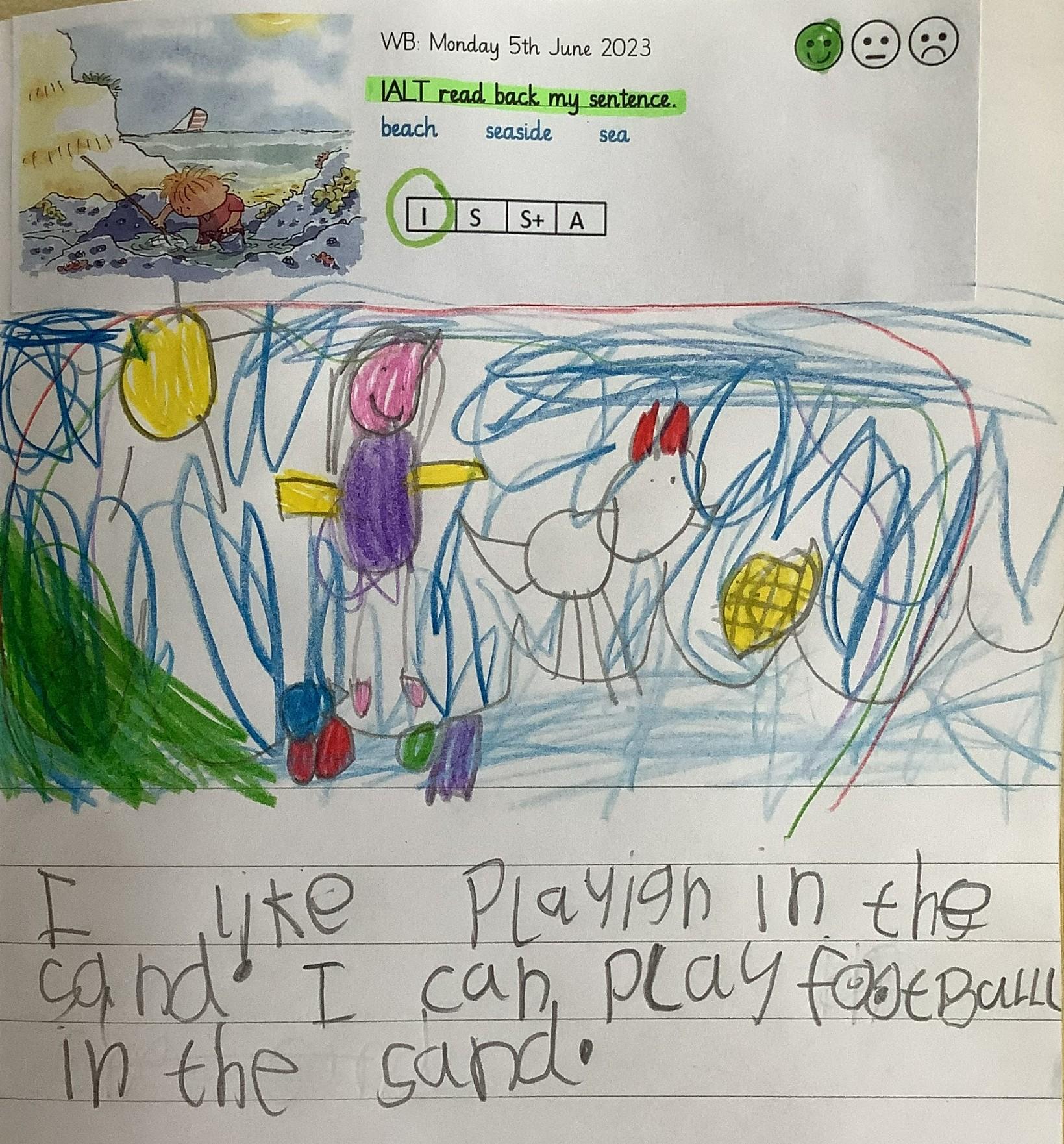
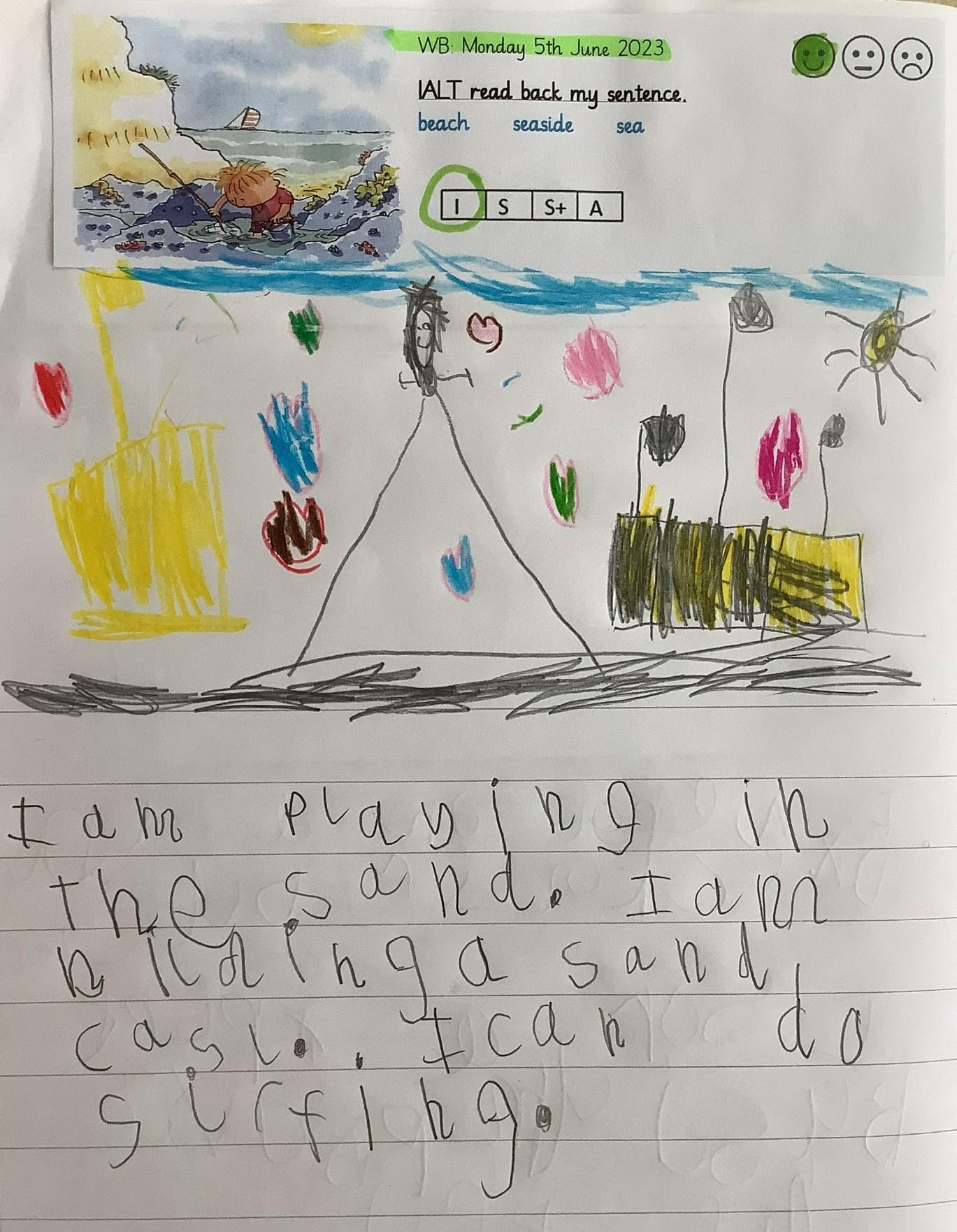
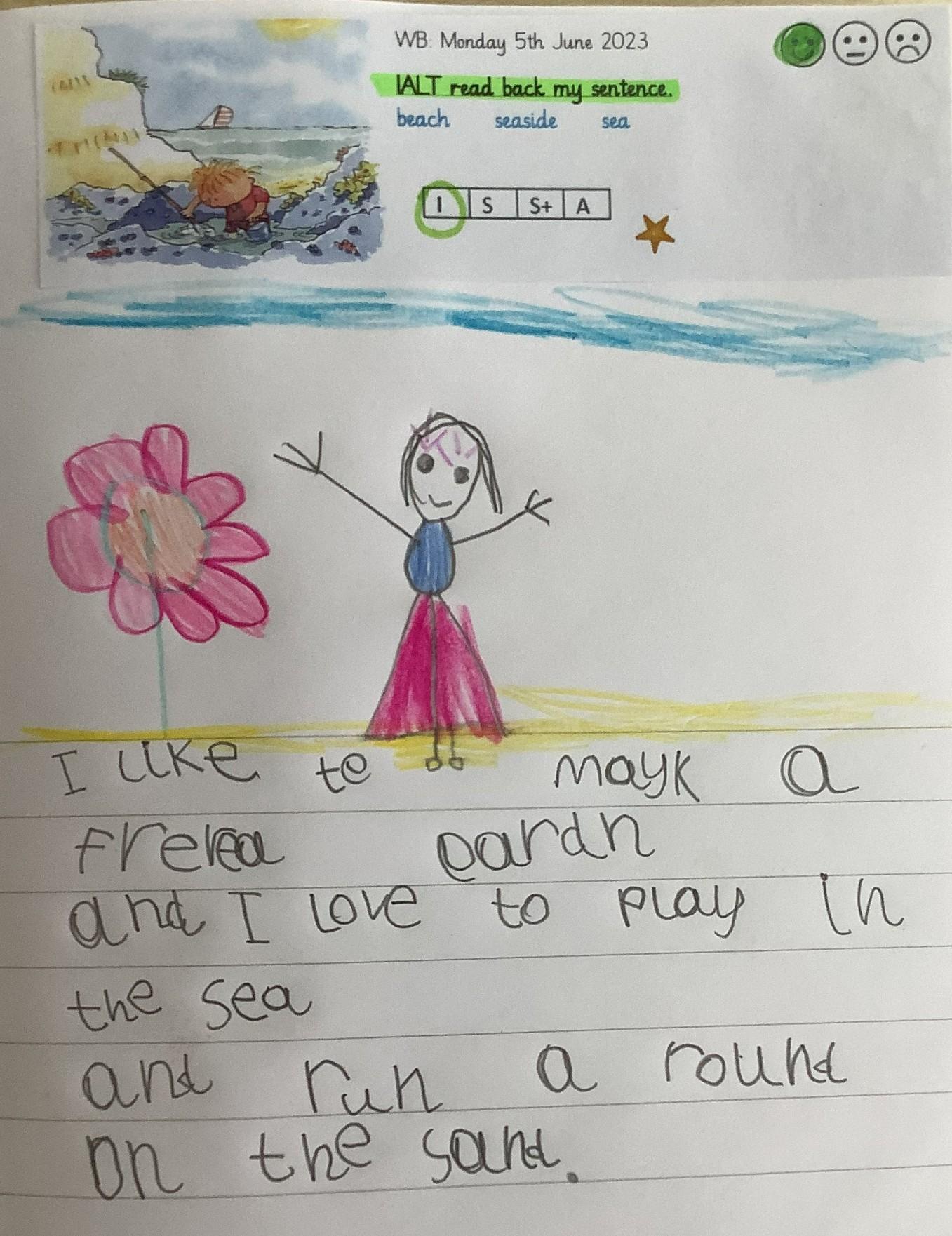
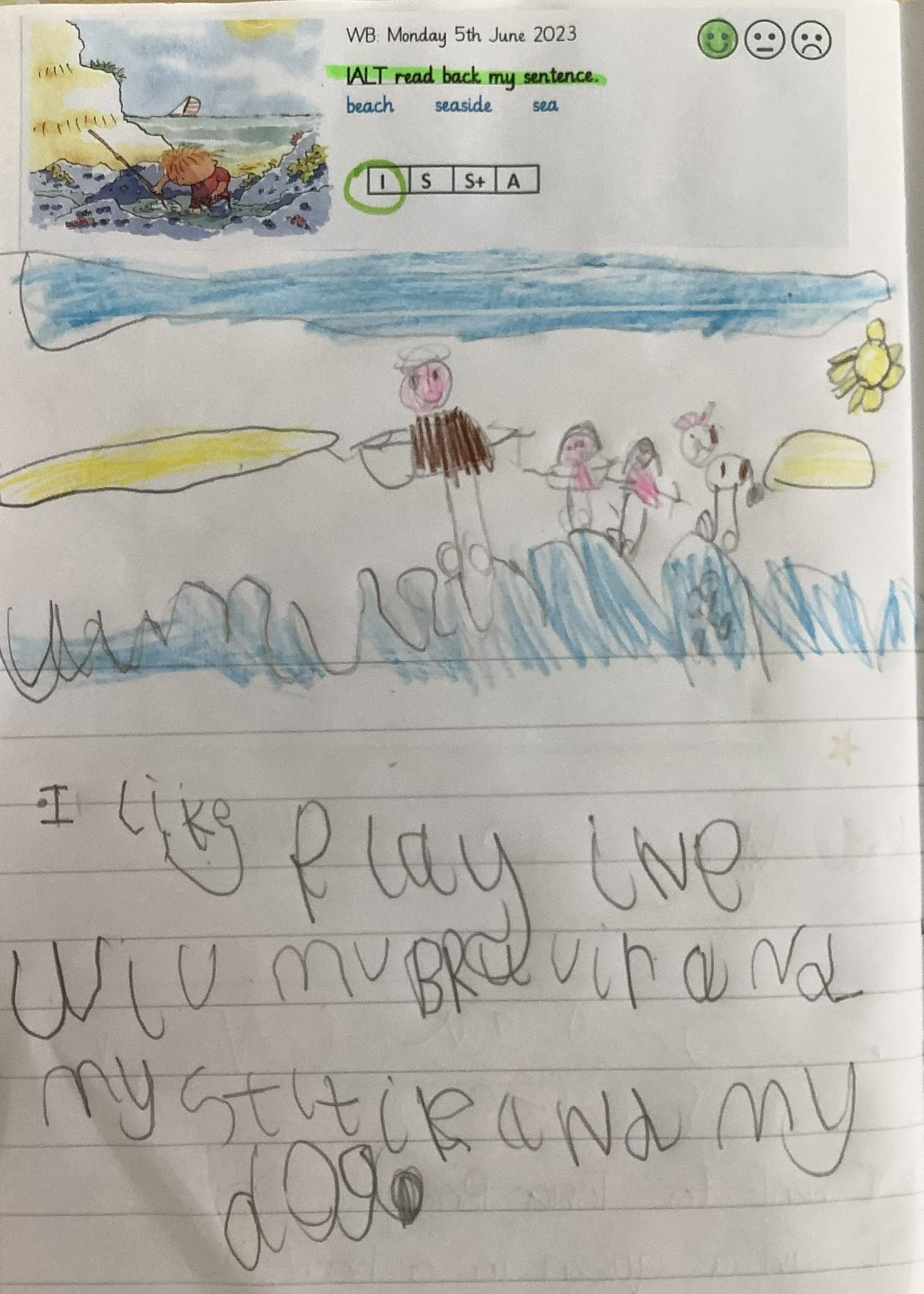
What do you like to do at the seaside?
After reading Sally and the Limpet we thought about all the things we liked doing at the seaside.
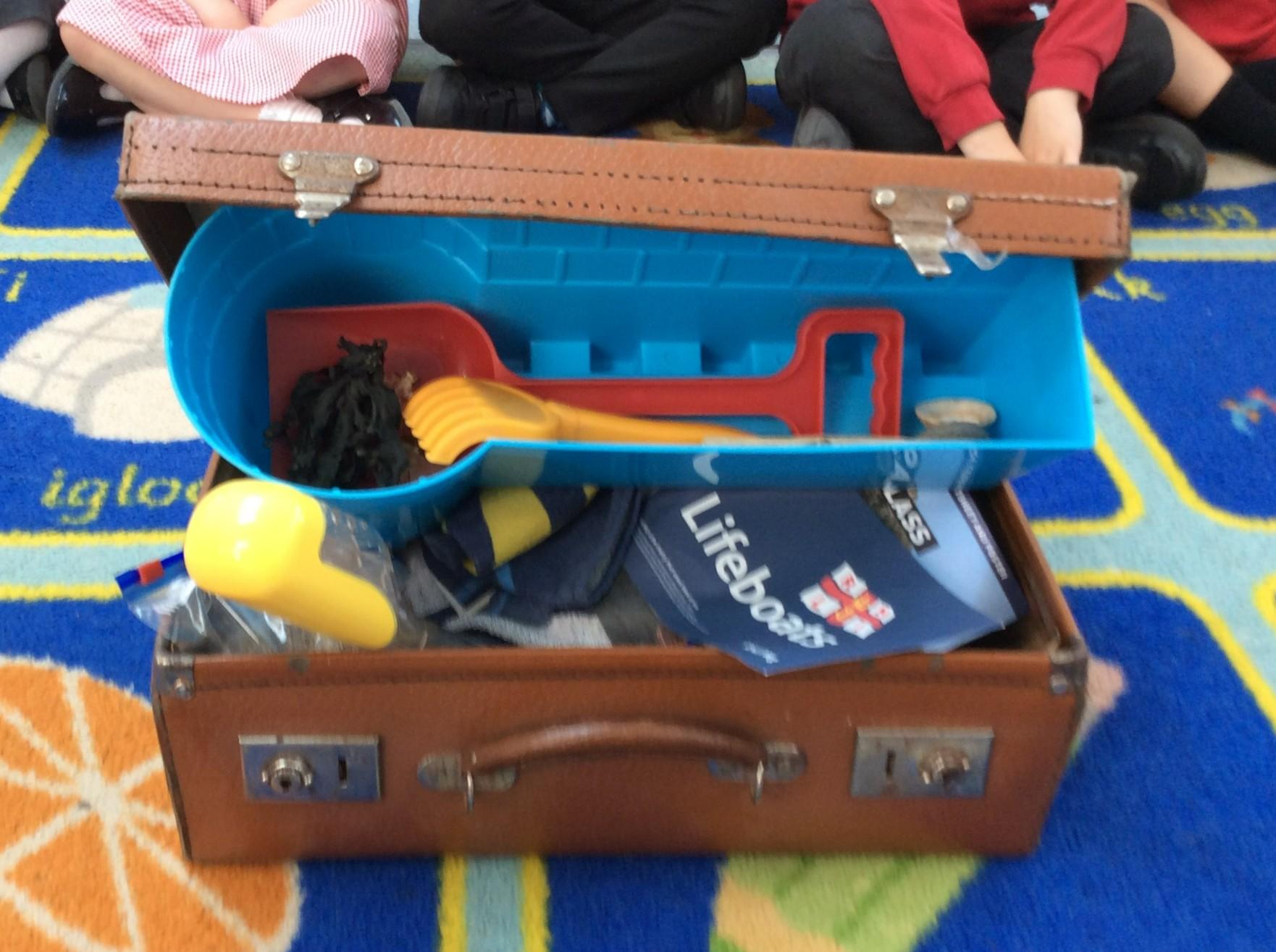
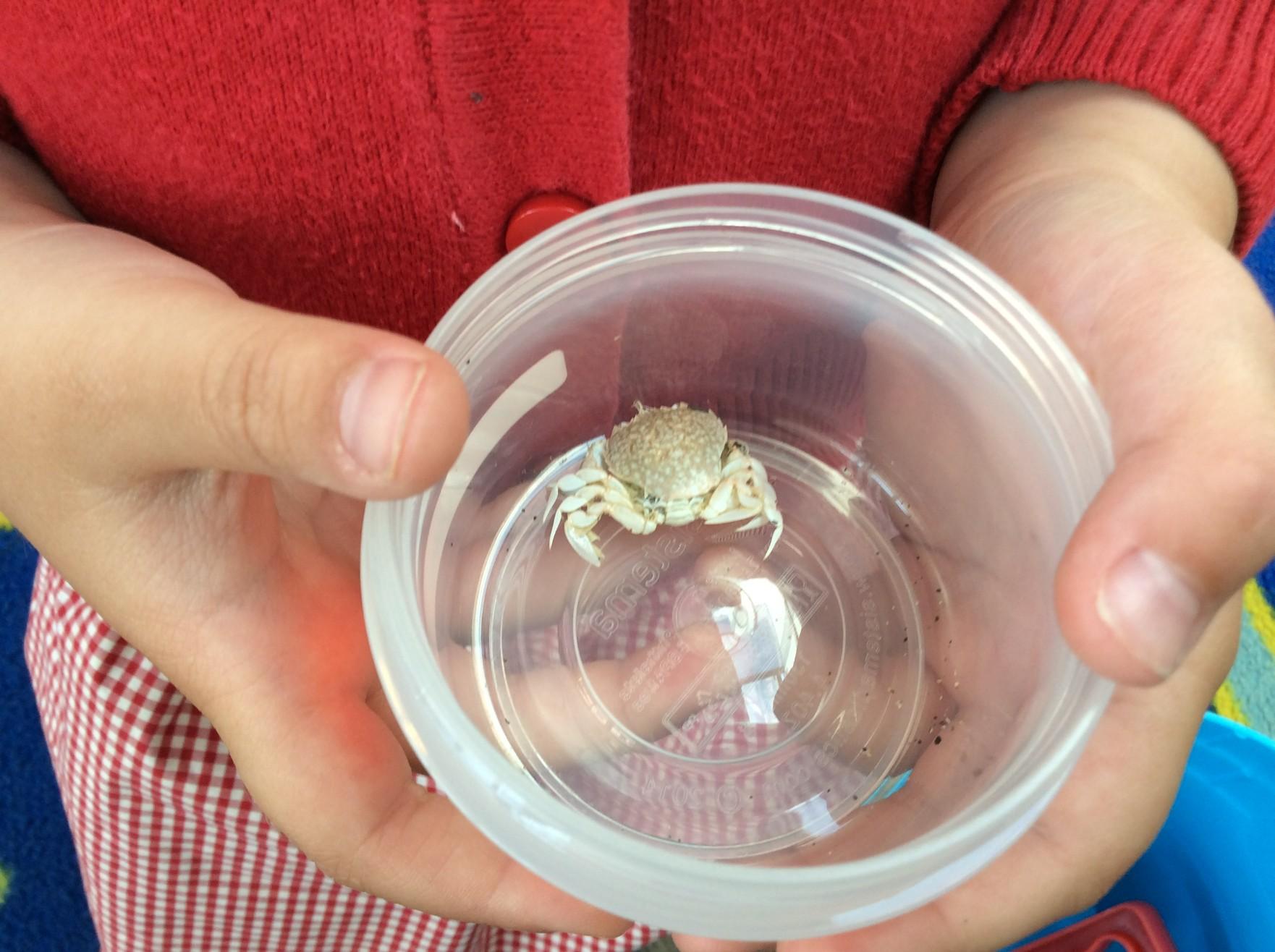
Exploring the items in our 'talking tub'
What would you like to learn about?
Over the next few weeks we will be learning about the mini themes we discussed
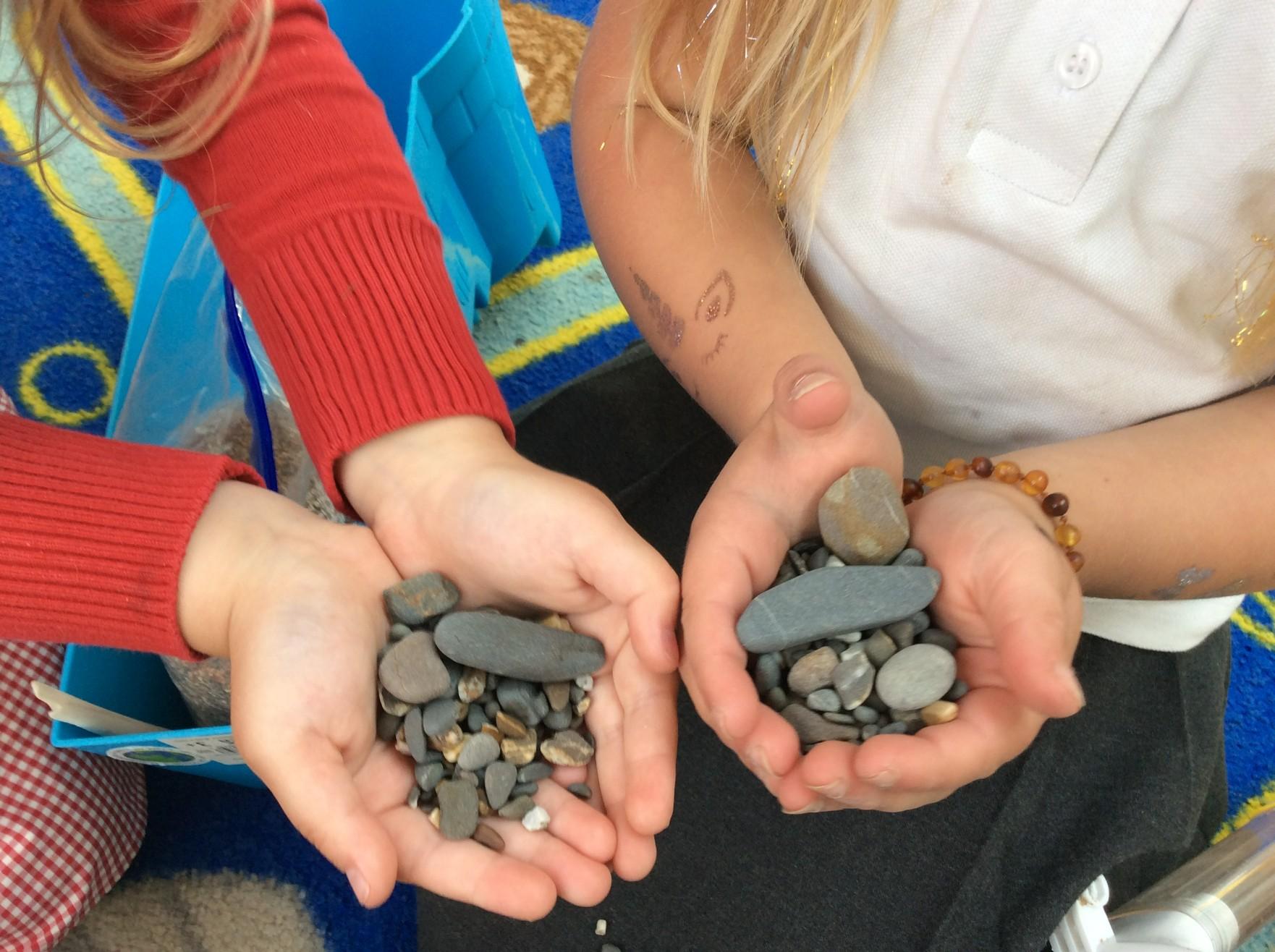
We used our senses to help us describe the items.
Please enjoy our rich learning from Summer 1
 |
New Link |
| Summer 1 |
What we have been learning
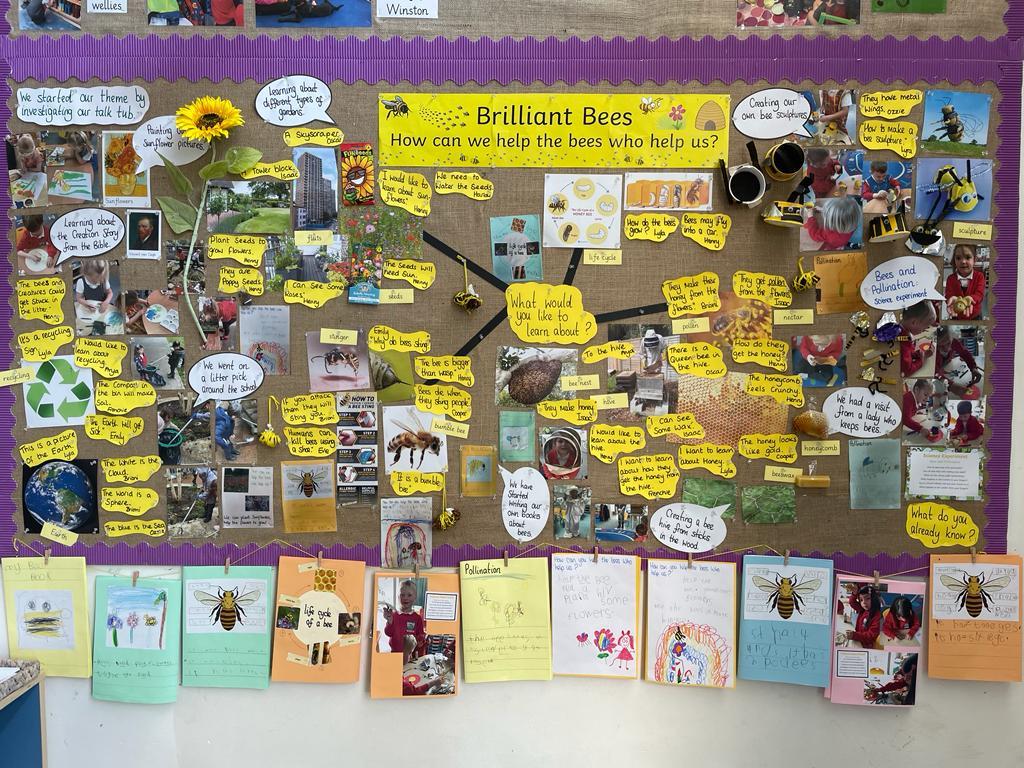
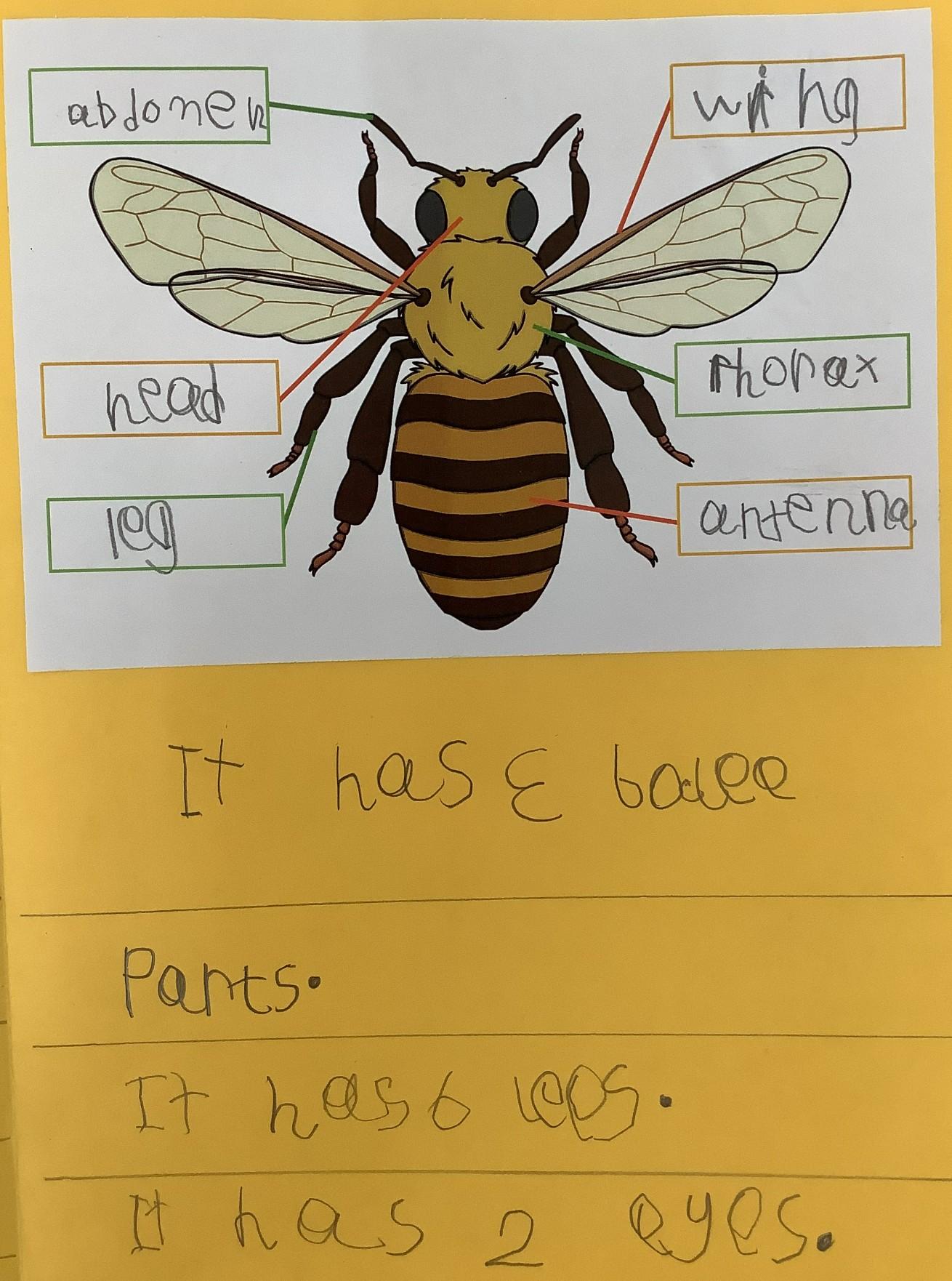
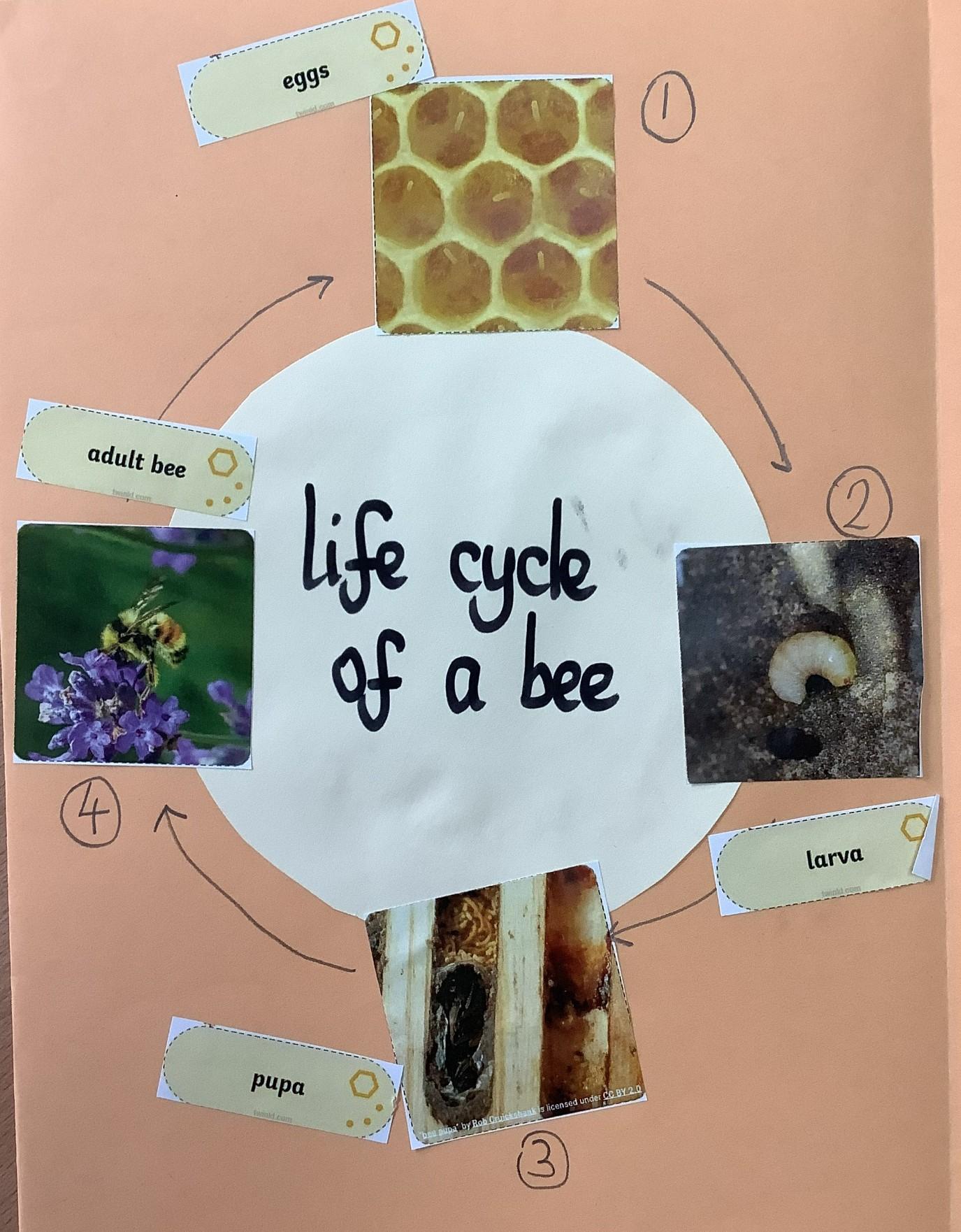
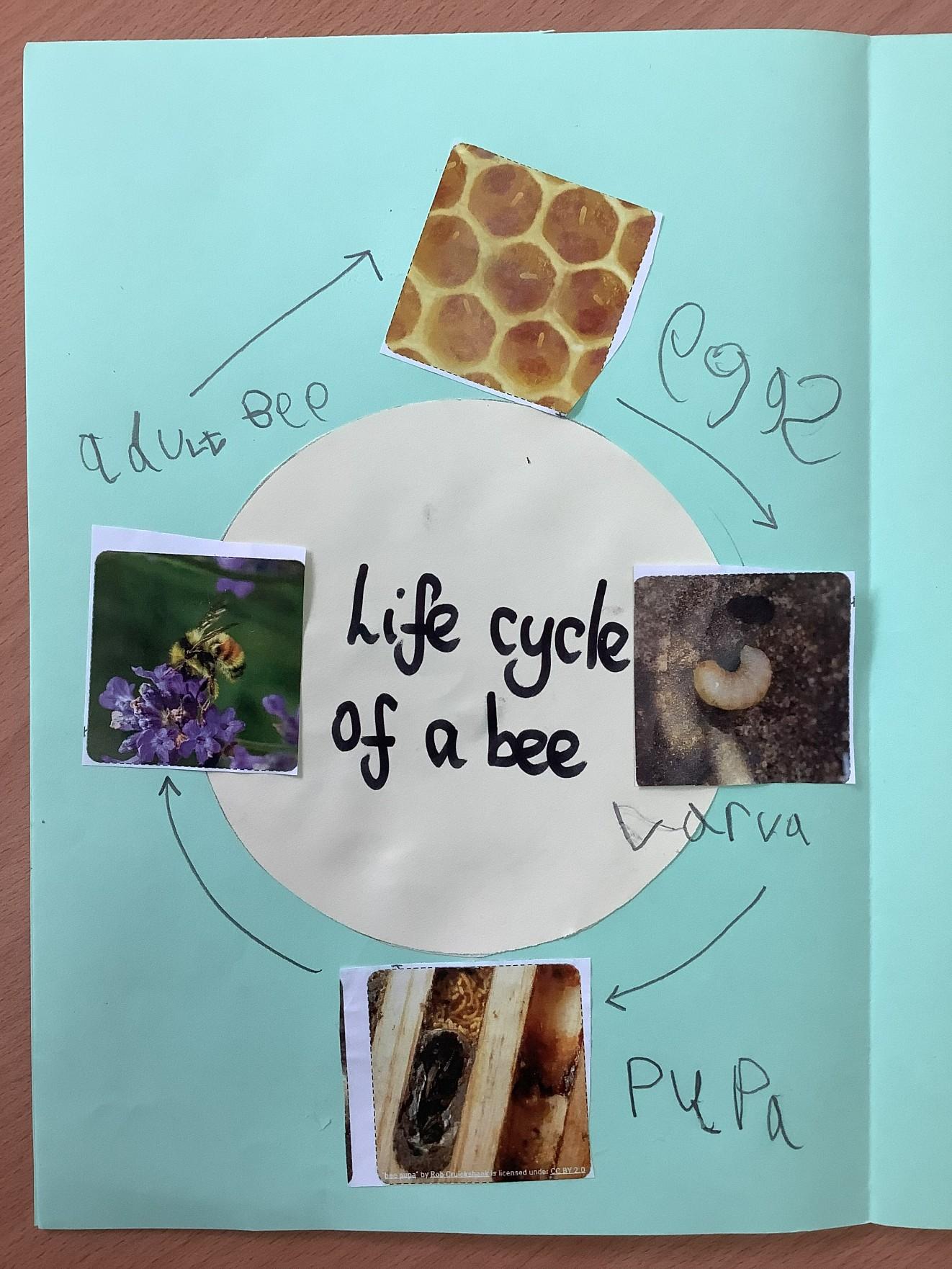
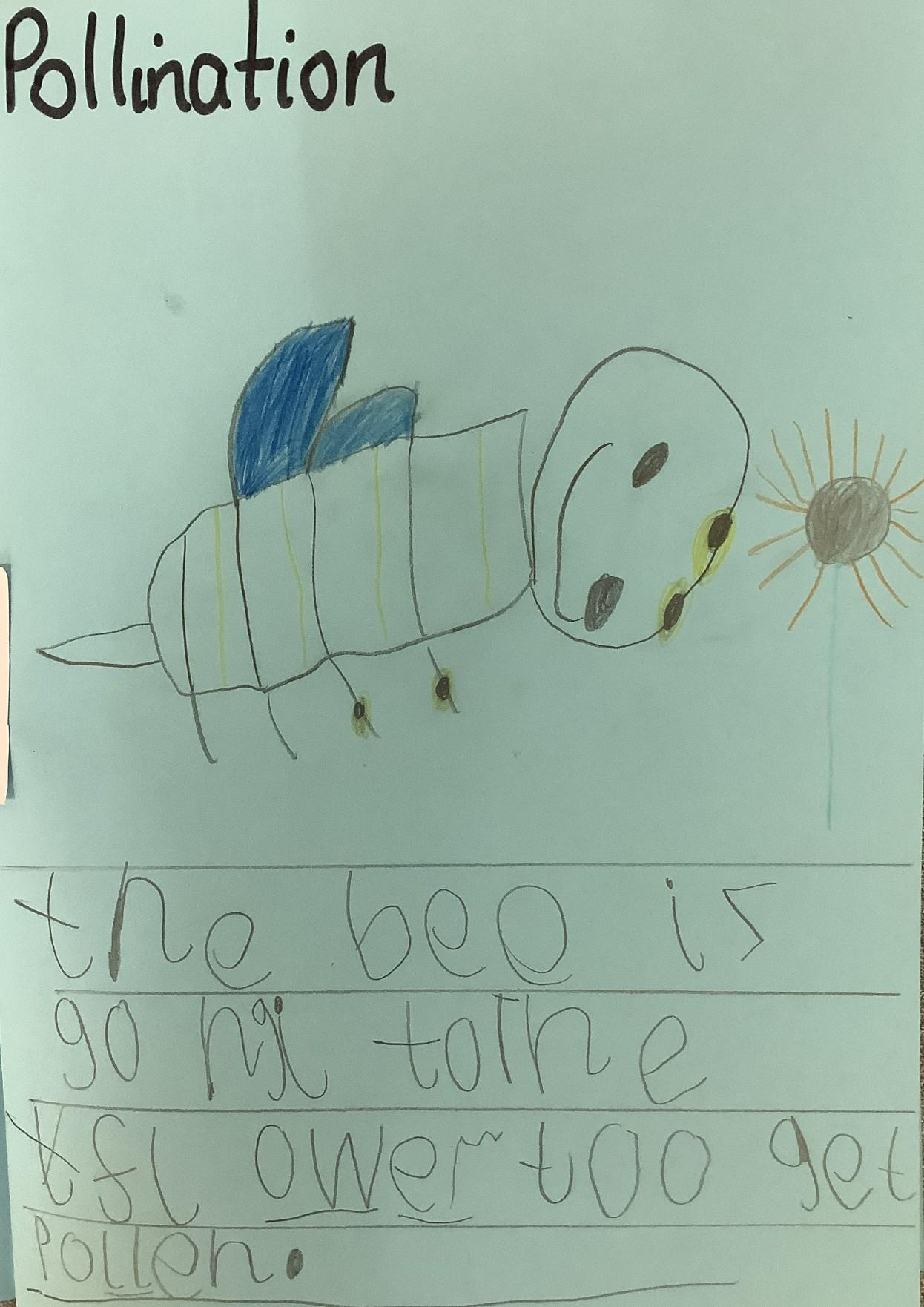
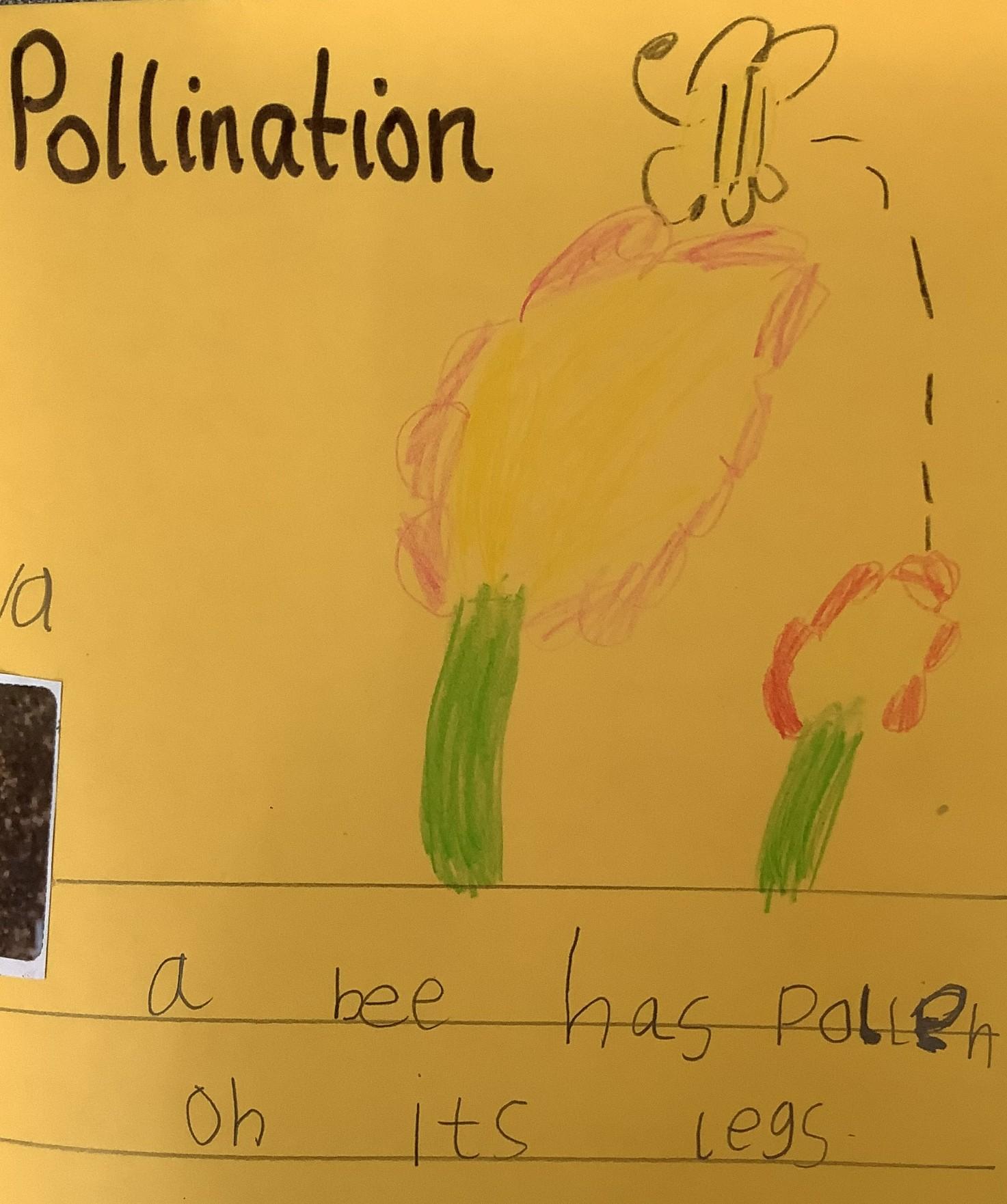
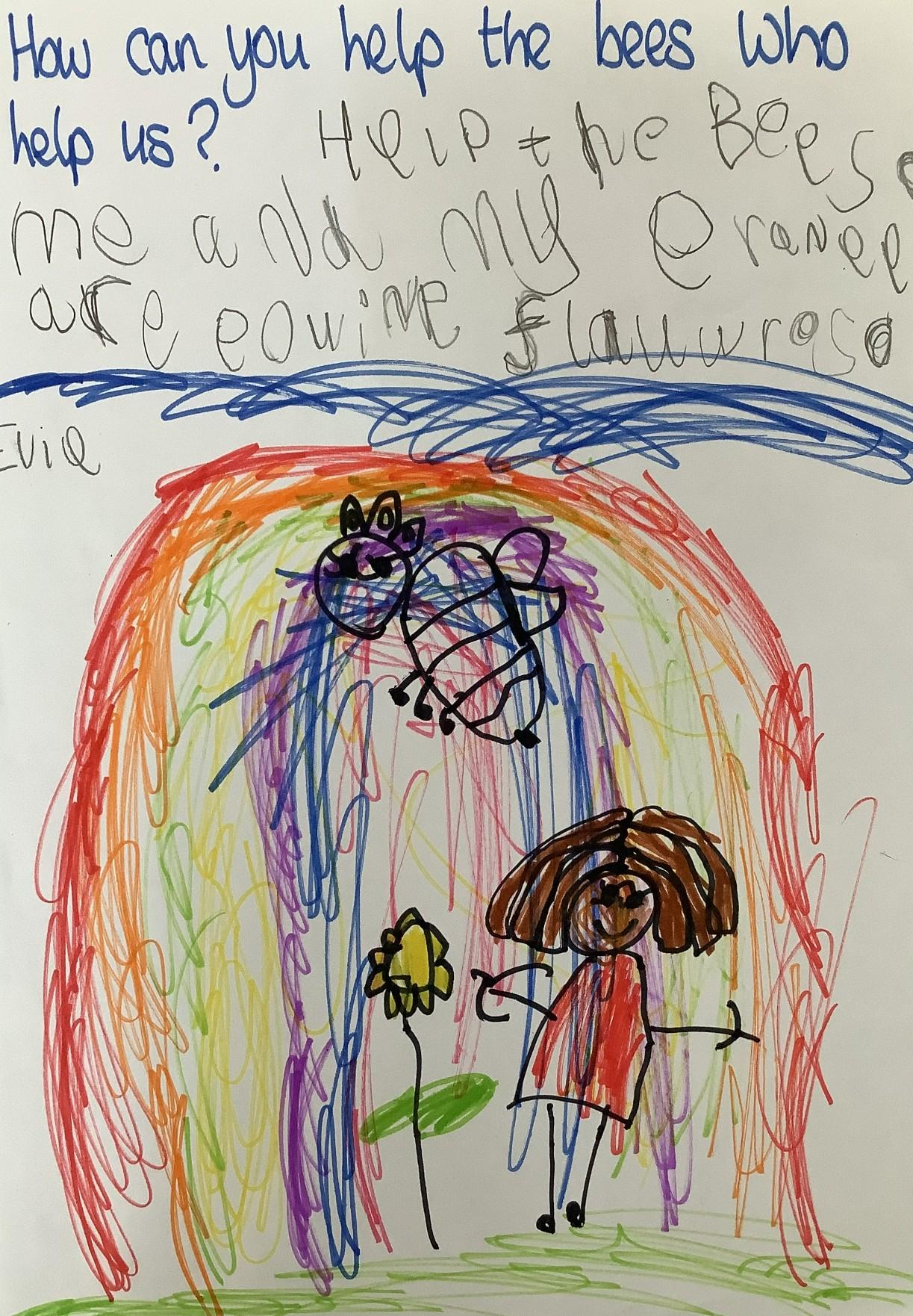
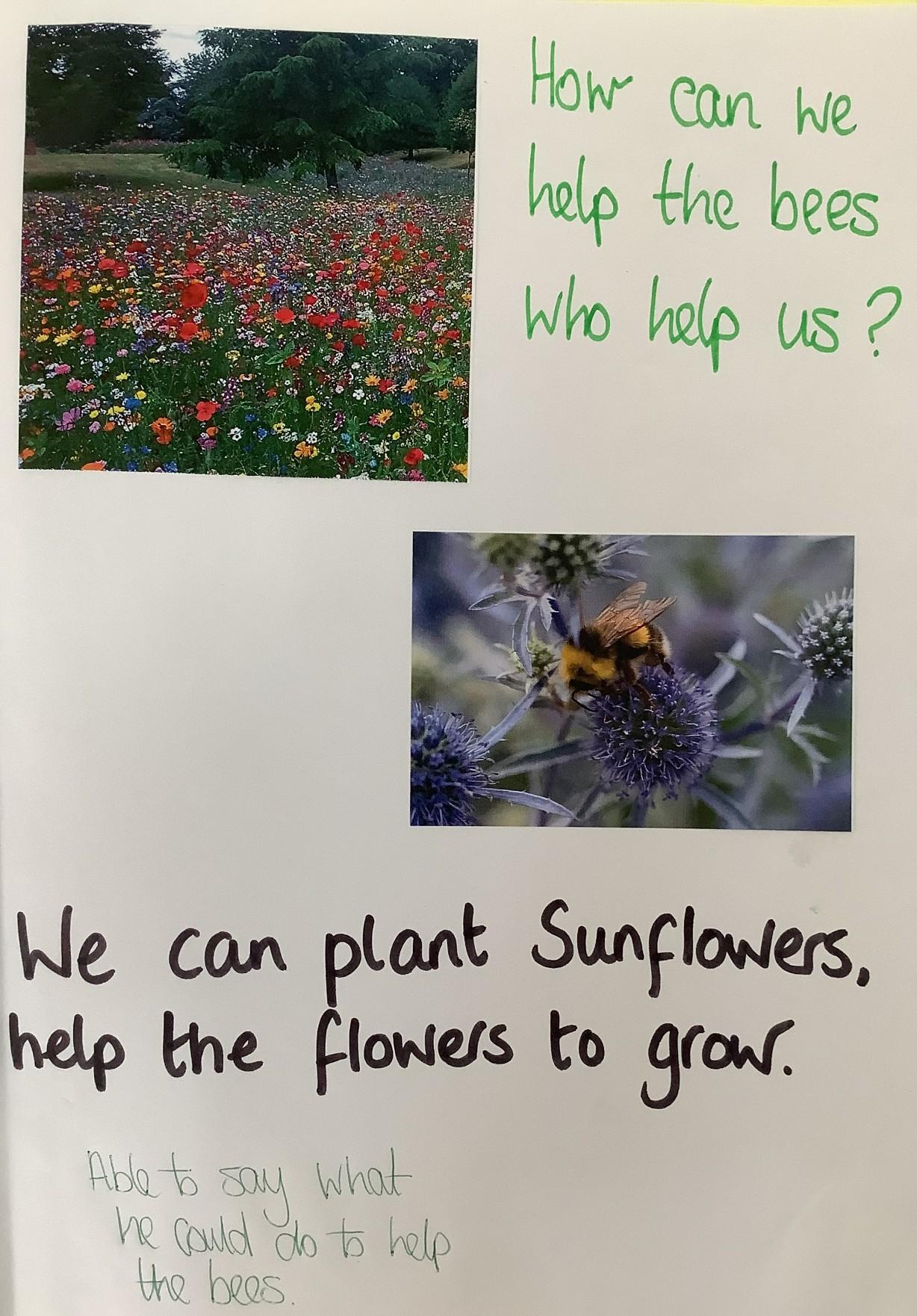
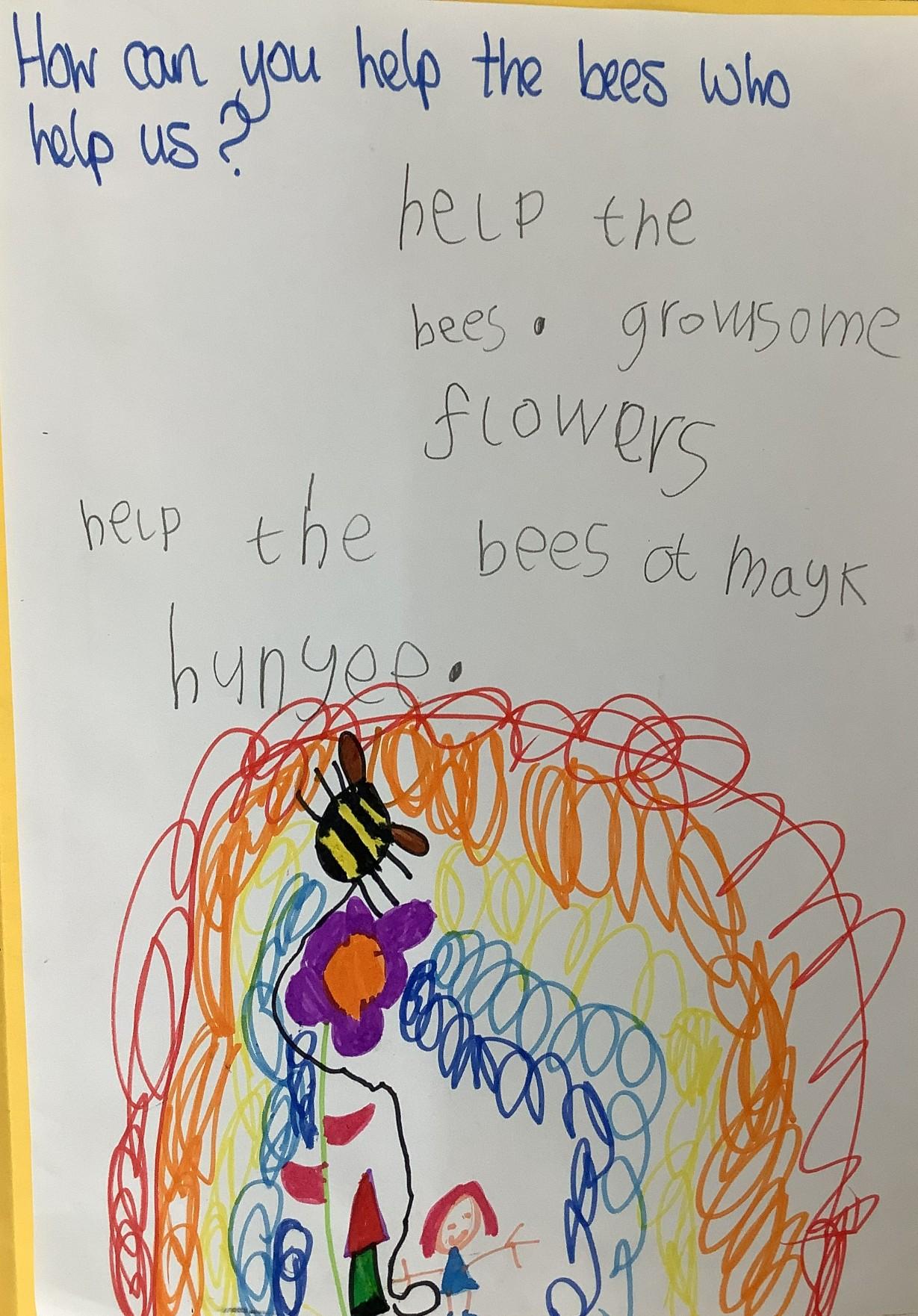
Our completed 'Bee Books'
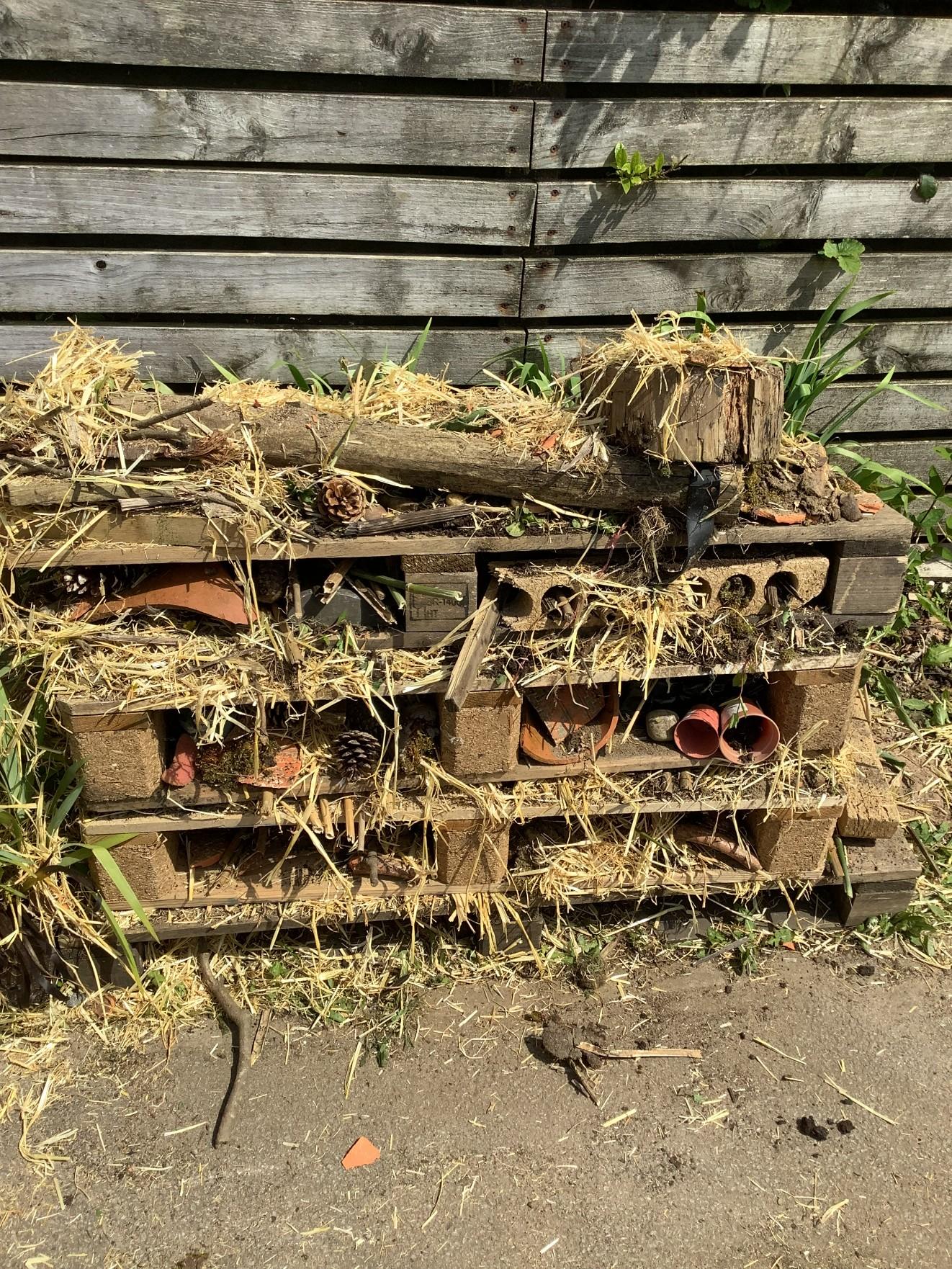
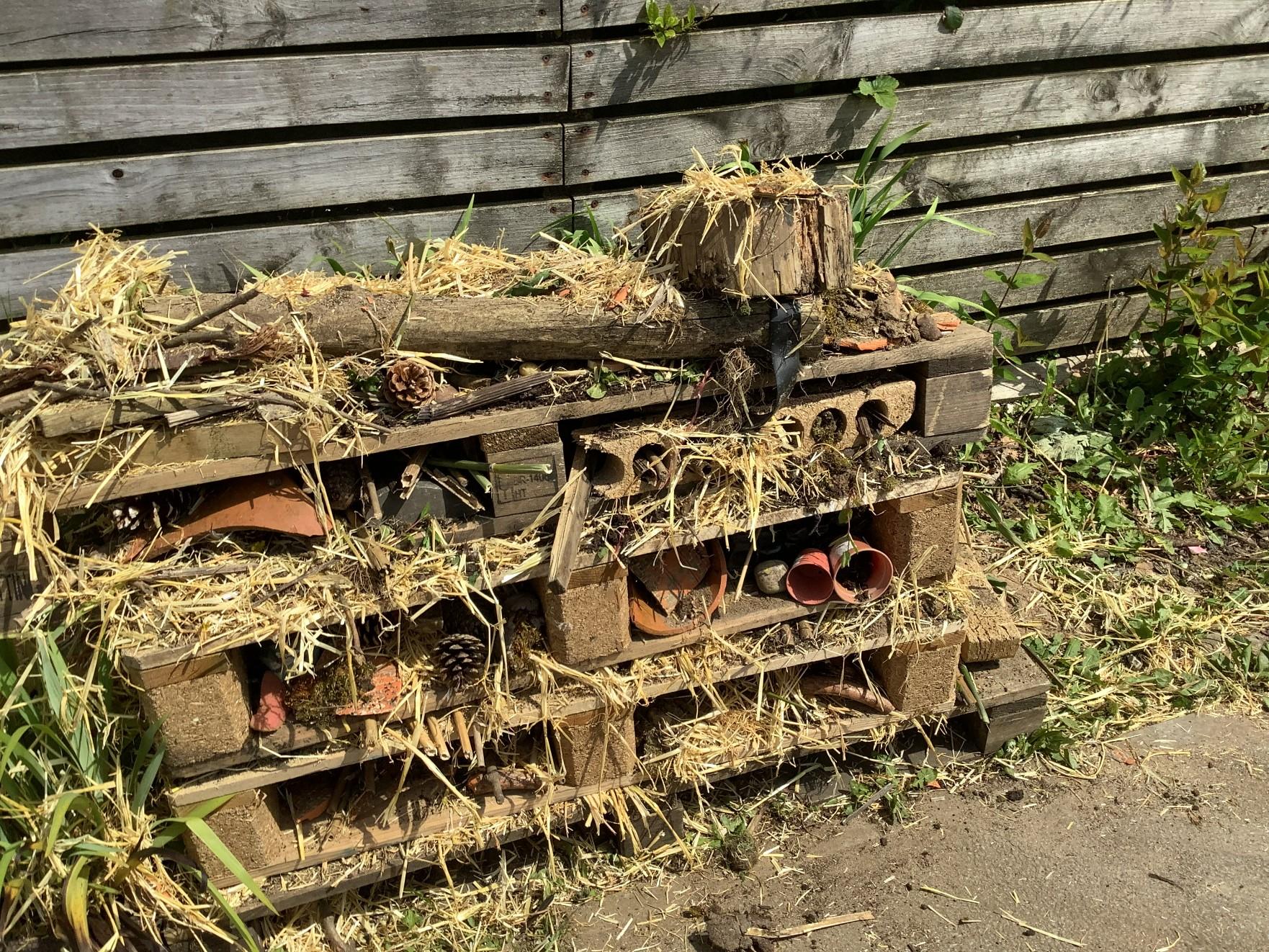
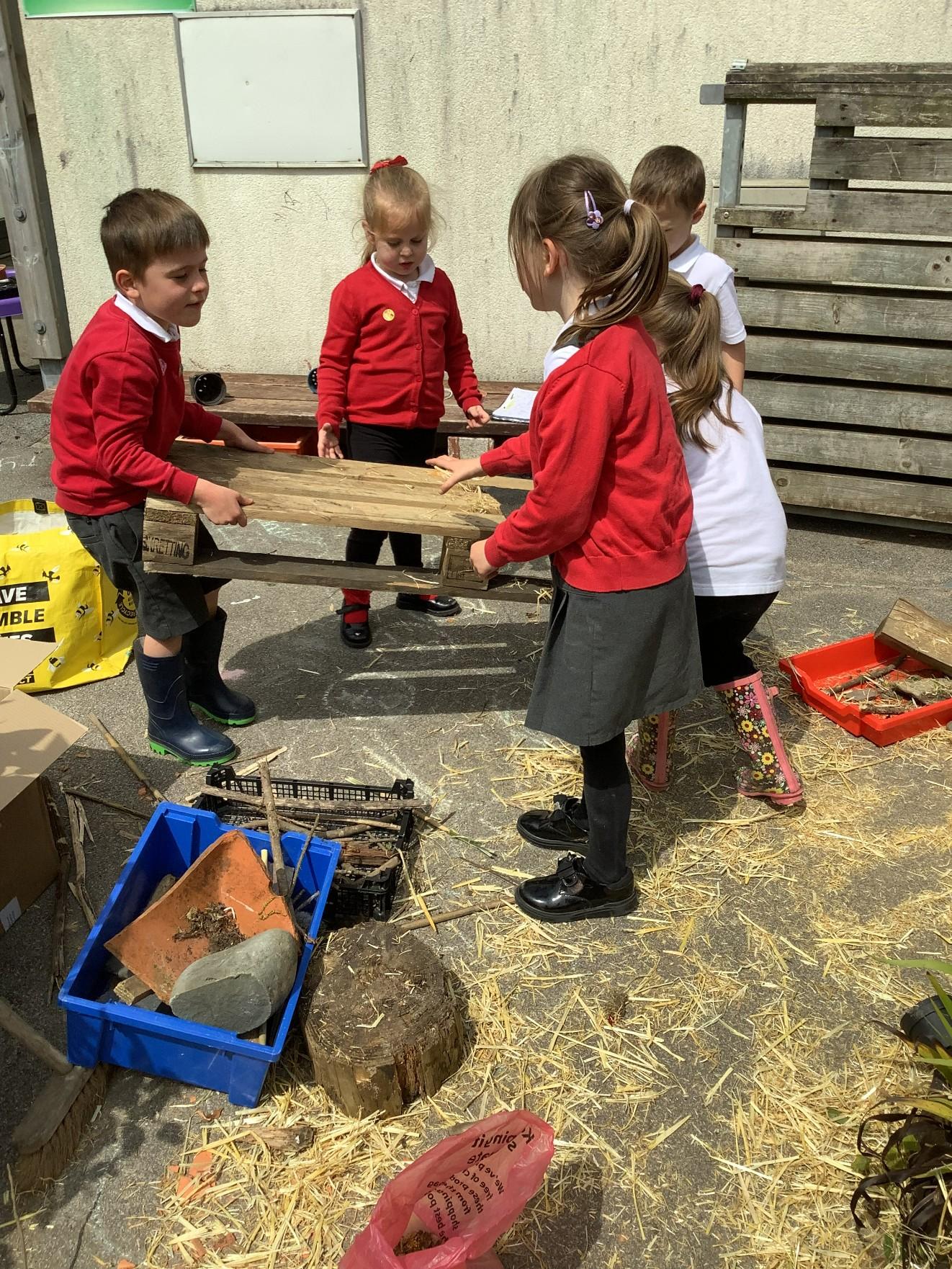
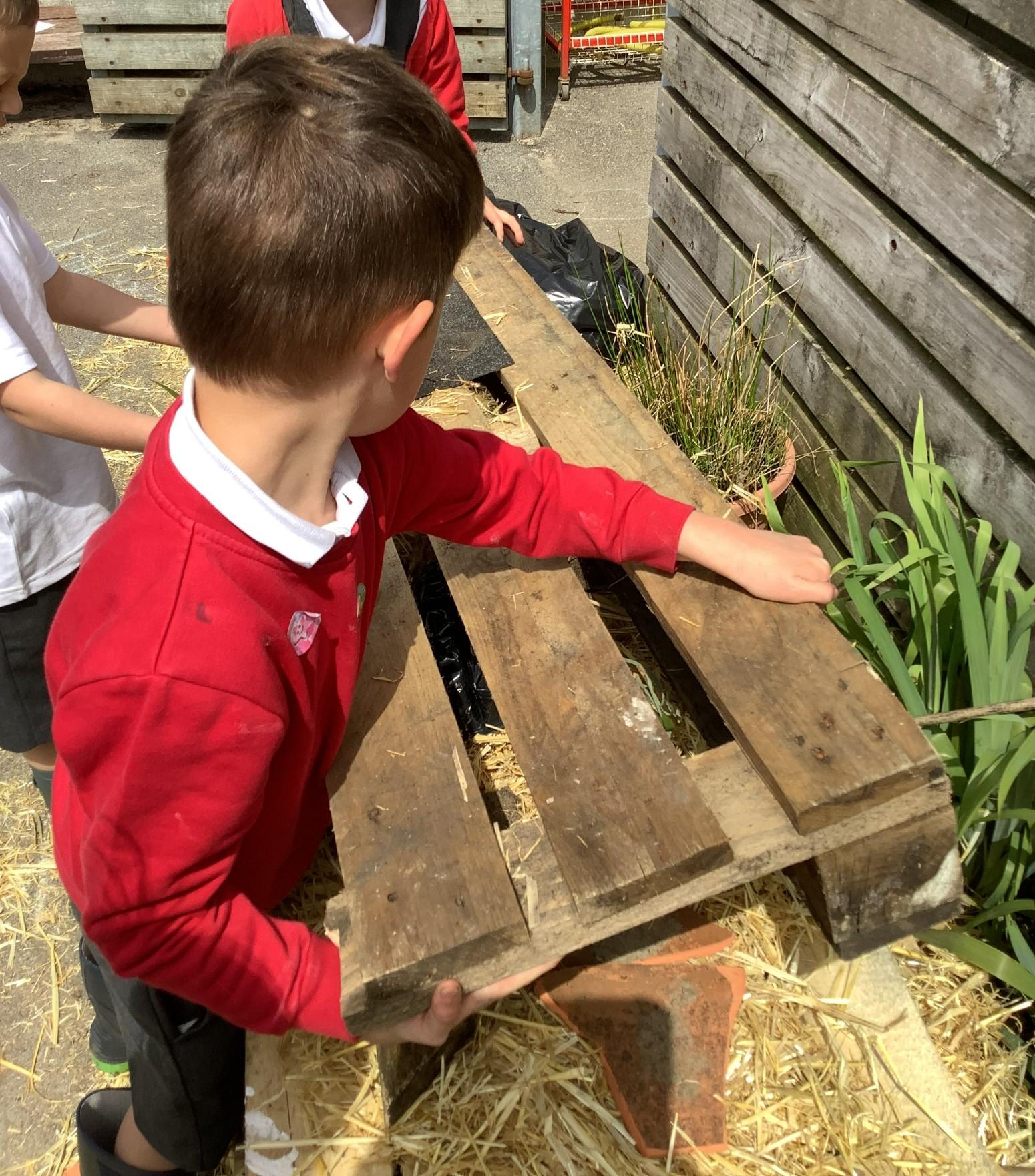
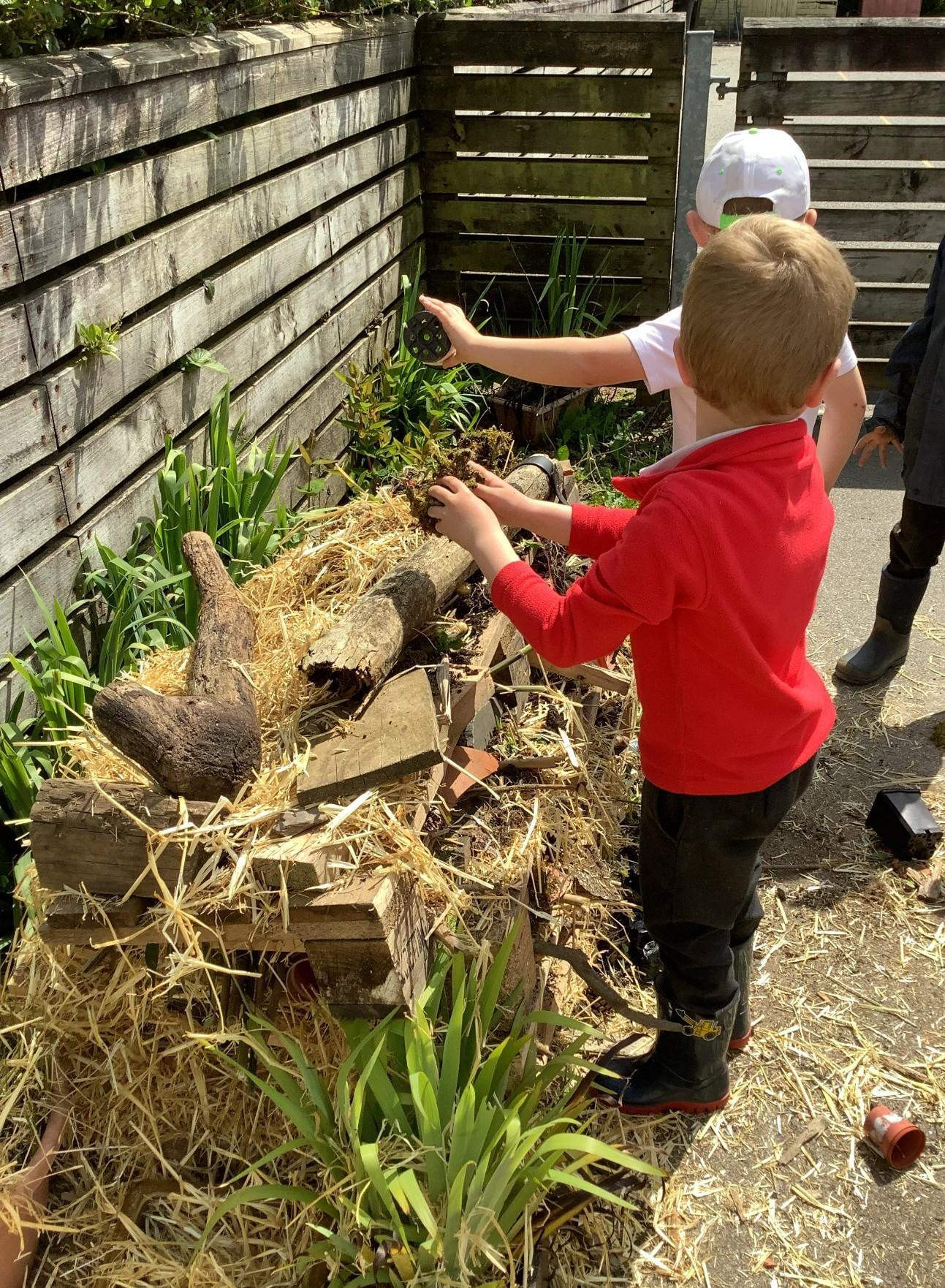
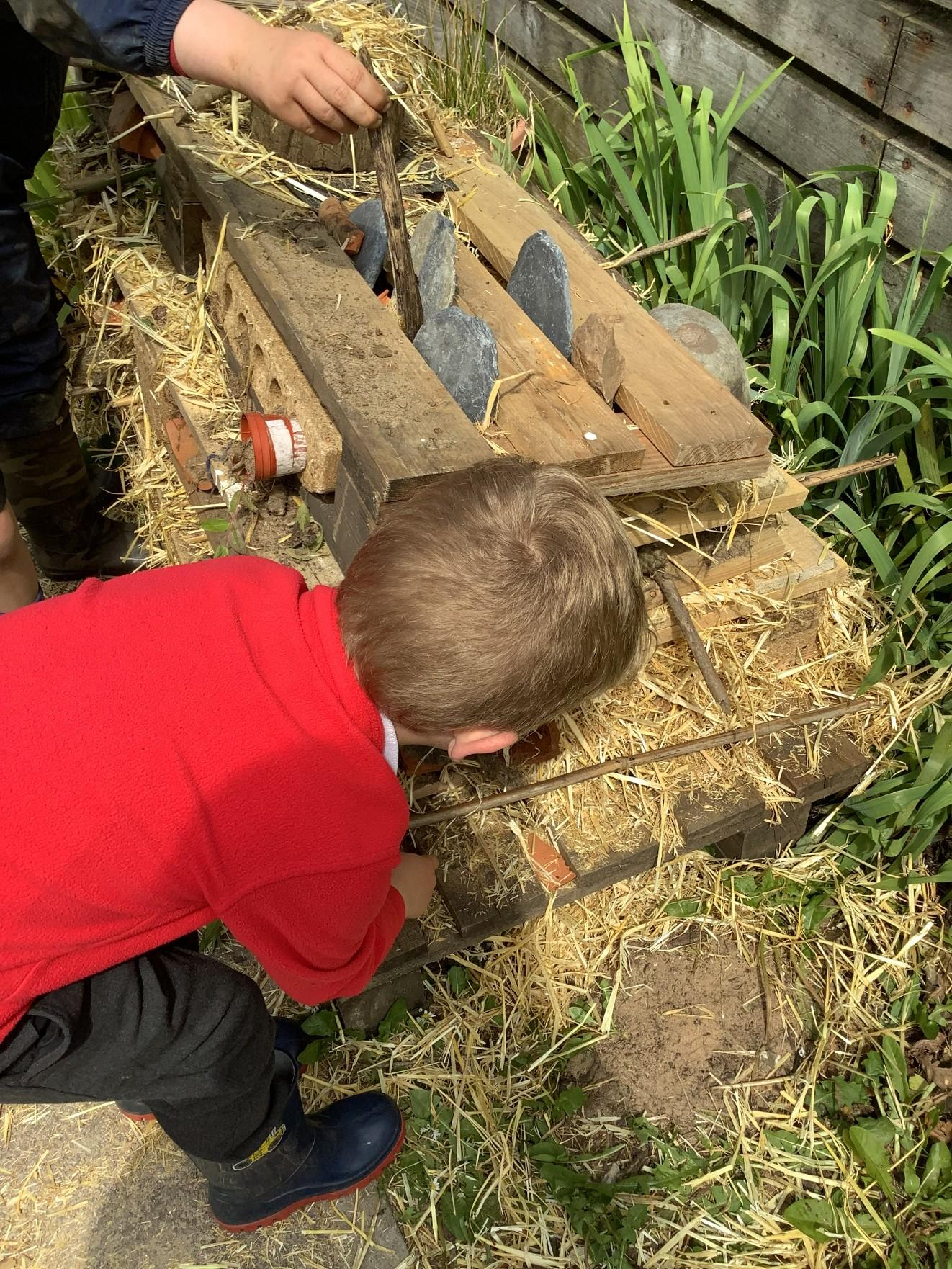
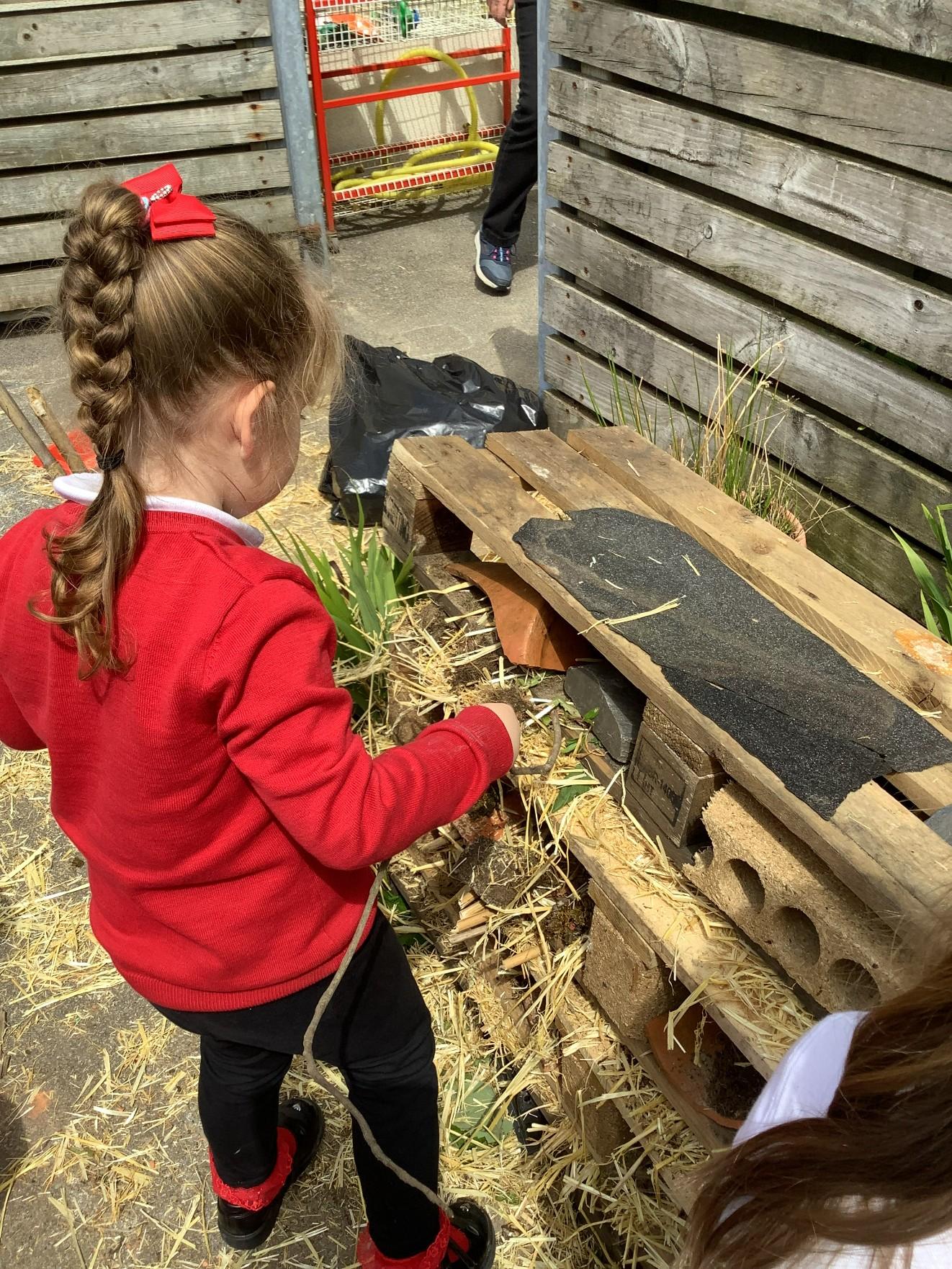
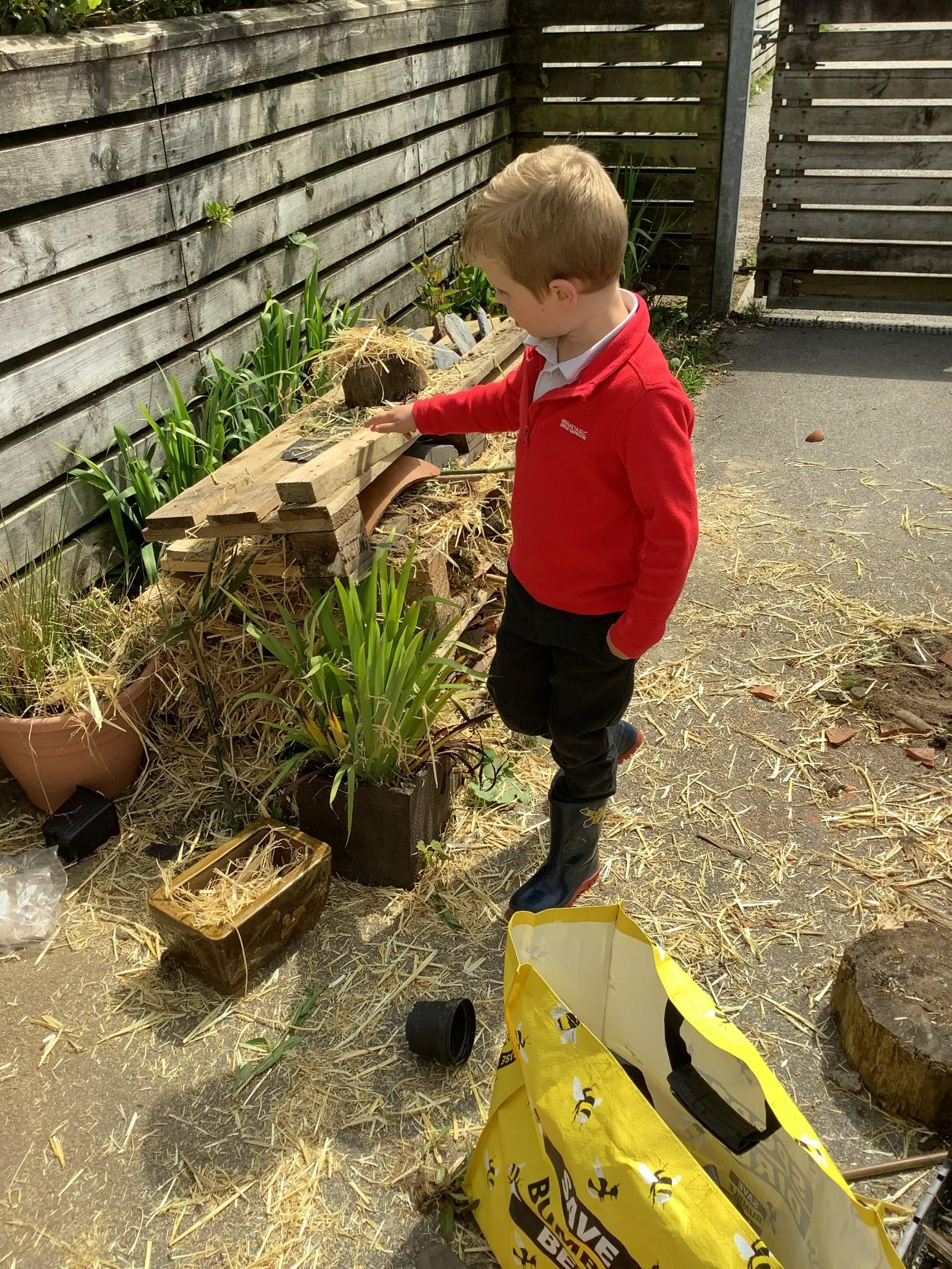
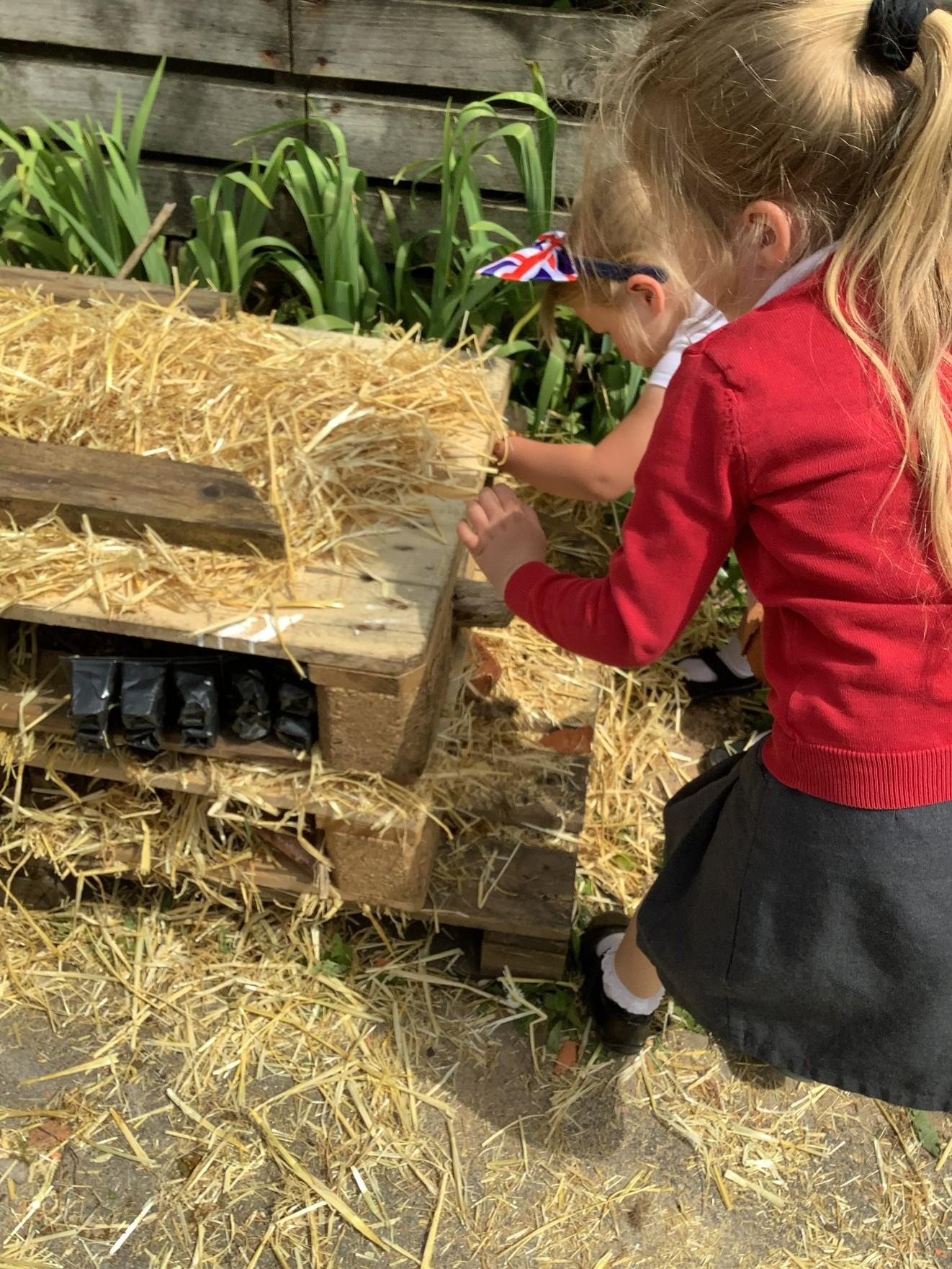
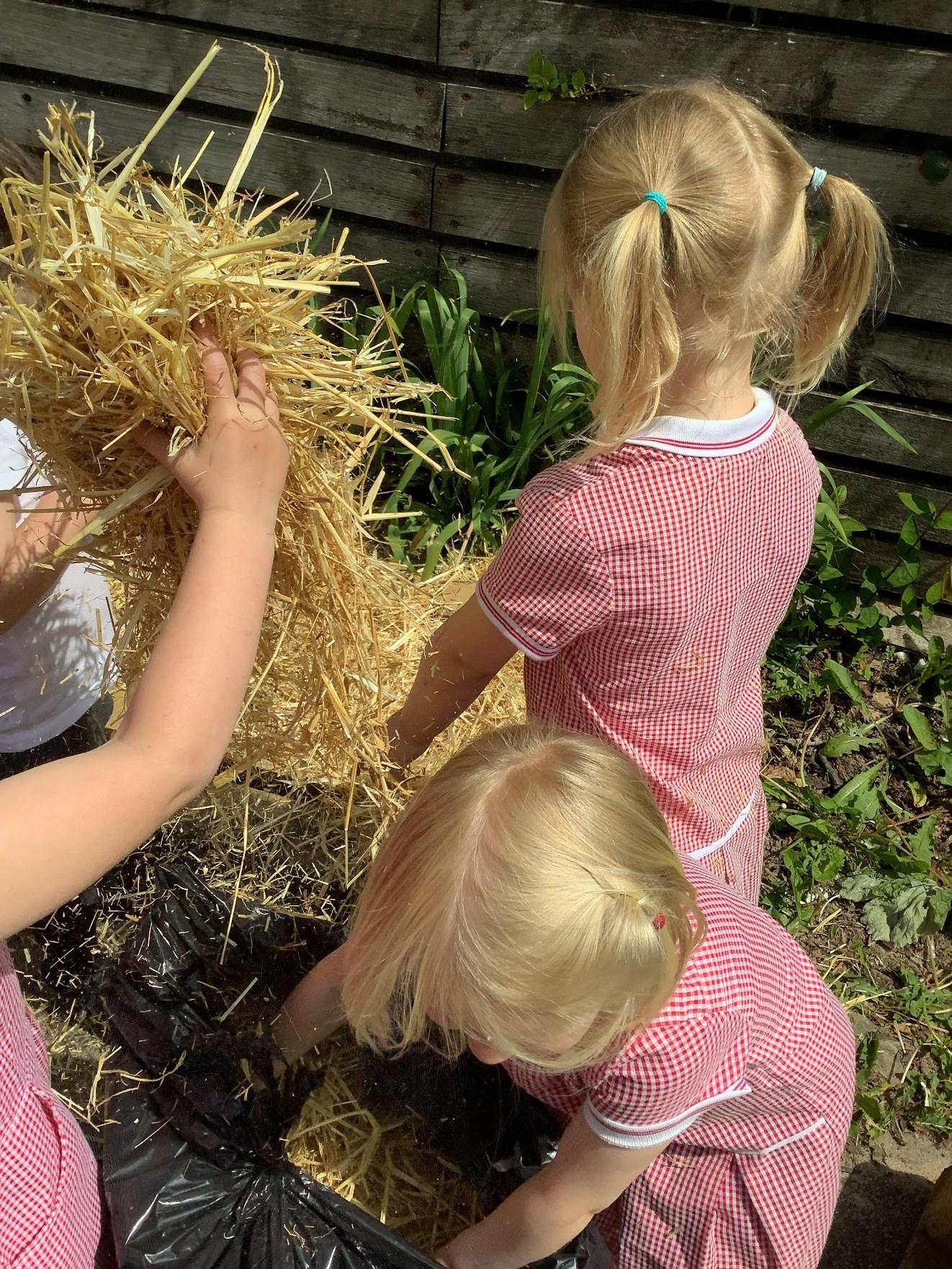
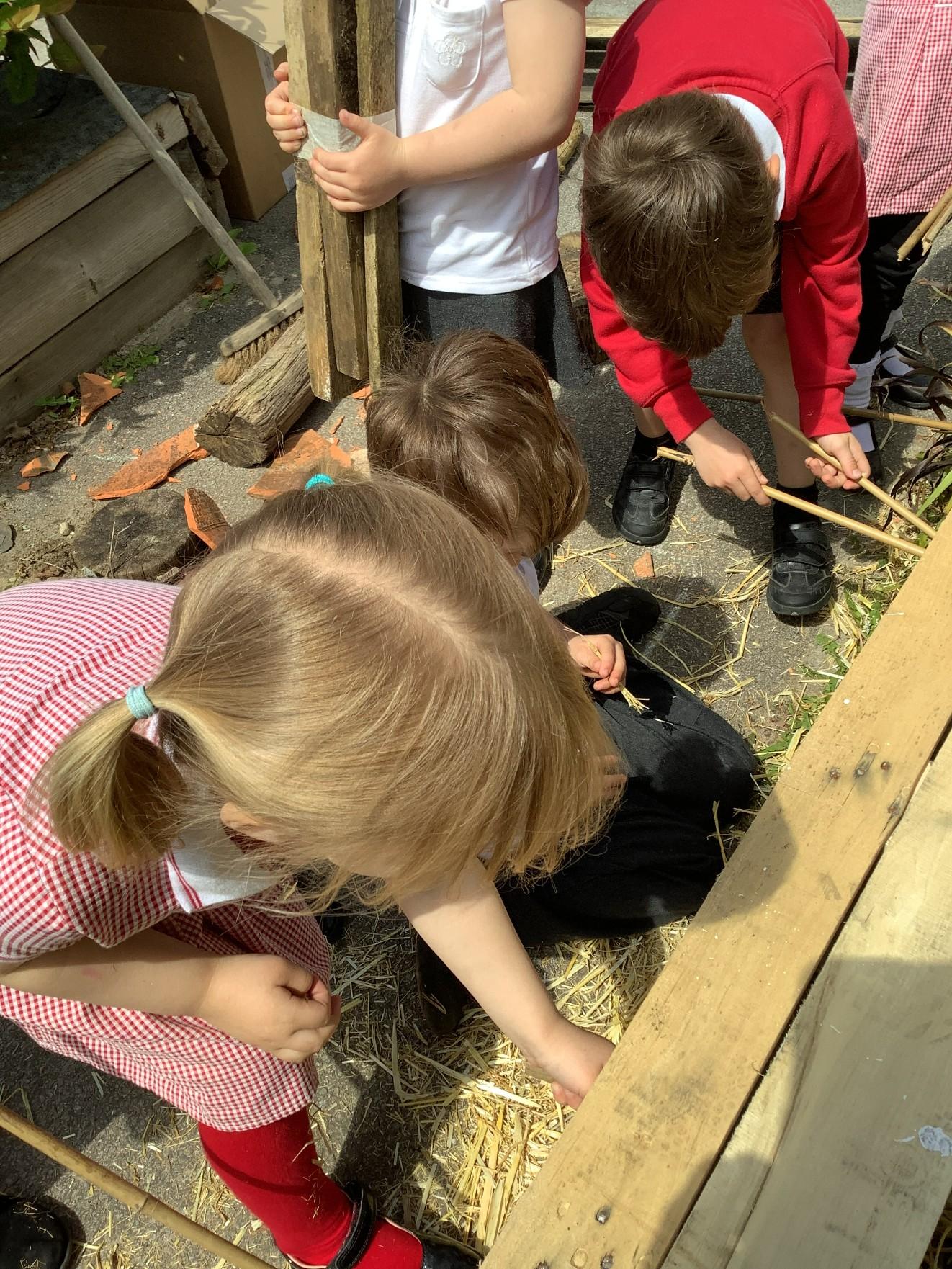
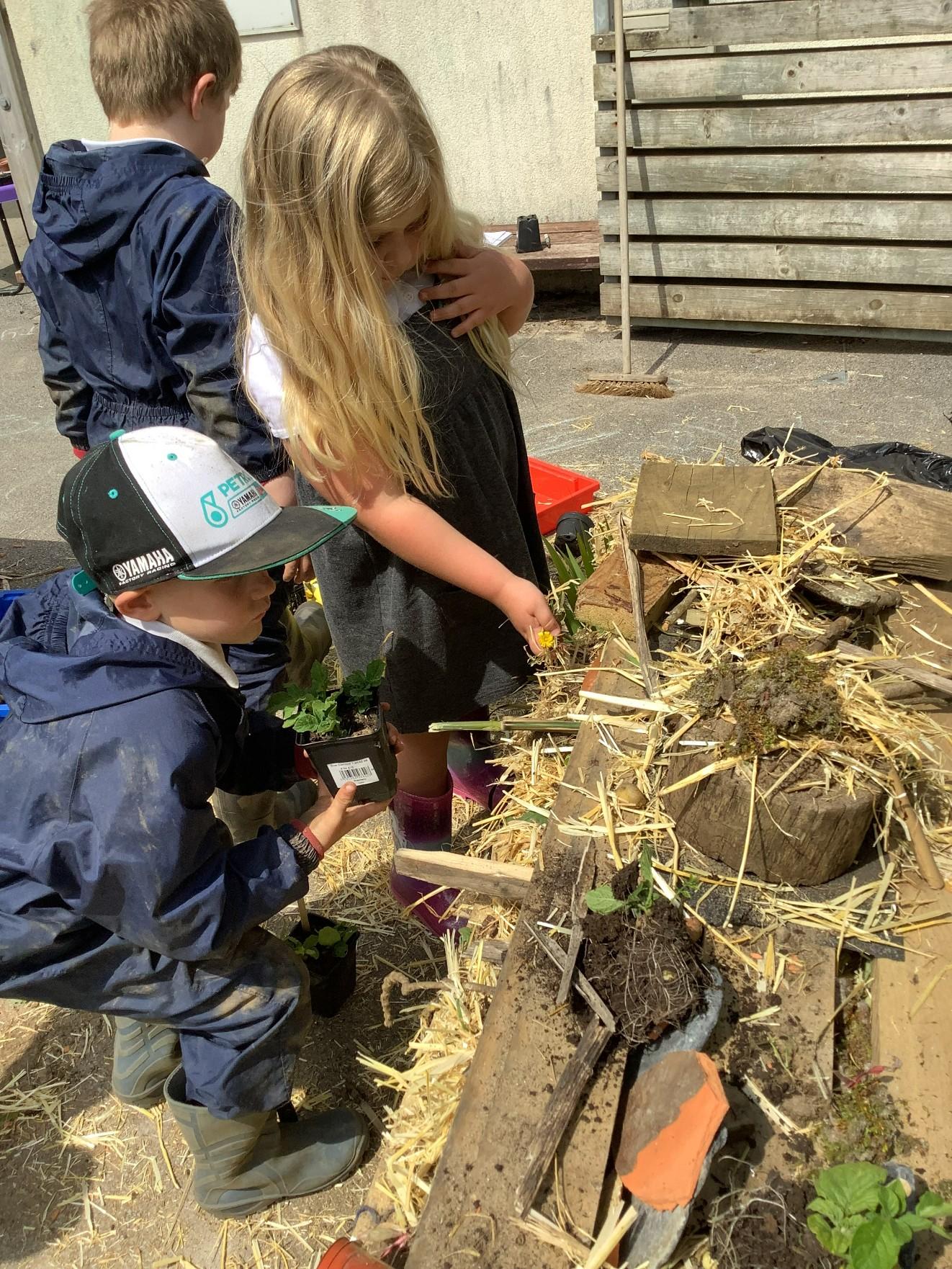
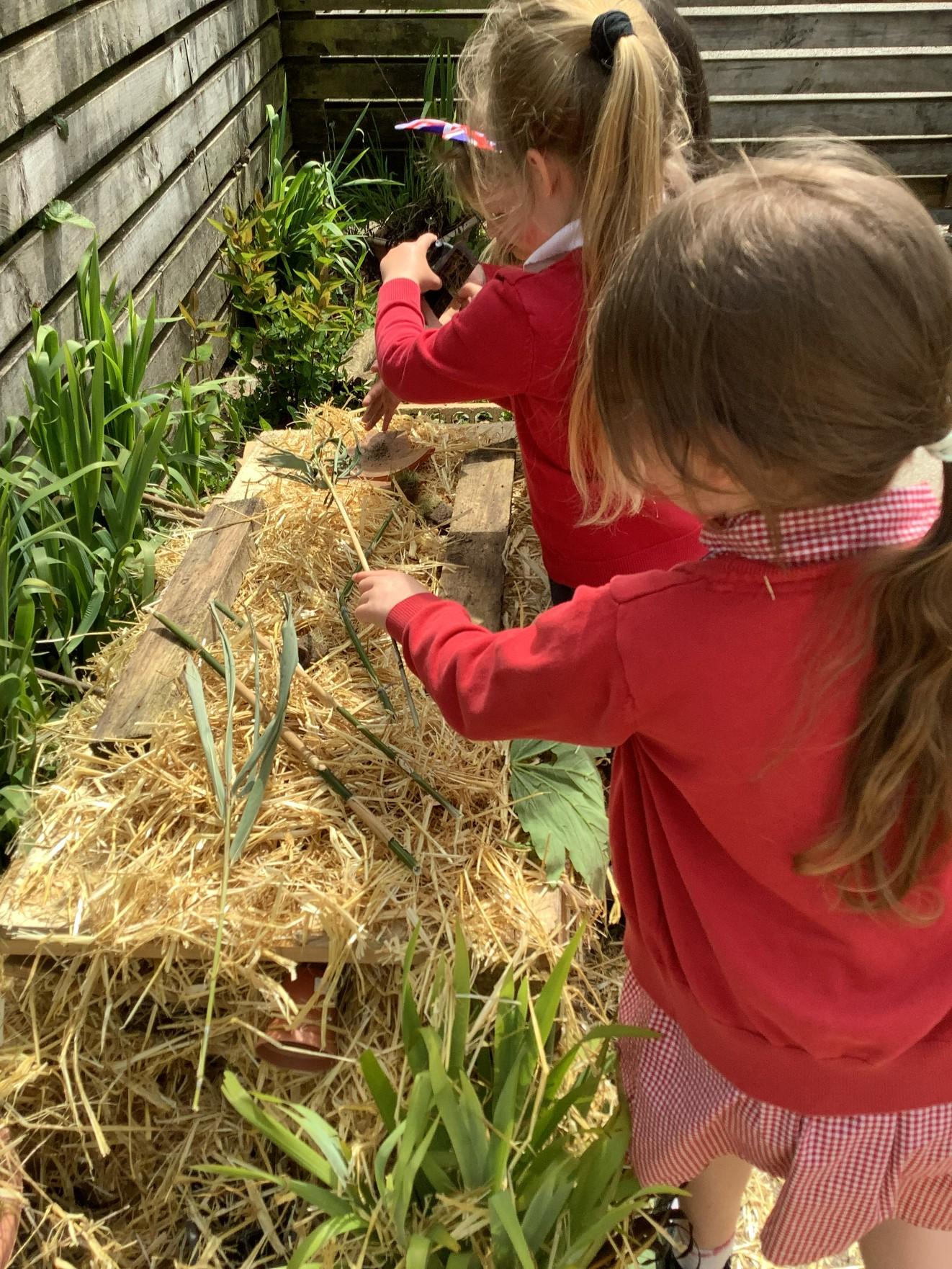
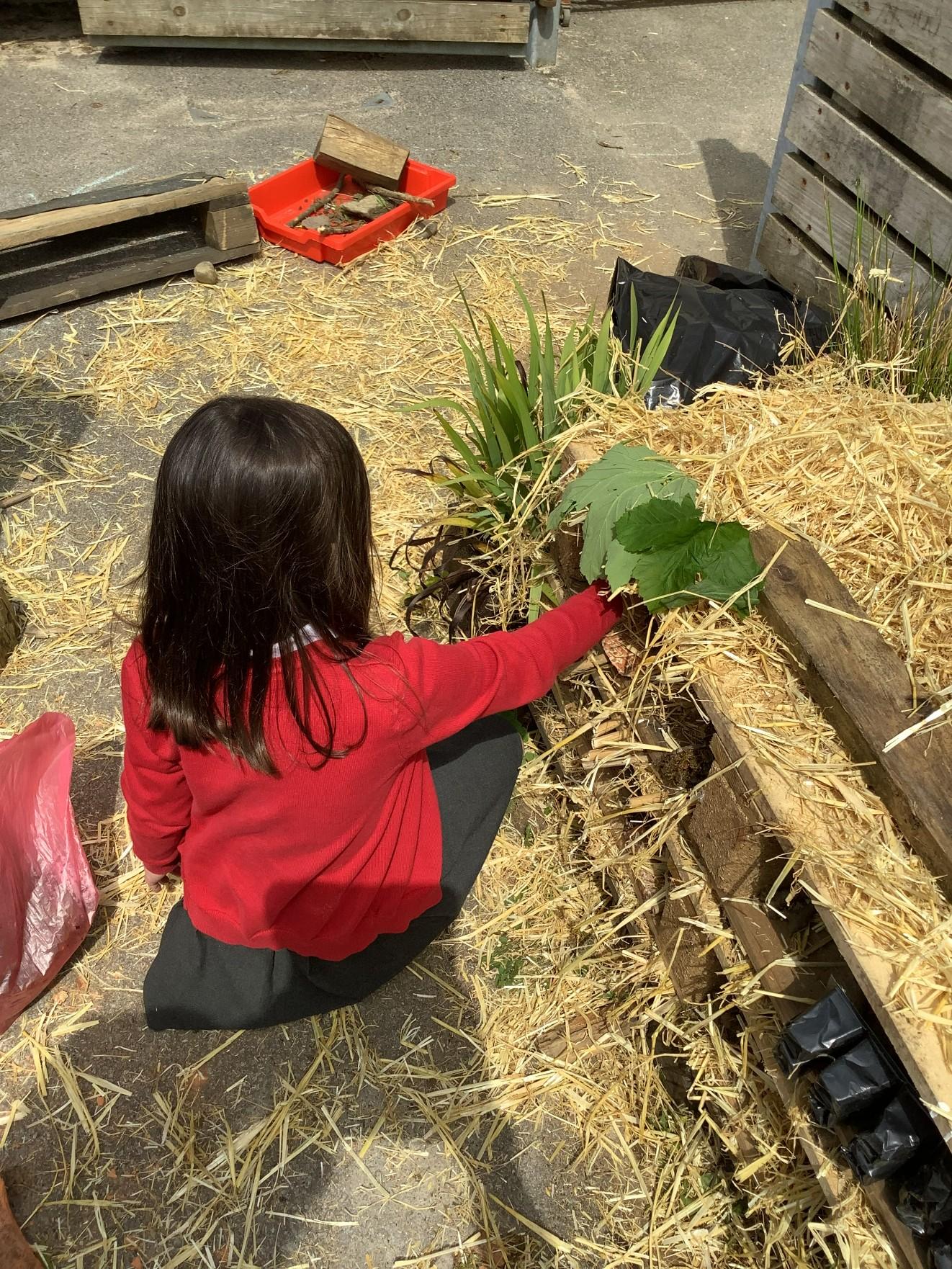
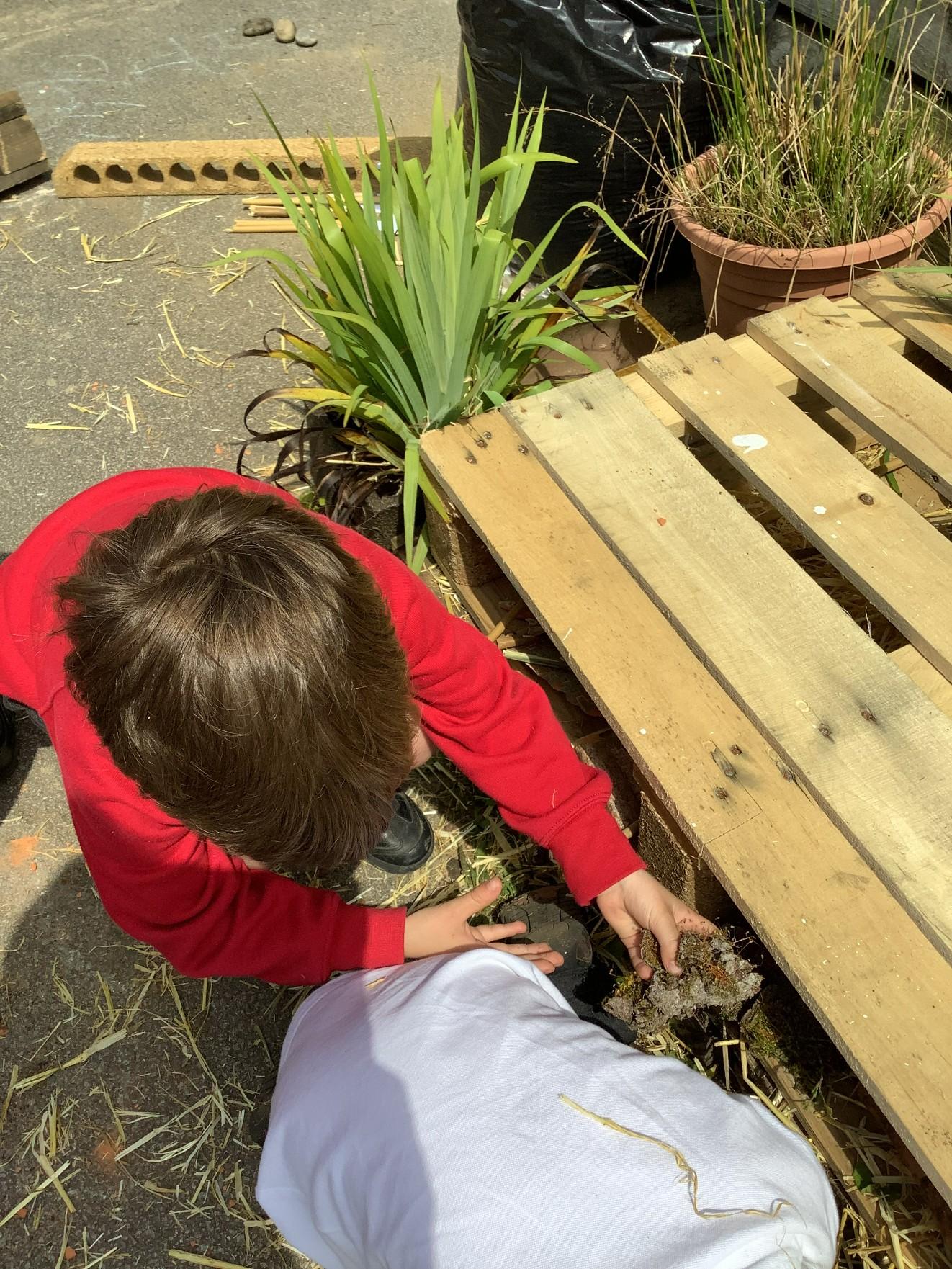
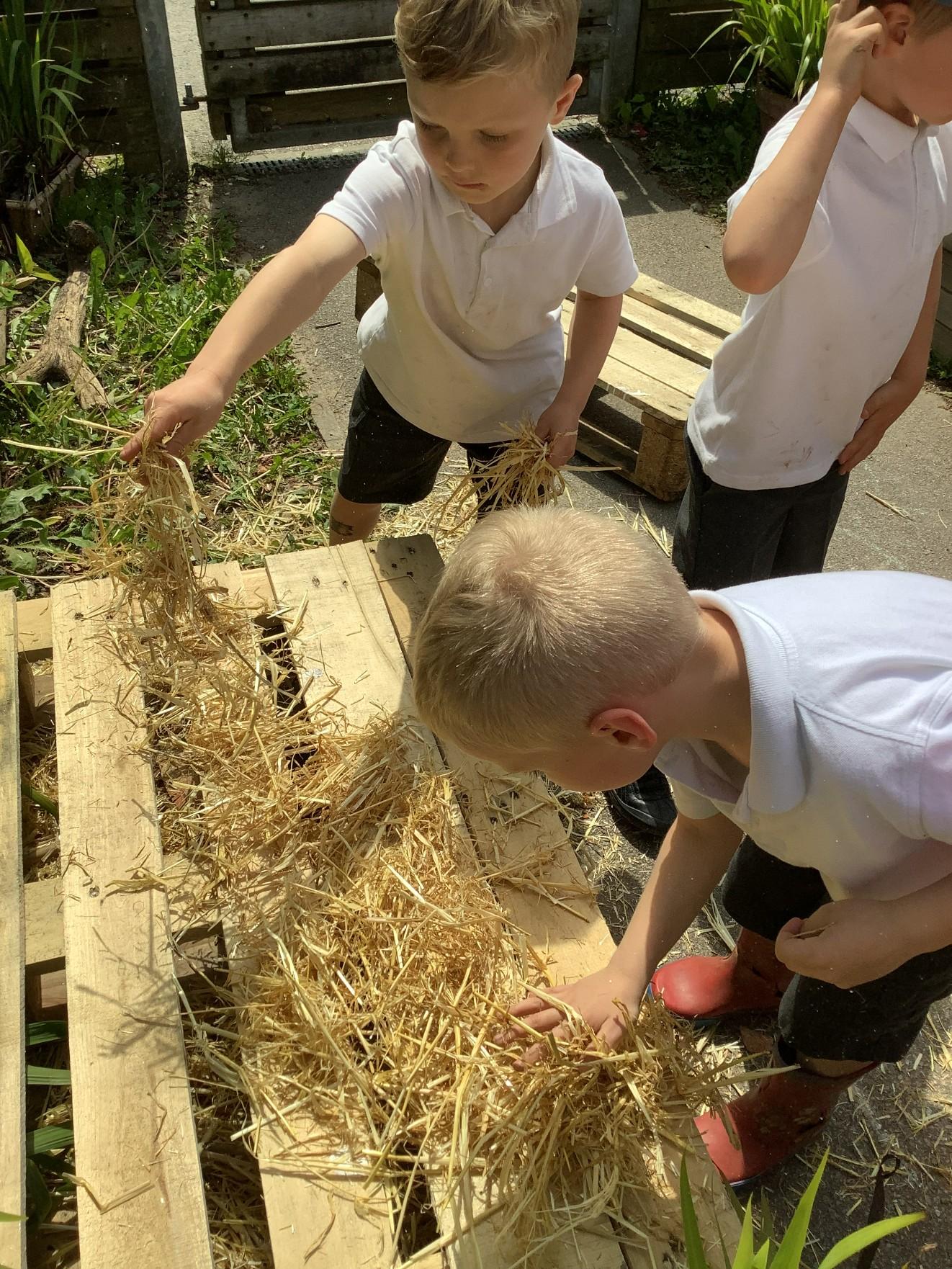
Building our 'Bug Hotel'
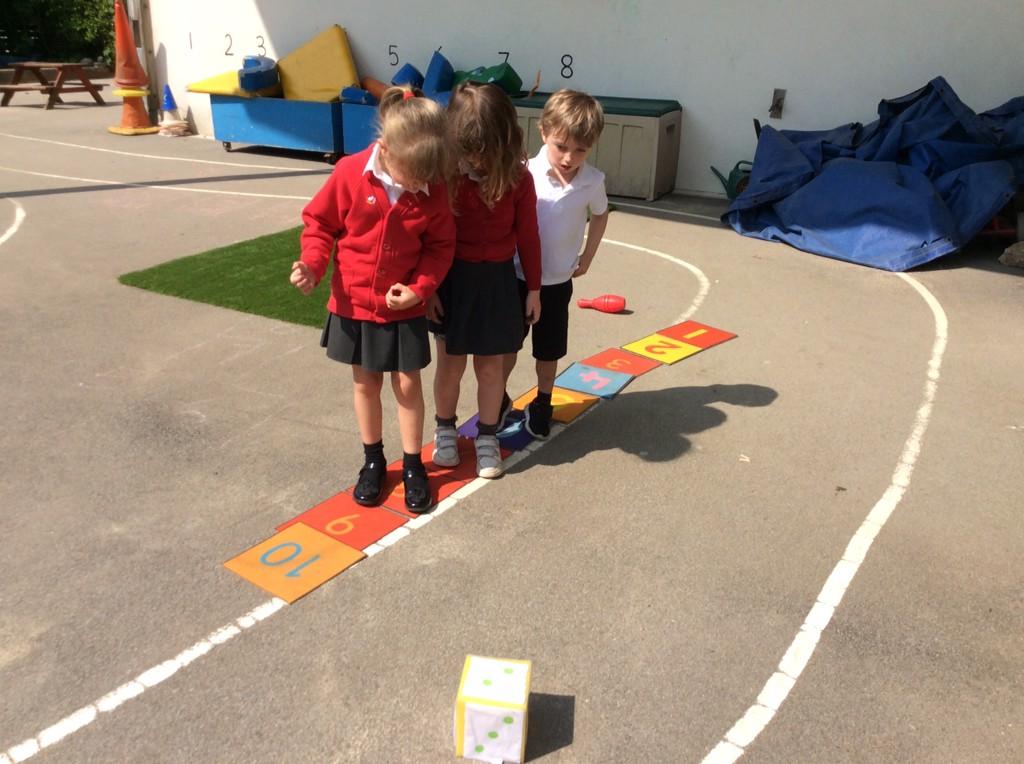
Counting back
These busy learners have been practising counting backwards.
They built a number line and then rolled a dice to see how many squares they had to count back.
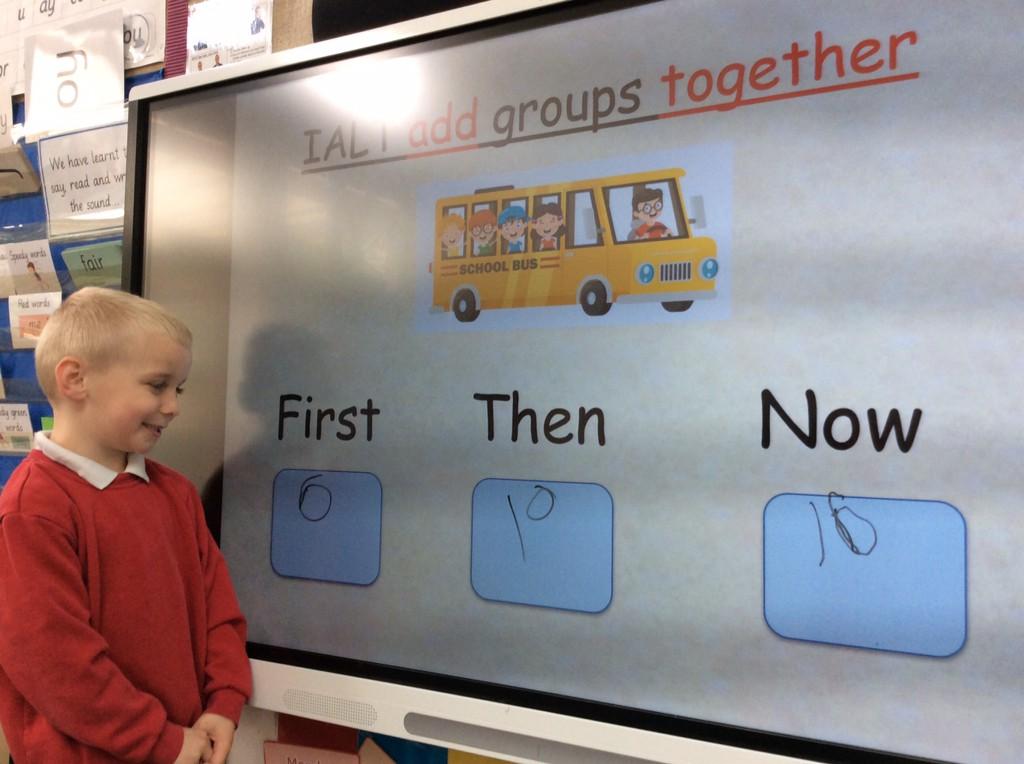
Addition
Developing understanding of maths problems by telling, 'First, then and now' stories.
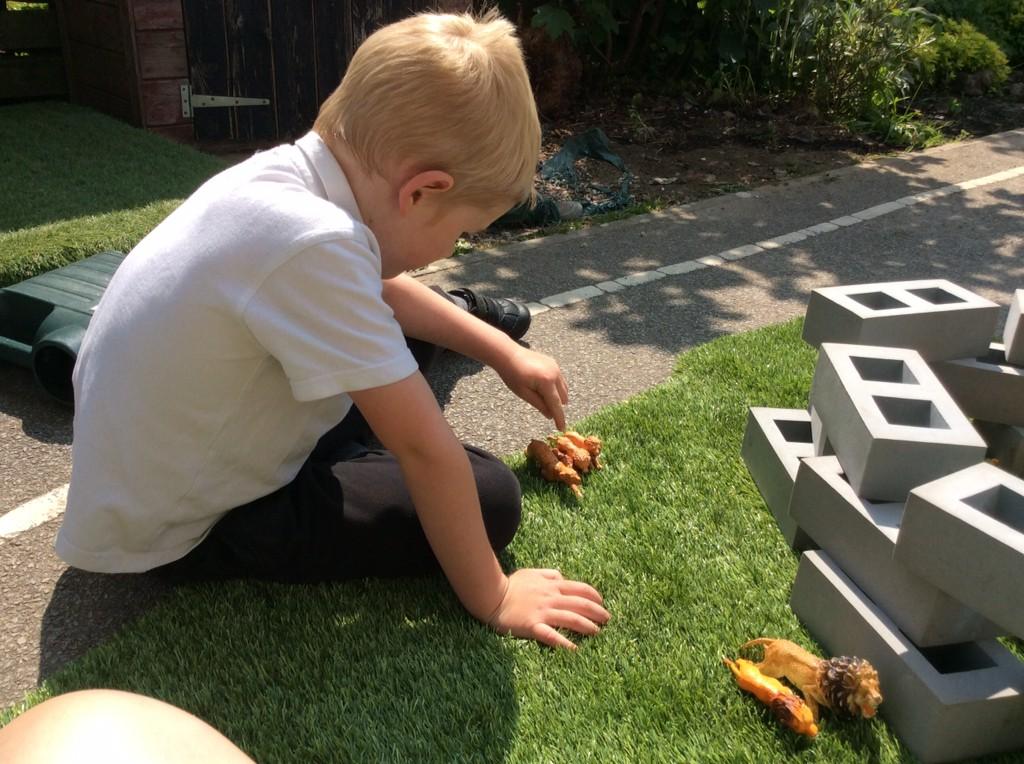
Subtraction
Showing understanding of how to tell a story using a 'first, then and now' structure.
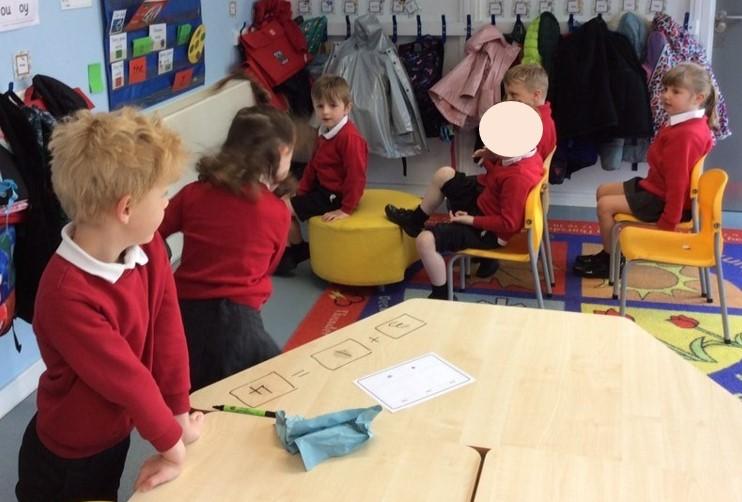
Developing their understanding of maths problems by developing their own stories. They used the frame, 'First, then and next,' to tell a story about children getting on a bus. They started by acting it out, then used multilink to represent a similar story.
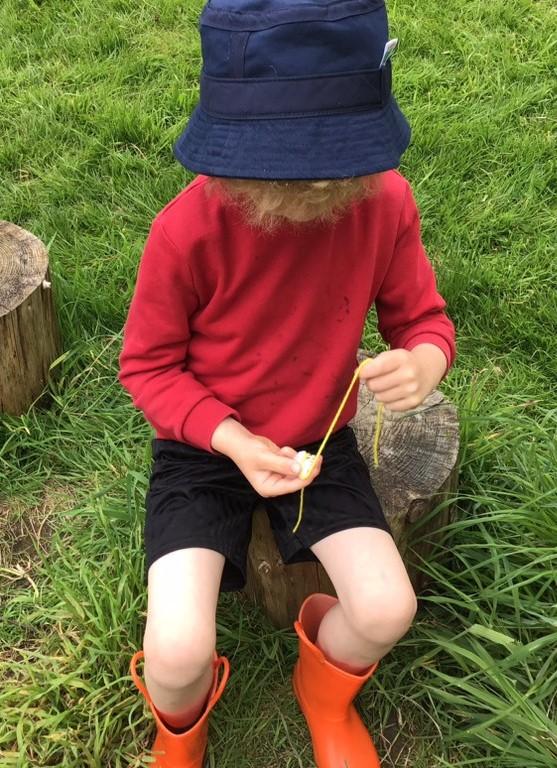
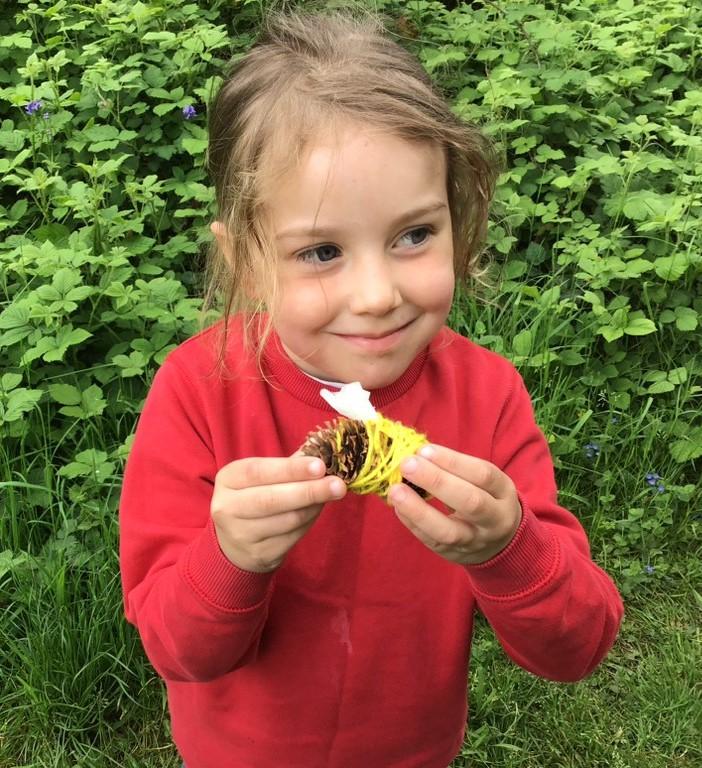
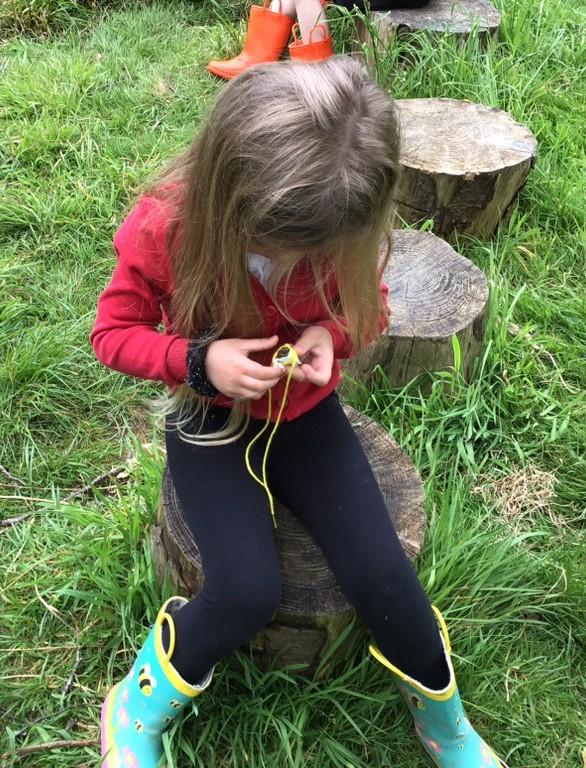
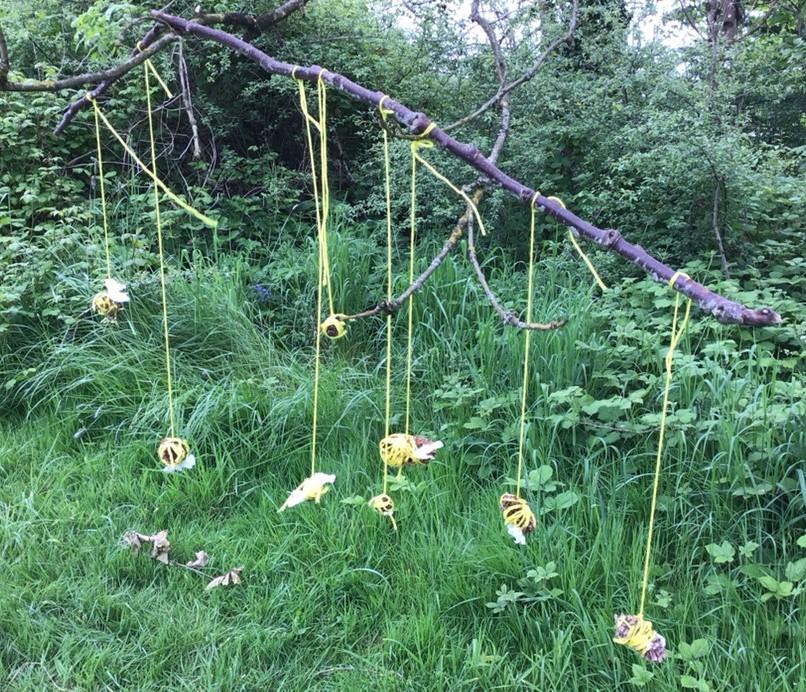
Pine cone bumble bees
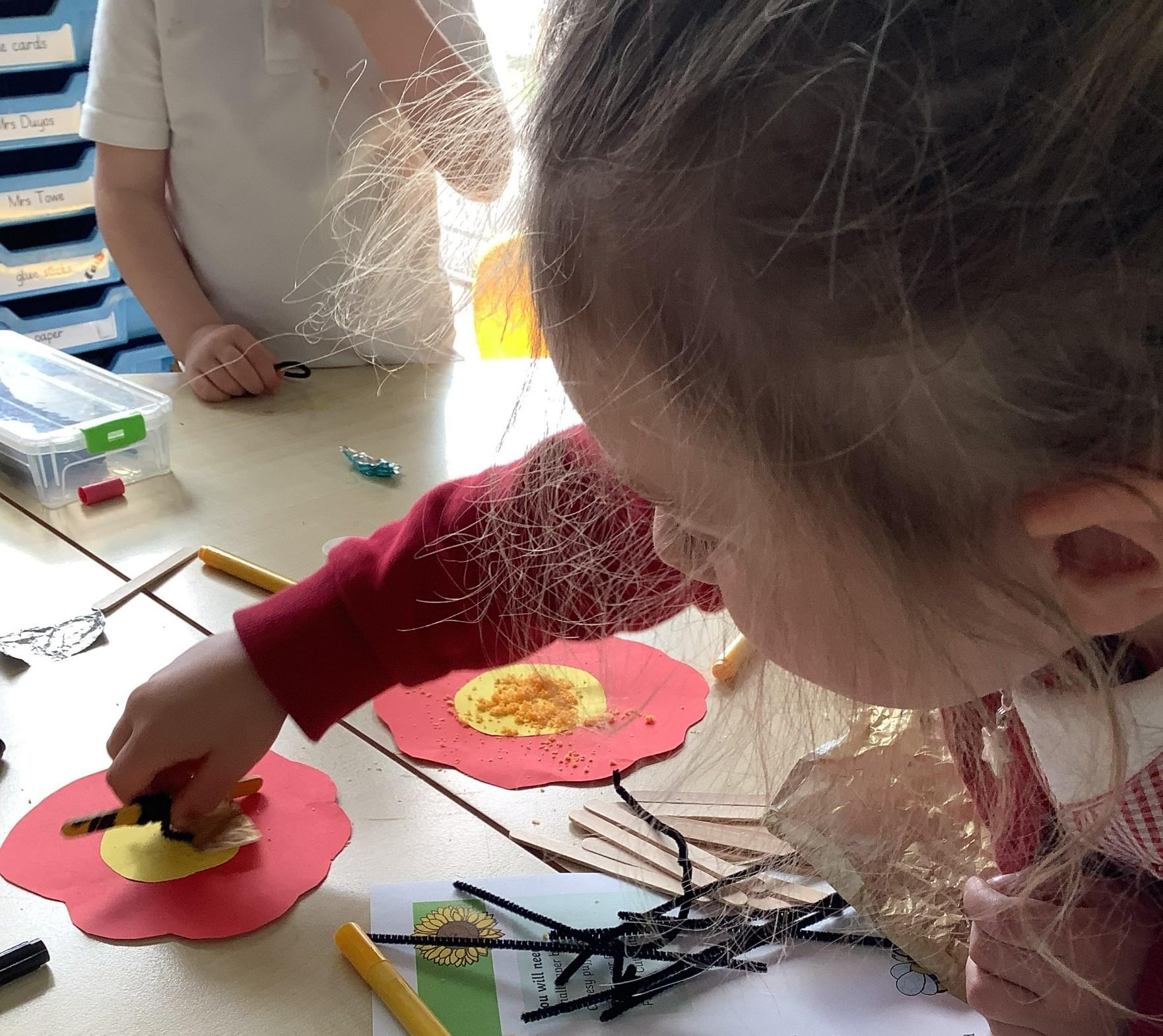
Bees and Pollination
We carried out an experiment to show how a bee helps with the pollination of flowers.
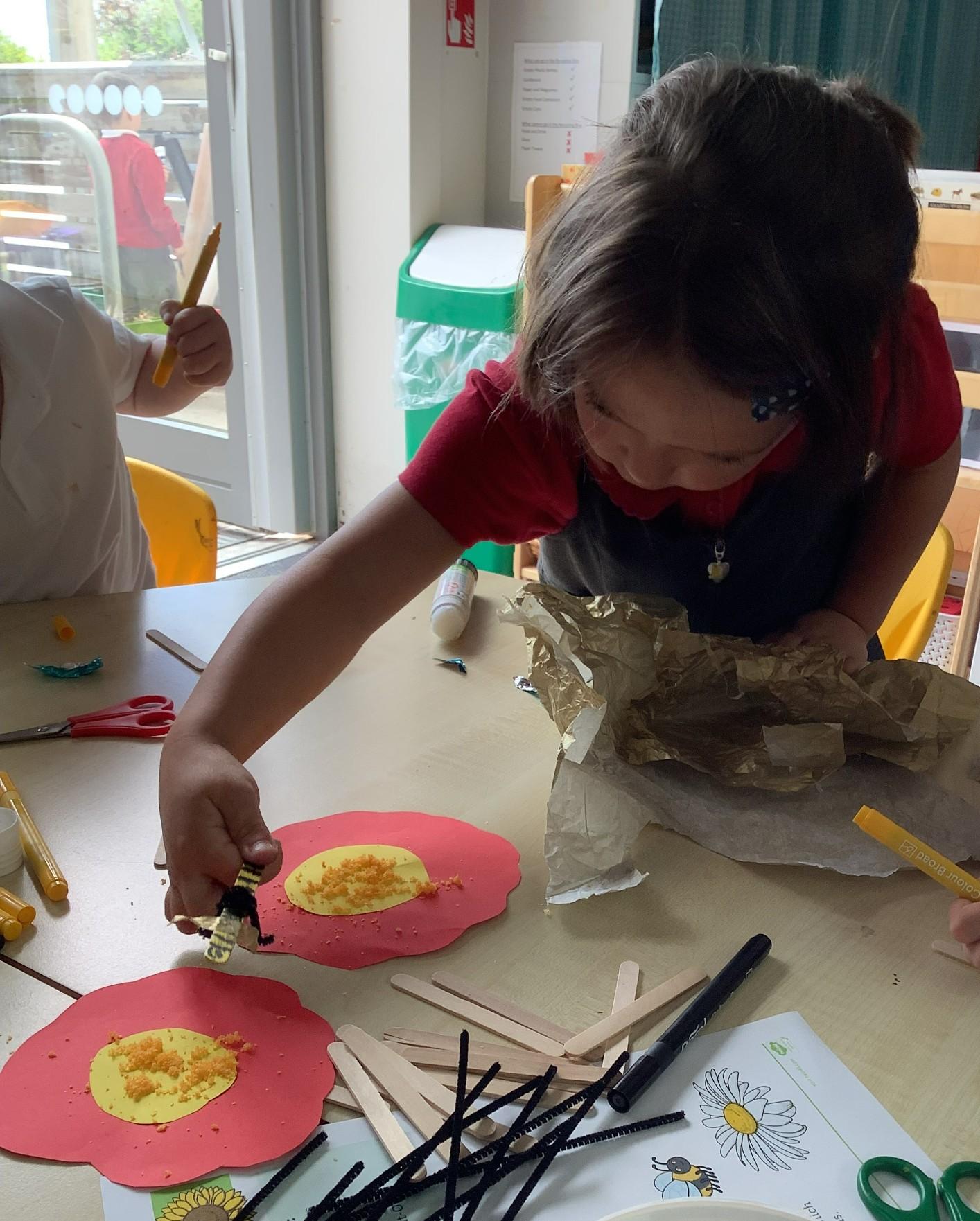
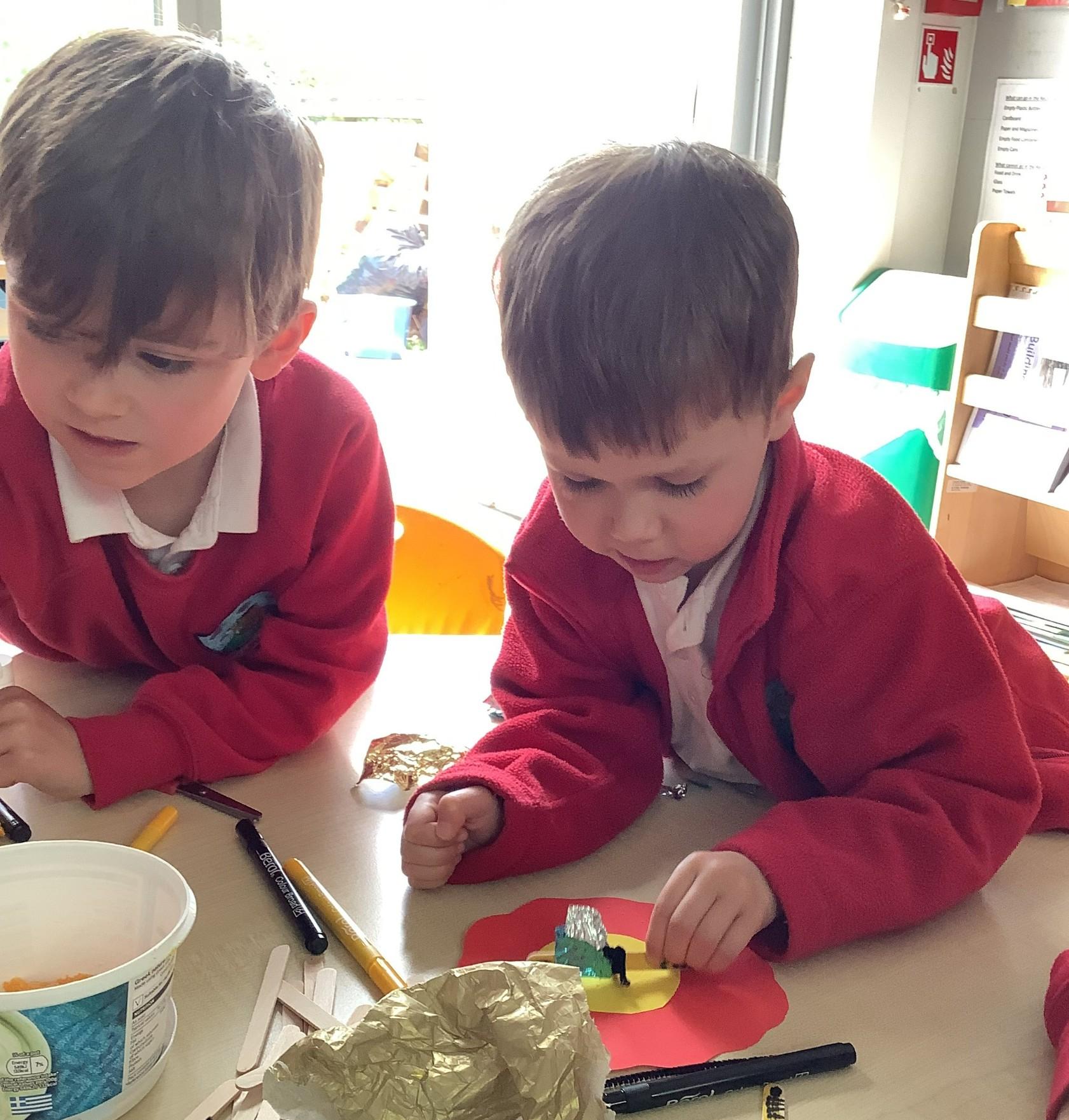
We learnt that as a bee moves from one flower to another it moves the pollen between them.
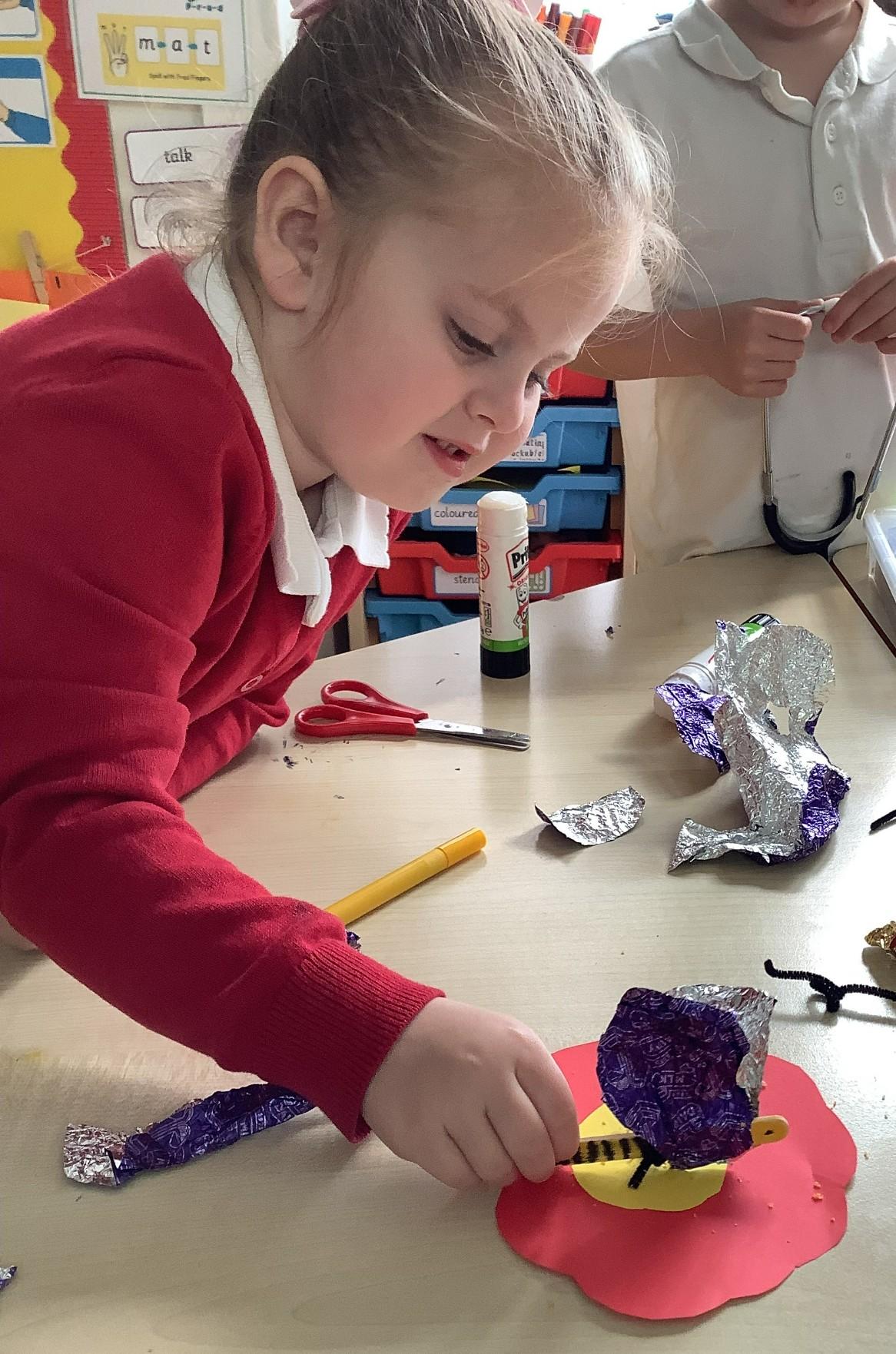
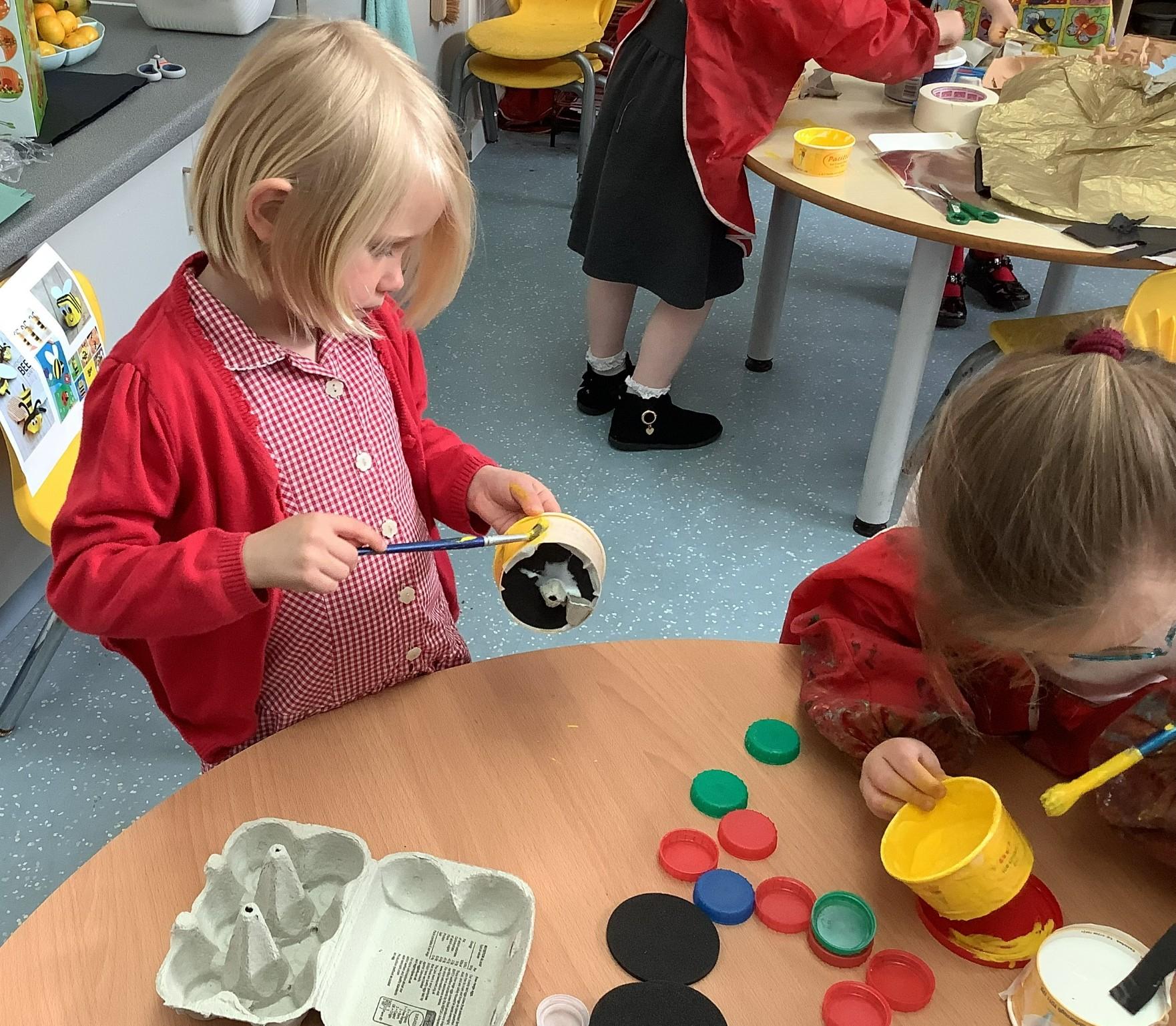
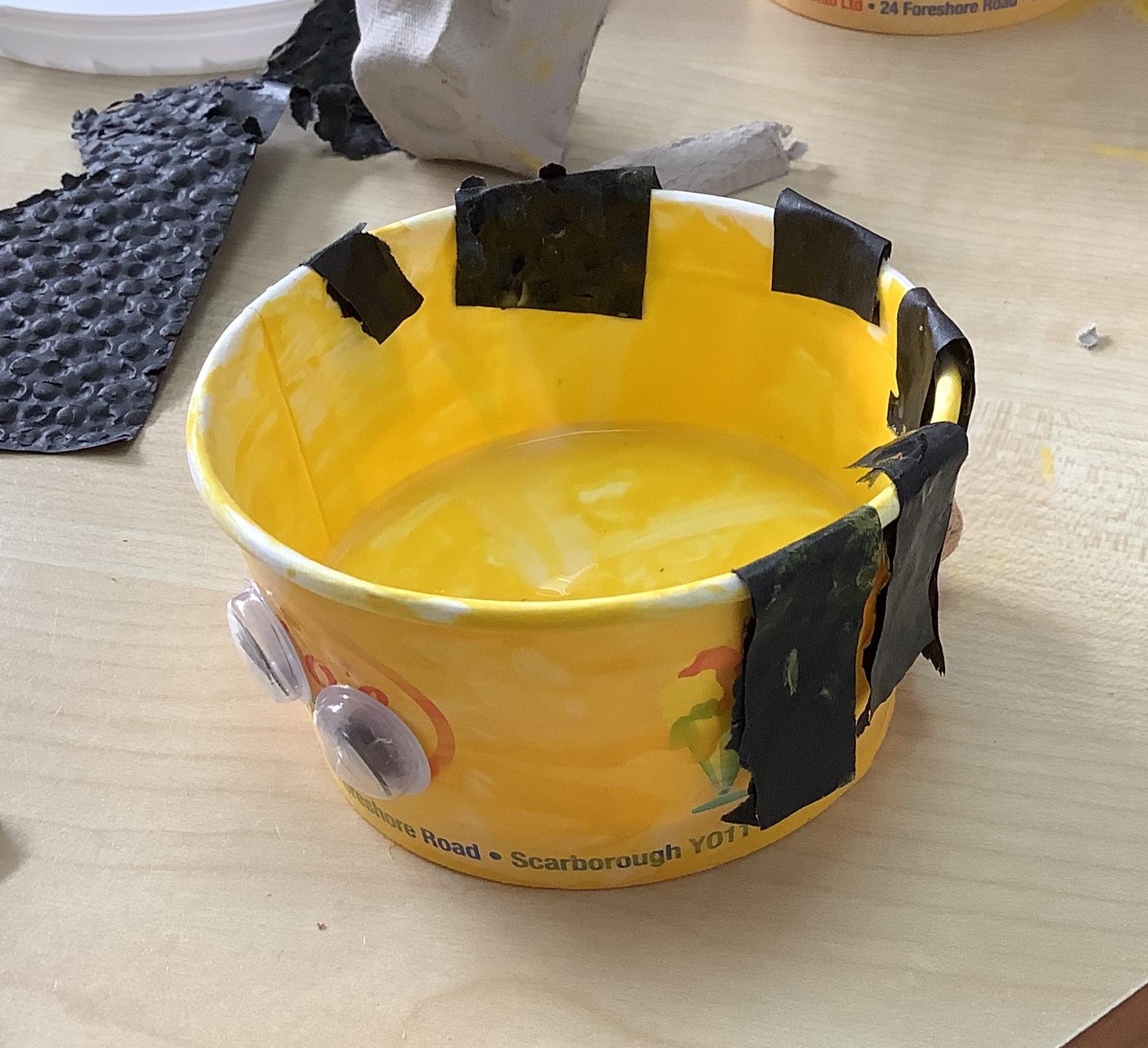
Creating bee sculptures
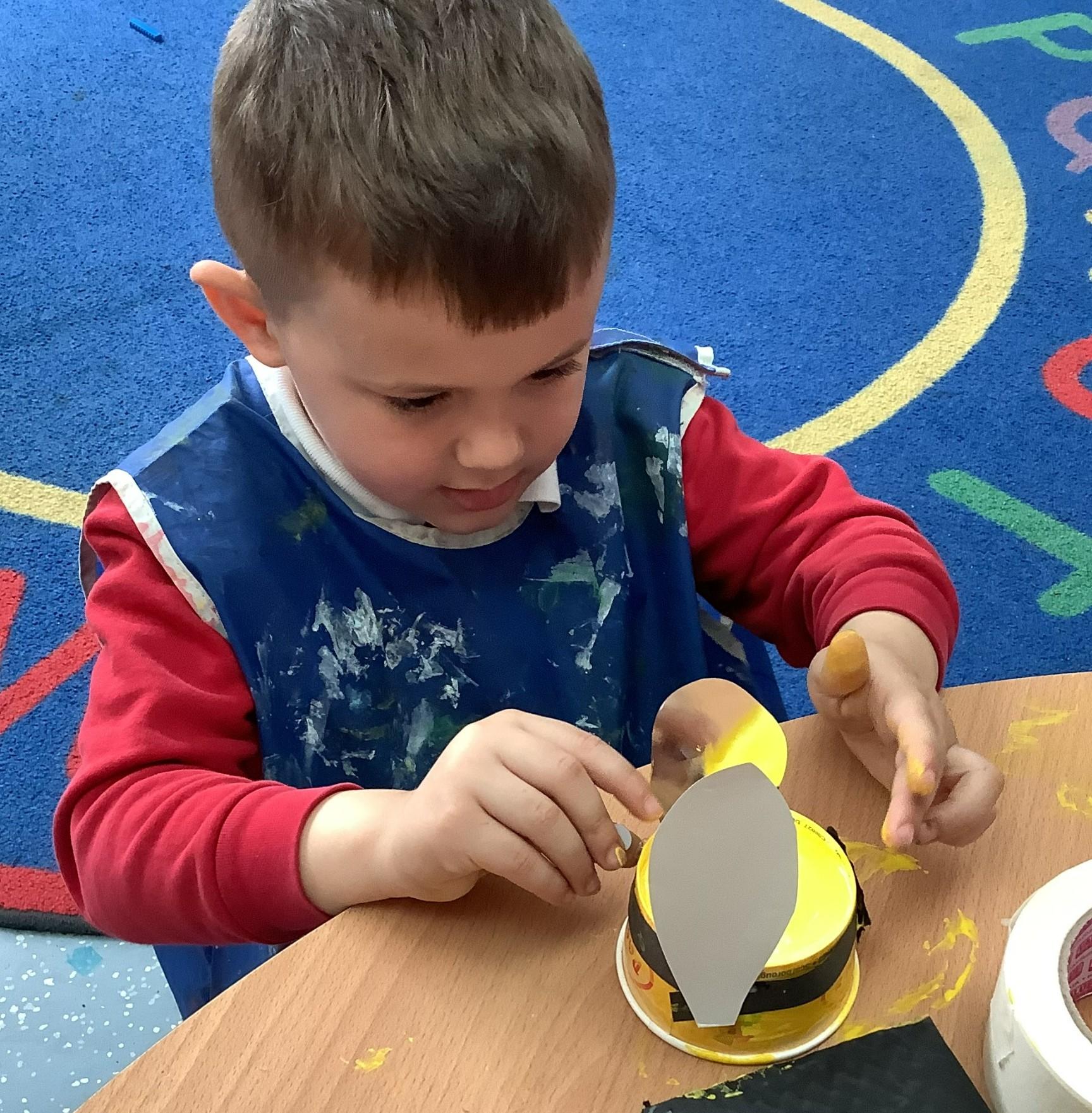
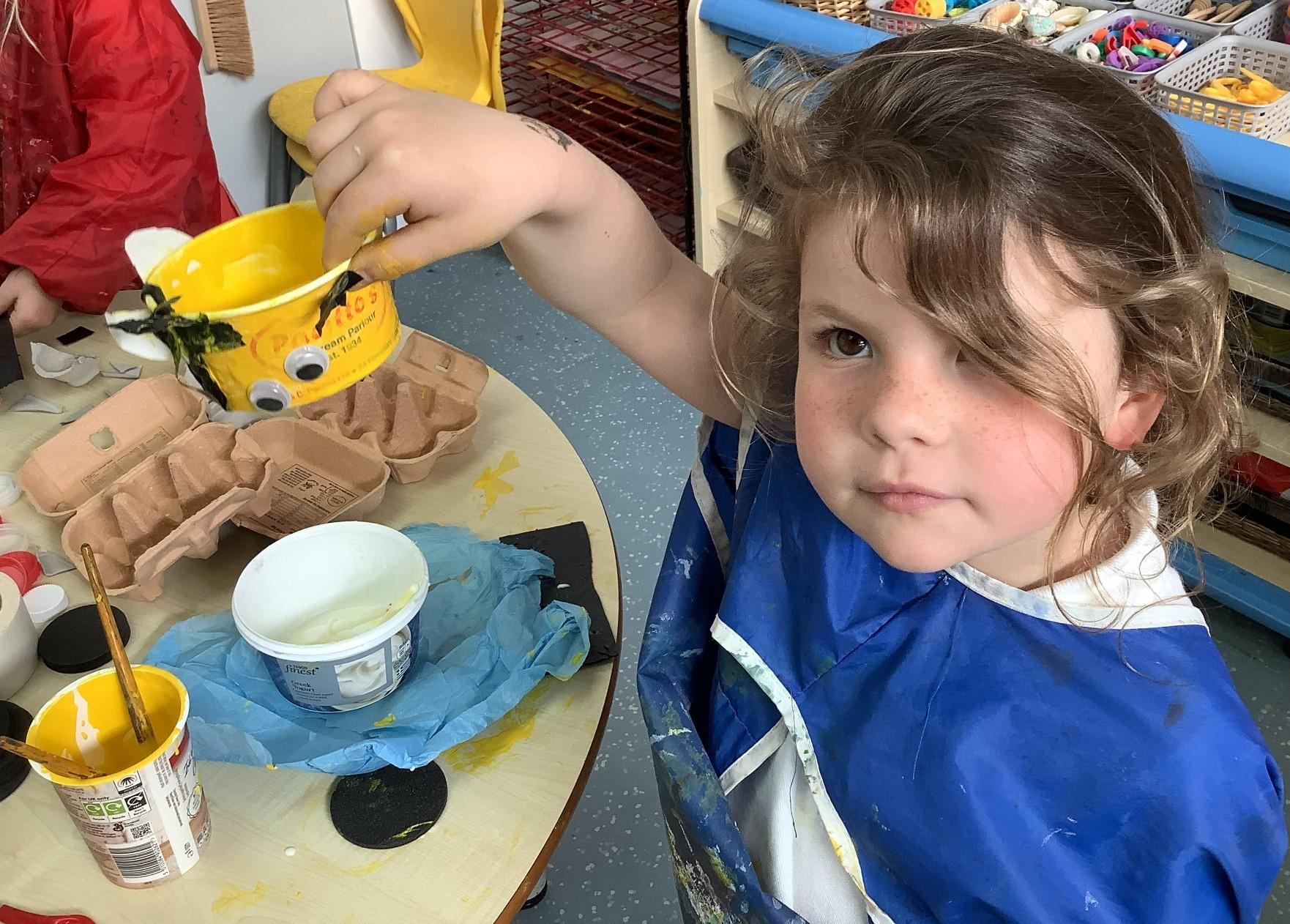
Using recycled materials to make their own bee sculptures.
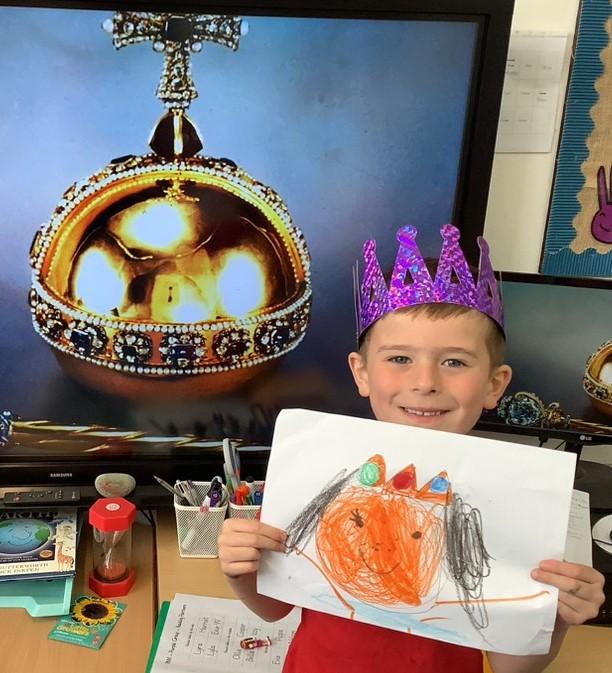
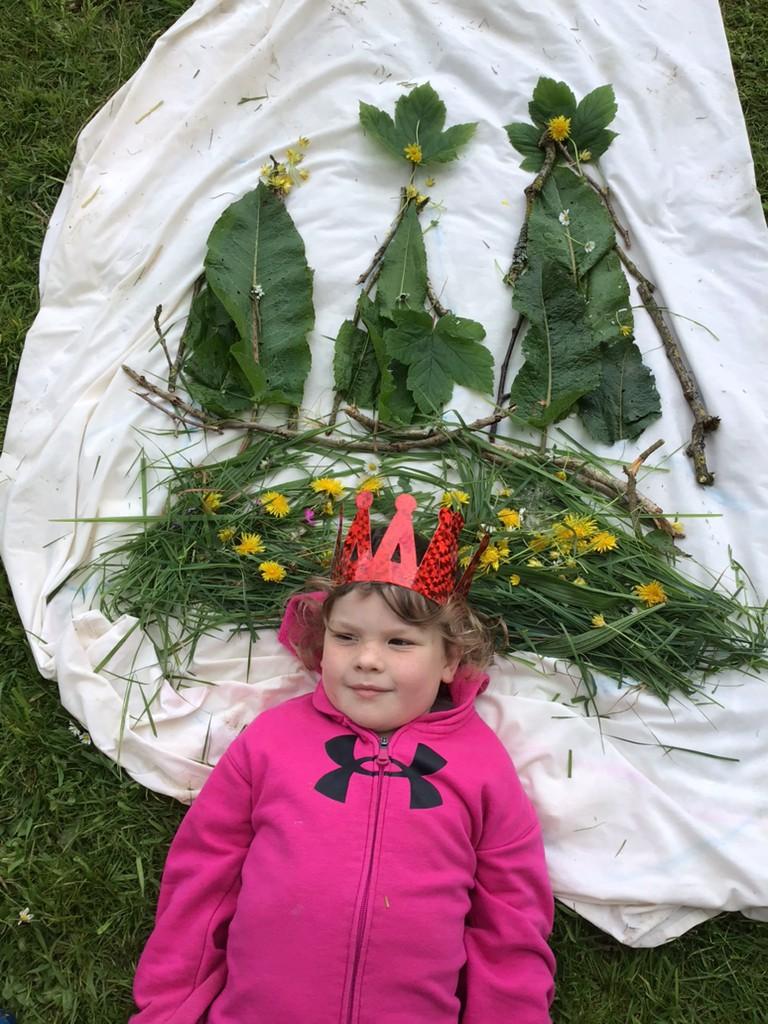
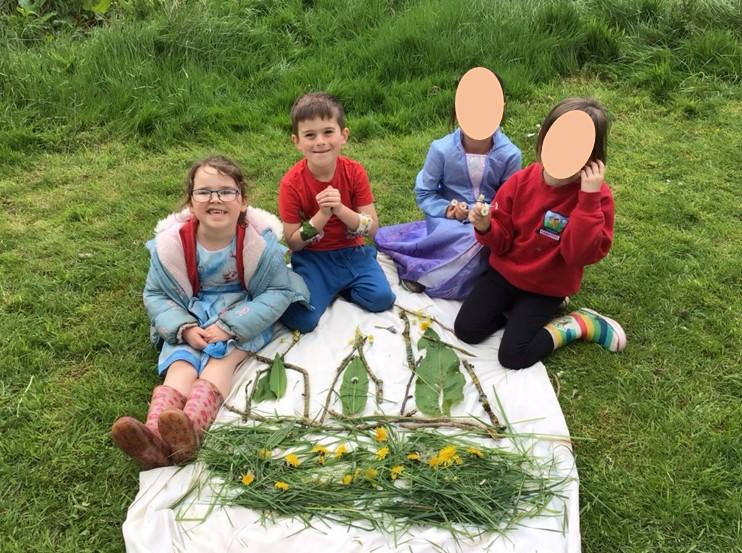
Celebrting King Charles III Coronation
In the woods we created crown collages from natural materials.
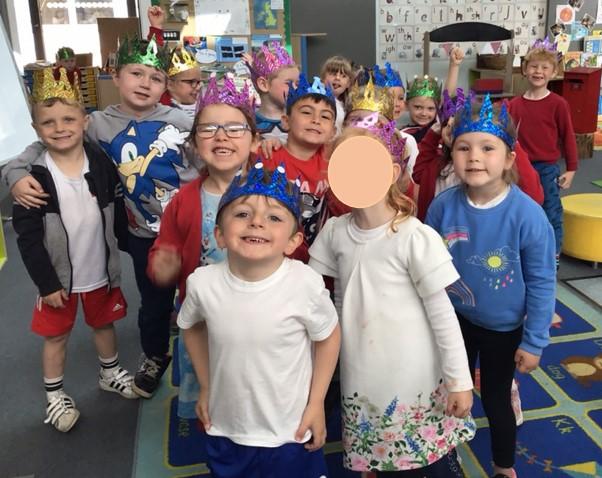
Celebrating as a class. We also celebrated as a school with a big picnic lunch. Our friends and families were also invitied to join in.
Learning about the Creation story from the Bible
After listening to the story 'Wonderful Earth' by Mick Inkpen we discussed the creation story.
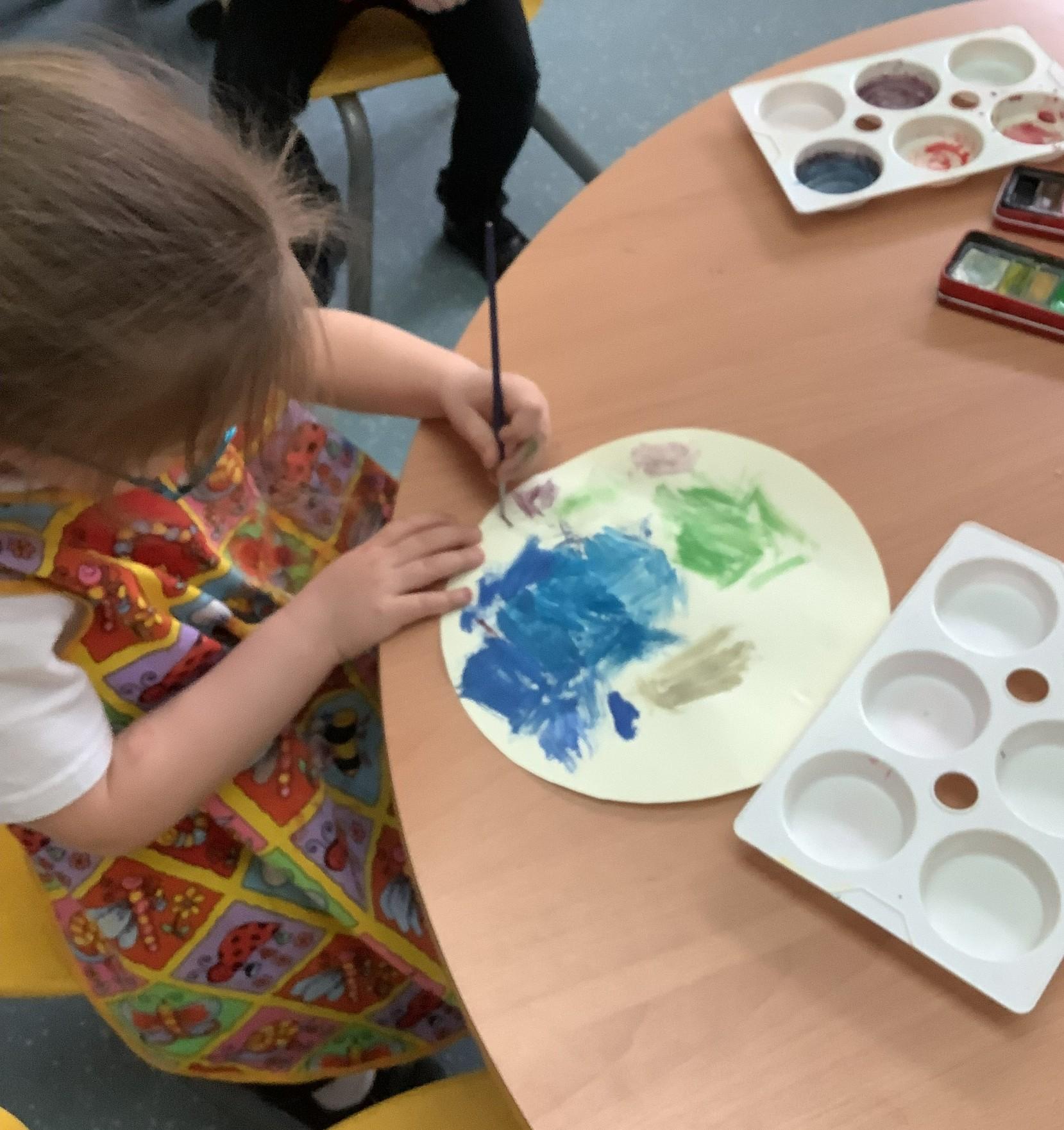
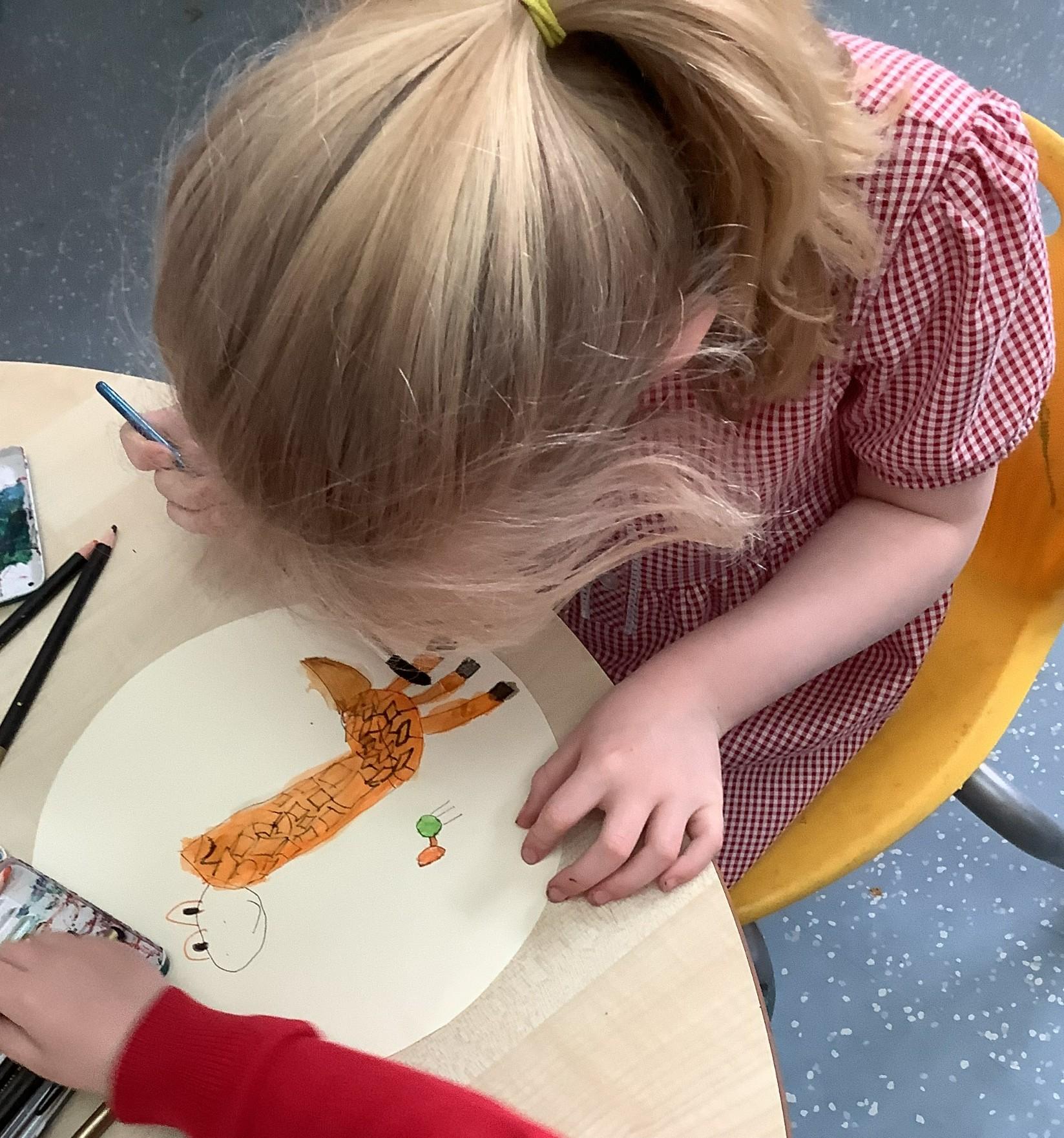
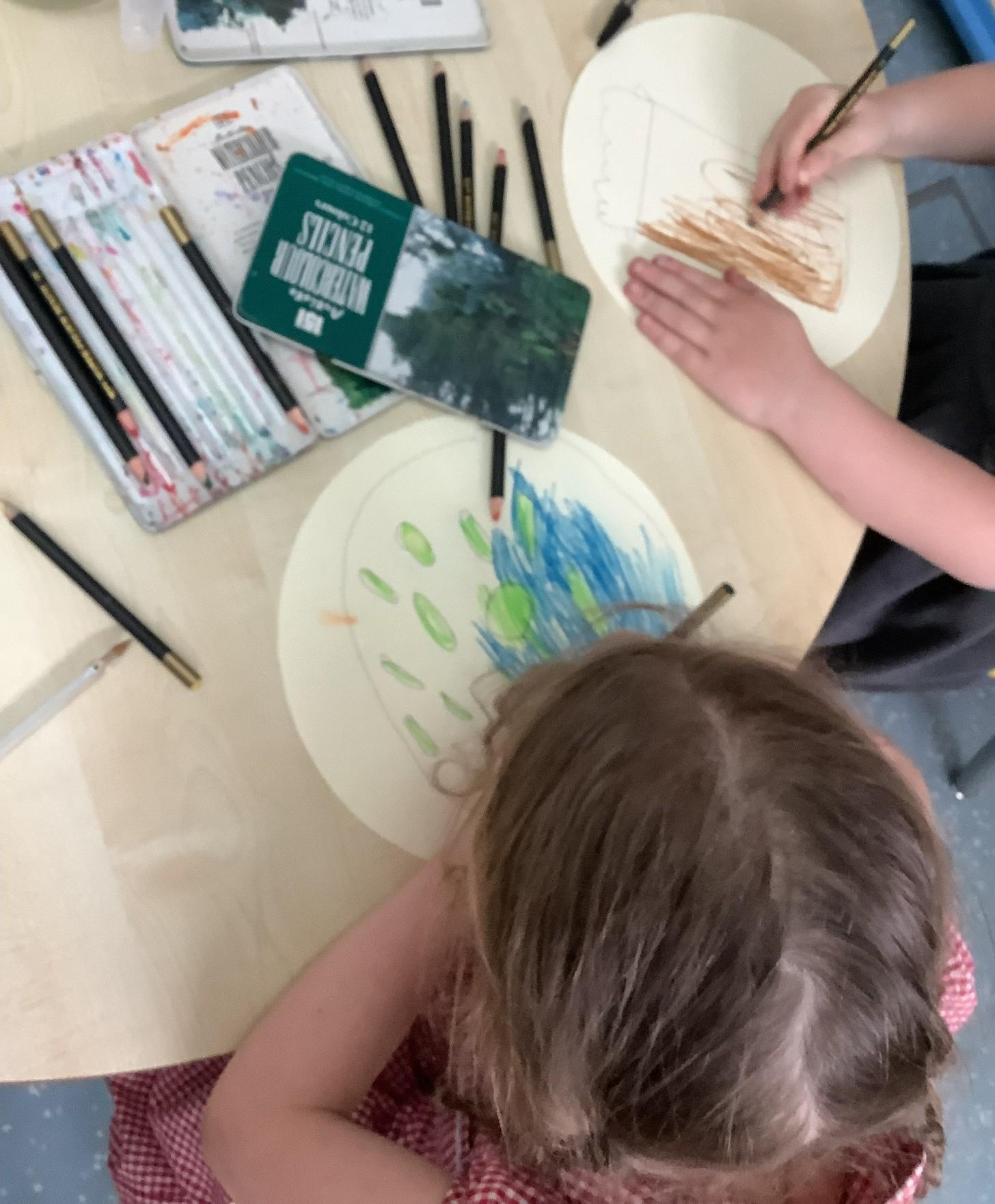
Painting pictures of what the Bibile teaches us that God created on the different days.
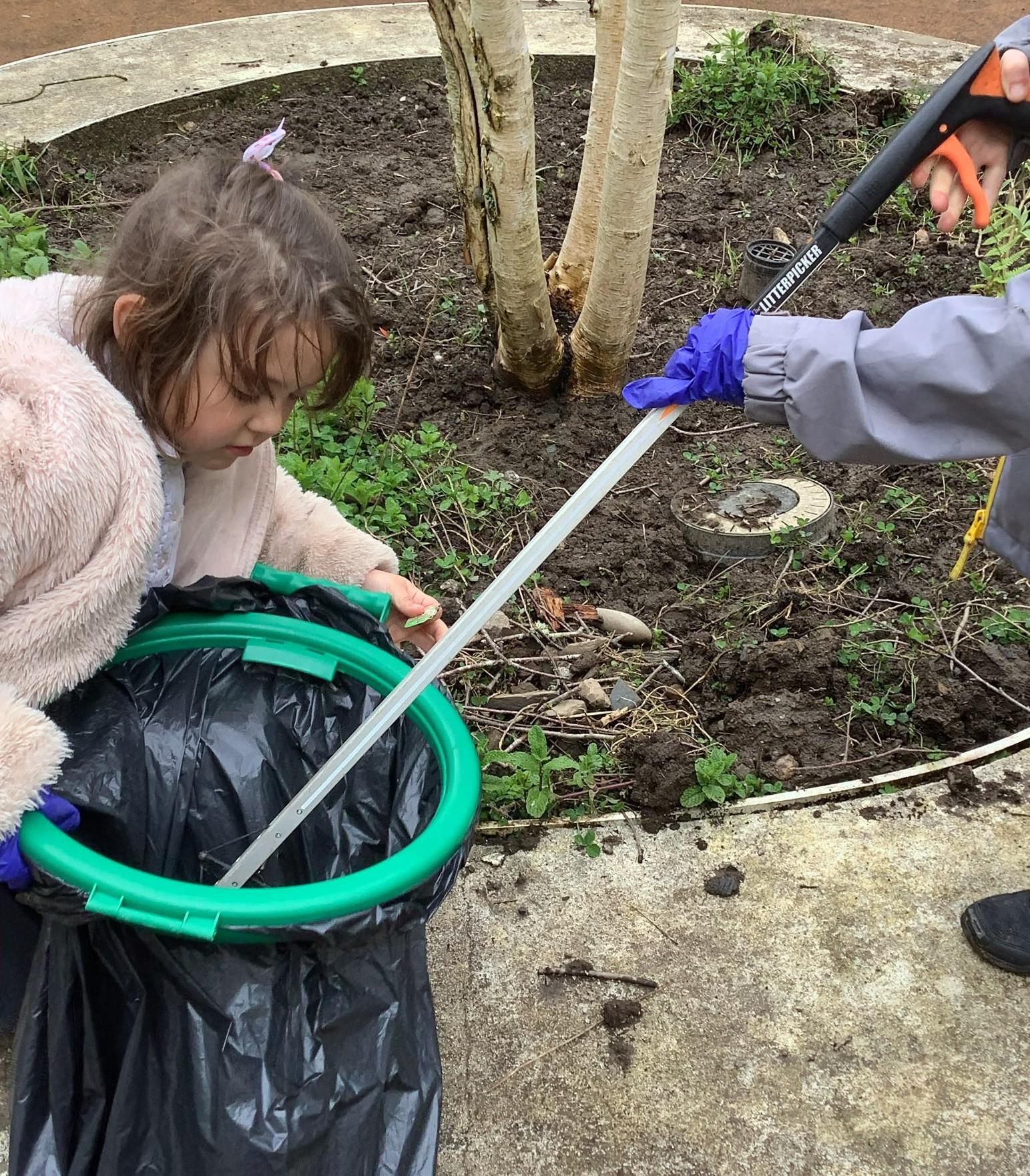
Working together to look after our environment.
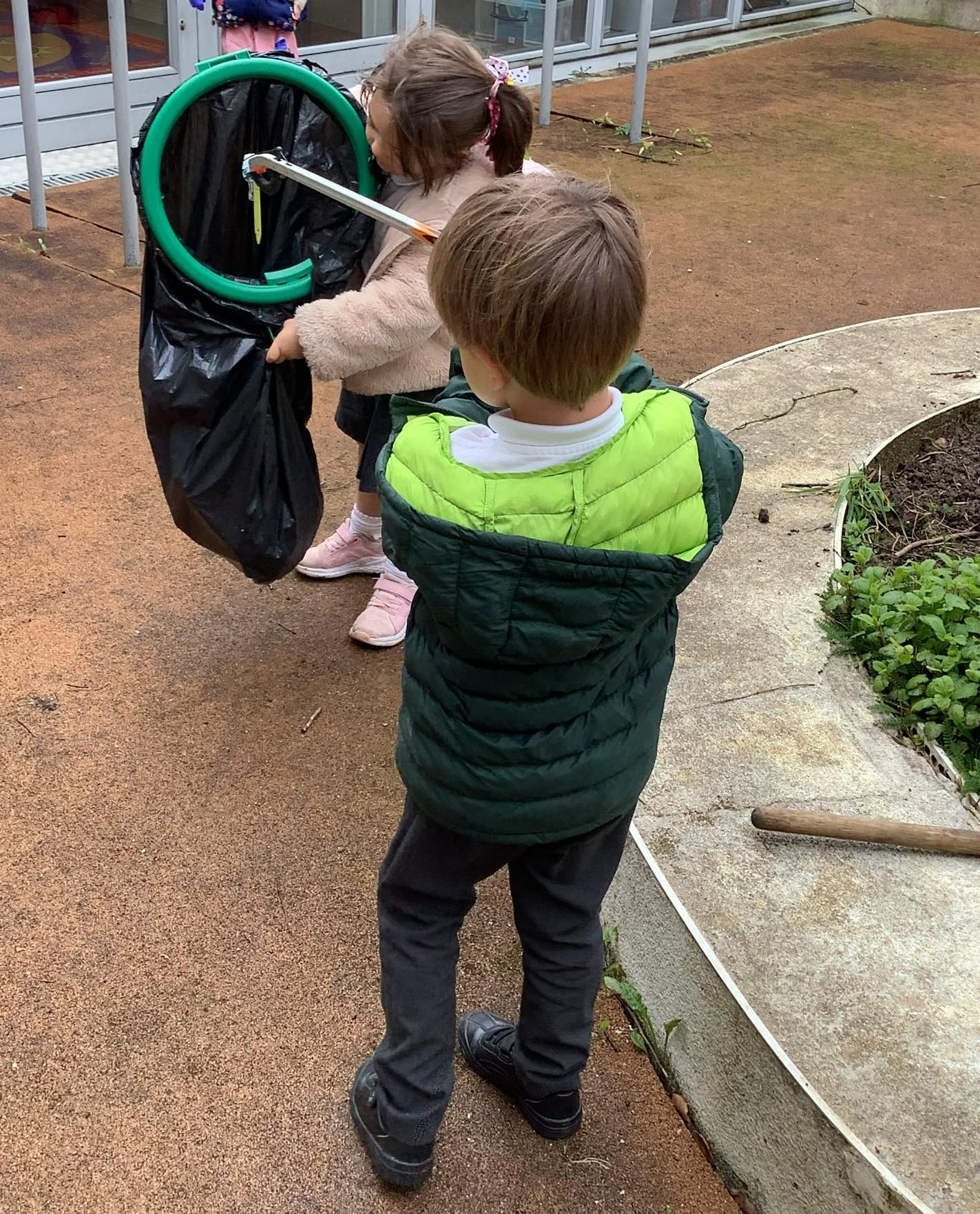
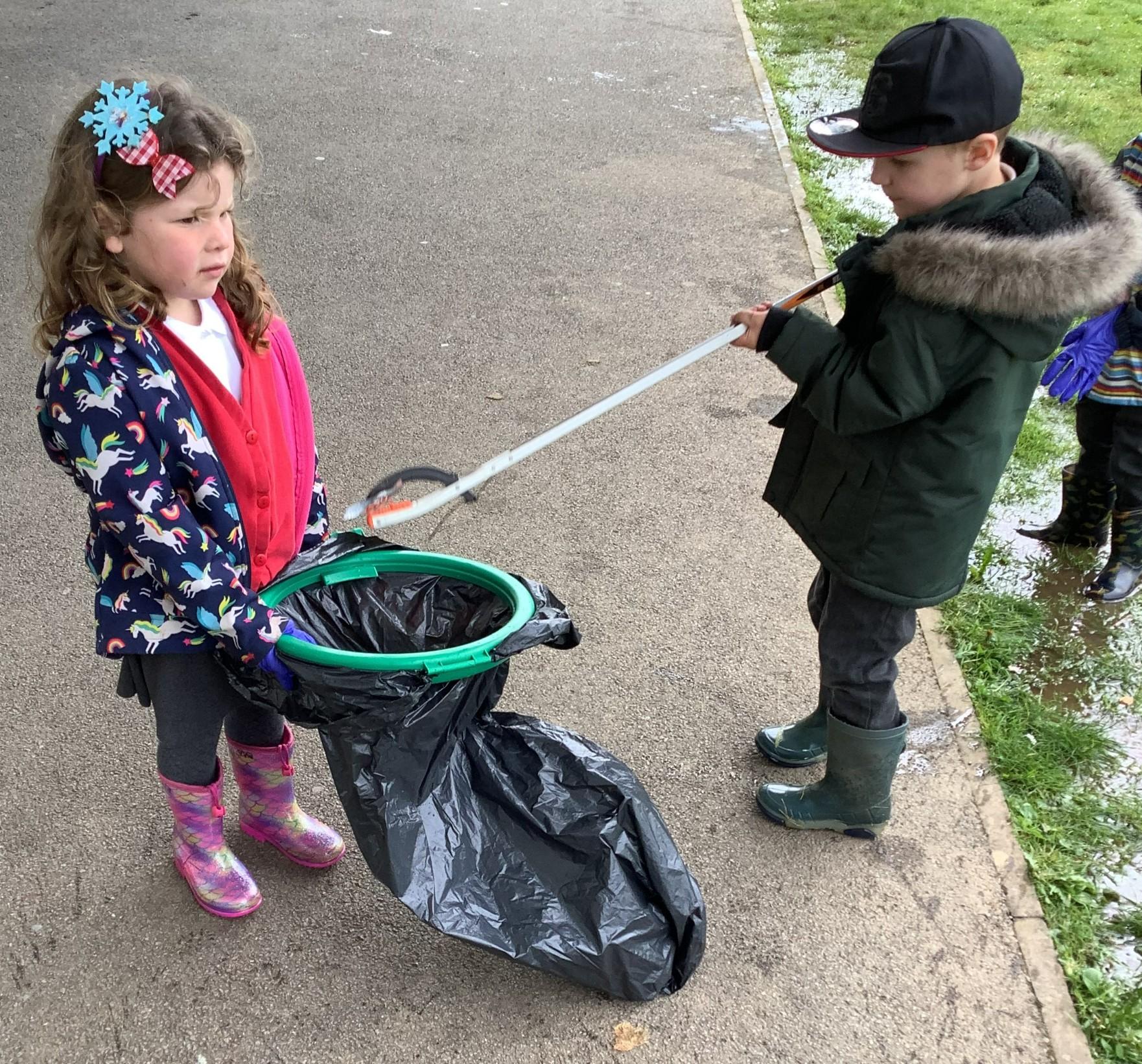
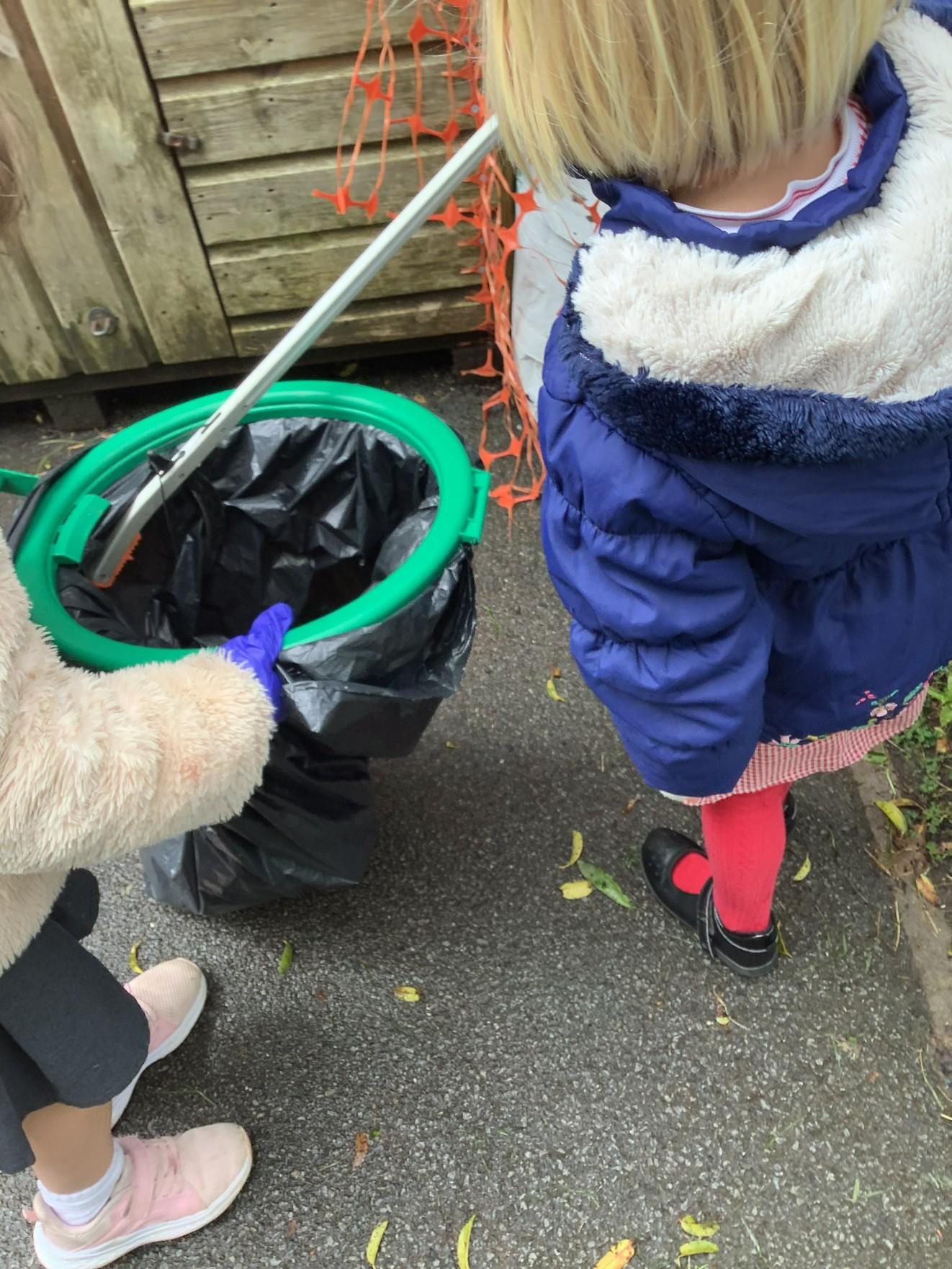
Litter pick around the school
We read the story 'Ten things I can do to help my World'. Afterwards we discussed what we can do to help the World.
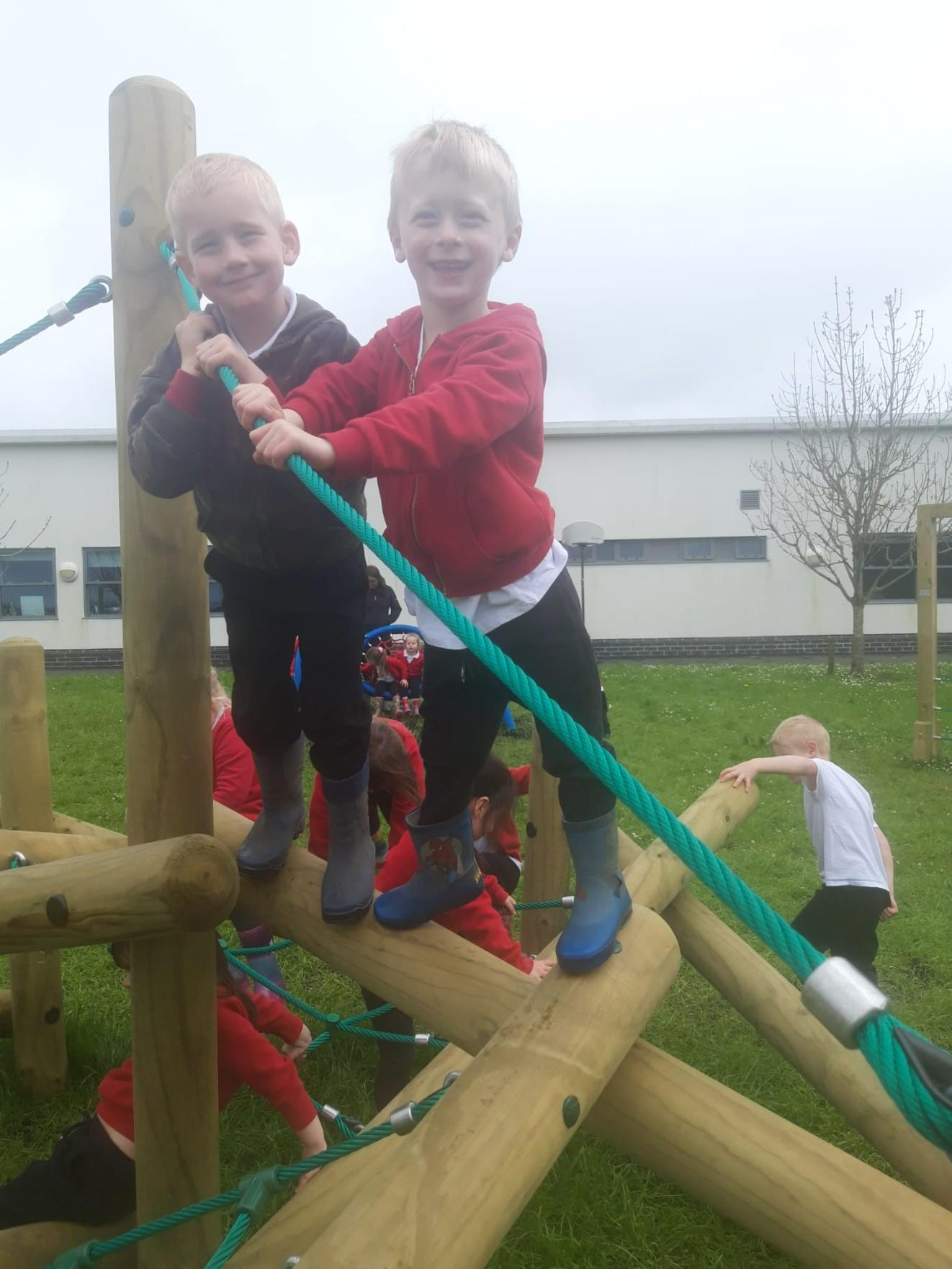
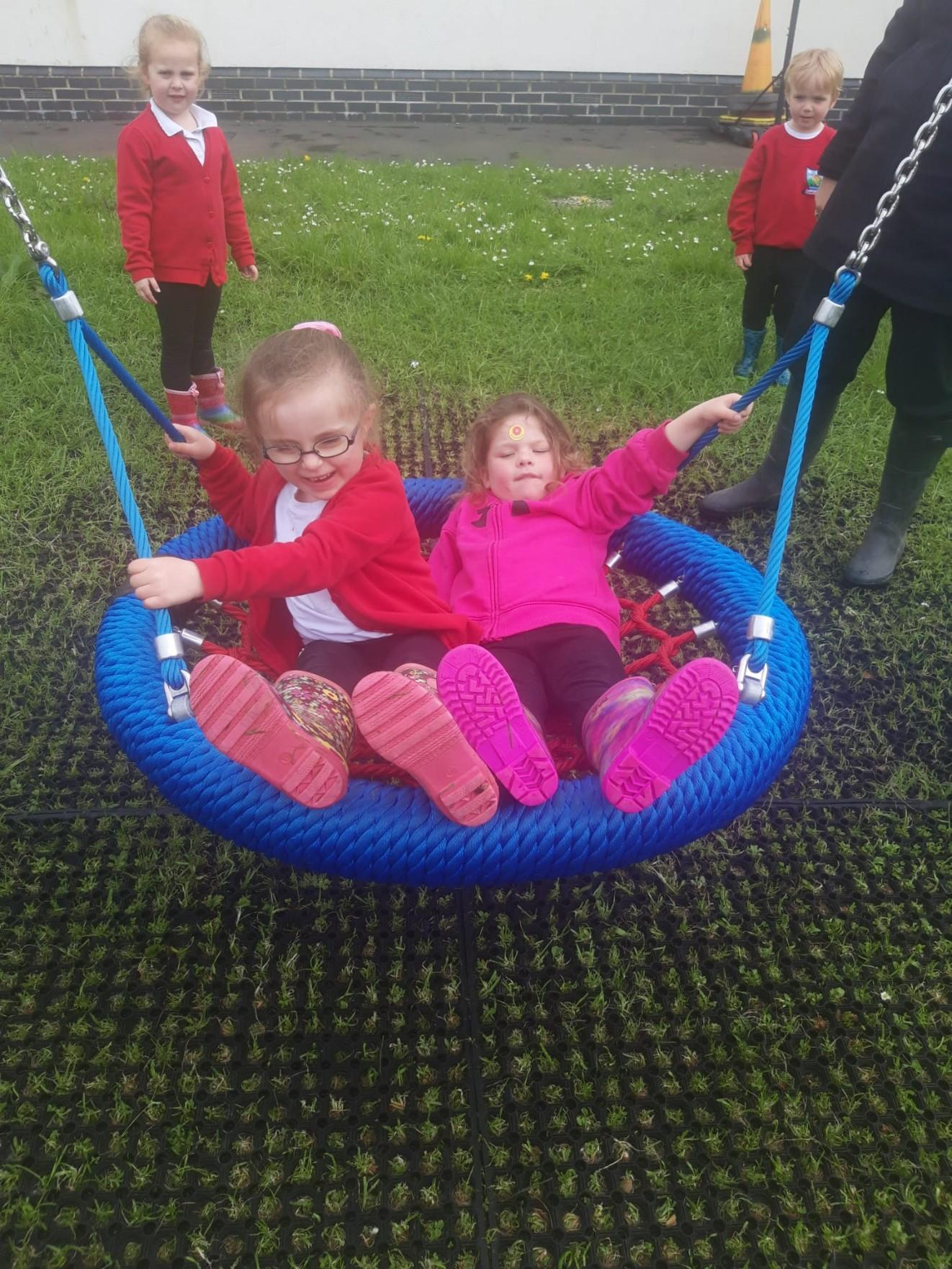
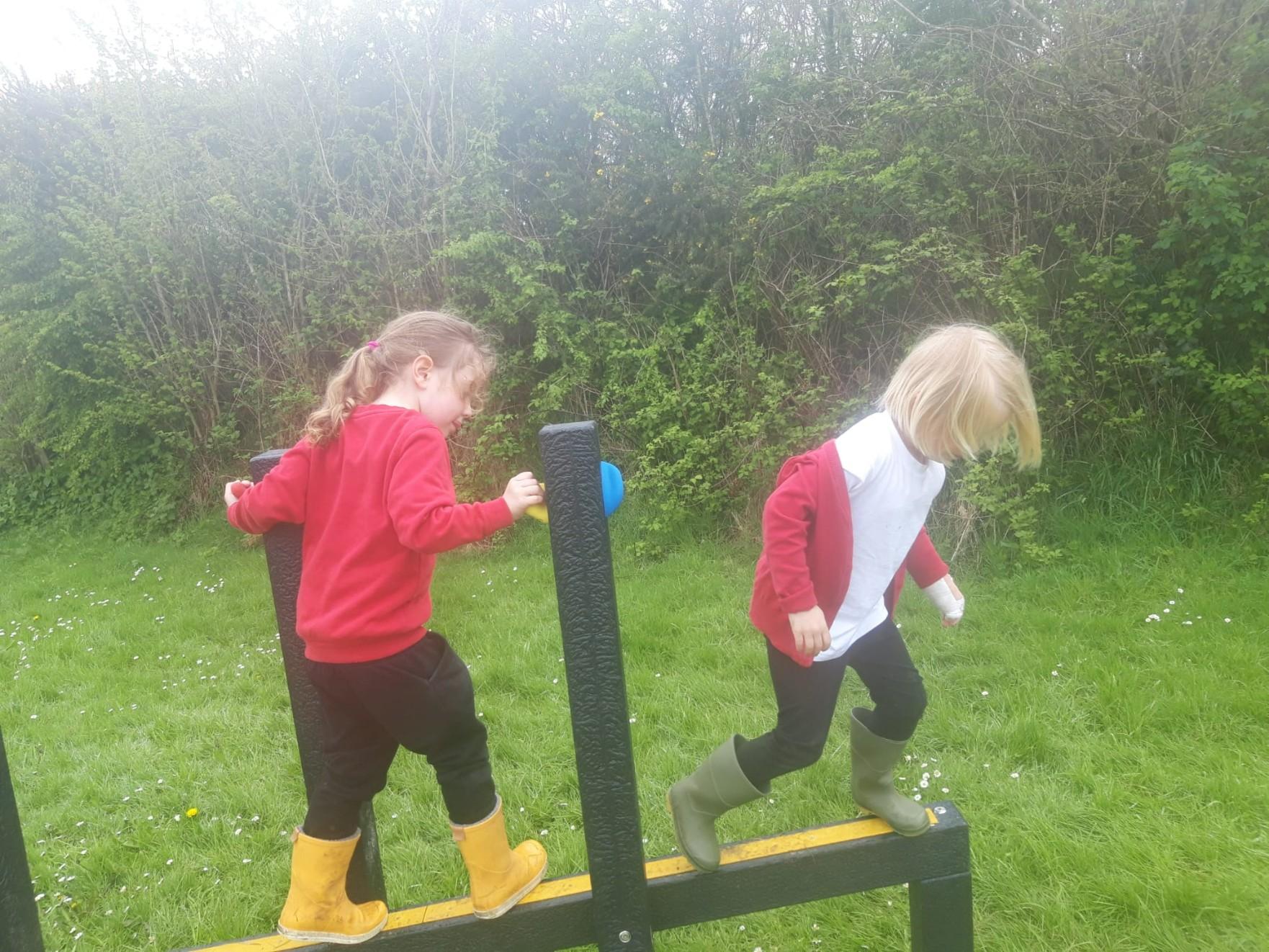
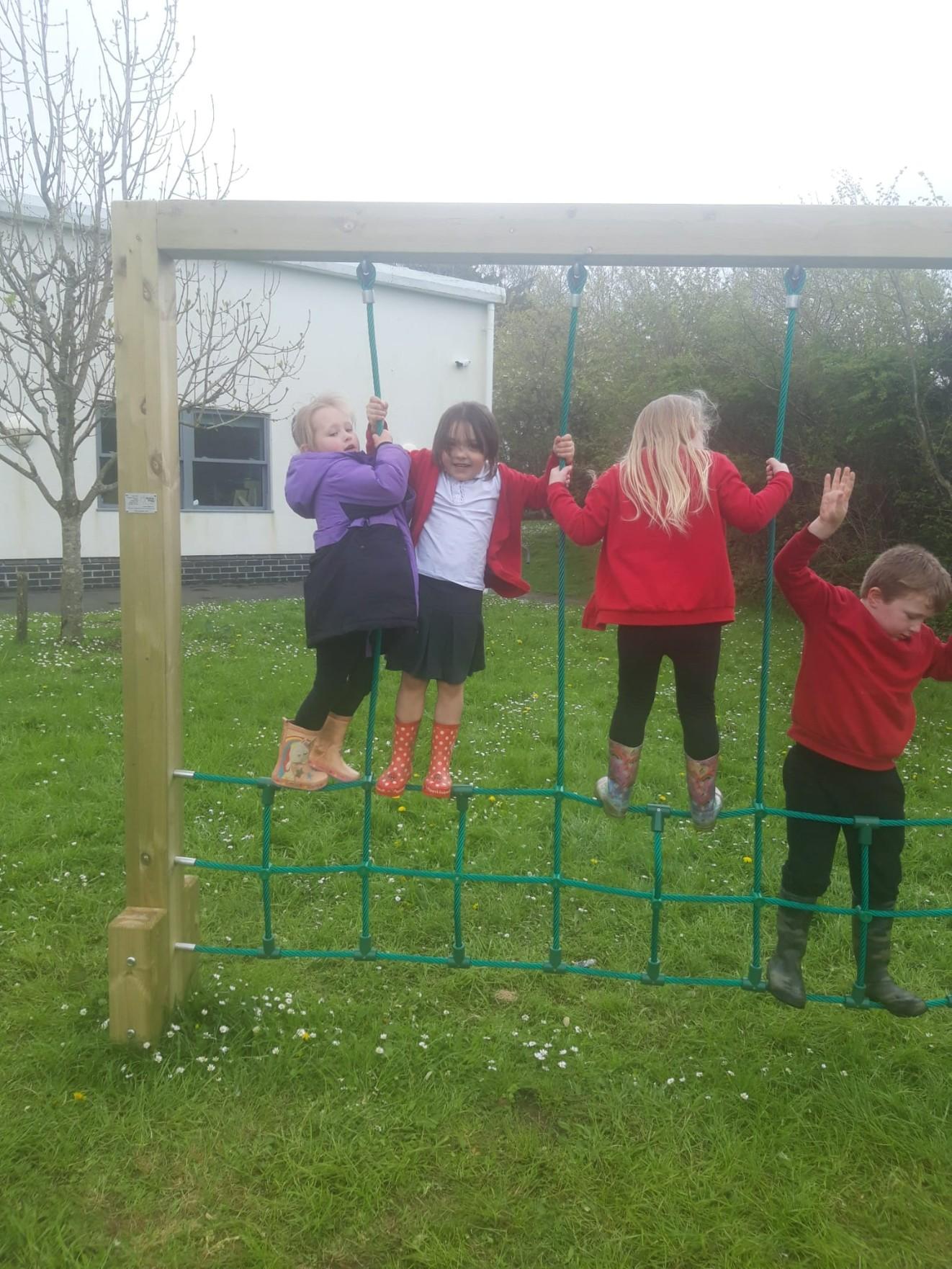
Exploring the new play equipment on the field
Fun was had by all. We learnt how to use the equipment safely by exploring it.
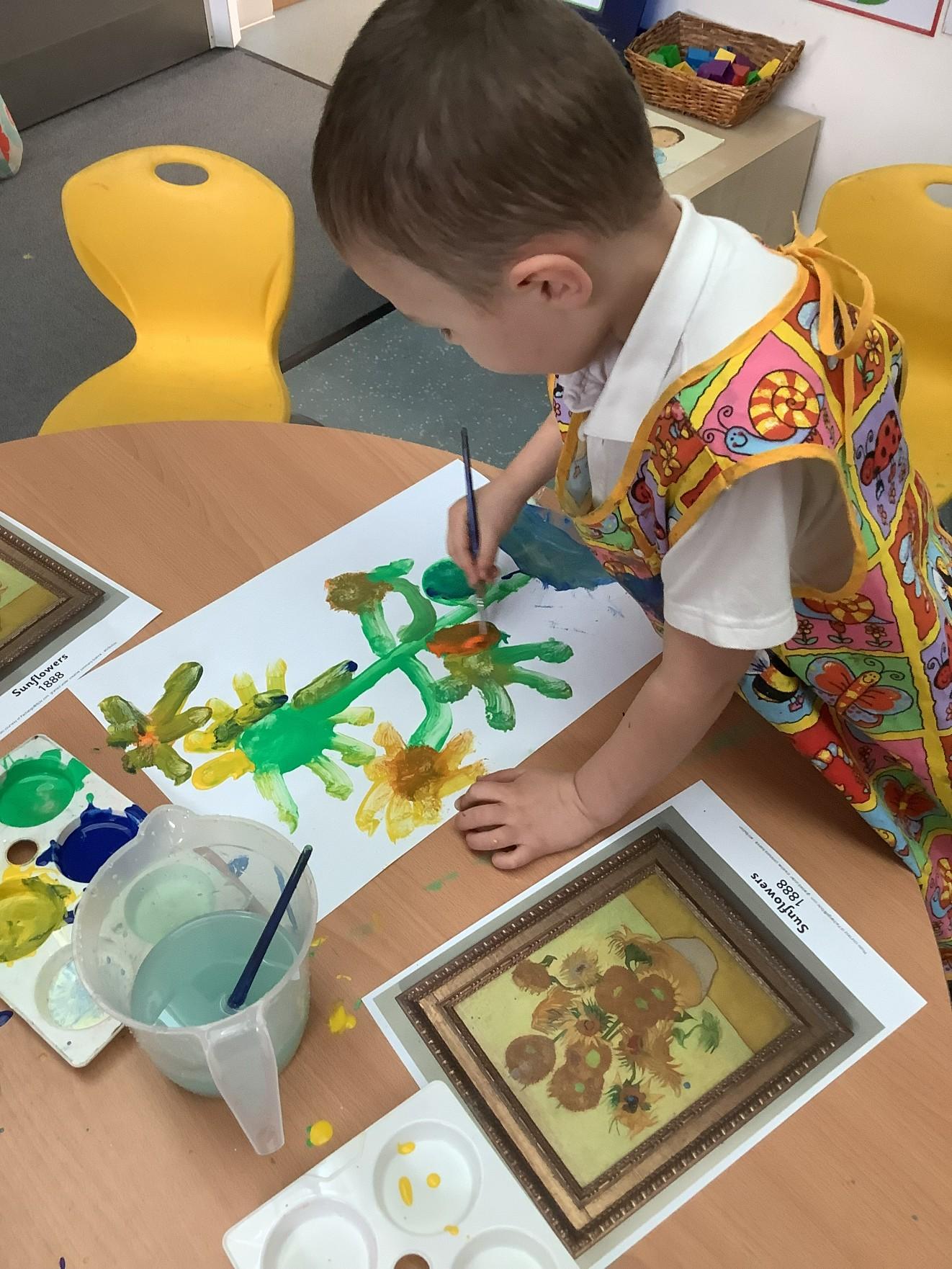
Vincent van Gogh
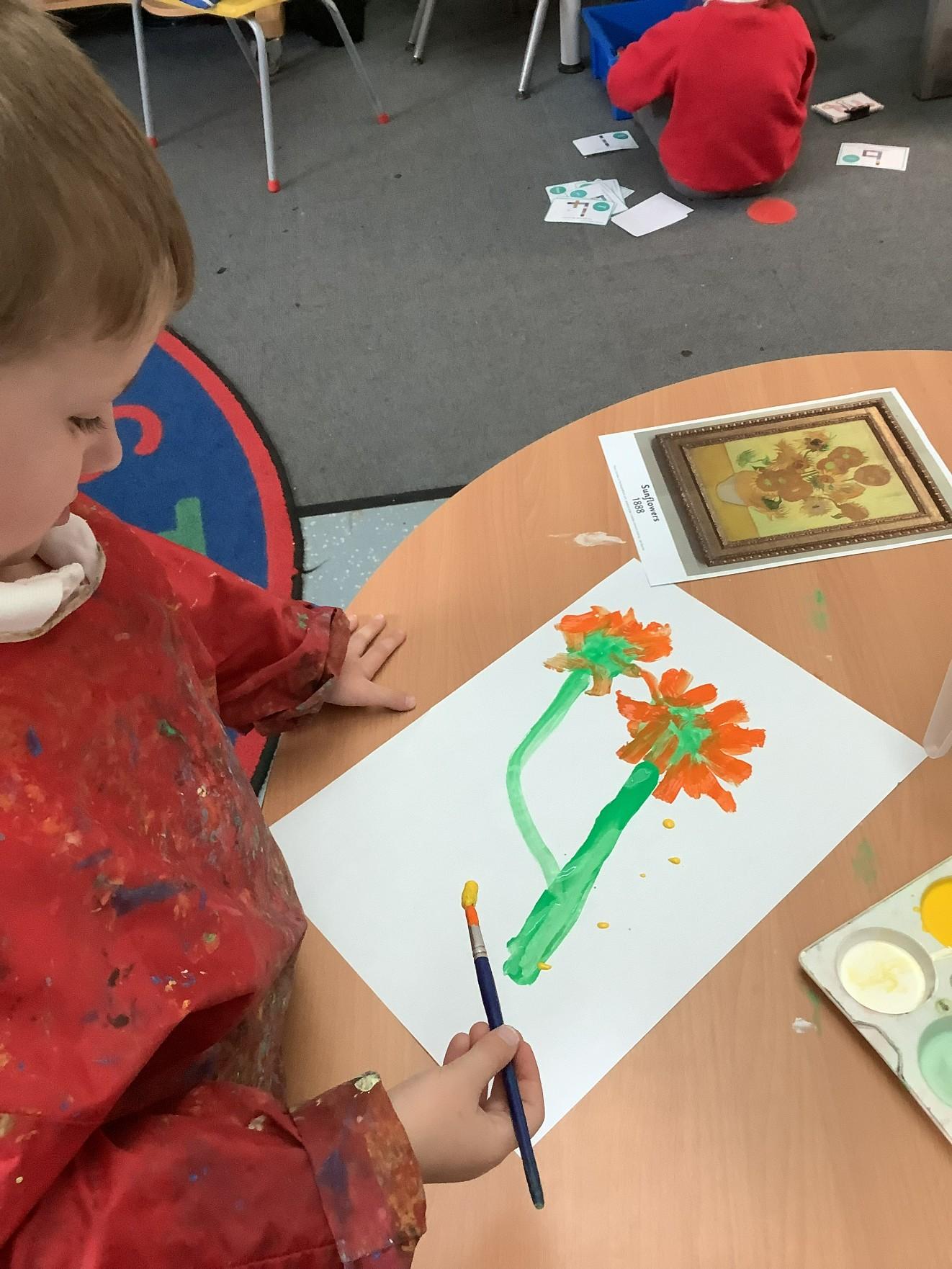
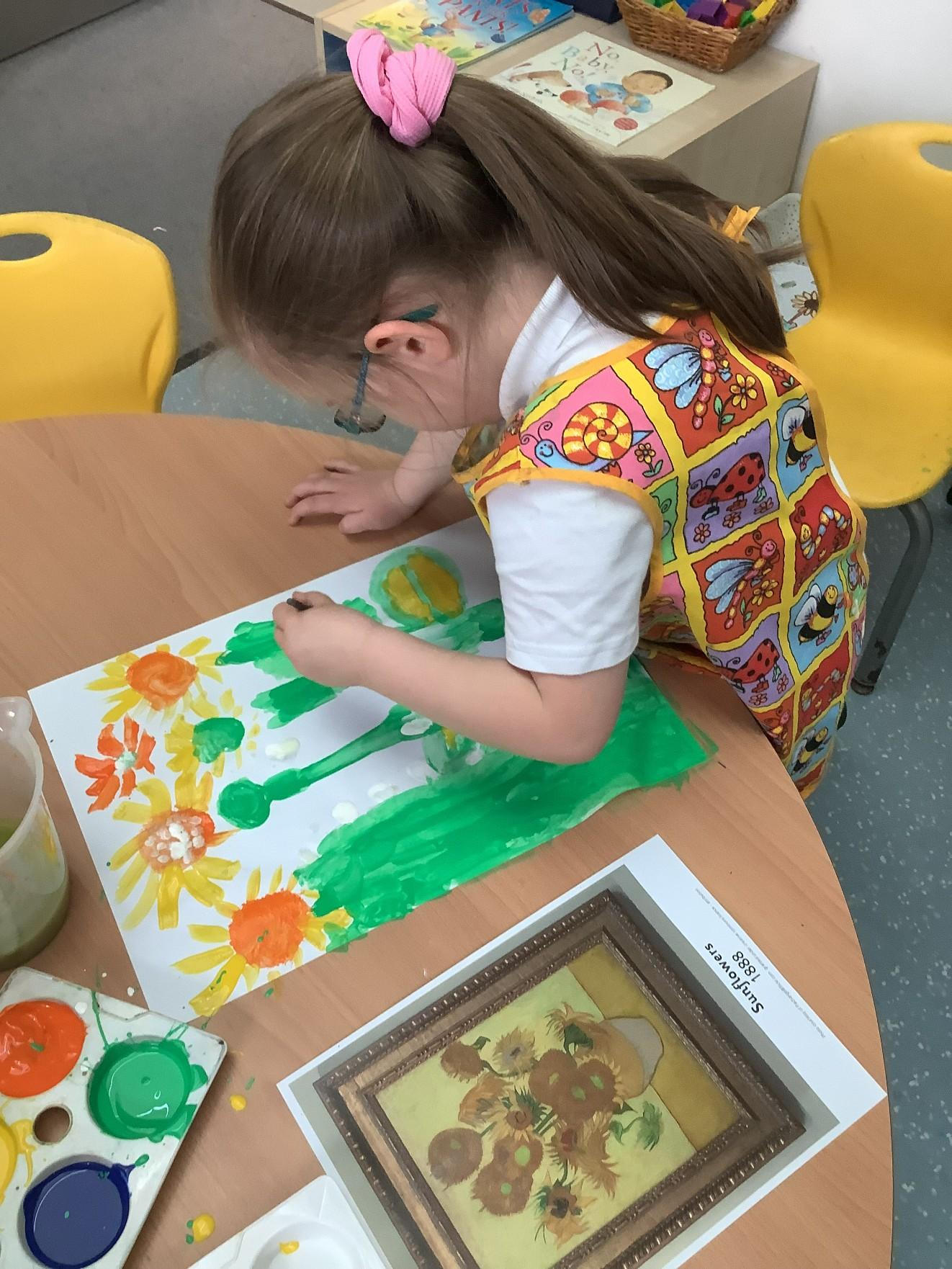
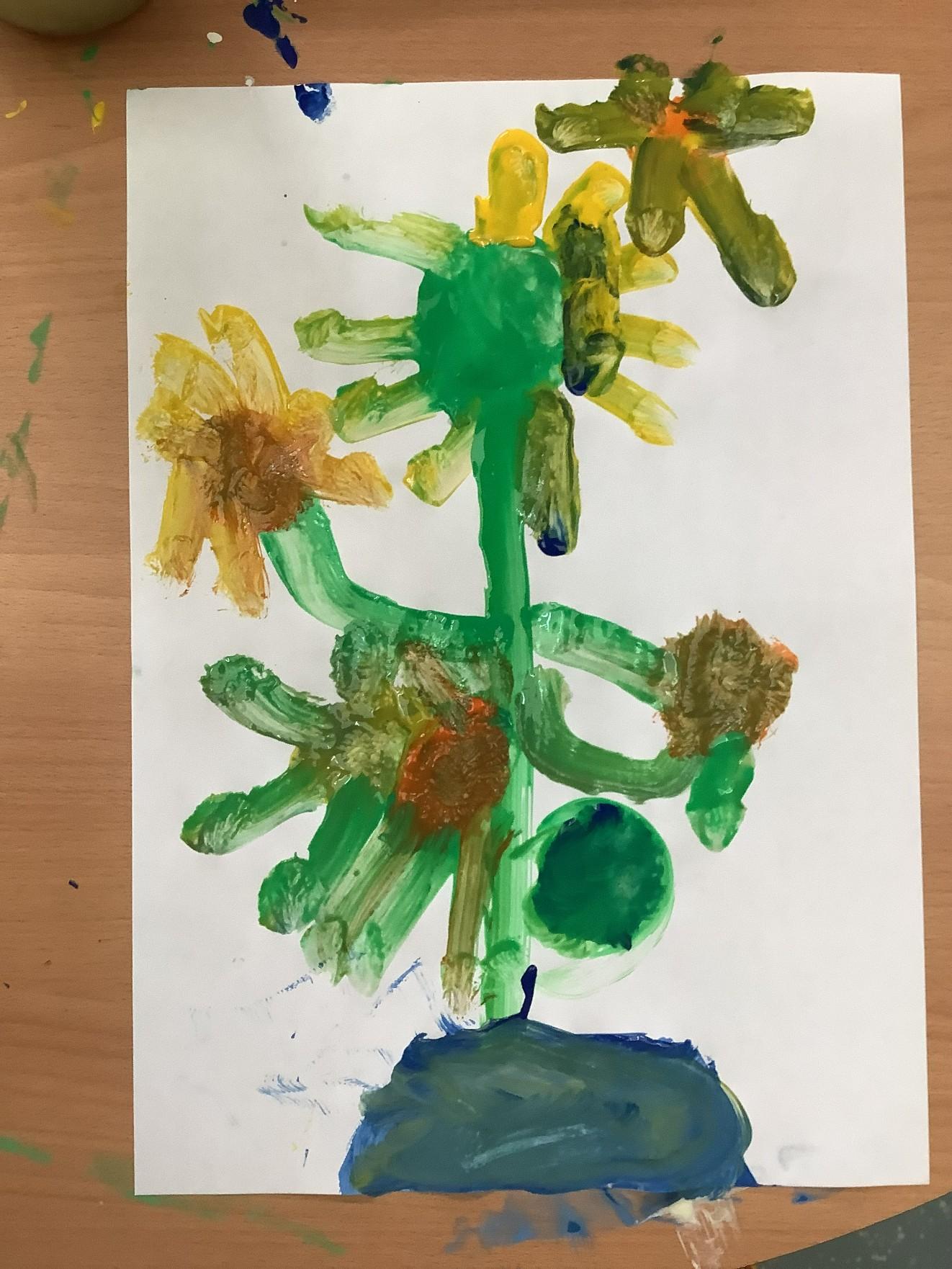
Painting sunflowers like Vincent van Gogh.
We used Google Earth to find Holland and France.
We learnt he was a Dutch artist but painted the sunflowers in France.
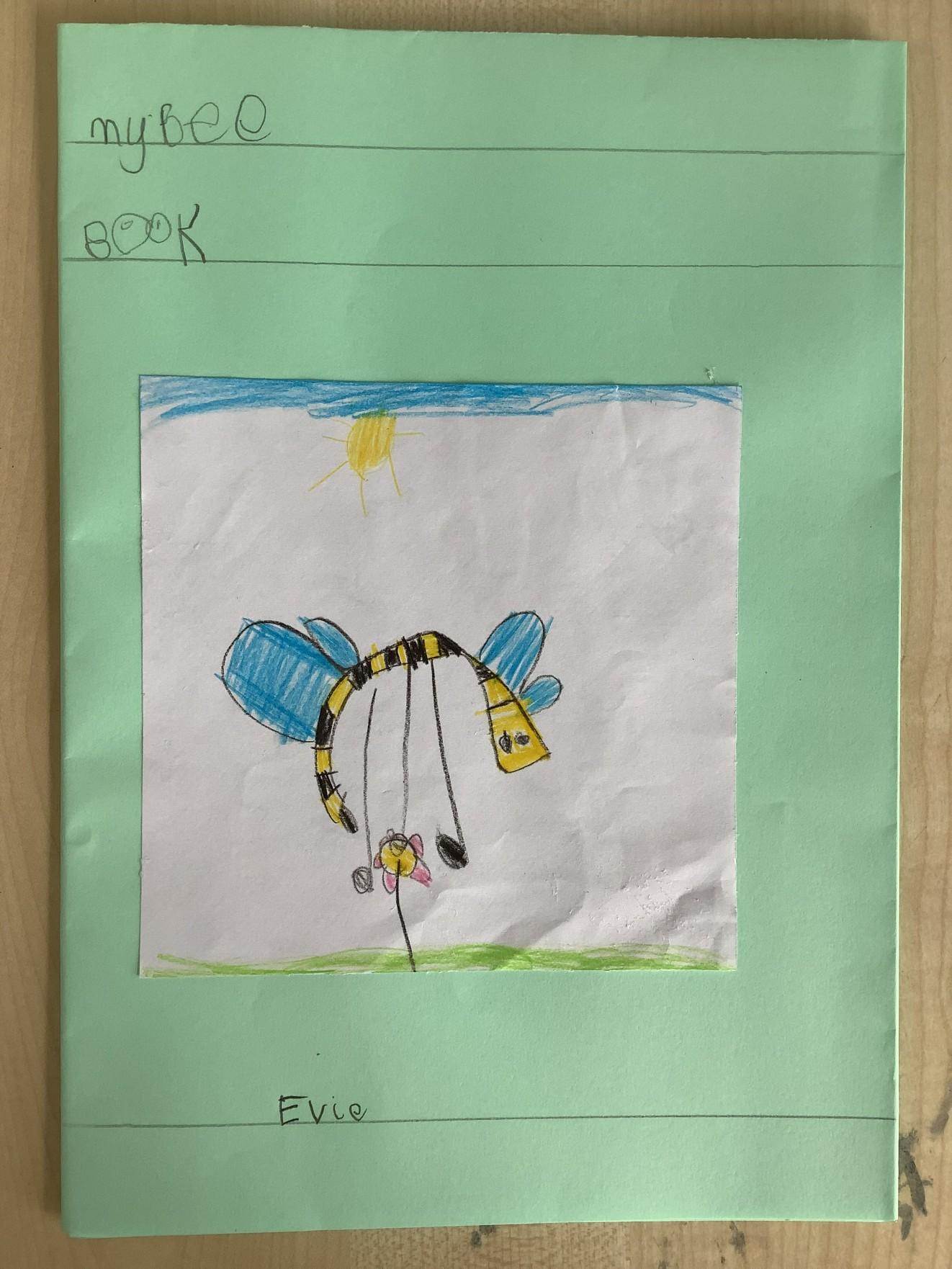
Writing our own book - My Bee Book
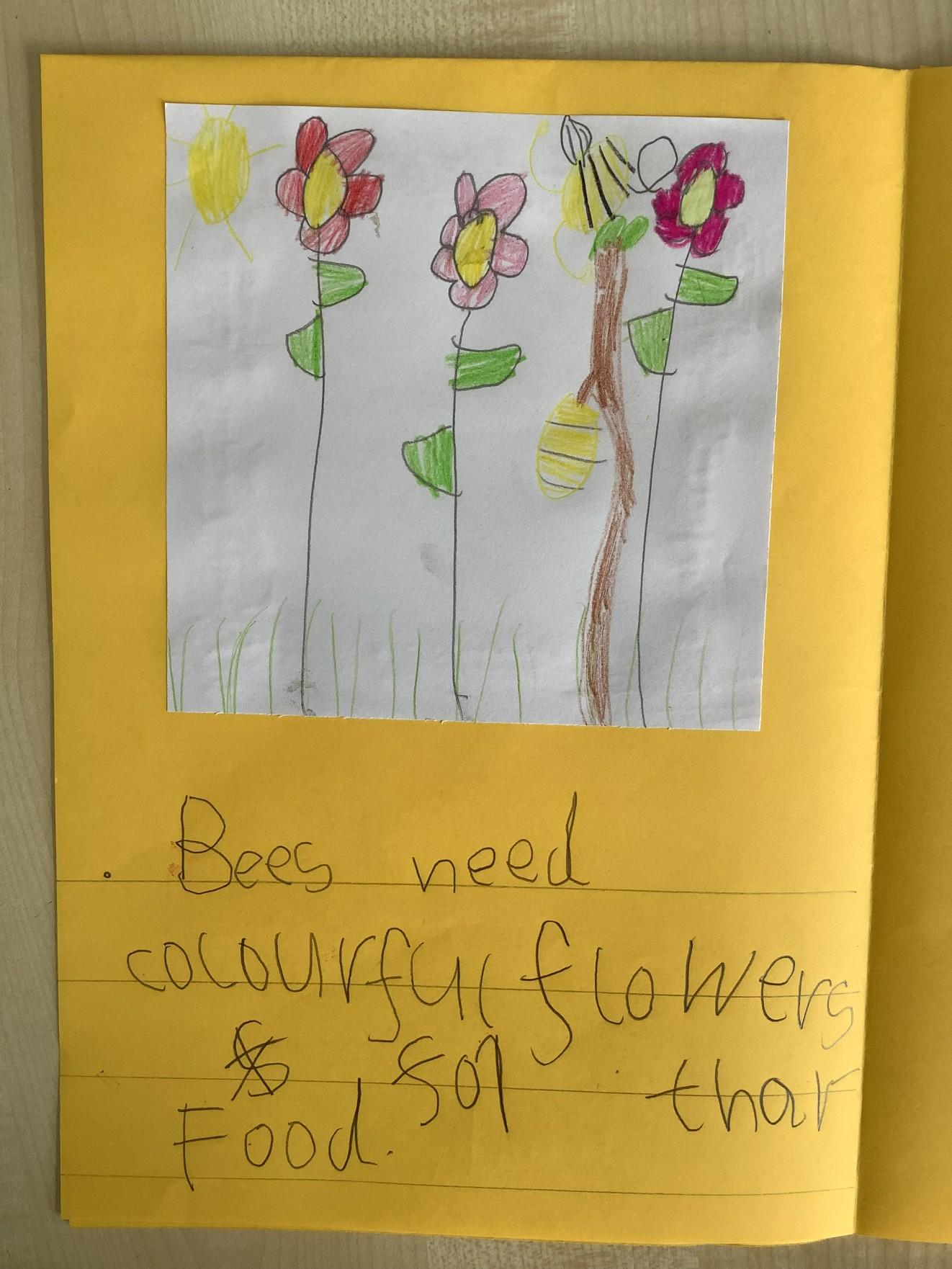
What do bees need?
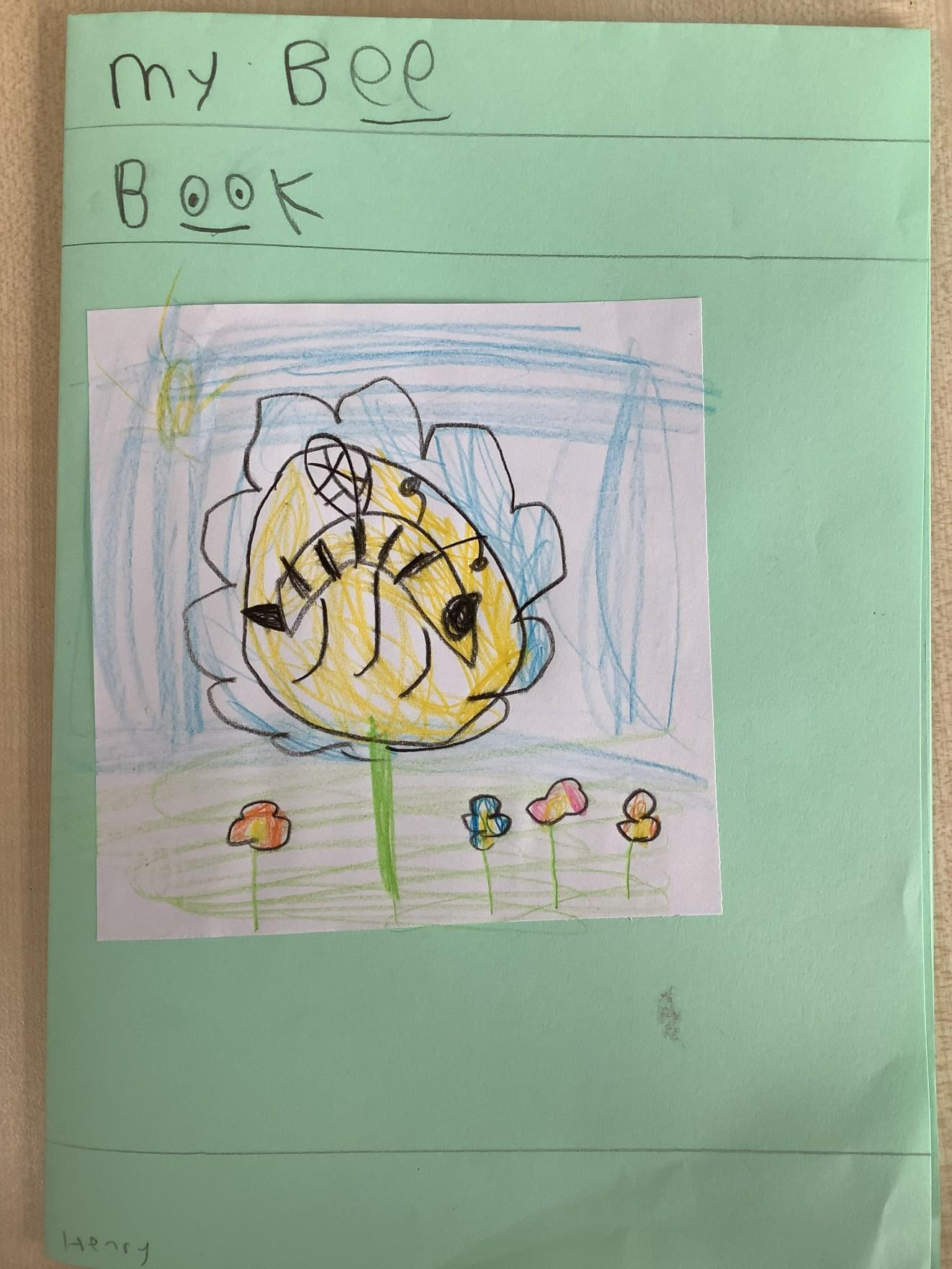
Creating our own front covers.
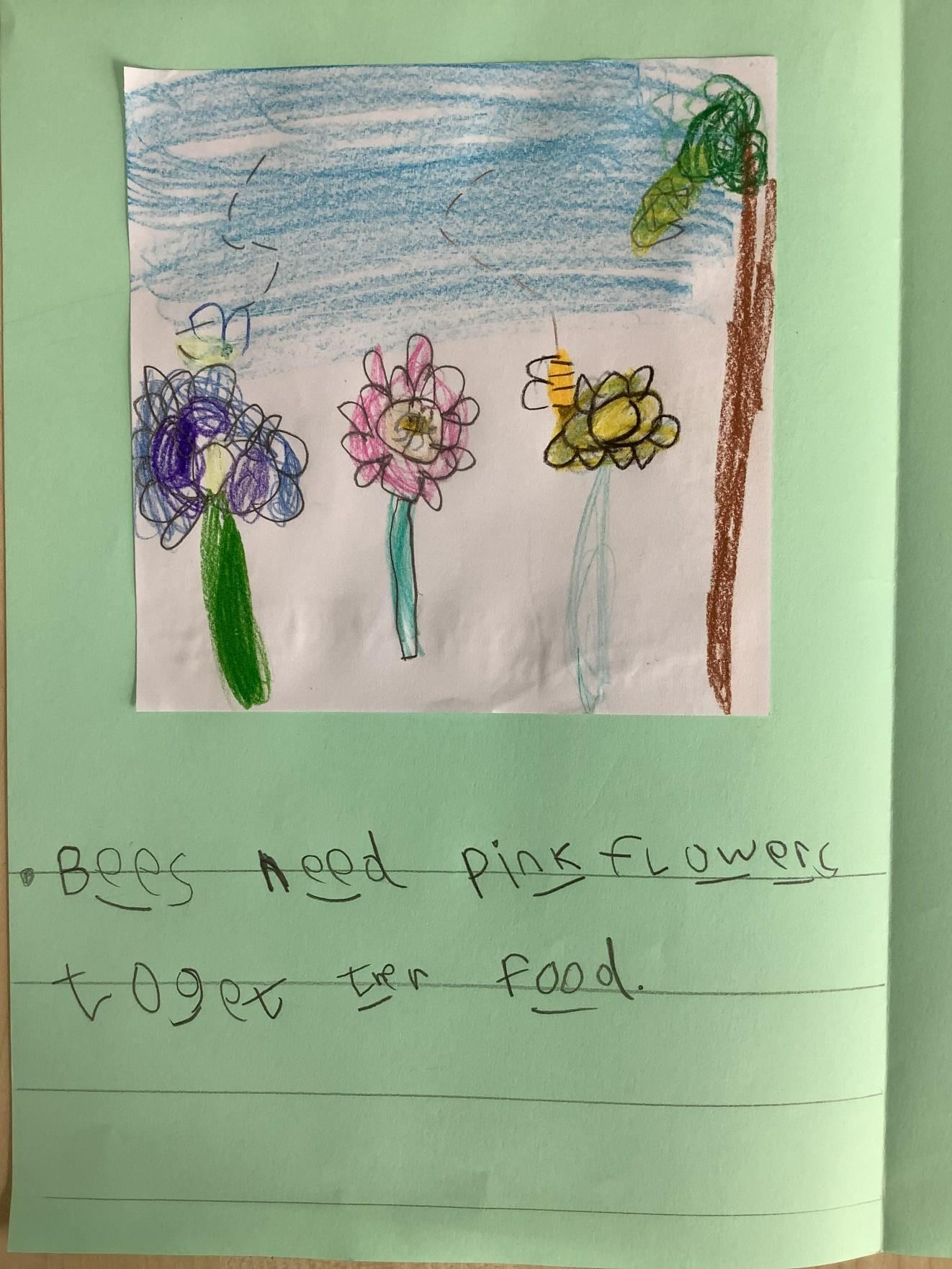
Writing sentences about what bees need and where they get their food.
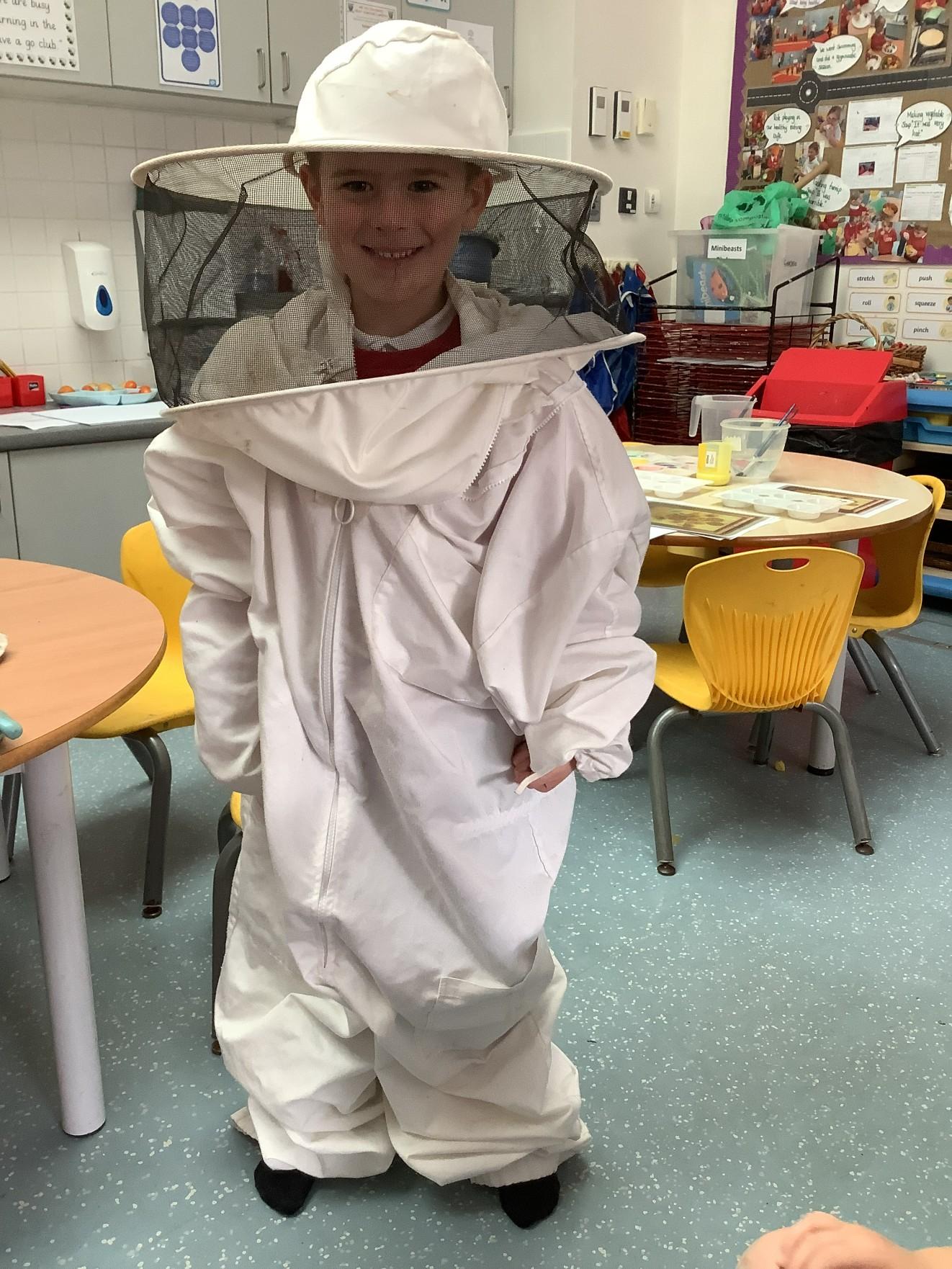
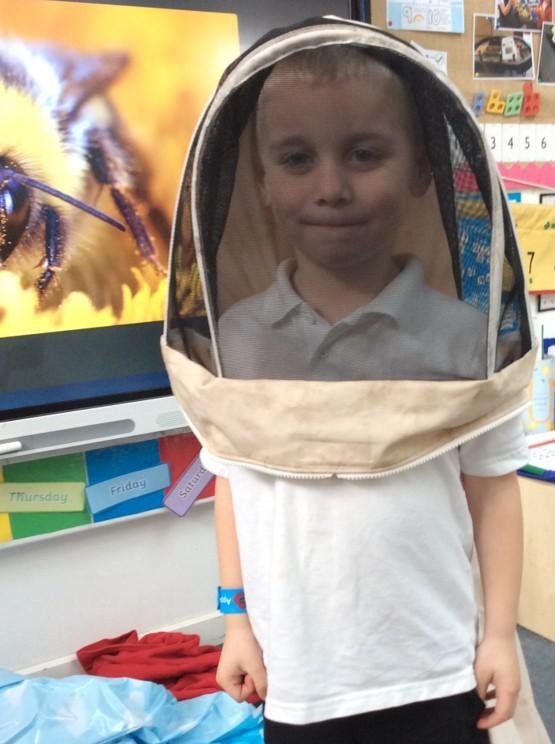
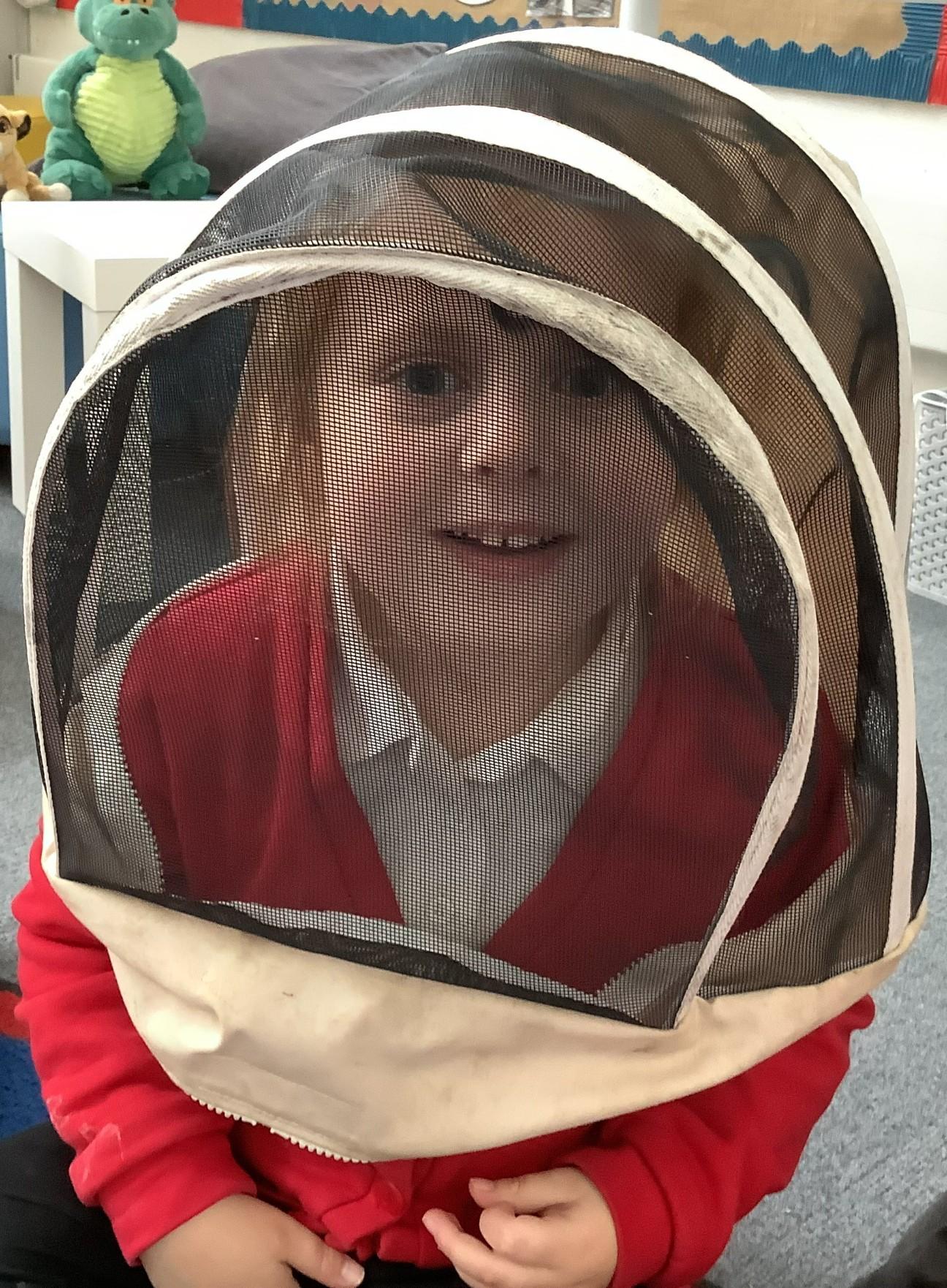
We all tried on the beekeeping suit. We learnt why it is important to cover our faces.
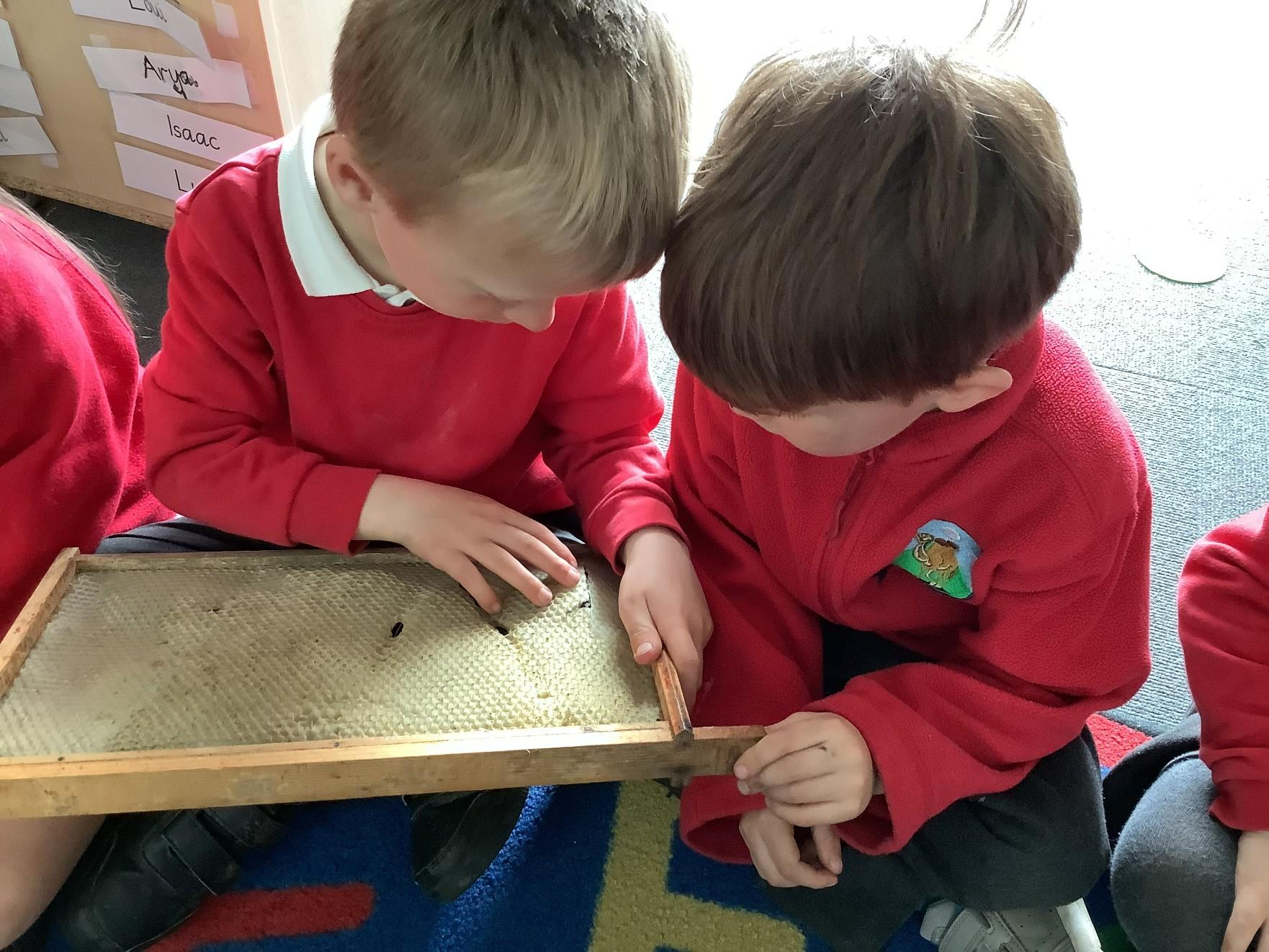
The queen bee lays an egg in each hole and the workers look after them until they hatch.
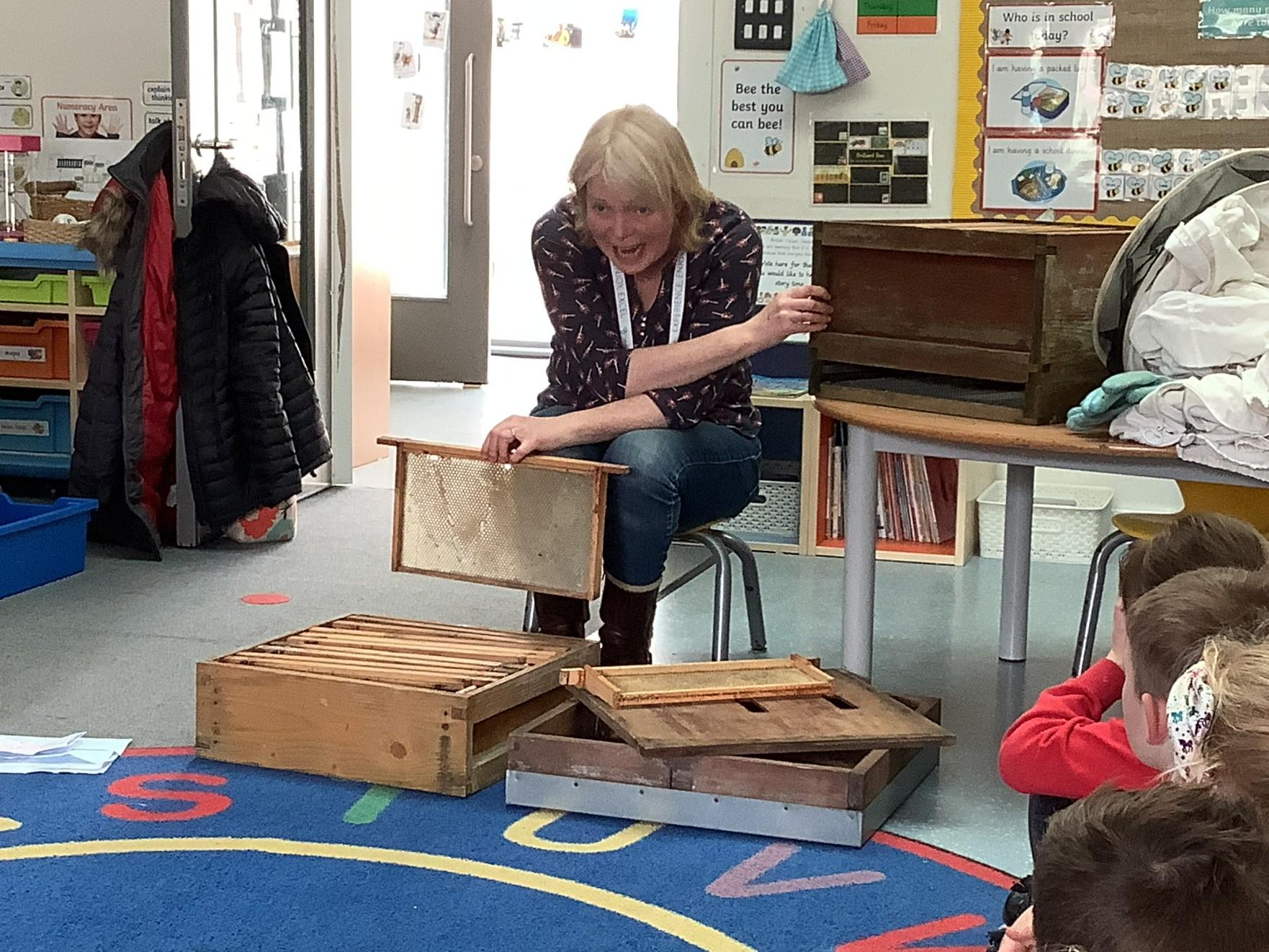
A visit from a beekeeper
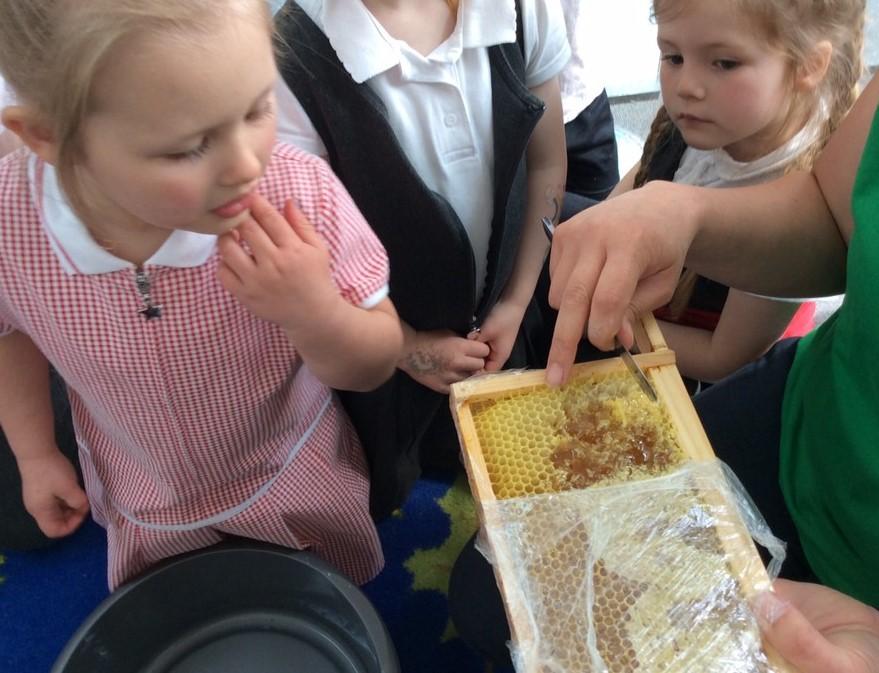
We learnt about the beehive and all the important jobs the worker bees have. The queen bees is the most important bee and she spends every hour of her day laying eggs. The worker bees look after her by feeding and cleaning her.
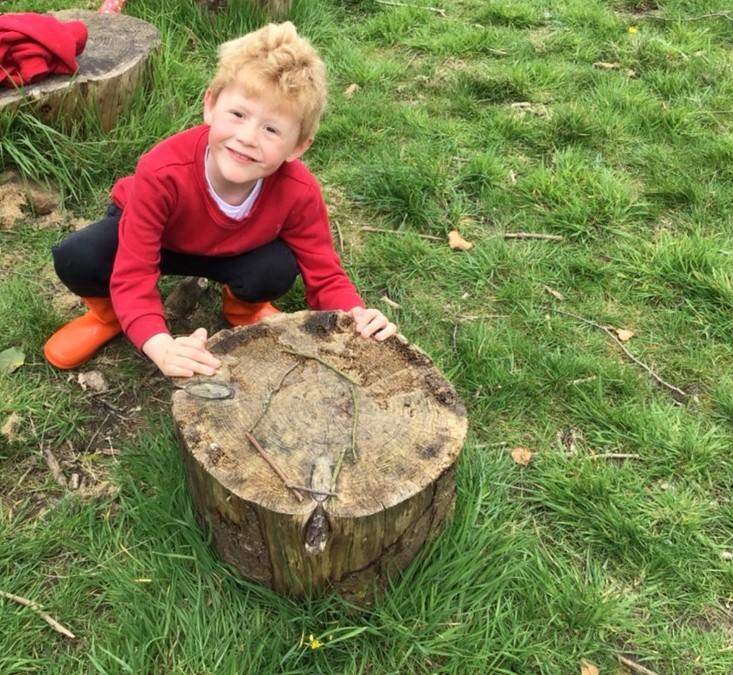
Creating a beehive in the woods
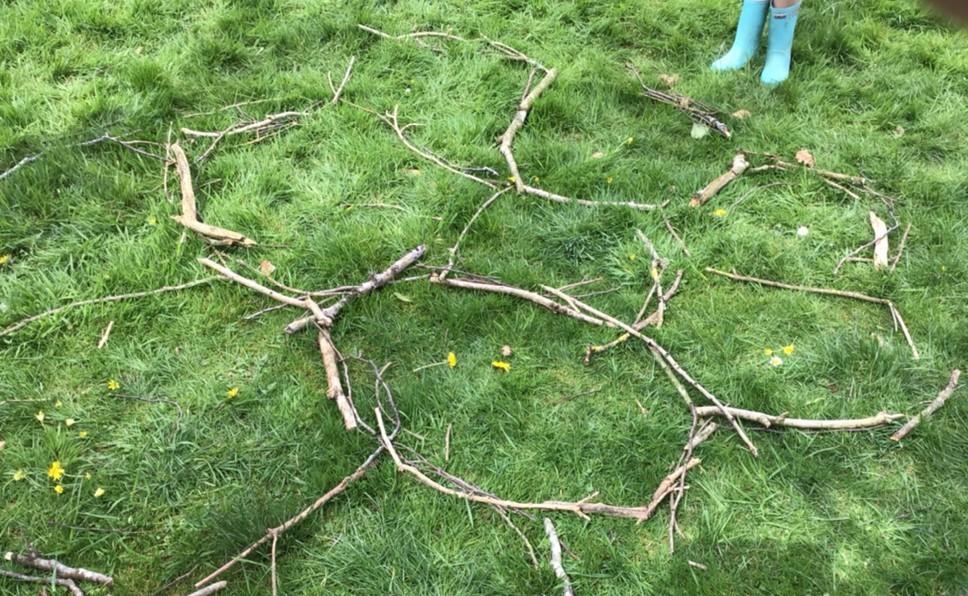
First, they were given the task of finding 6 sticks the same length.
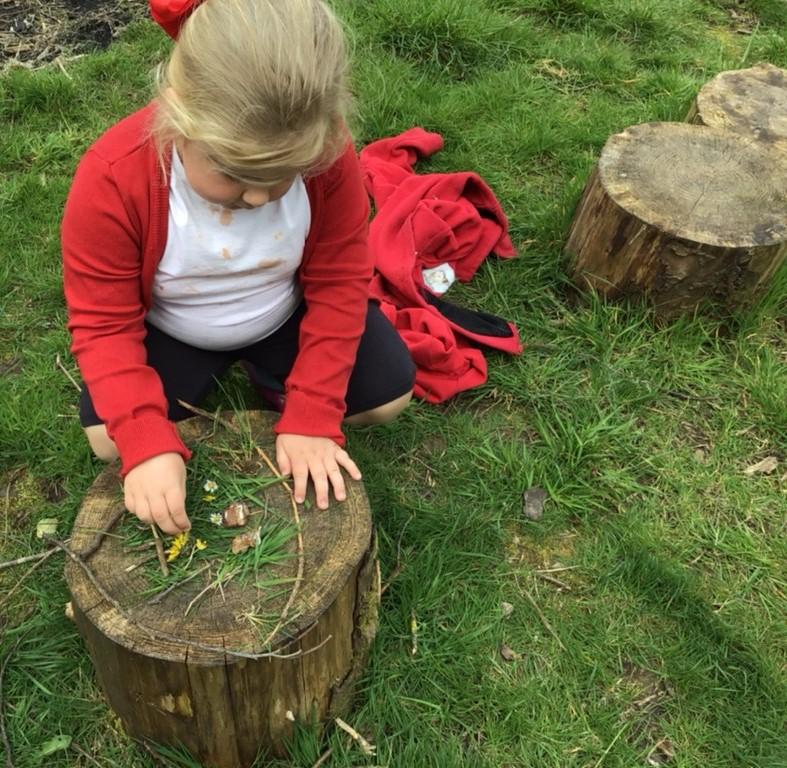
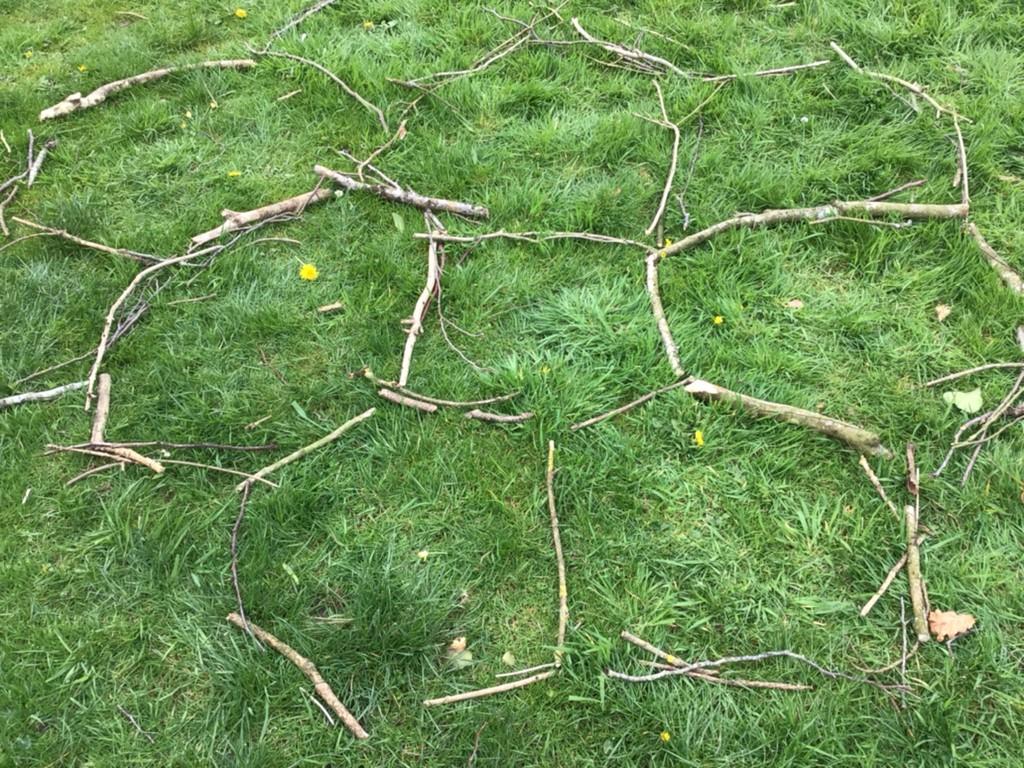
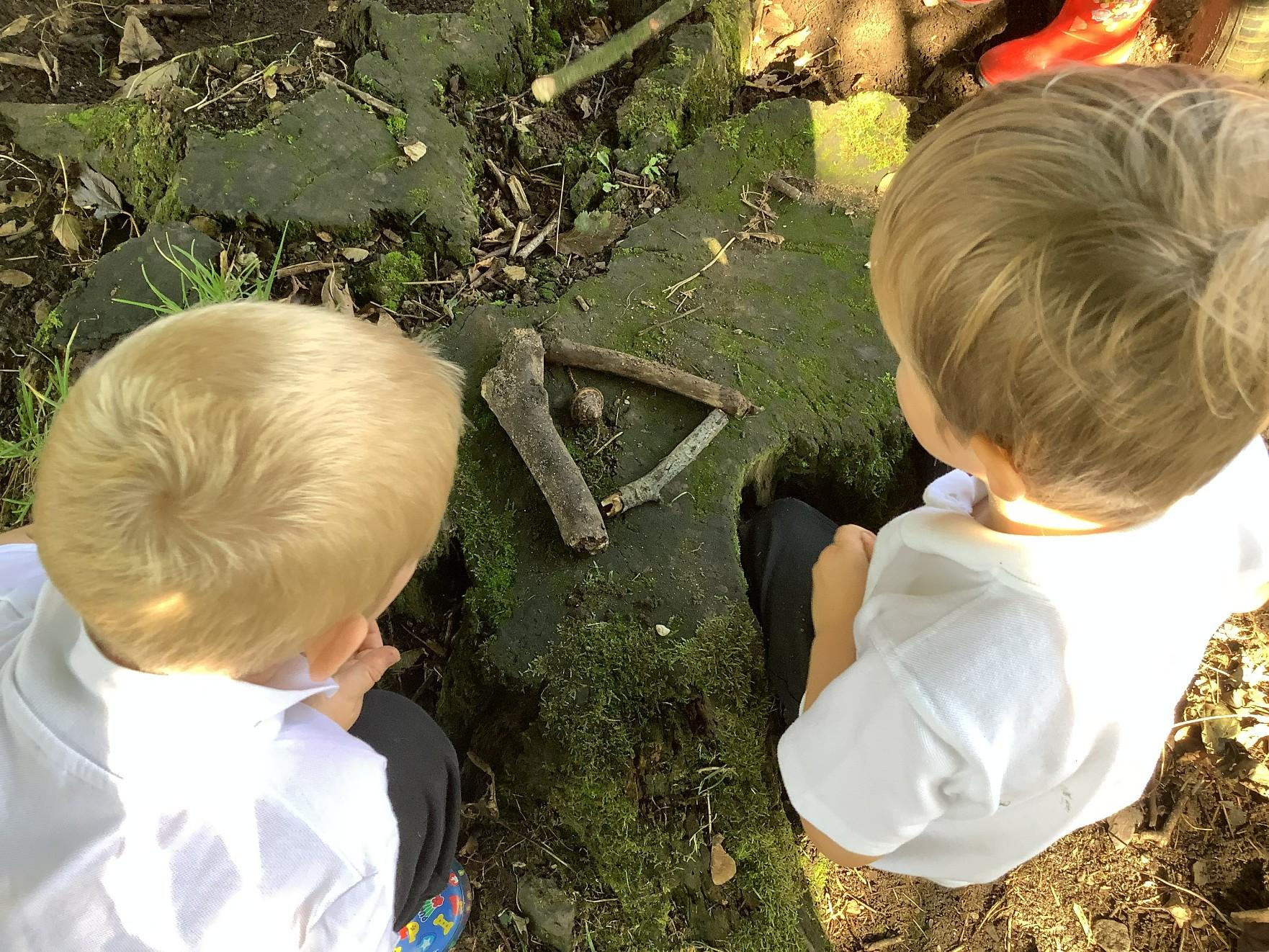
They then had to join their sticks together to make a haxagonal shape. Finally they joinned all their shapes together to create a beehive.
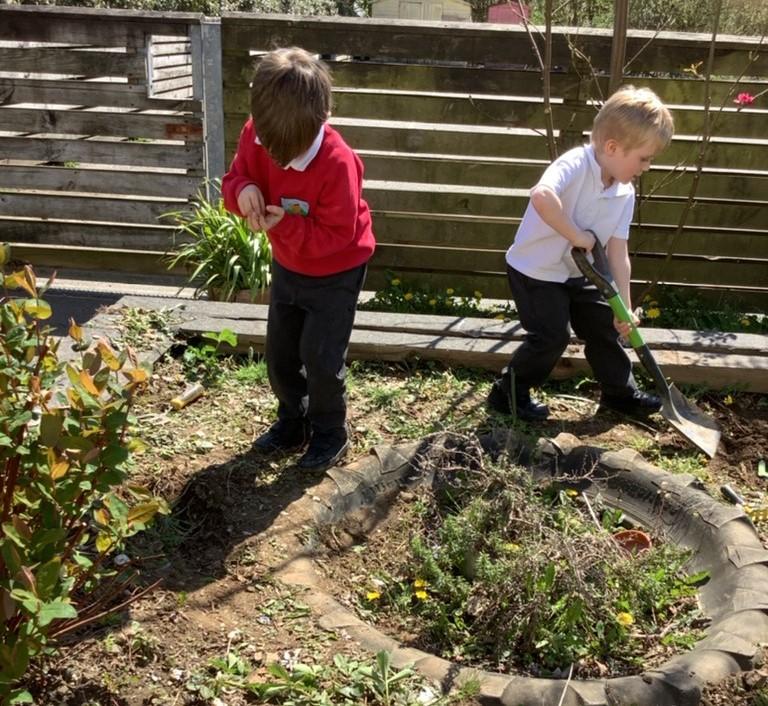
We decided to do a Bea had done and create our own garden for the bees.
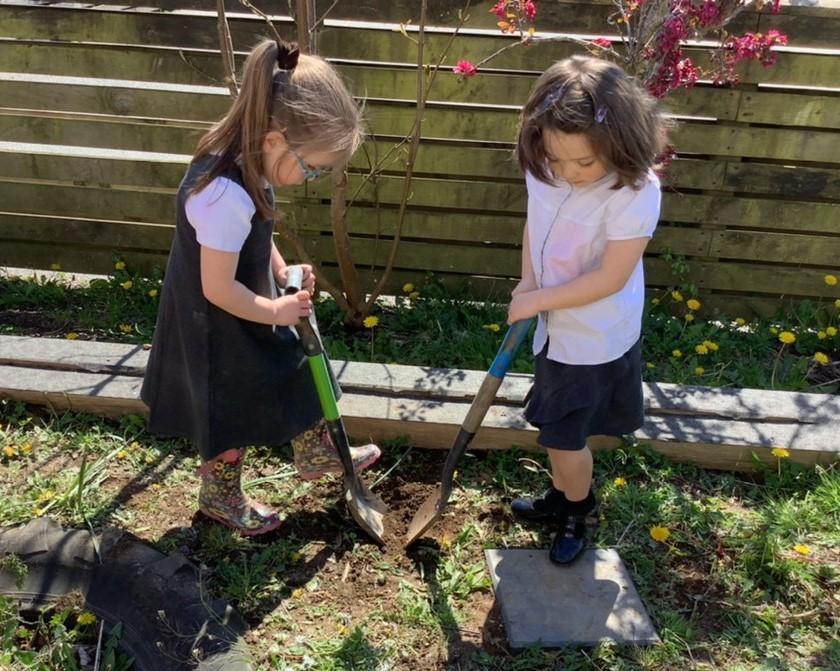
We pulled up the weeds and dug over the soil.
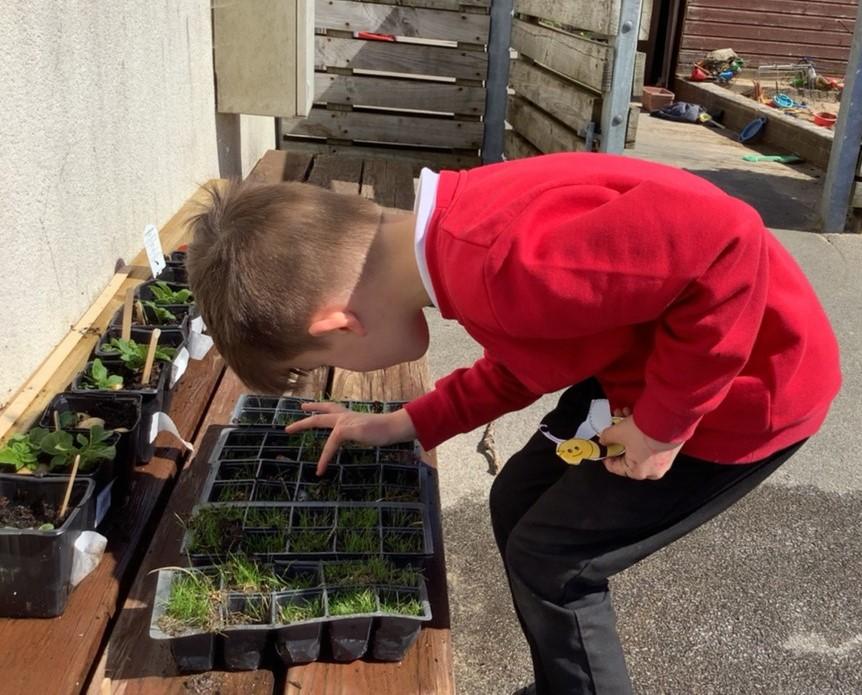
We then sewed the seeds by scattering them in the soil. We also planted sunflower seeds in pots. Finally we watered them.
Bea's Bees
Beatrix discovers a wild bumblebee nest on her way home from school and finds herself drawn to their busy world. When her bees mysteriously disappear, Bea hatches a plan to bring them back. Can Bea inspire her school and community to save the bees?
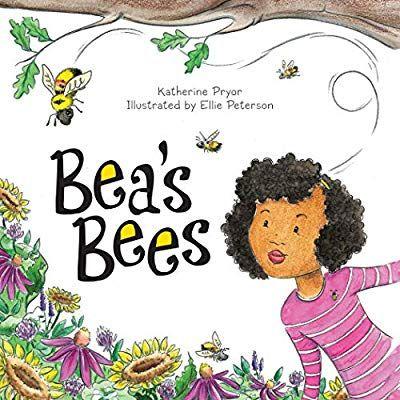
How can we help the bees?
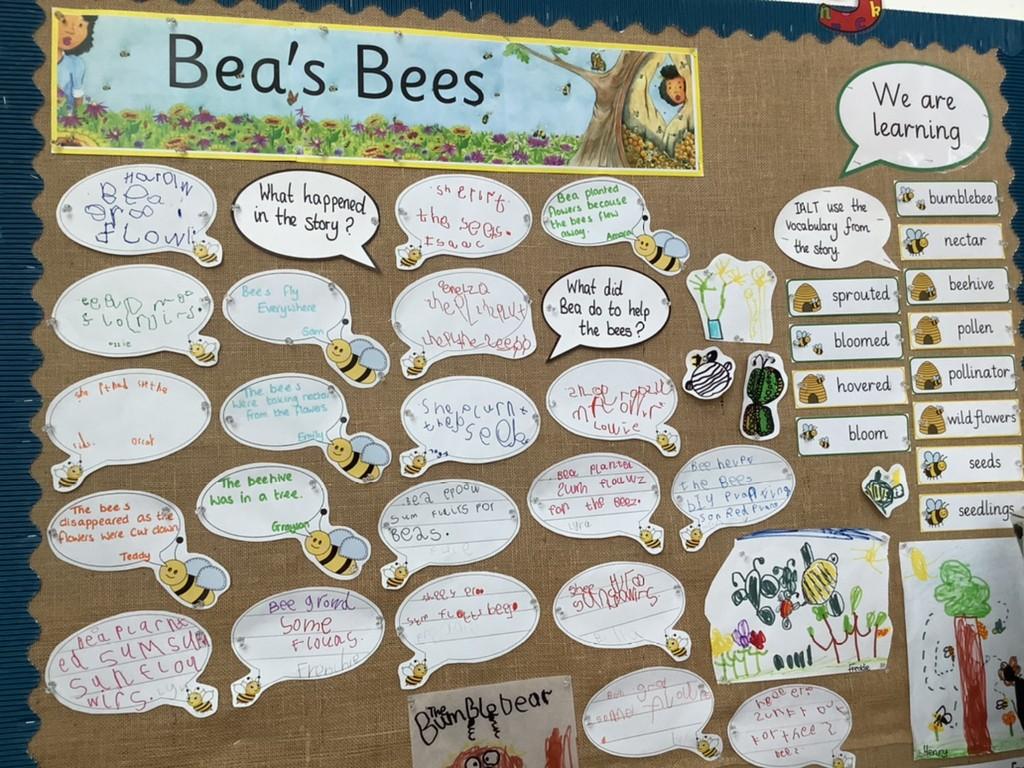
This week we have been reading the story Bea's Bees. By listening to the story we got some ideas about how we can help the bees straight away. We also discussed what happened in the story.
Our finished 'talking tub' theme web. Over the next few weeks we will be learning about the mini themes we discussed.
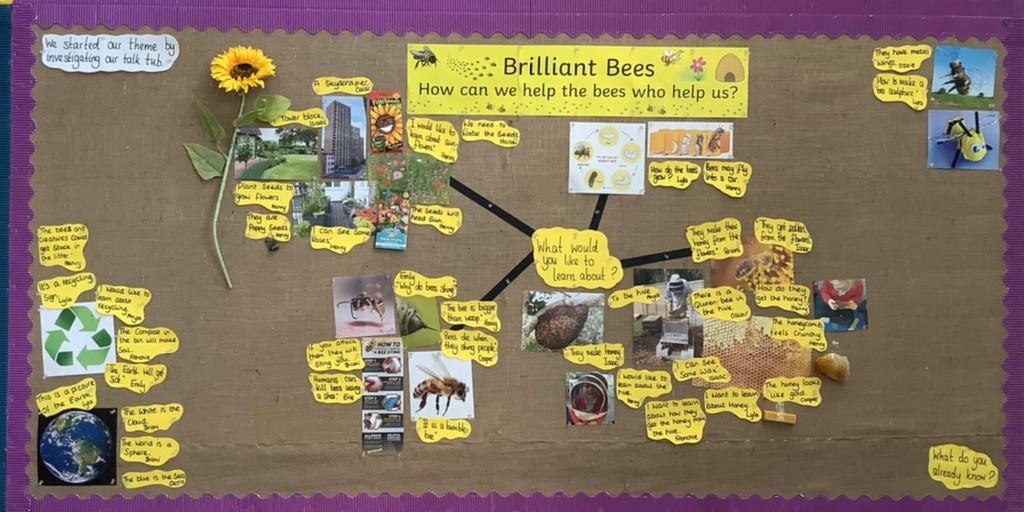
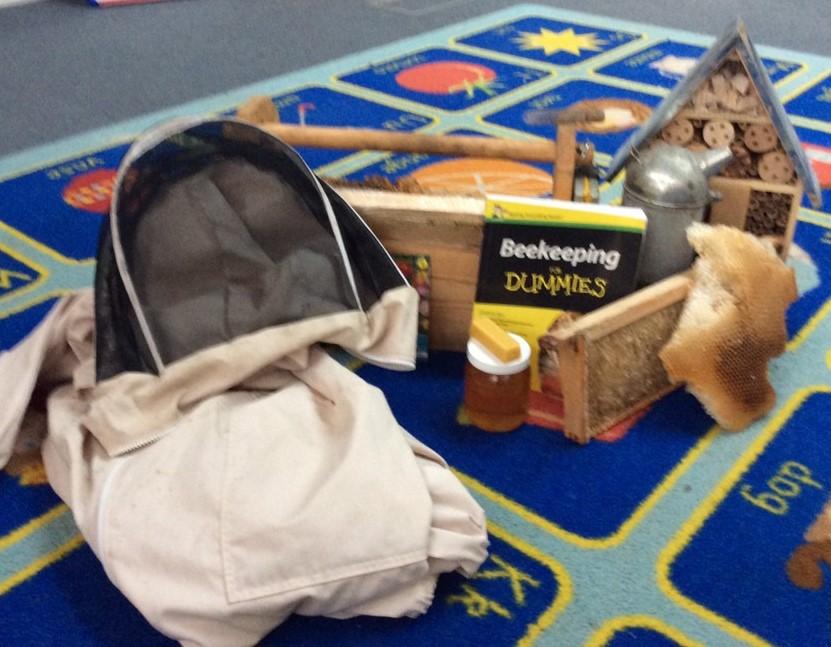
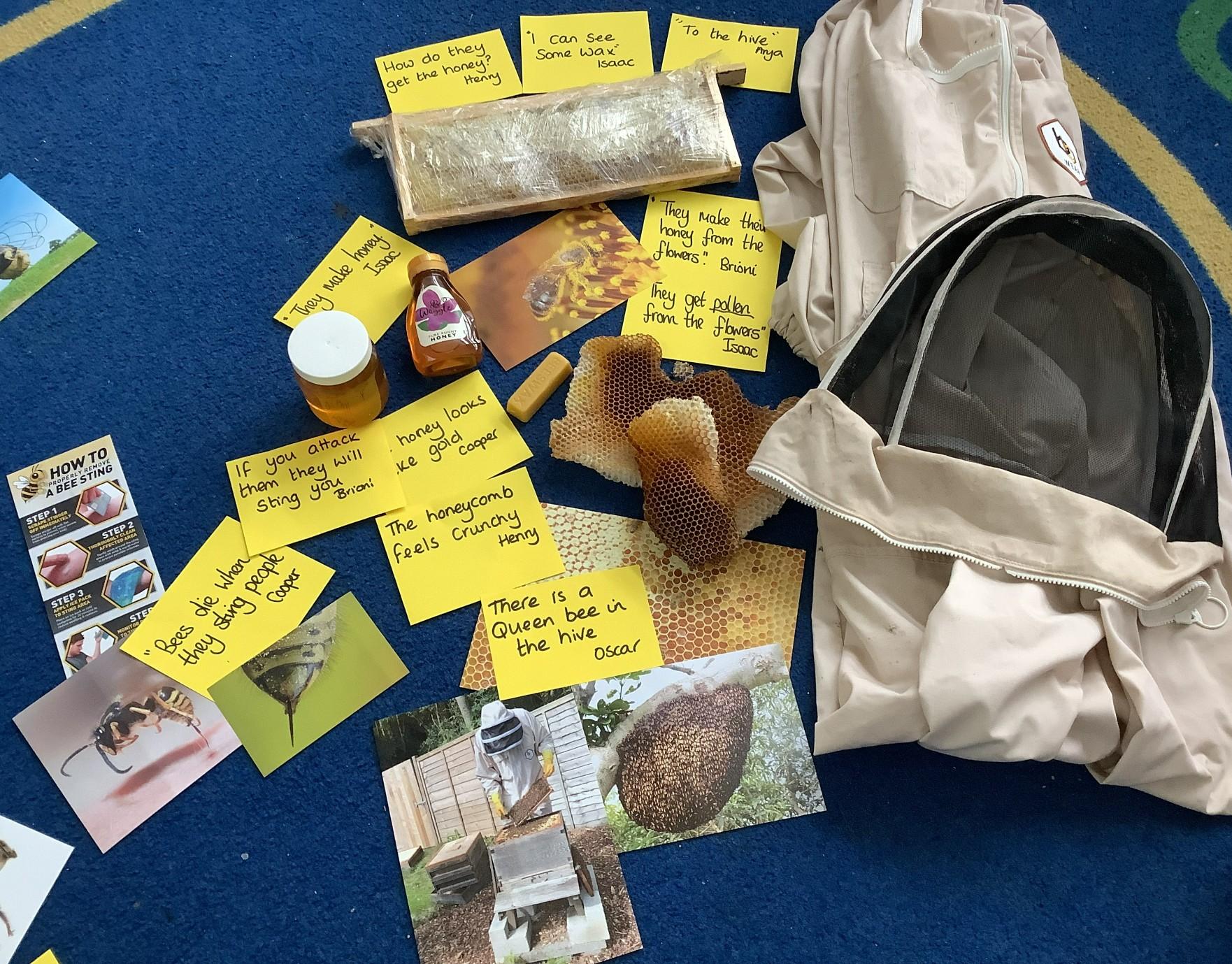
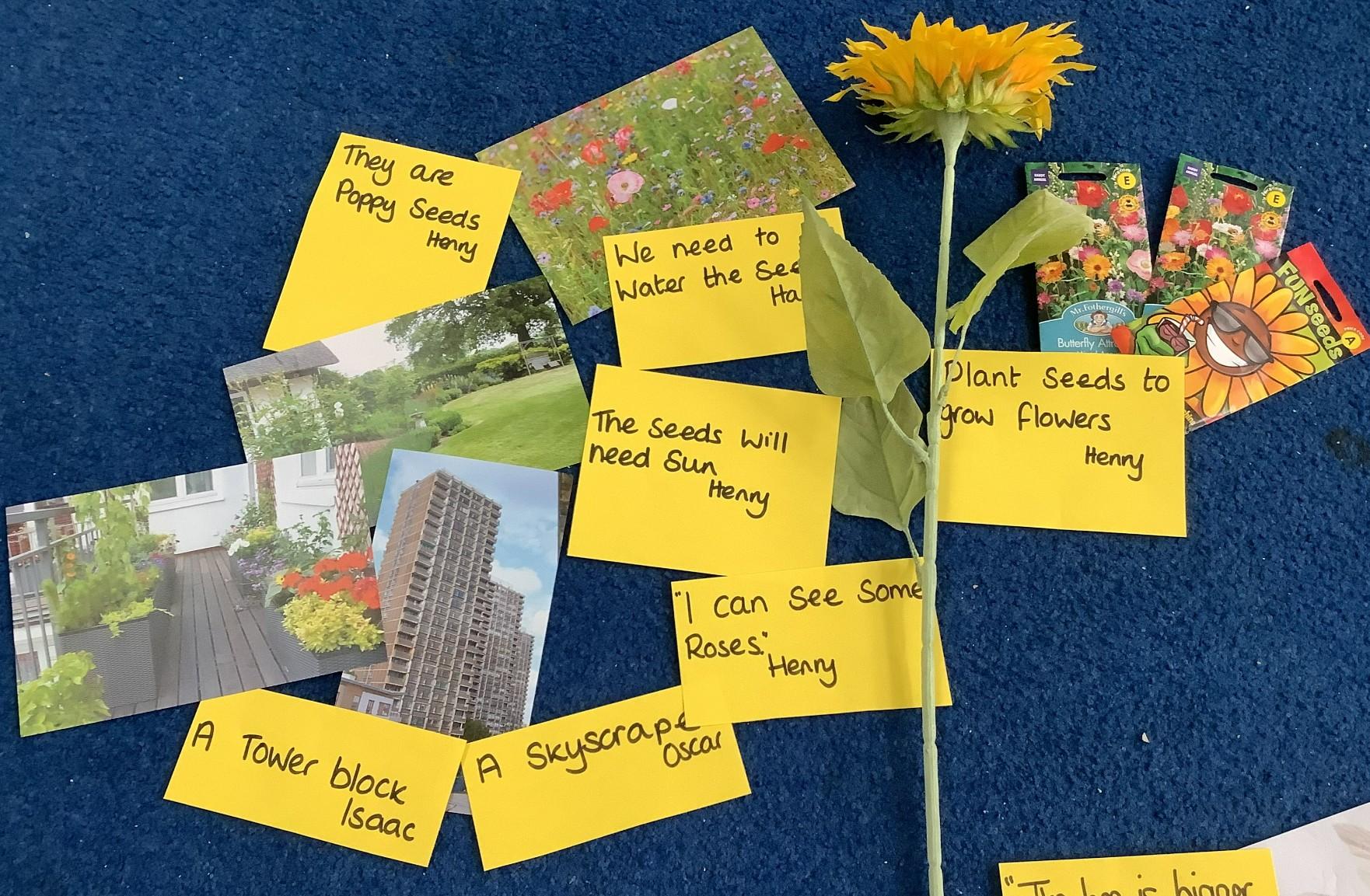
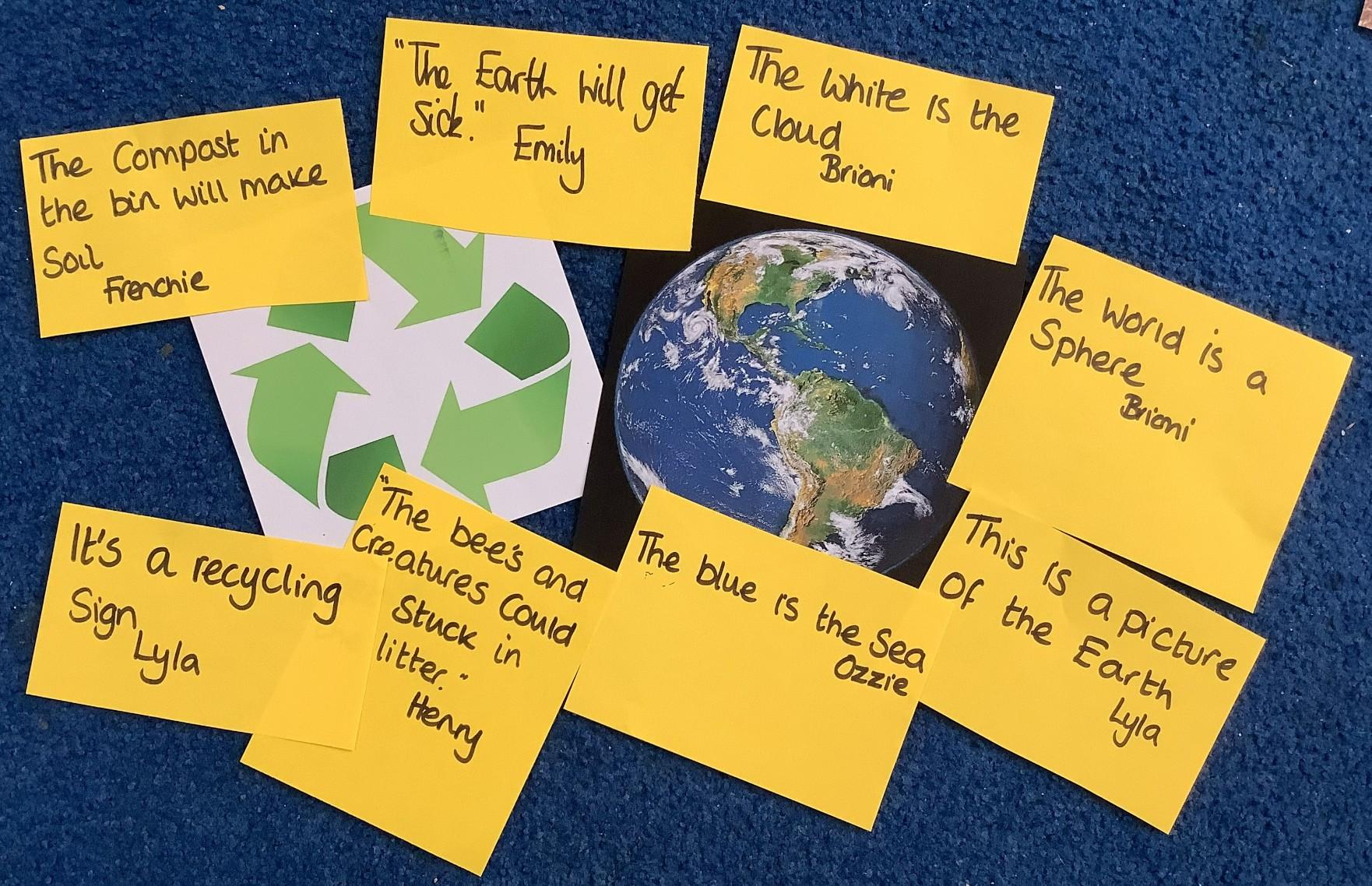
Exploring the items in our 'talking tub'.
What would you like to learn about?
Please enjoy our rich learning
|
Spring 2 |
What we have been learning
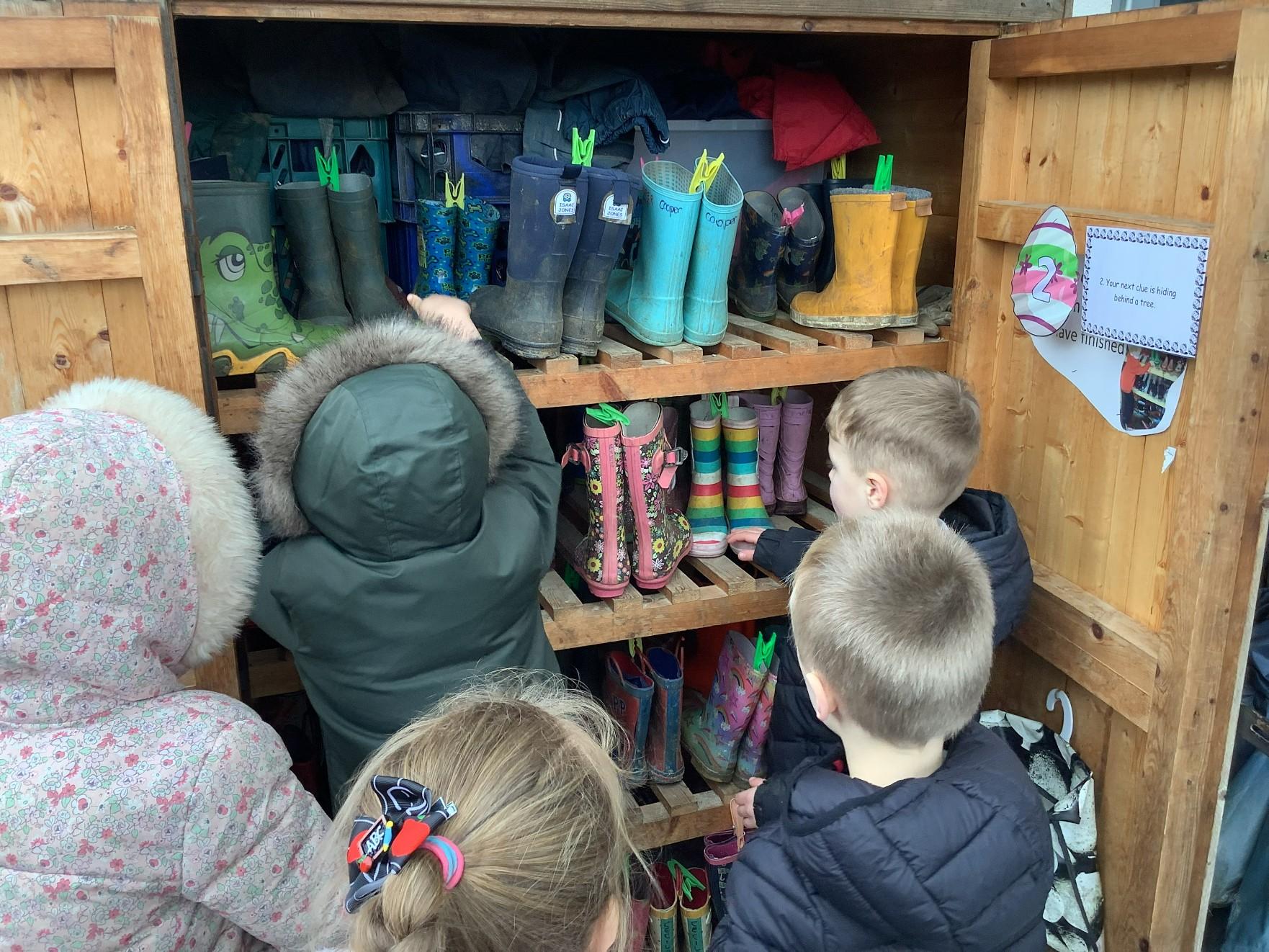
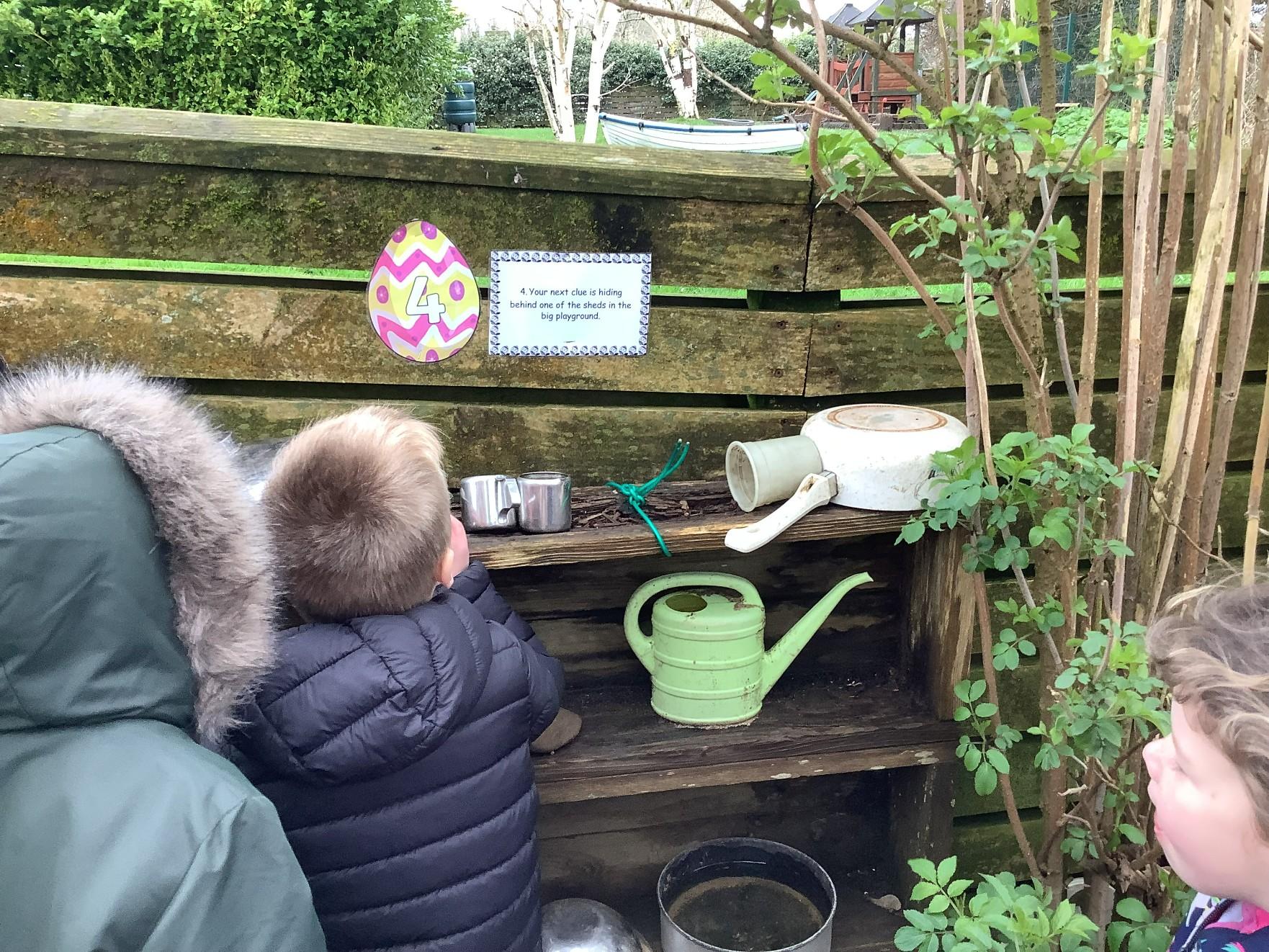
Maths Easter Egg Hunt
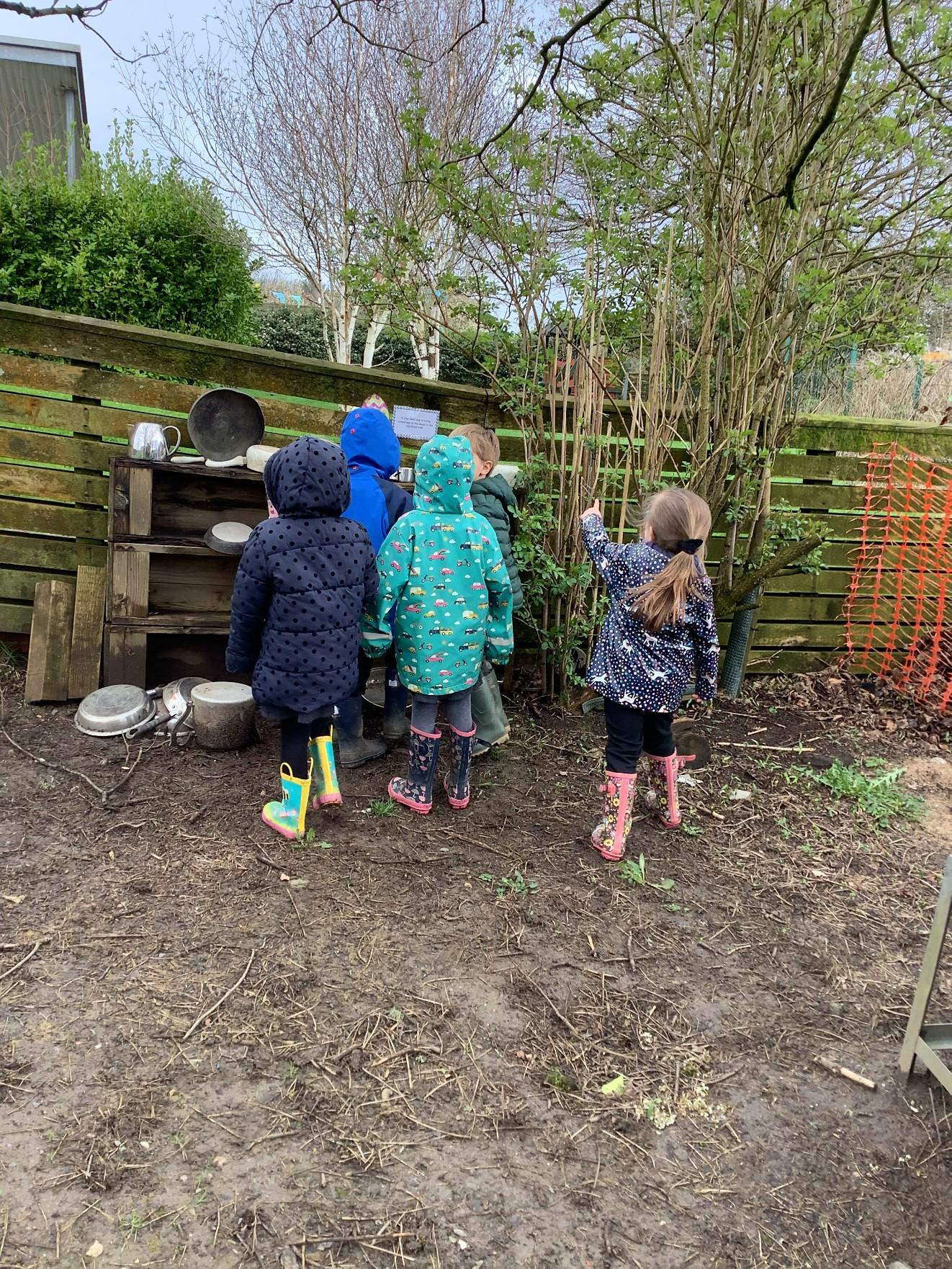
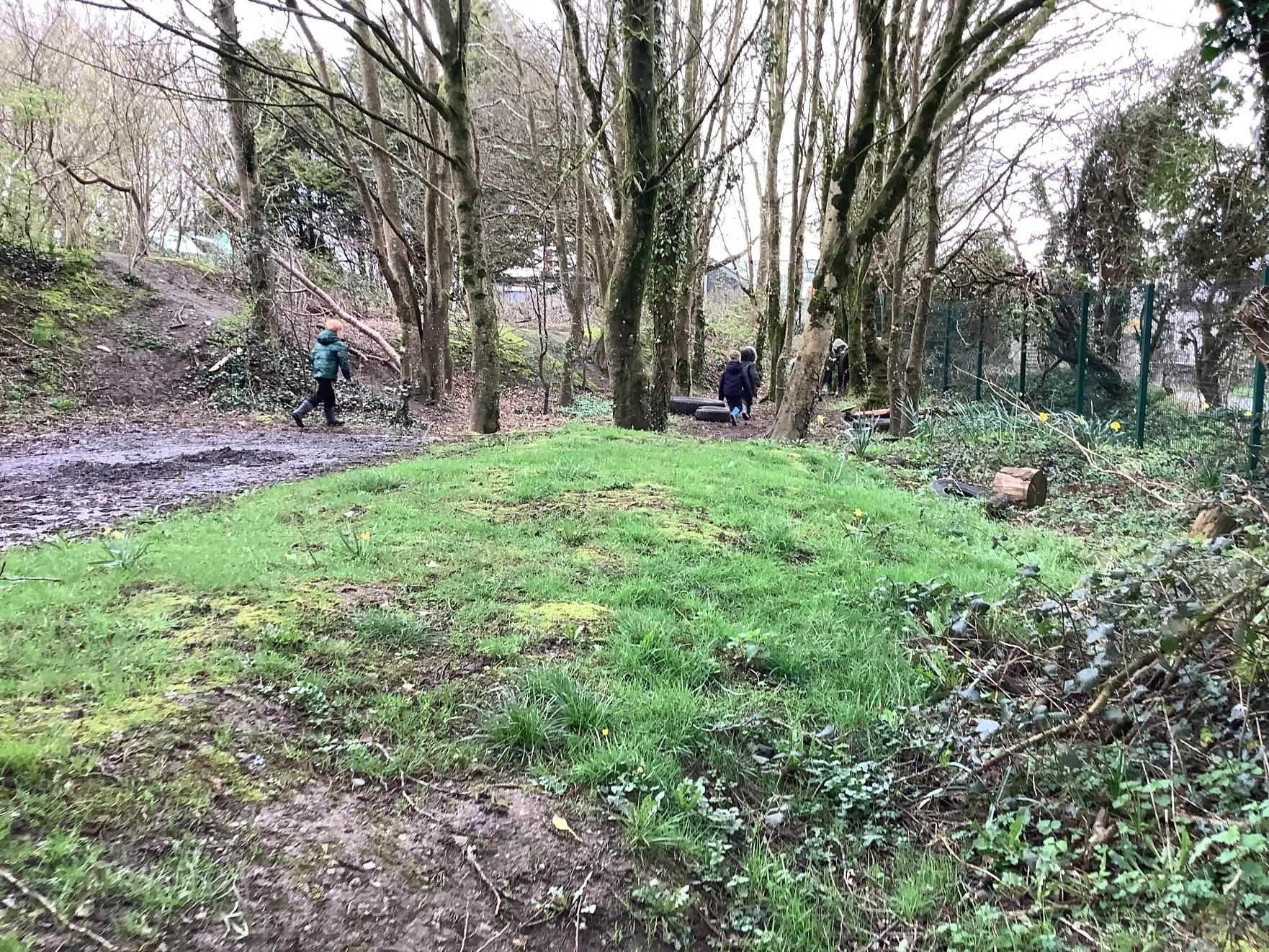
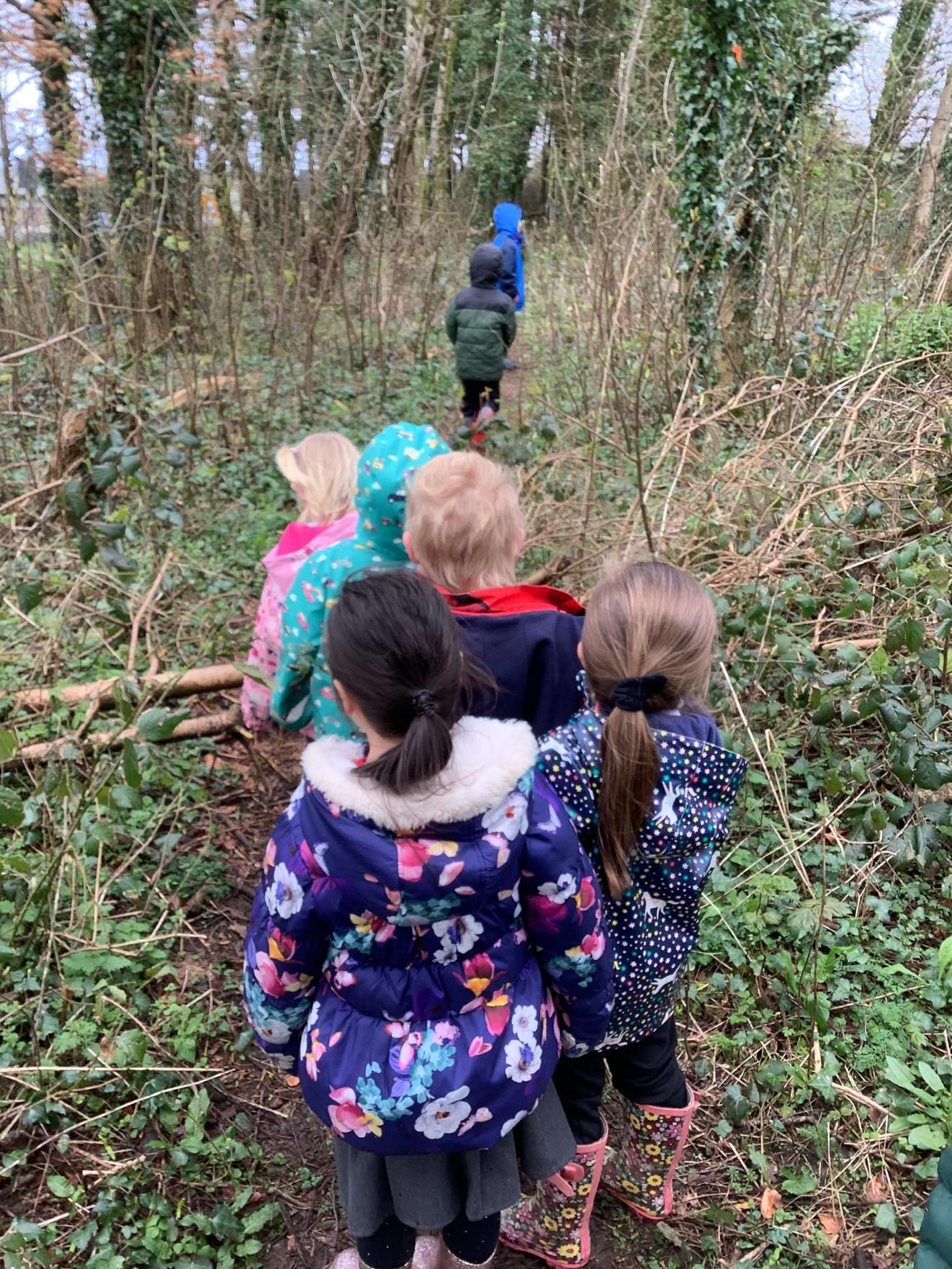
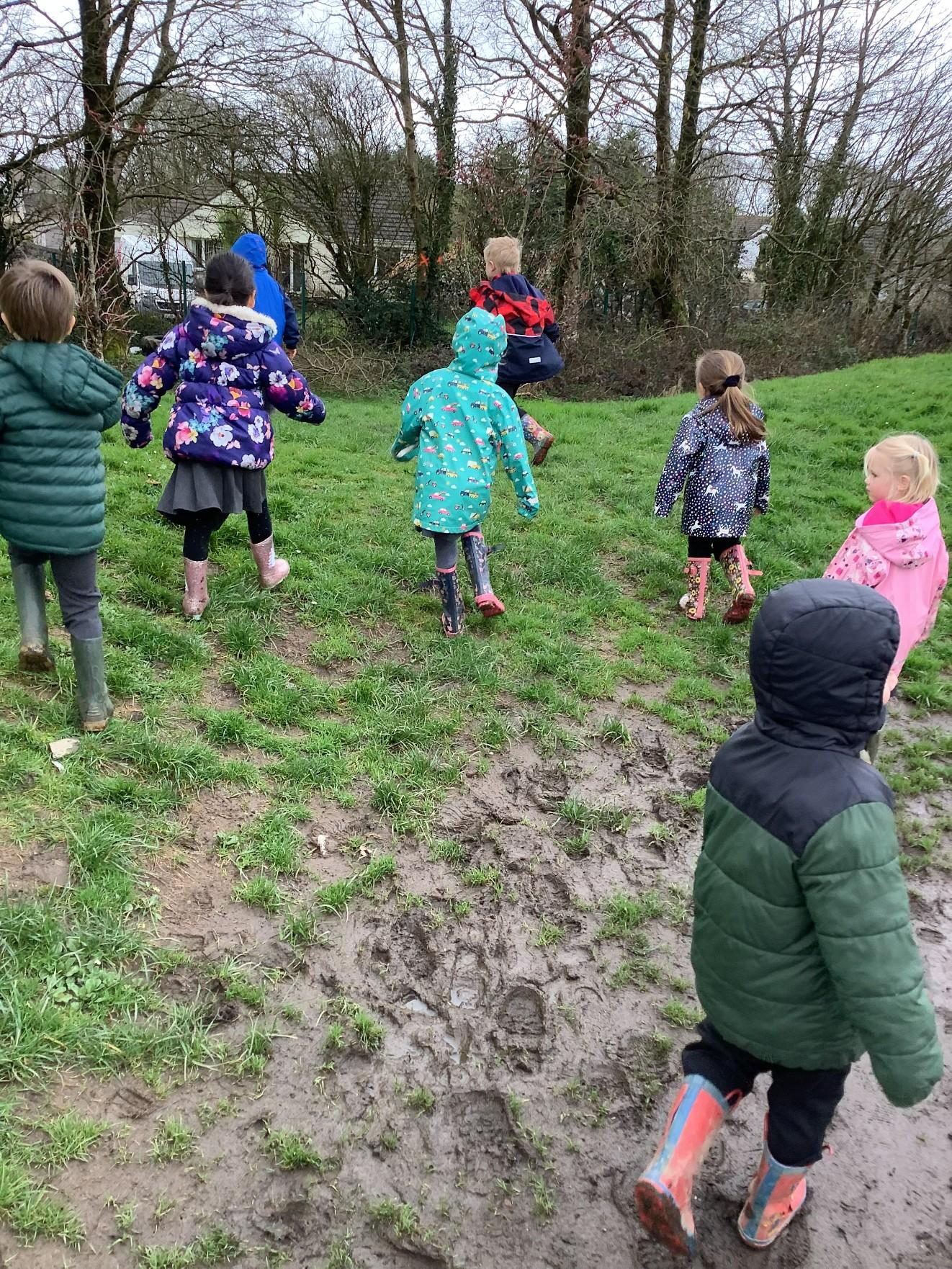
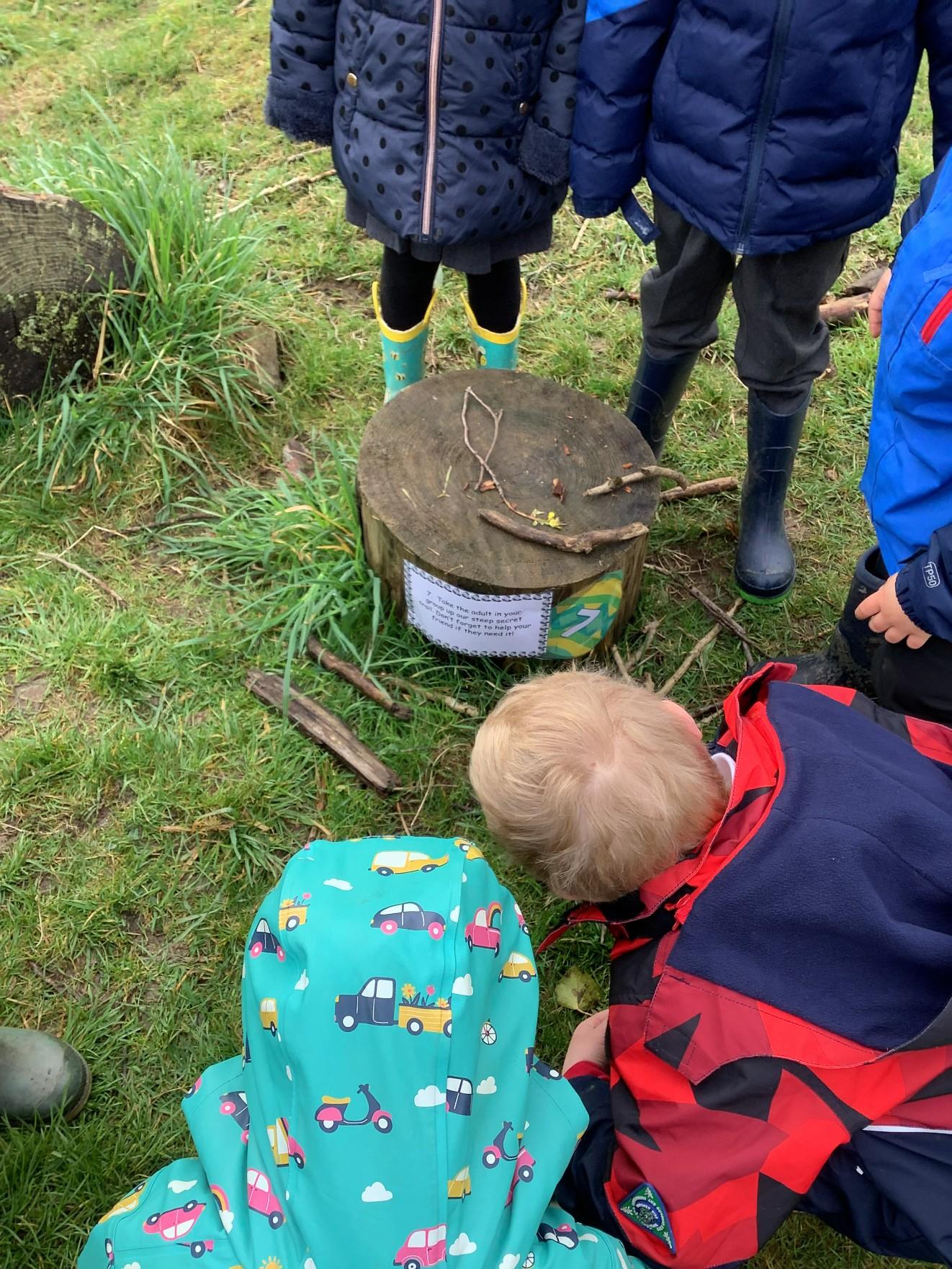
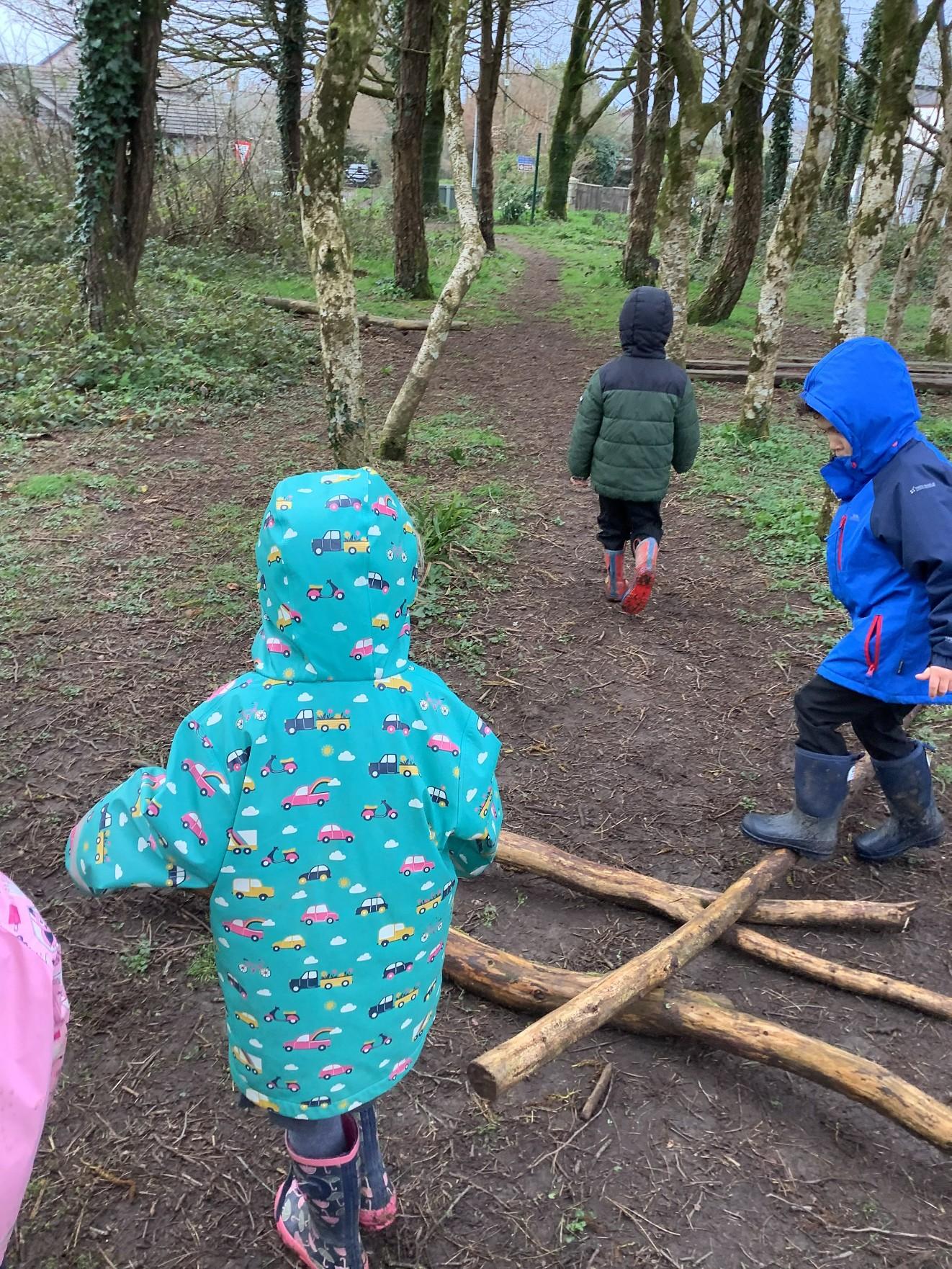
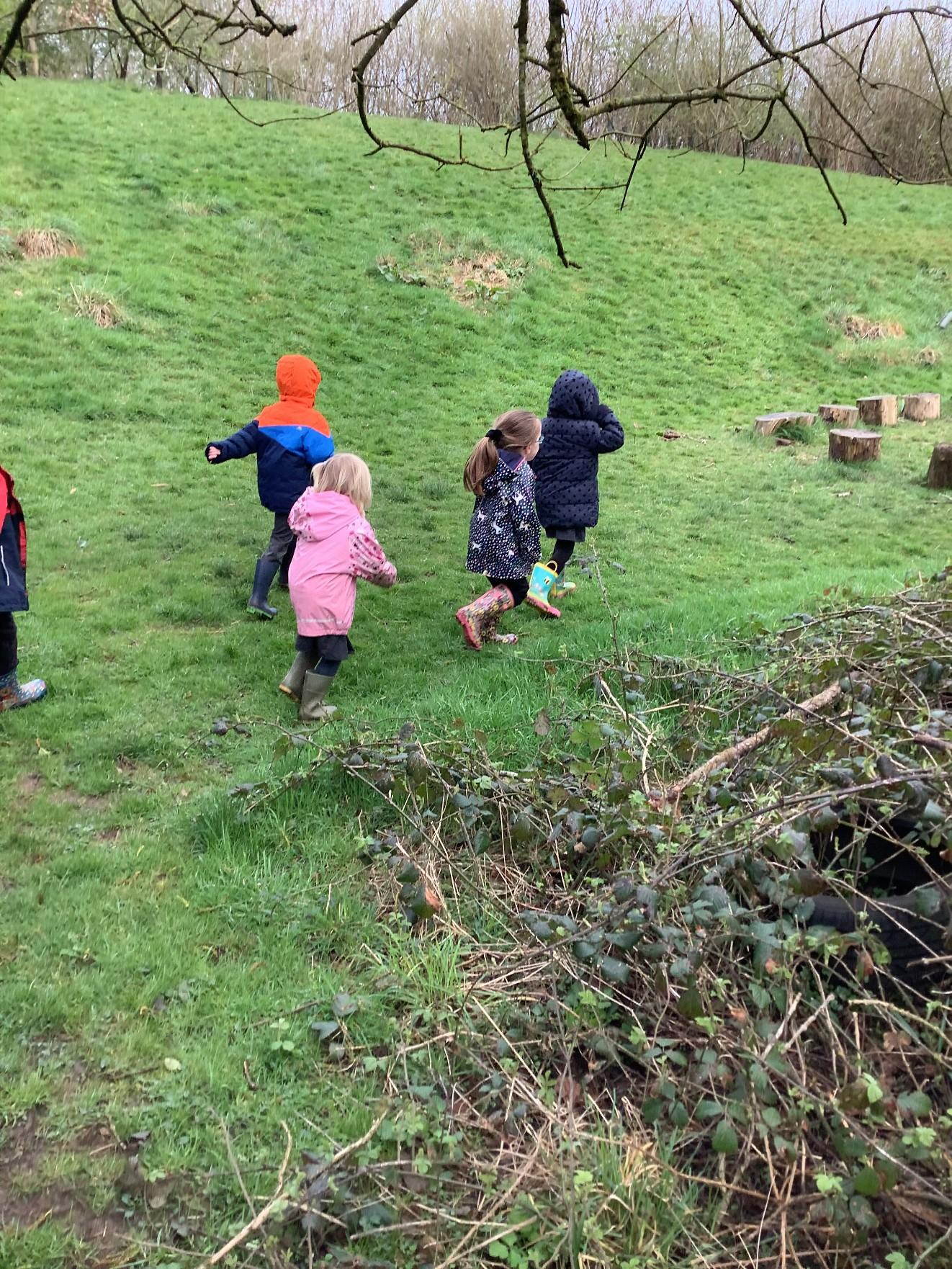
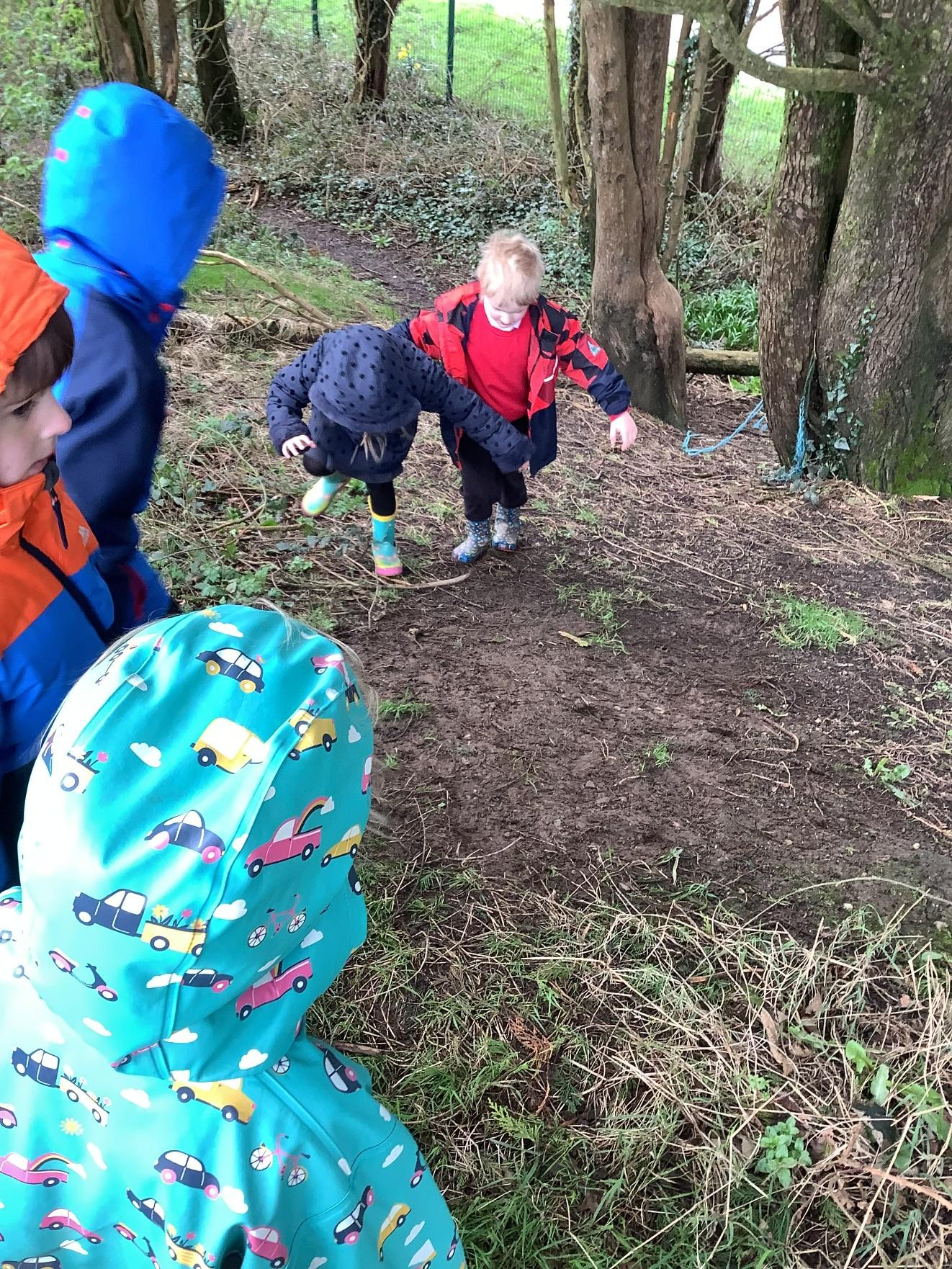
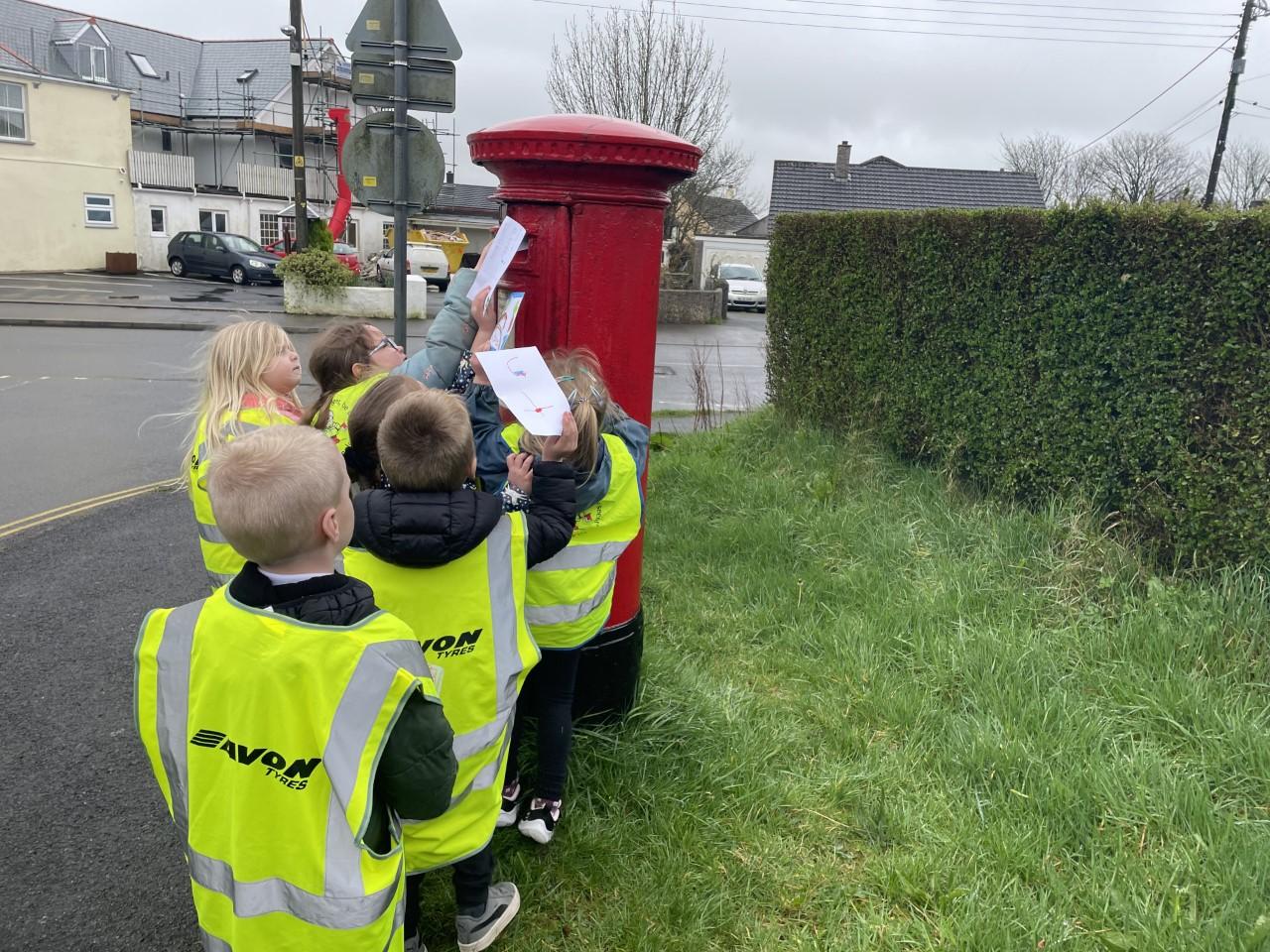
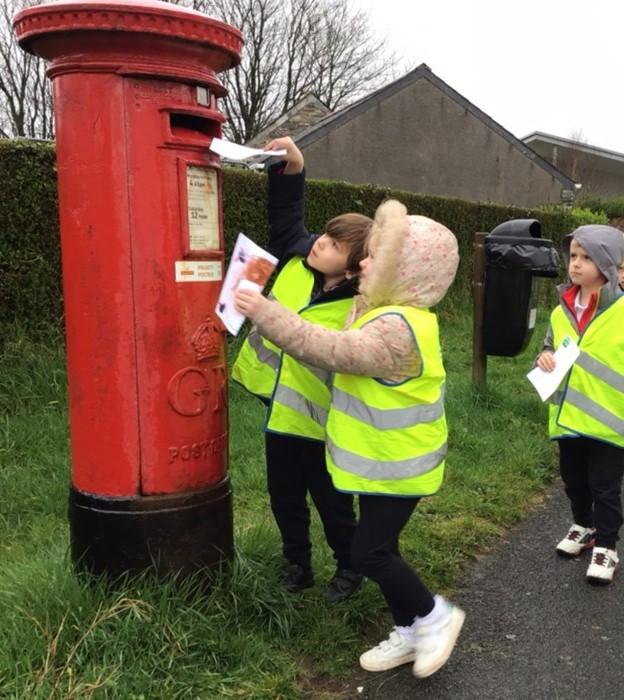
Walking to the postbox
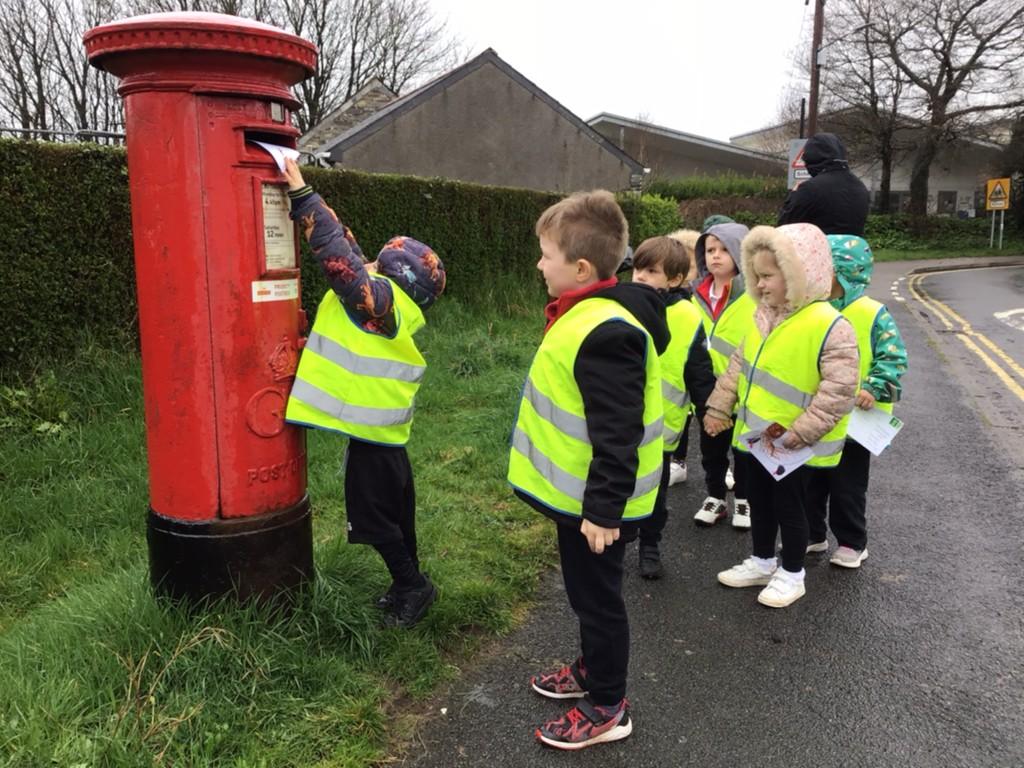
We walked to the local postbox to post our postcards. We are hoping they arrive in the Easter holiday.
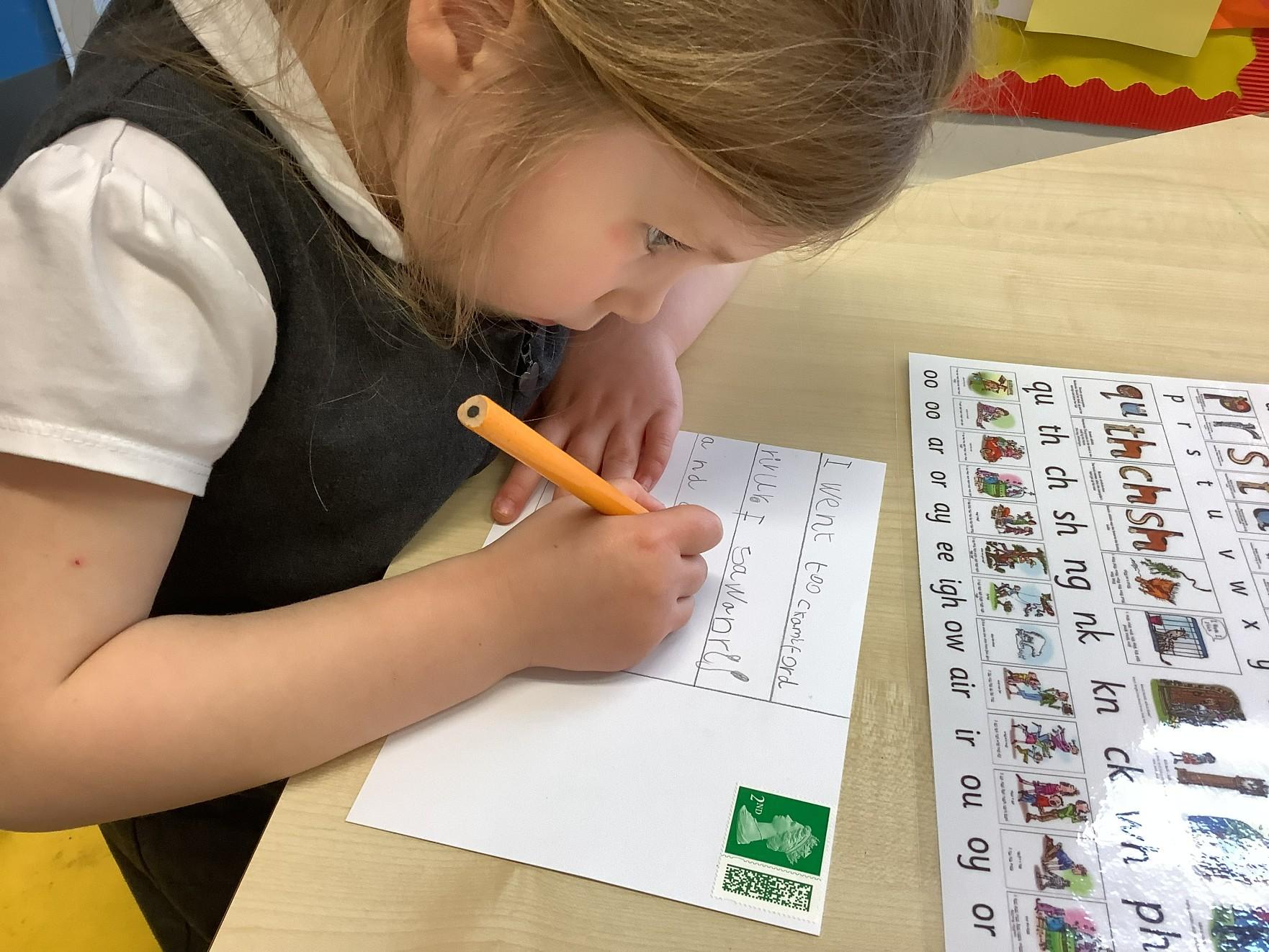
Writing a postcard
We used our 'fred fingers' and learnt sounds to help us spell our words.
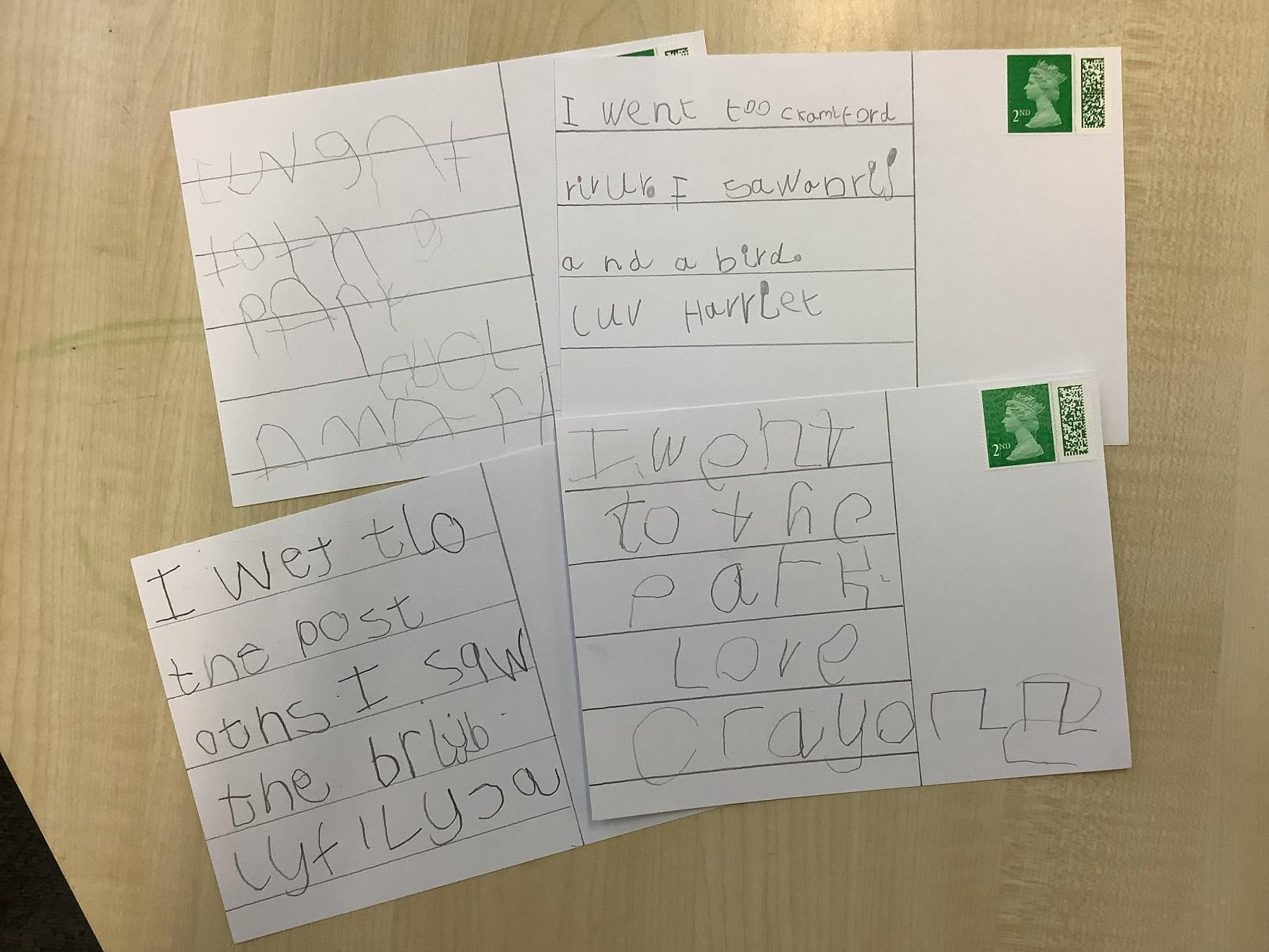
Where should I stick the stamp?
We learnt that we had to stick the stamp on the top right of our postcards.
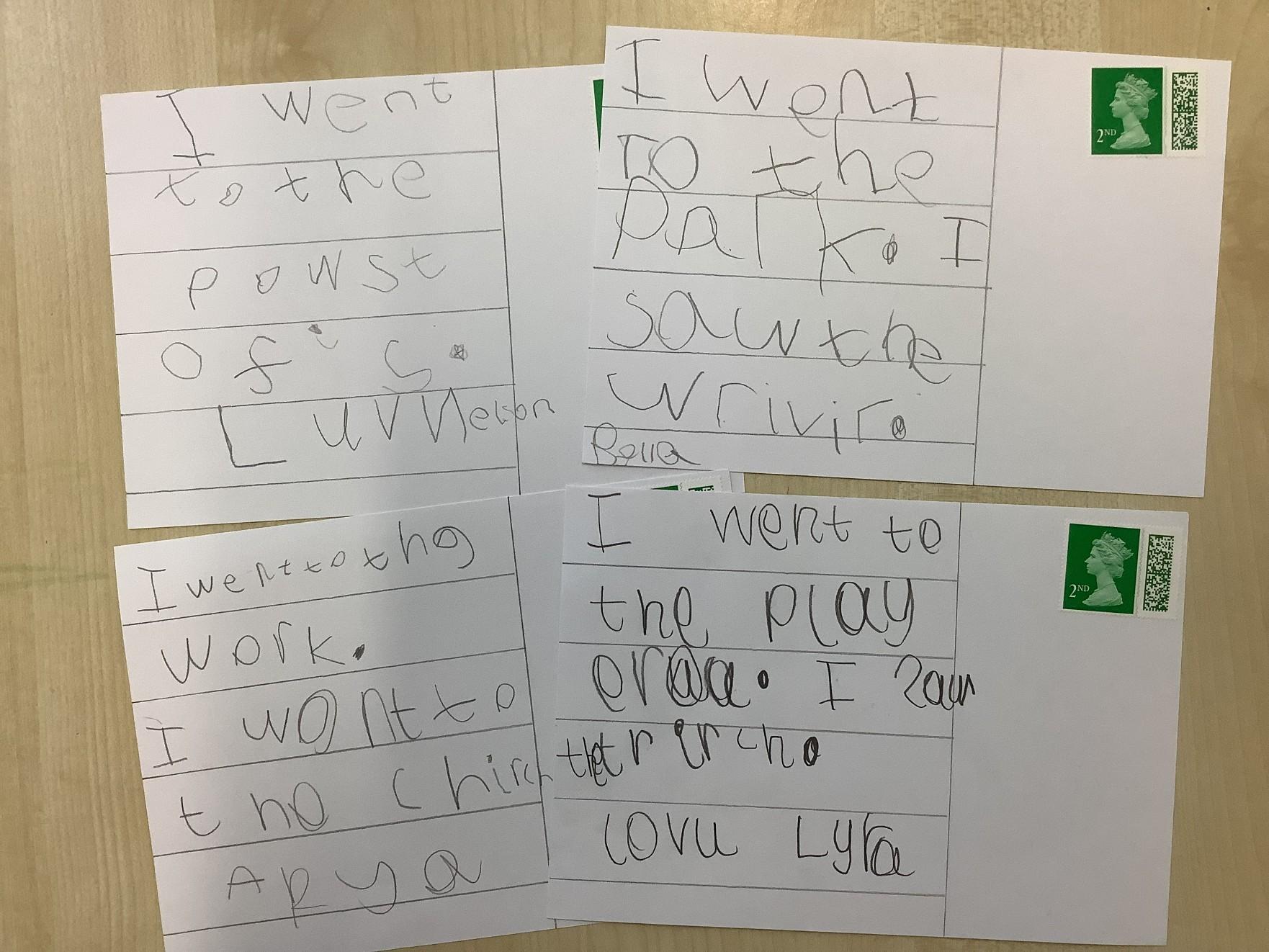
Writing for a purpose
When we got back to school we wrote postcards about where we went and what we saw.
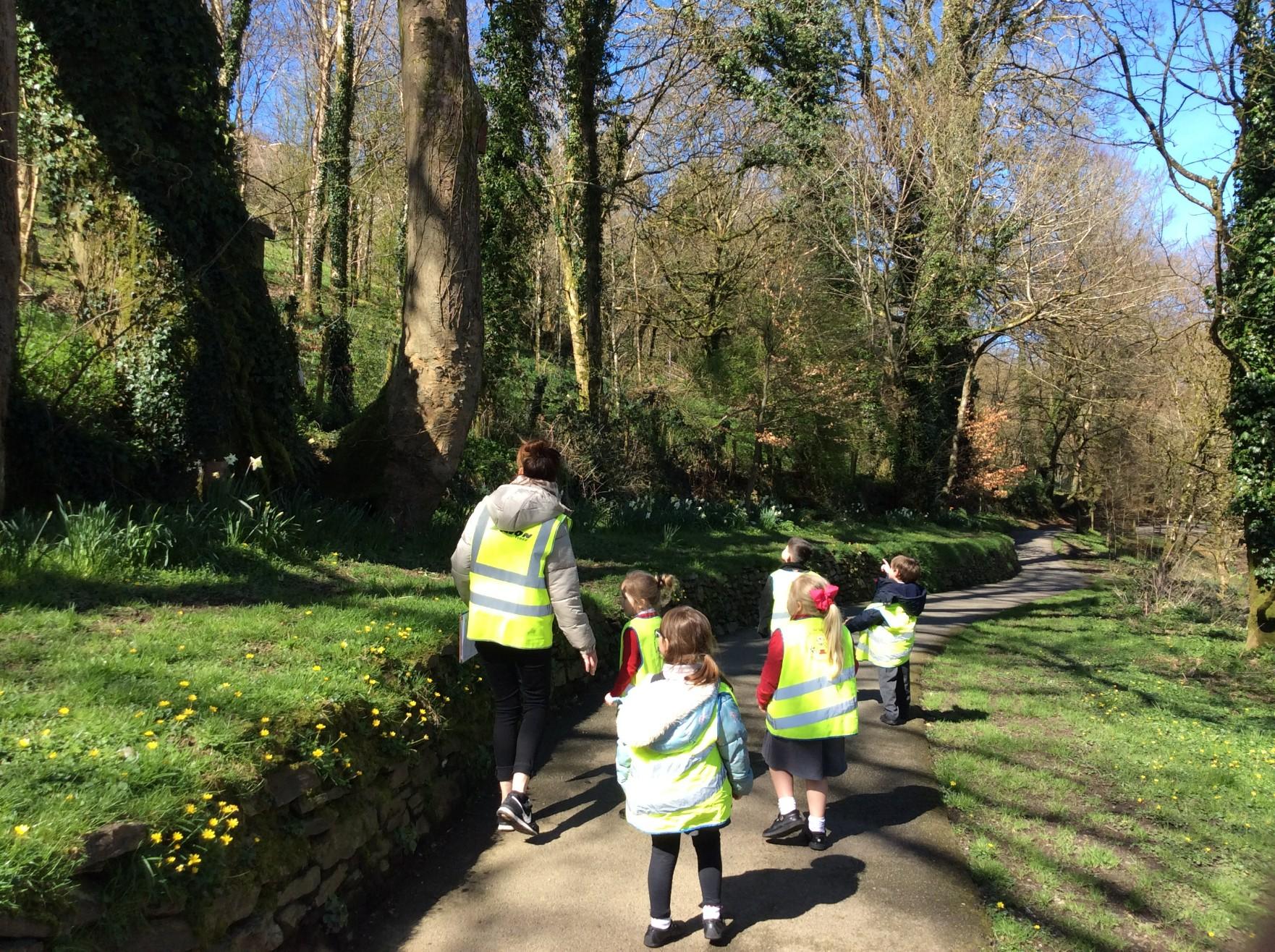
Exploring our town
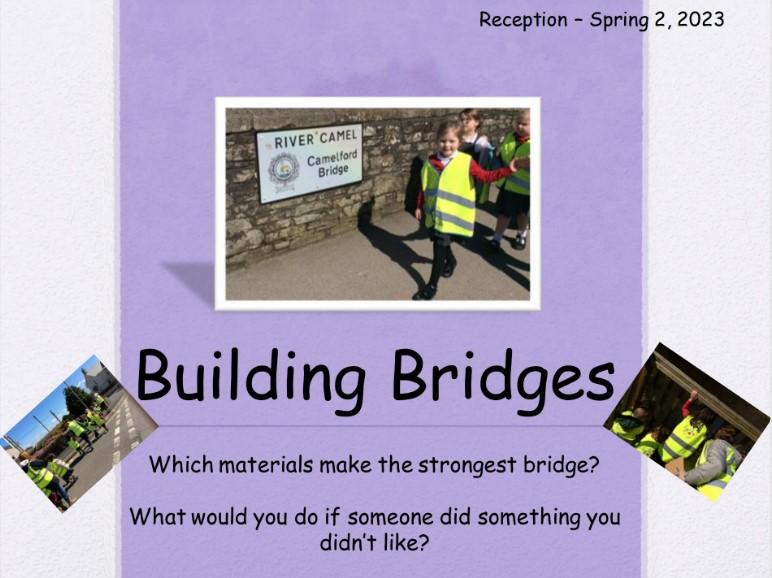
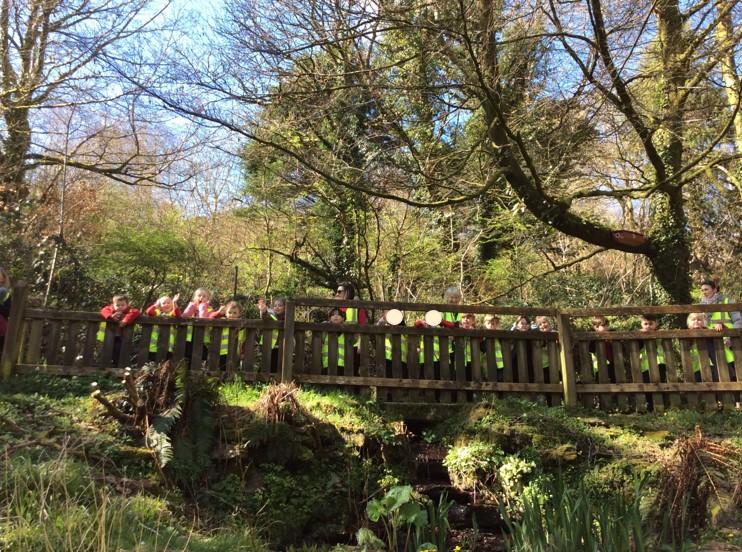
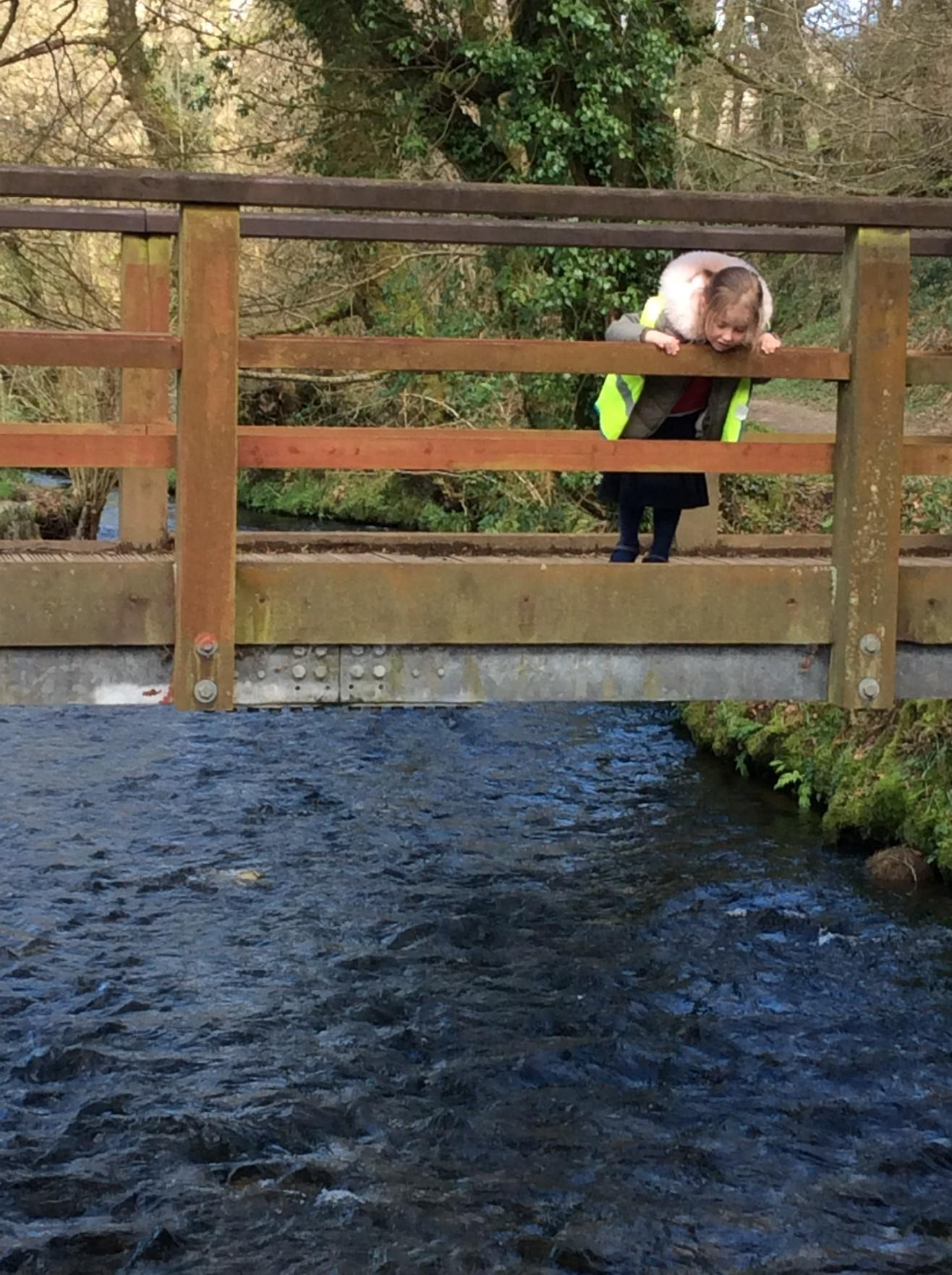
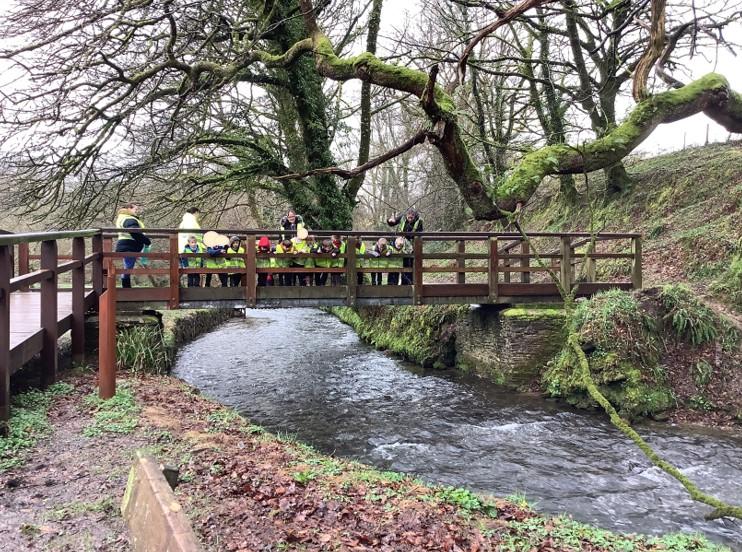
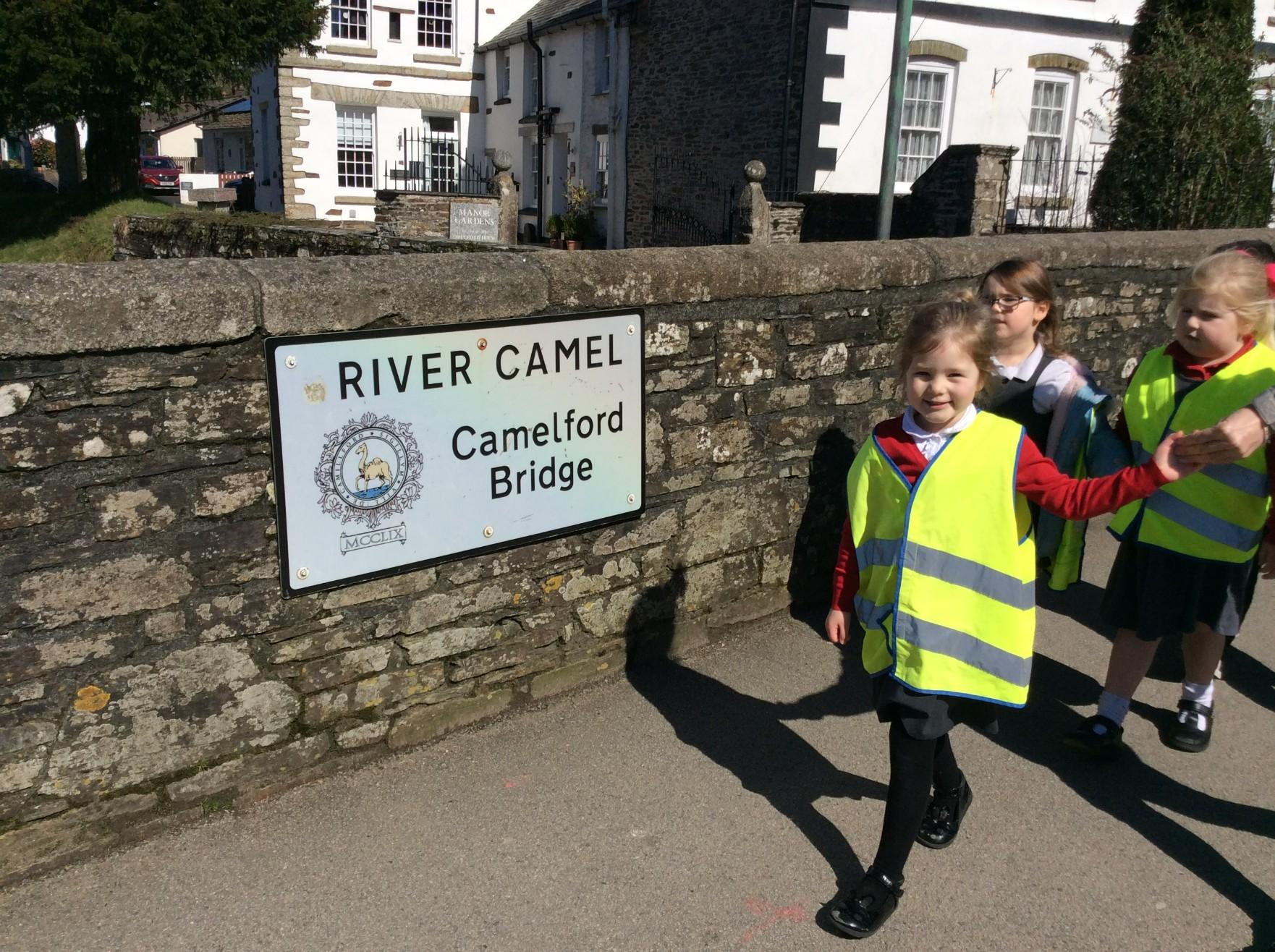
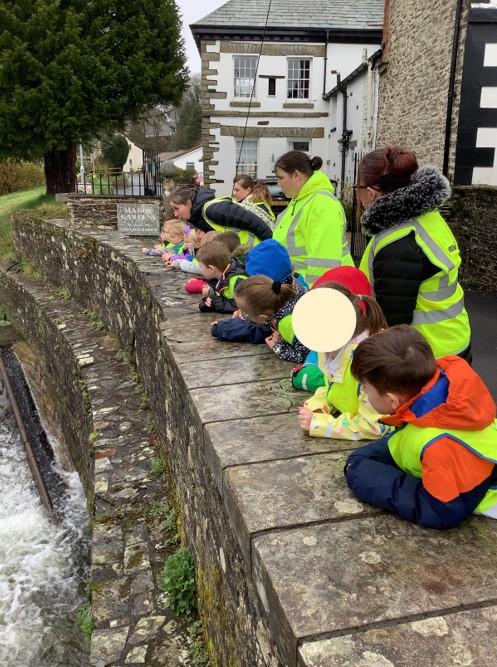
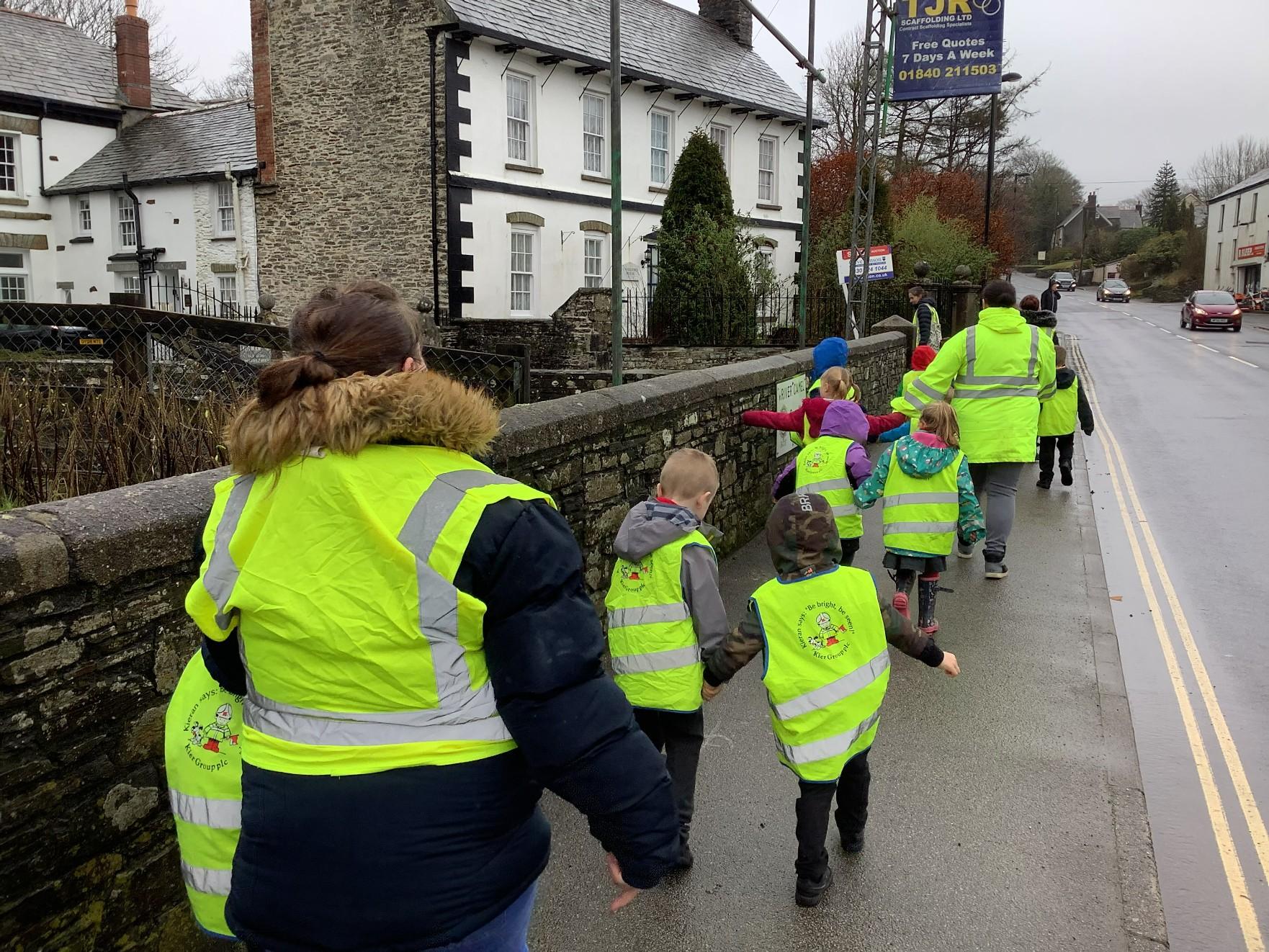
Today we explored our local town and hunted for bridges.
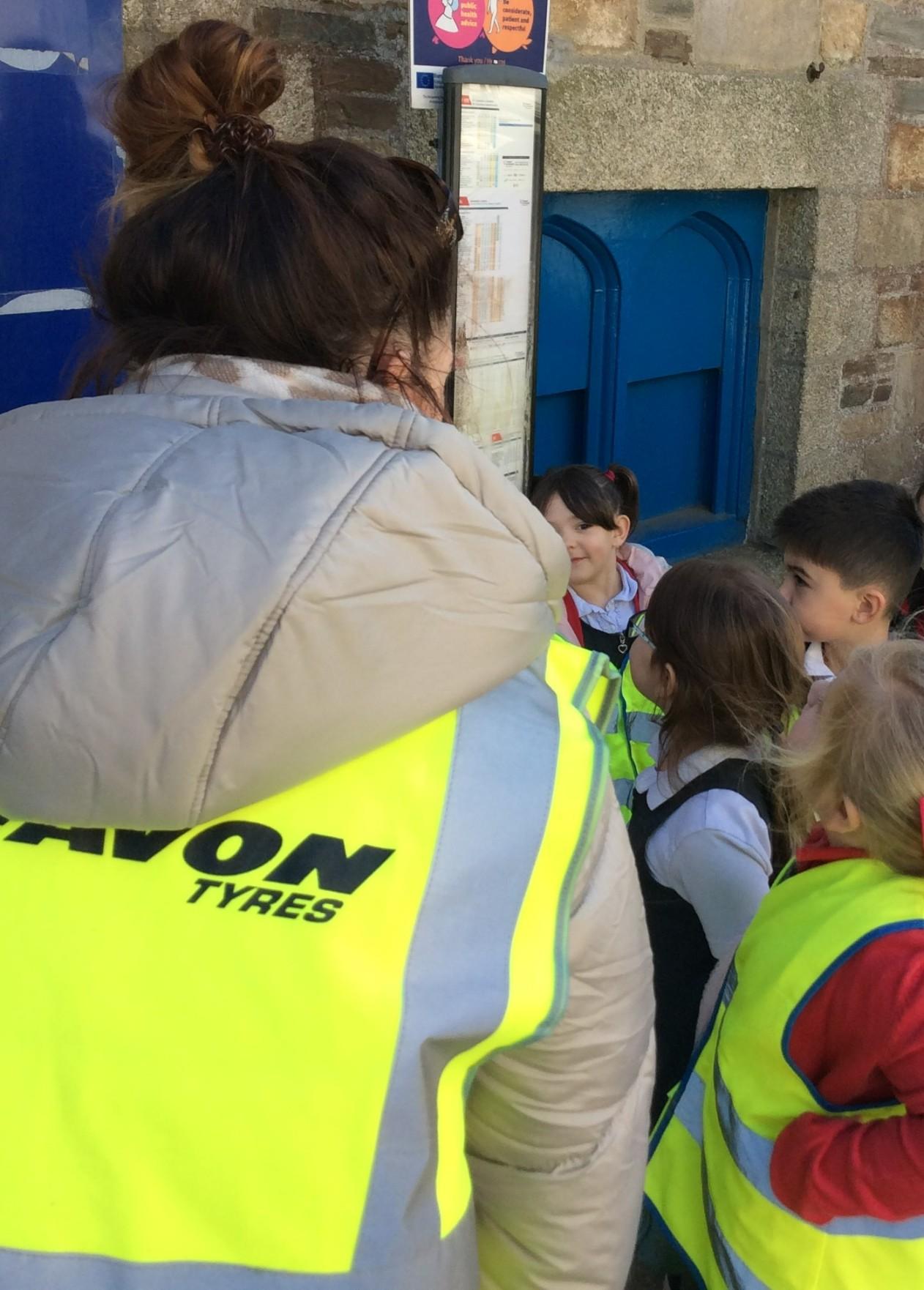
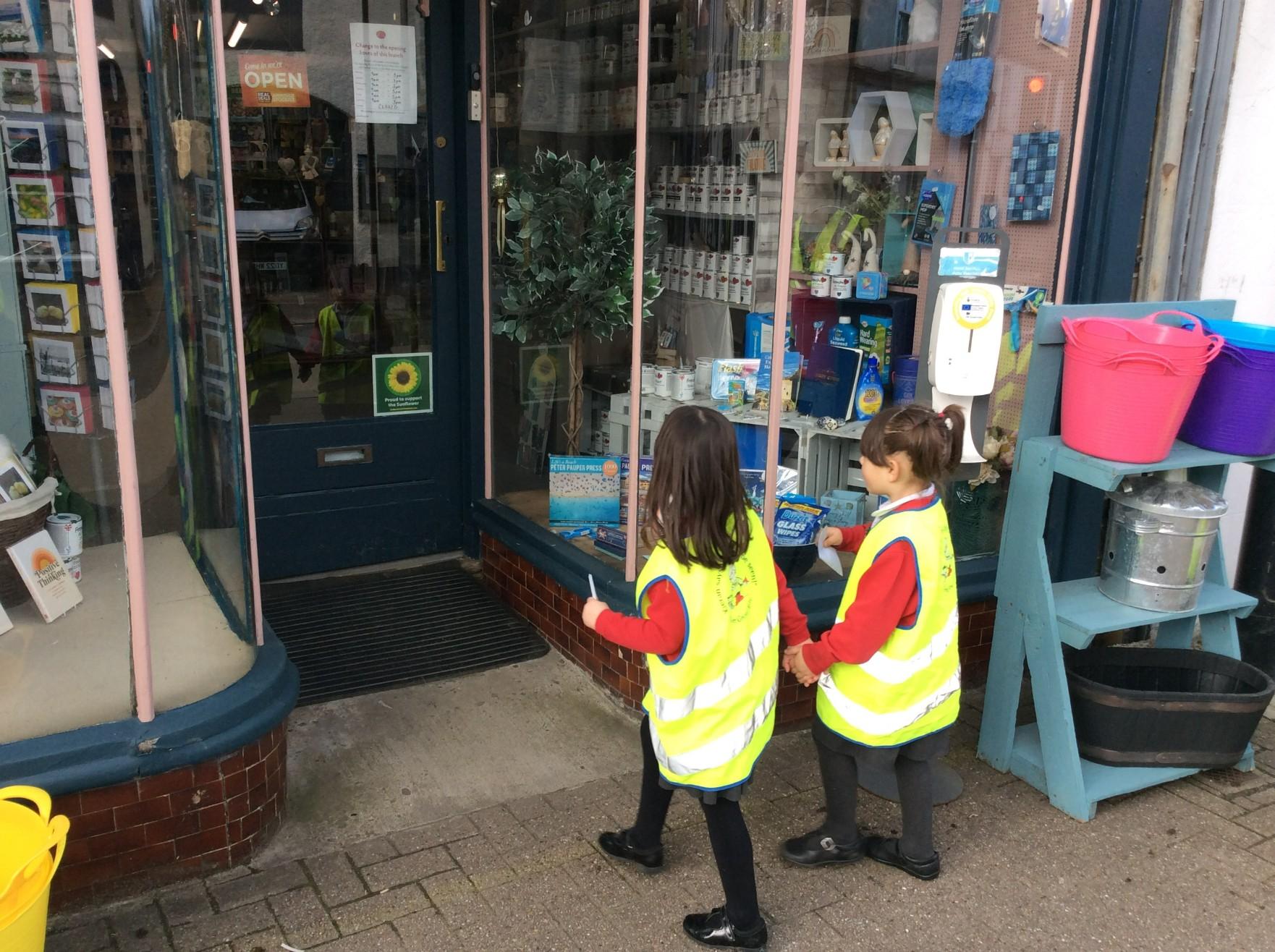
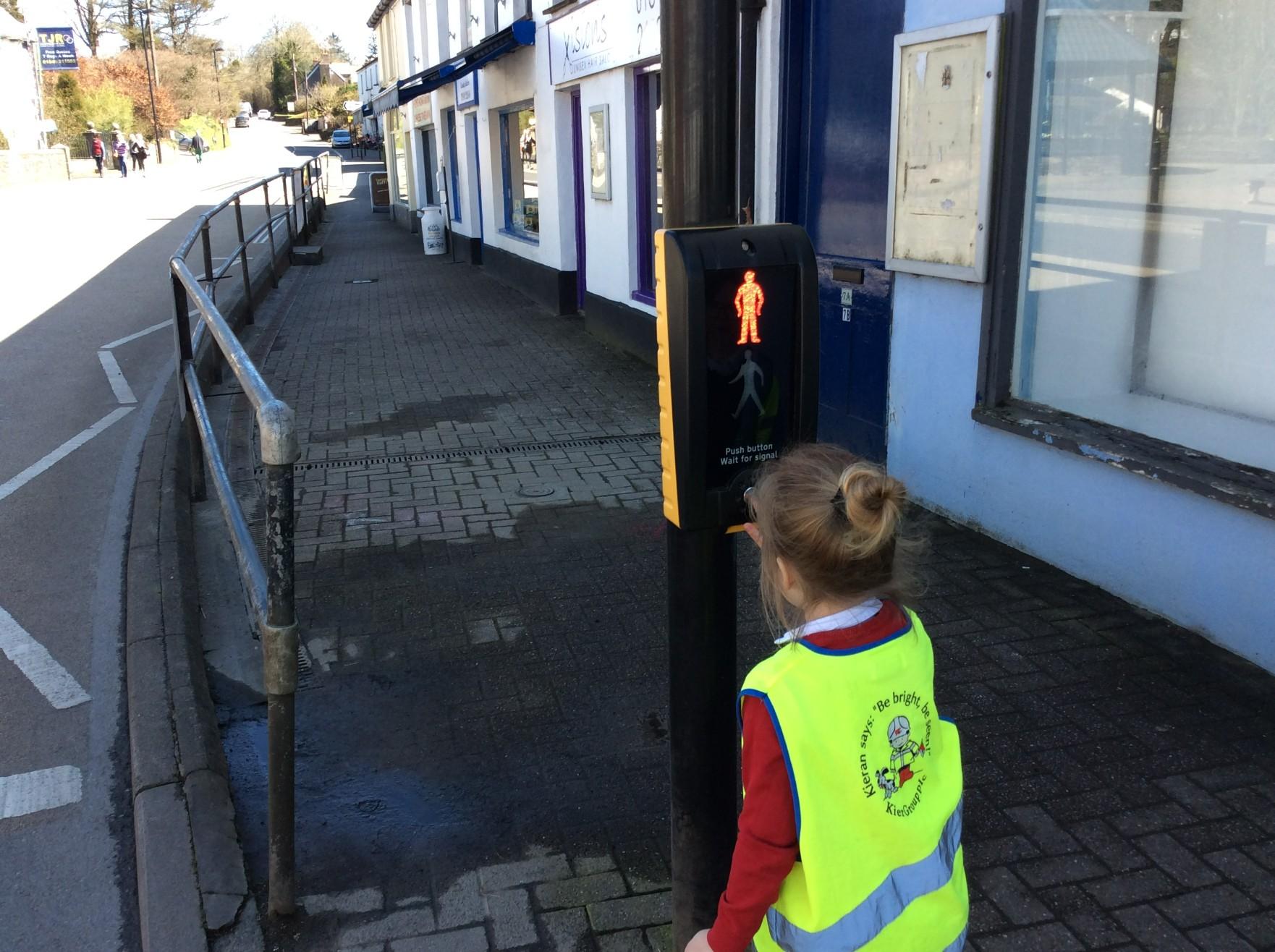
Before we left we talked about how we should get to the town safely, stopping at the roads, holding our partner's hands and the fact we needed to 'Stop, Look and Listen!'
On the way, we talked about the different shops we saw, what they sold and why we might need to visit them.
We had a look at the methodist chapel, we were able to pop inside and talked about how Easter is celebrated there.
Next to the Chapel we discovered a bus stop with a timetable to tell us what time the buses arrived and where they took us.
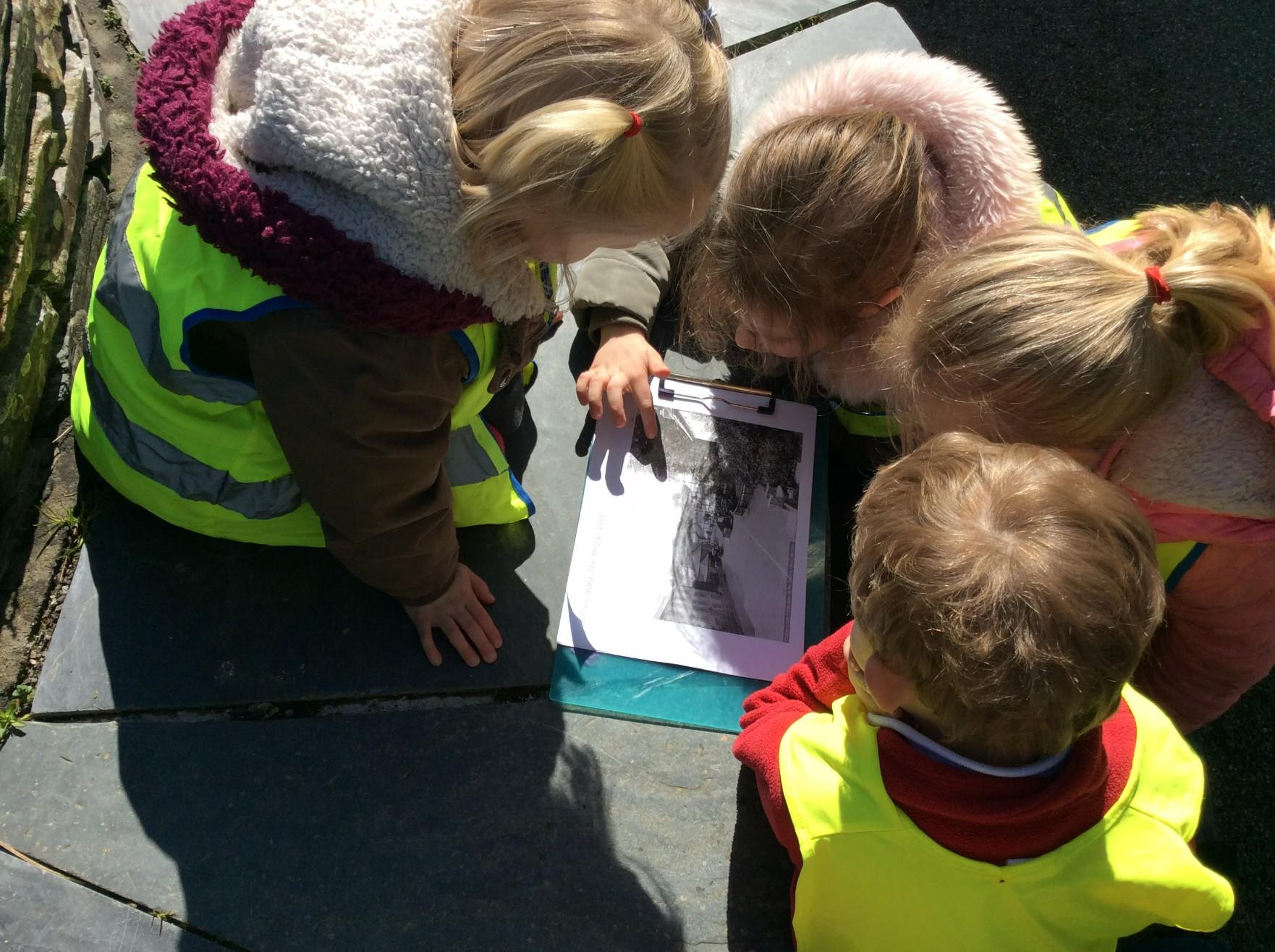
We went in to Enfield Park and looked at some old pictures of the bridge: some of them were over a 100 years old. We compared these to how the bridge looks today, spotting similarities and differences.
Can you remember the name of the river and how Camelford got its name?
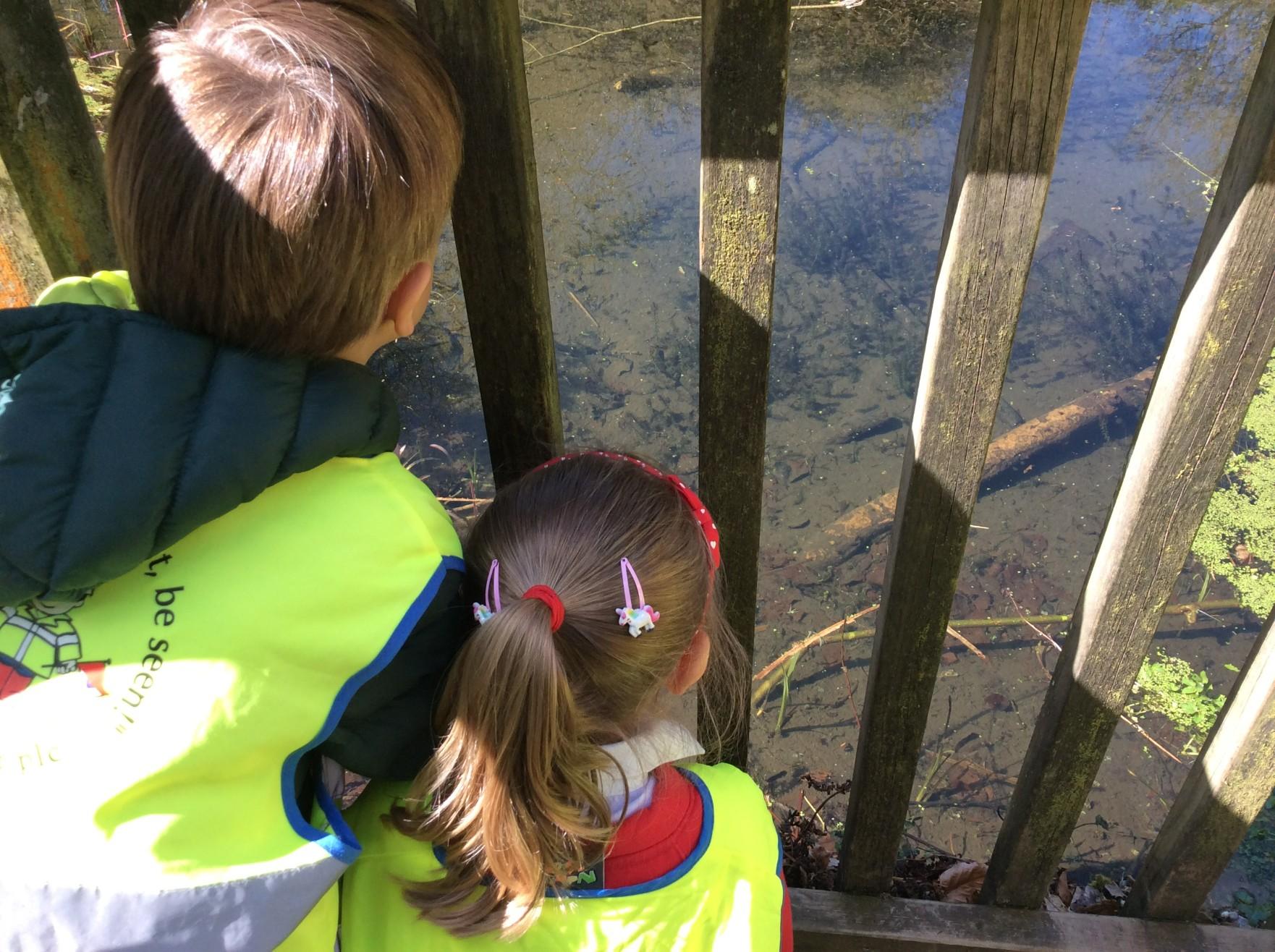
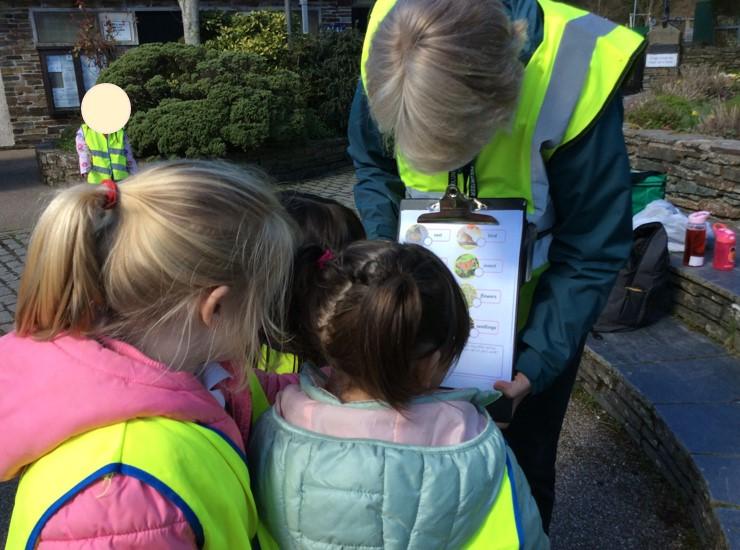
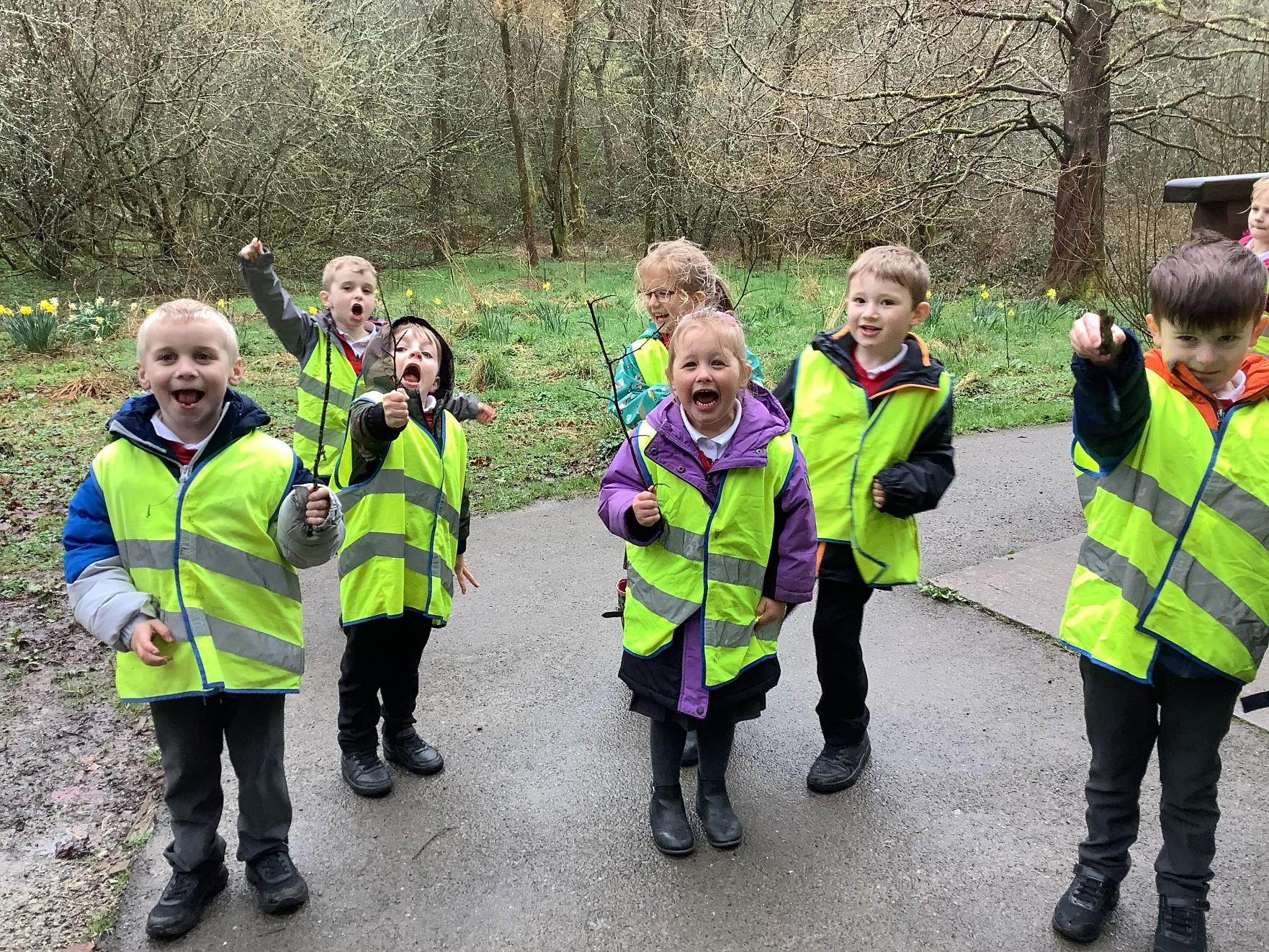
Then we hunted for more bridges. On the way we also looked for signs of Spring and ticked them off on our scavenger hunt. We even looked in the pond and found tadpoles.
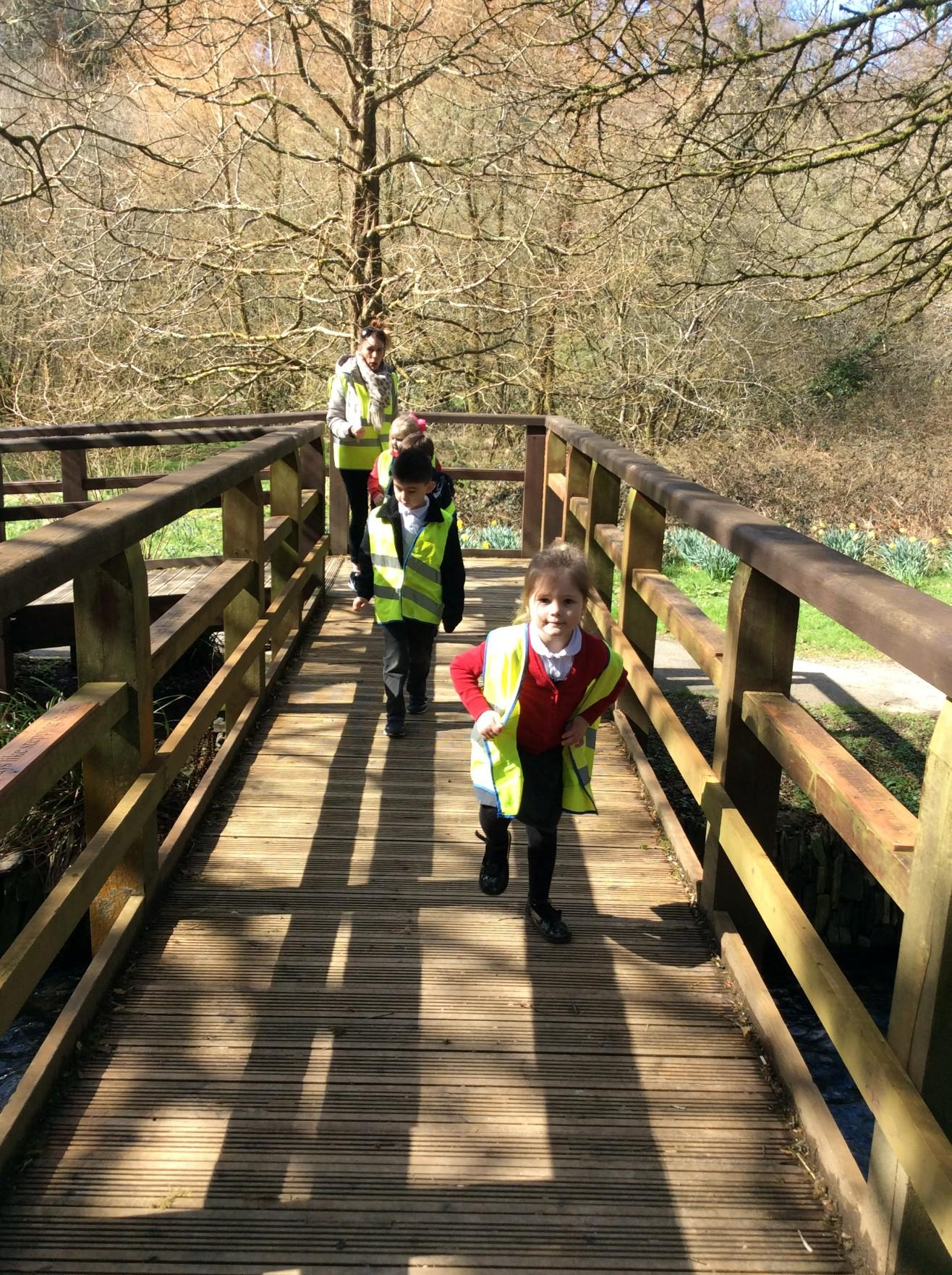
Everyone enjoyed 'Trip, Trapping' over the big wooden bridge.
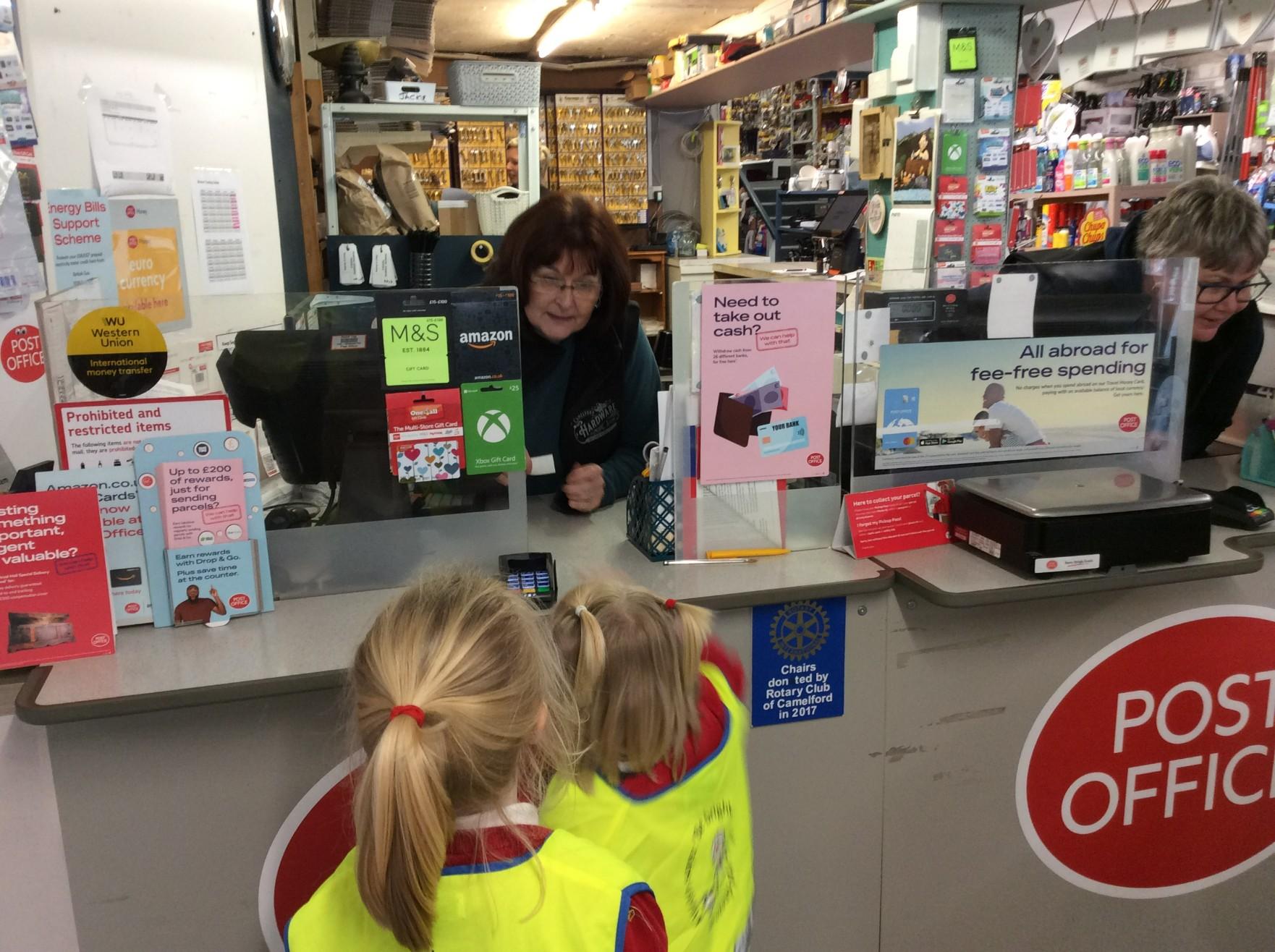
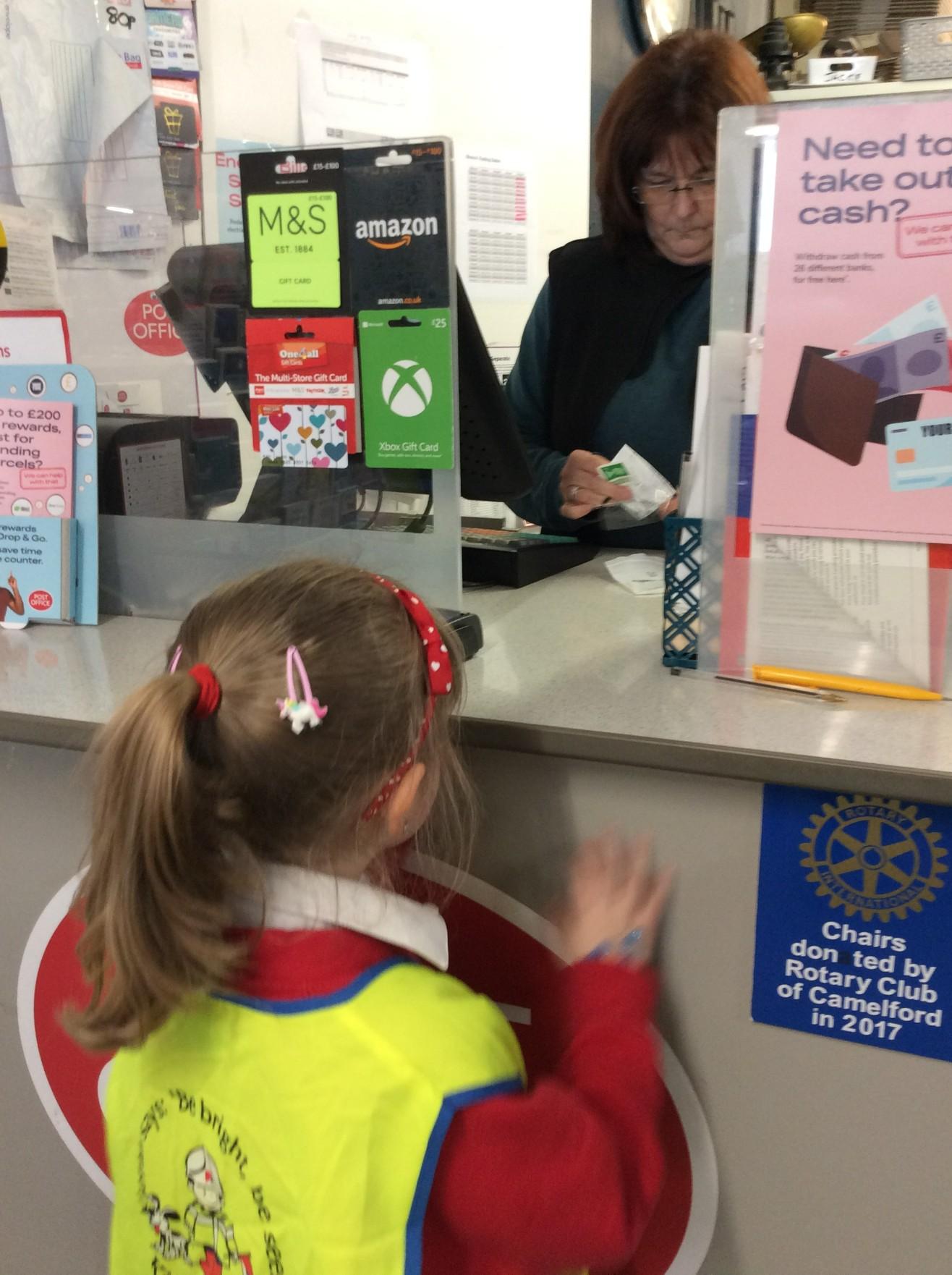
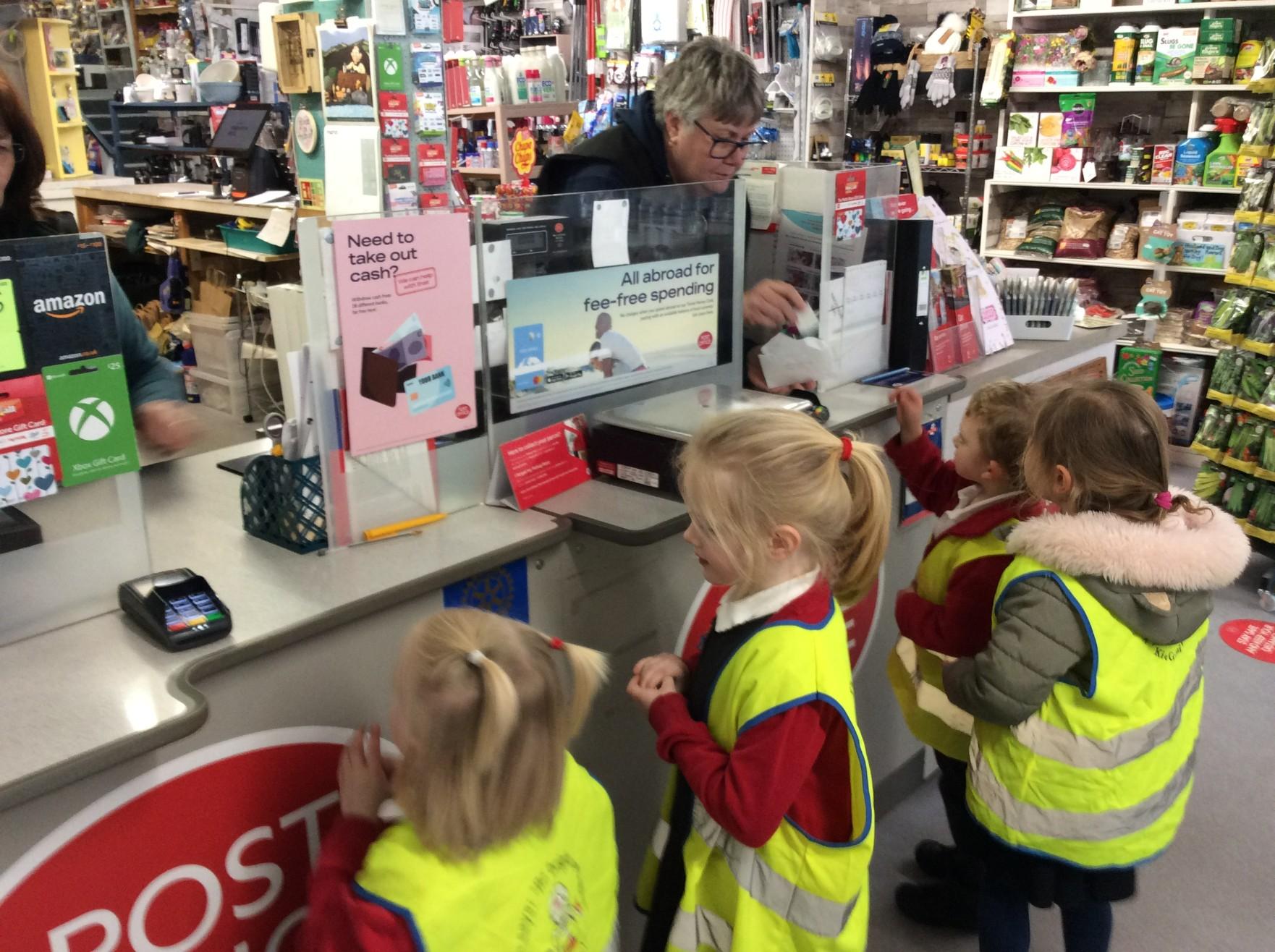
When we got back to the park, we took turns to visit the post office whilst everyone else practised their climbing and balancing skills in the park. Everyone brought a stamp ready to send their postcard at the end of the week.
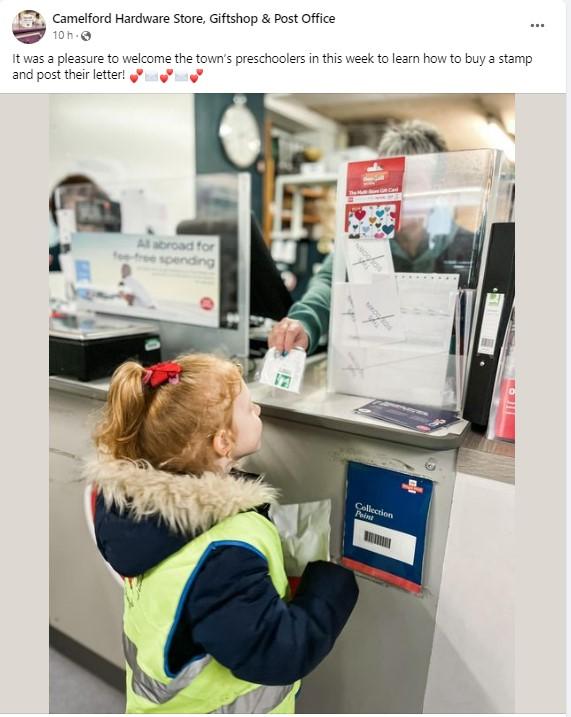
Understanding the World
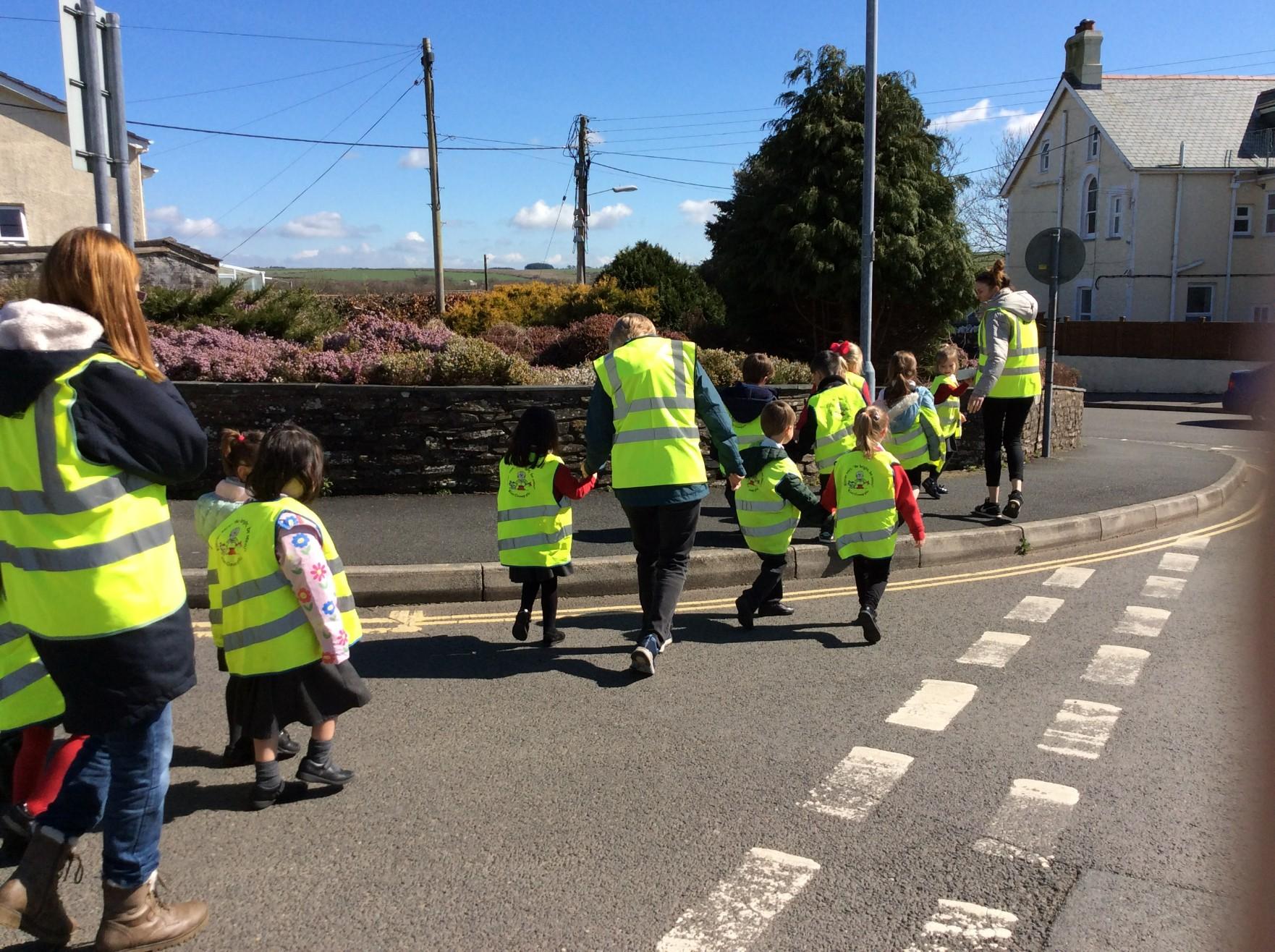
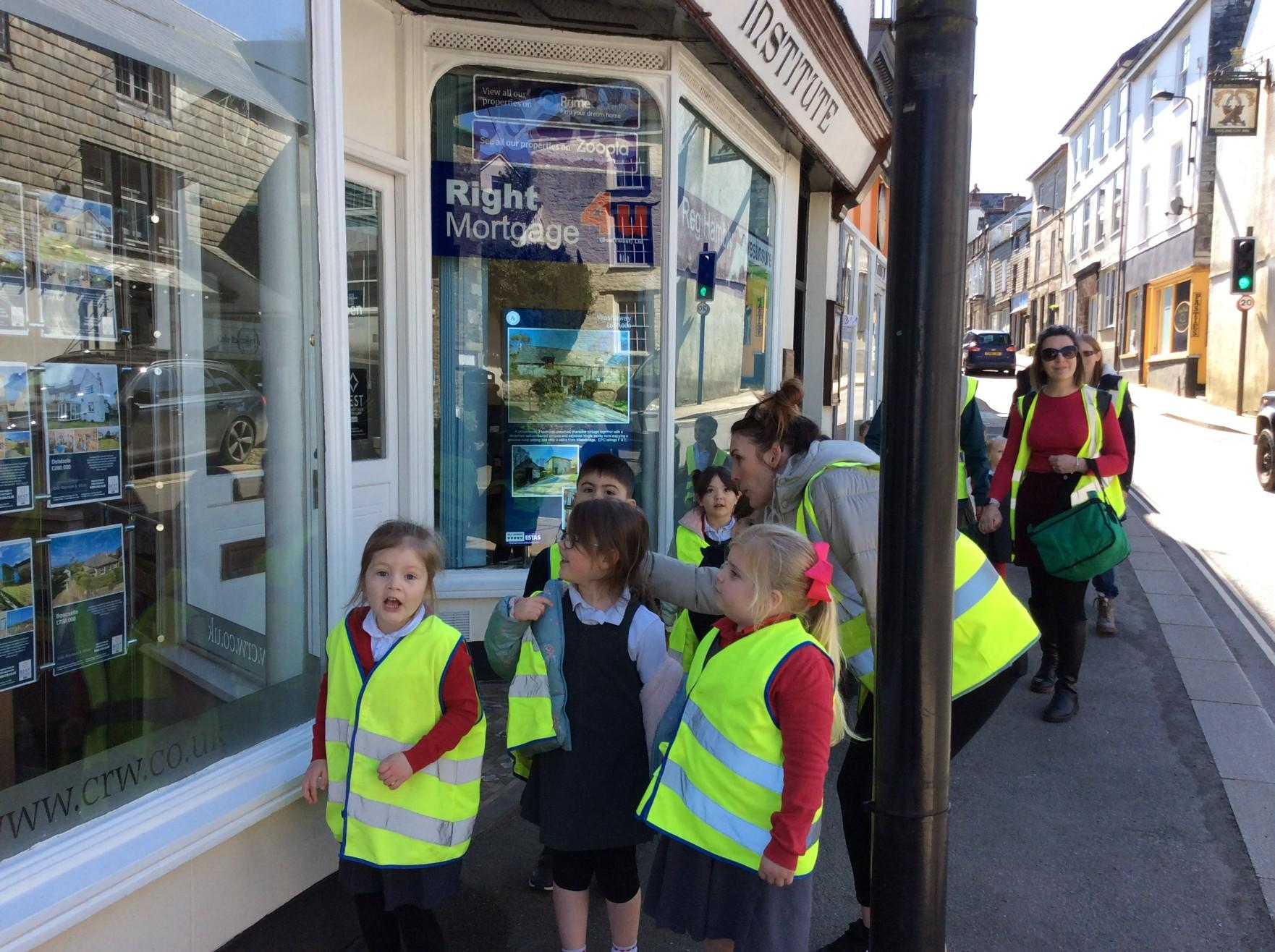
Engineering Challege
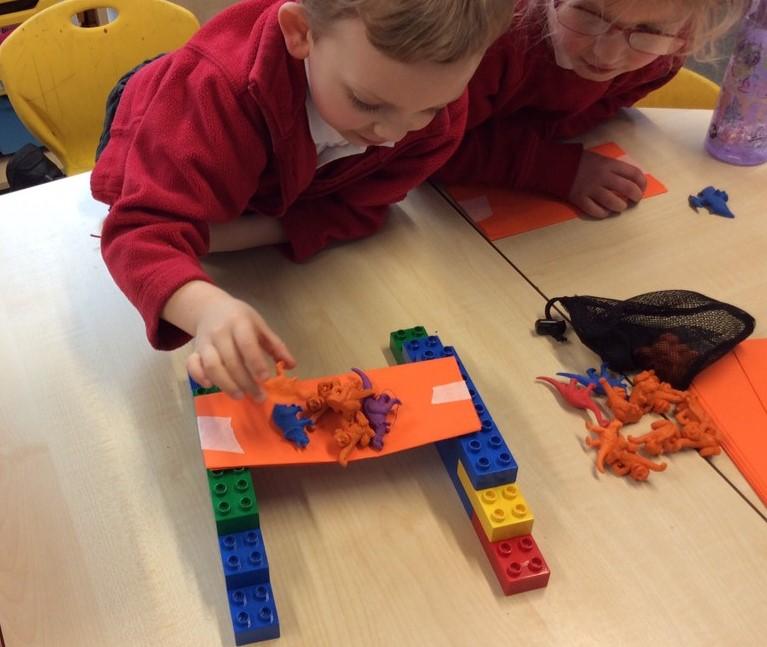
How can we make a strong bridge?
The children were provided with a sheet of paper and asked to make it in to a bridge between the lego towers. They then placed dinosaurs on them to see how many it would hold before it broke.
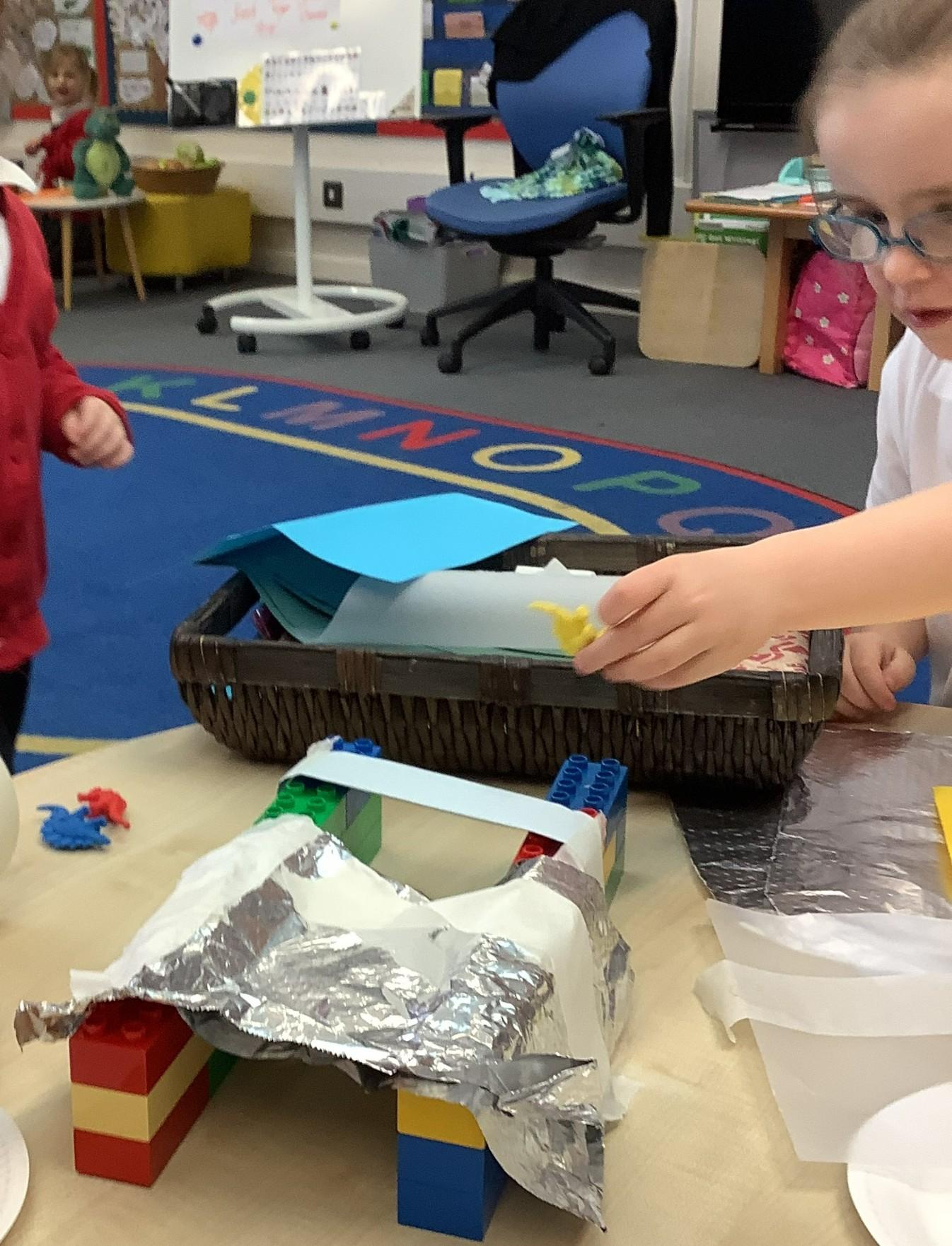
They were then encouraged to use other materials to create a bridge. Which material made the strongest brigde? Why?
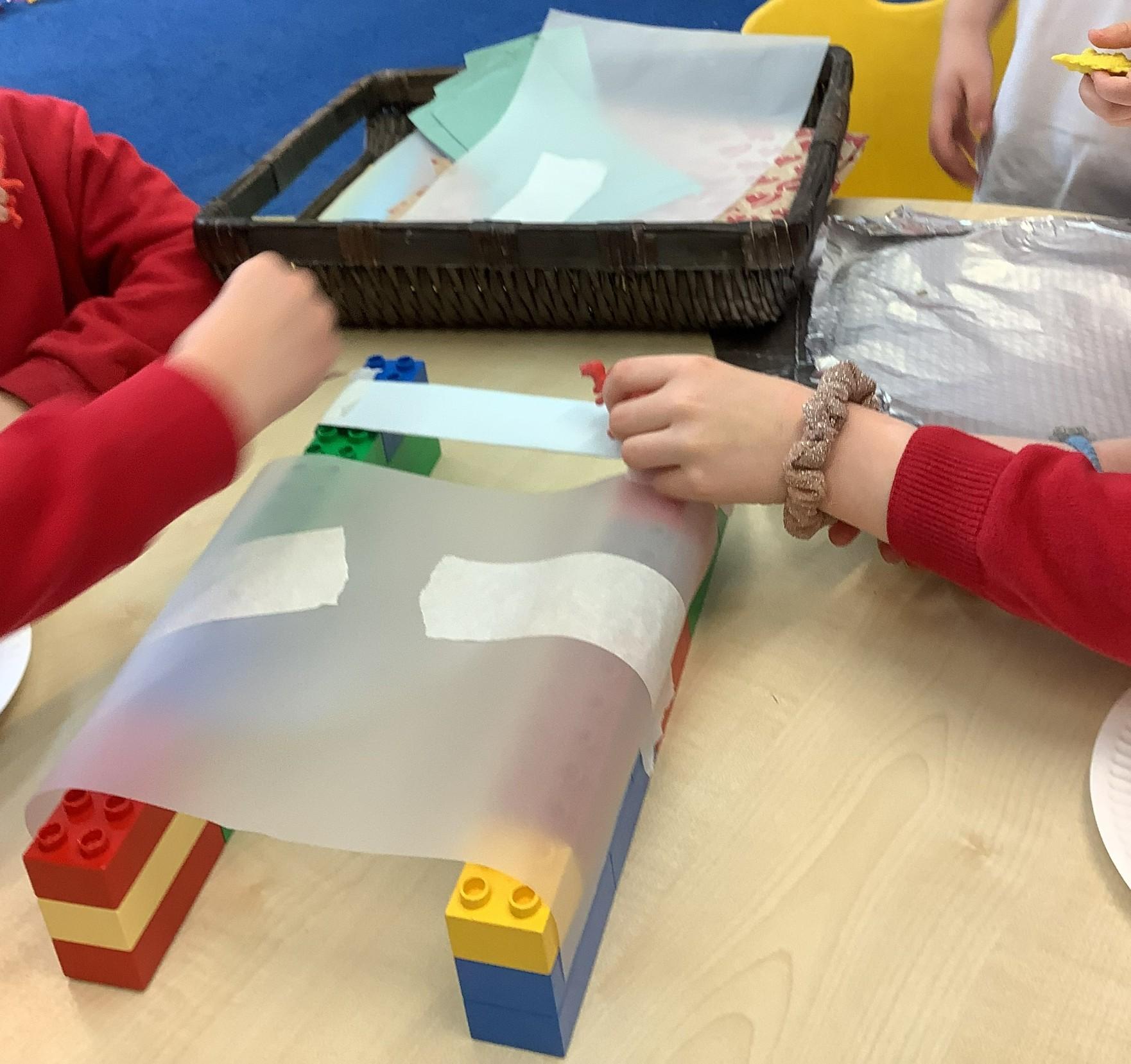
They then practiced their folding skills to see what would happen if they folded the paper in half or concertinaed it. They made predictions, carried out their investigation and discussed the results.
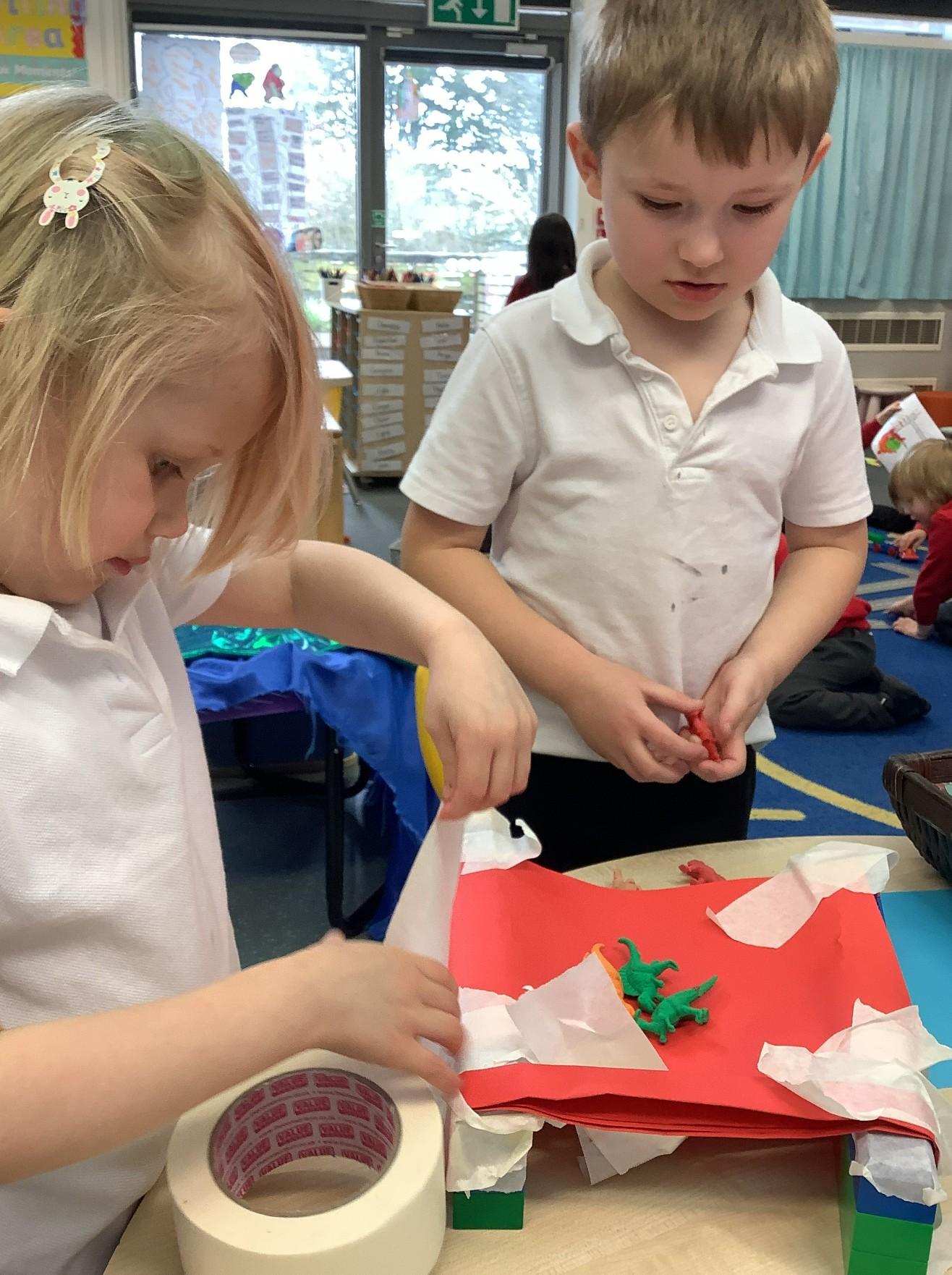
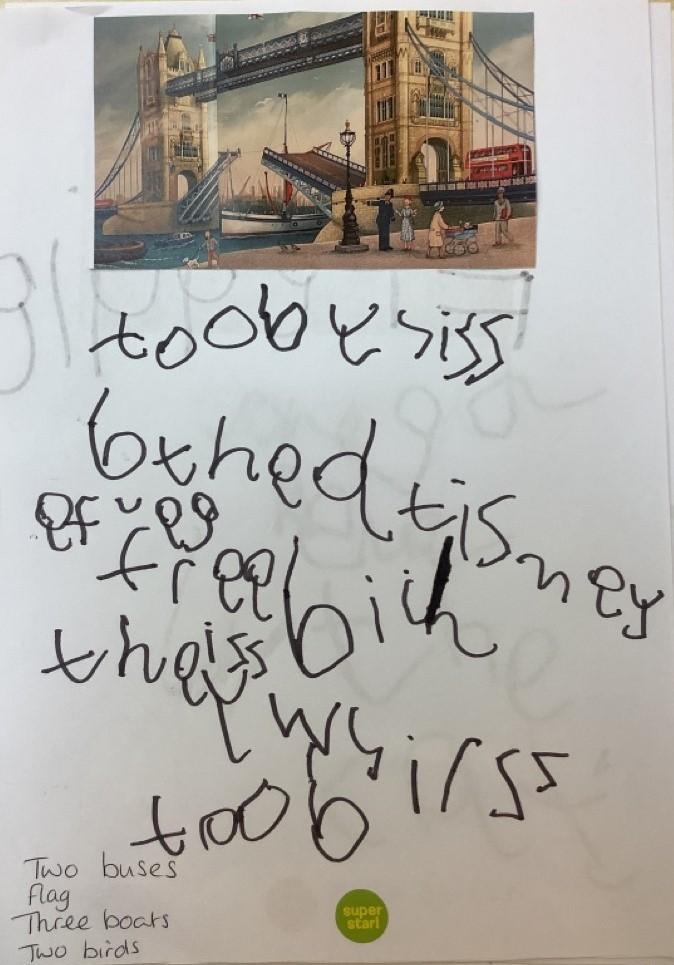
The Tower Bridge Cat
After reading the Tower Bridge Cat, these busy learners worked together to build Tower Bridge. They told me that it had two towers like Tower Bridge.
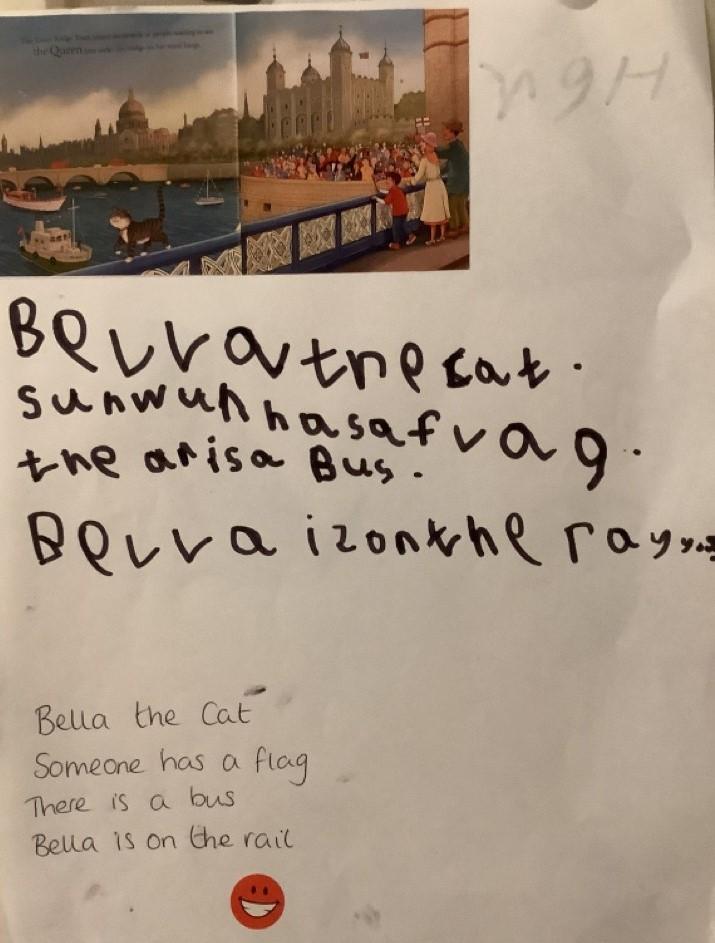
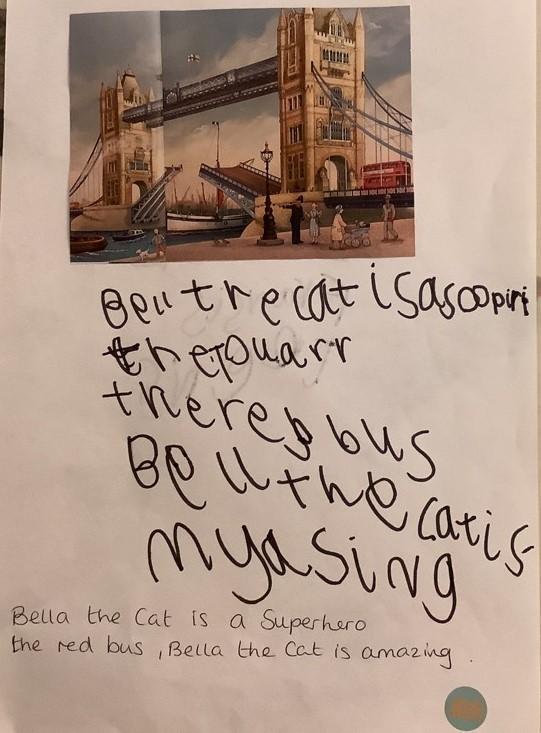
Writing about Bella the cat
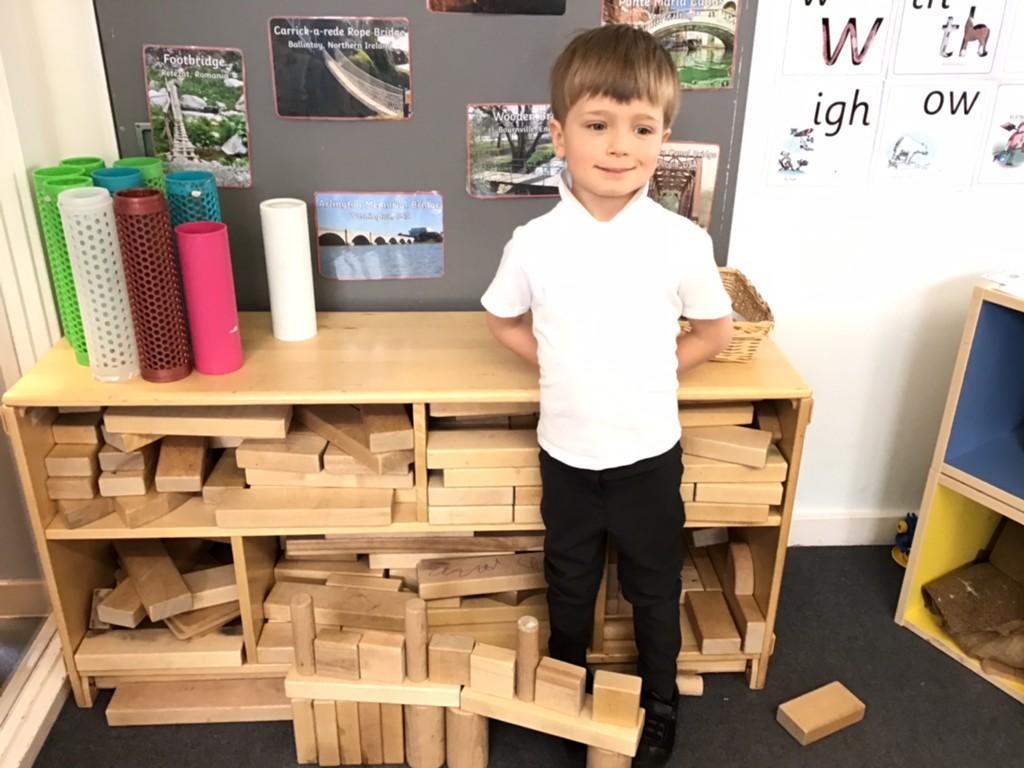
Creating patterns
What a super idea to make a repeating pattern bridge.
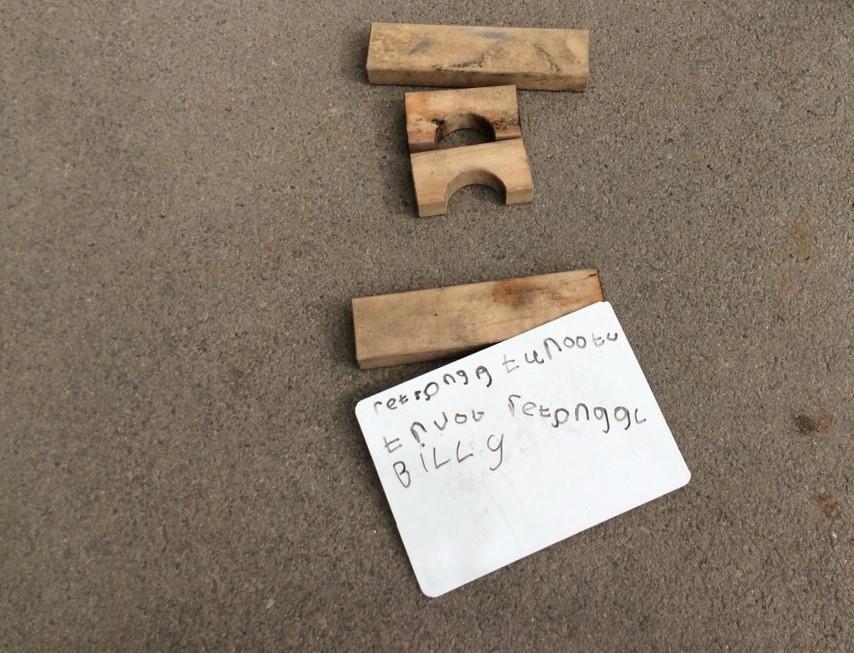
Repeating patterns and labels
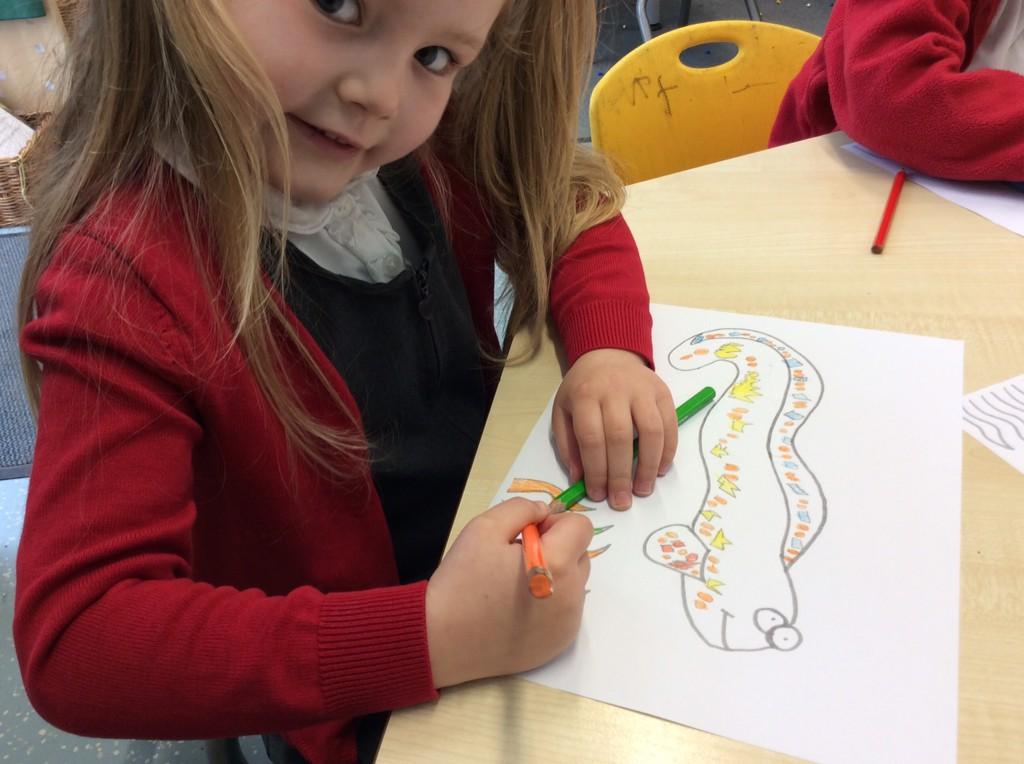
'Pattern Fish'
After reading the story children decided to have a go at designing their own pattern fish.
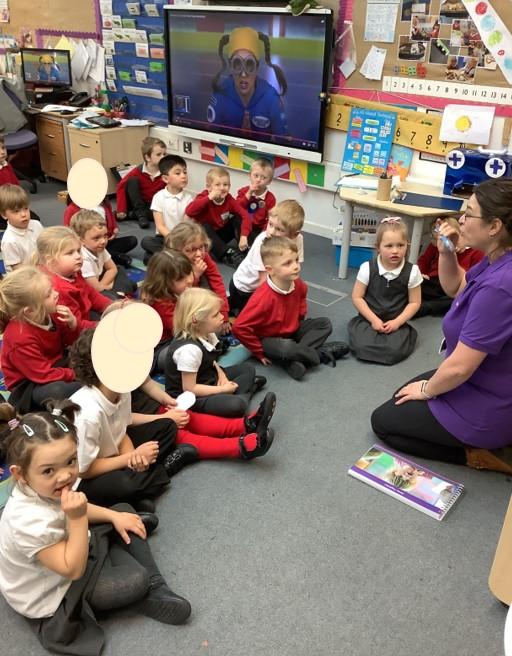
Visit from Brighter Smiles
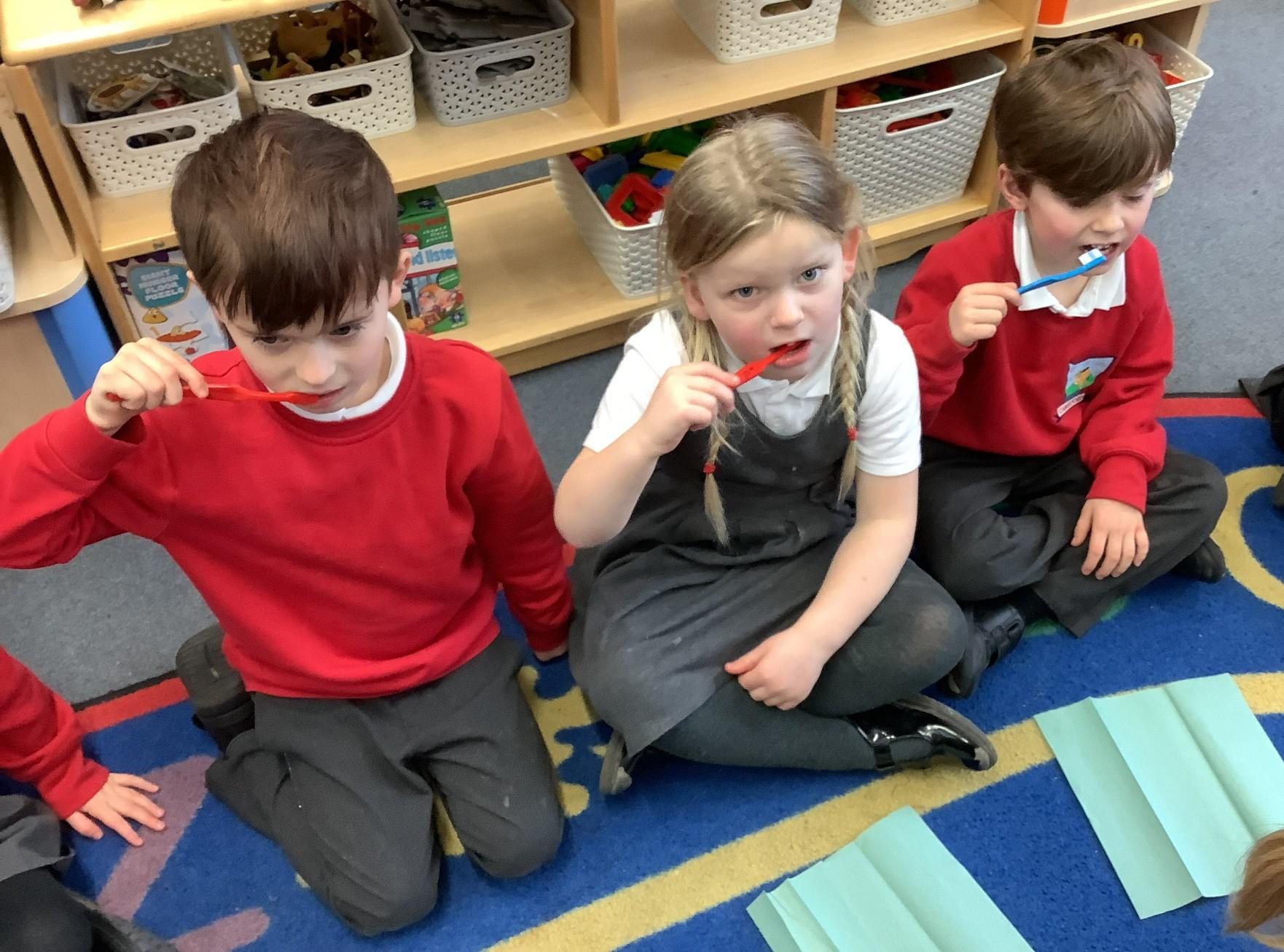
We had a visit from the lady at Brighter Smiles. She taught us how to clean our teeth properly.
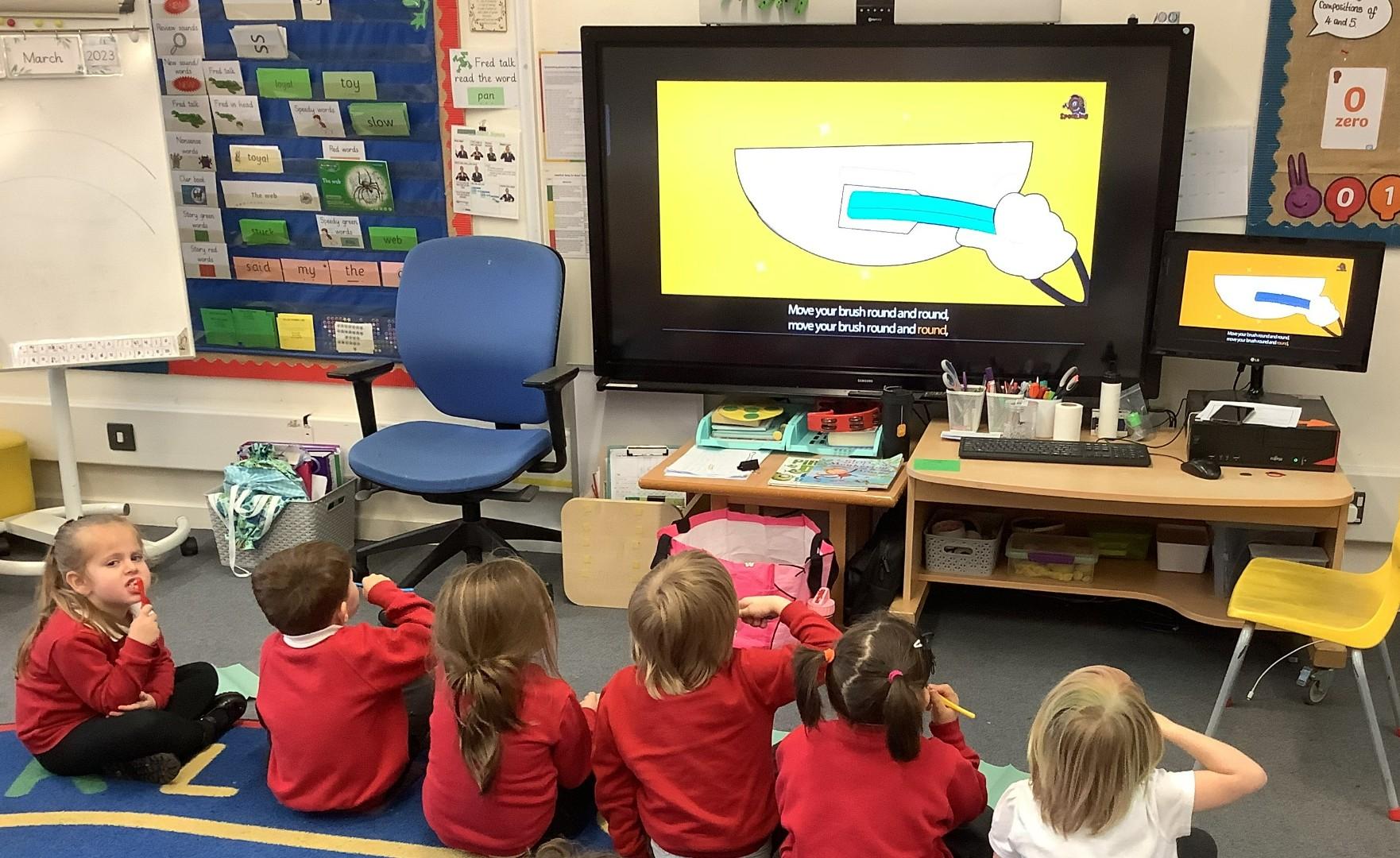
Brushing our teeth daily
We now brush our teeth daily for 2 minutes using the song to help us.
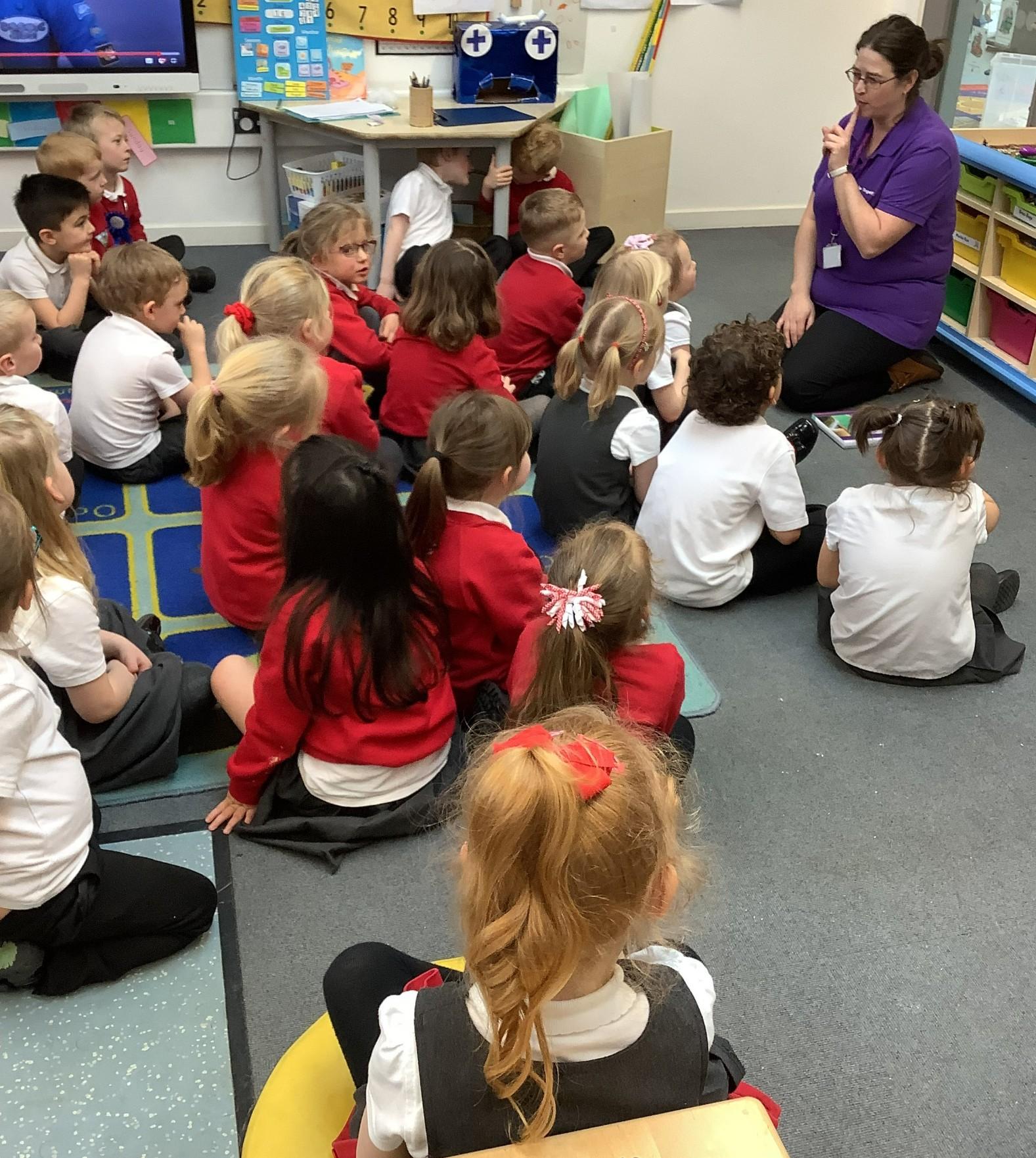
She also taught us why it is important to look after our teeth and clean them twice a day for 2 minutes.
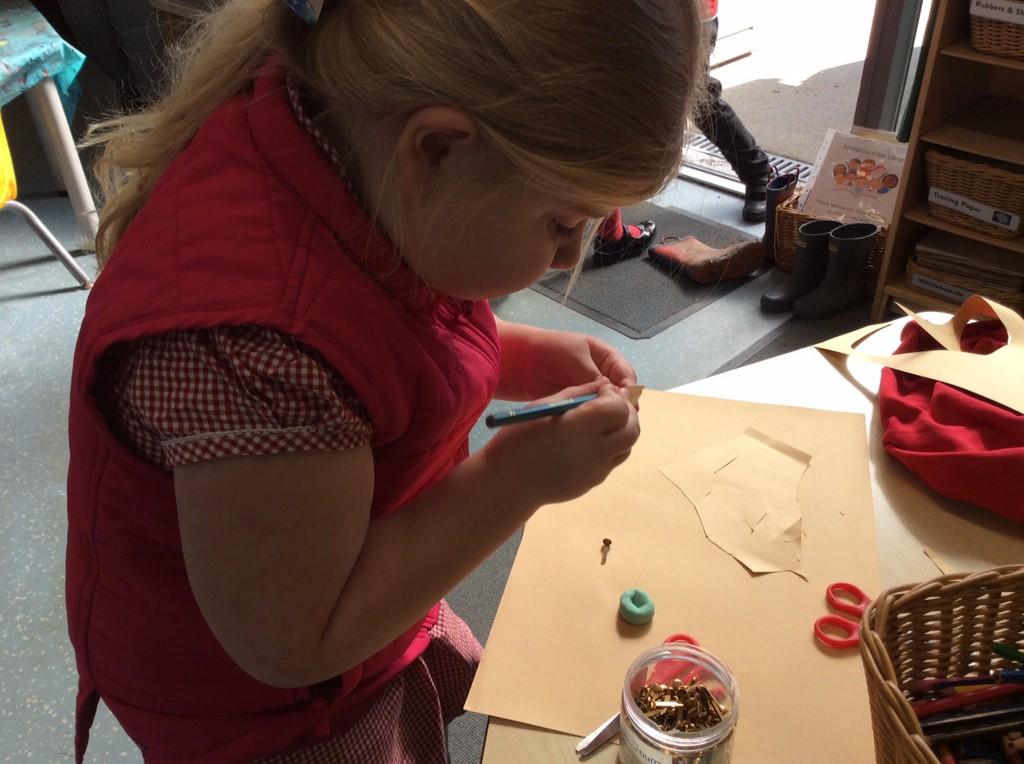
Making split pin trolls
The children watched very carefully as we modelled how to use the split pins to join pieces of paper so they could move.
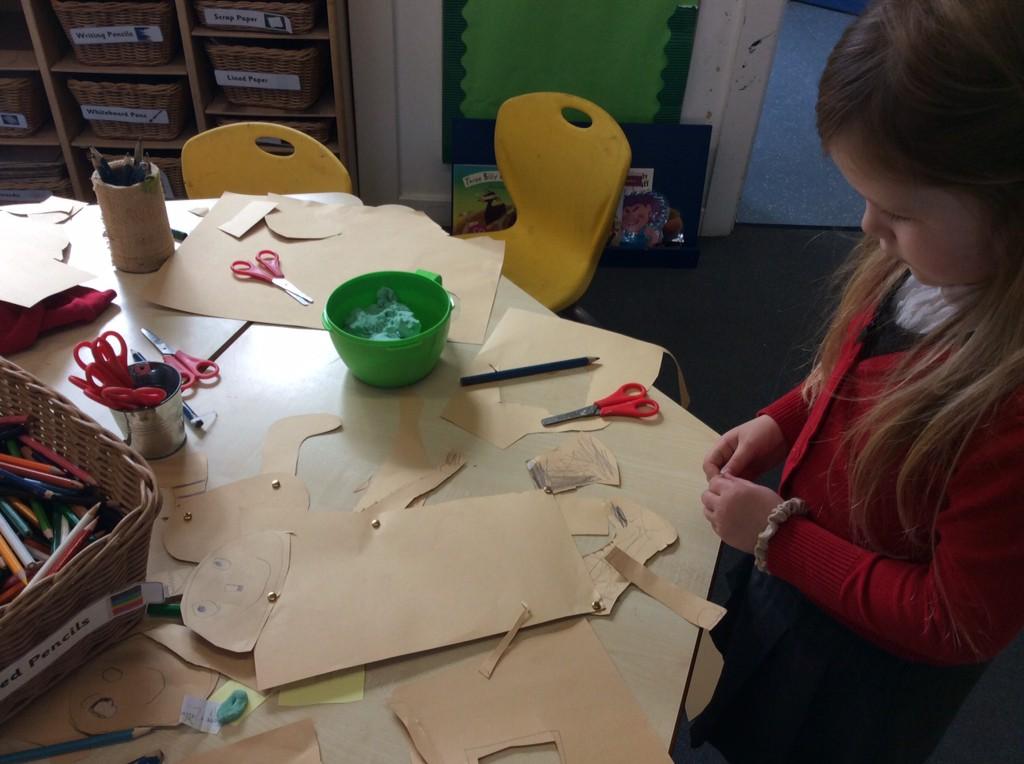
They carefully drew the body parts, cut them out and safely made a hole in the paper to join them.
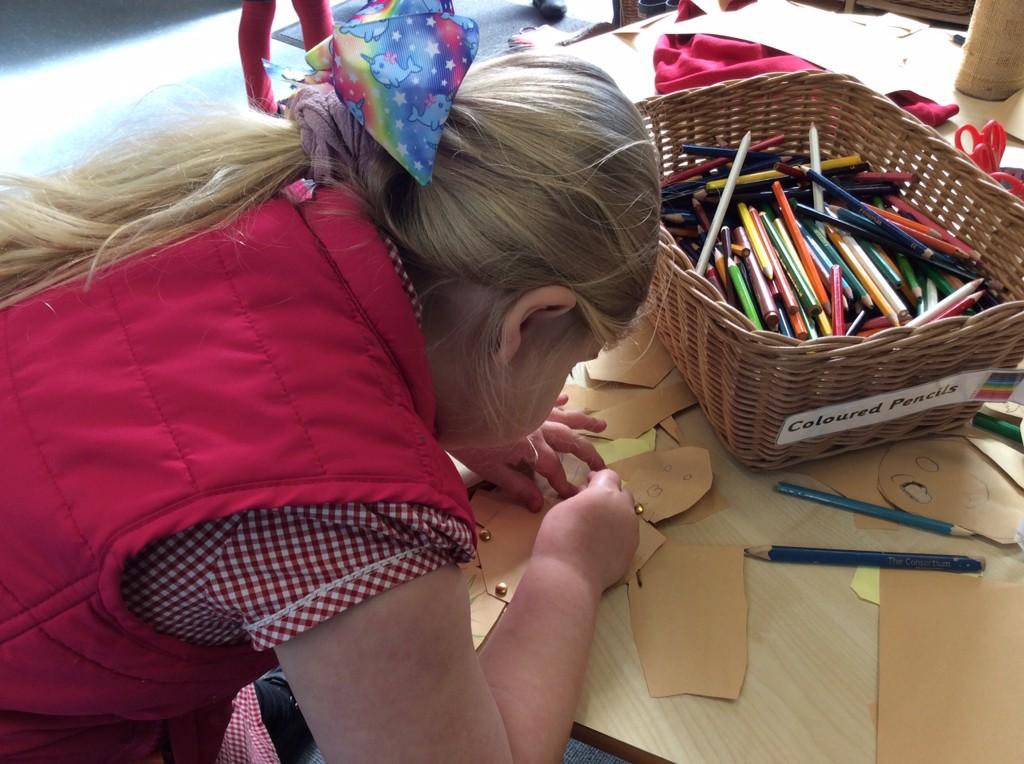
During busy learner time, some children wanted to make a troll with moving arms and legs.
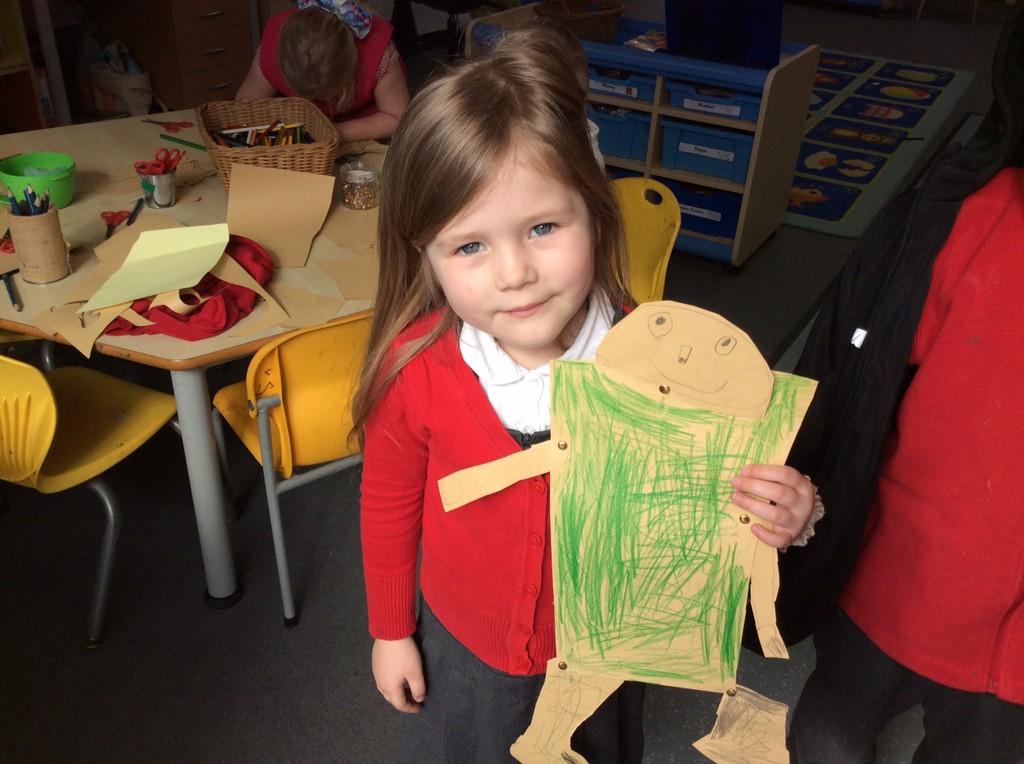
Proudly showing us the split pin troll she had made.
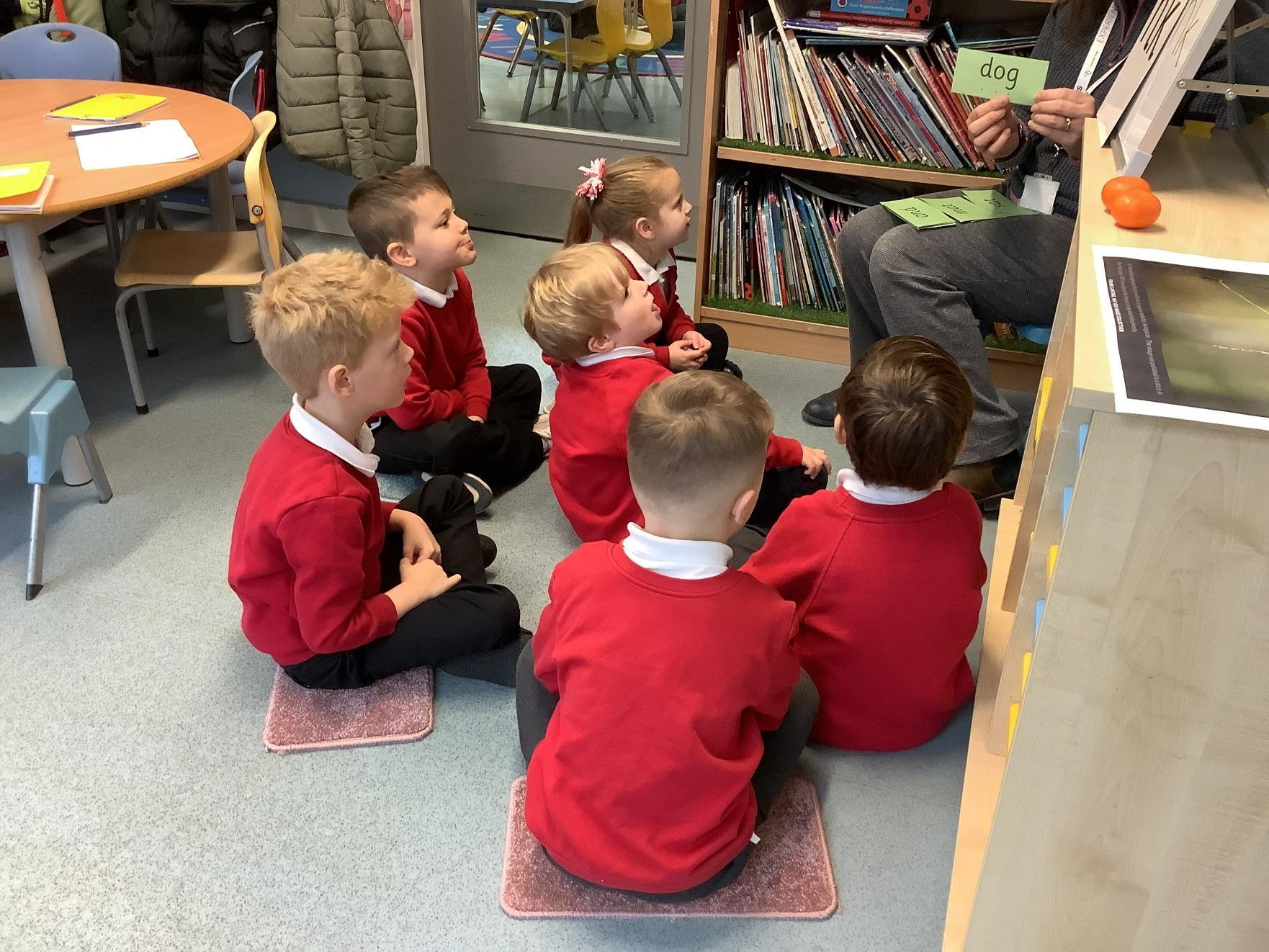
Daily RWI Phonic Sessions
Learning Set 1 sounds, special friends.
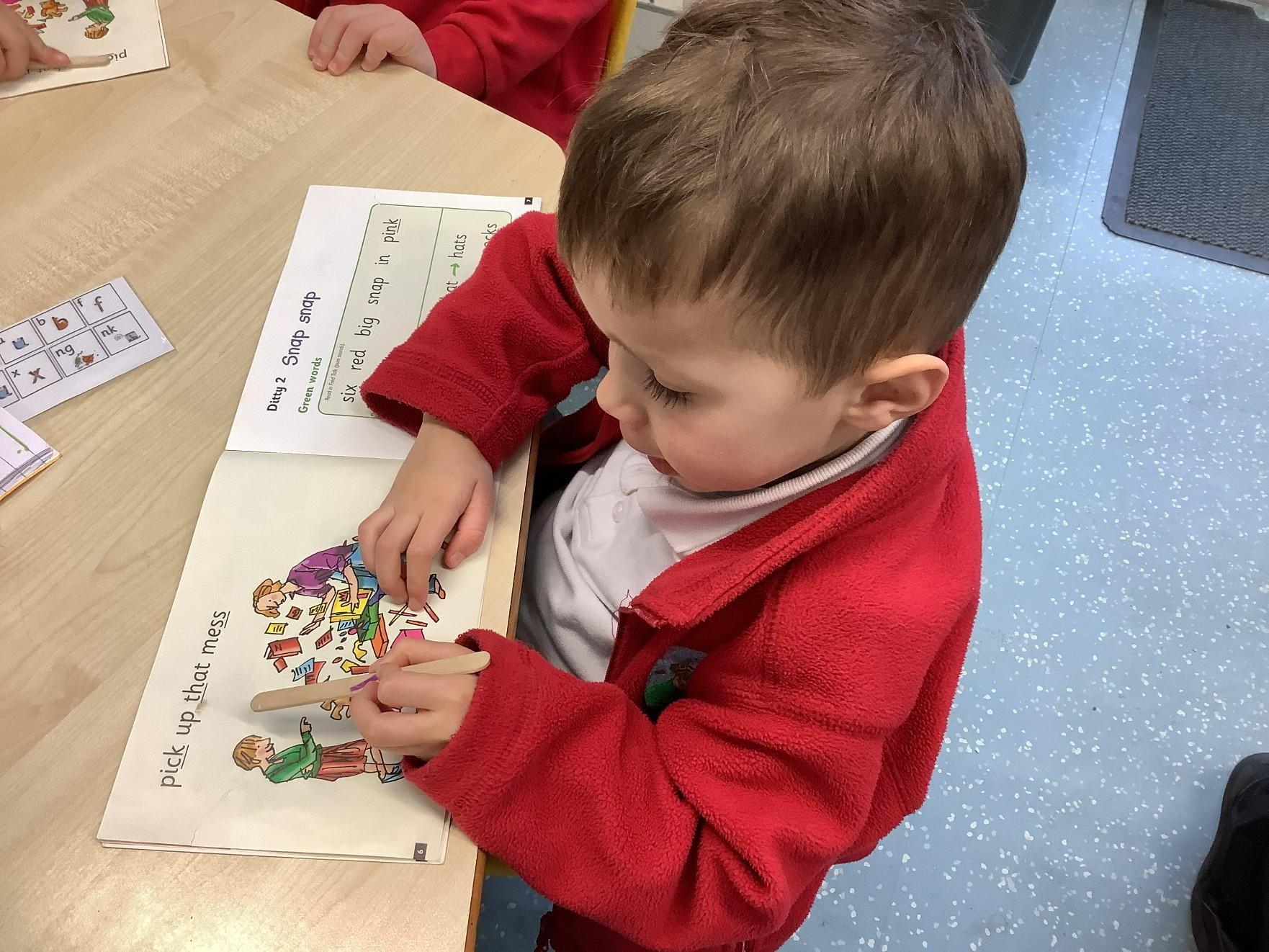
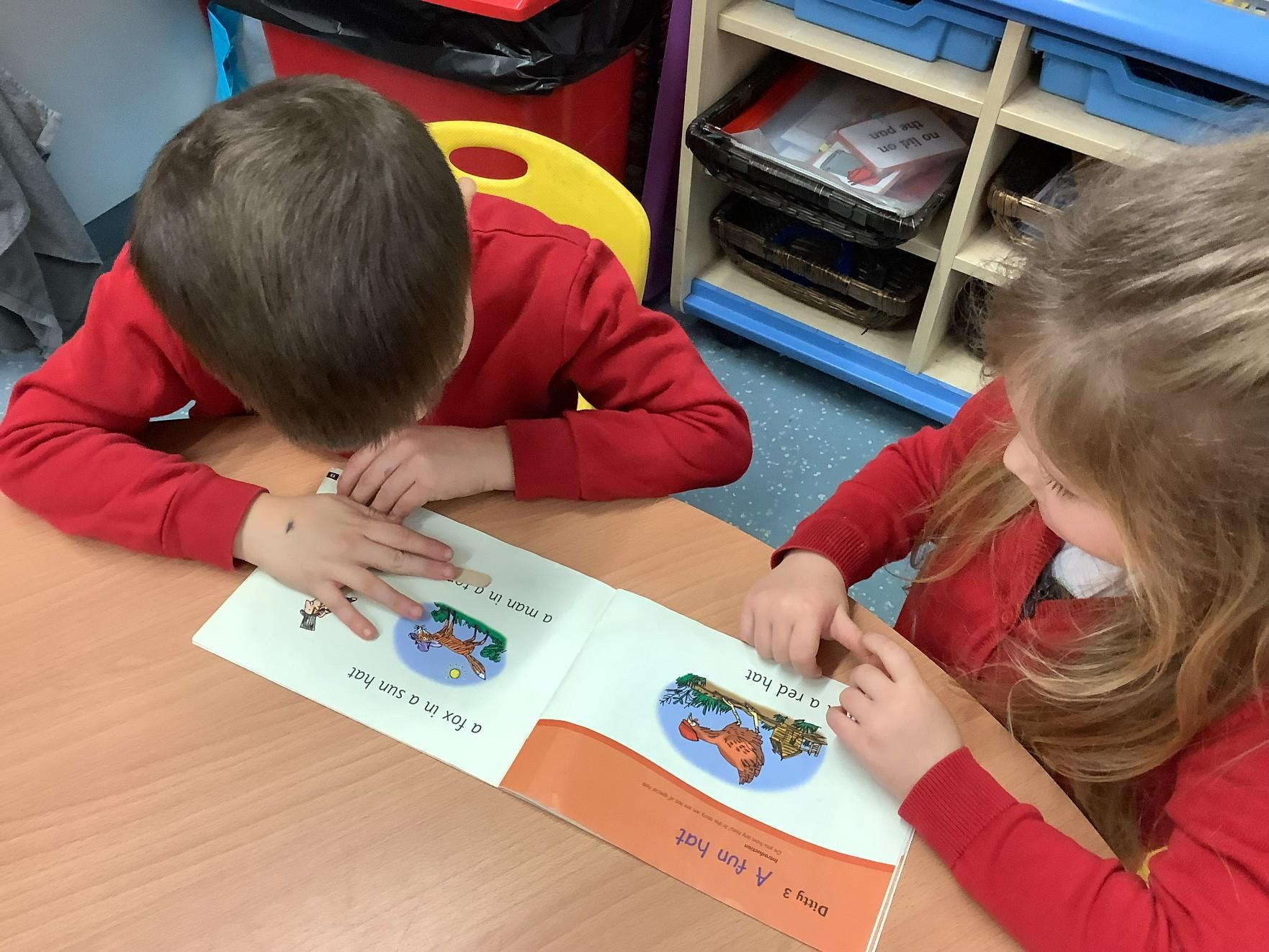
Reading a red ditty book. Learning to read words with fluency.
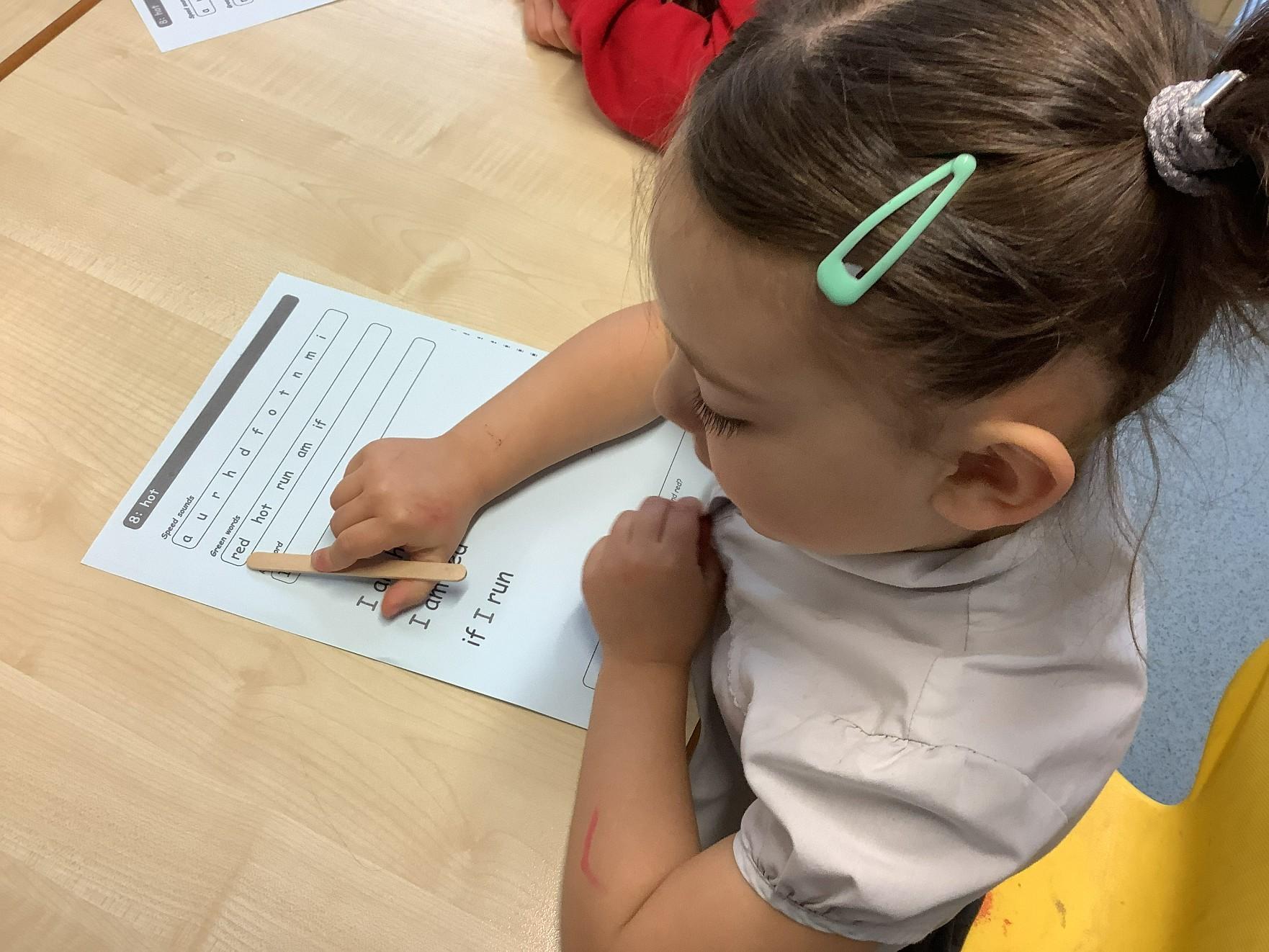
Reading a Ditty sheet with fluency.
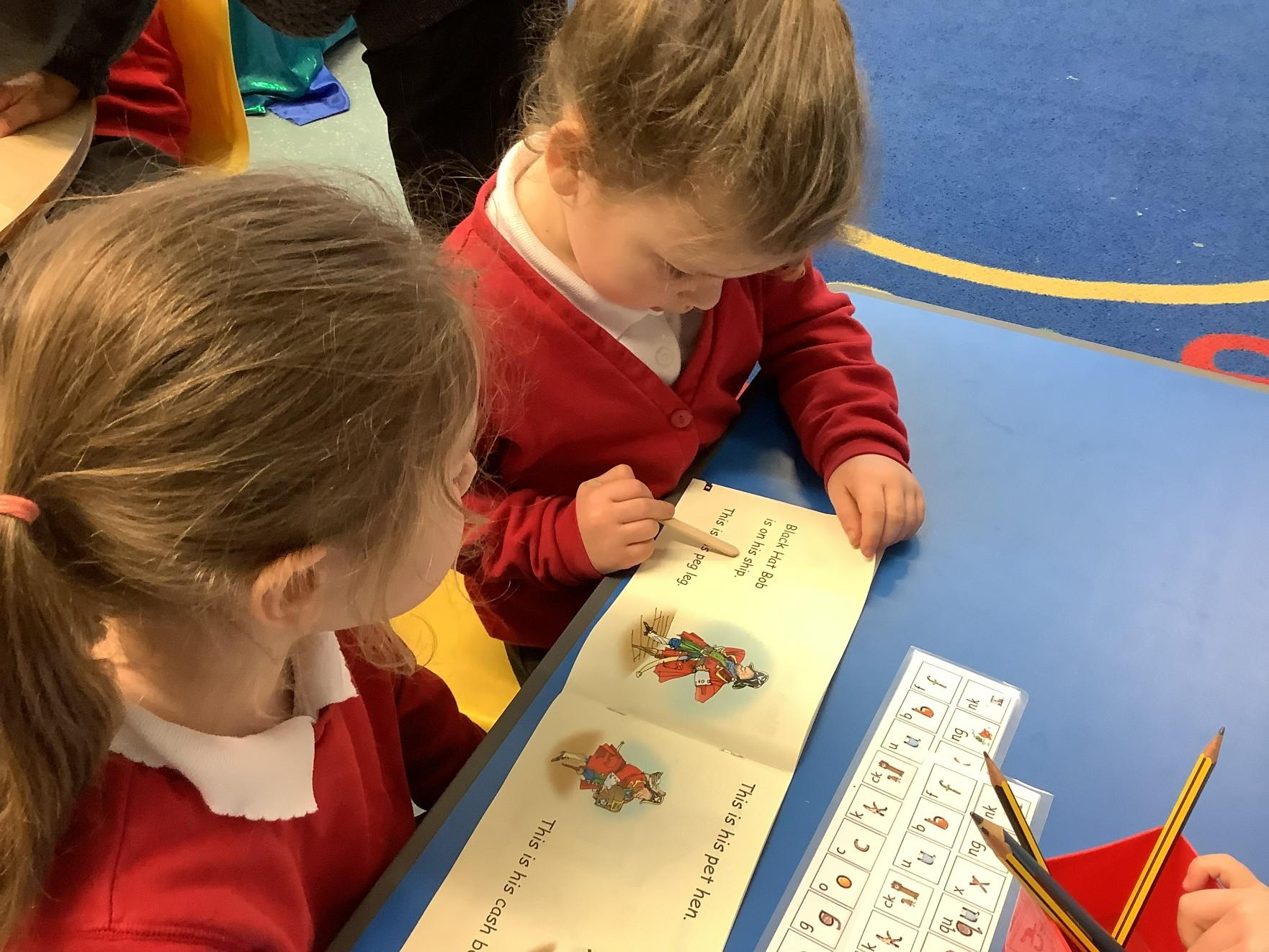
Reading green books. Partner work and learning Set 2 sounds.
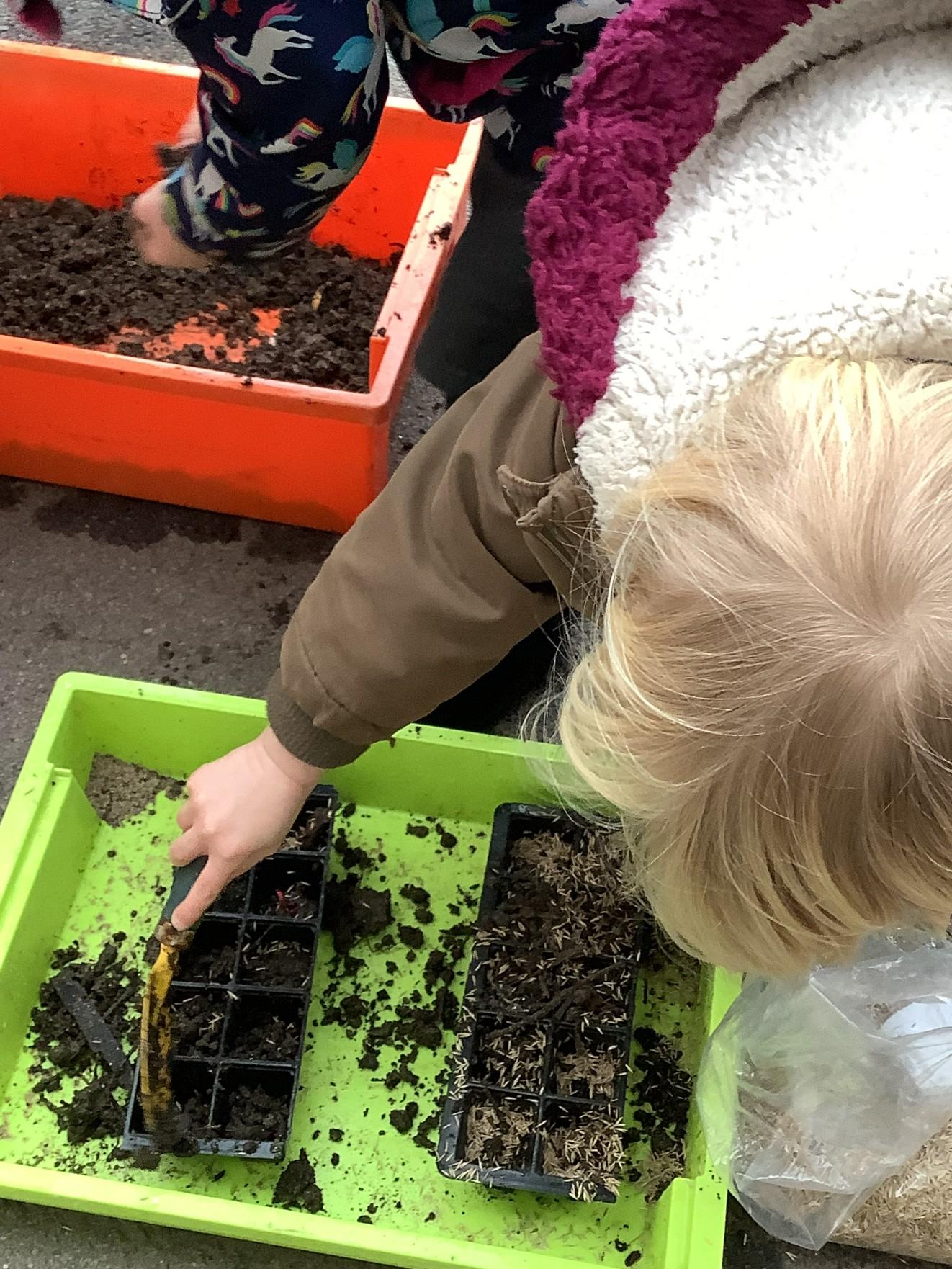
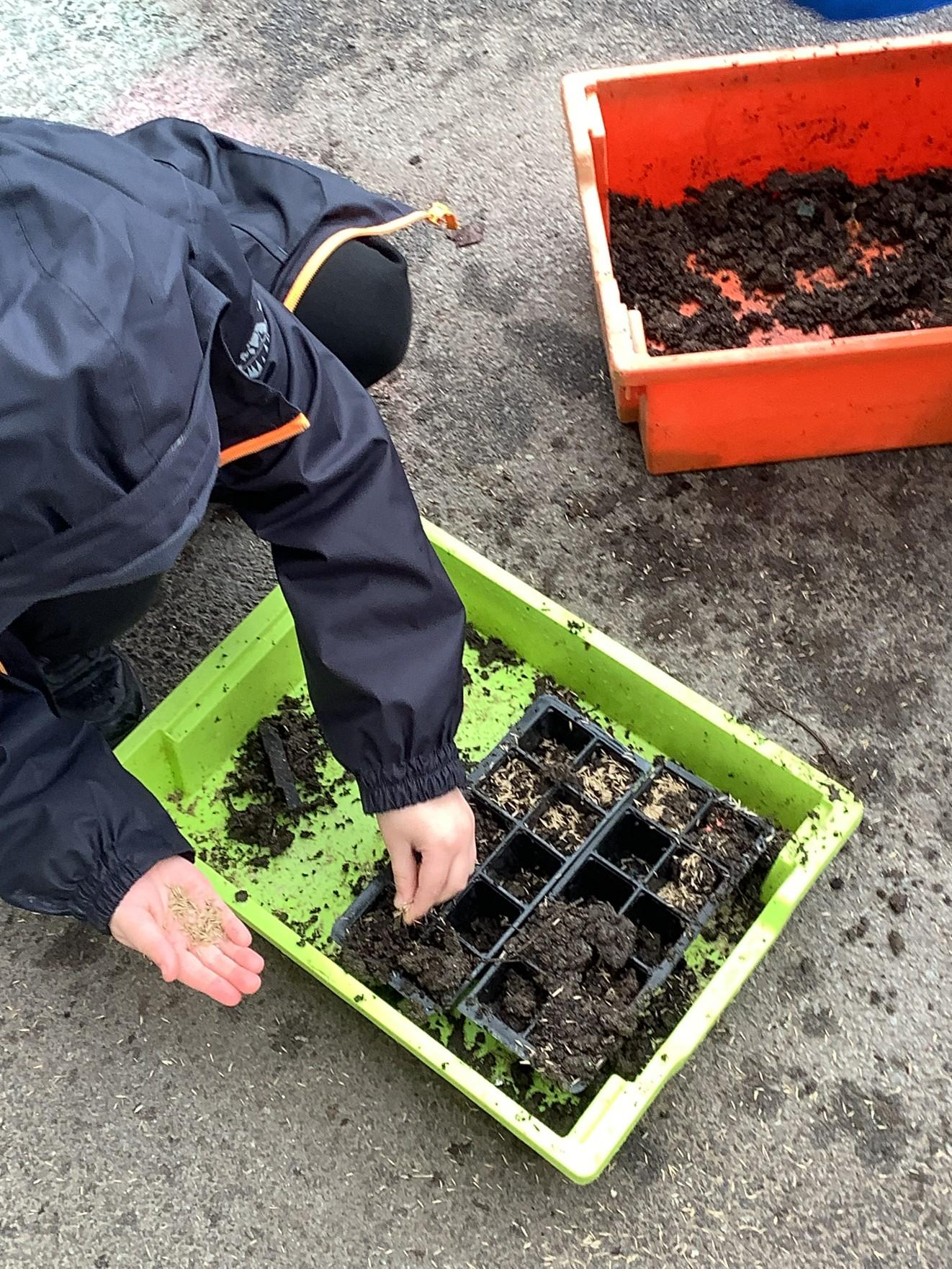
What do you think the seeds need to grow?
The Billy Goats sent us a letter. They asked us to grow some fresh green grass for them.
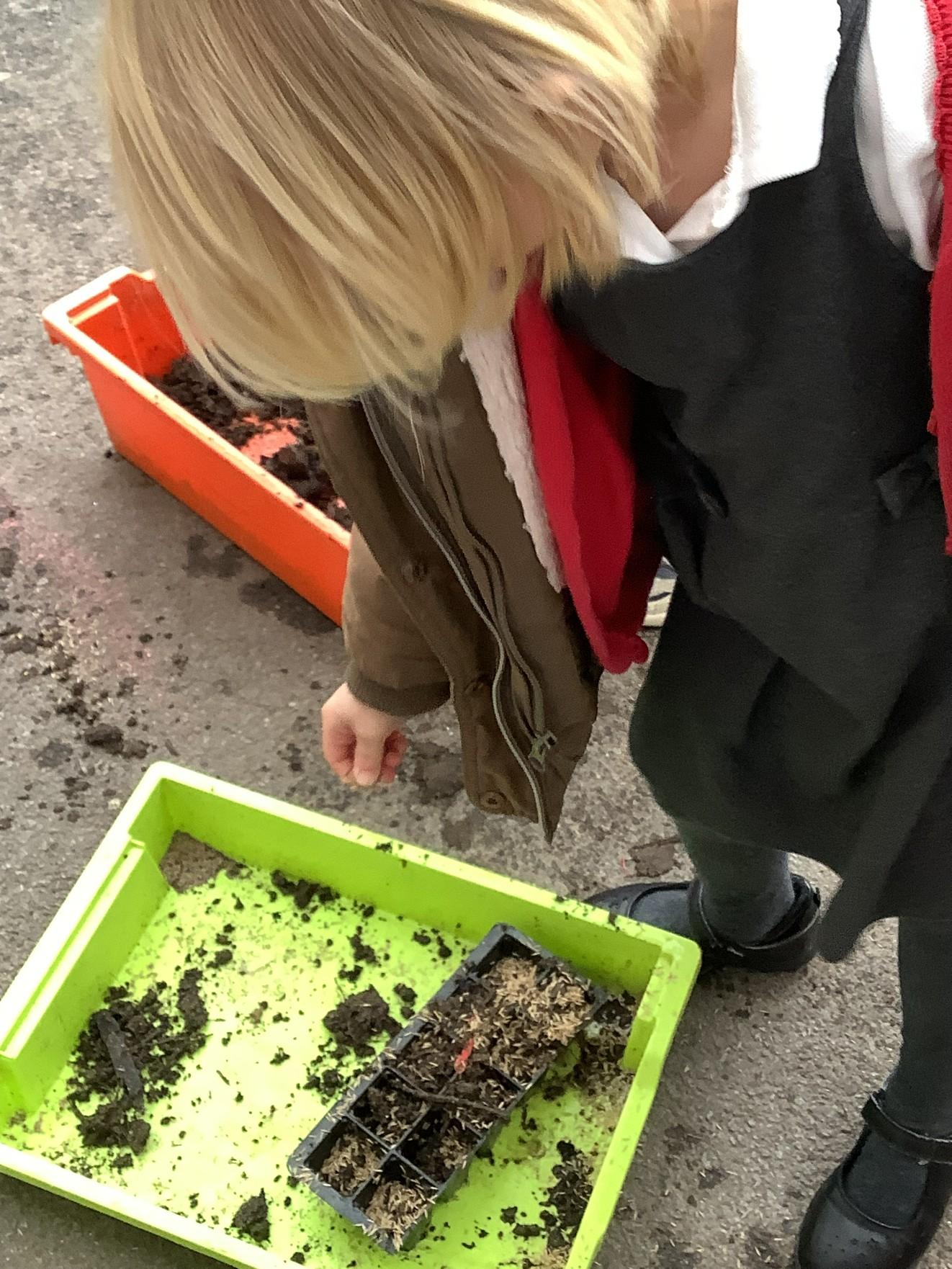
Once some of the grass seeds have grown, we are going to look at the pots again and decide which ones the goats would like to eat and why. We will then discuss the best conditions for growing the seeds.
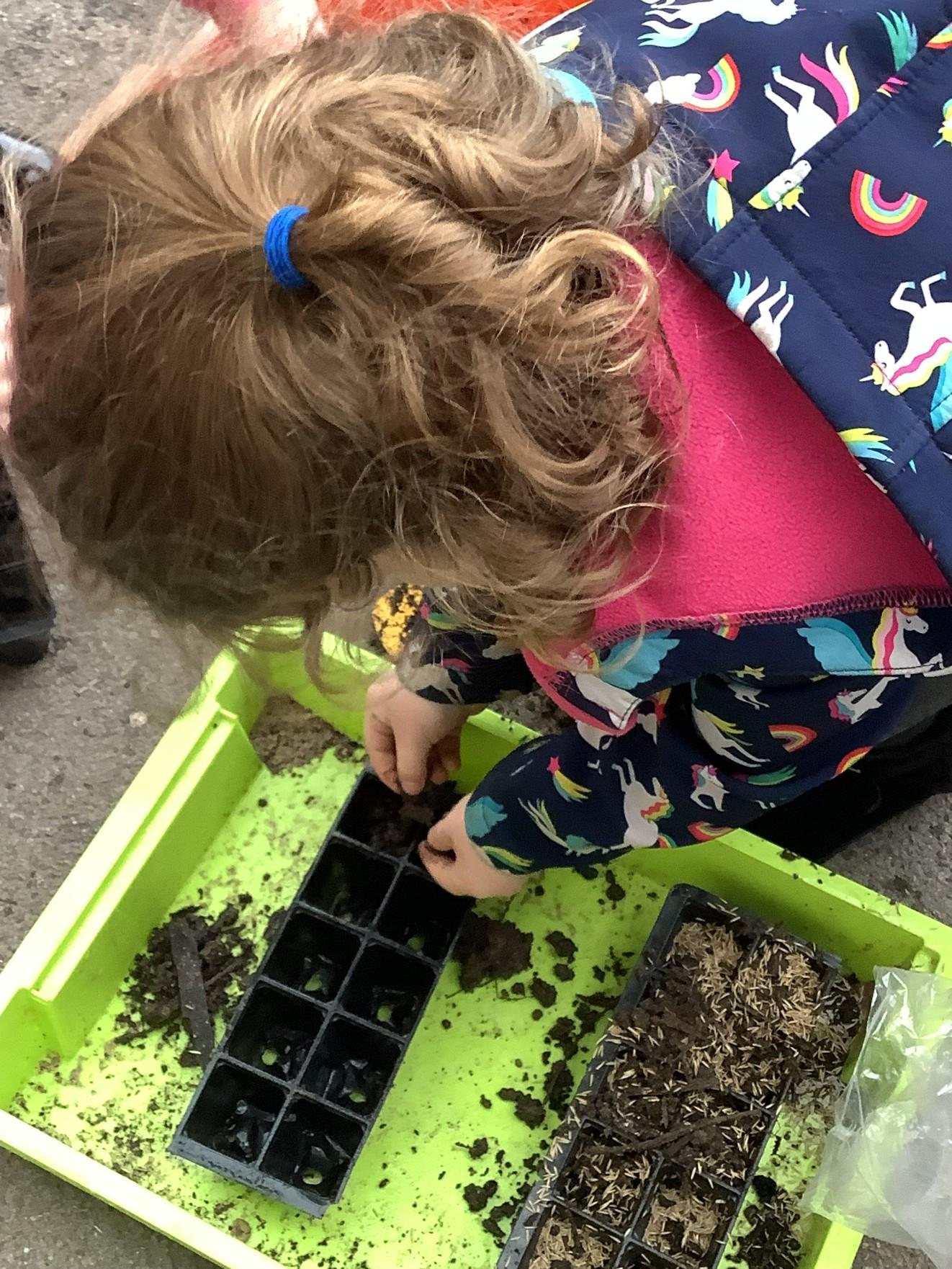
We decided to plant some seeds into different pots and place them in different conditions e.g. in a sunny place with water, in a sunny place without water, somewhere dark.
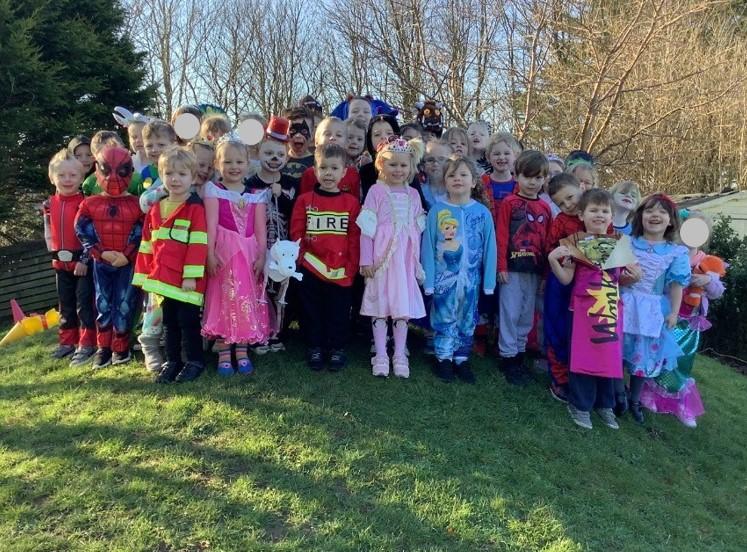
World Book Day
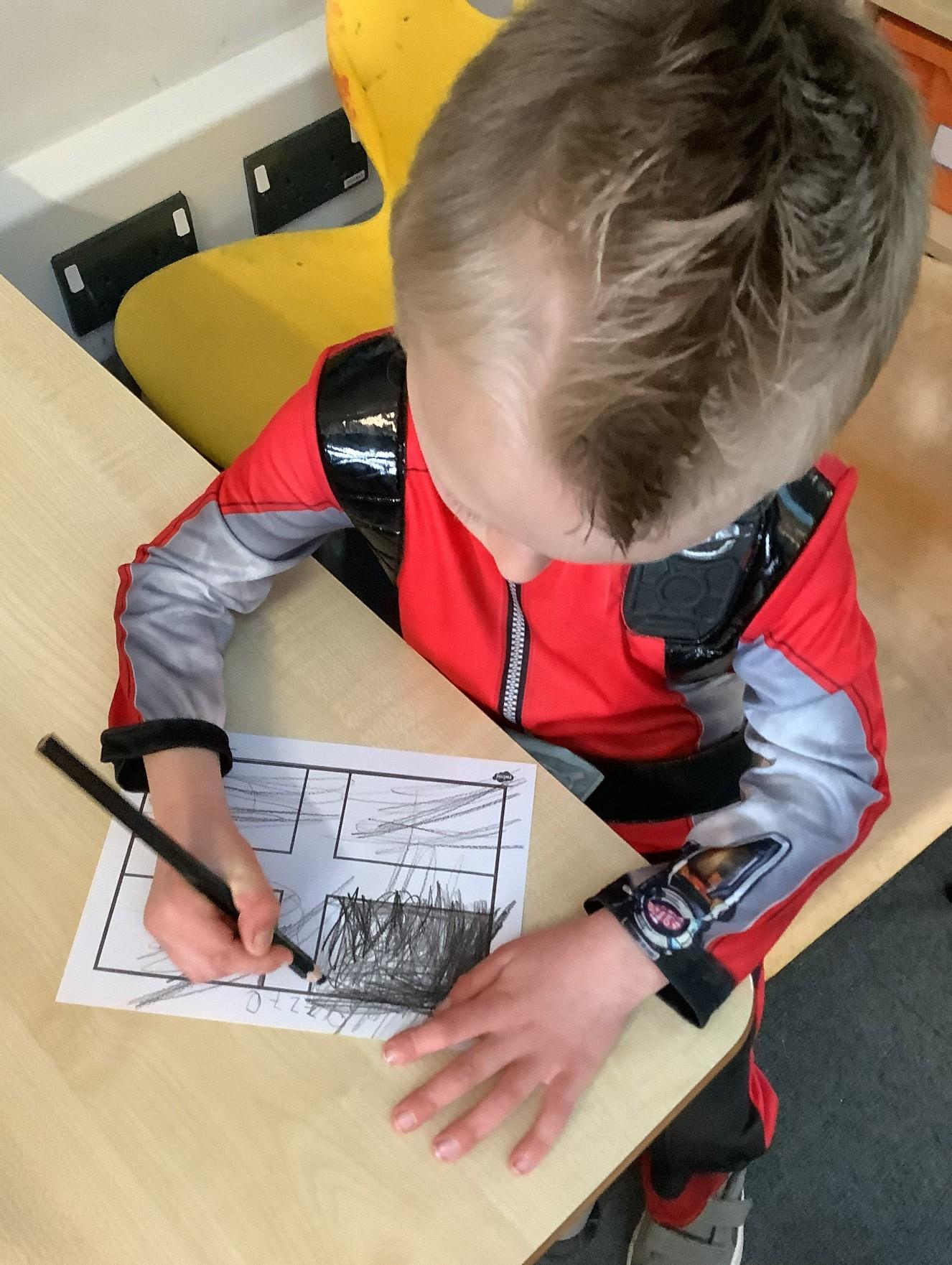
St Piran's Day
Learning about our Cornish Saint - St Piran. First we learnt about where Cornwall is on a map of the UK. We then discussed what Cornwall is like and how lucky we are to have sandy beaches, pasties and cream teas.
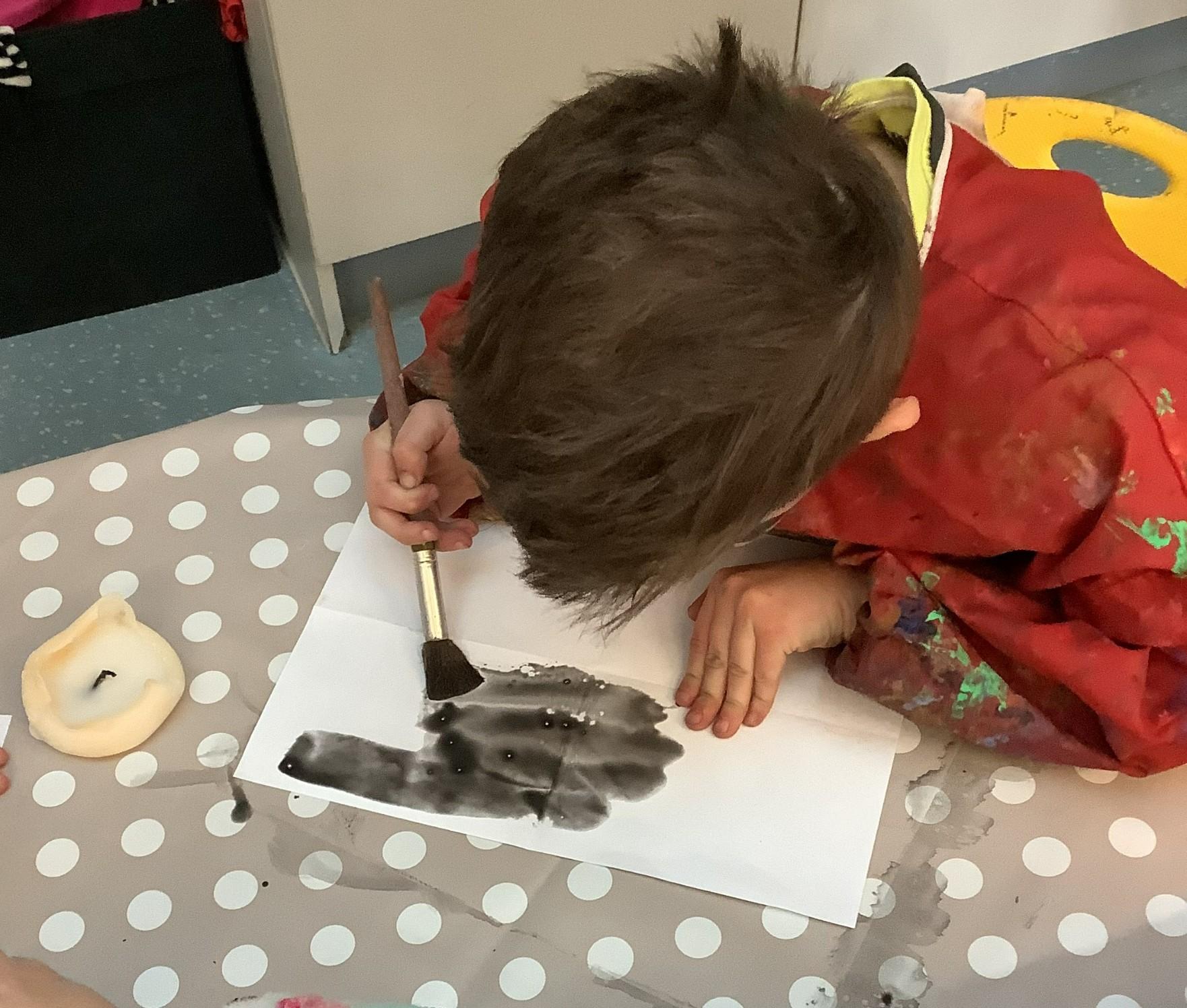
The Cornish flag is called Saint Piran’s Cross. The black represents the black stone in the story, the white represents the metal that came out from the stone. It also represents good overcoming evil.
We learnt that Saint Piran became very popular in Cornwall and people would travel for miles to hear him talk about God. Legend says that it was Saint Piran who discovered tin.
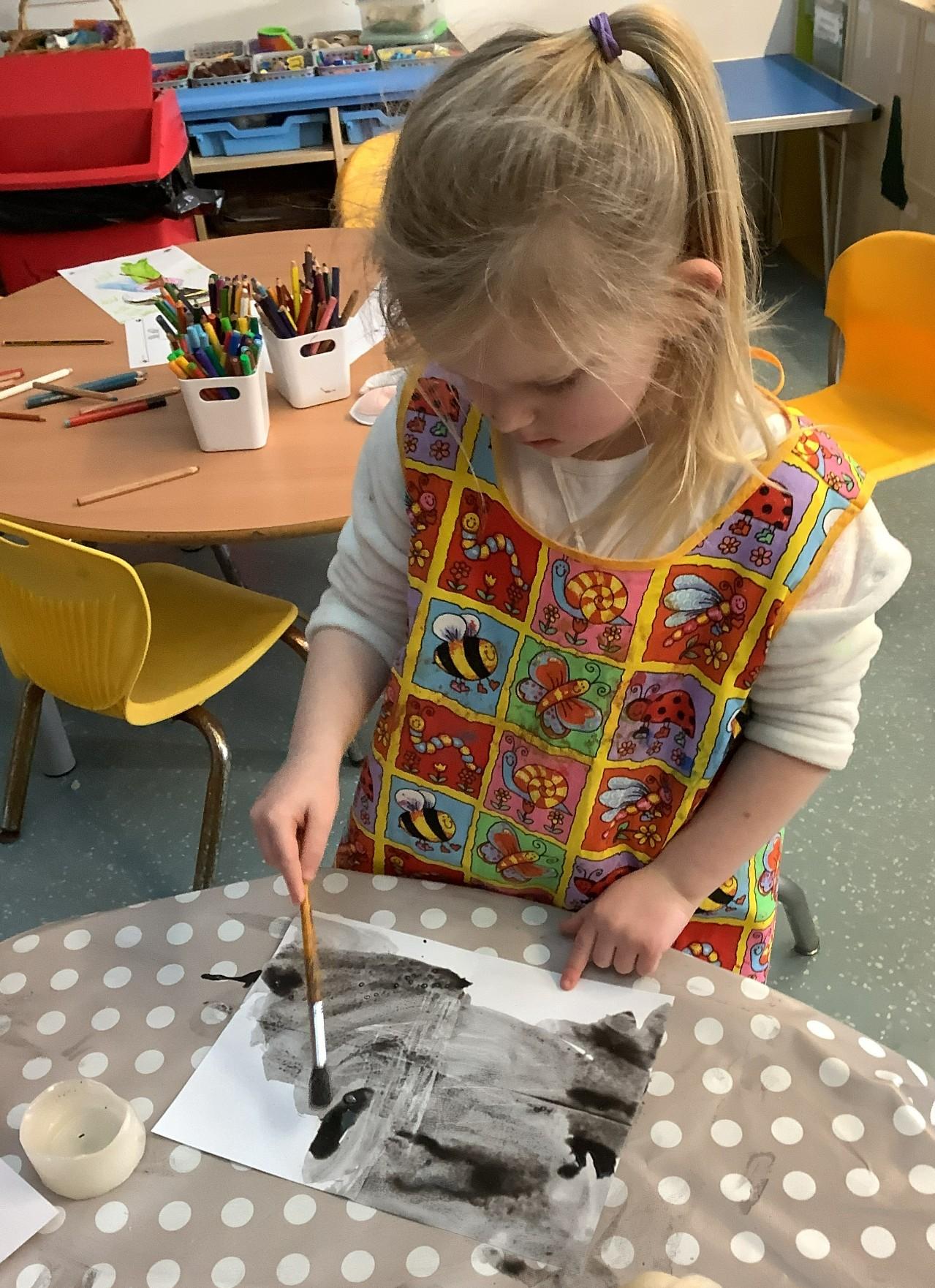
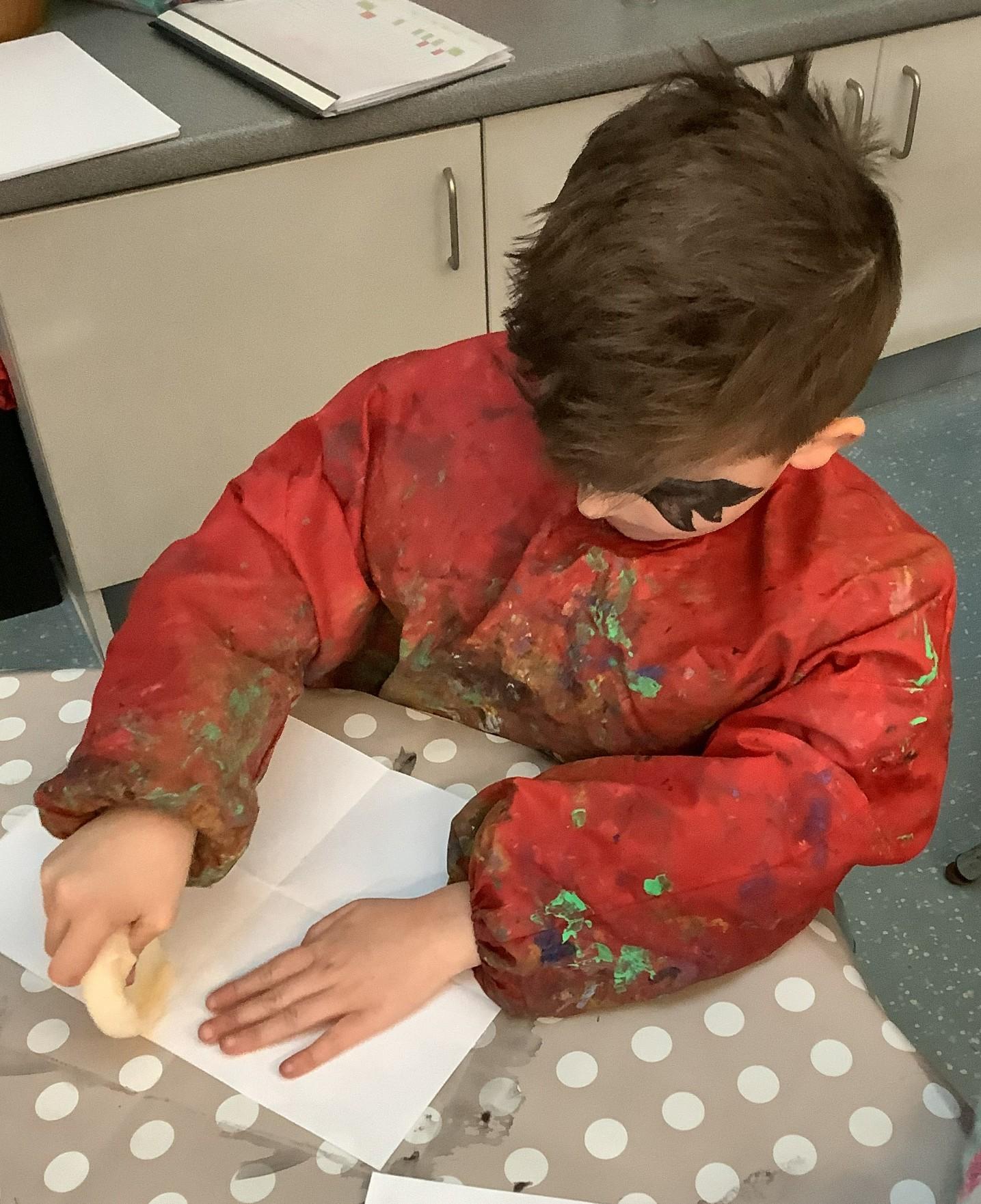
We created Cornish flags using candle wax for the white cross and then a wash of black paint.
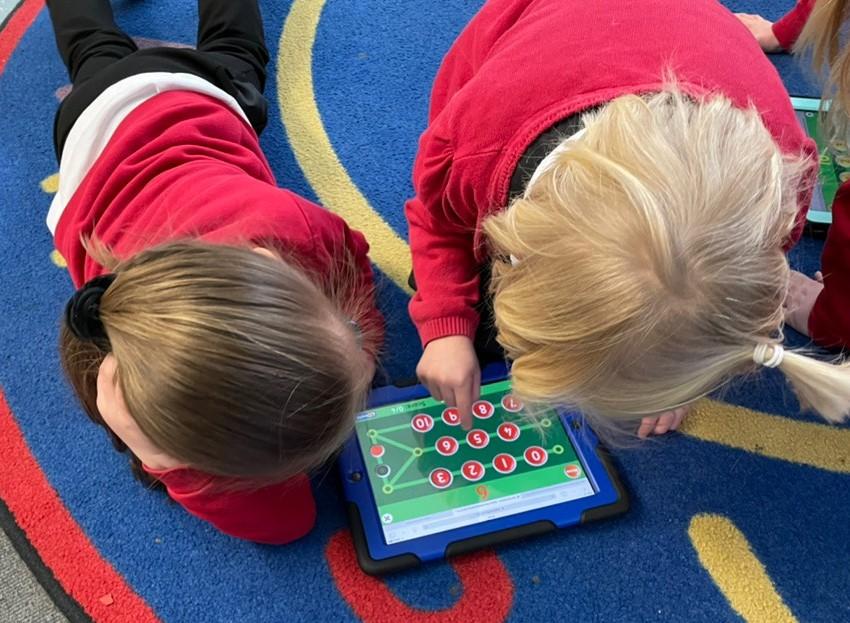
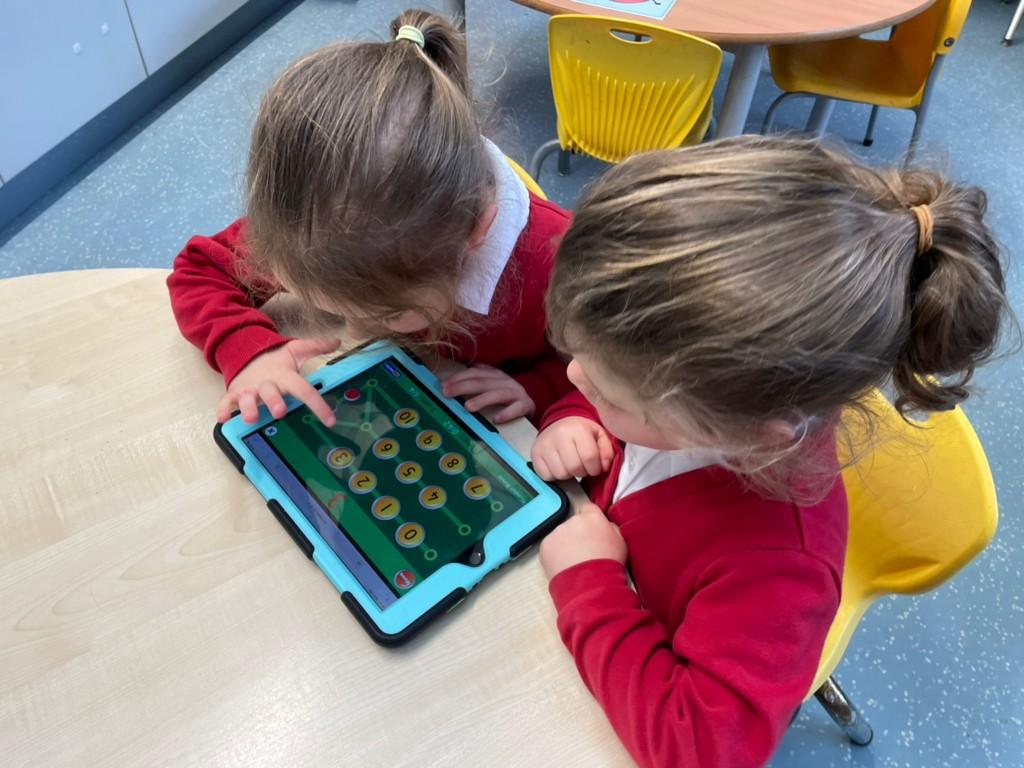
Number bonds to 10
We used technology to practice our number bonds to 10. We had to hit the button very quickly to match the pairs to make 10.
Describing the troll
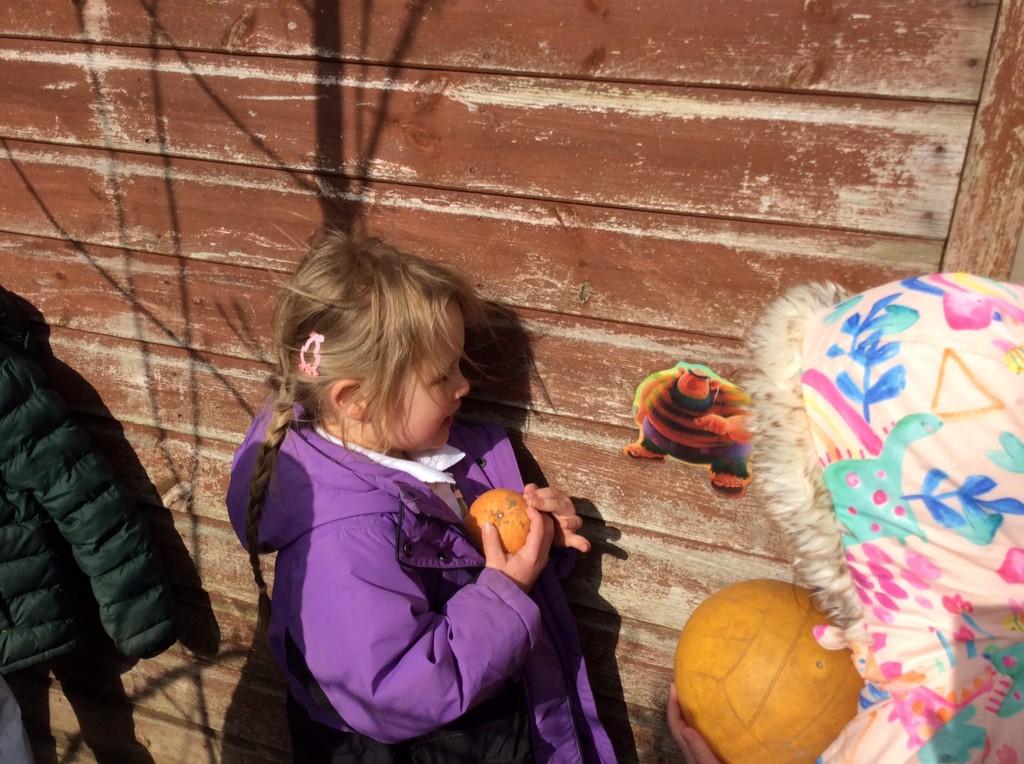
Today we went on a troll hunt. We found a number of trolls in the woods and thought carefully about the words we could use to describe them.
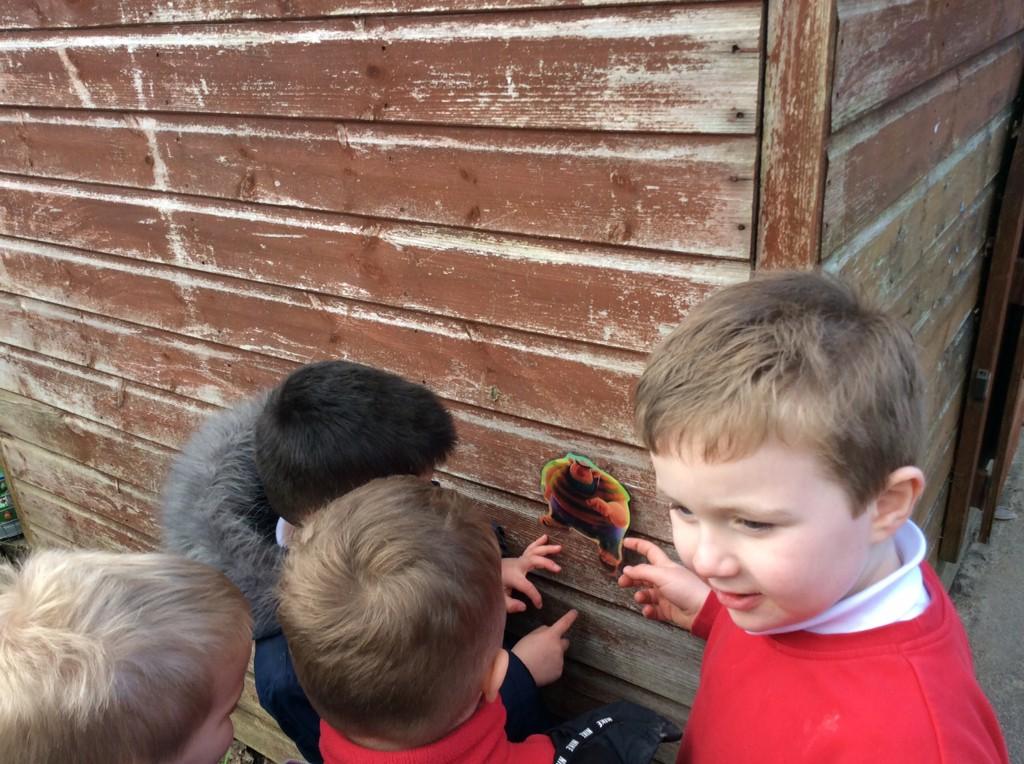
Then we found things in the woods that might feel or look like the troll.
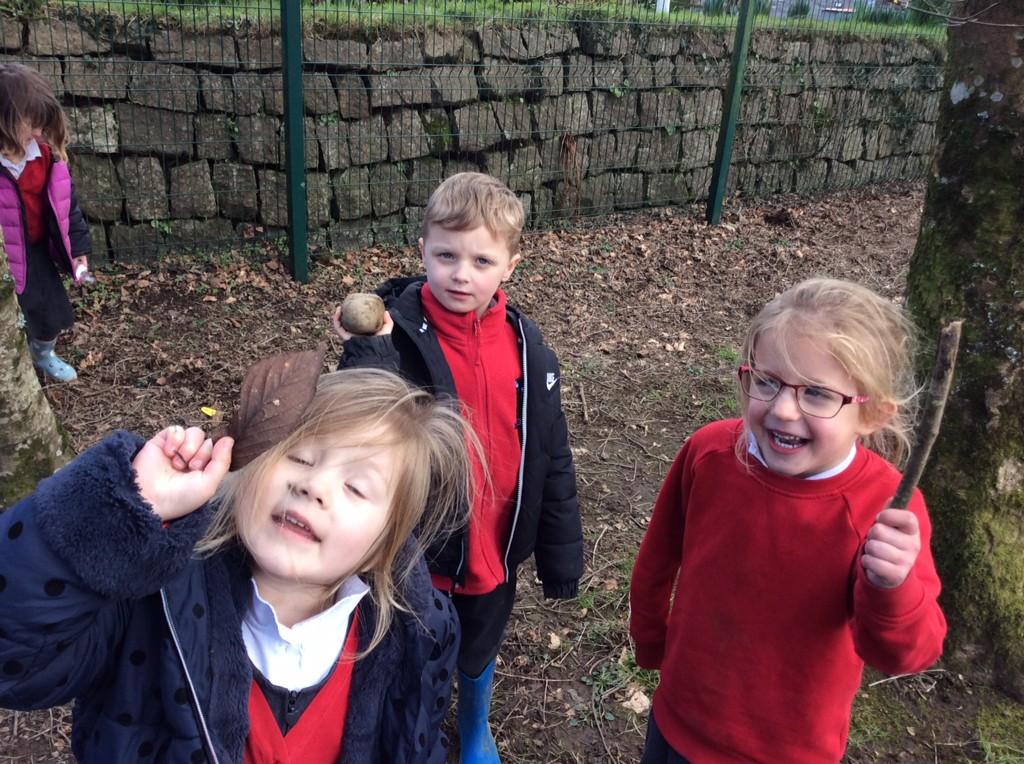
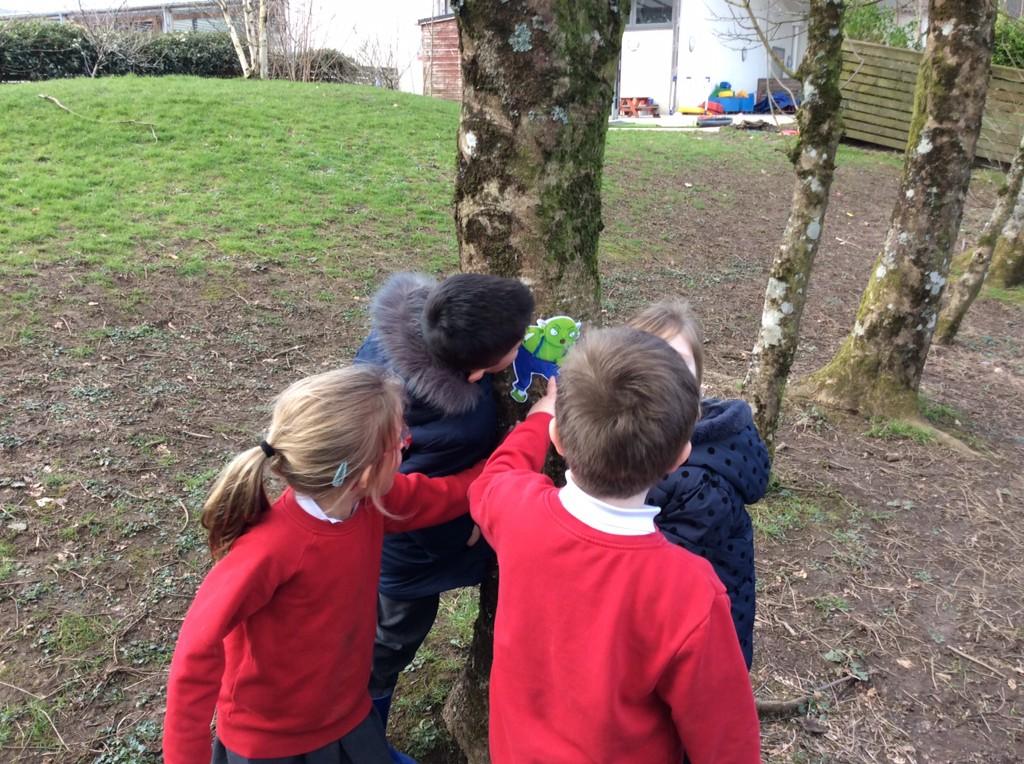
We used this to write our 'Wanted' Posters.
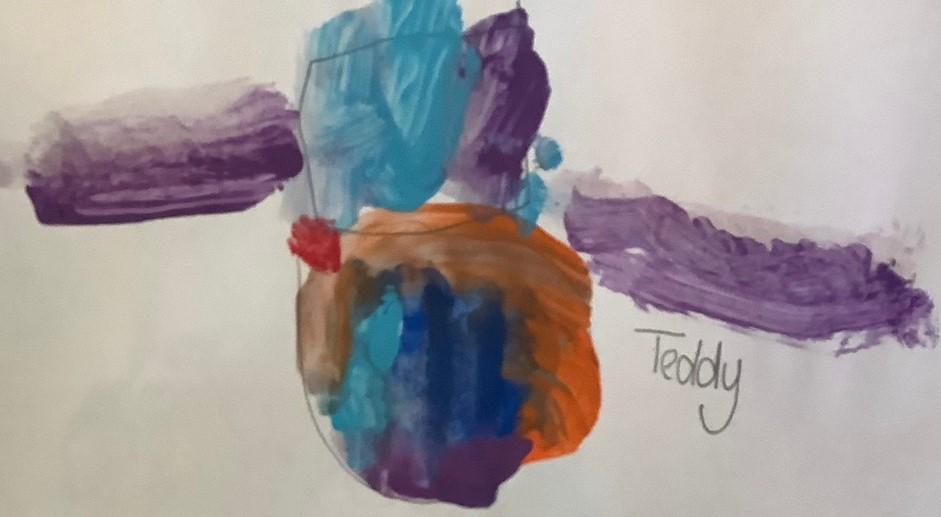
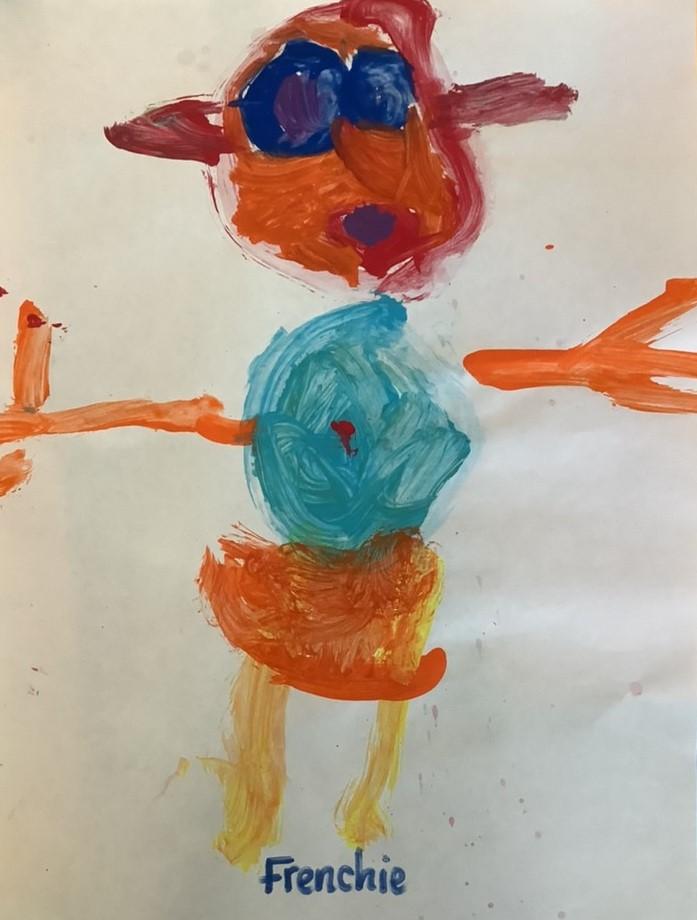
Our paintings of the troll
We painted pictures of the troll from the story of The Three Billy Goats Gruff. We had to paint our own versions of the toll using colours of our choice.
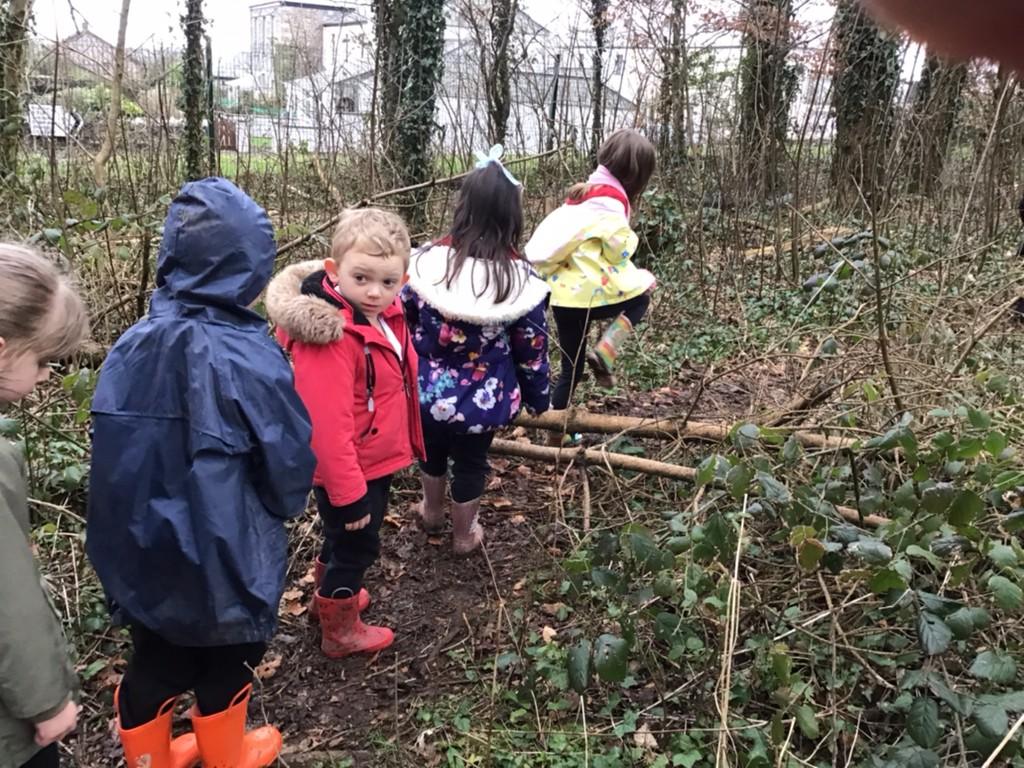
Exploring the woods
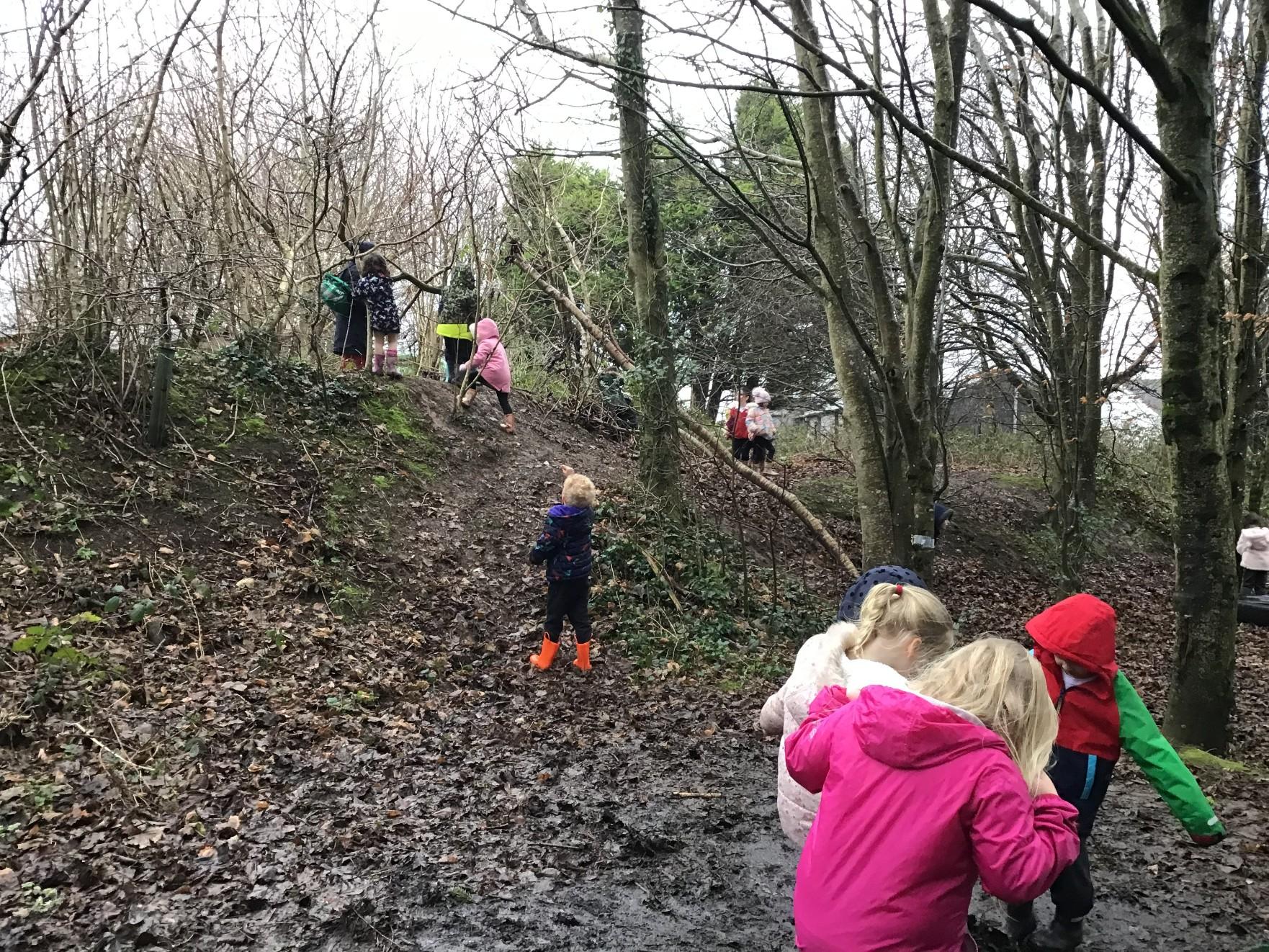
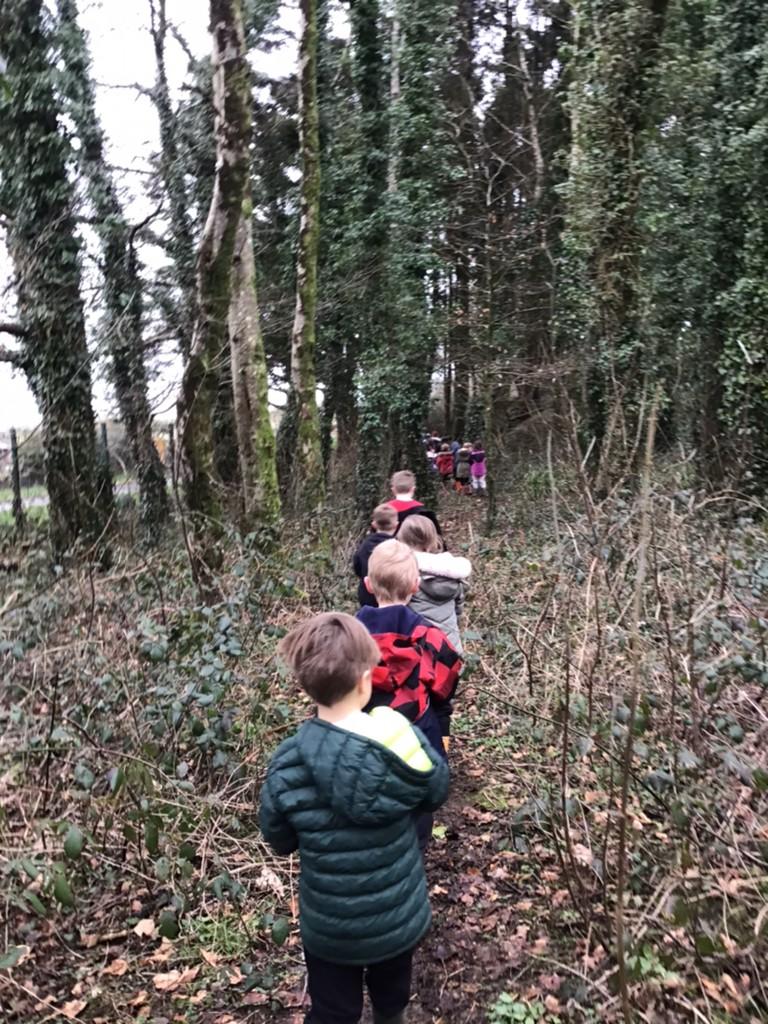
We had all been excited to explore one of the paths in the woods. So on Friday, we challenged ourselves to climb up a muddy bank this was great for developing our gross motor skills. The children demonstrated brilliant problem-solving, resilience and team work.
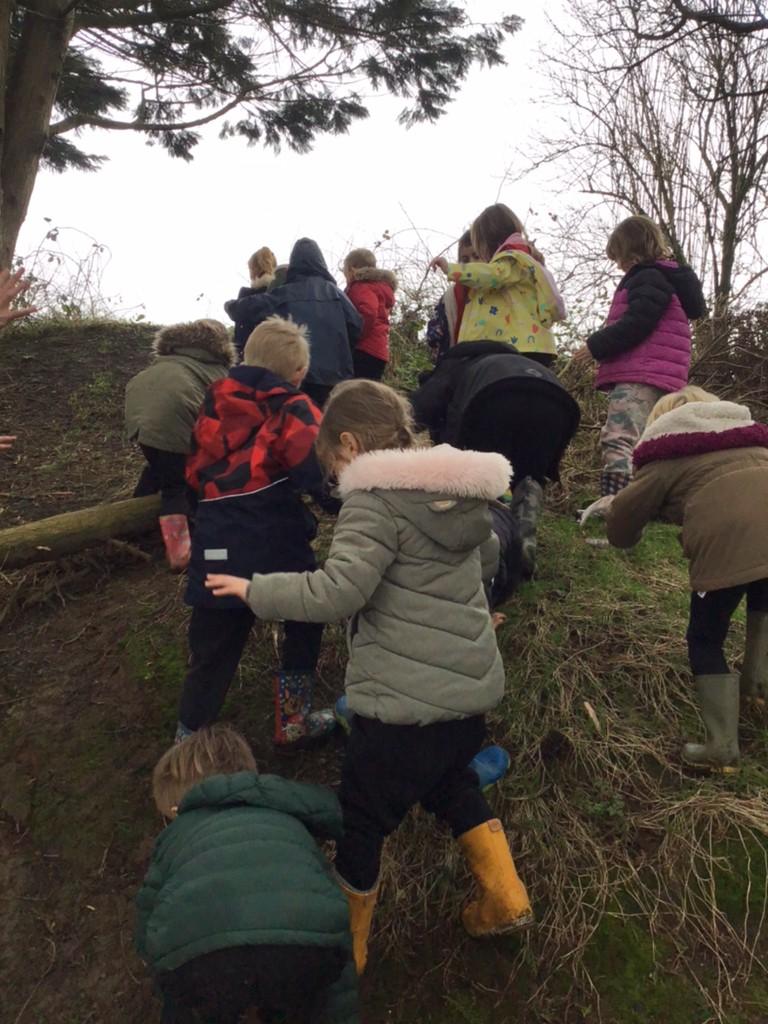
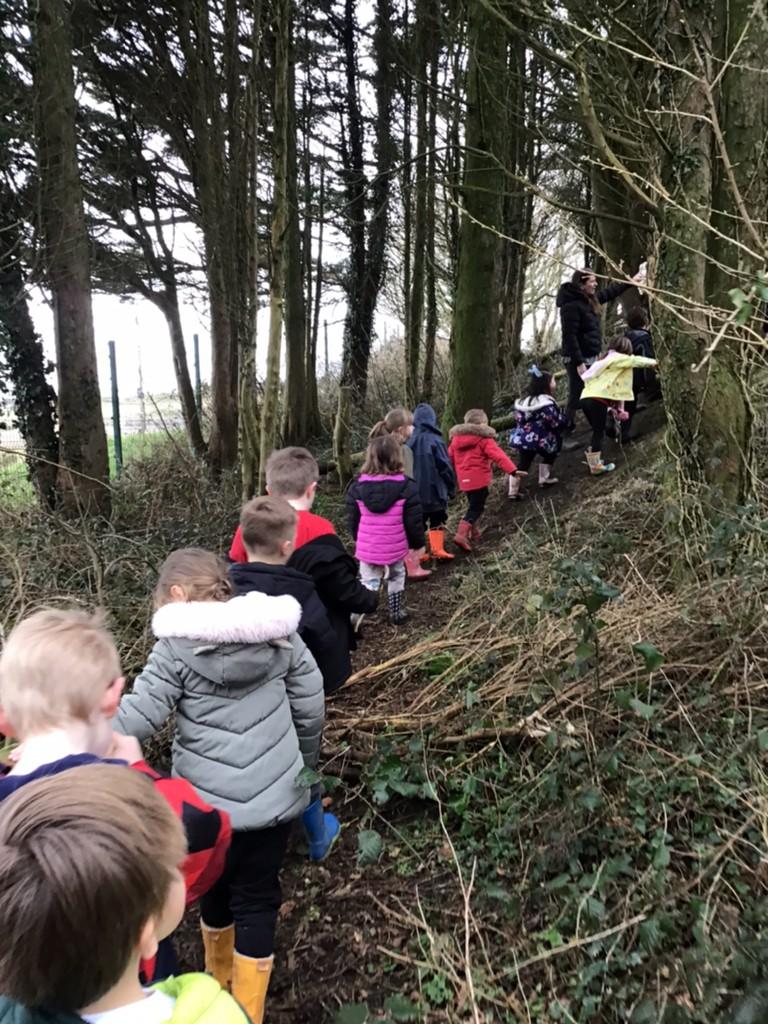
The Three Billy Goats Gruff
This half term we are learning the story of The Three Billy Goats Gruff. As part of our 'talk of writing' sessions we have been retelling the story using story language and actions.
Retelling the story outside
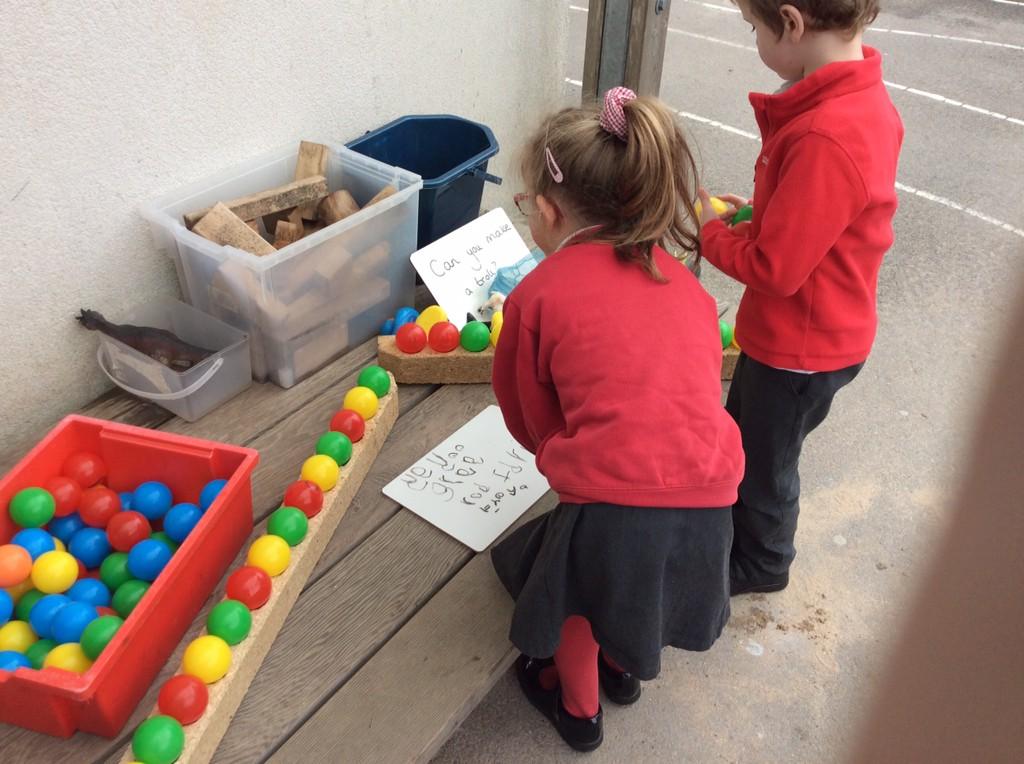
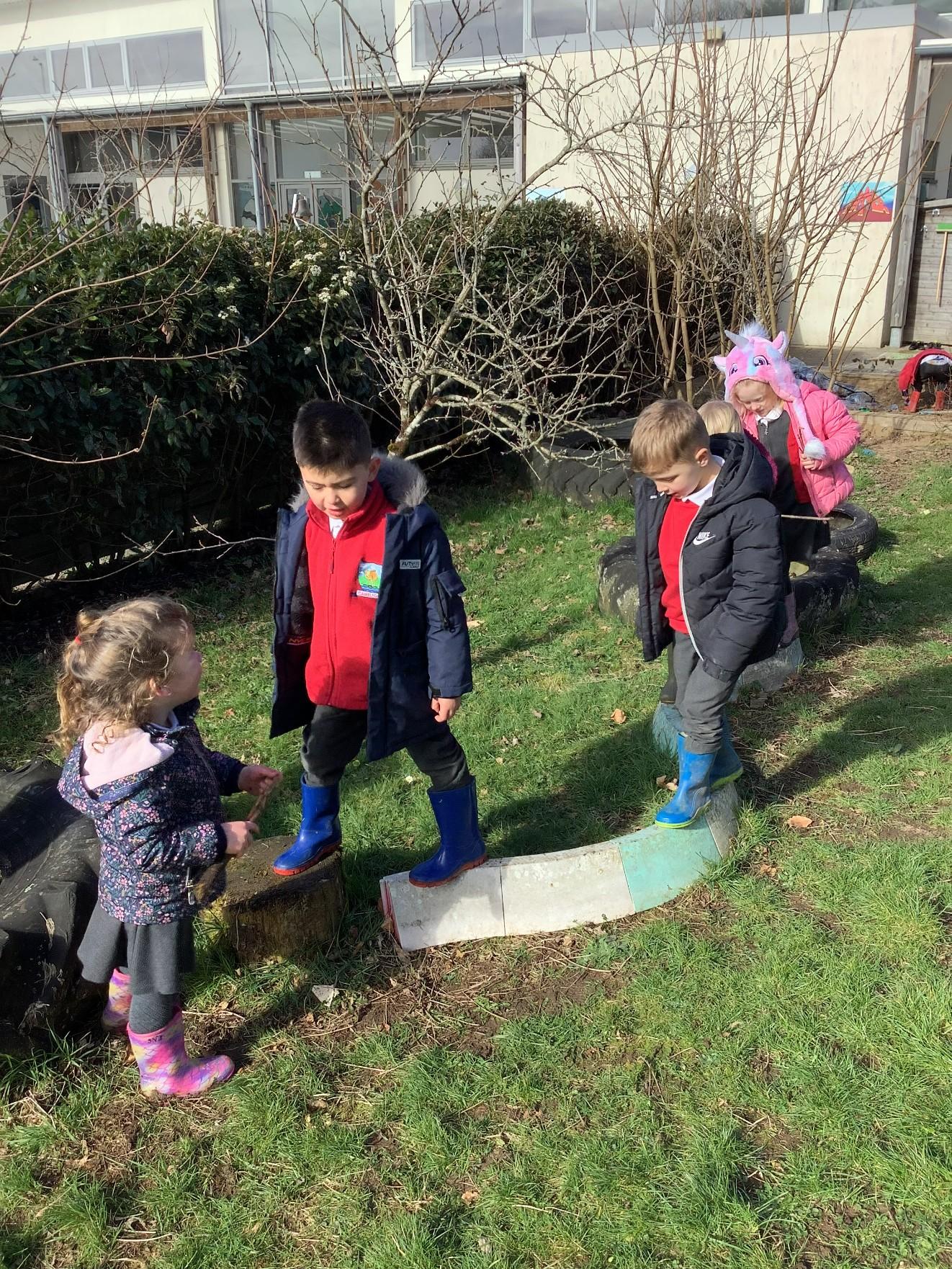
Outside we have enjoyed being engineers and creating bridges to cross the river. Today we used our bridges to retell the story using story language.
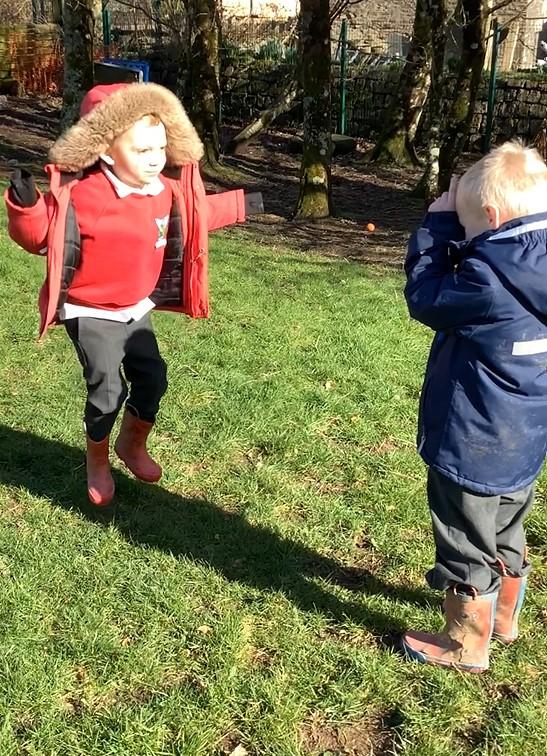
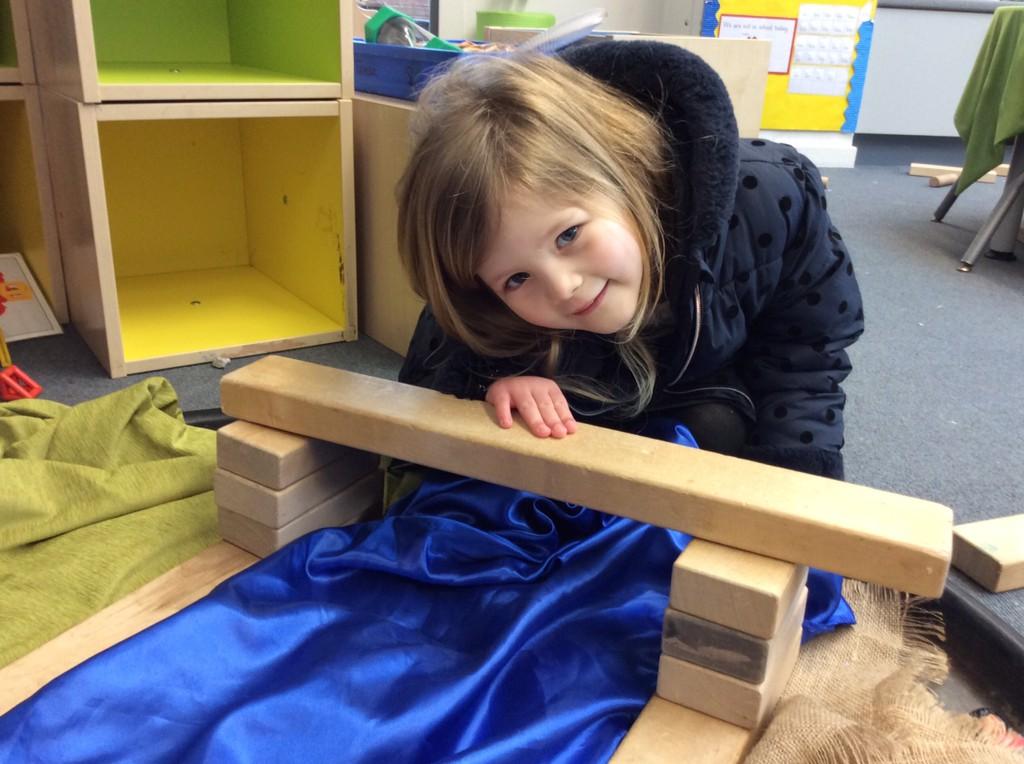
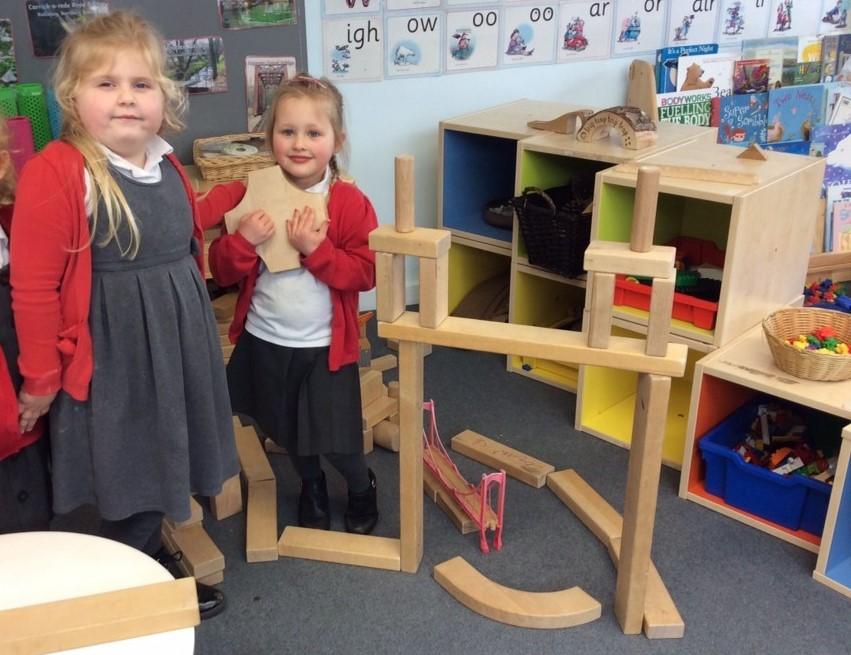
These engineers worked together to build a bridge over the river using the wooden blocks. They were asked why they had chosen to use the blocks and they explained that it would make a strong bridge.
Originally they built a bridge with one side higher than the other, they realised that they should be the same height so carefully counted how many blocks they had used on each side and made them the same. What a great team of engineers!
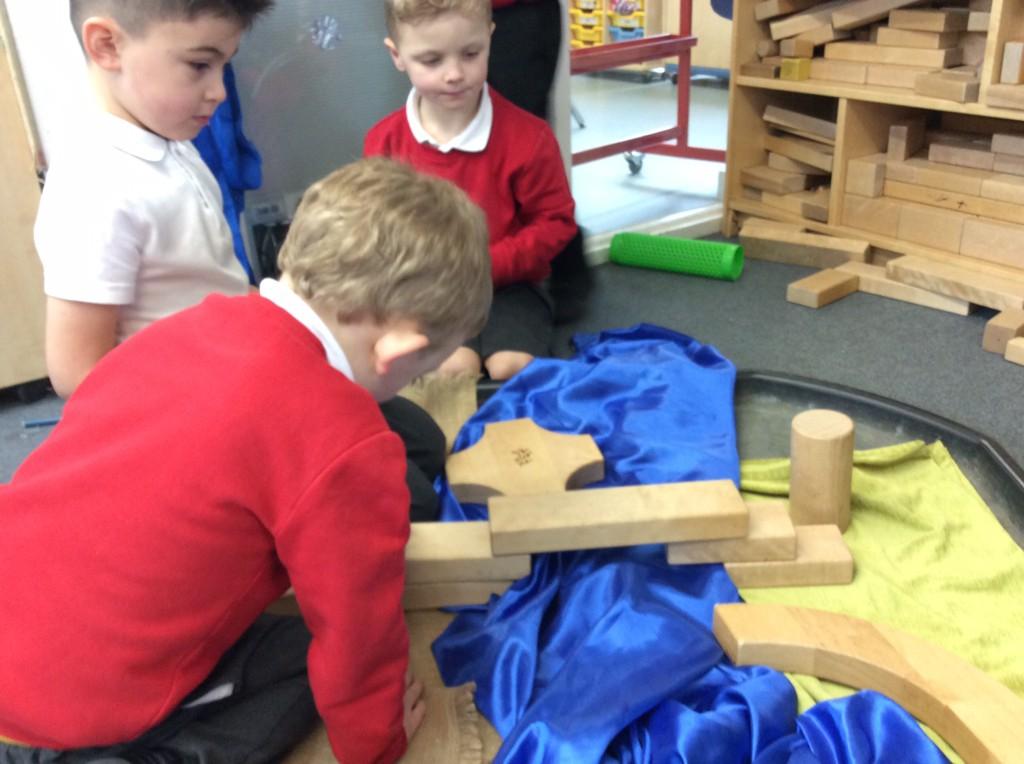
Can you build a bridge to cross the river?
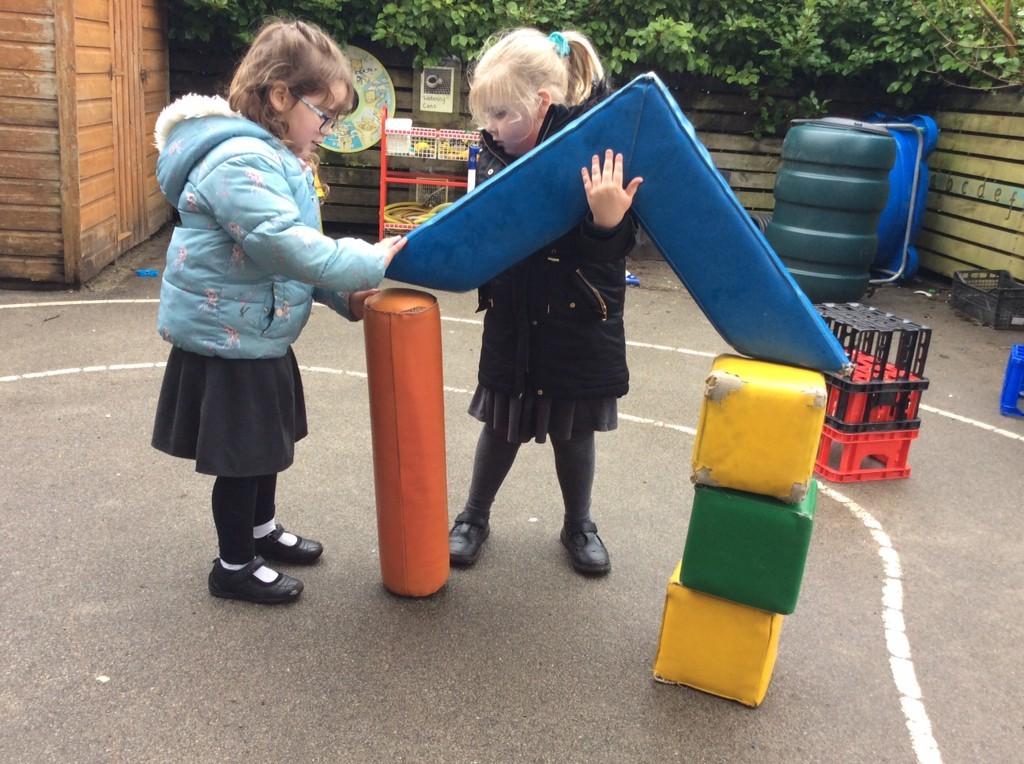
Team challenge - bridge building
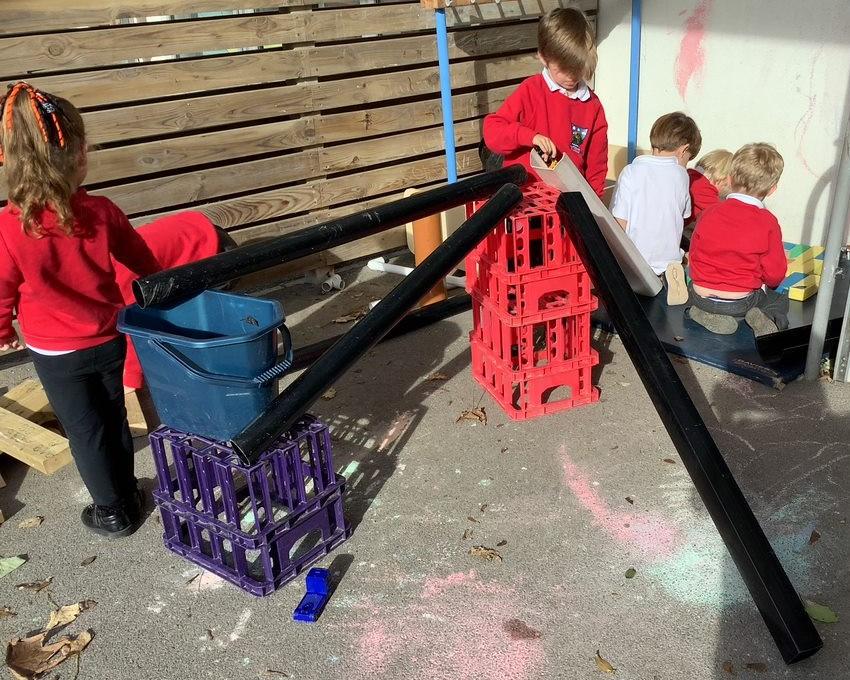
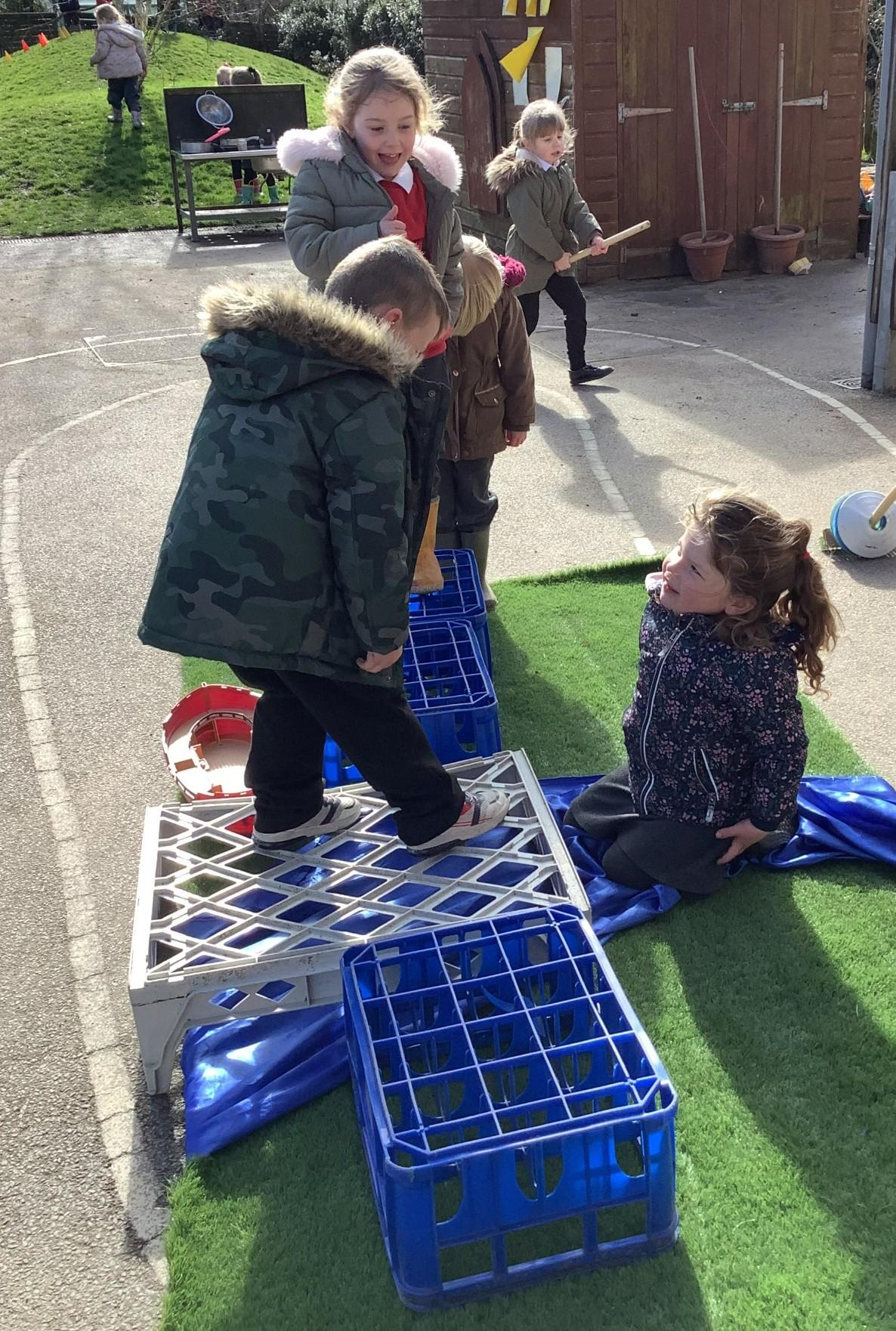
These busy learners decided to build a bridge outside using the soft play. They realised that this did not make a very safe bridge so looked for alternative objects to use. They decided to use the crates, checking carefully that they had built each side the same height. They then added the soft play block to it, as they thought this would make their bridge stronger.
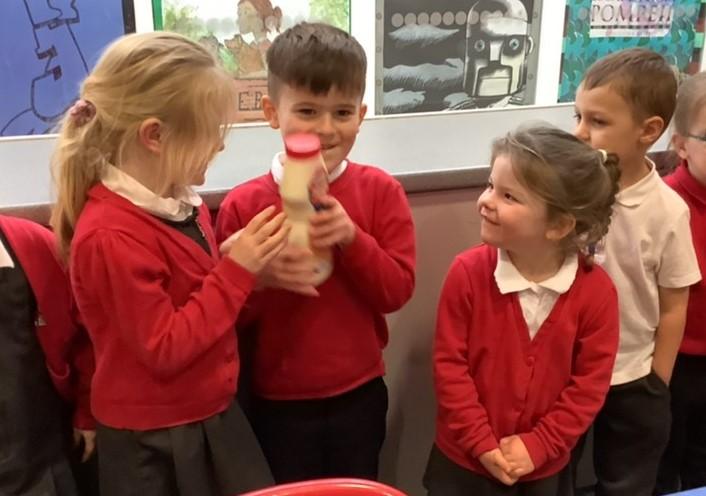
Making pancakes
The best bit was making and eating pancakes. Whilst making them we observed and discussed how the mixture changed. We learnt that after adding the milk and shaking the mixture it became a liquid and then when the mixture was heated and cooked it became a solid.
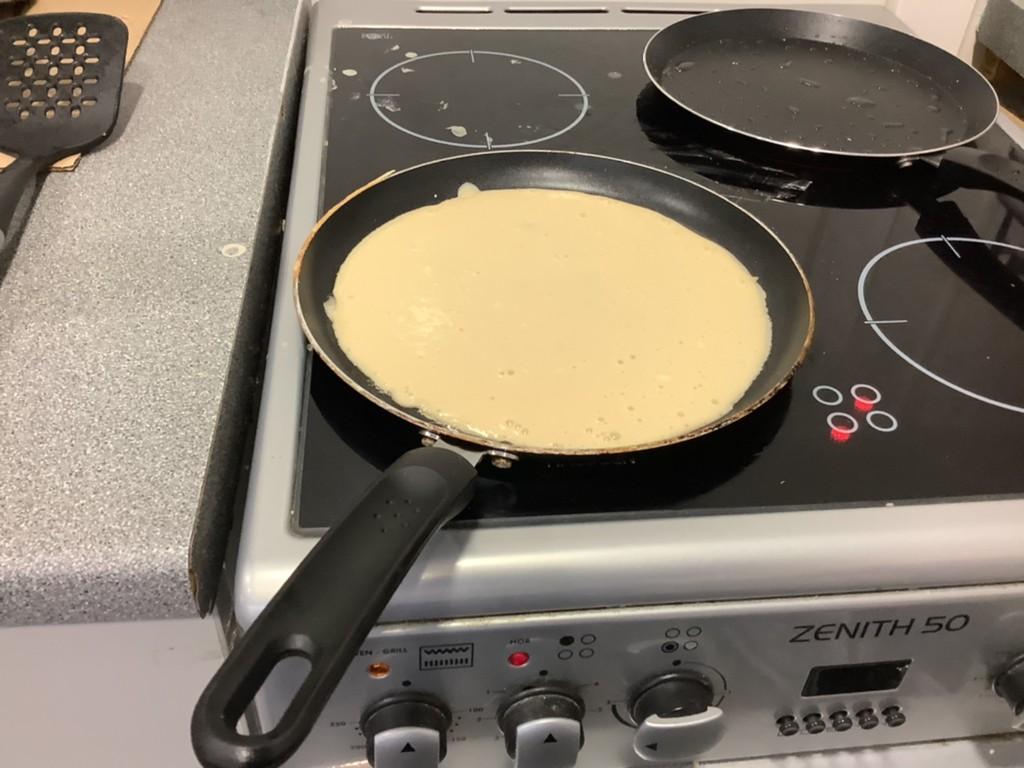
Shrove Tuesday
We learnt about Shrove Tuesday and why it was celebrated. We also discussed Lent and how it is only 40 days until Easter. We thought about how we could help each other during Lent instead of giving something up.
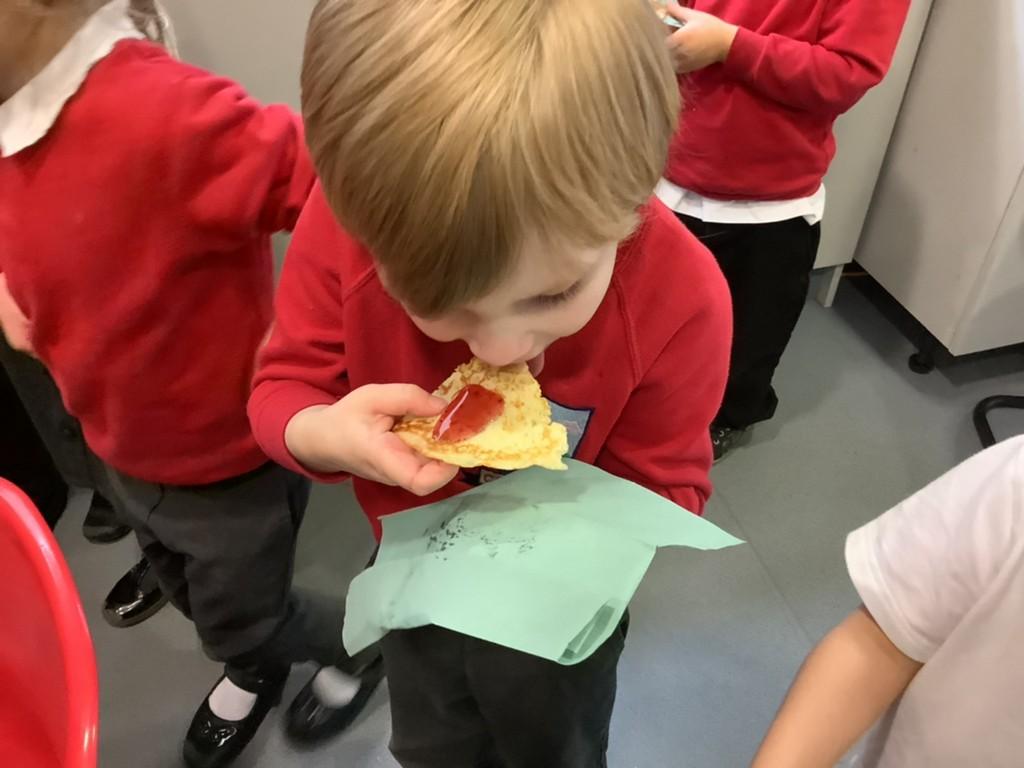
Eating pancakes
Eating pancakes was amazing. We had lots of different toppings to choose from.
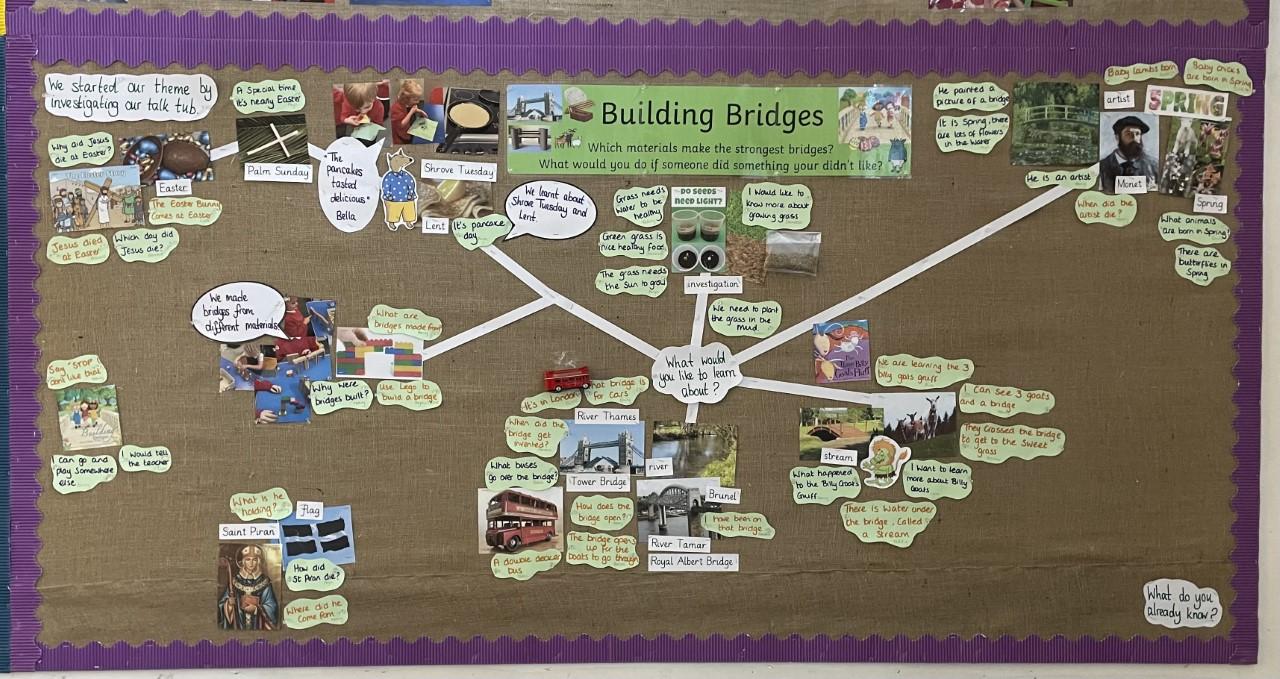
Our finished 'talking tub' theme web. Over the next few weeks we will be learning about the mini themes we discussed.
Enjoy our Flipbooks of Rich Learning...
|
New Link |
| EYFS Floorbook |
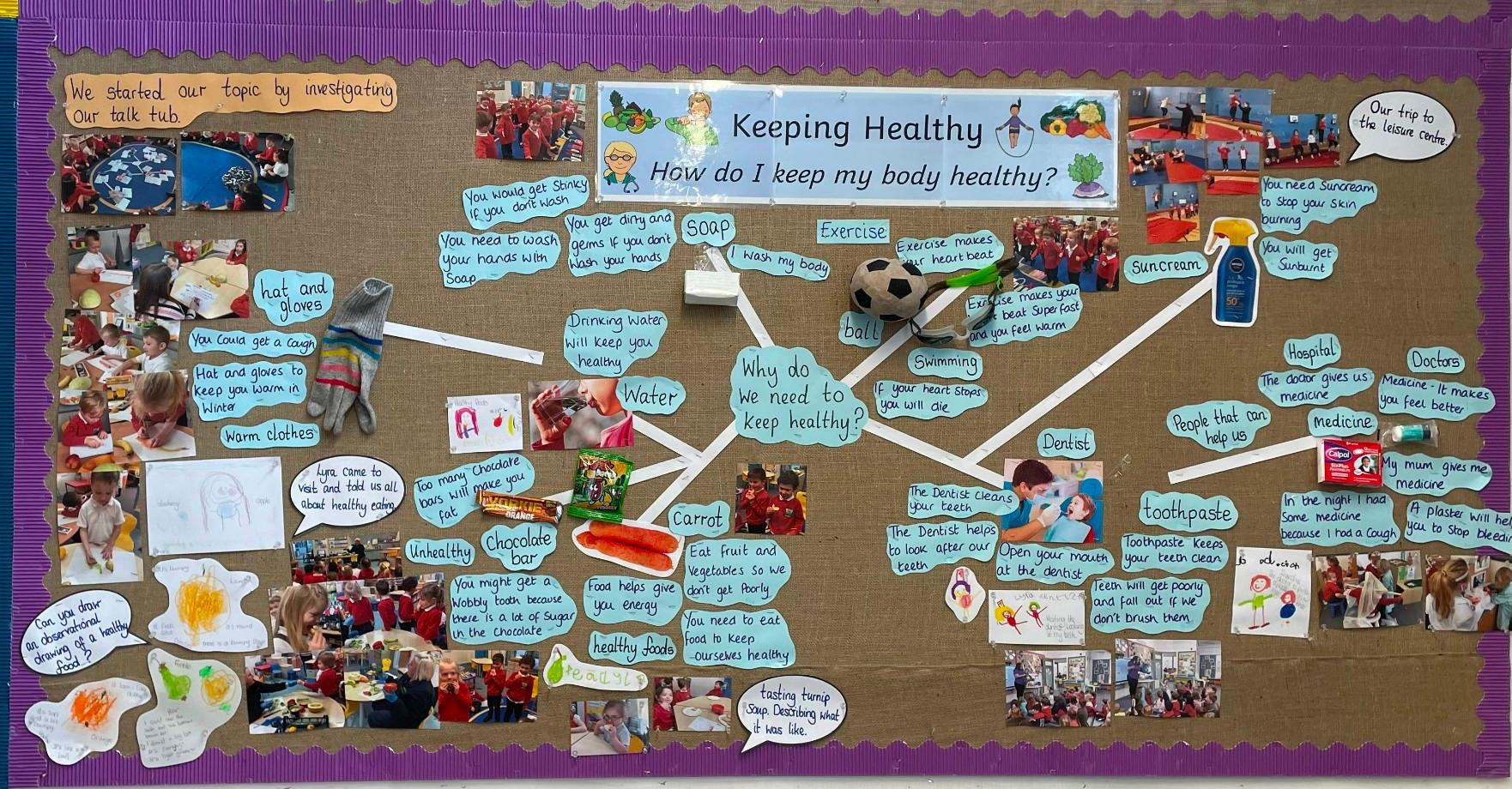
Keeping Healthy - What we have been learning
Up and running
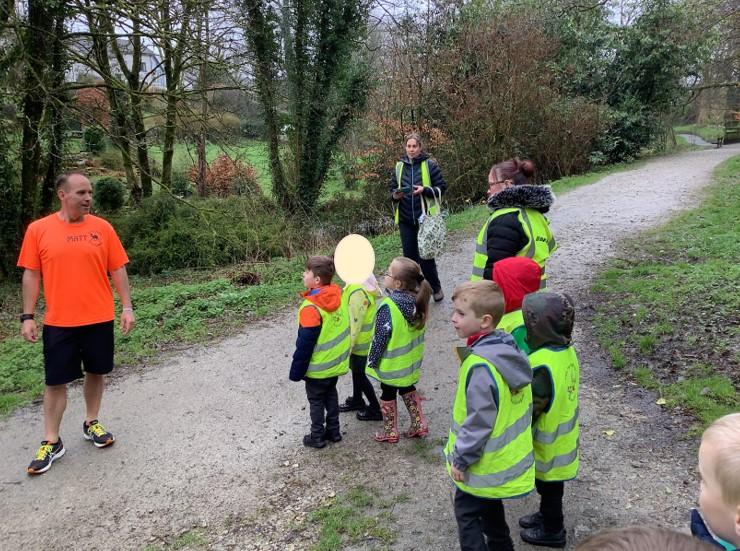
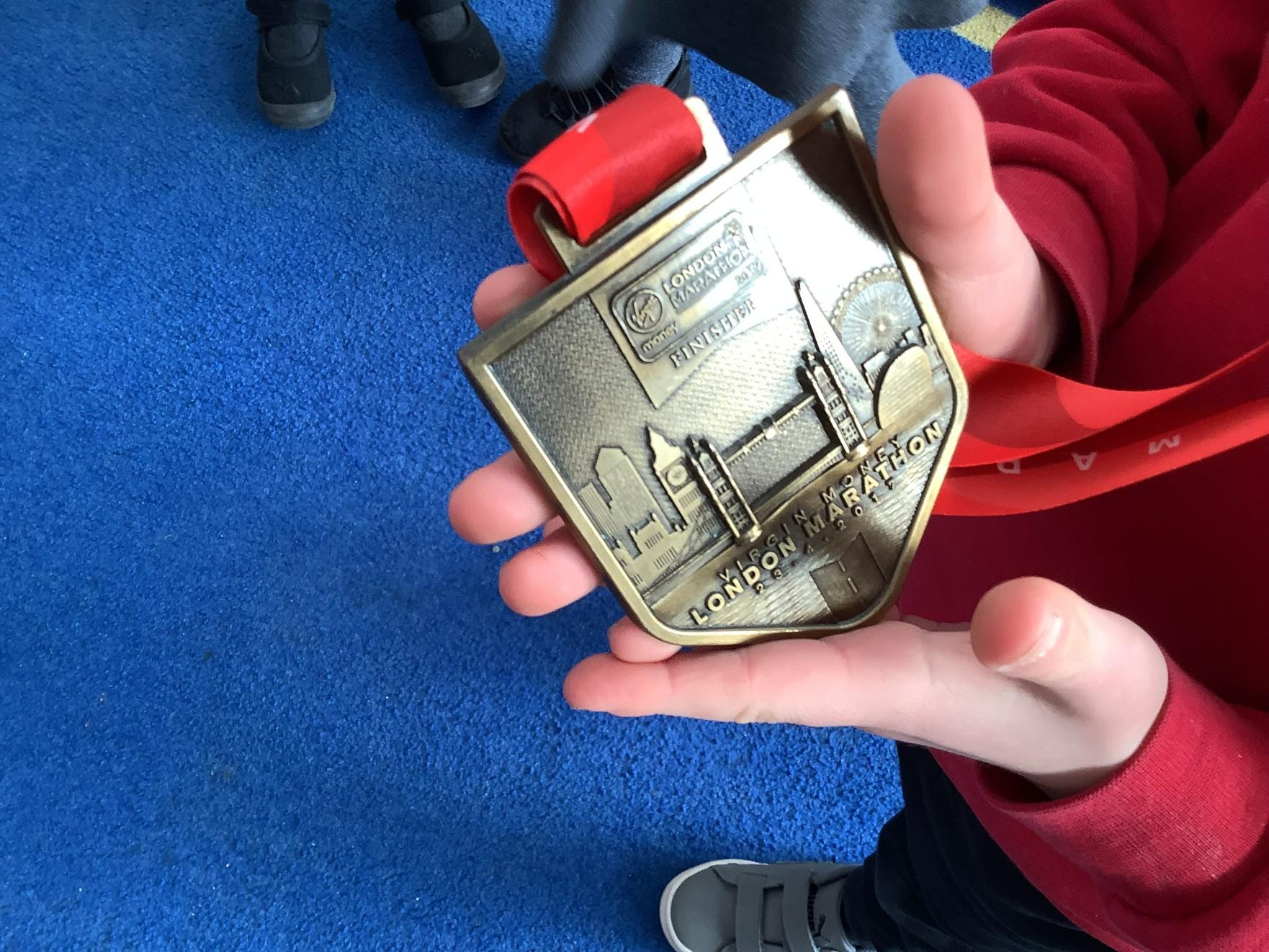
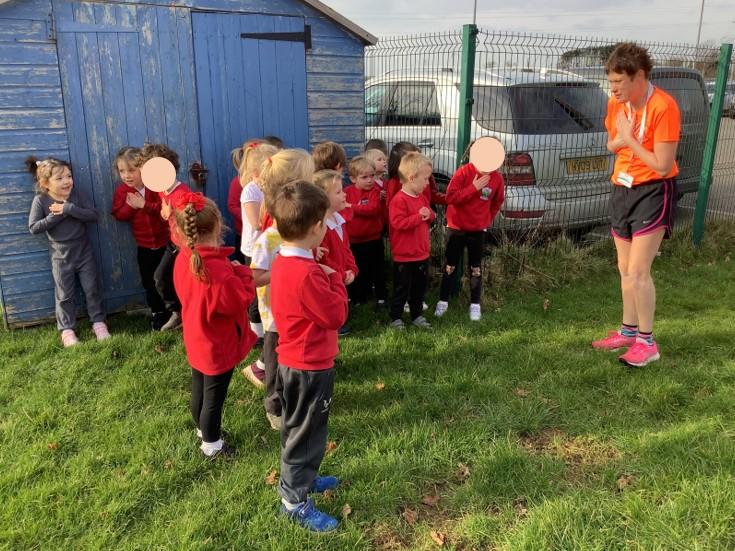
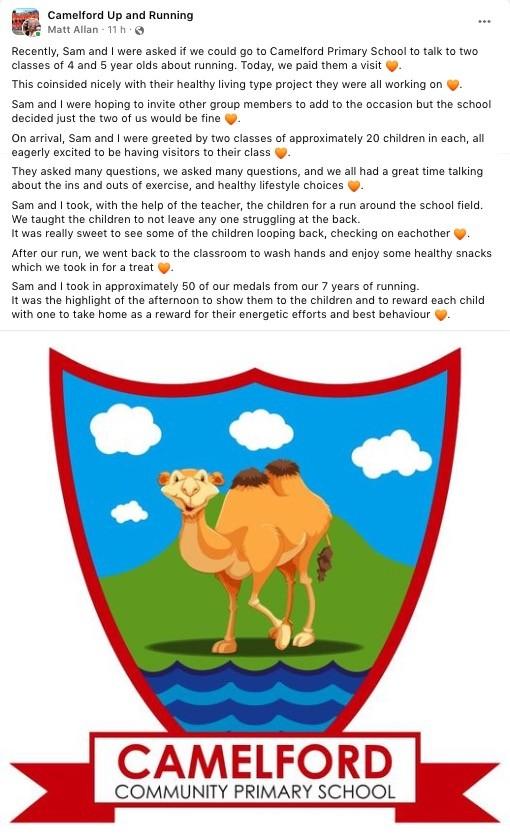
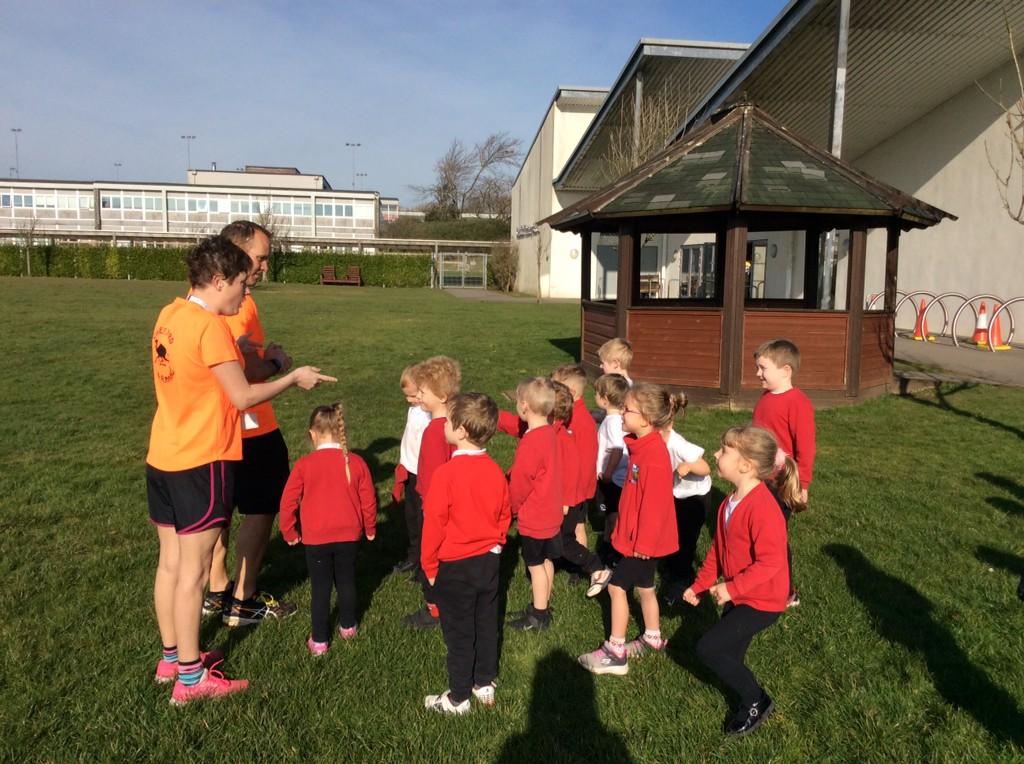
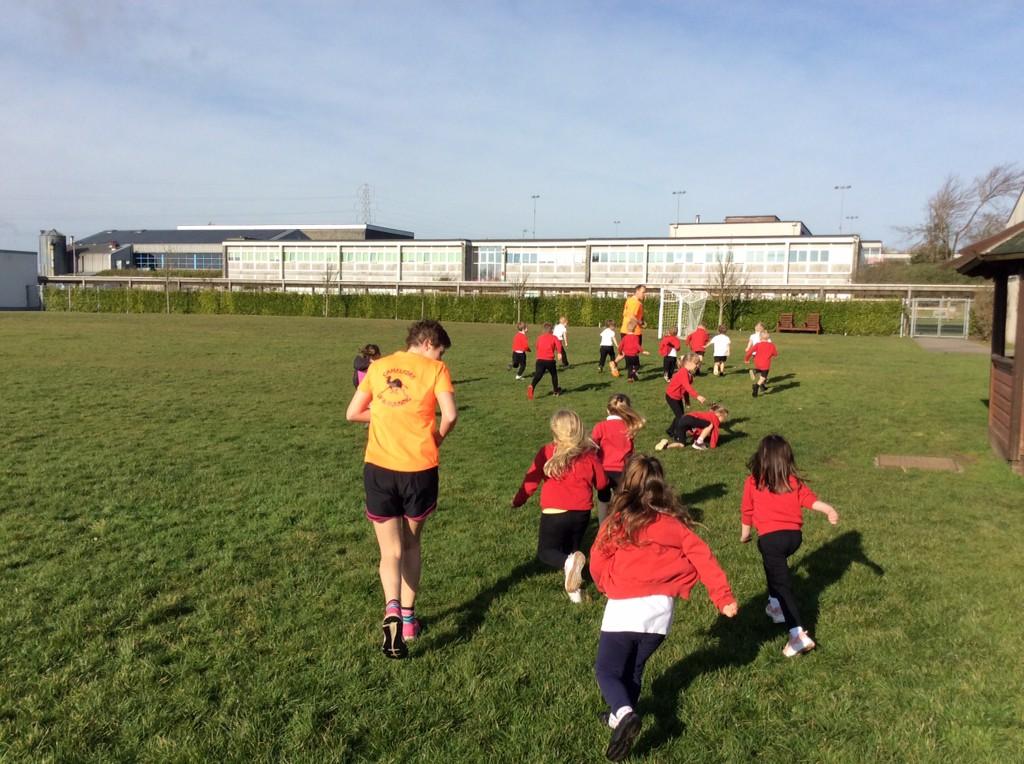
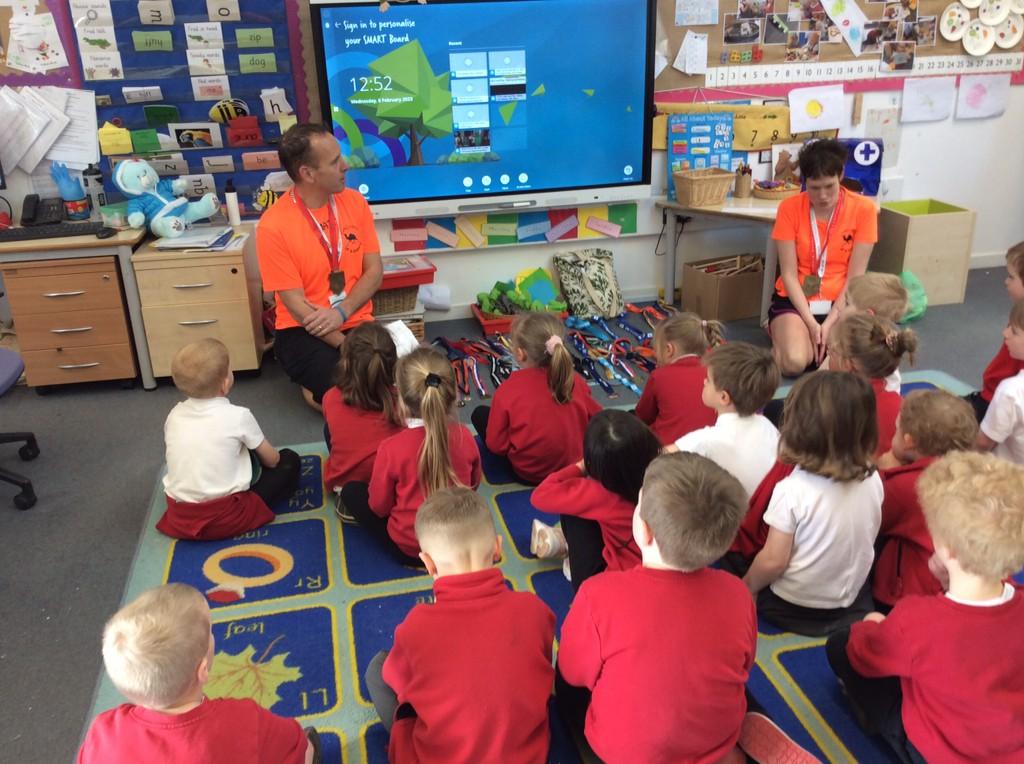
Today we were visited by the founders of Camelford's running group, 'Up and Running'. Sam and Matt joined us to this afternoon to share their running stories with us and how they had ran everyday for over 400 days. They discussed the benefits of running and shared the medals they had achieved.
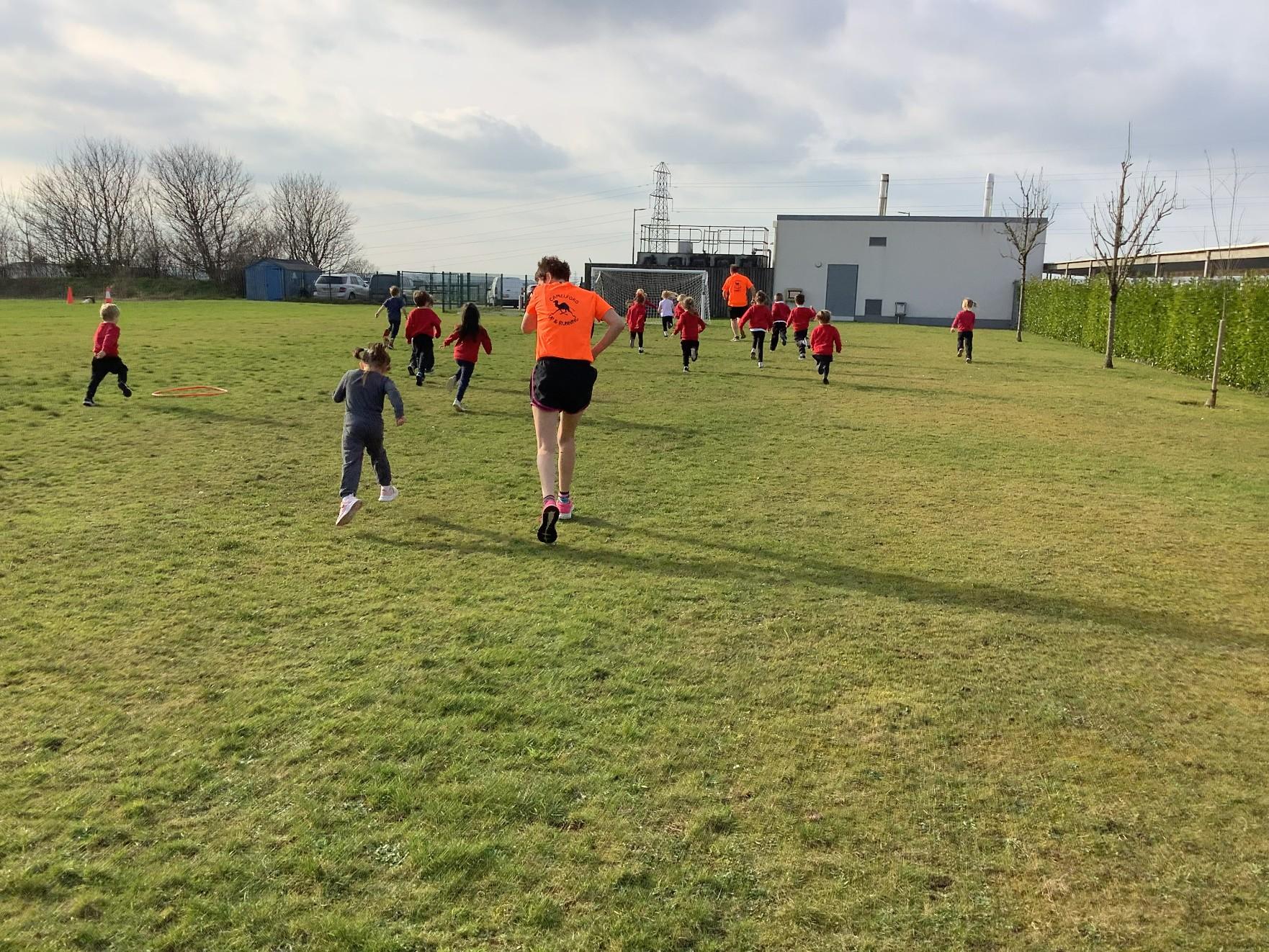
Then they asked the children if they would like to go for a run with them on the school field. Everyone was very keen but before we went, we discussed the importance of not giving up and how important it is to encourage and support each other.
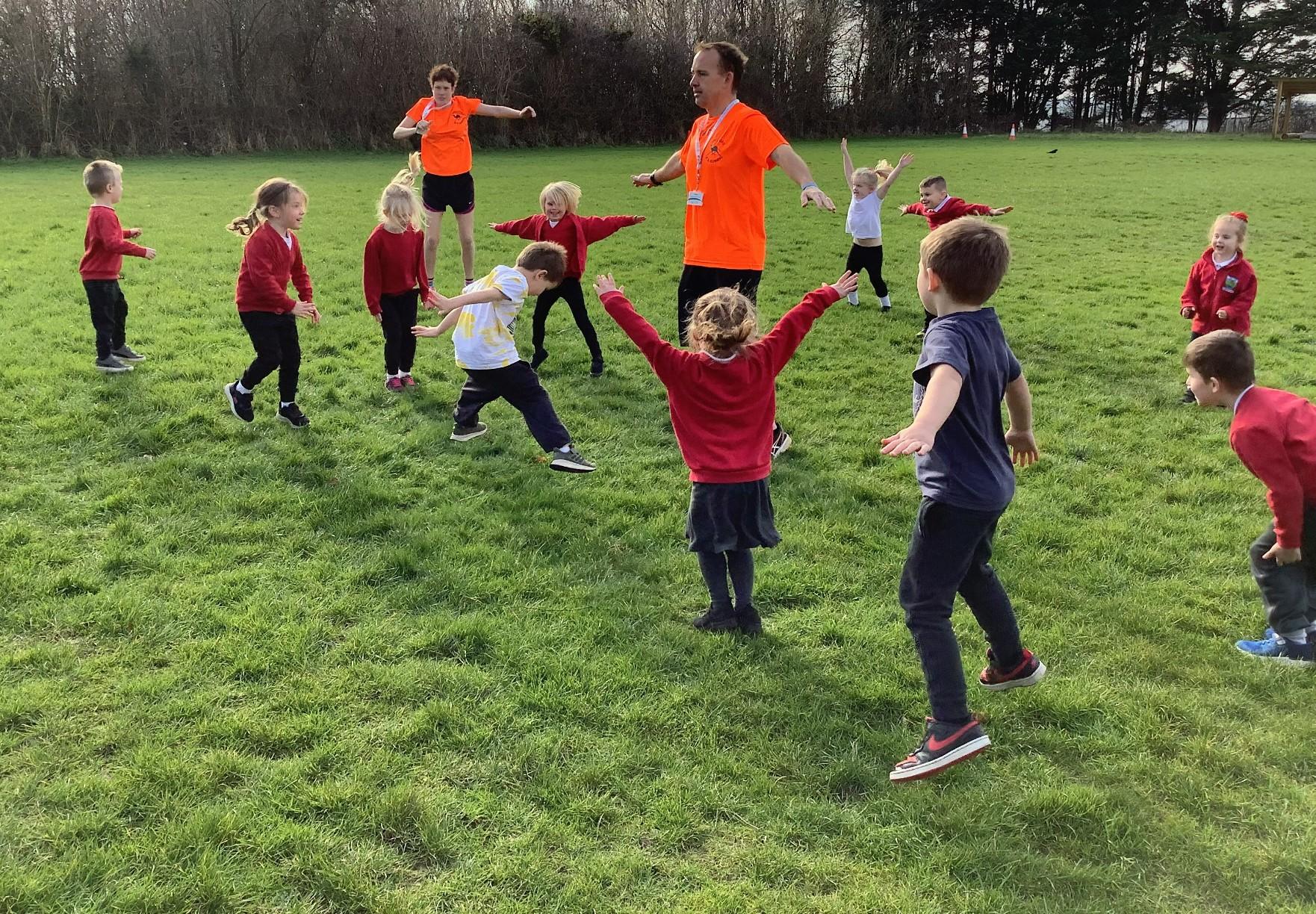
Once on the field, the children listened carefully to the importance of warming up their muscles and did a little warm up. Matt then led them around the field. It was great to see them all encouraging each other.
After a few laps, we discussed how our bodies now felt:
'I'm hot'
'I can feel my heart beating quickly'
'I'm tired.'
'Everyone is breathing loudly!'
Matt then explained how important it was to make sure you stay 'hydrated' and we made our way back inside for a quick drink and a healthy snack.
The children were then given a medal to take home - maybe one day they will take part in a running event.
We were so proud of everyone today - they showed respect and asked lots of interesting questions. Well done Team!!
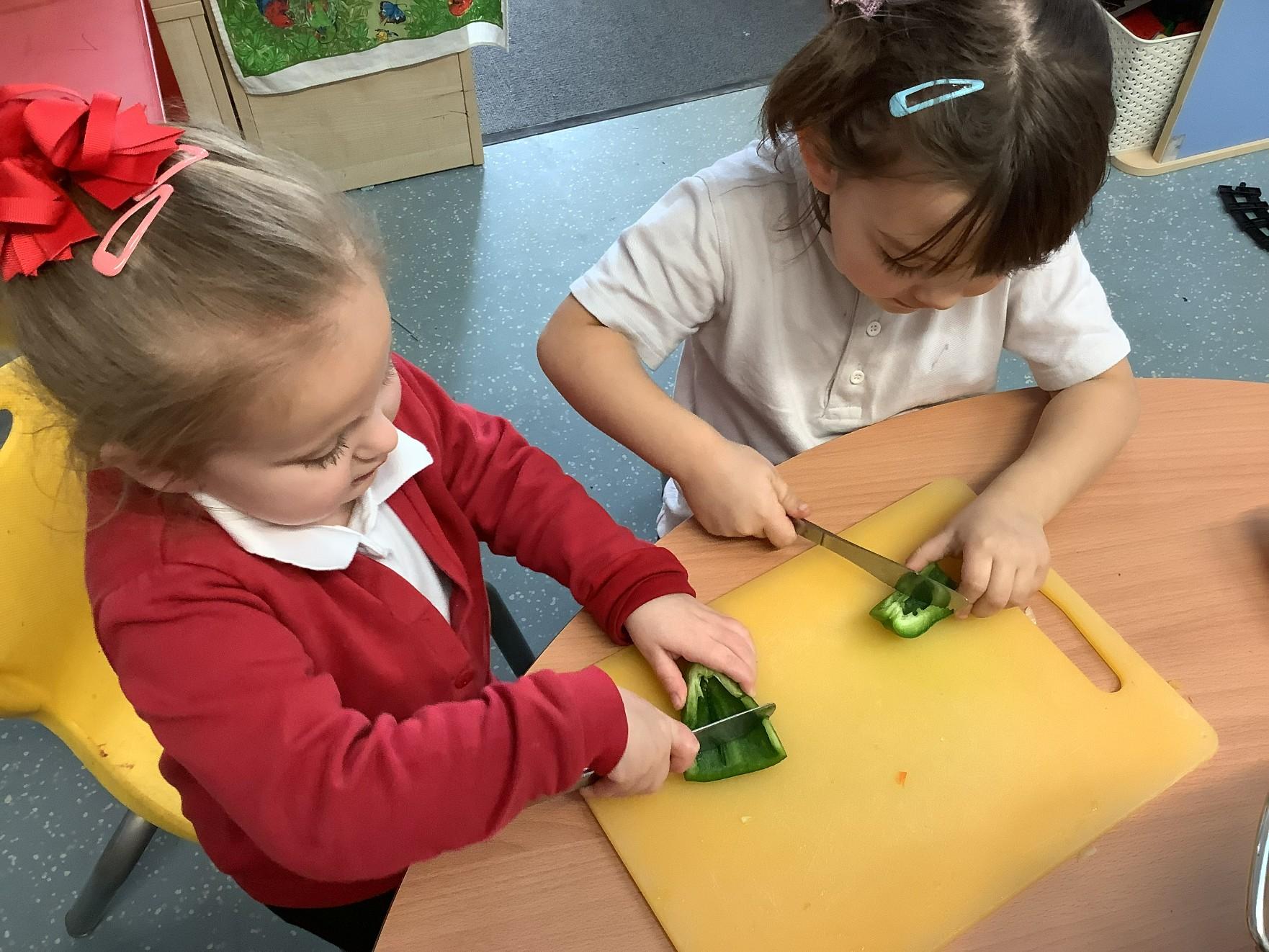
Making vegetable soup
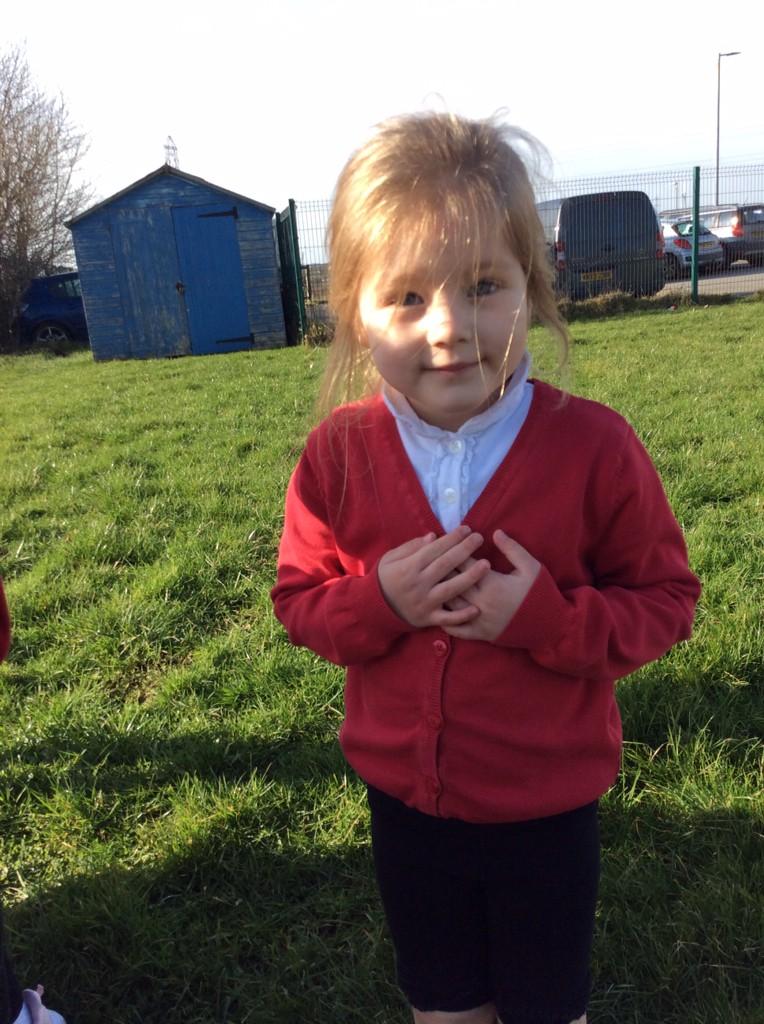
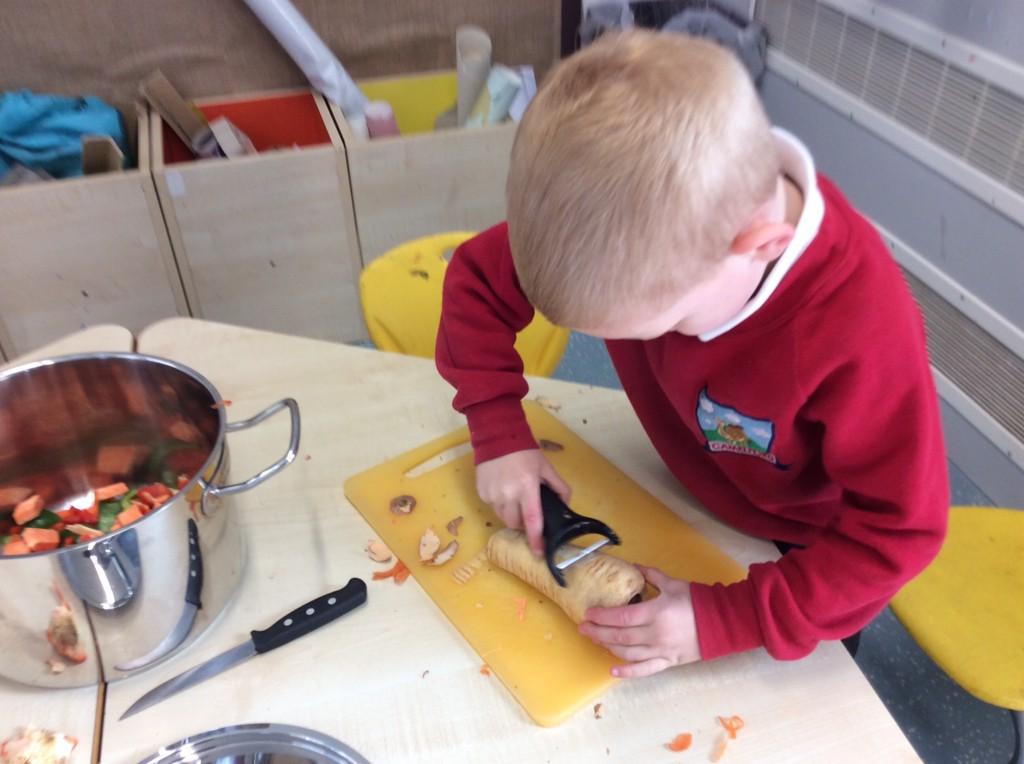
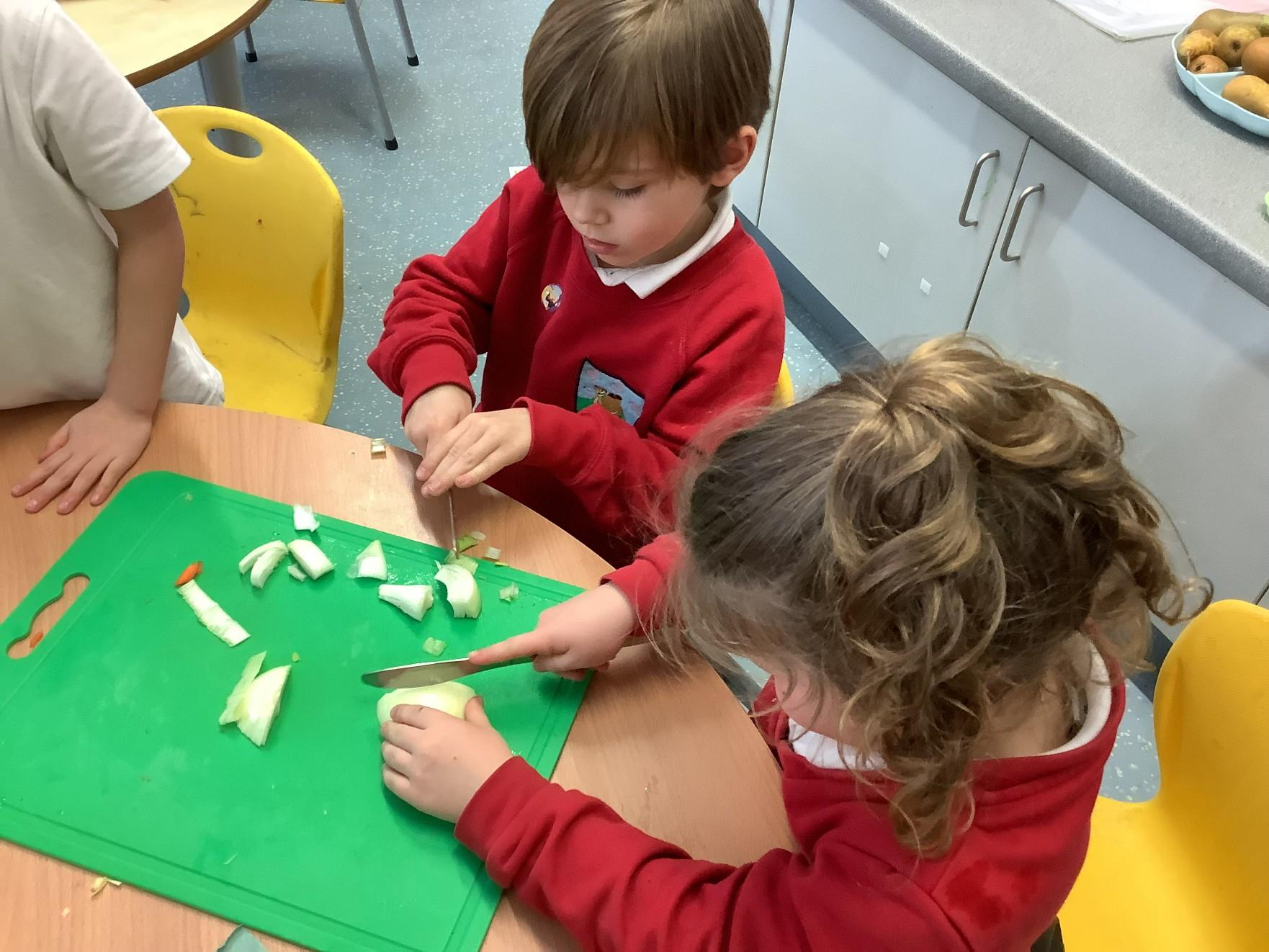
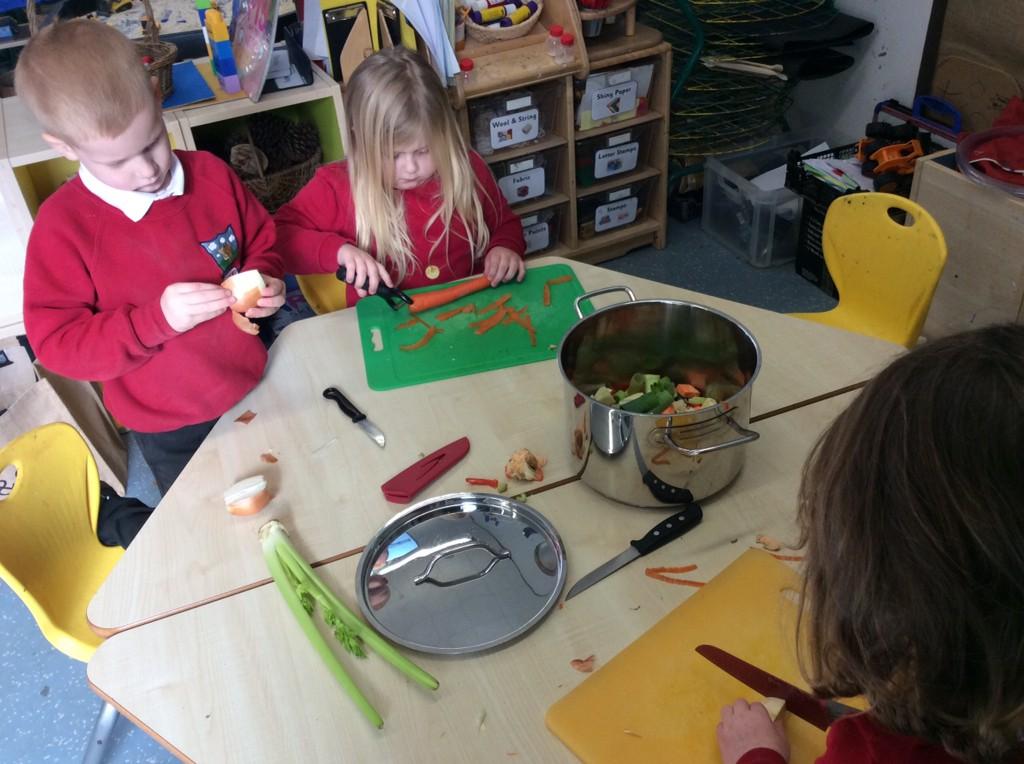
Today we used our class recipe to make our own vegetable soup. They children took it in turns to use peelers and knives to prepare the vegetables.
Throughout the process, we discussed where it grew (on a plant or in the grounds), the different smells and textures as well as comparing the size of pieces and how many pieces they had cut up. When it was all prepared, we took it to Lyra and she cooked it in the kitchen.
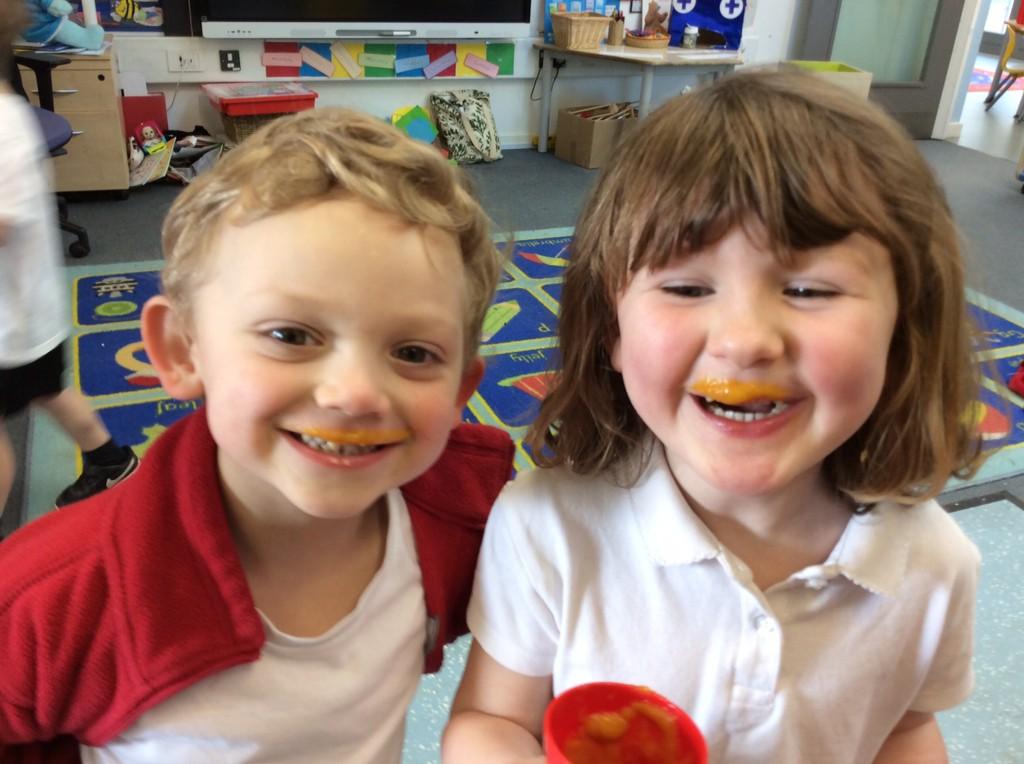
After lunch, we blended all the it all together and tried it.
There were mixed reviews across the class.
A visit from a nurse
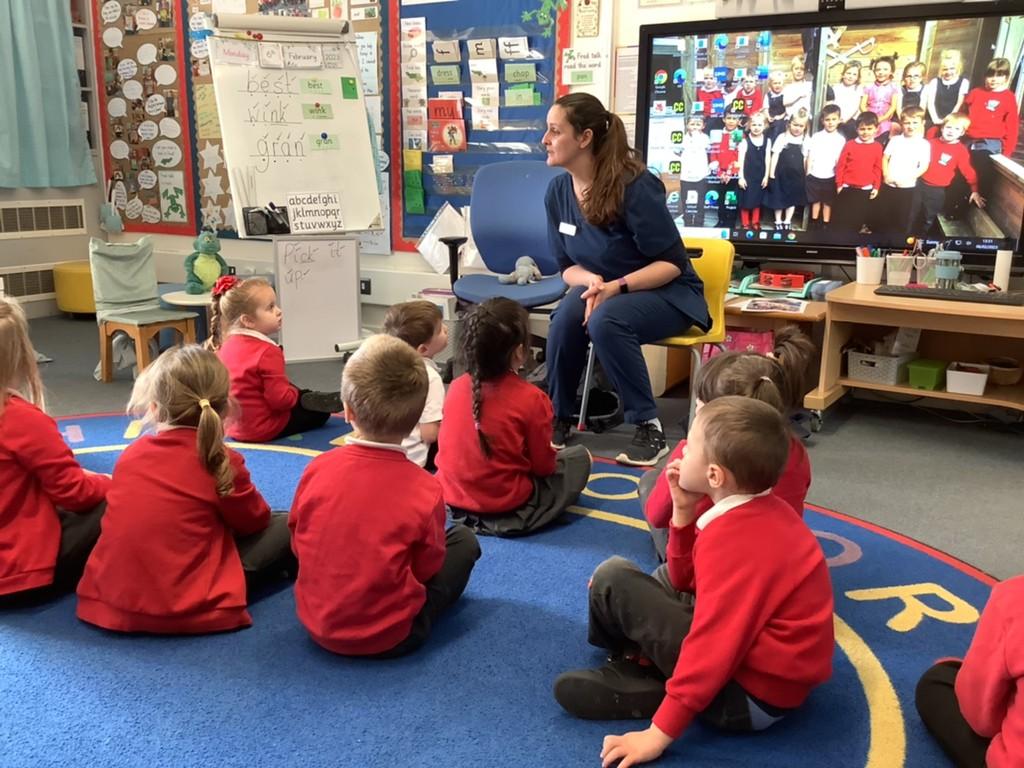
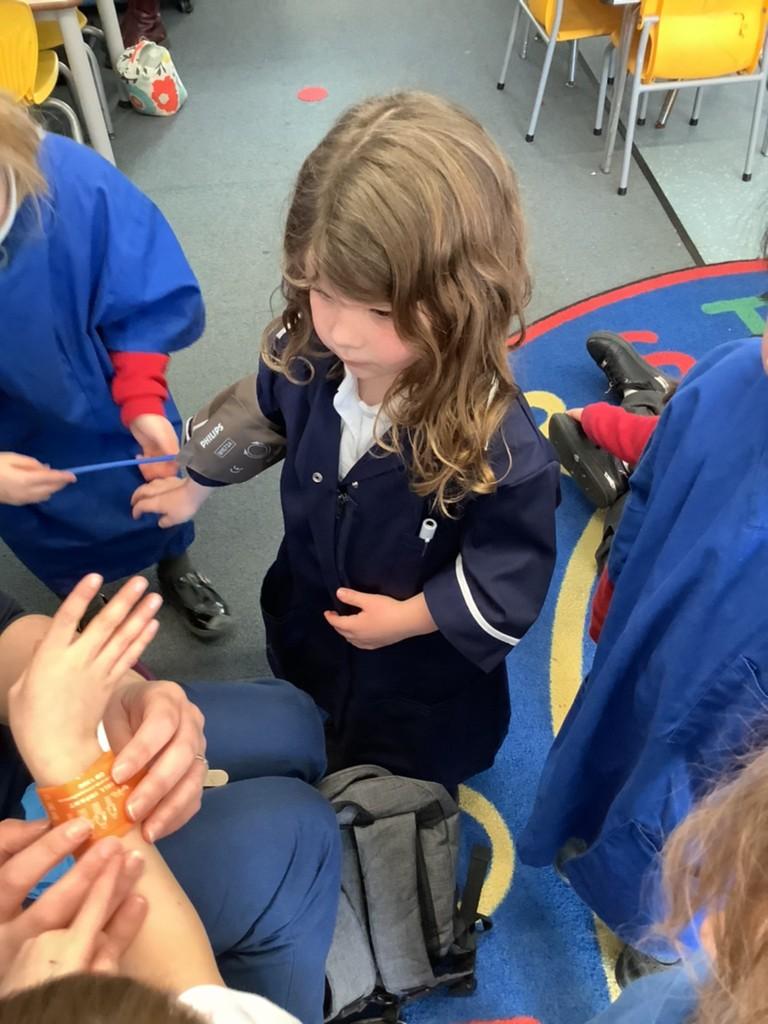
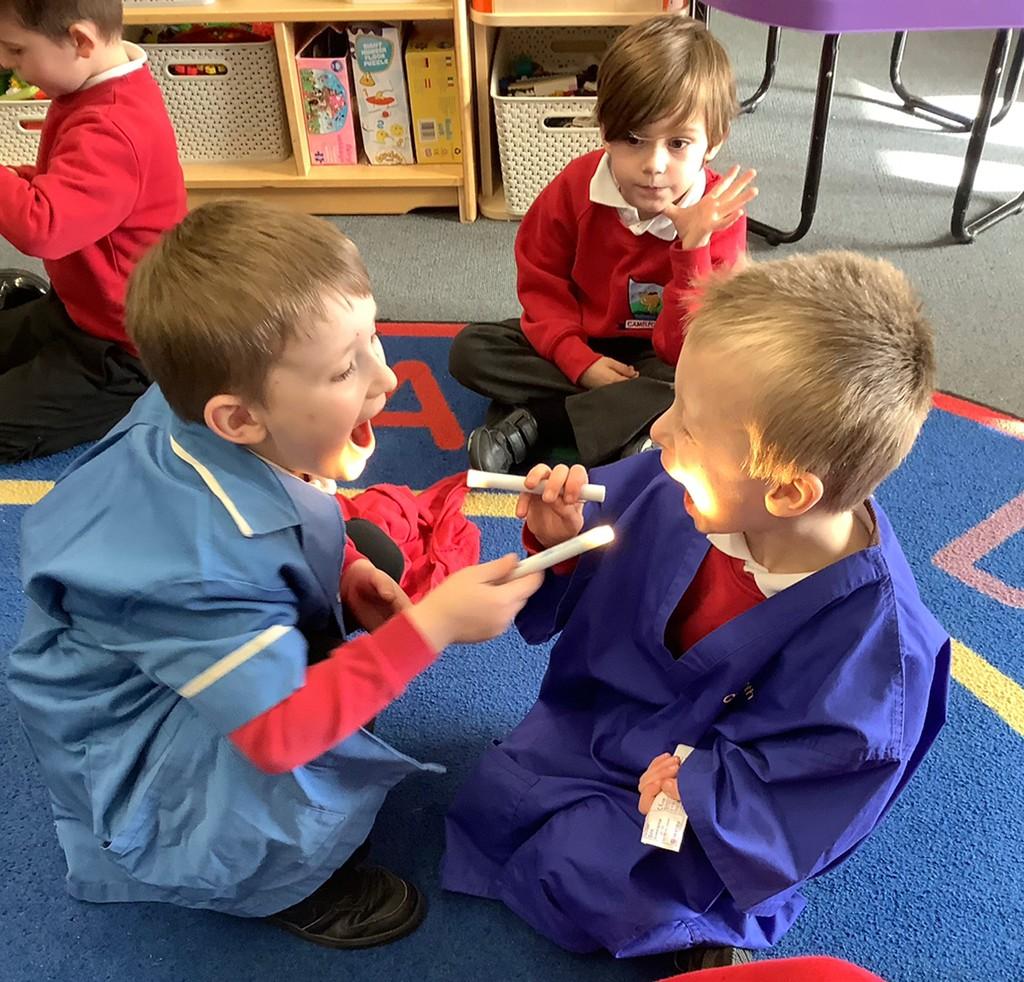
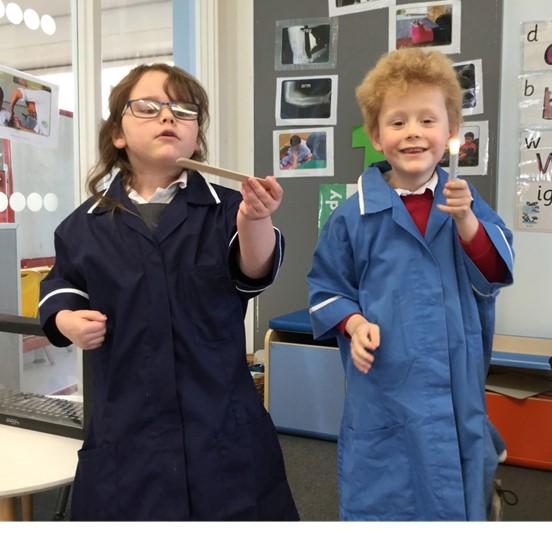
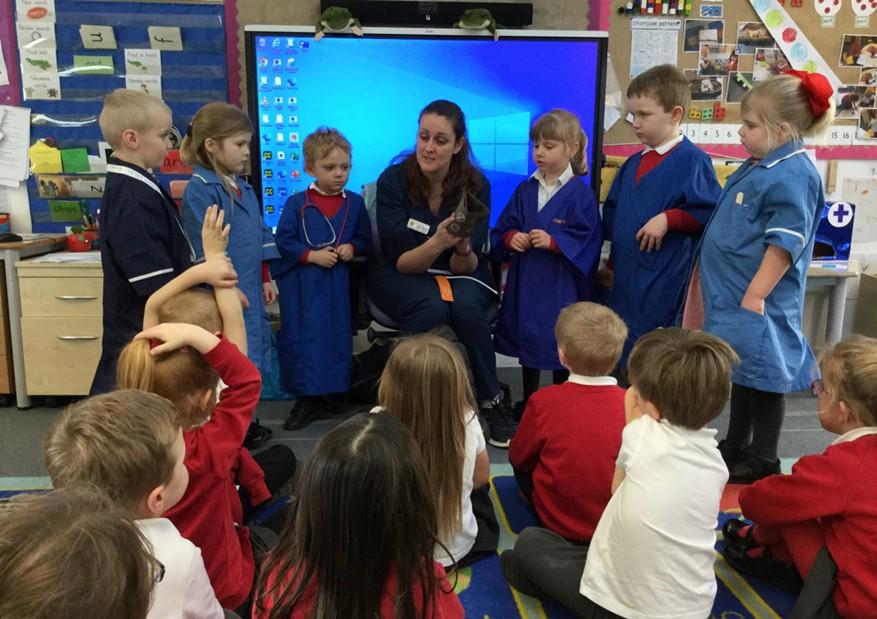
This afternoon we had a visit from Amy. She is a children's nurse at the hospital in Truro. She told us all about her job. We were able to dress up and try out some of the things she uses to help her do her job. The children really enjoyed listening to Amy and they were great at asking Amy questions about what she does.
What can you see?
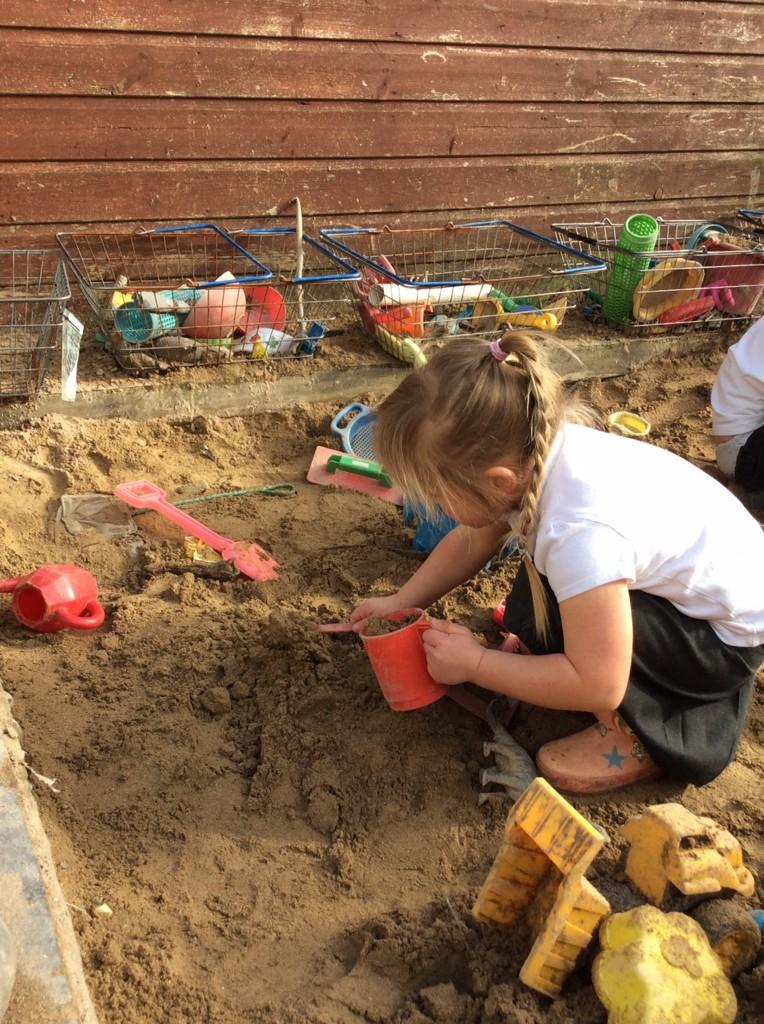
Maths stories in the sand
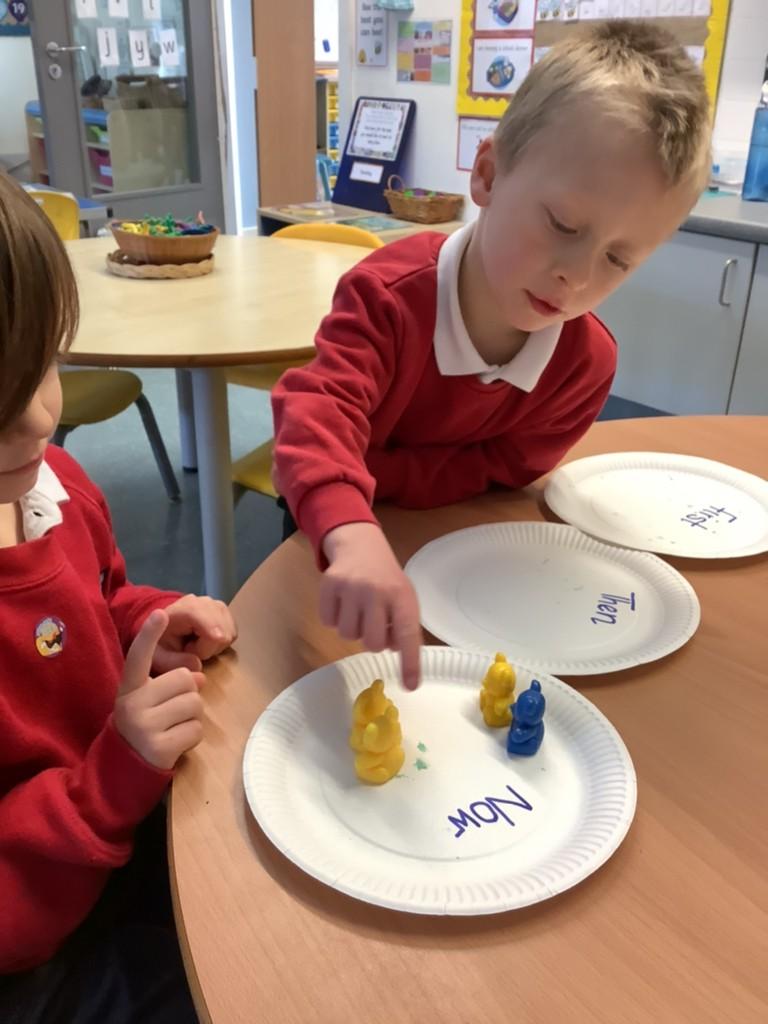
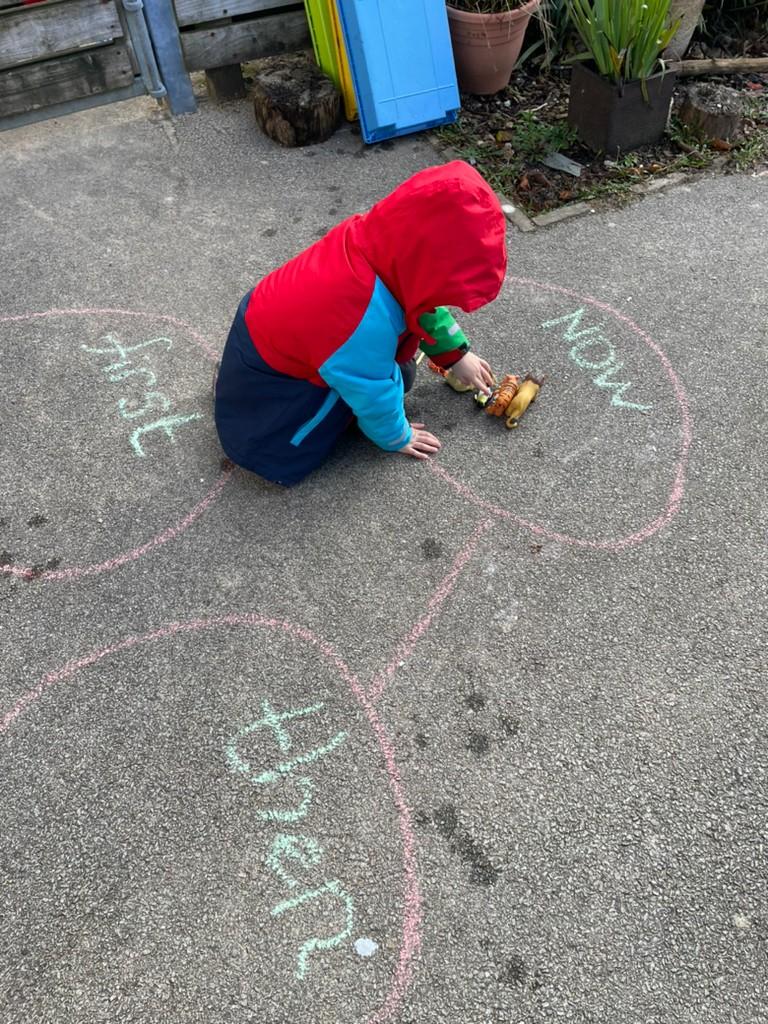
Number stories
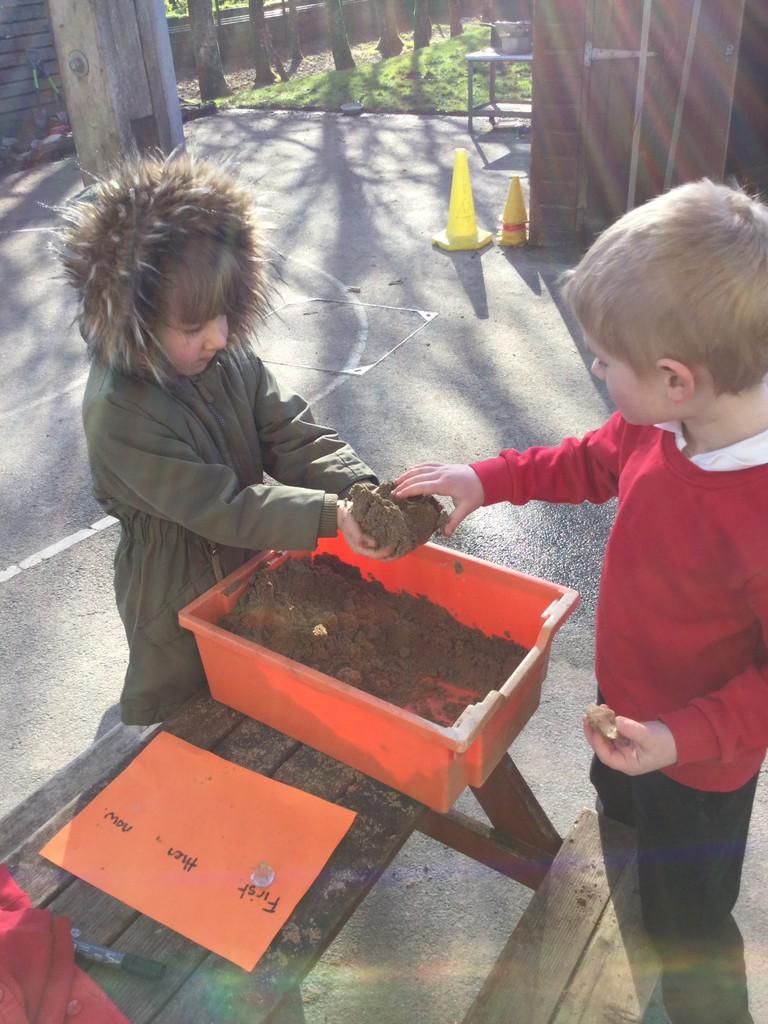
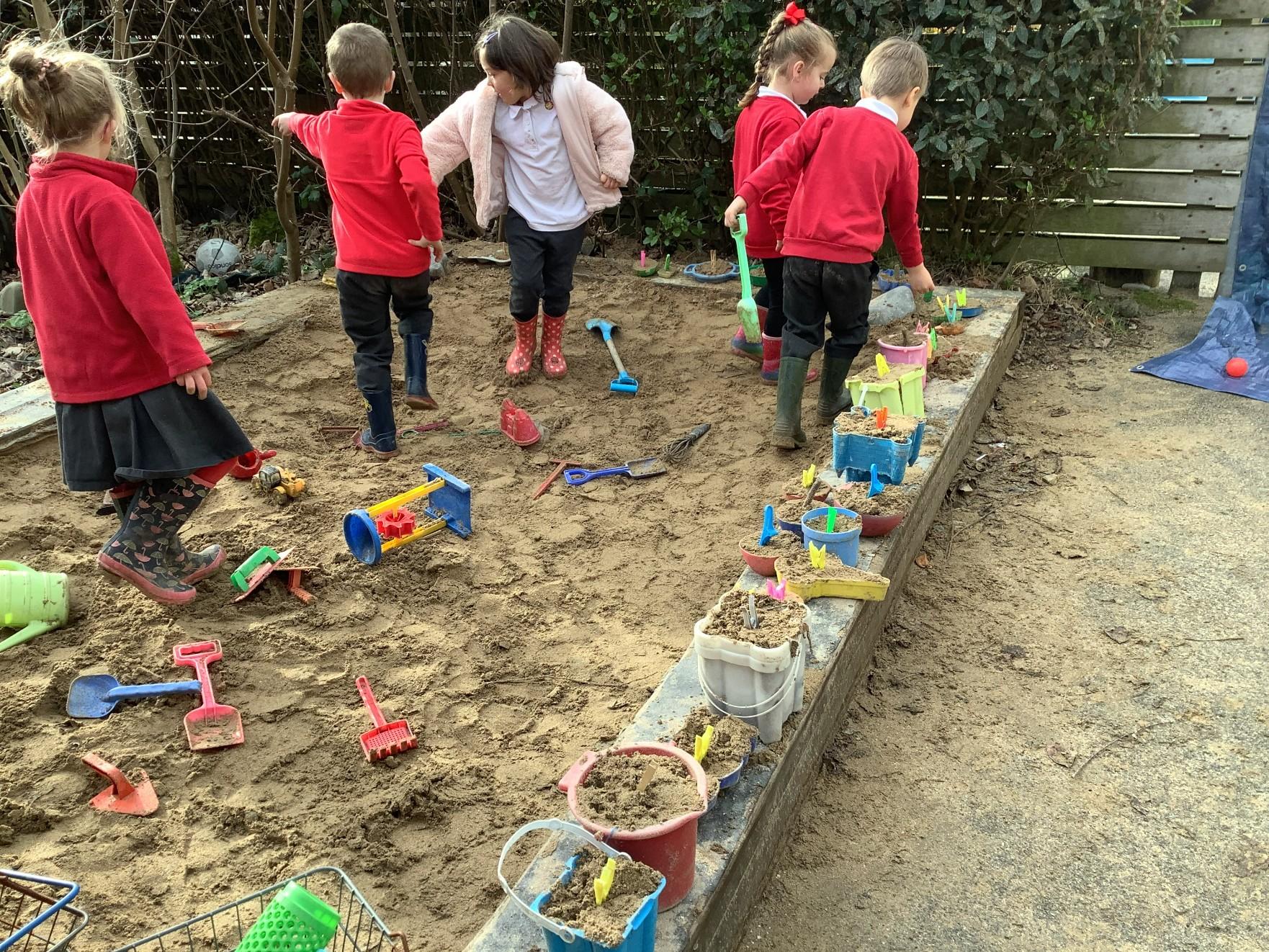
Outside learning
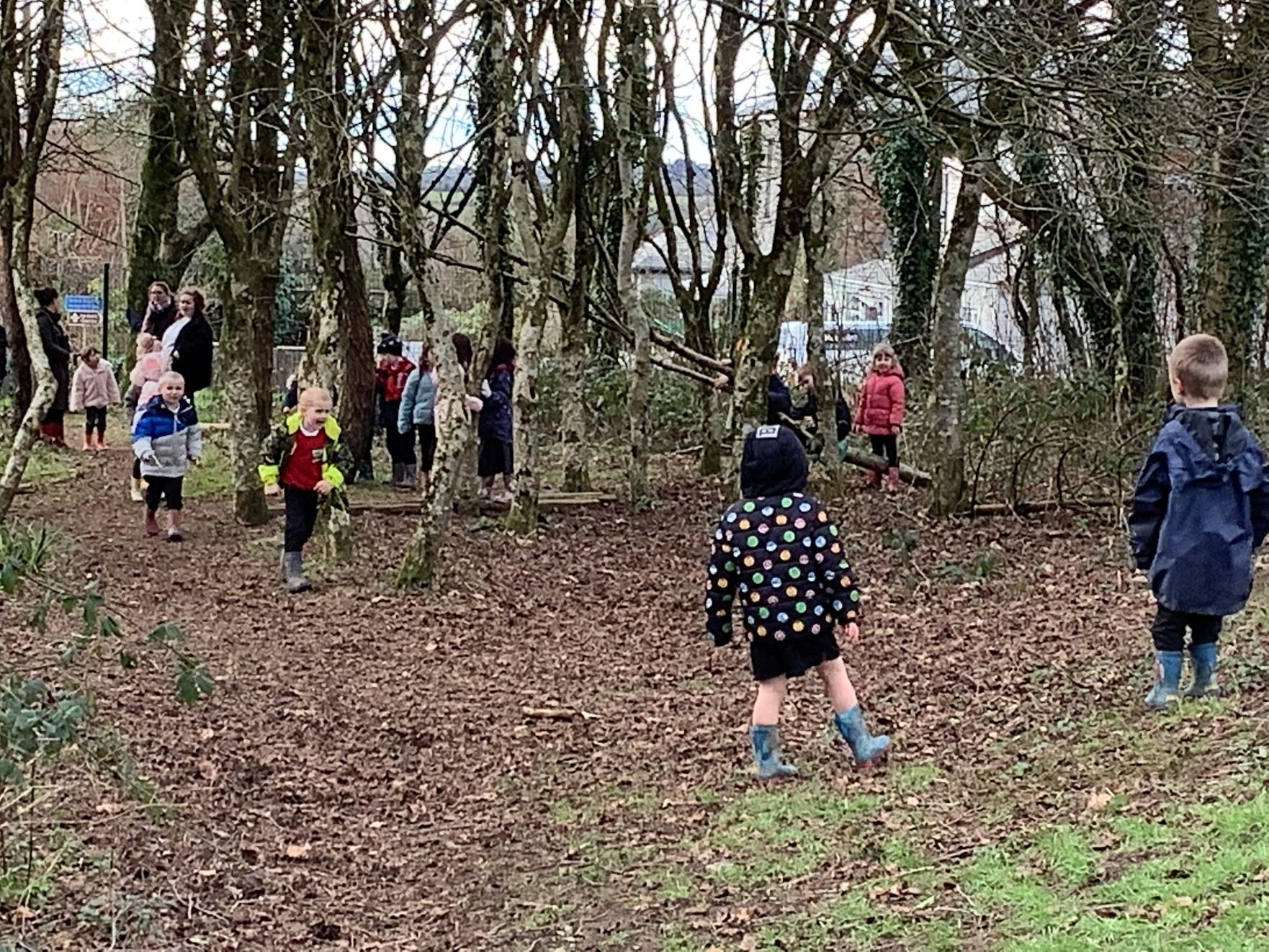
Exploring winter in our graden and woods.
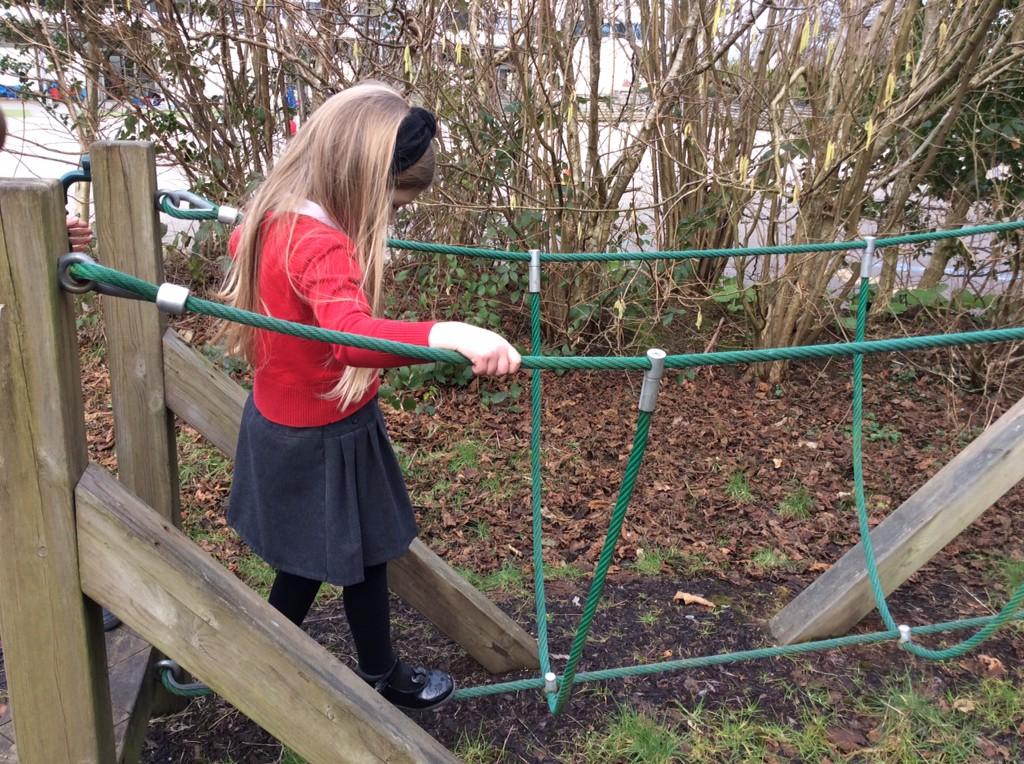
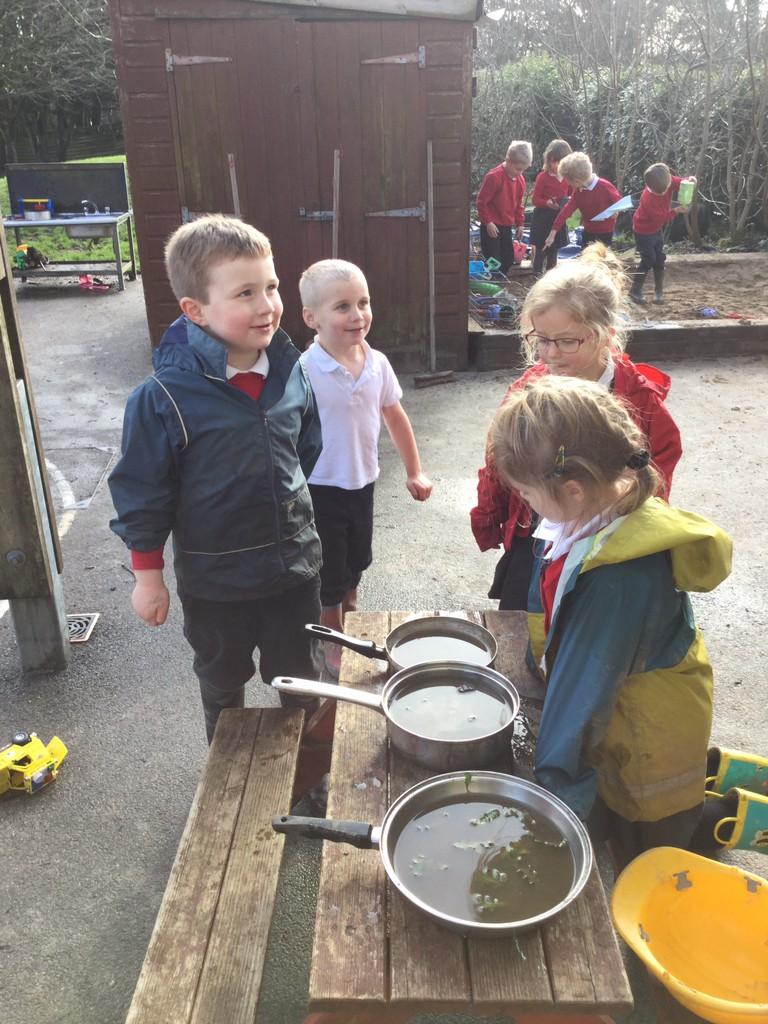
Making soup in the mud kitchen
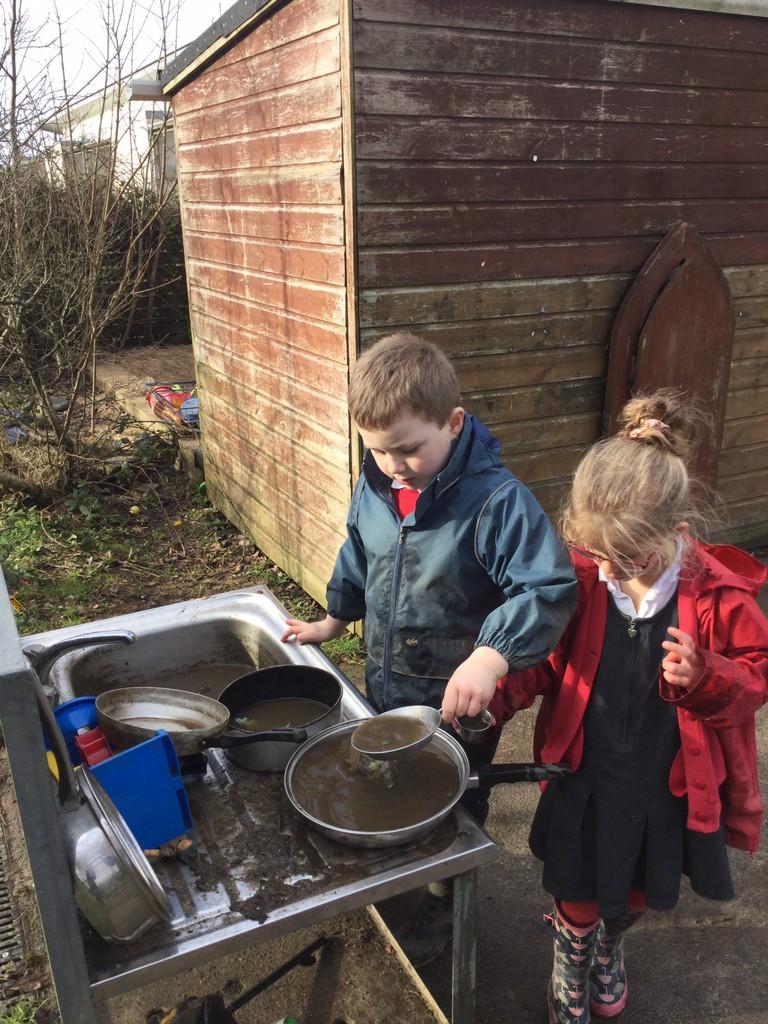
The children found a plant in the garden and made turnip soup with it.
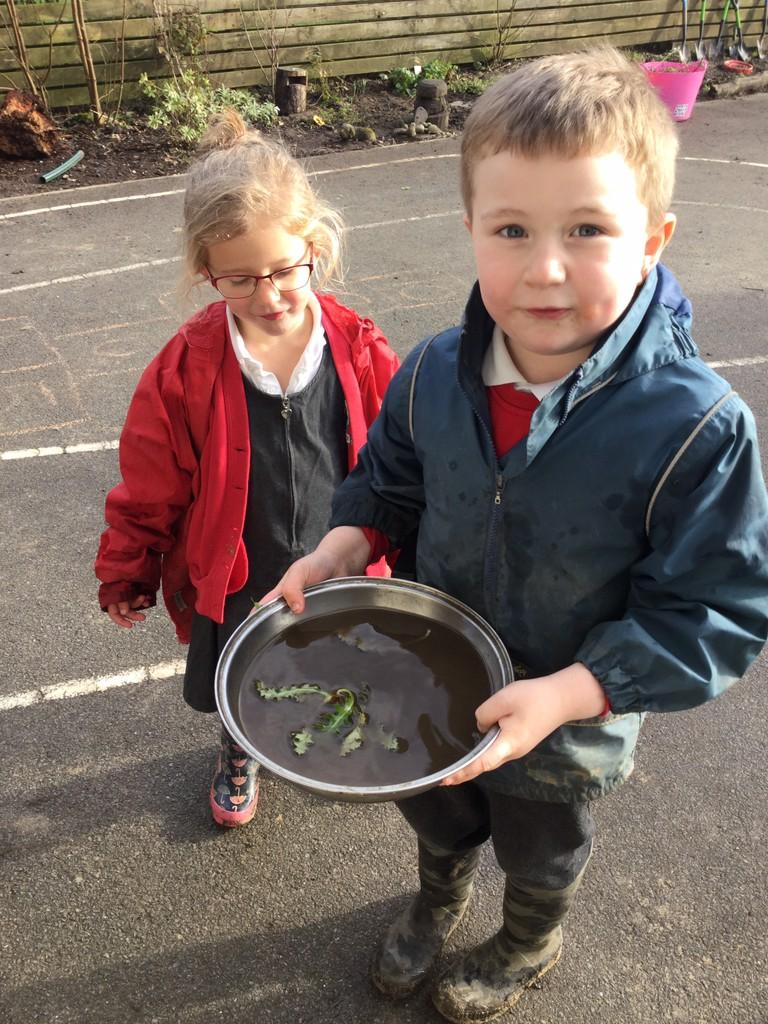
They then added some sand which they said was sugar but then said it was salt.
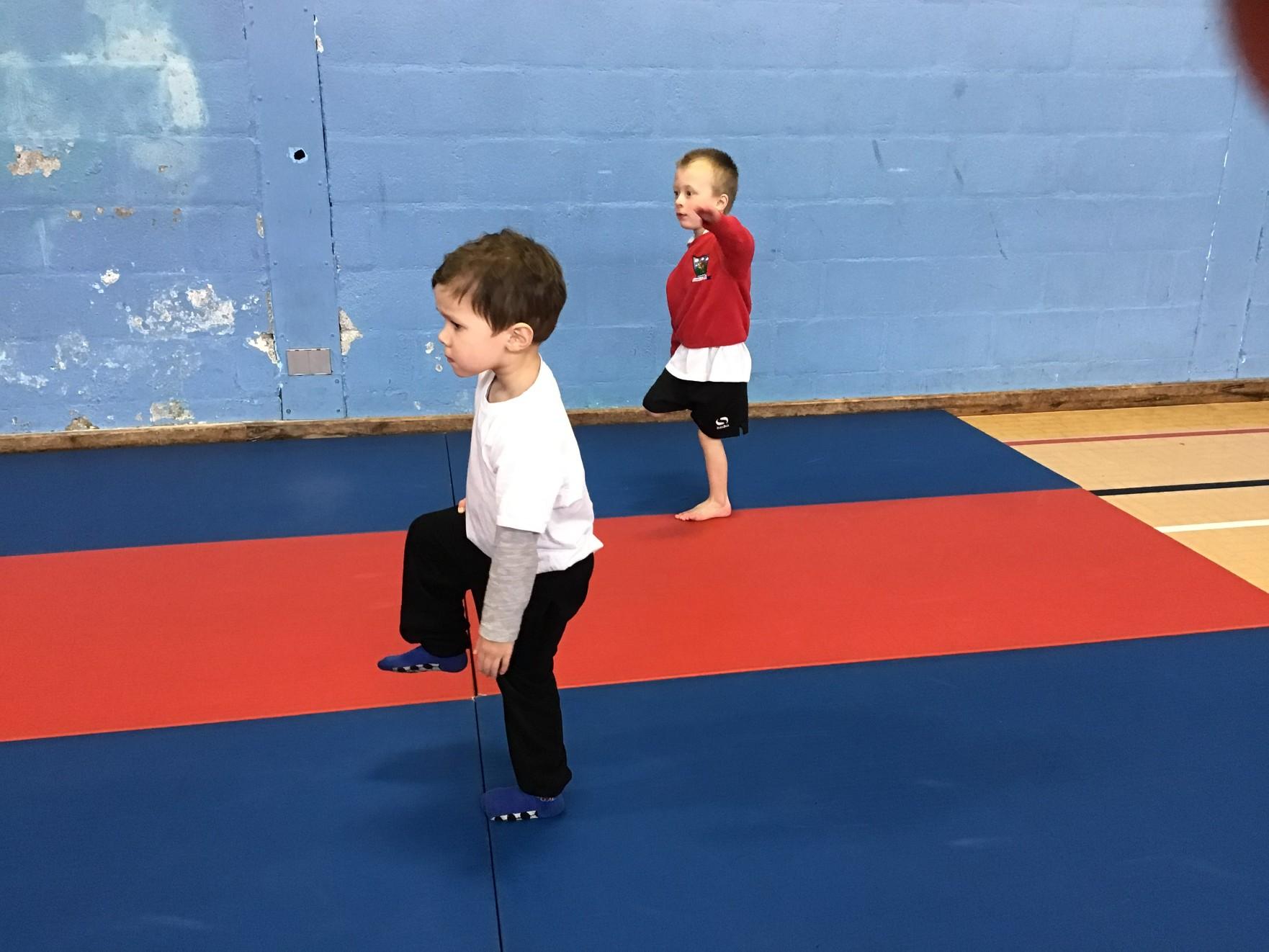
Trip to Camelford Leisure Centre
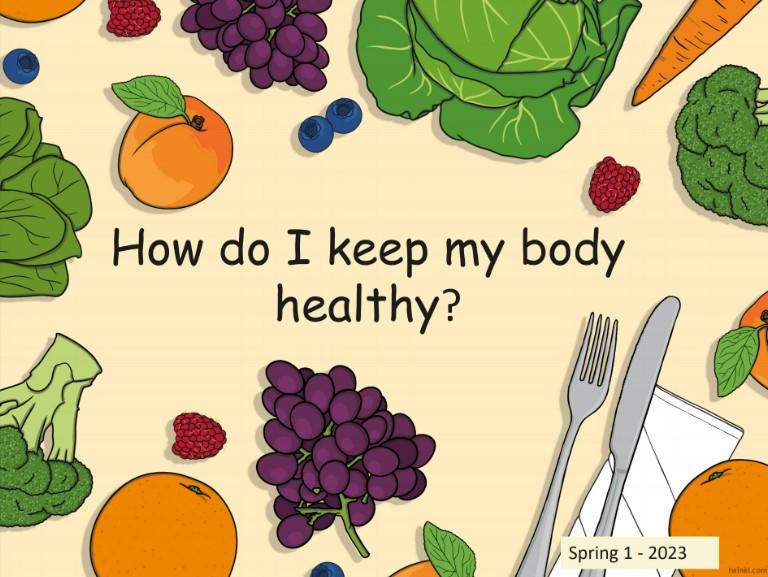
How do I keep my body healthy?
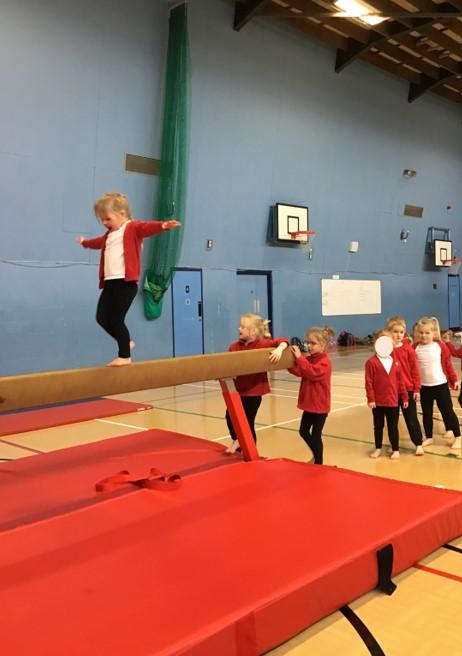
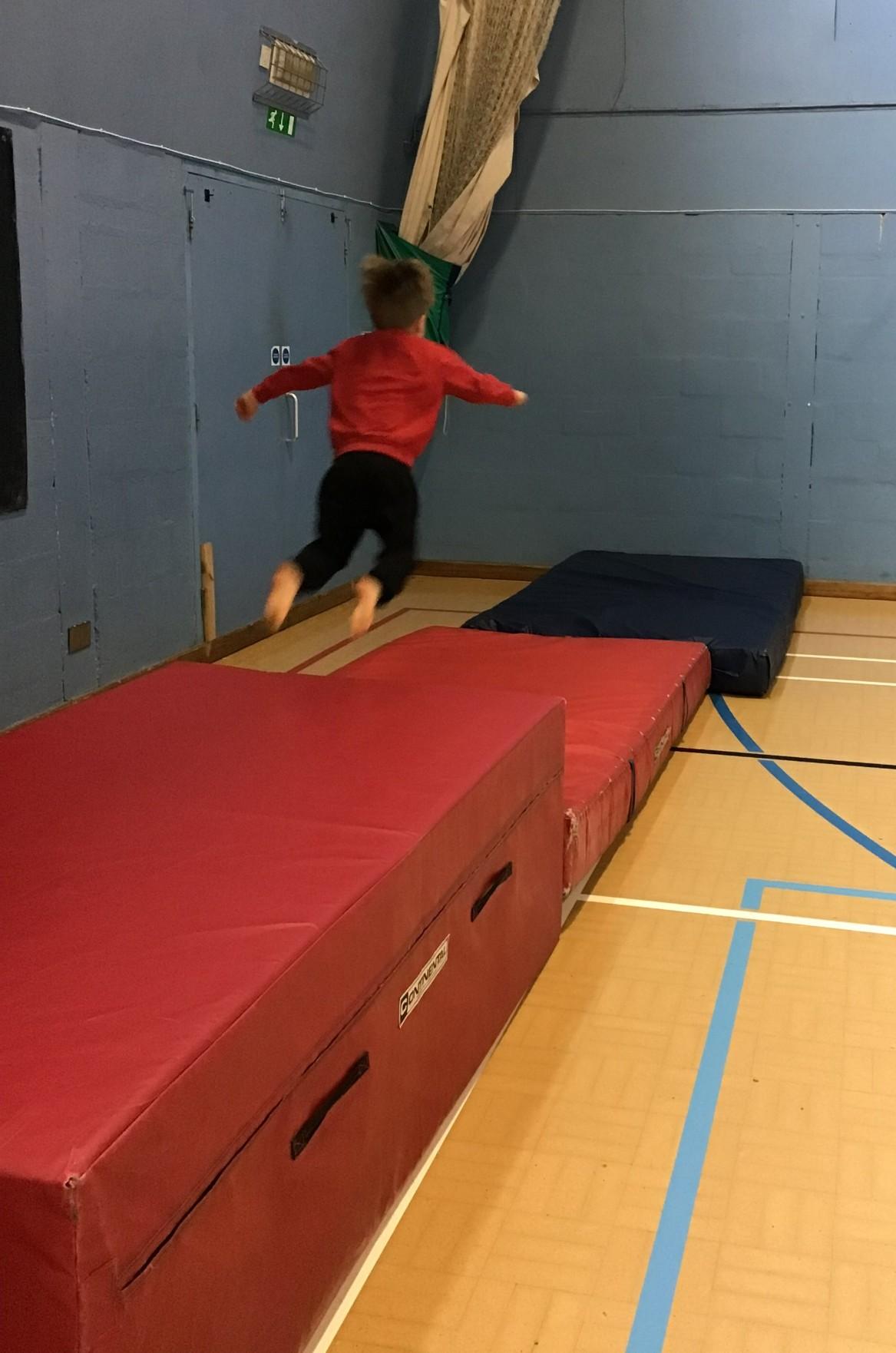
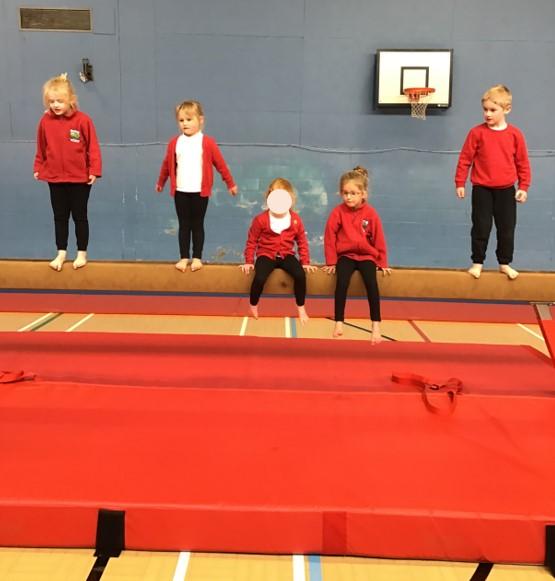
We visited Camelford Leisure Centre and went swimming and took part in a gymnastic session.
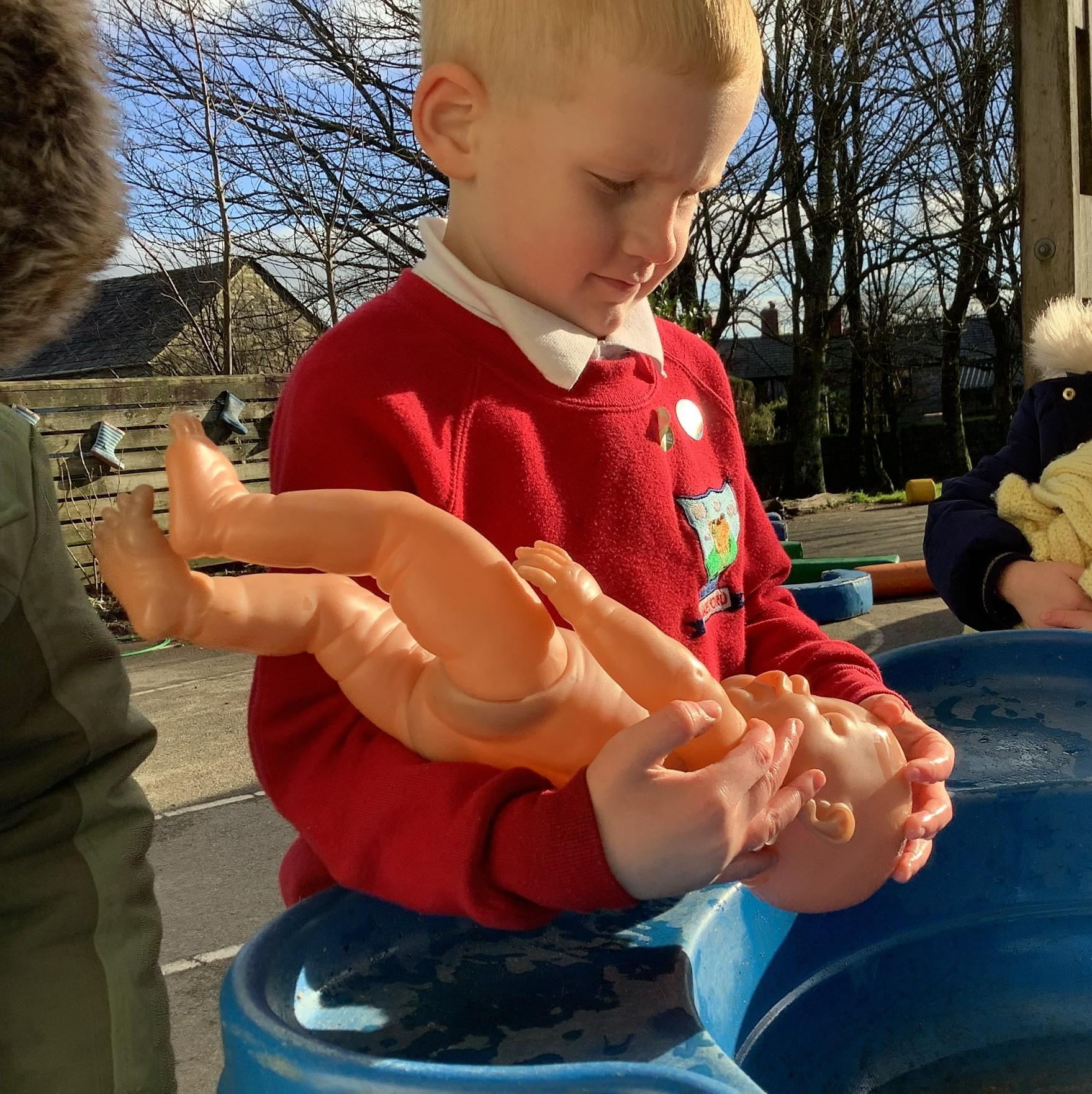
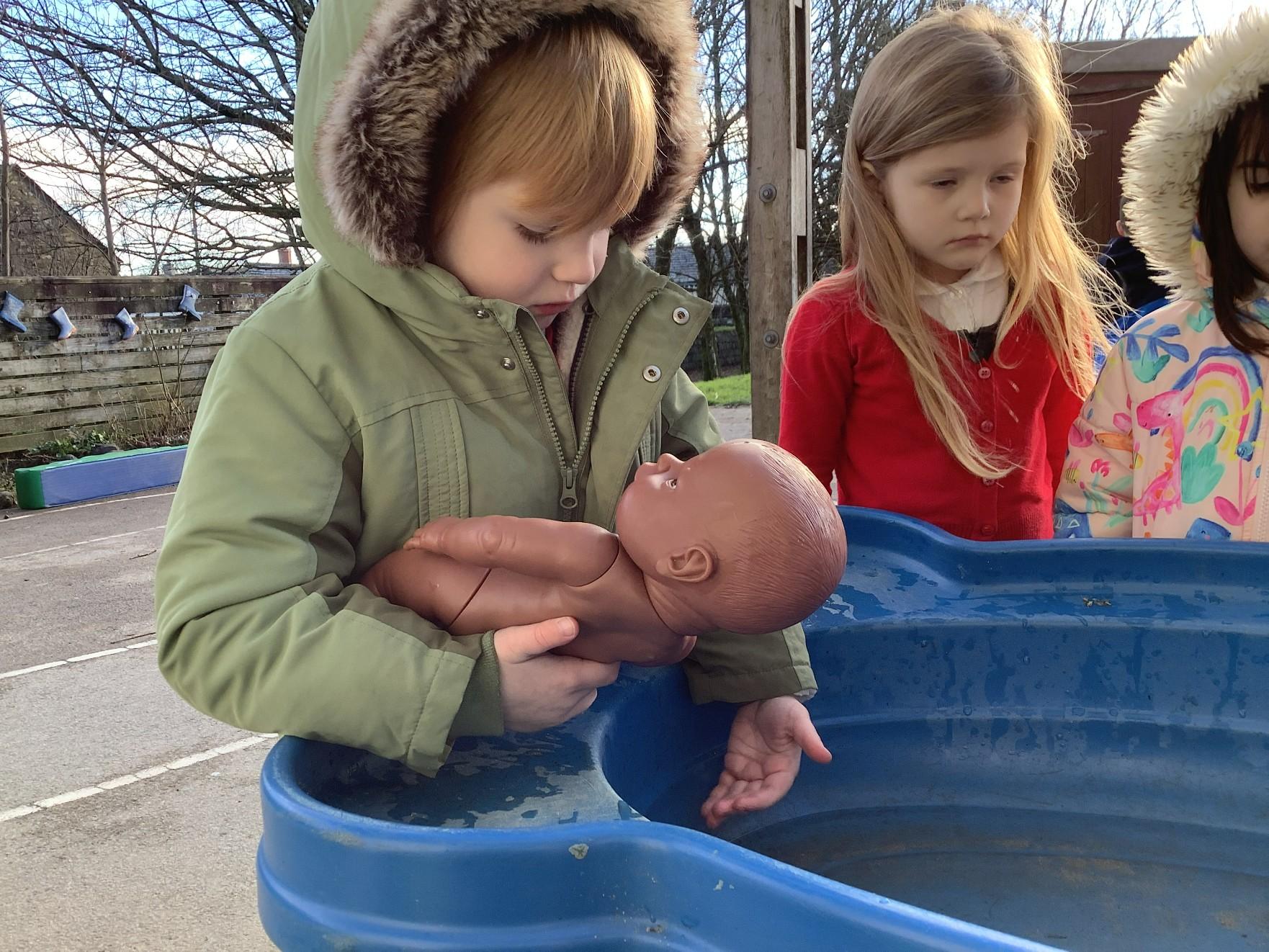
What happens at a traditional infant baptism?
How do we show people they are welcome? How are babies welcomed into the Christian family?
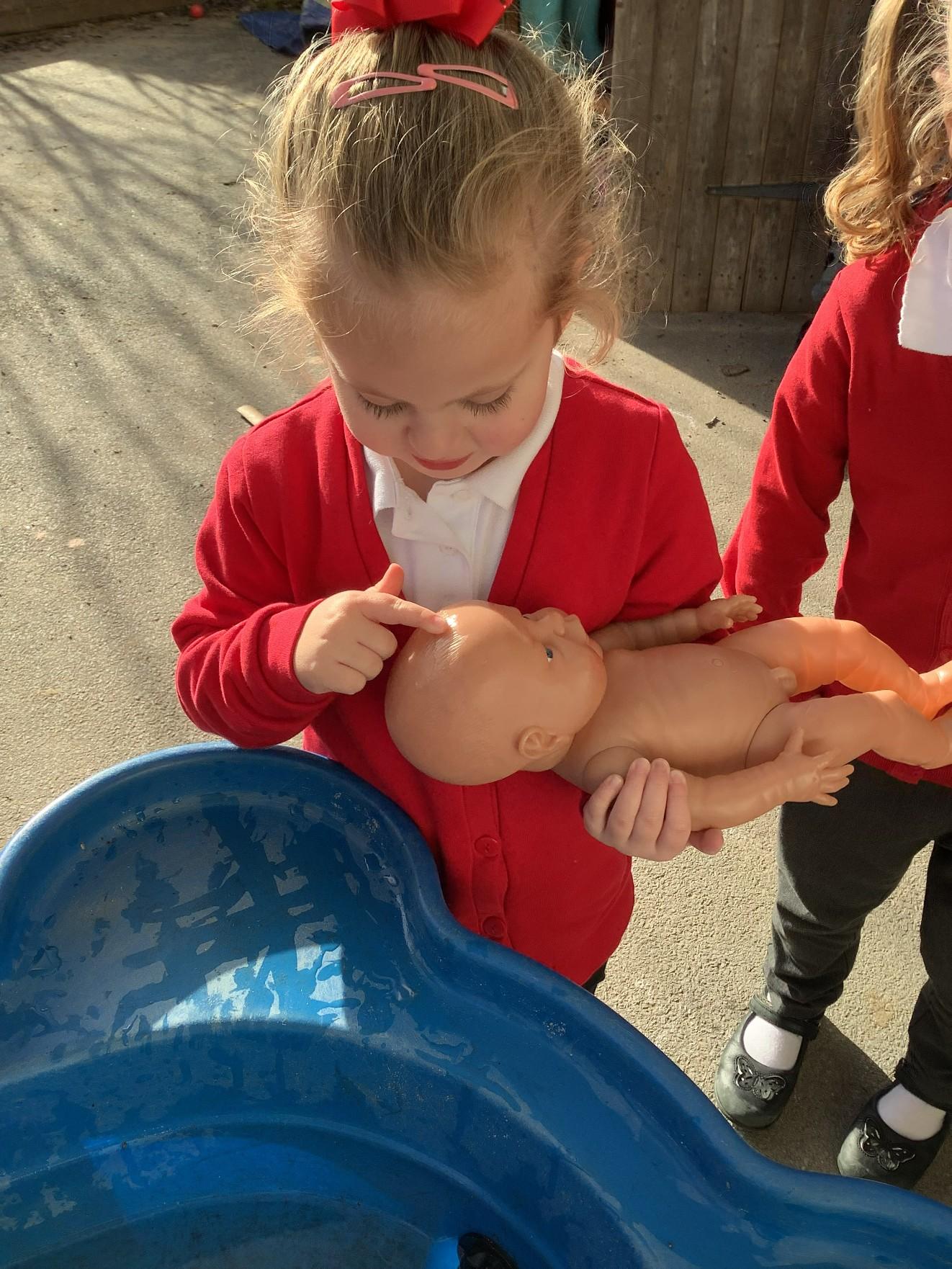
Role playing an infant baptism.
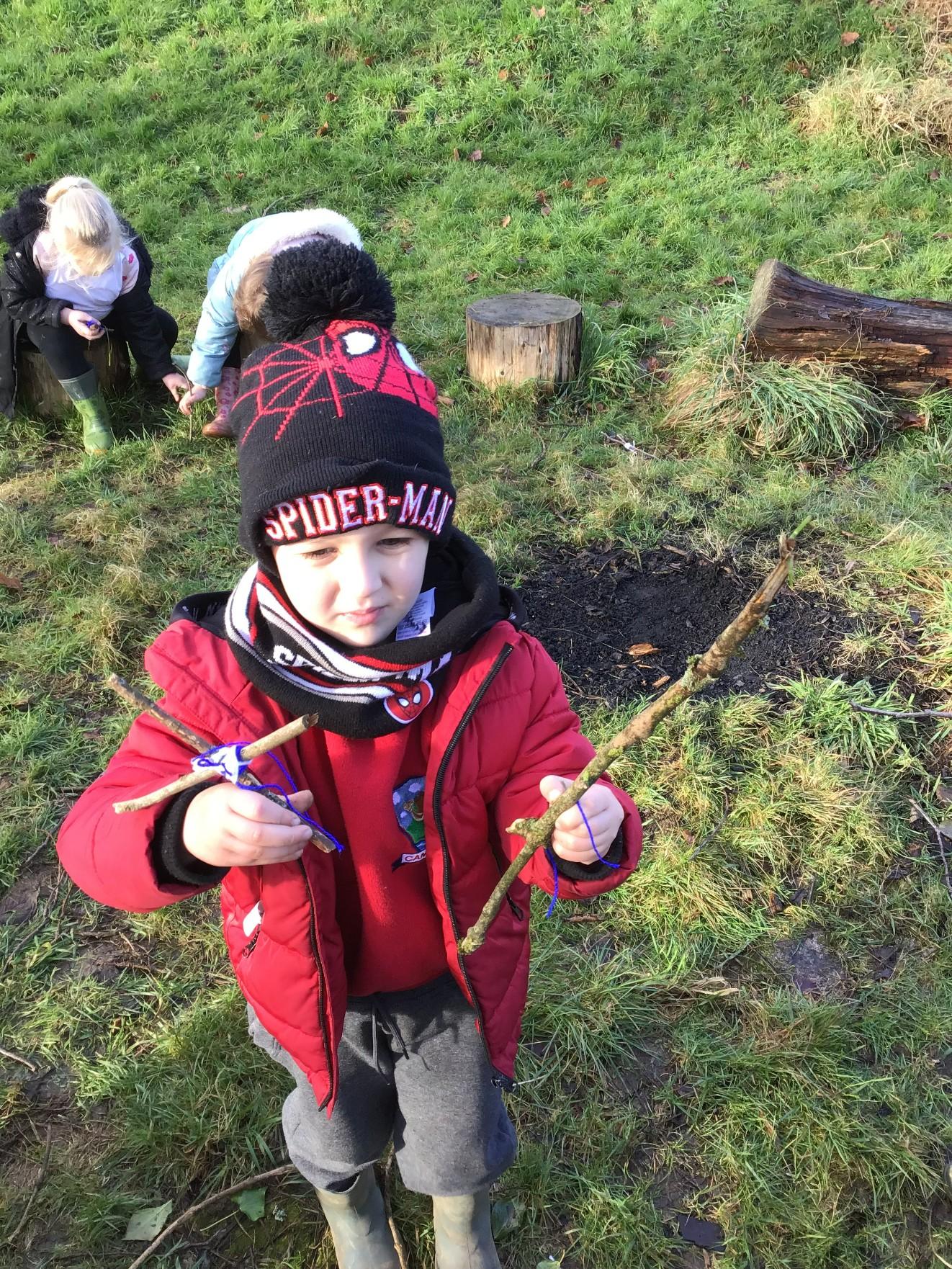
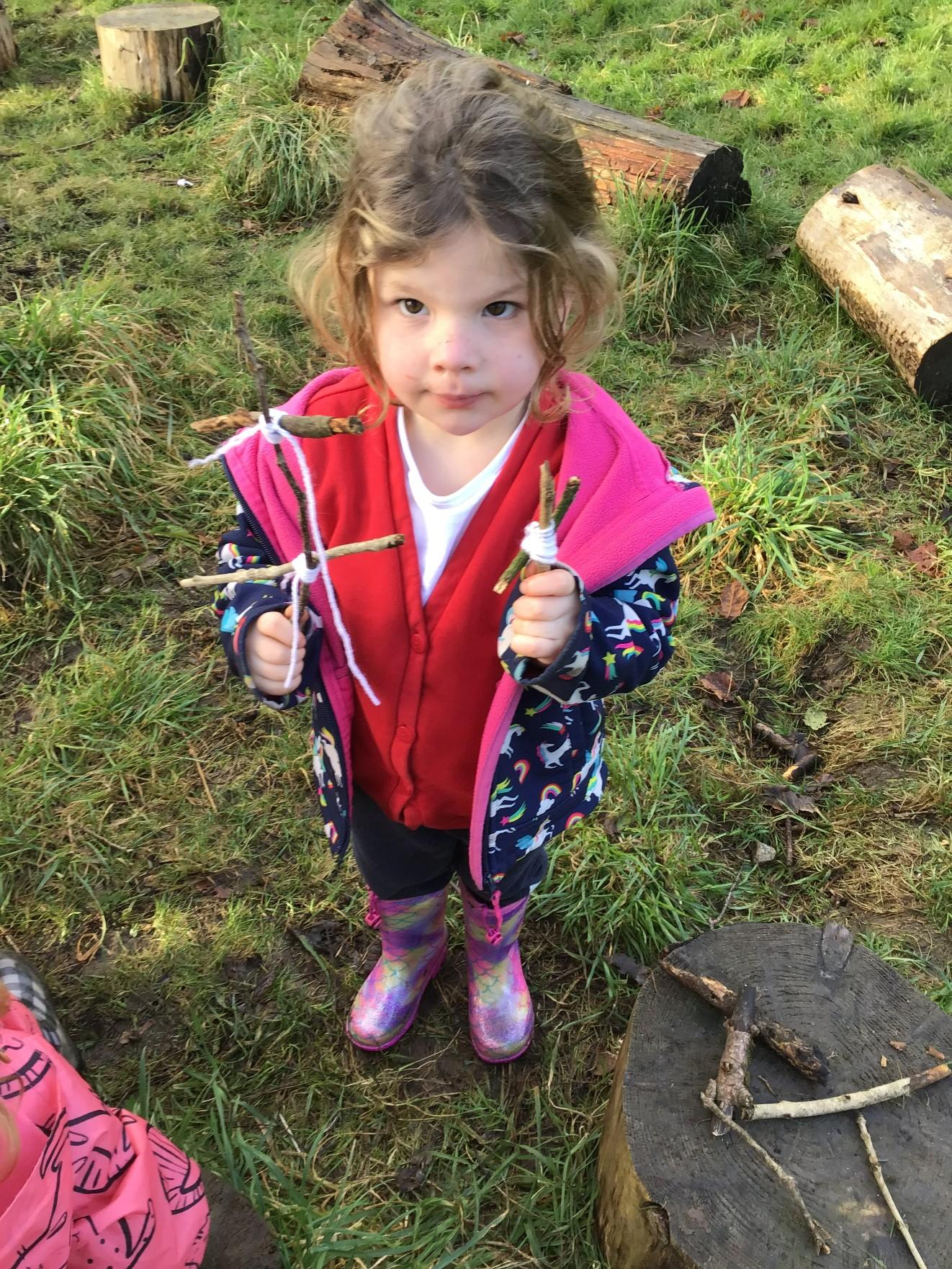
RE learning in the woods
Learning about groups I belong to. The children said for example, swimming, gymnastics, football, Sunday School.
We were learning to use the right words to talk about different religious groups and the symbols that they use.
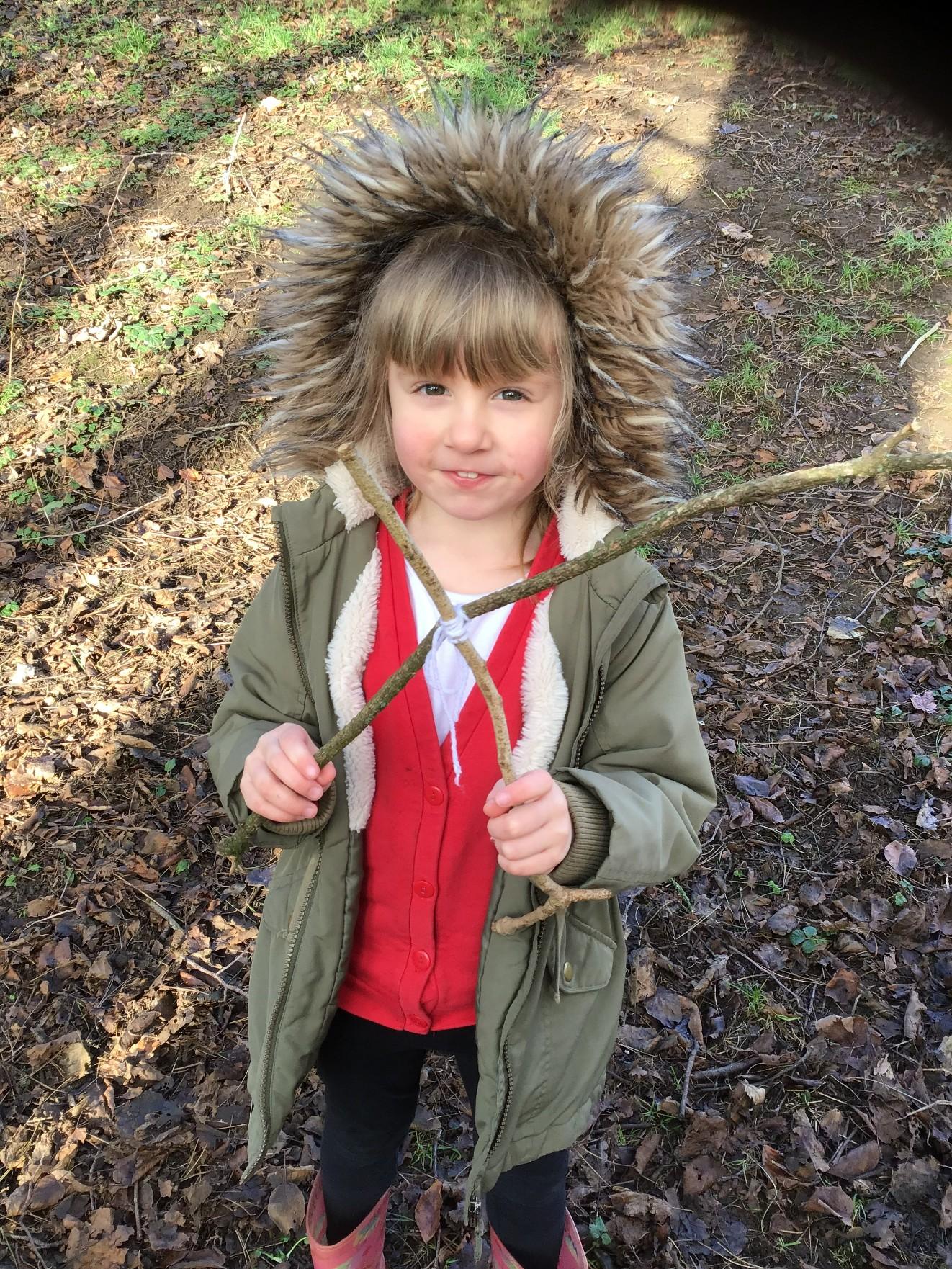
We learnt about why the cross is important to Christians.
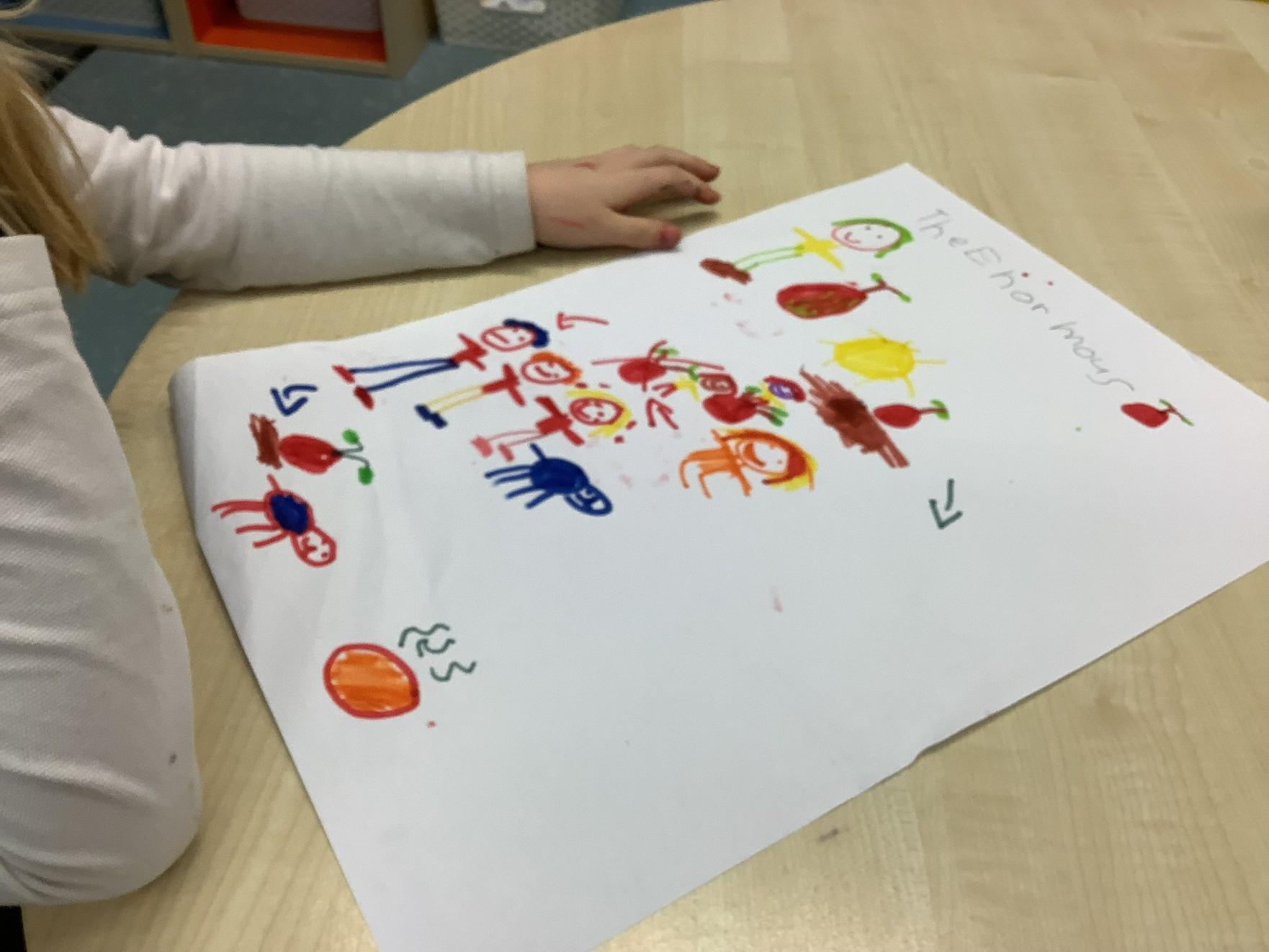
The Enormous ?
After learning to tell the story of The Enormous Turnip, the children were encouraged to become authors and write their own version of the story.
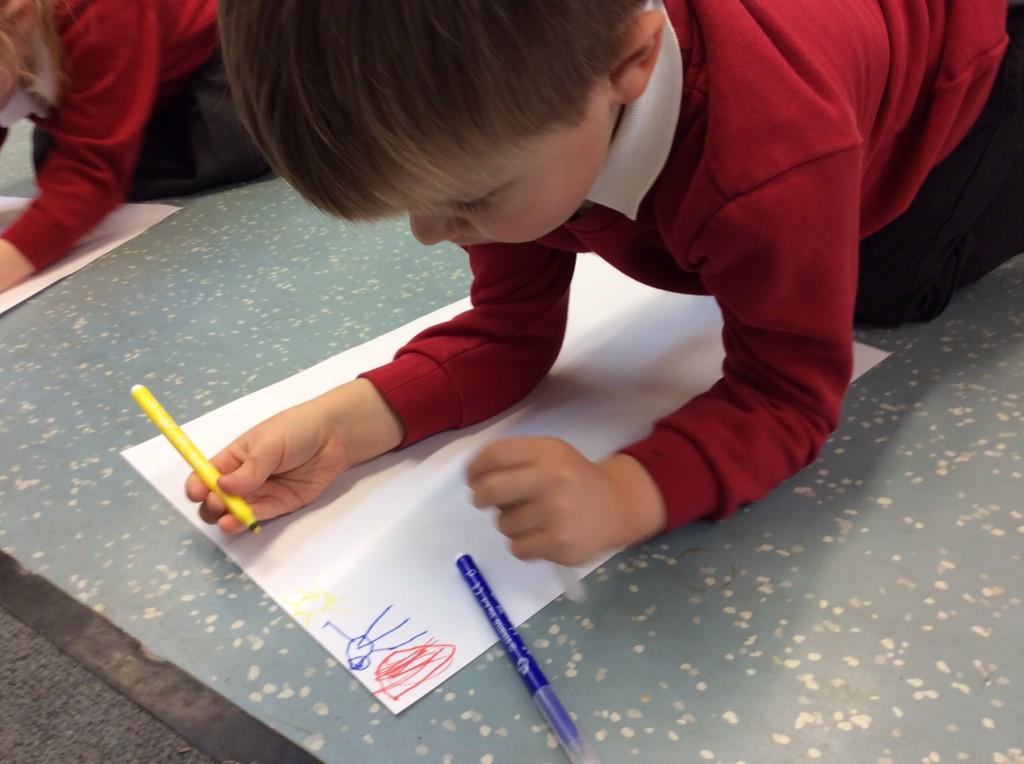
He decided he wanted to do it about a little old man who grew an enormous, blue raspberry. Whilst telling his story, he used lots of story language including, 'Once upon a time, early one morning, happily ever after.' It was such a great story, he went to share his story with Mrs Towe.
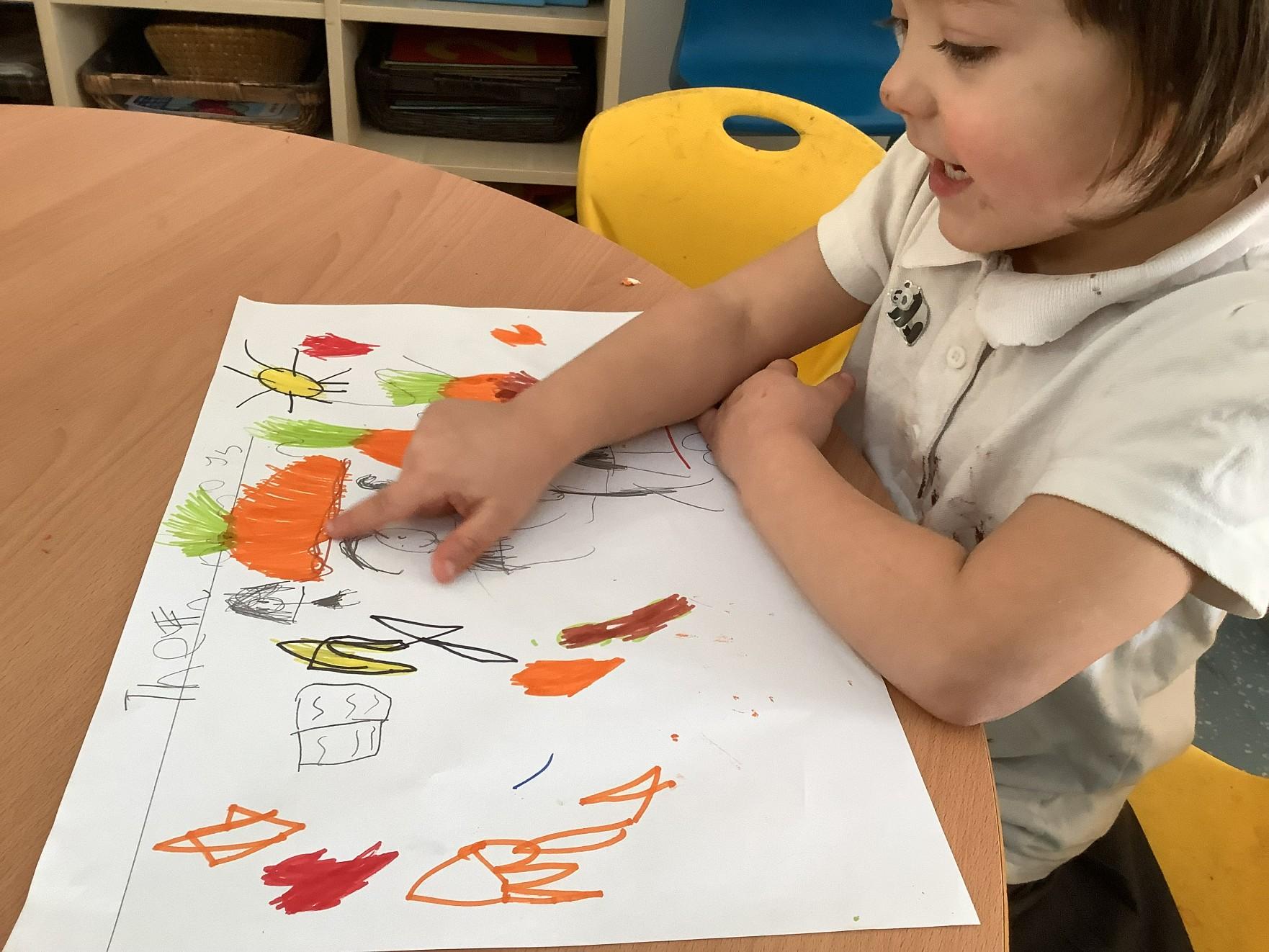
Drawing their own story maps
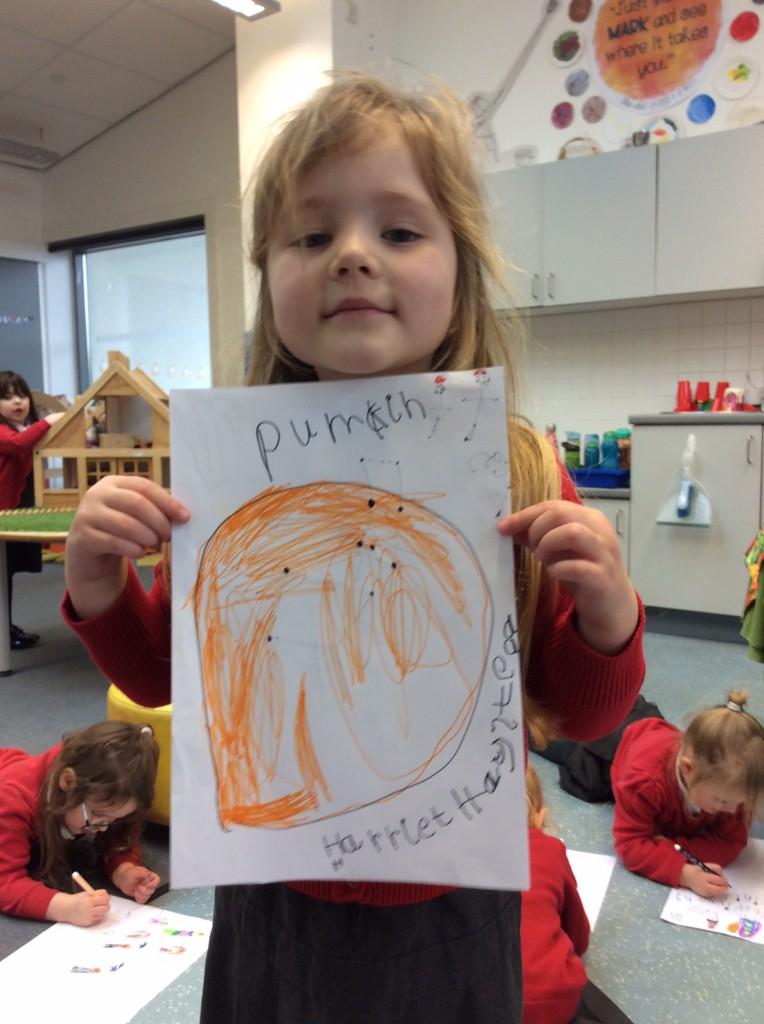
H drew a story map to help her retell her version of the story: 'The Enormous Pumpkin'.
H used lots of story language including, 'Once upon a time, early one morning and happily ever after'.
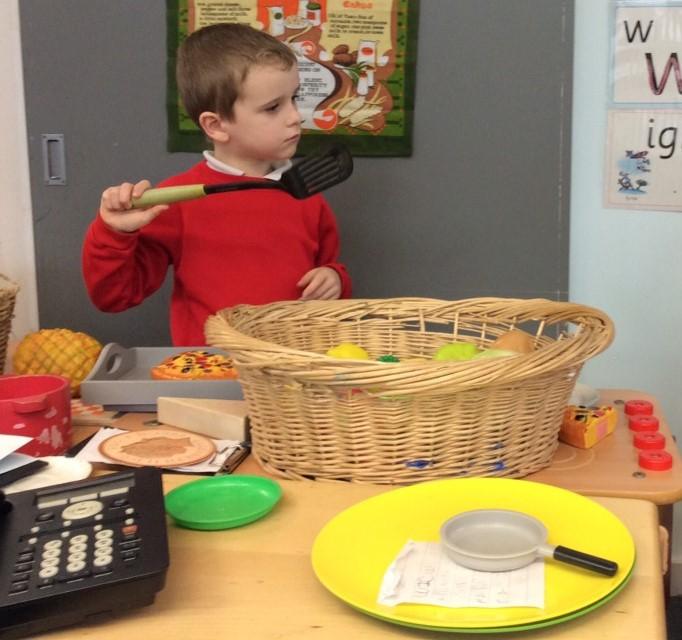
Healthy Cafe
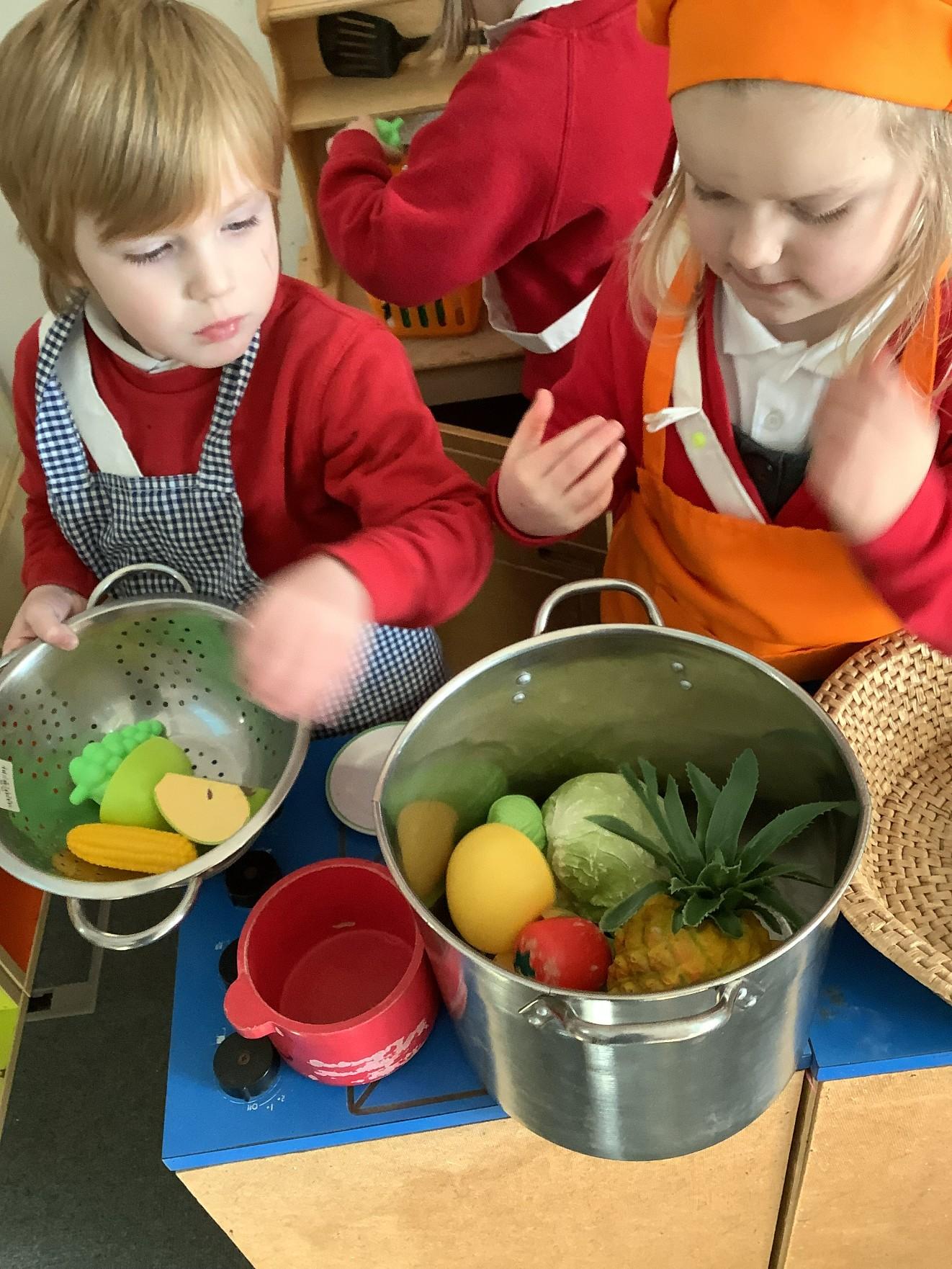
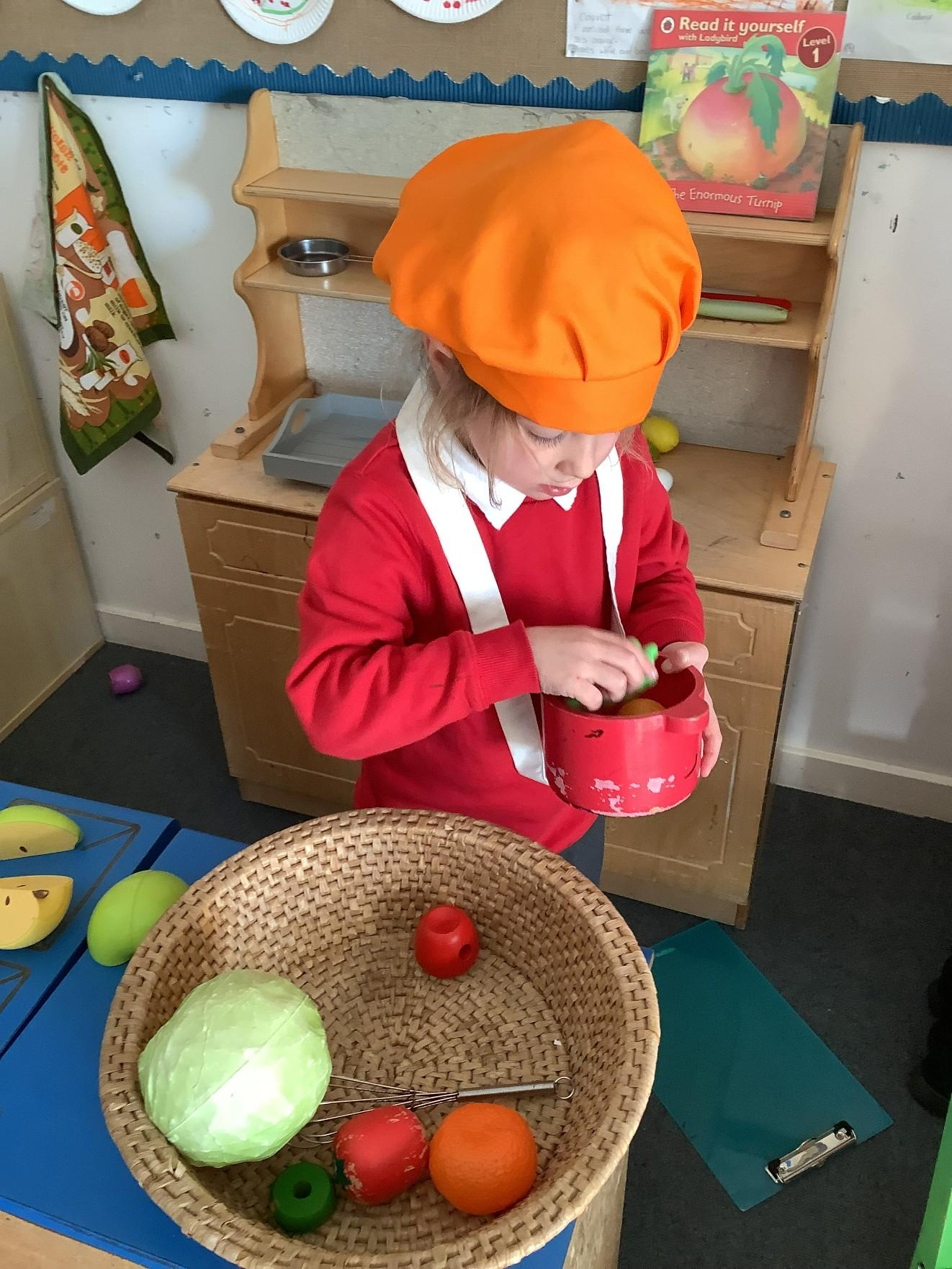
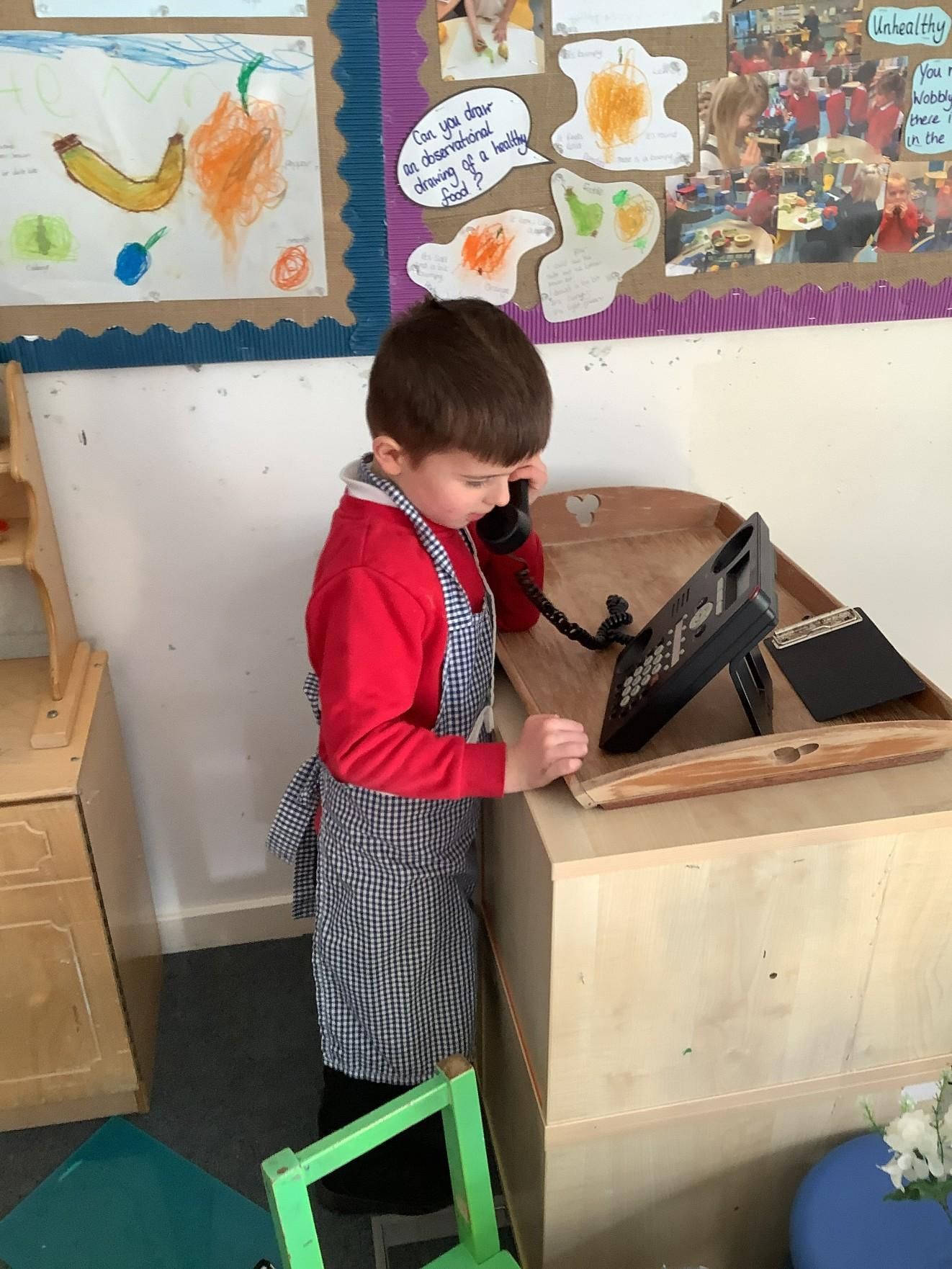
Can I take your order?
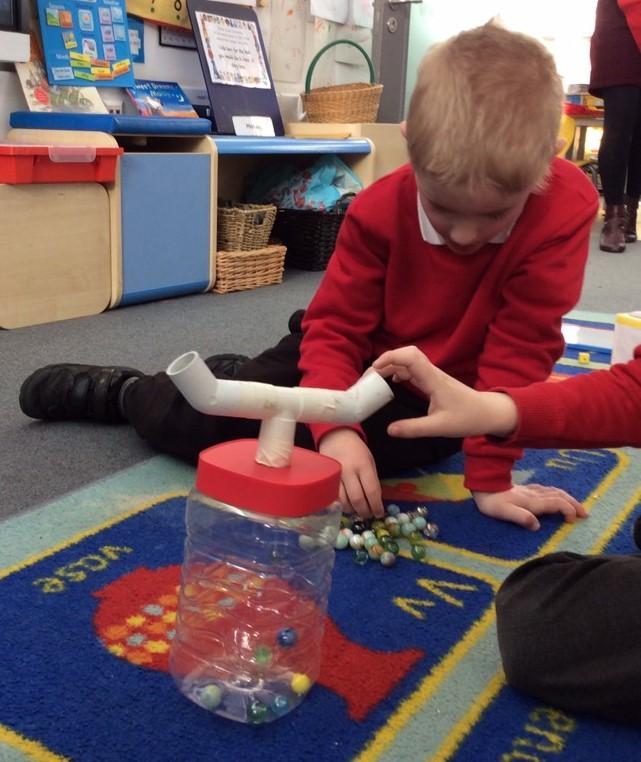
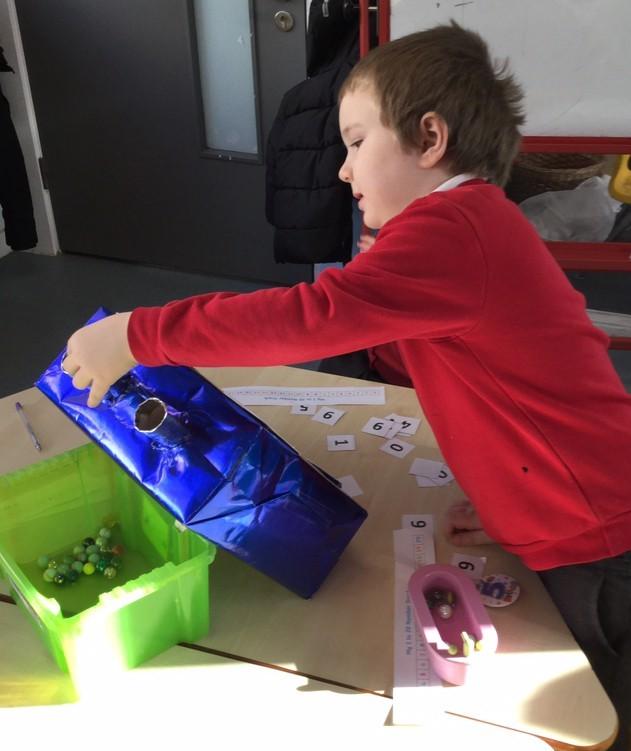
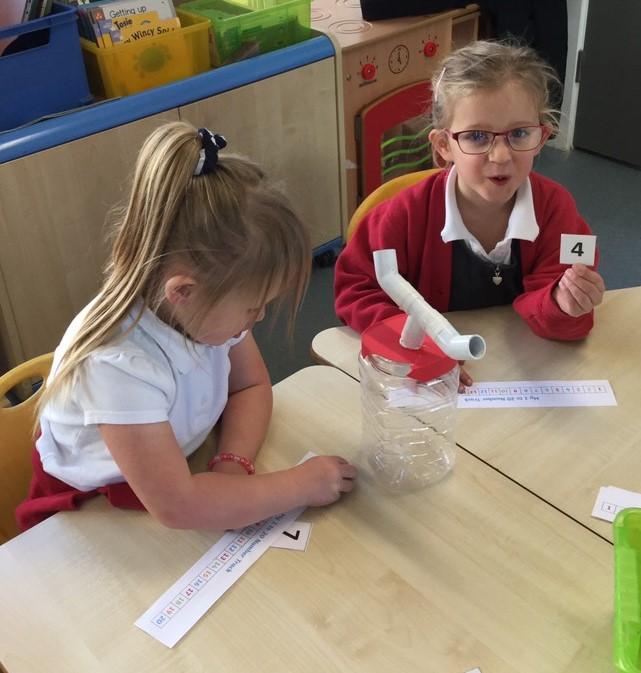
Adding Machine
We have been learning to count out one group and then to count out another group. We then added them to the 'adding machine' and counted the answer.
A letter arrived
We received a letter from the Old Man in the story asking for our help.
Dear Children, Please can you help me? My turnip is enormous! I cannot get it out of the ground. Love from, The Old Man
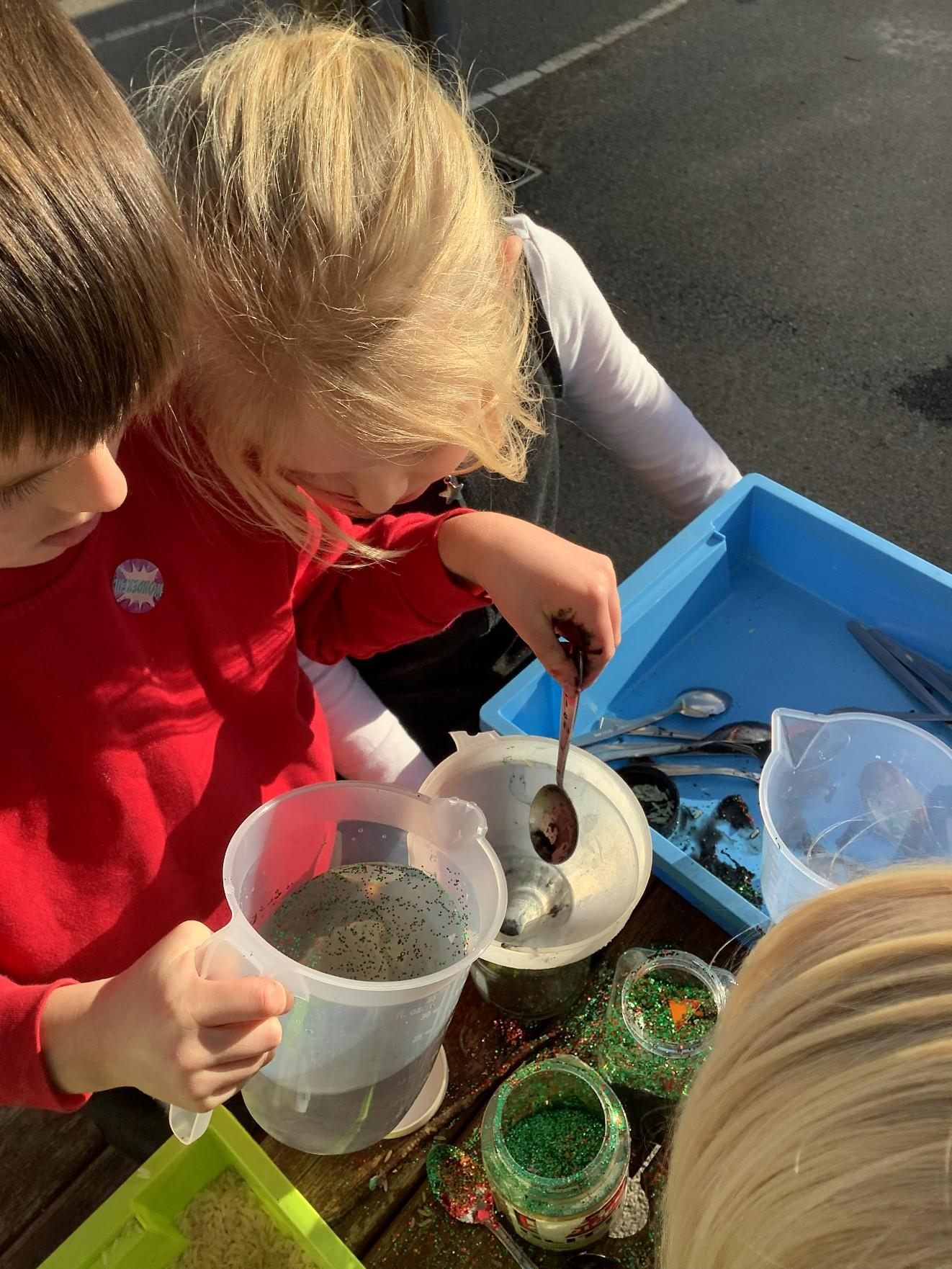
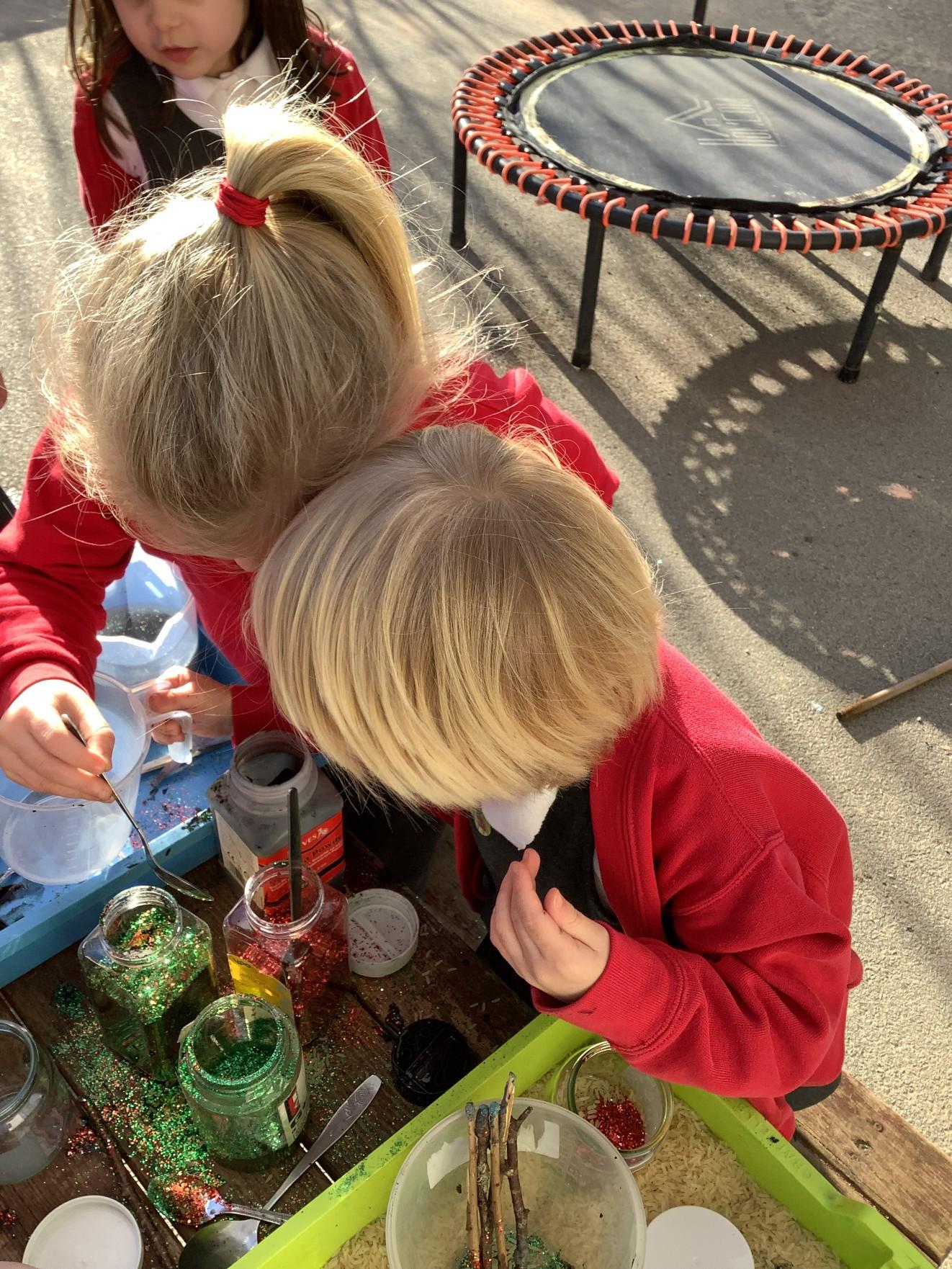
Your job is to create a potion to shrink the turnip!
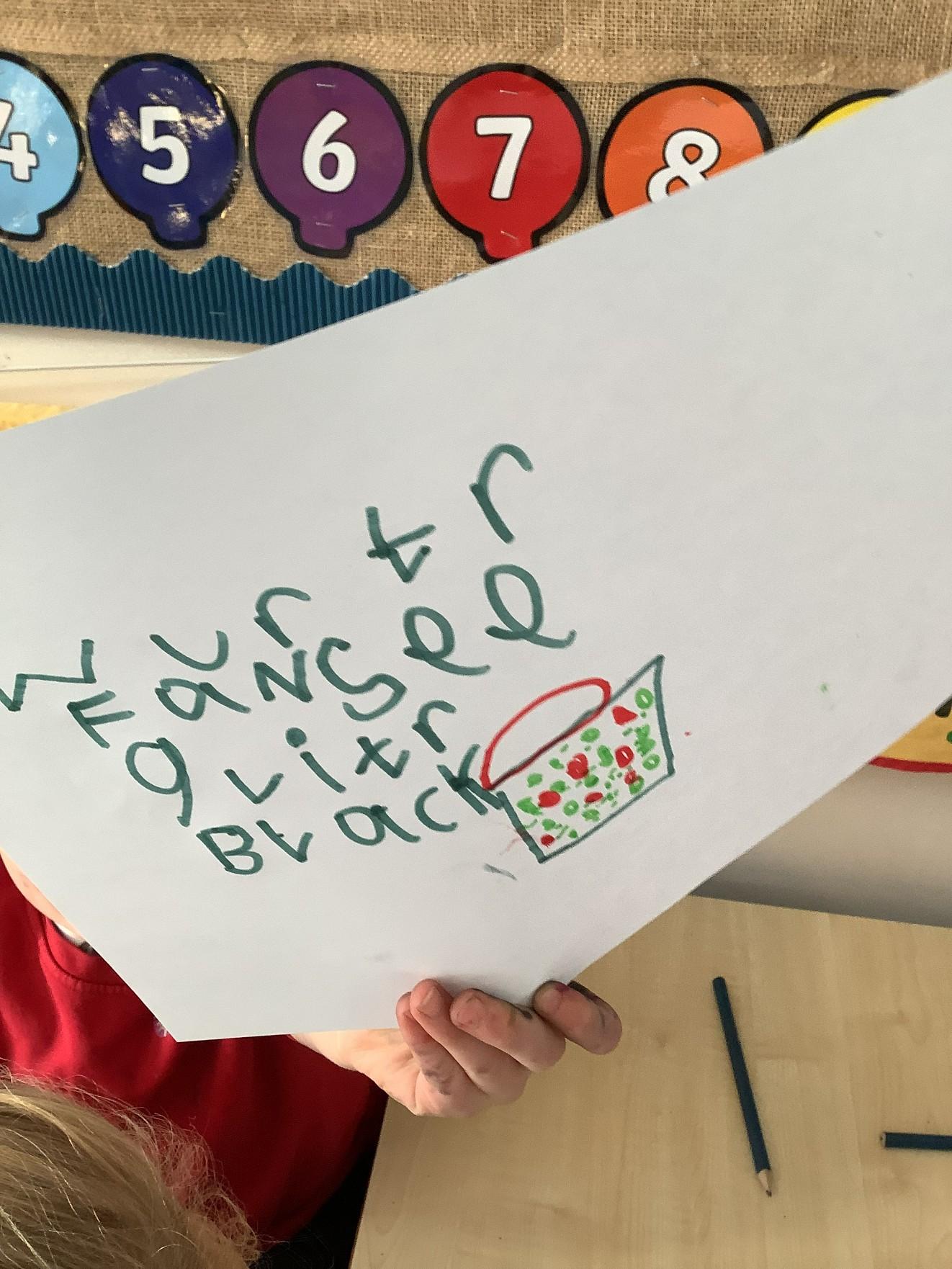
What did you use?
The Enormous Turnip
This term we are exploring the story of The Enormous Turnip.
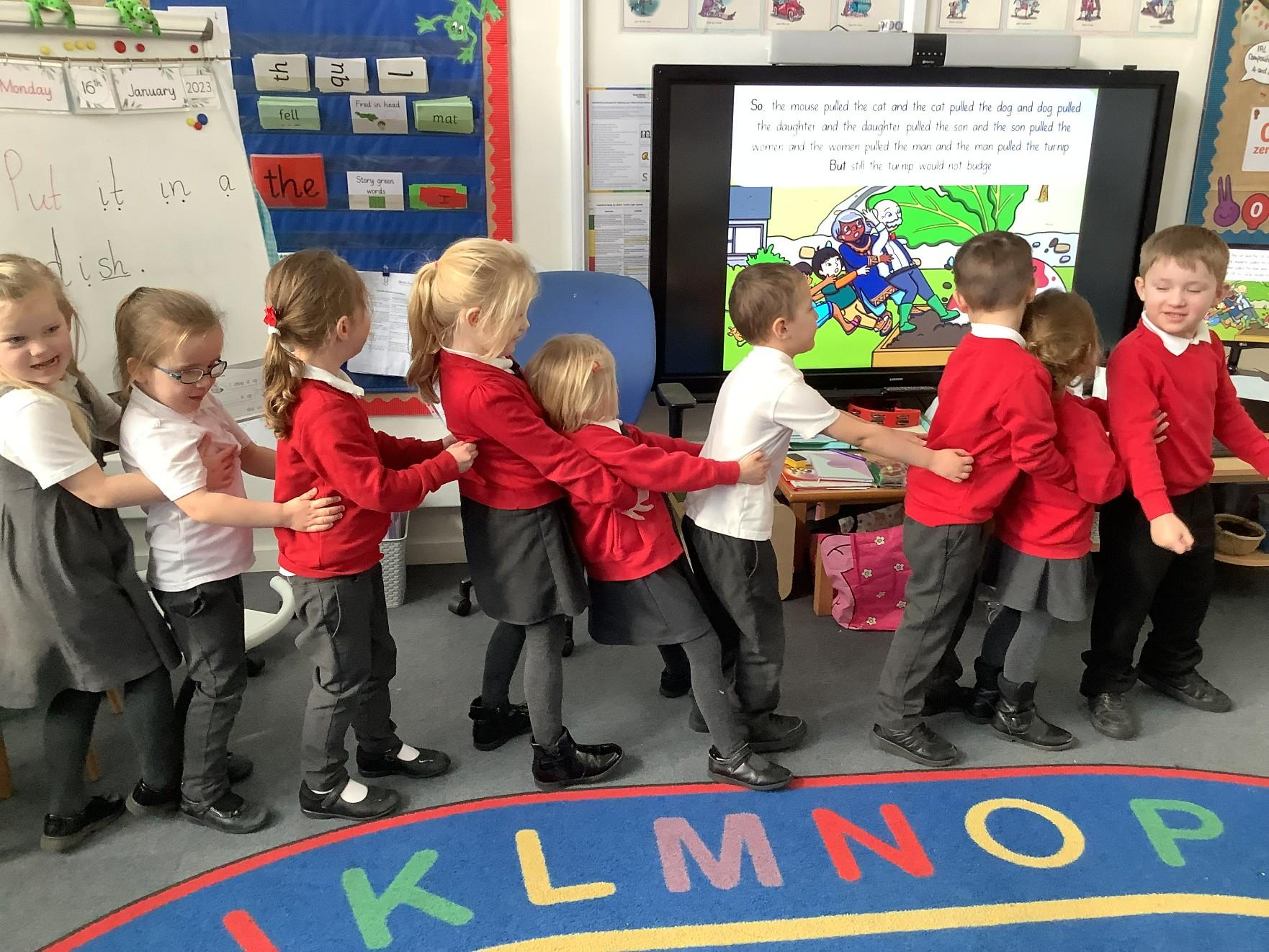
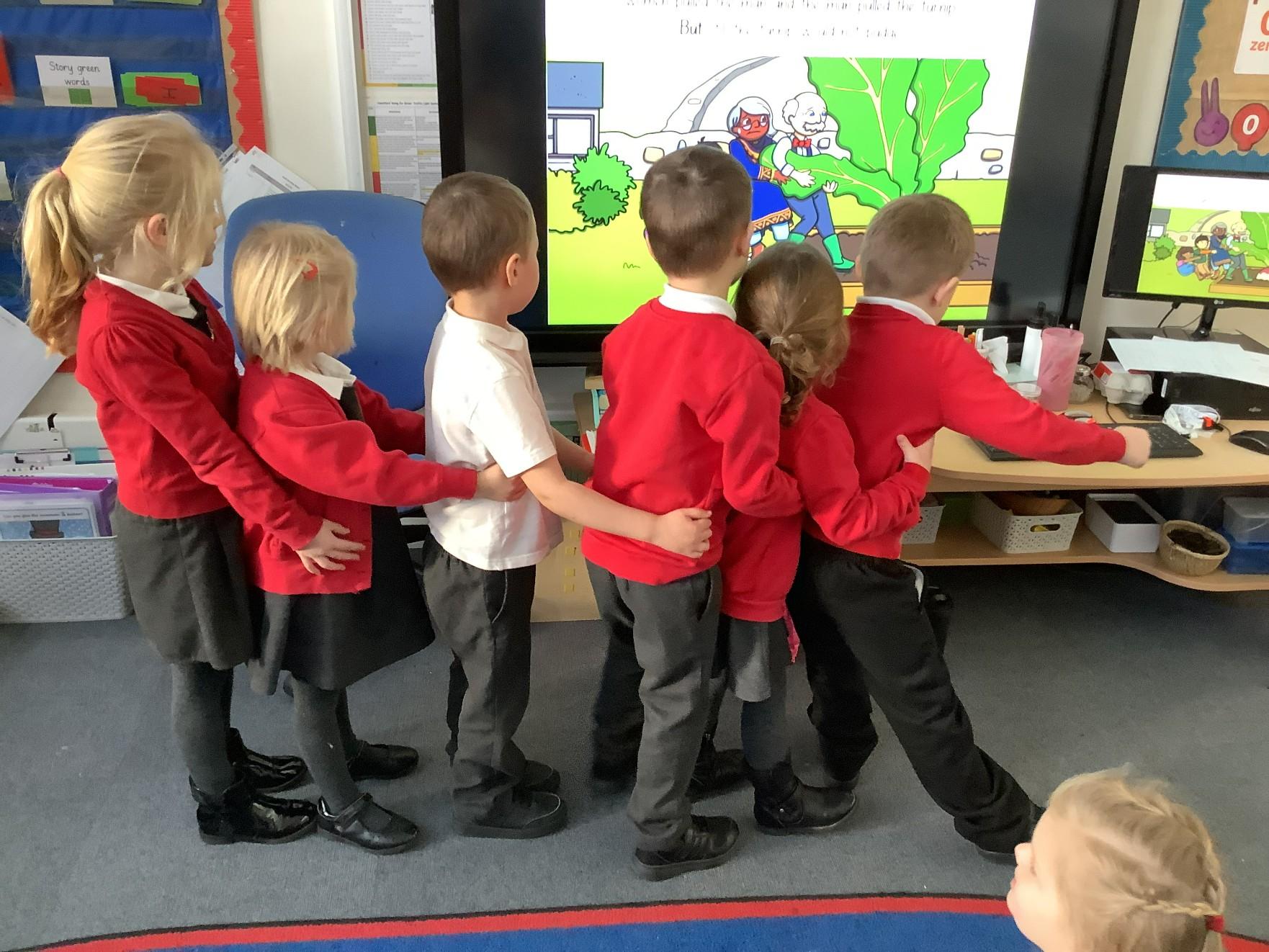
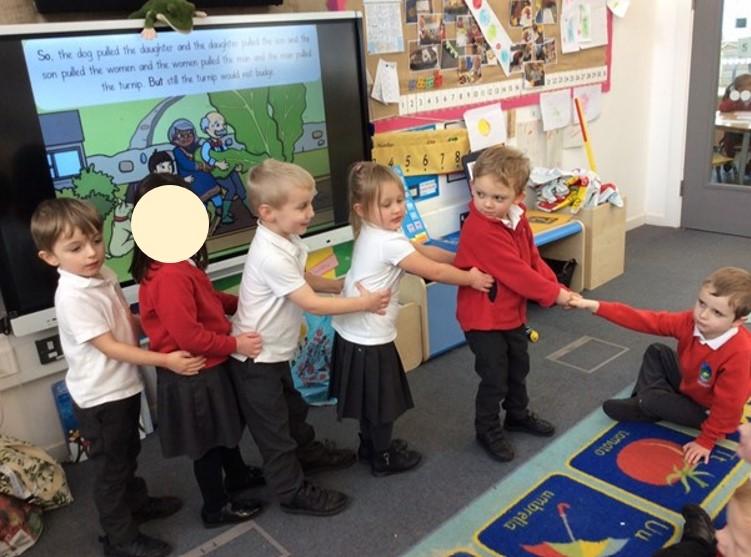
We read and acted the story out.
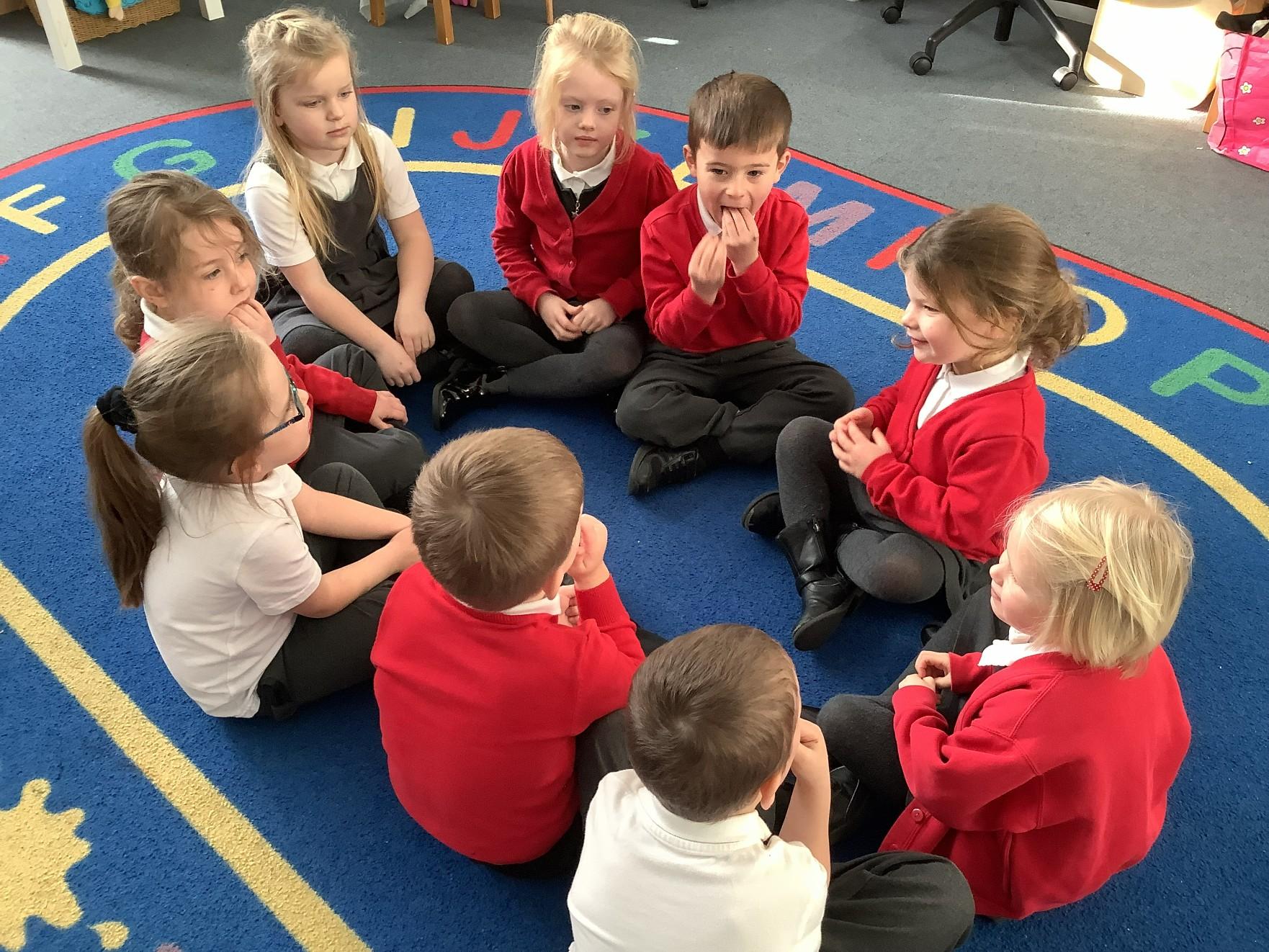
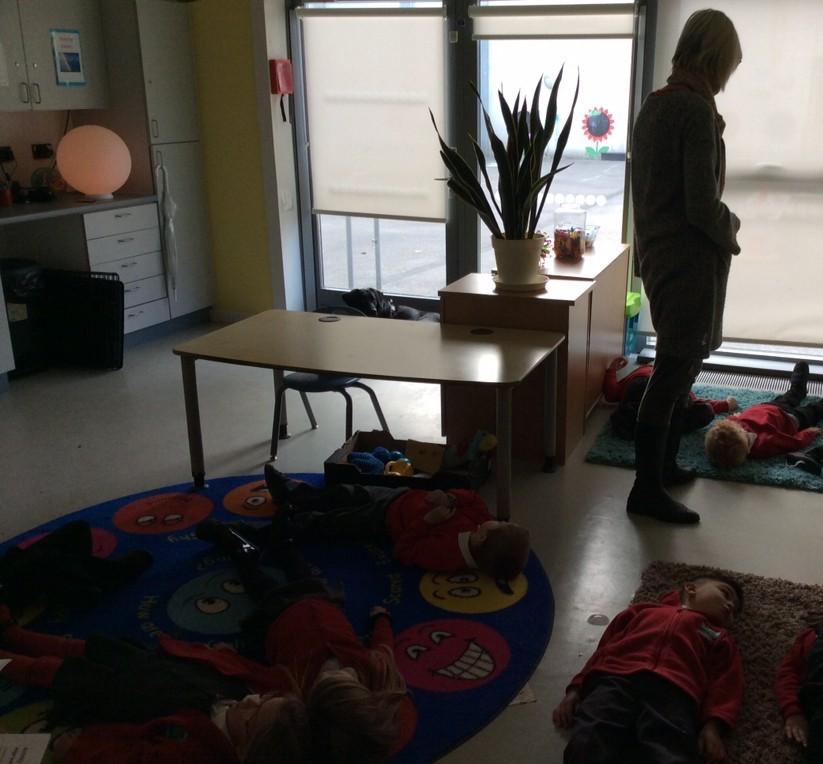
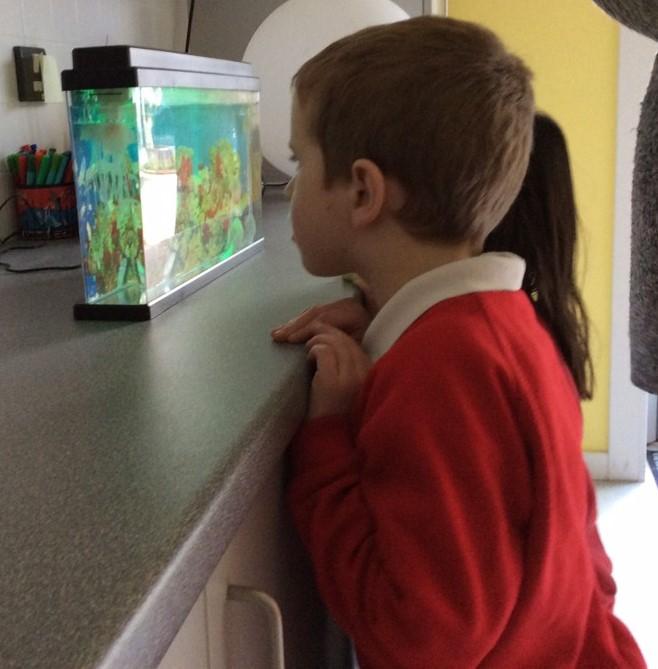
As part of our healthy me topic, we have looked at the importance of being calm, relaxed and getting enough sleep. Healthy body, healthy mind!
Mrs Nayeb then talked the children through a story meditation. The children explained that they felt calm and relaxed after.
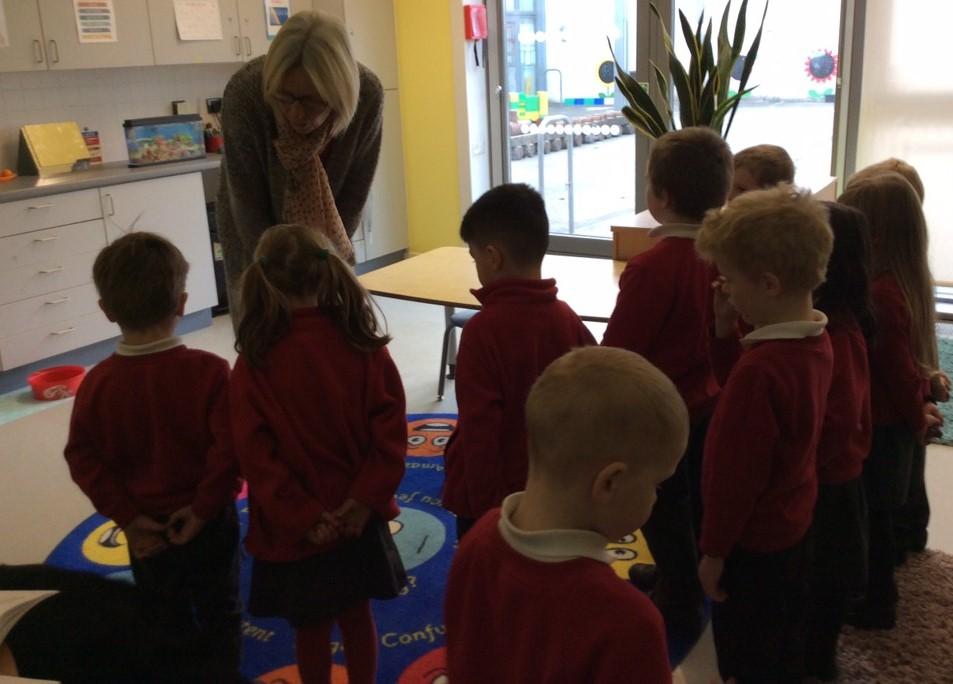
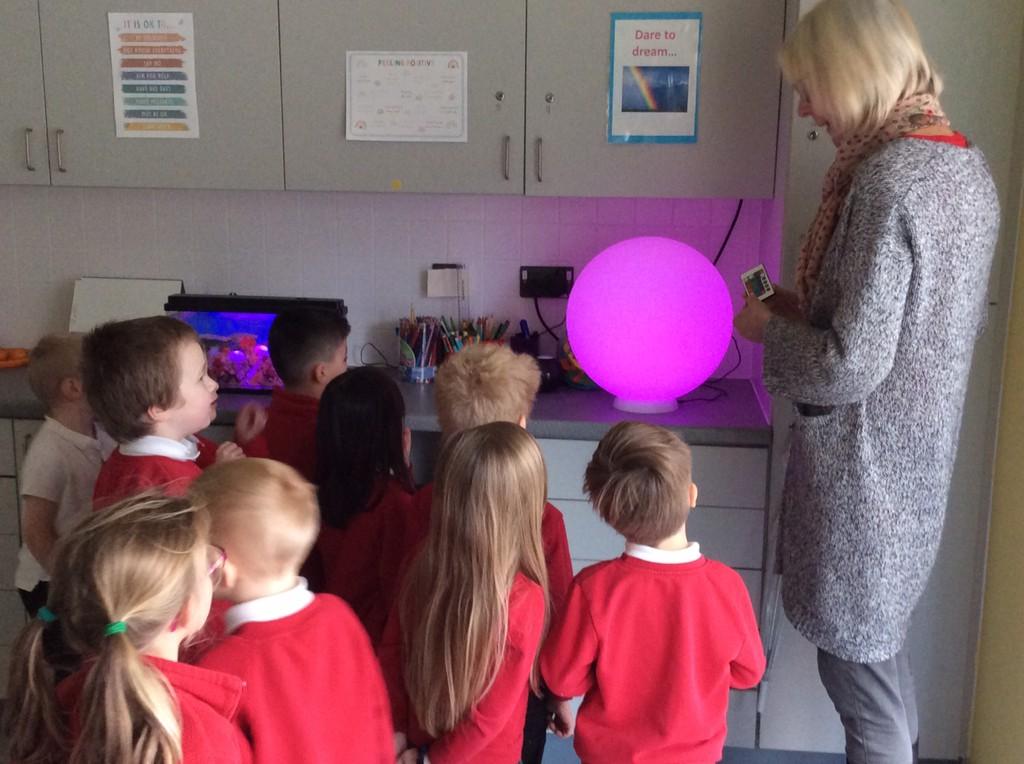
Ways of self regulating
We took a visit to Mrs Nayeb and Winston who showed us some of the activities they do with children if they getting a little bit cross or upset.
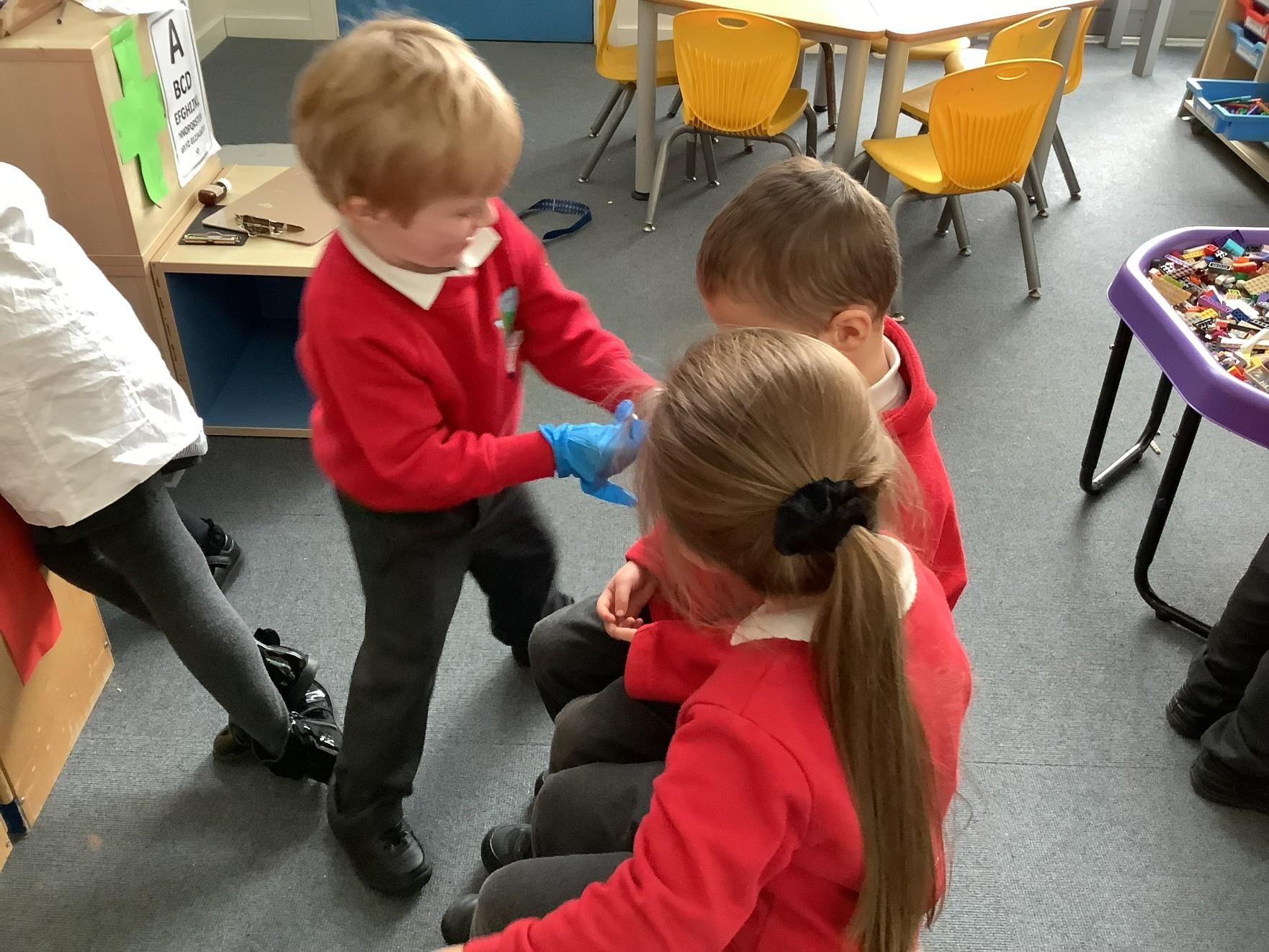
Role Play - Doctors Surgery
As part of our topic we have been thinking about how to stay healthy. We have discussed who can help us if we are poorly.
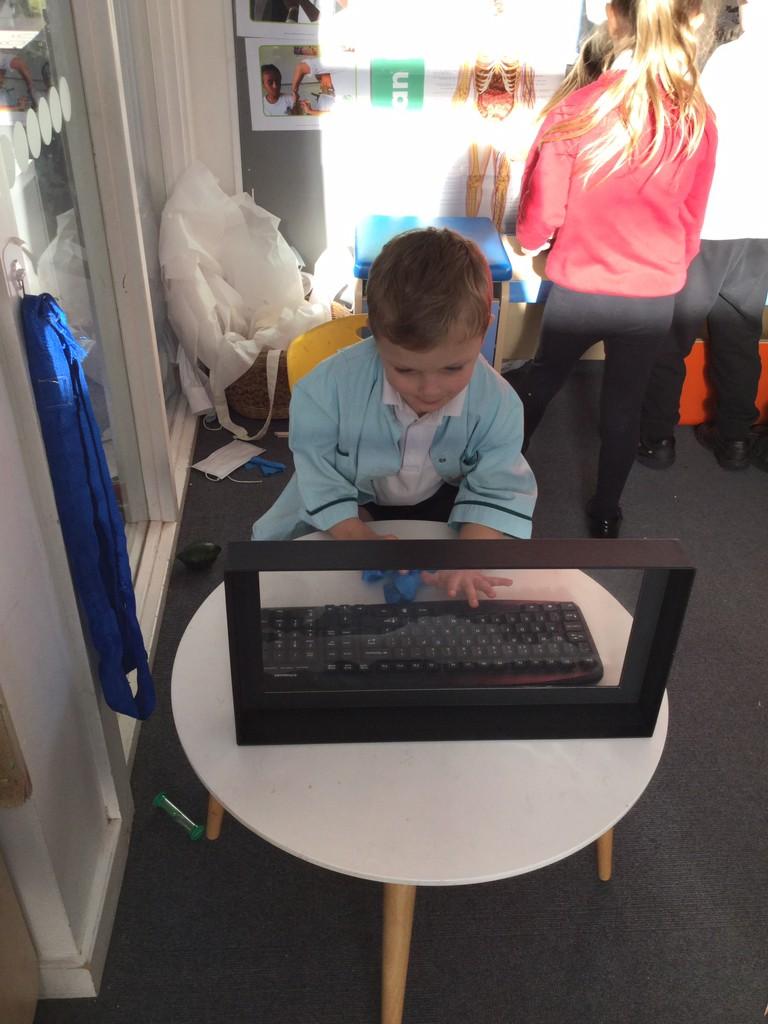
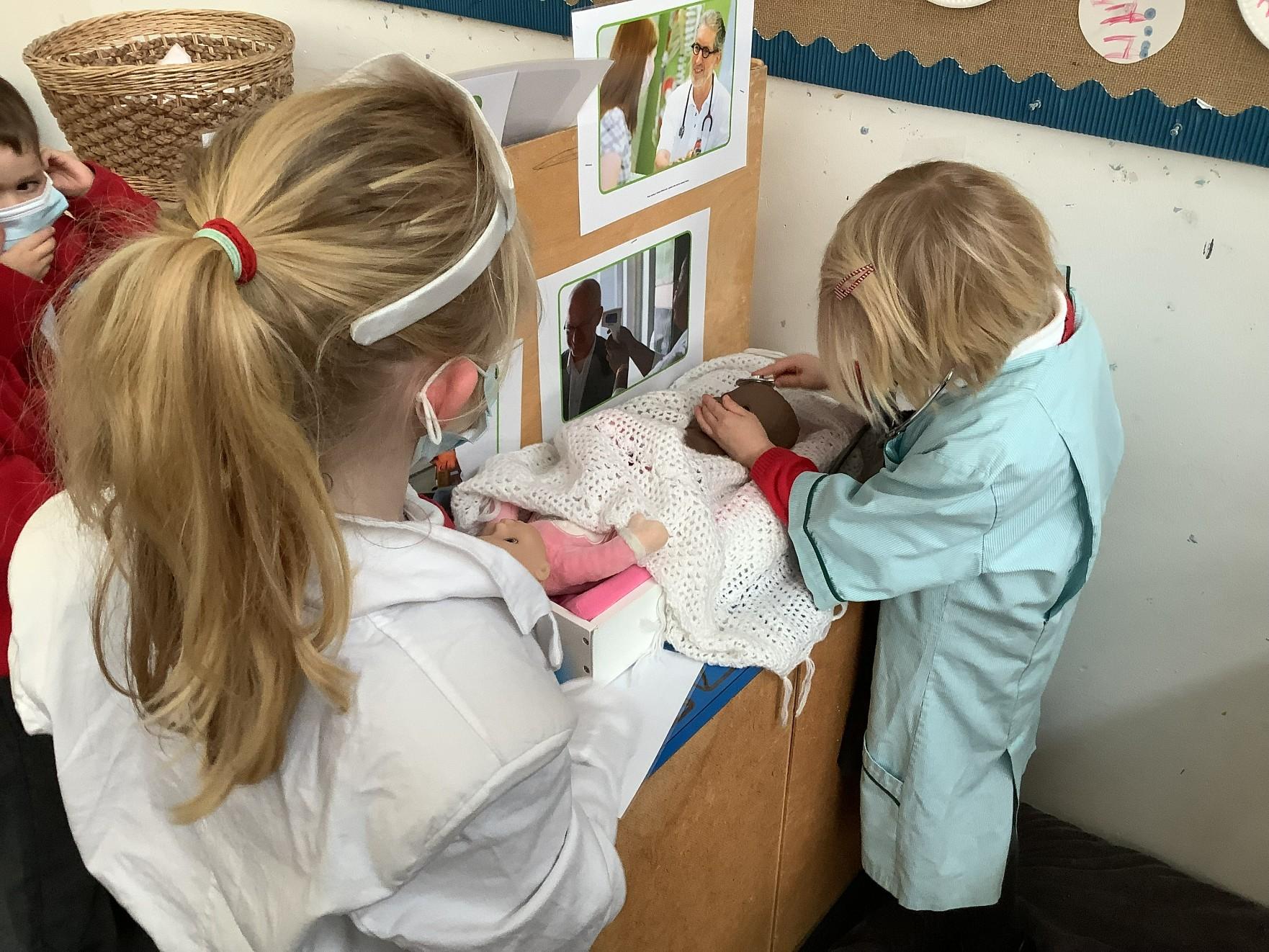
Looking after the baby that is poorly.
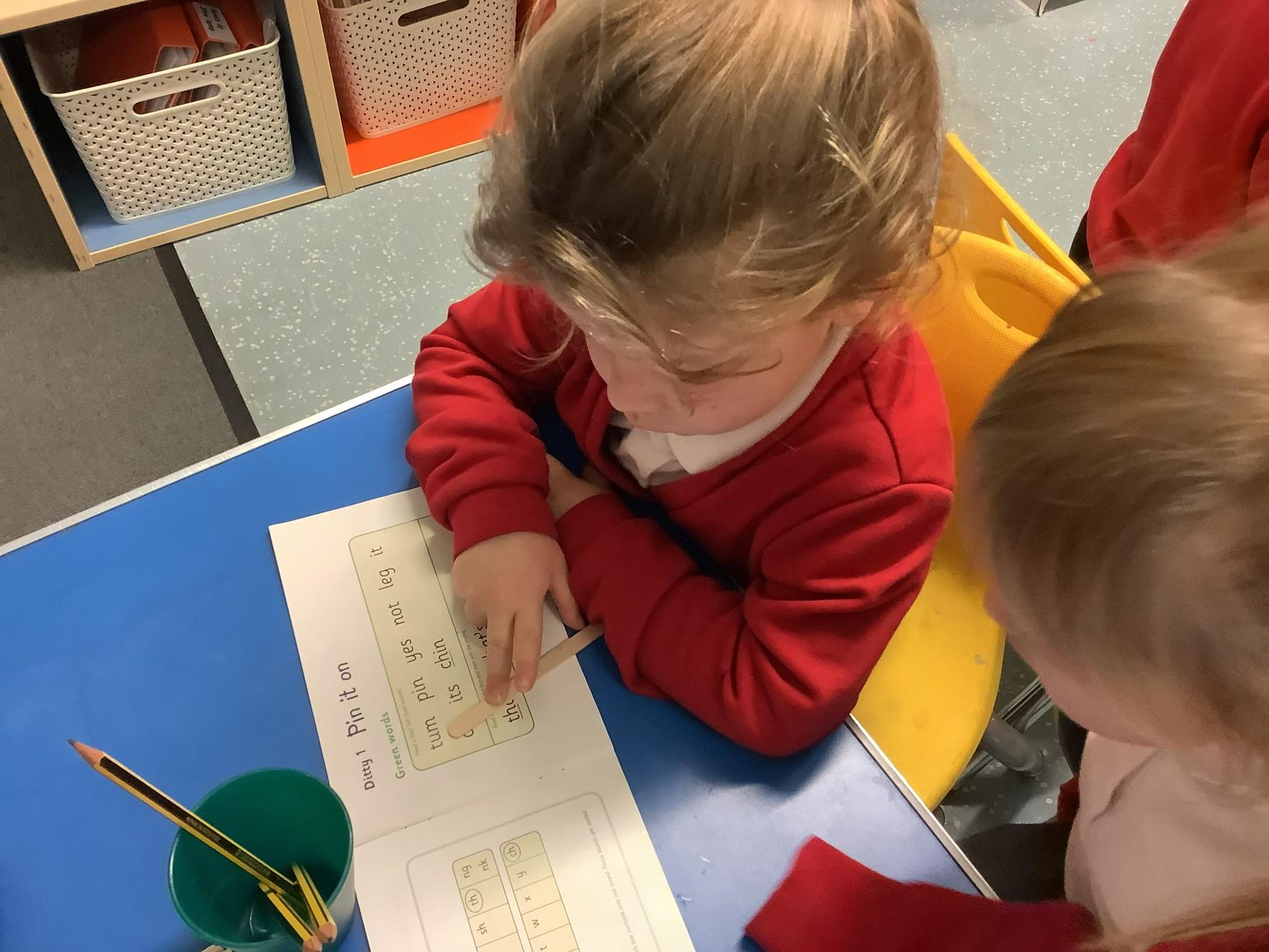
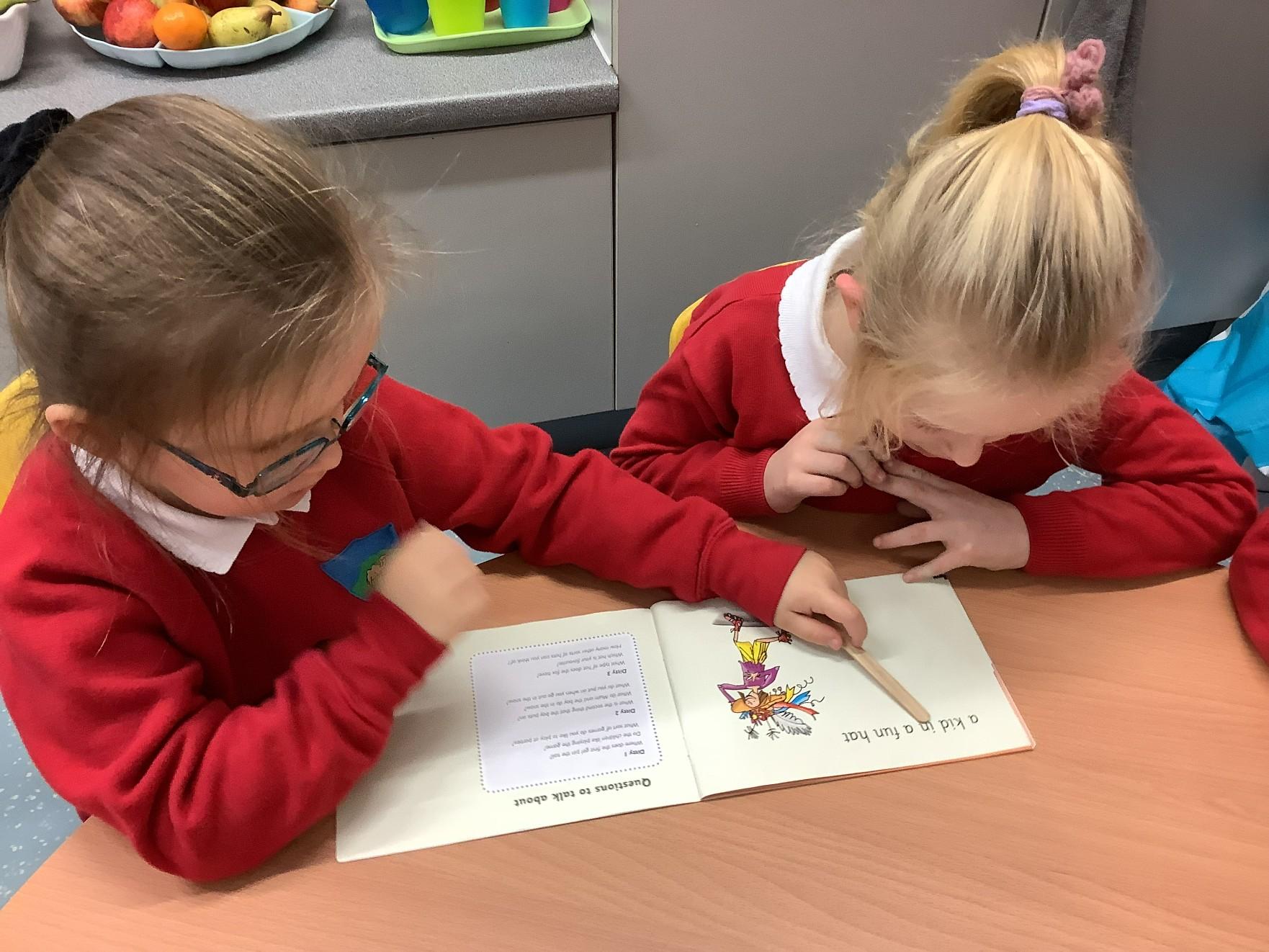
RWI partner work
Reading Red Ditty books
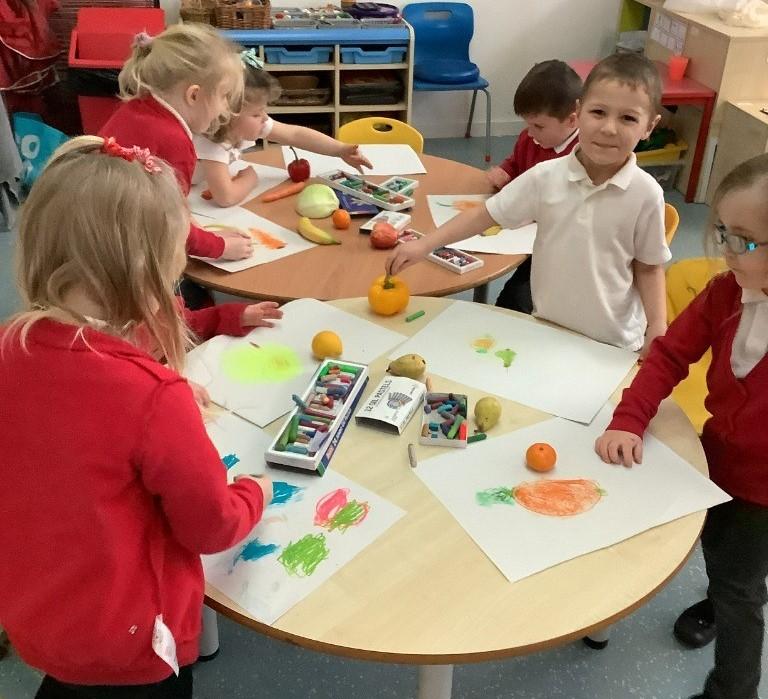
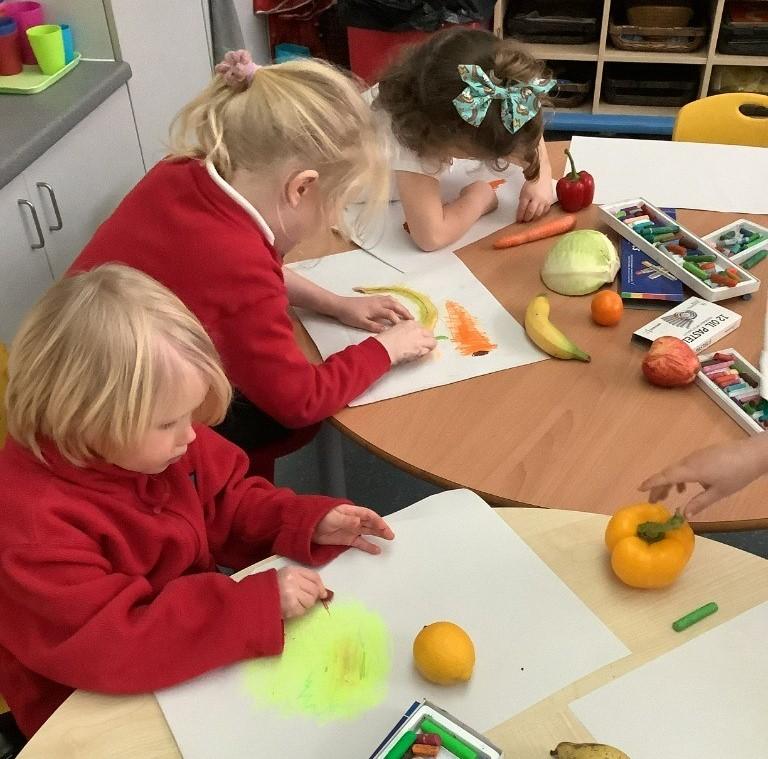
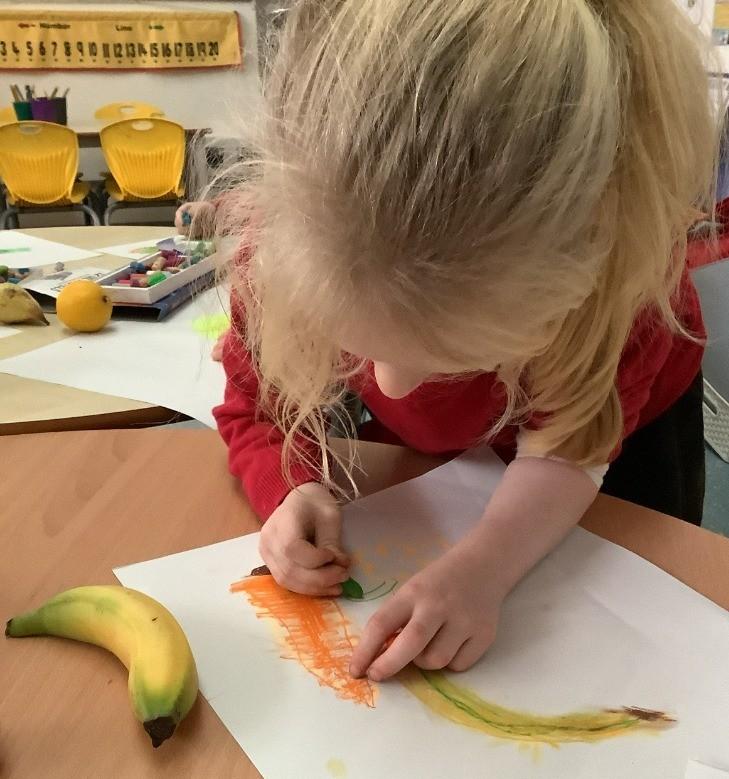
Observational Drawing
We had to look carefully at the fruits and vegetables.
A visit from Lyra
How do I keep my body healthy?
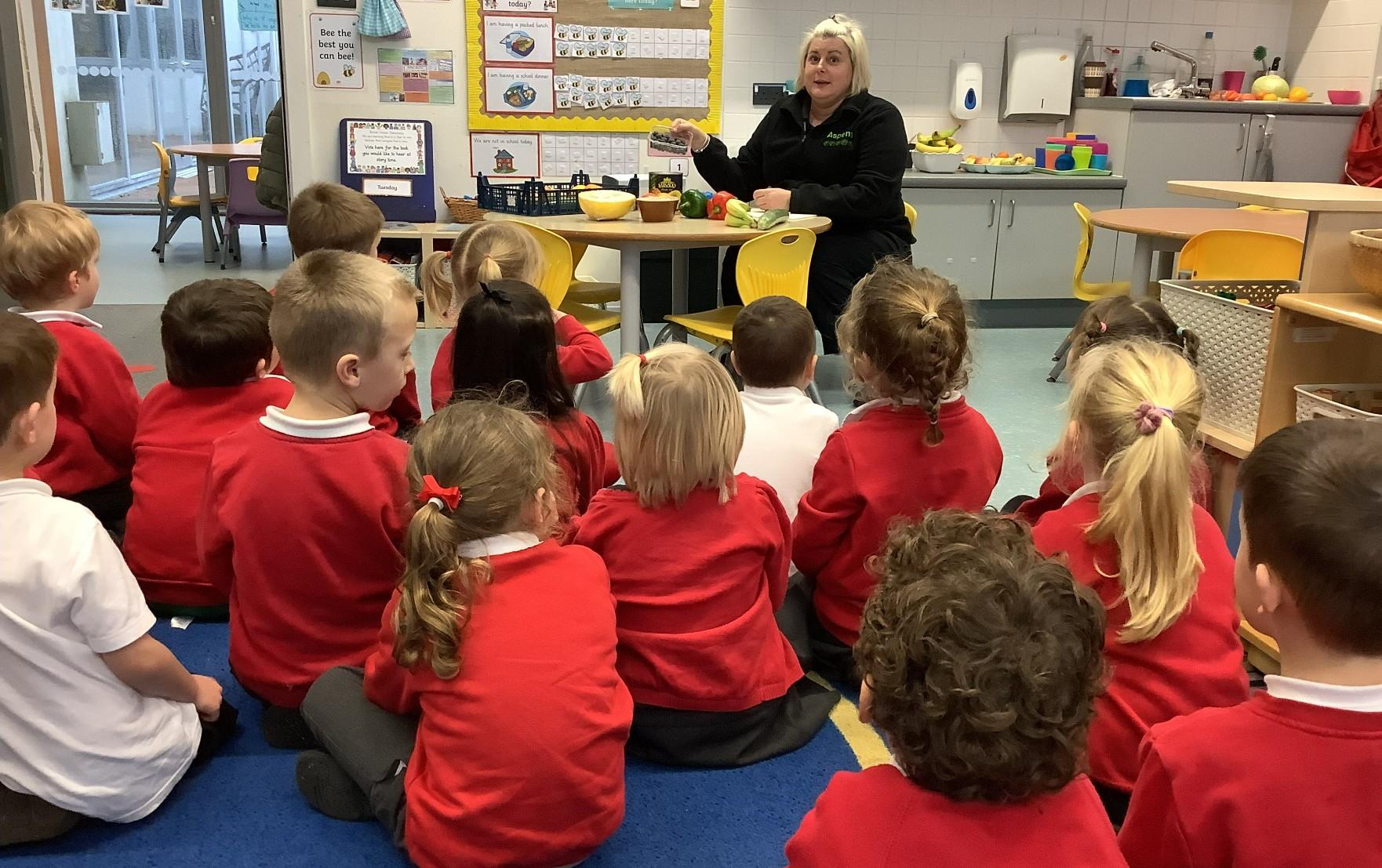
We were very lucky to have a visit from Lyra who works in our school kitchen. She came in to talk to us about healthy and unhealthy foods.
Lyra brought in lots of fruits and vegetables for us to look at and taste. We were all encouraged to try just a little piece even if we thought we might not like it. The funniest part of the talk was when she asked us to suck on a slice of lemon. Some of us liked it but most of us thought it was far too sour!
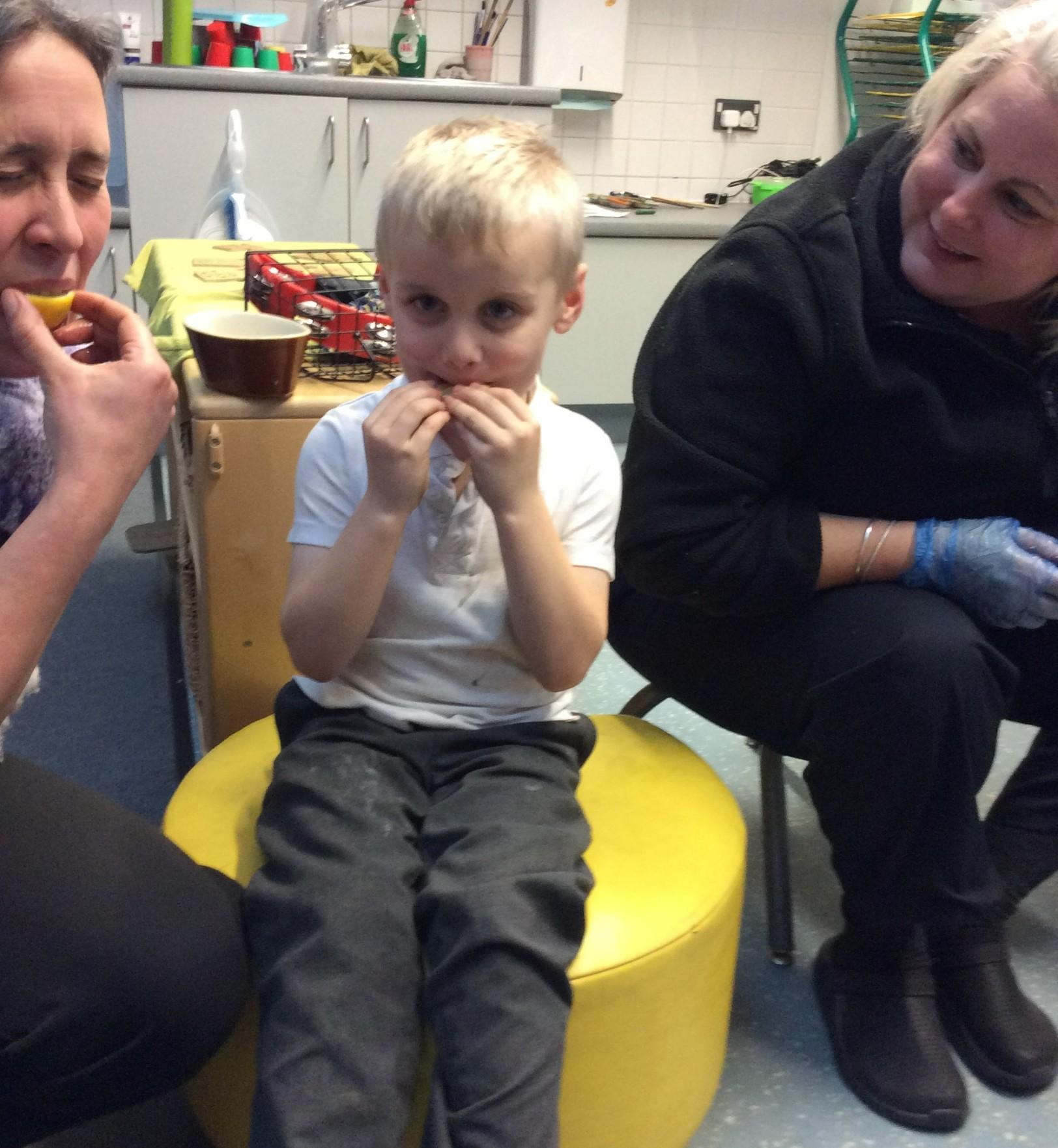
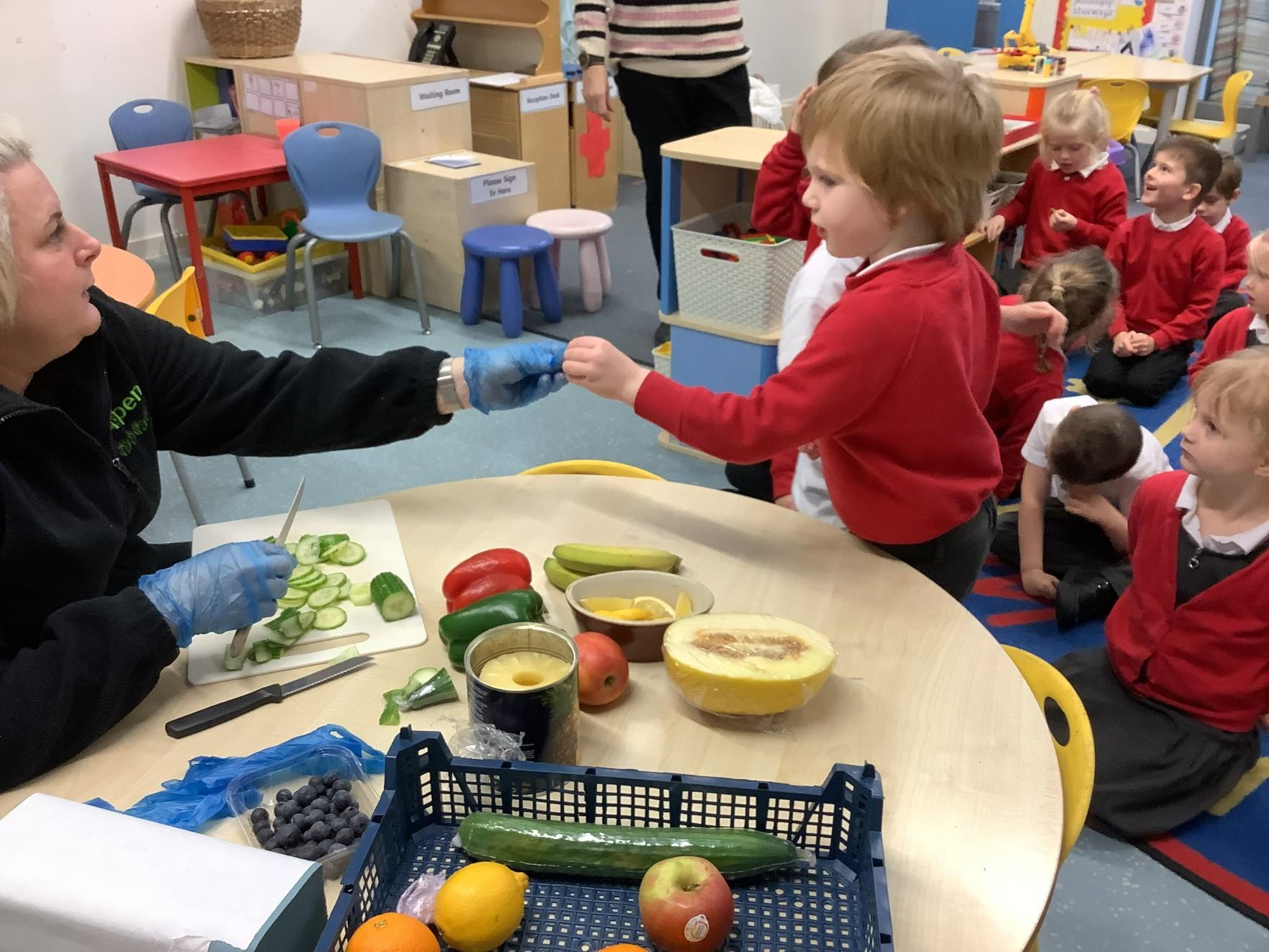
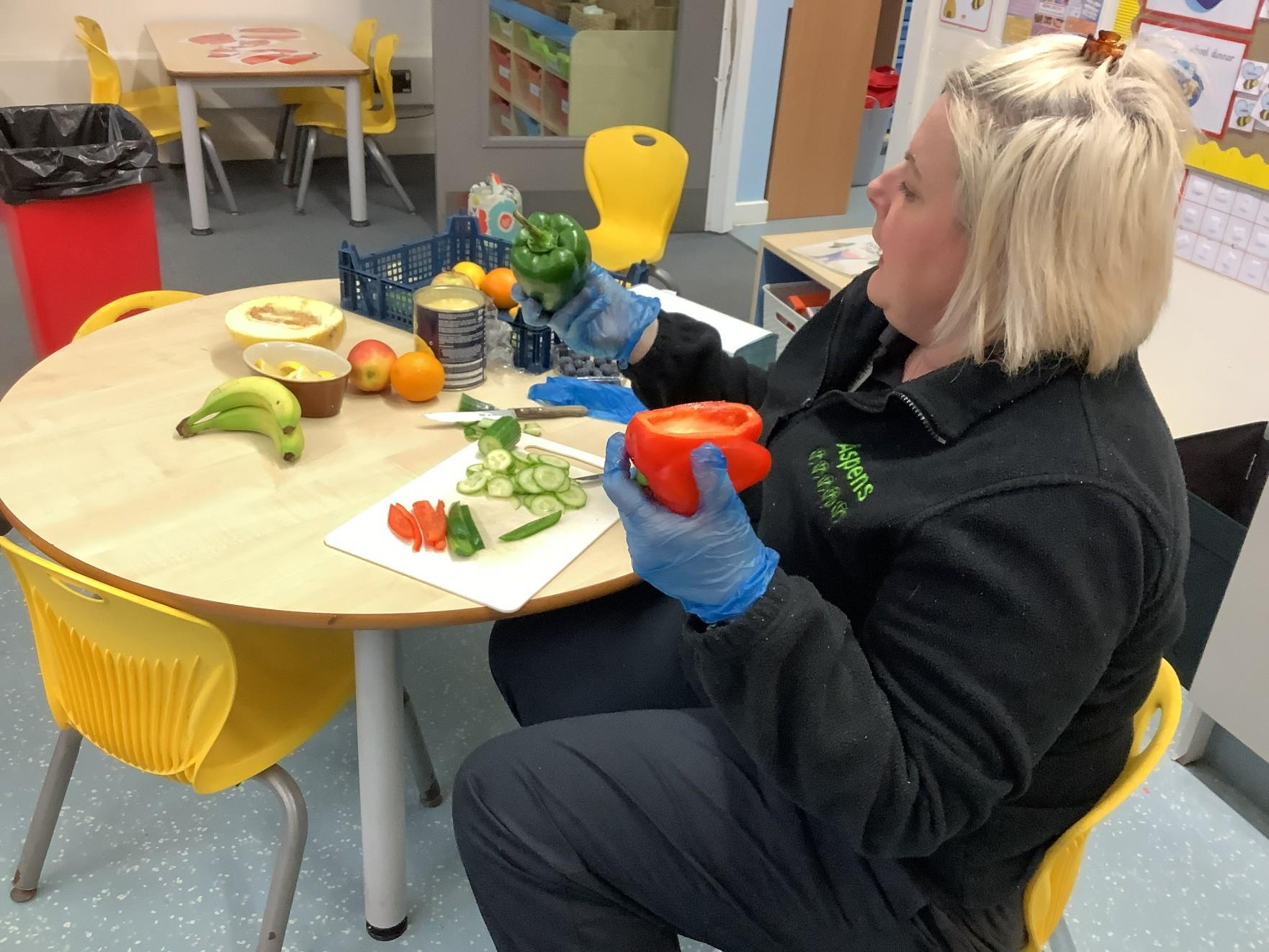
We decided that red peppers were sweeter than green ones.
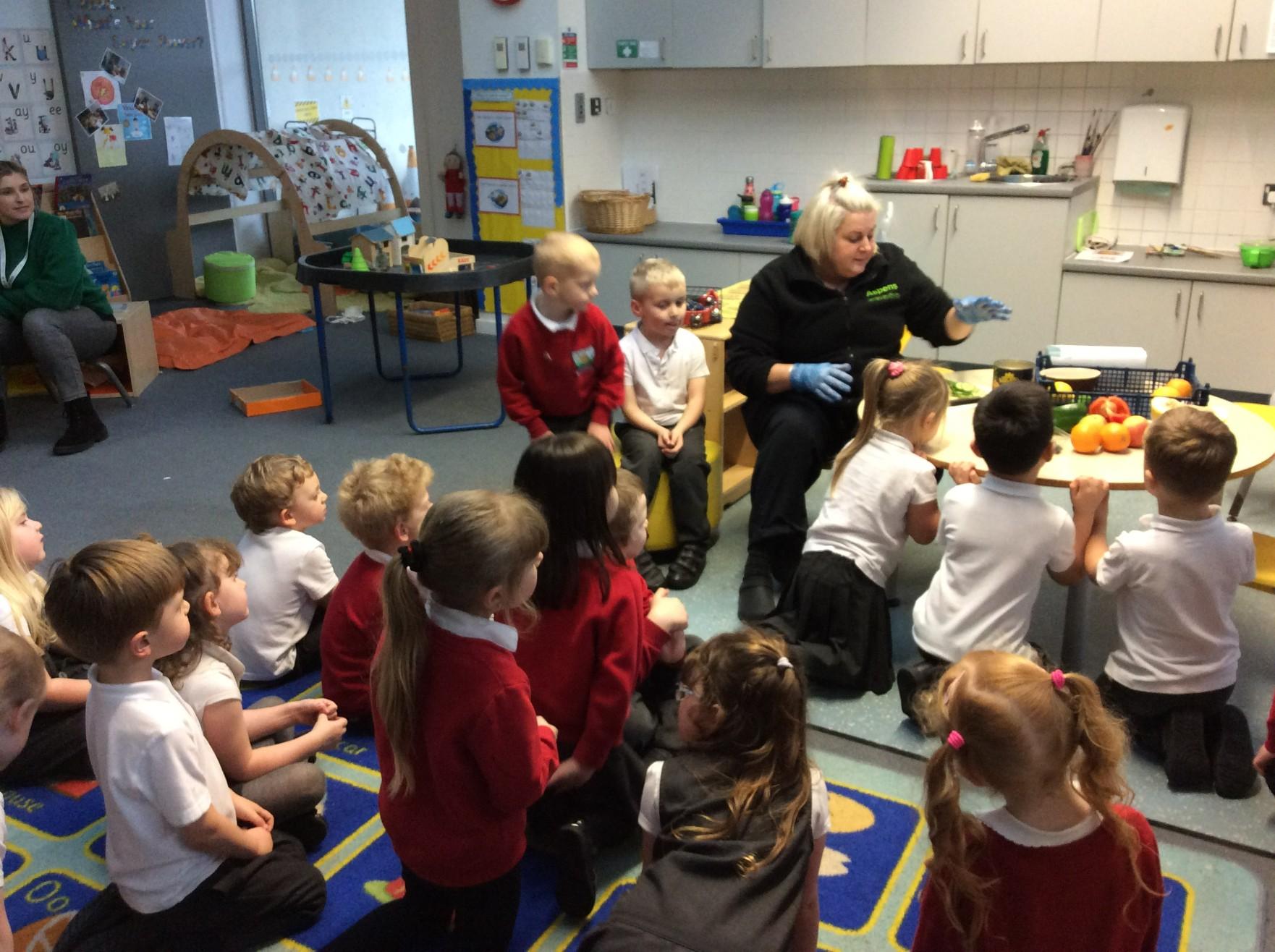
We can now talk about the importance of healthy foods and how these help us to keep our bodies healthy.
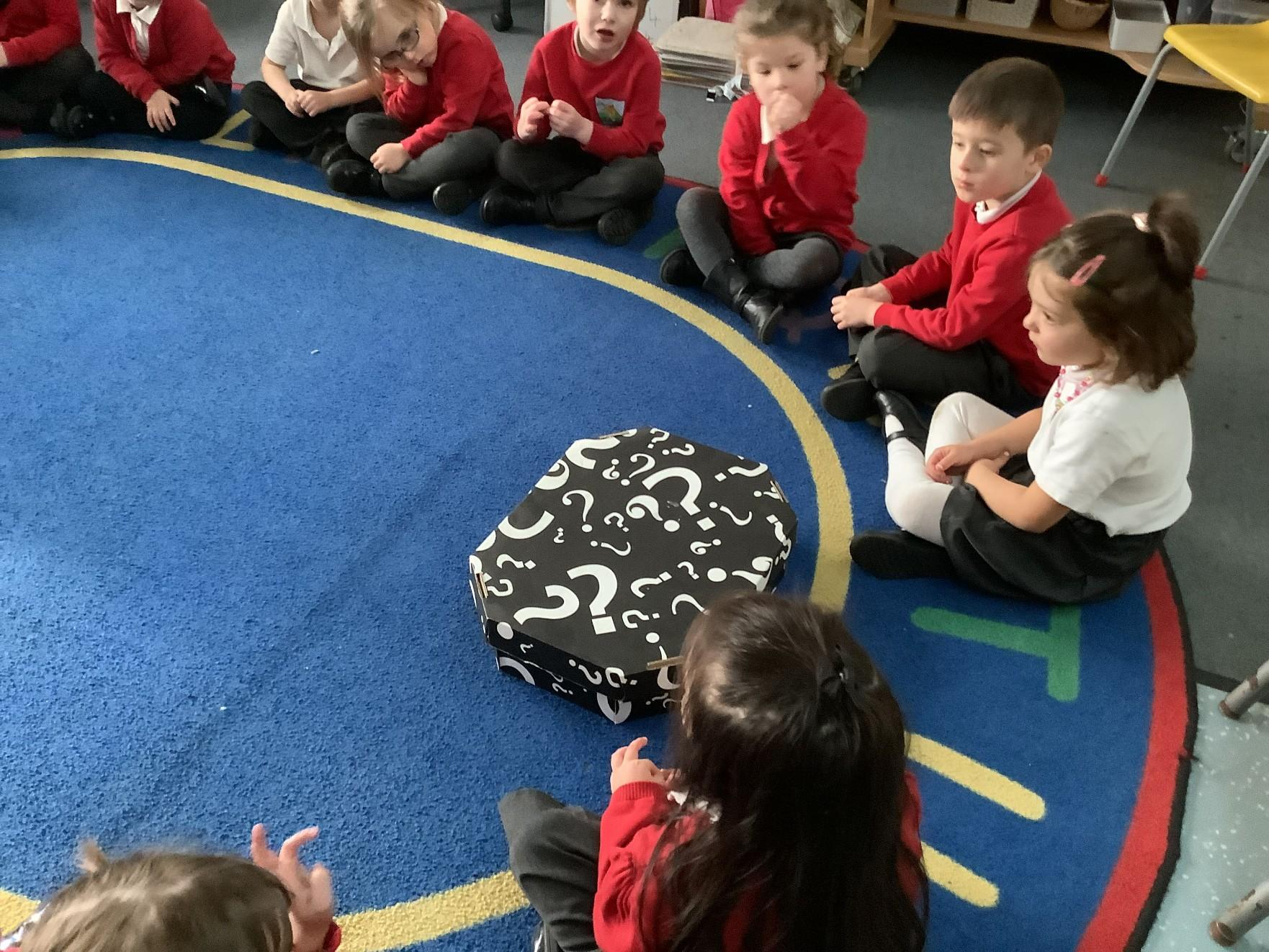
Talking Tub
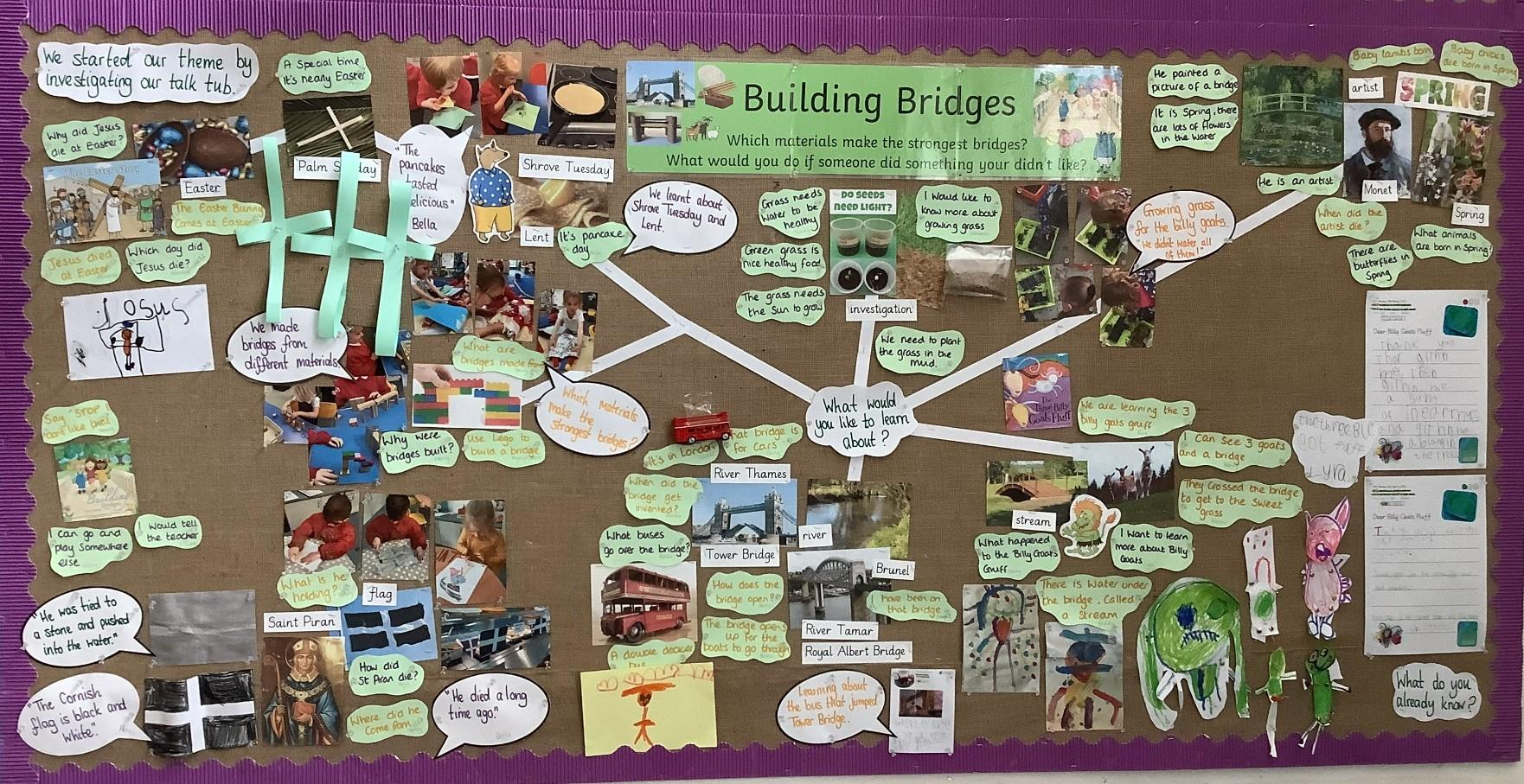
We have started our theme this term by investigating our 'talking tub'.
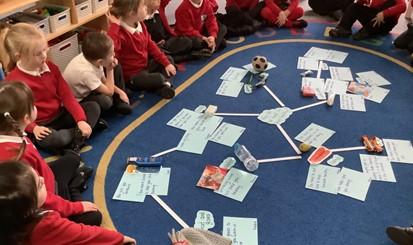
Asking questions and discussing the objects in the talking tub.
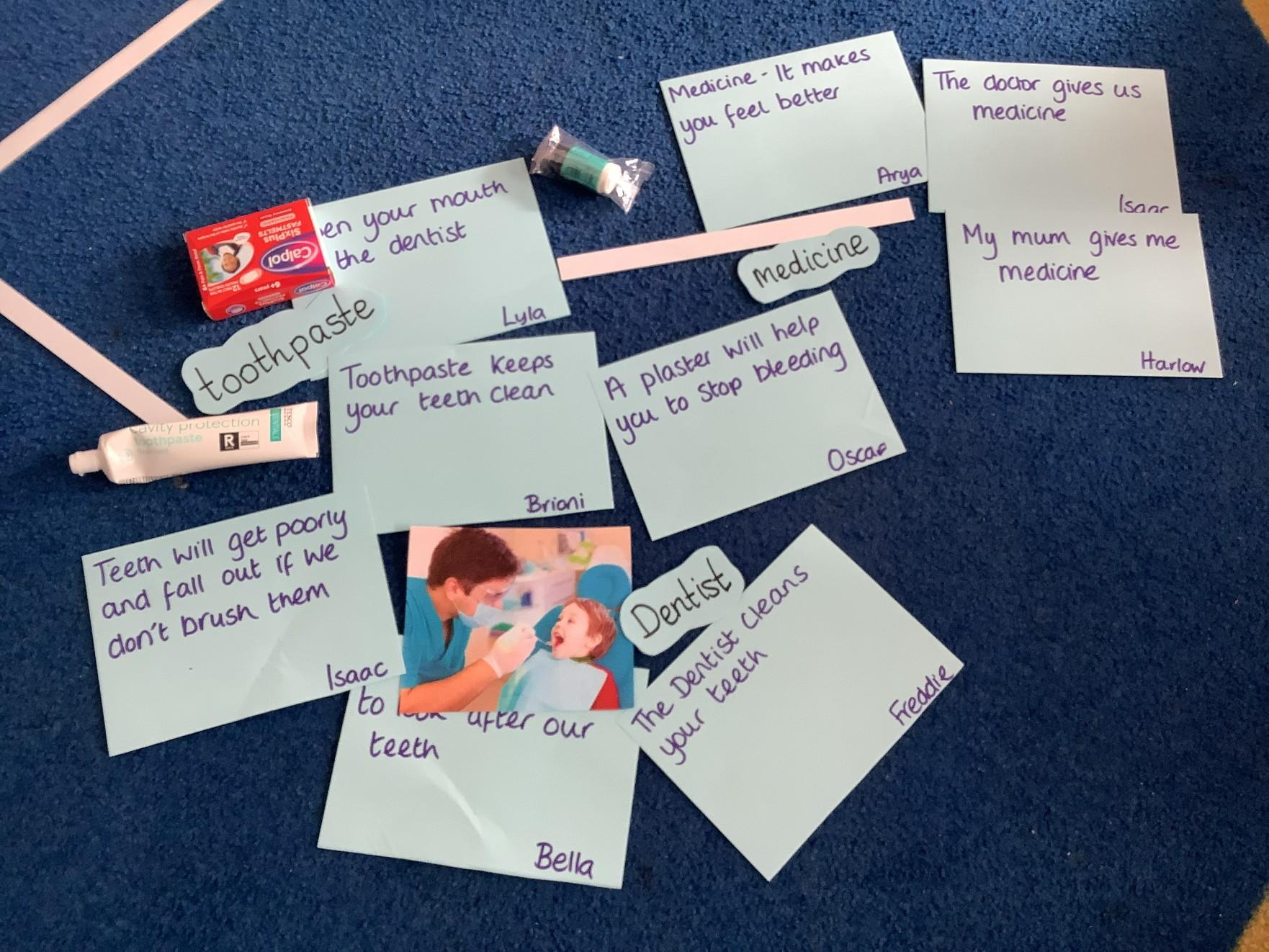
We discussed the importance of keeping our teeth healthy.
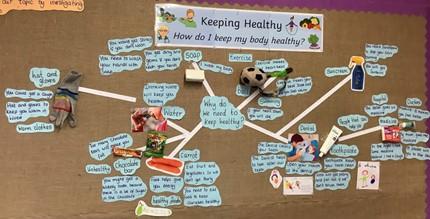
Our finished 'talking tub' theme web. Over the next few weeks we will be learning about the mini themes we discussed.
Phonics
https://schools.ruthmiskin.com/training/view/6HlkwiET/8bWiQILE
This half term we will be learning Set 1 digraphs. We will call them 'special friends'.
The film will introduce you to what we will be learning in phonics lessons in school and how to support your child at home.
We have also attached:
Set 1 sound mat - this contains all the sounds we have and are learning, including the special friends.
Phonics home activities - We do not expect you to do these but they are there if you wish to use them and they may help with consolidating sounds and how to form the letters, using the correct formation.
Fred talk games - these will help you to support your son/daughter if they need more practise with learning to blend.
Home practice cards - Set 1 sounds (pages 1-18 only). You can use these to support sound recognition and blending.

|
Set 1 sound mat | [pdf 2MB] |

|
|
|
Phonics Home Activities | [pdf 8MB] |
|
|
|
fred talk games | [pdf 122KB] |
|
|
|
Home practice cards | [pdf 2MB] |
|
Enjoy our Flipbooks of Rich Learning...
|
New Link |
| Lights Up! |
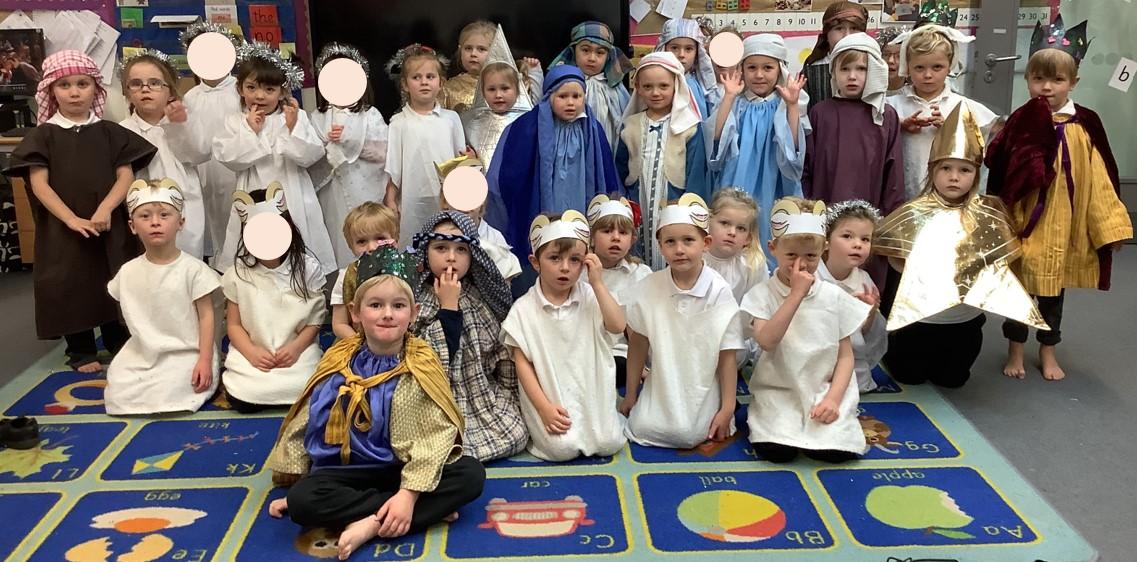
Nativity Play
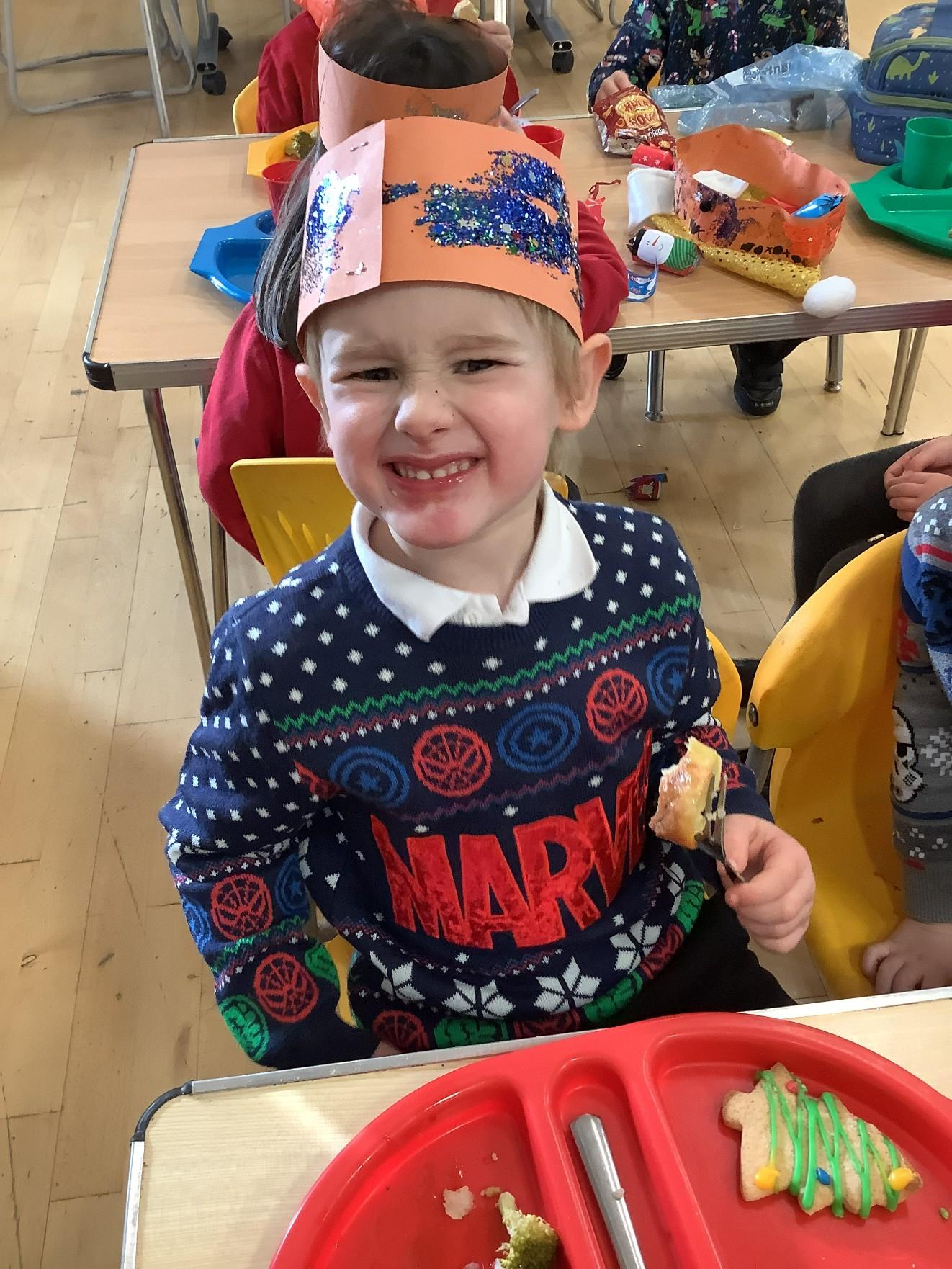
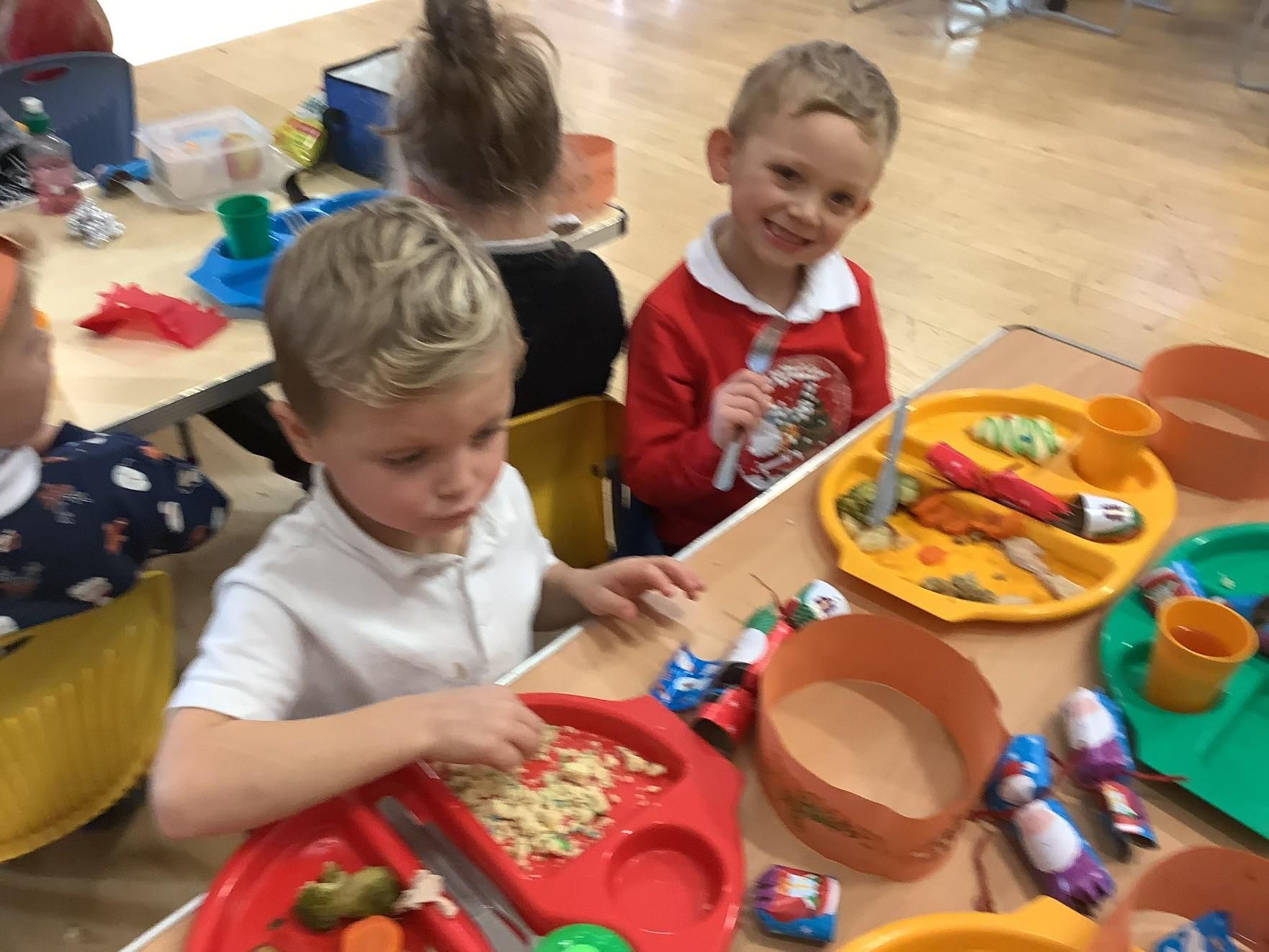
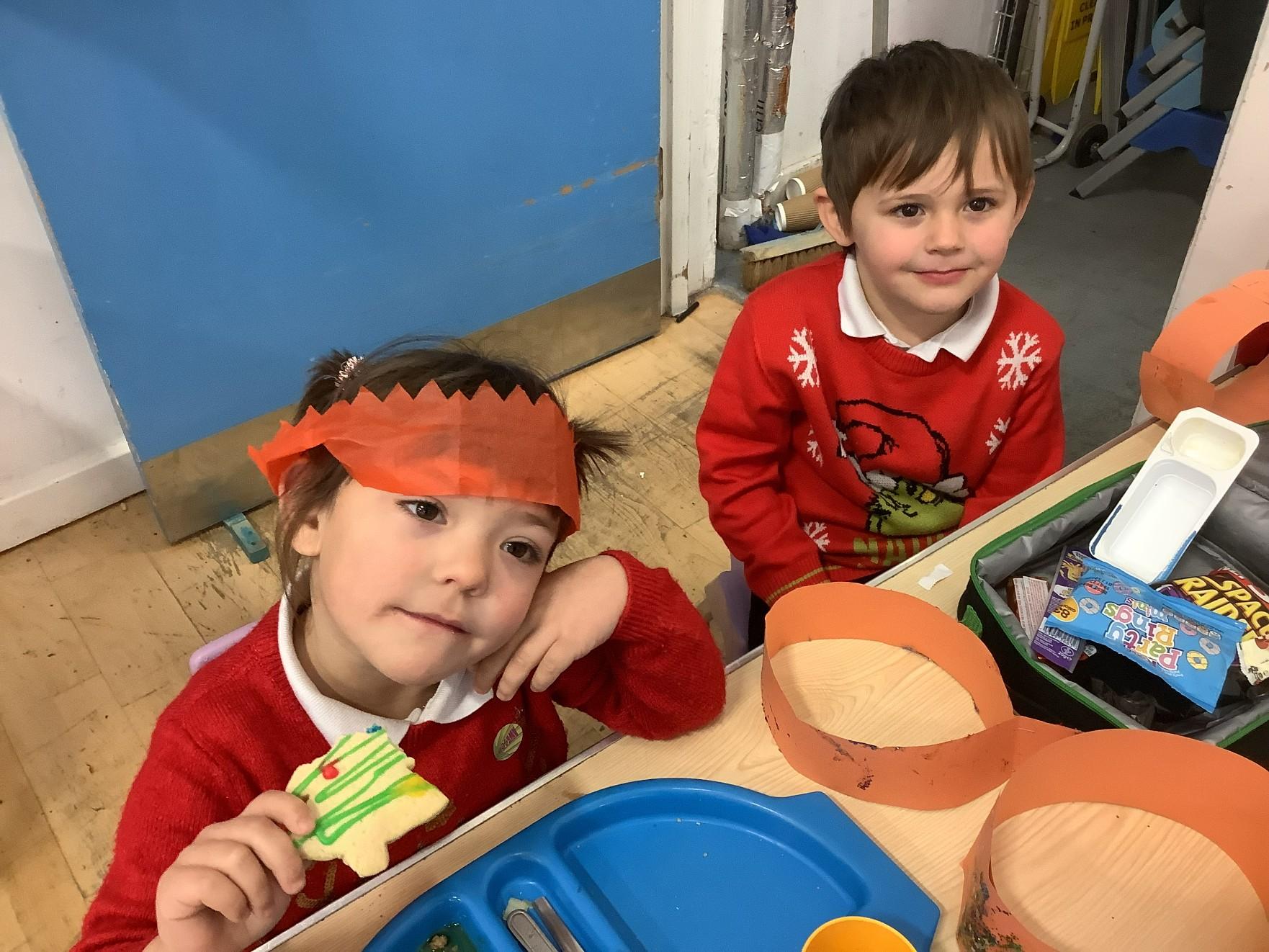
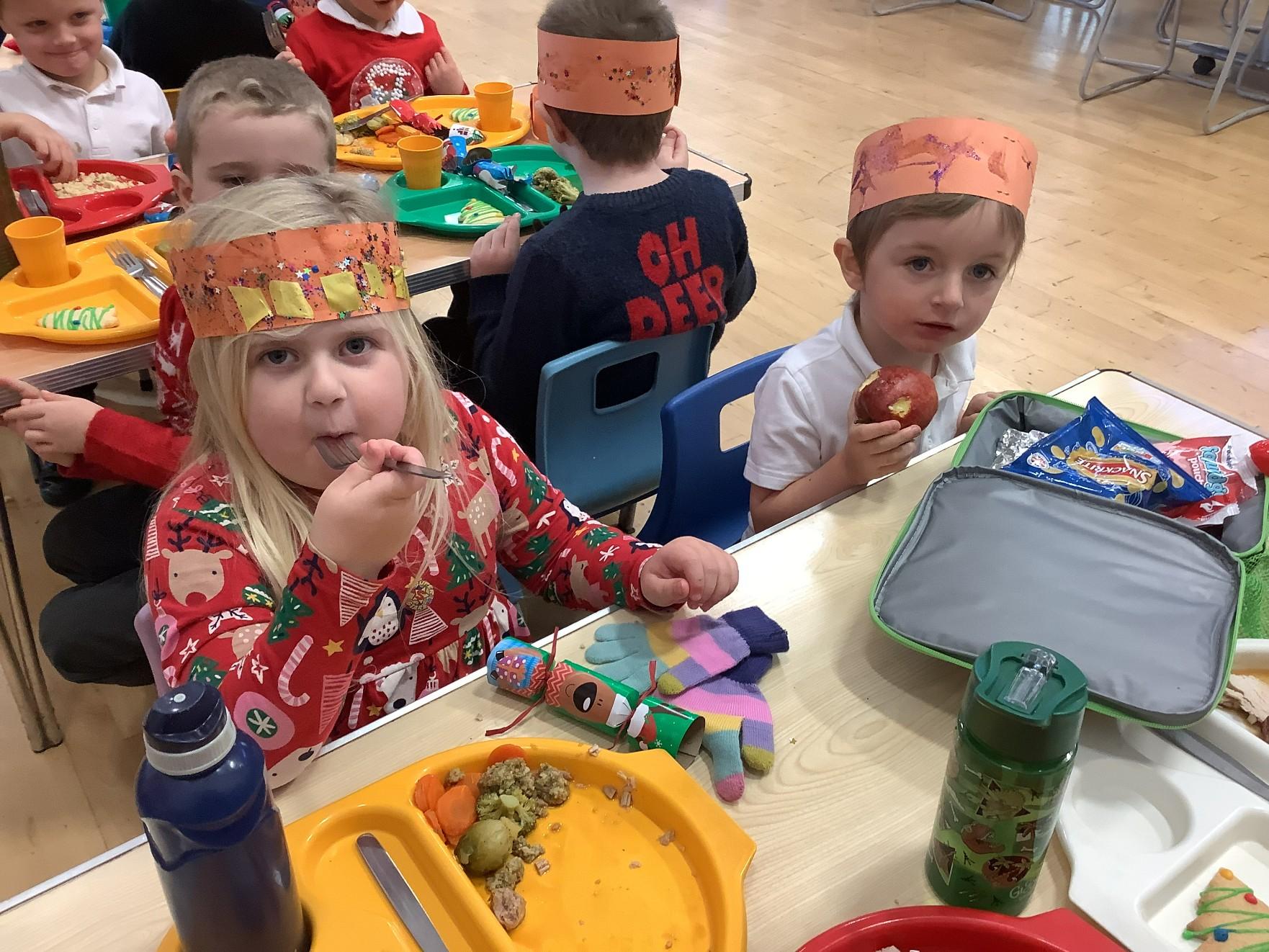
Christmas Dinner
We had great fun having our first Christmas dinner at school. We all made hates and enjoyed pulling the crackers with a friend.
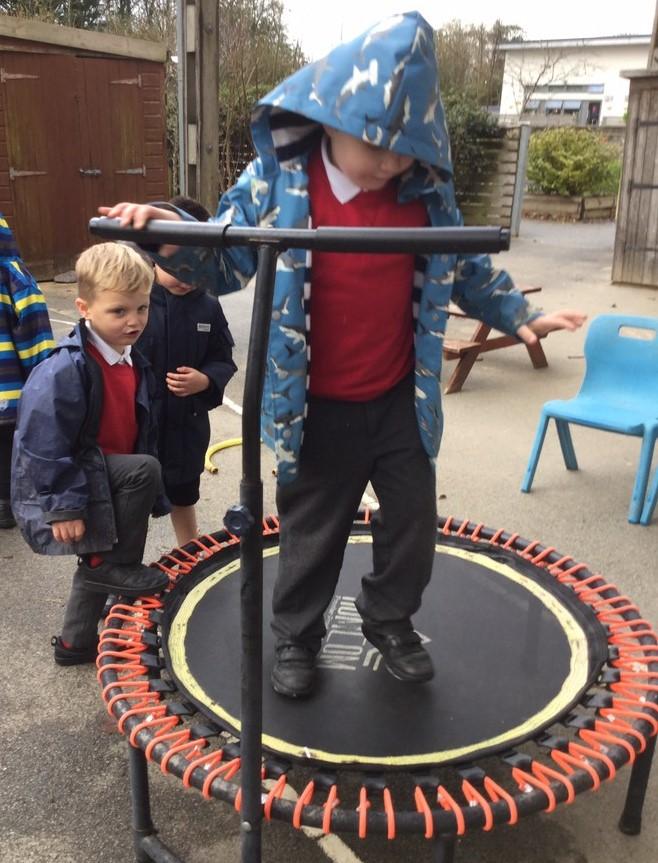
Counting to 5
The children came outside to join in with their friends on the obstacle course. They counted to five bounces and climbed up and over 5 creates before weaving through 5 cones and throwing and catching the bean bag 5 times. They all took turns and helped each other count.
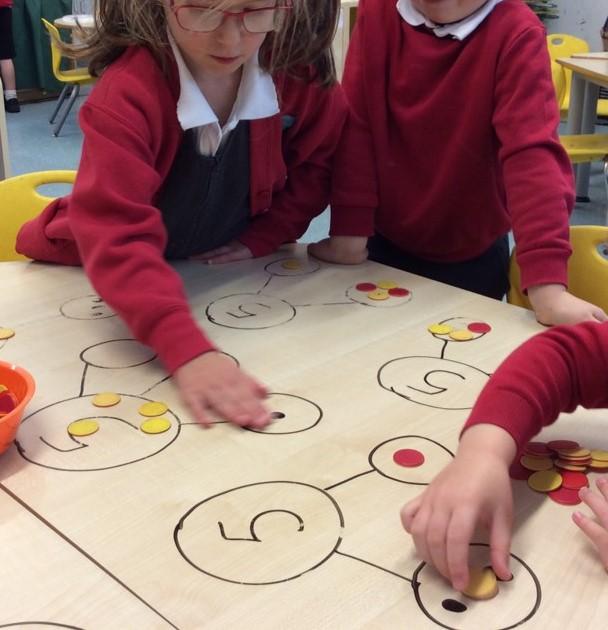
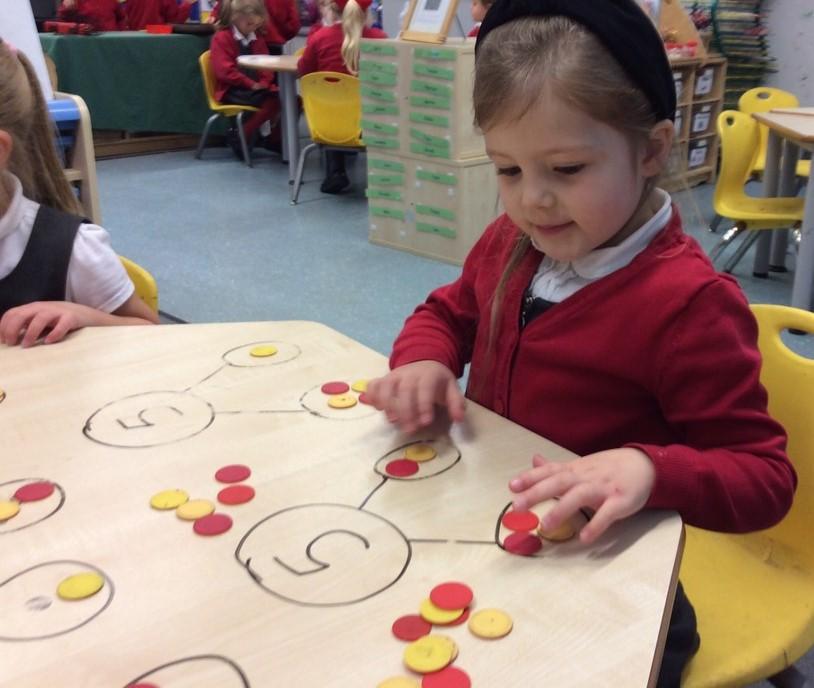
Making 5!
These mathematicians have been investigating different ways of making 5.
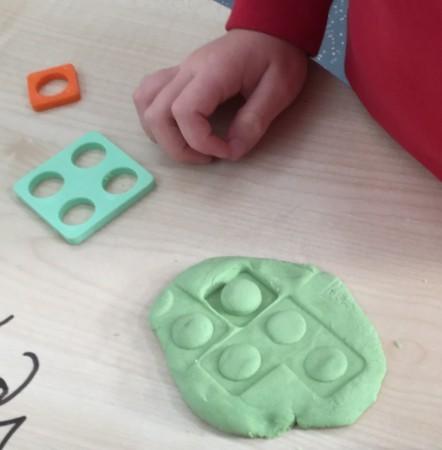
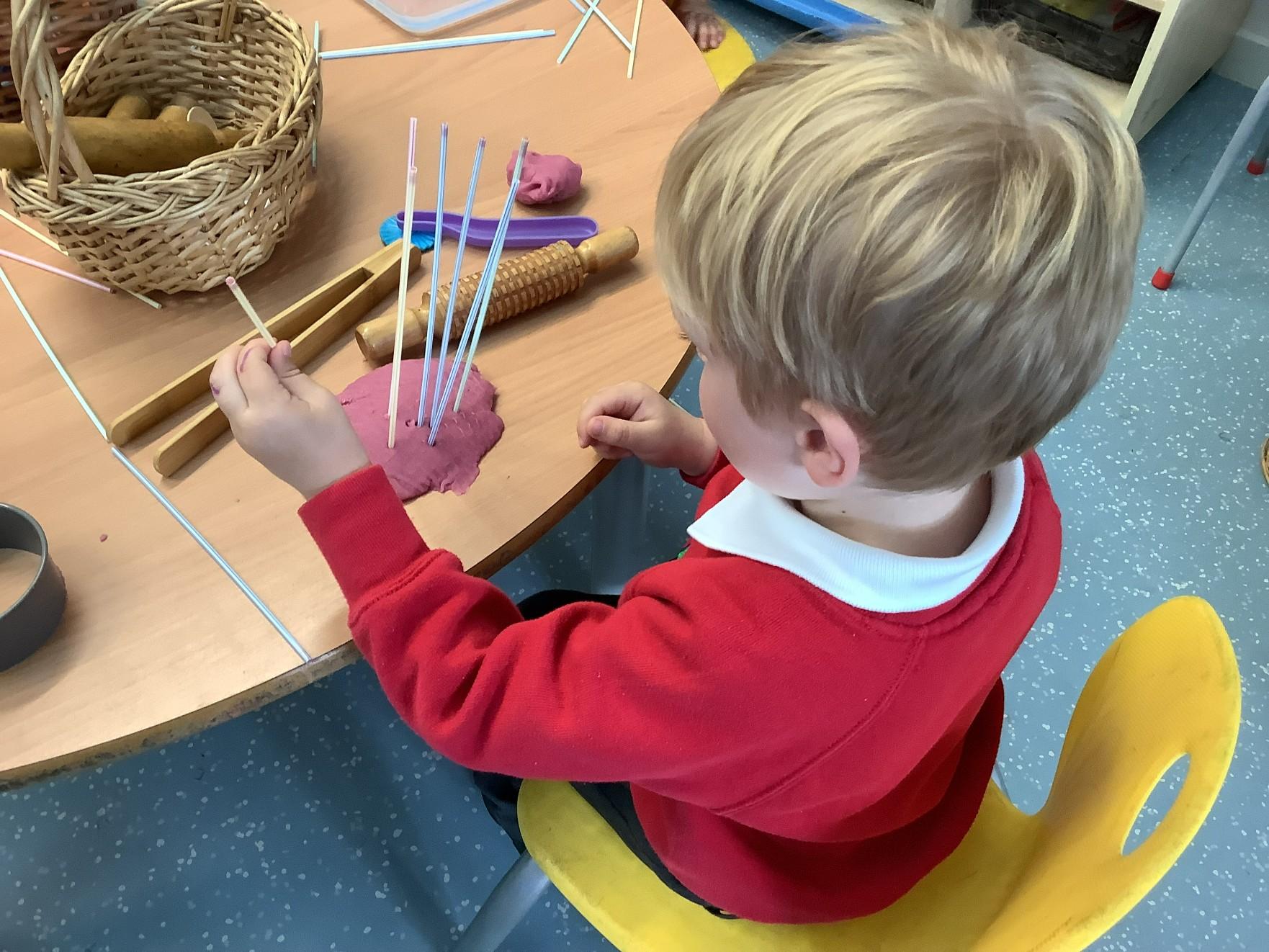
Showig off our maths skills in busy learner time. Using the play dough to make the numbers four and five using the numicon.
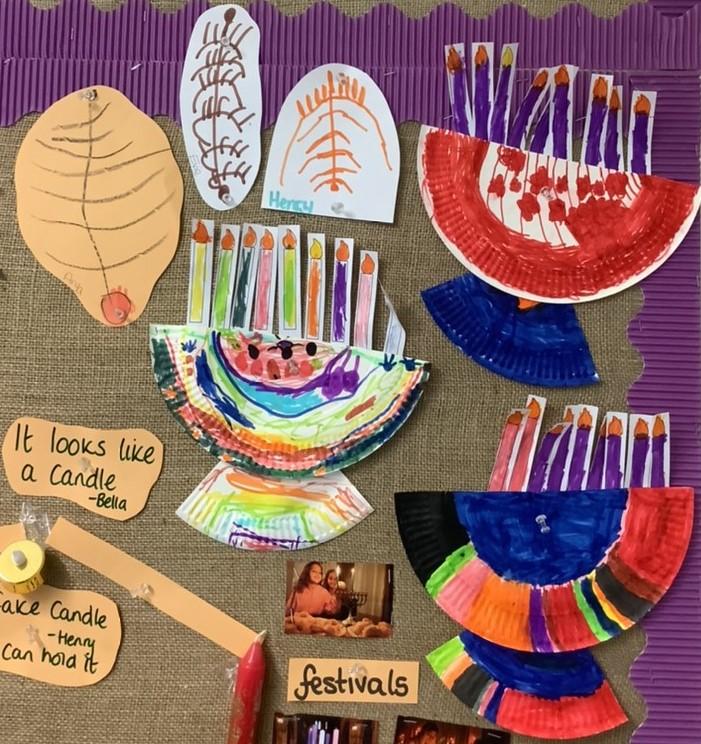
Hanukkah
This week we have been learning about Hanukkah.
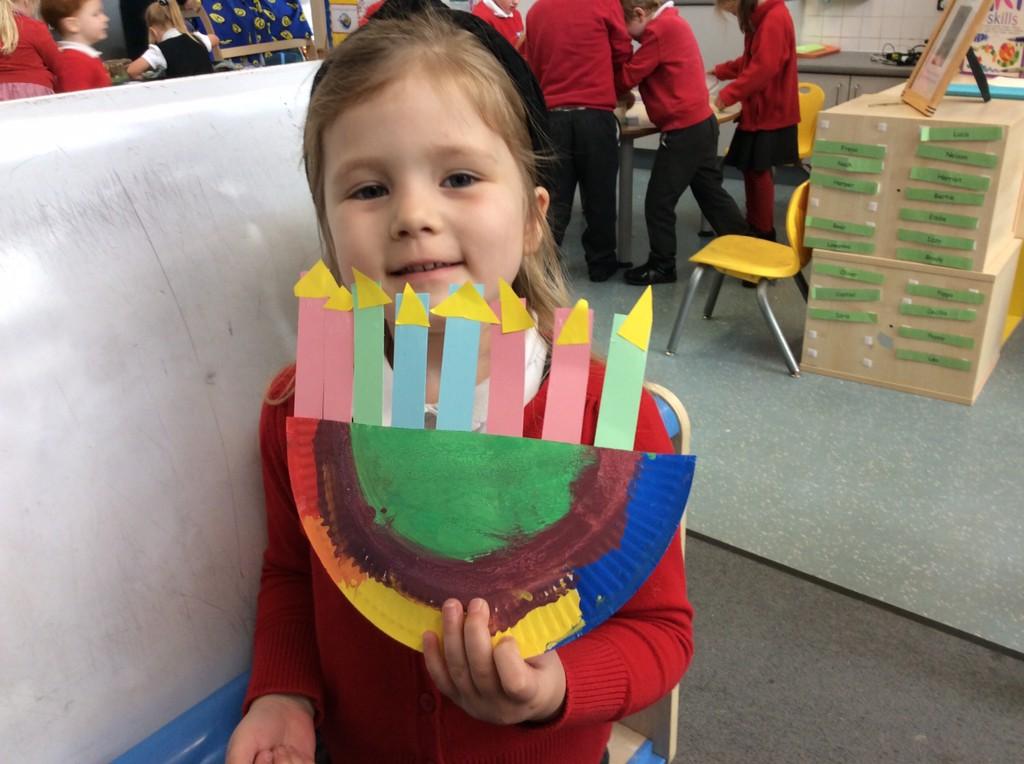
Menorah
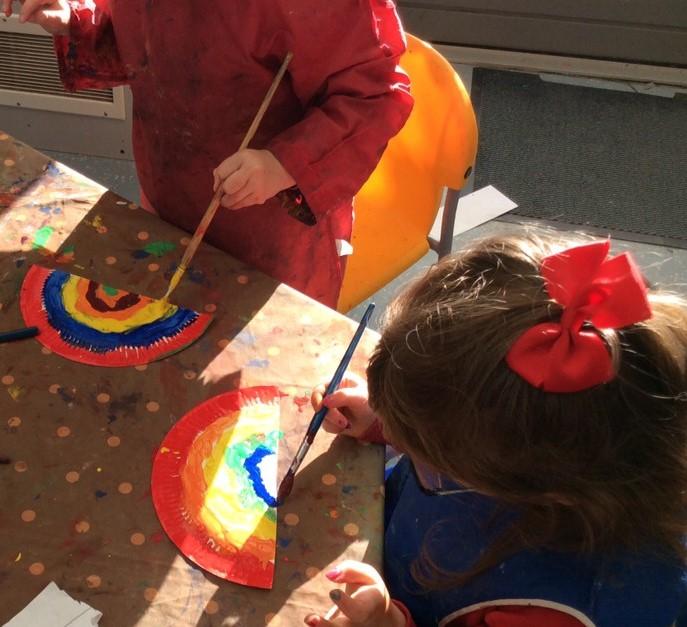
Making our own menorahs.
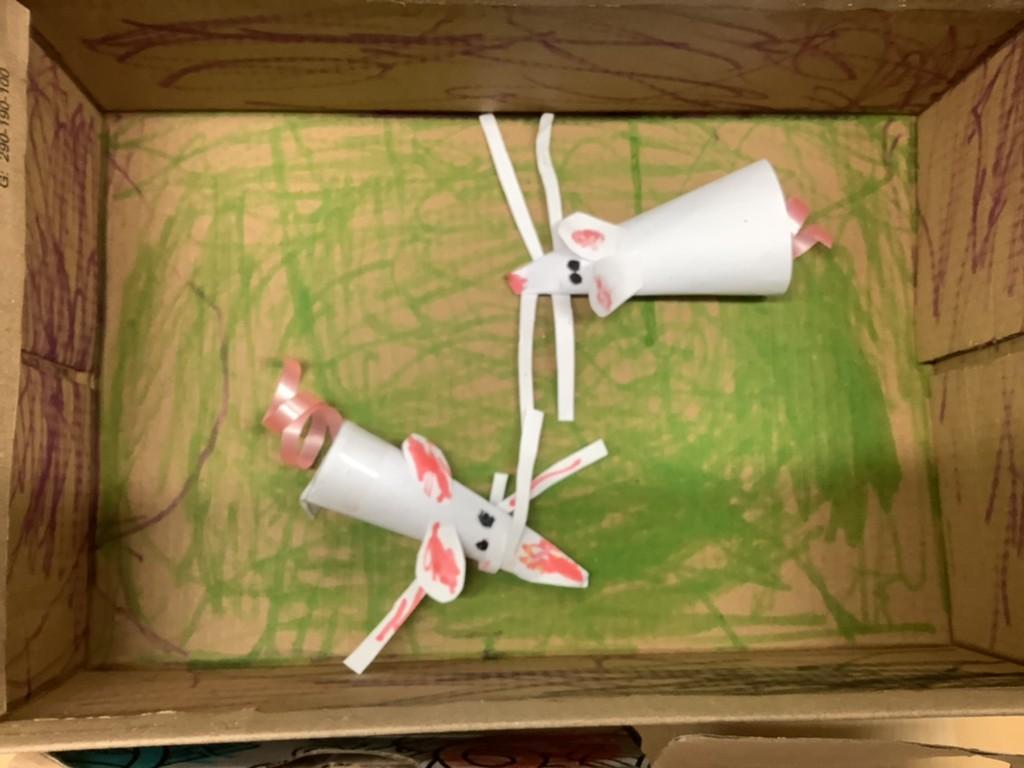
Hanukkah's Mice
We read the story of Hanukkah's mice and then made our own.
Remembrance Day
Today we have been learning about Remembrance Day.
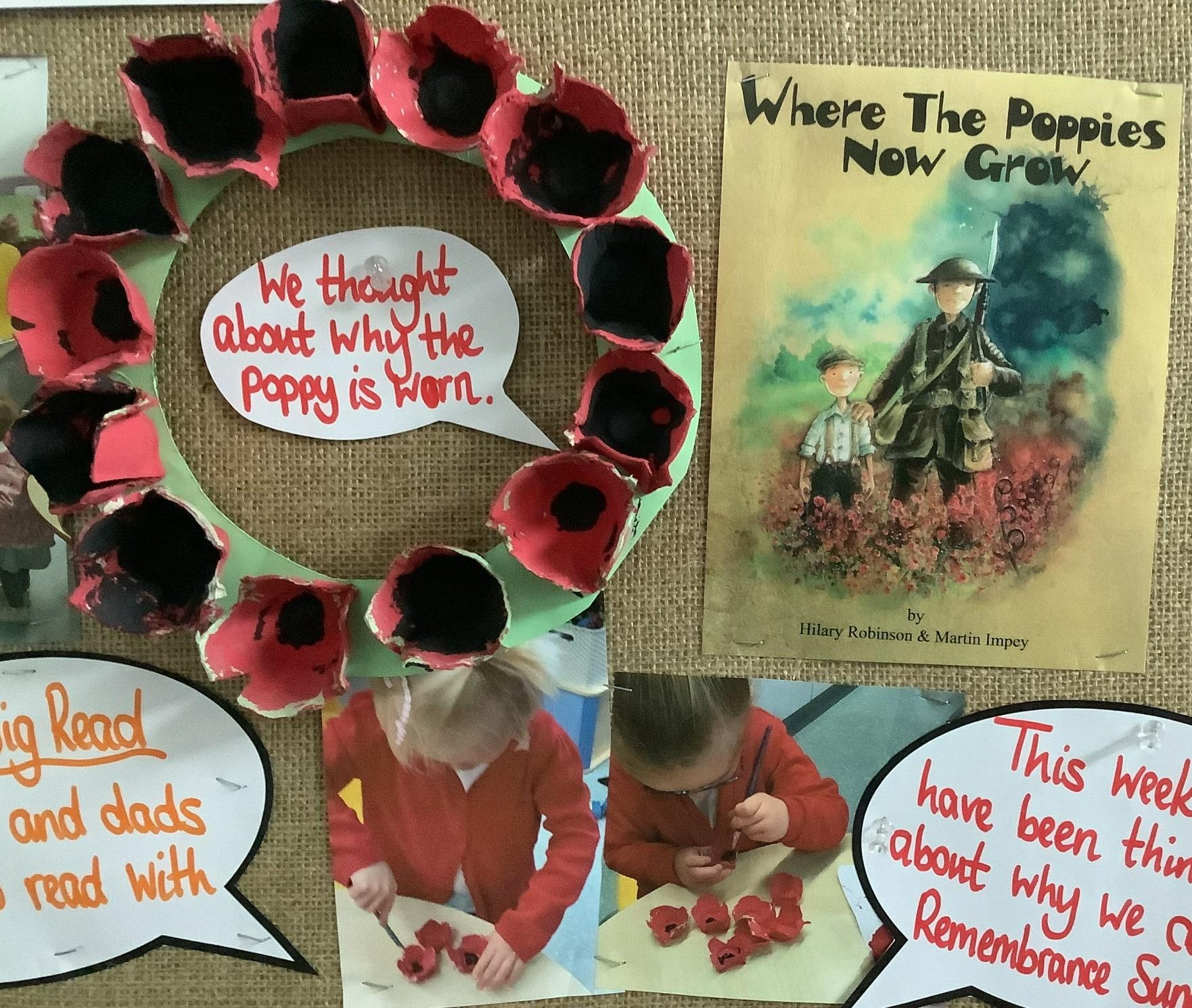
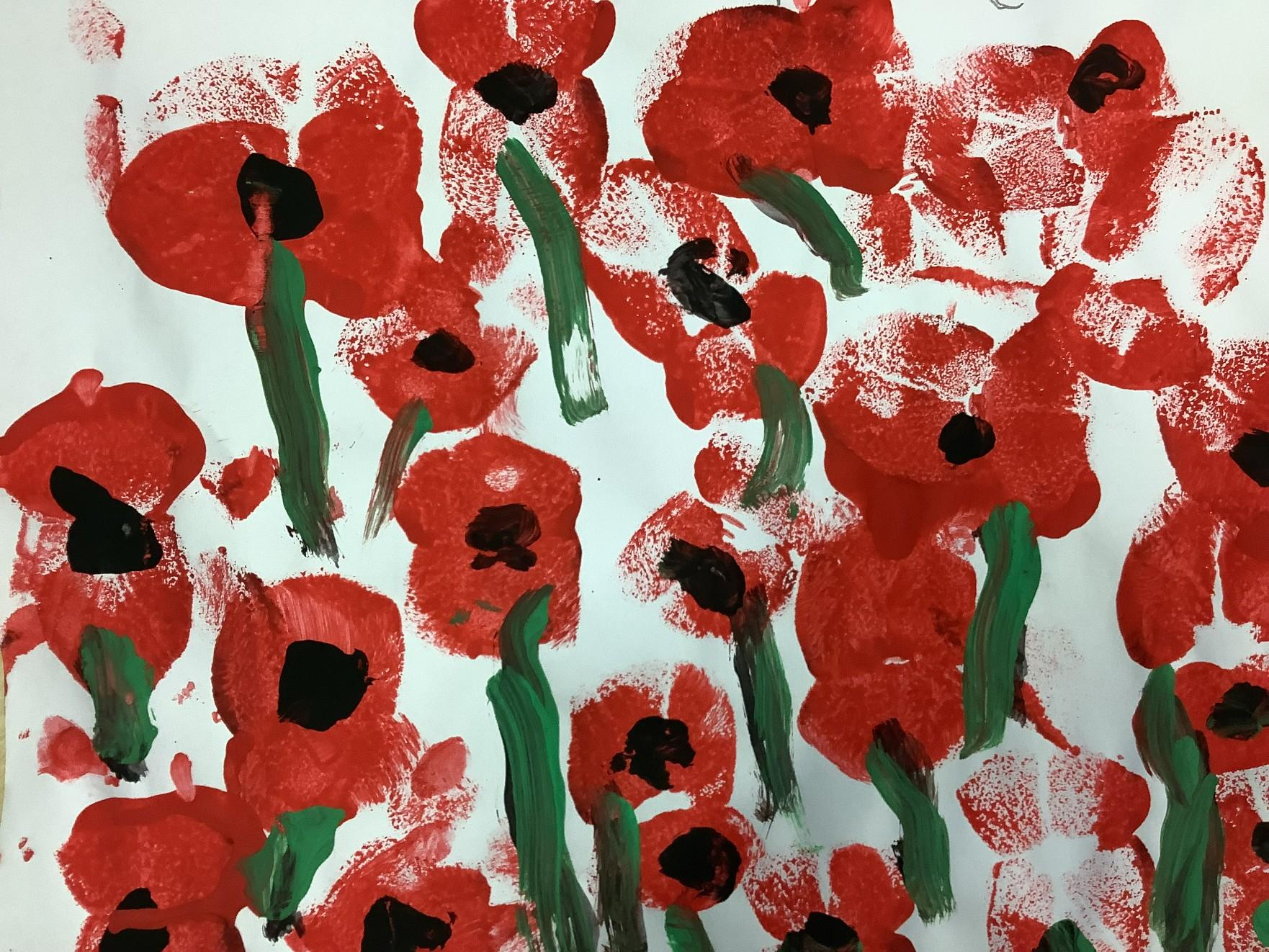
Why is the poppy worn?
The red poppy is a symbol of both Remembrance and hope for a peaceful future.
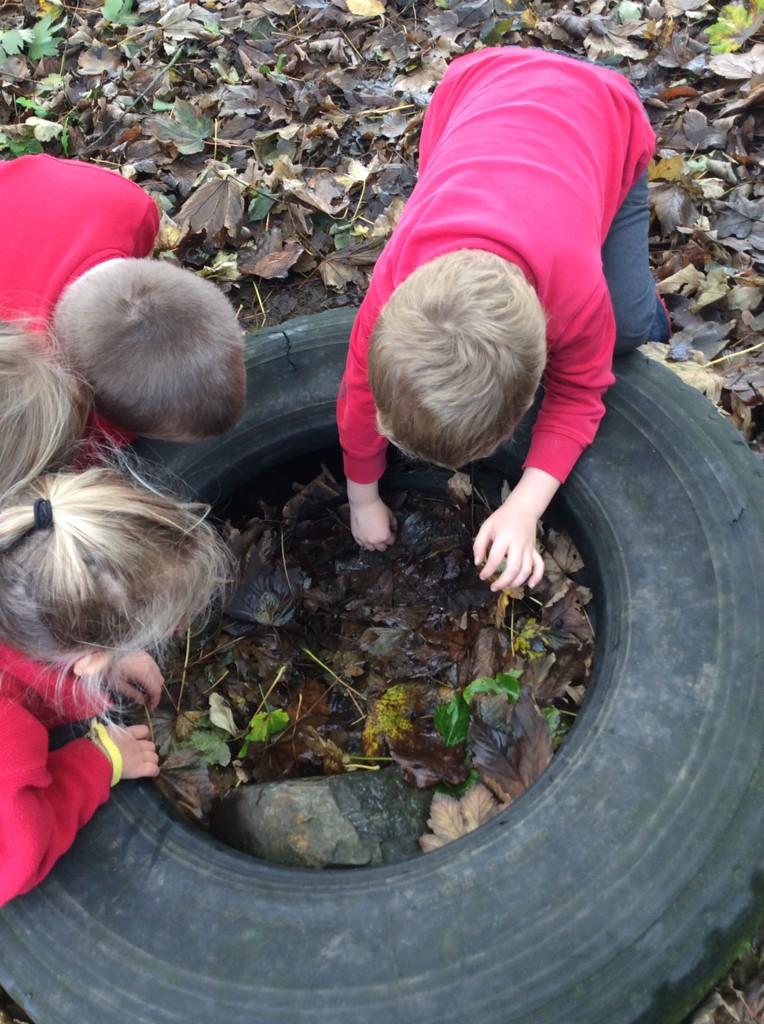
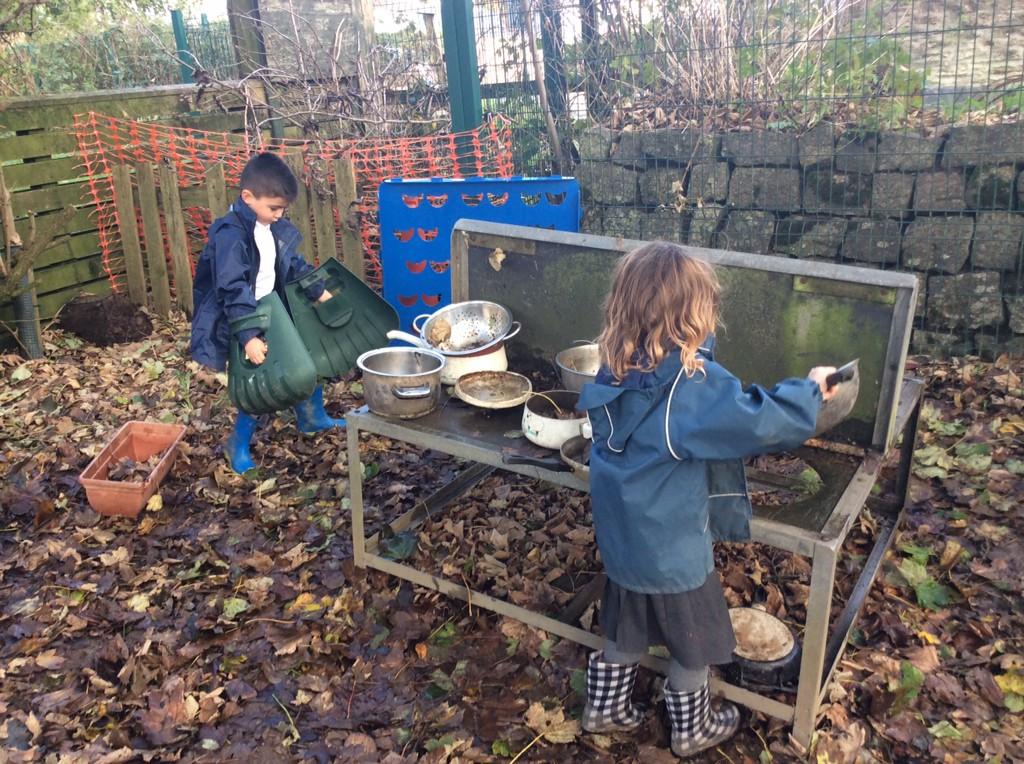
These busy learners investigated the garden hunting for slugs and snails. We asked them where they thought we might find them... they had loads of great suggestions: dark places, under rocks, in the leaves. They then took turns to use the magnifying glasses to take a close up look at them.
After reading Kipper's Birthday, these busy learners wanted to make a birthday cake for the party. They discussed what equipment they needed and what ingredients they needed. They made reference to the ingredients listed in the story and found things to represent them.
Enjoying being outside
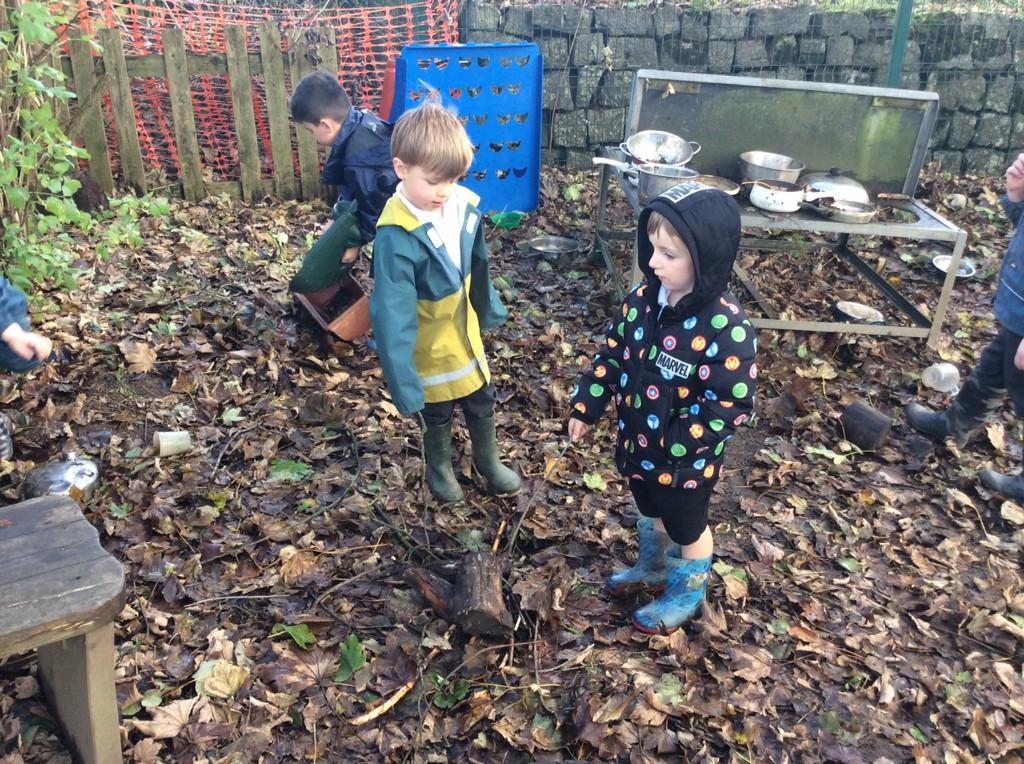
These busy learners wanted to build a fire to toast marshmallows. They worked together to collect sticks and then hunted for the perfect stick for roasting marshmallows.
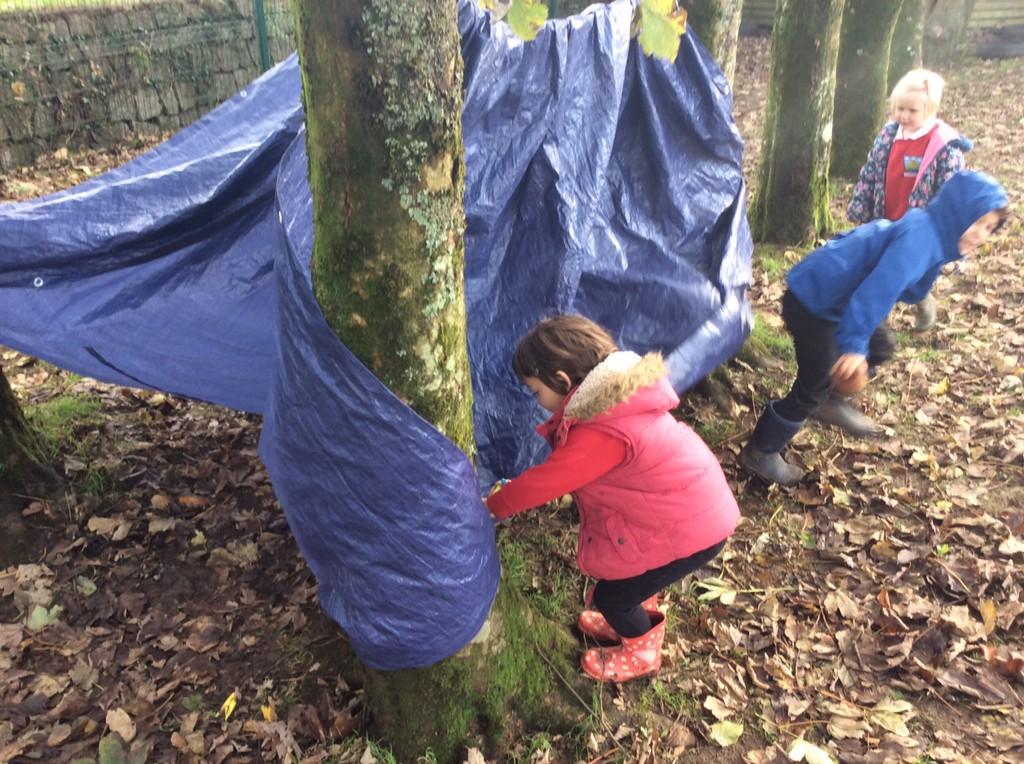
These engineers worked hard to build a den. It kept blowing down in the wind but they continued to try and find a way to keep it up. They used pegs to hold it in place.
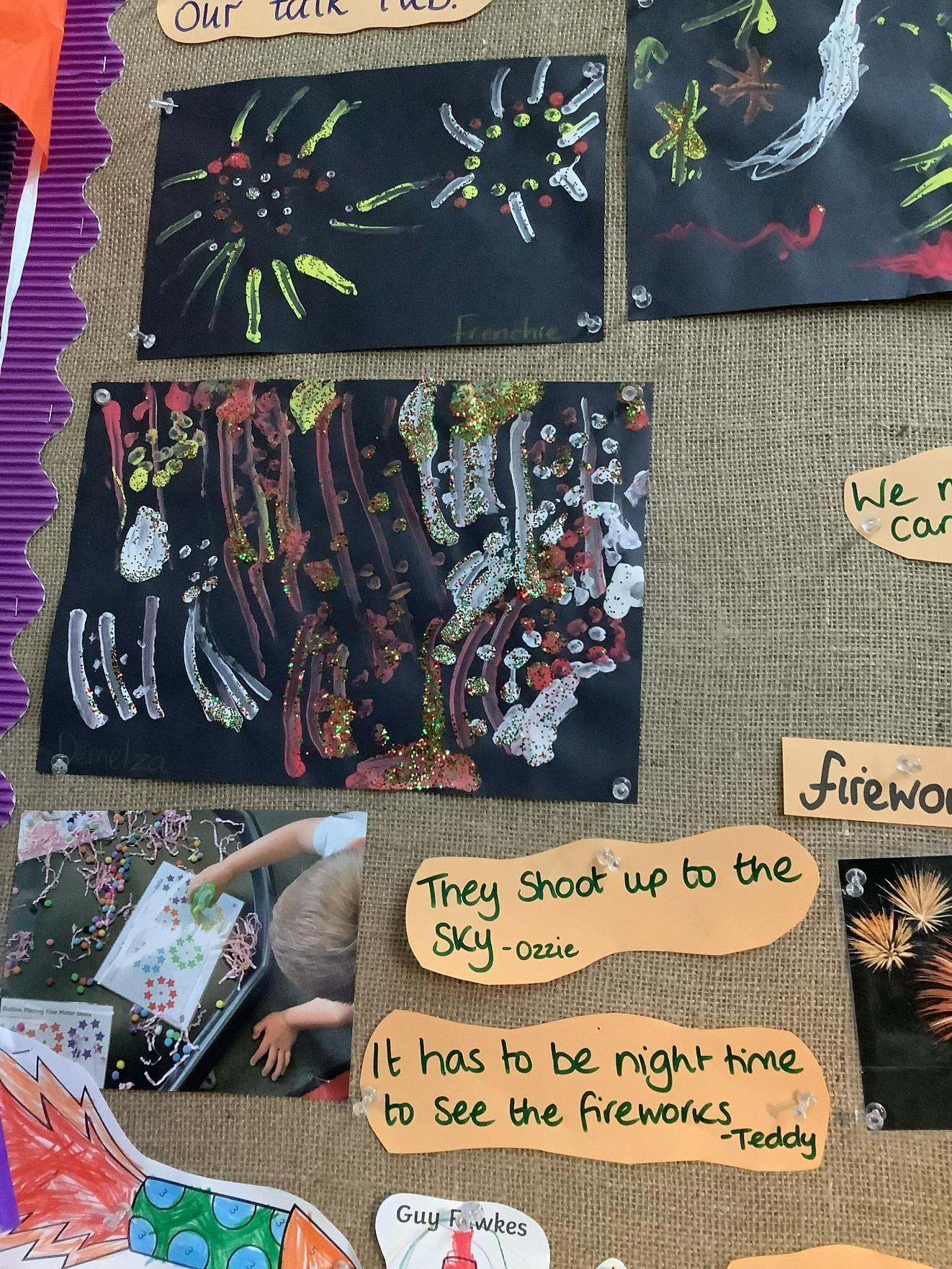
Remember Remember the 5th of November
We discussed why we celebrate the 5th of November.
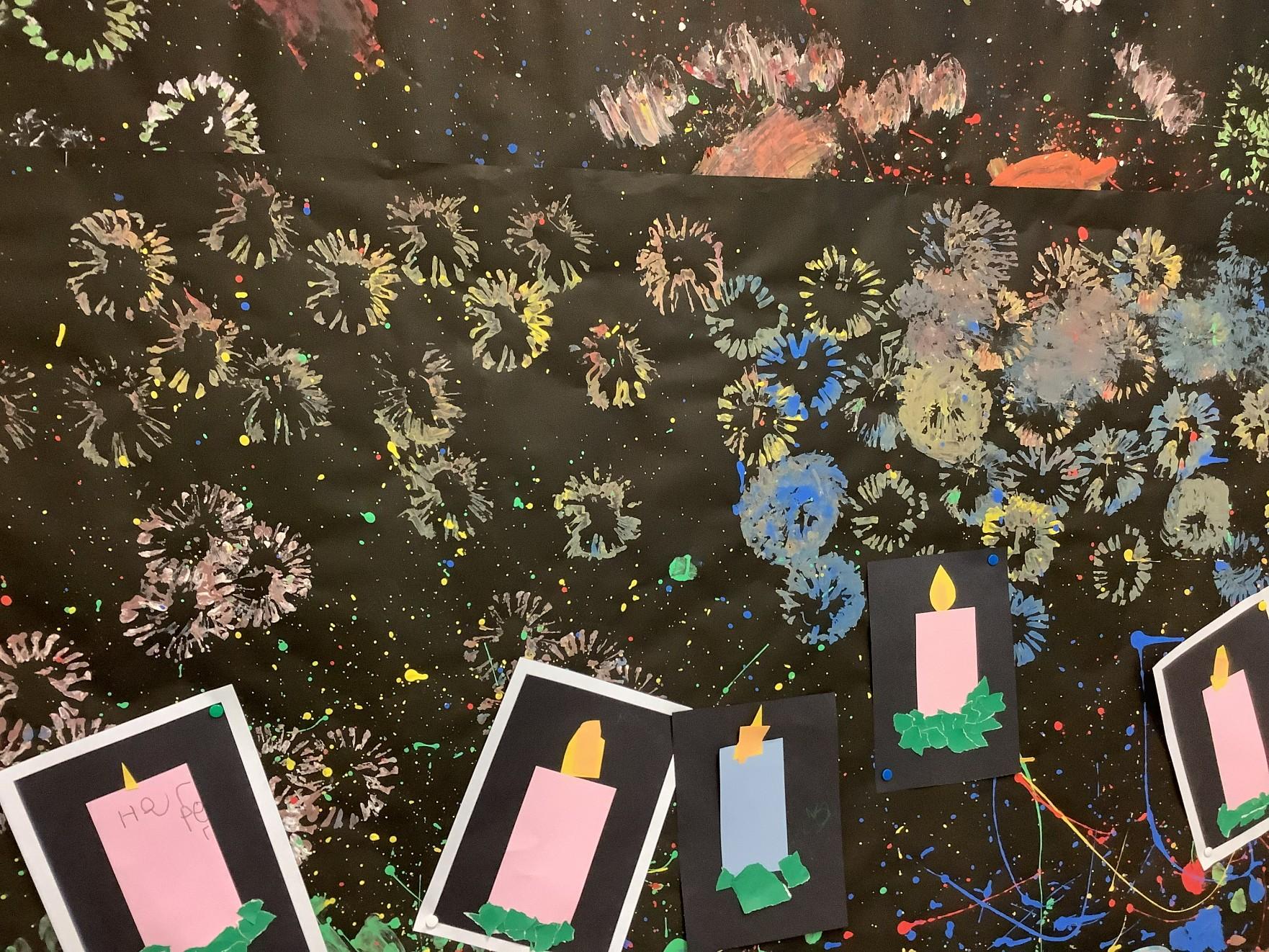
We watched and listen to live fireworks and discussed the sounds, colours and shapes they created. The children then worked collaboratively to create amazing firework pictures.
We also learnt about firework safety and discussed how we can stay safe on bonfire night.
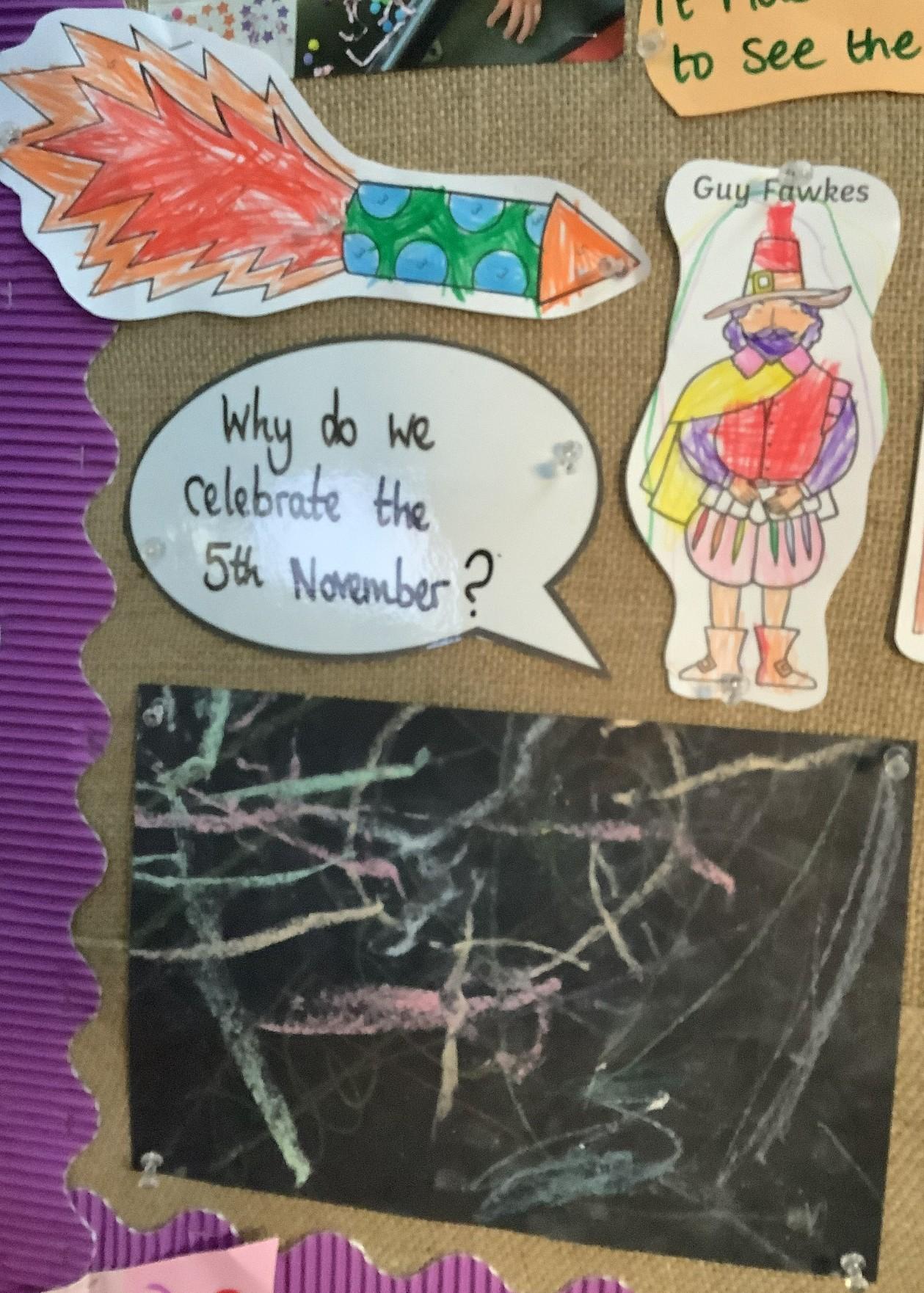
Guy Fawkes
We listened to a story about Guy Fawkes and learnt about his plot to blow up the King.
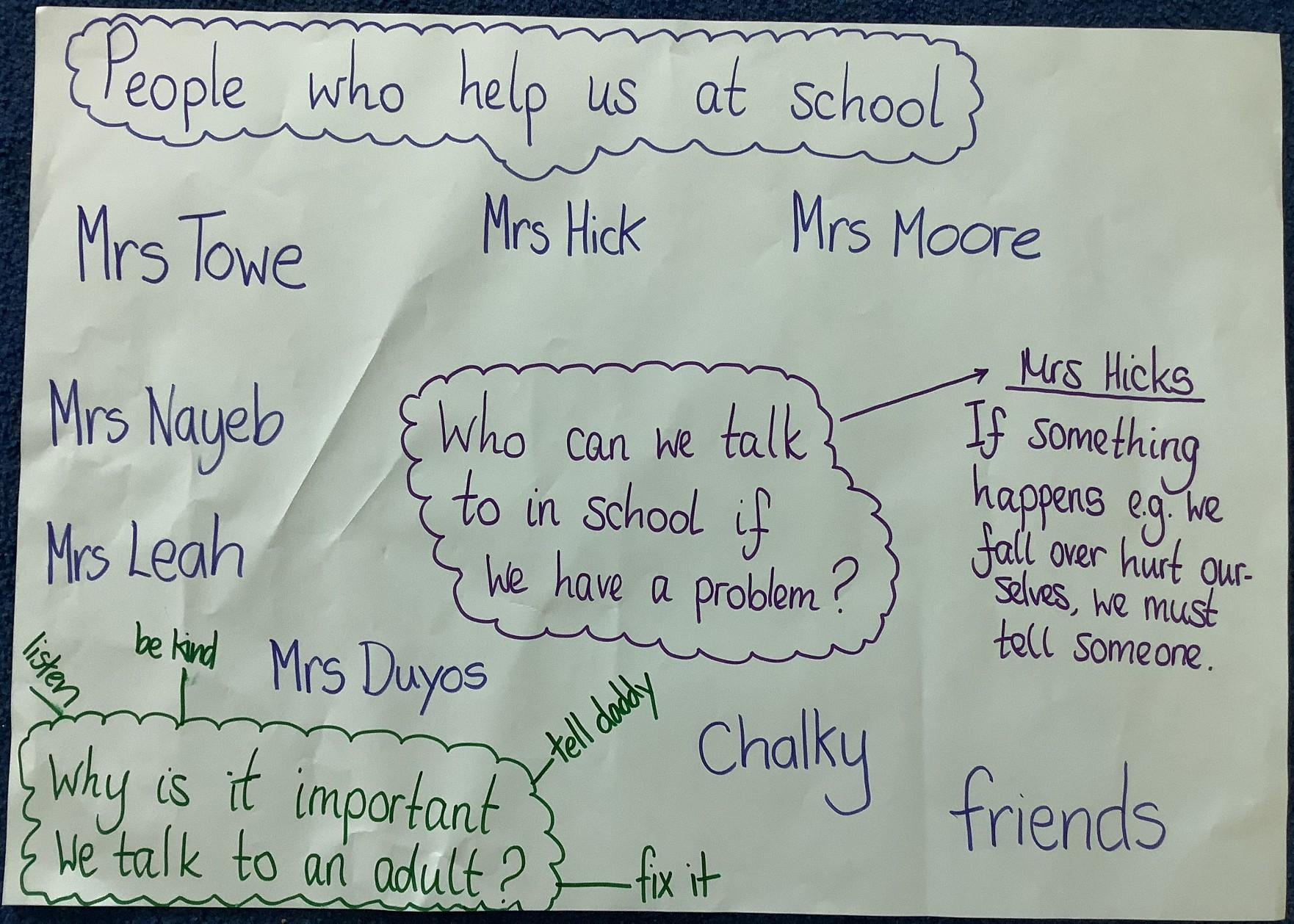
People who help us in school
This week we have been thinking about who we can talk to if we have a problem at school.
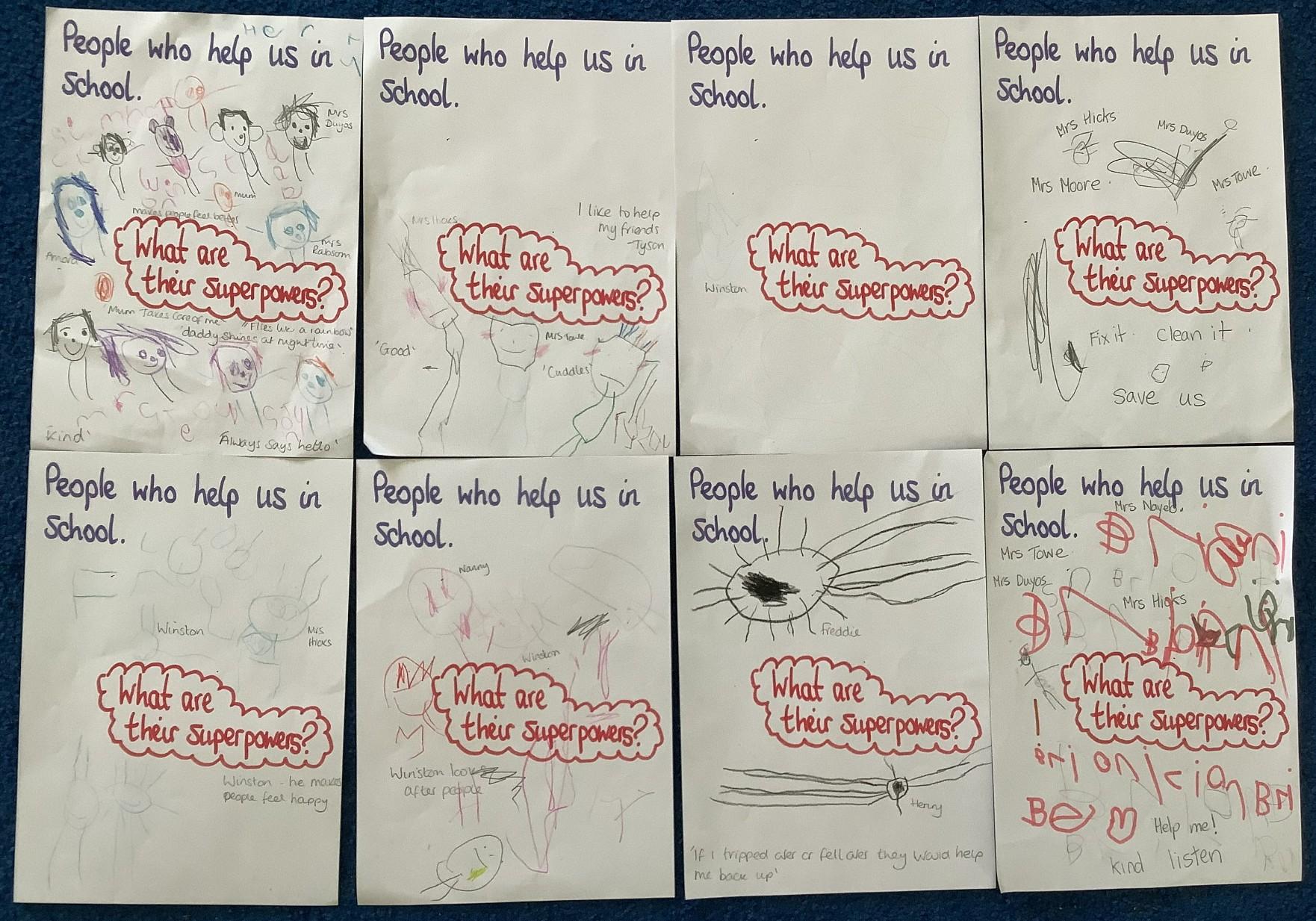
As our topic is about superpowers and how we can help each other we thought about which superpowers the adults have in school.
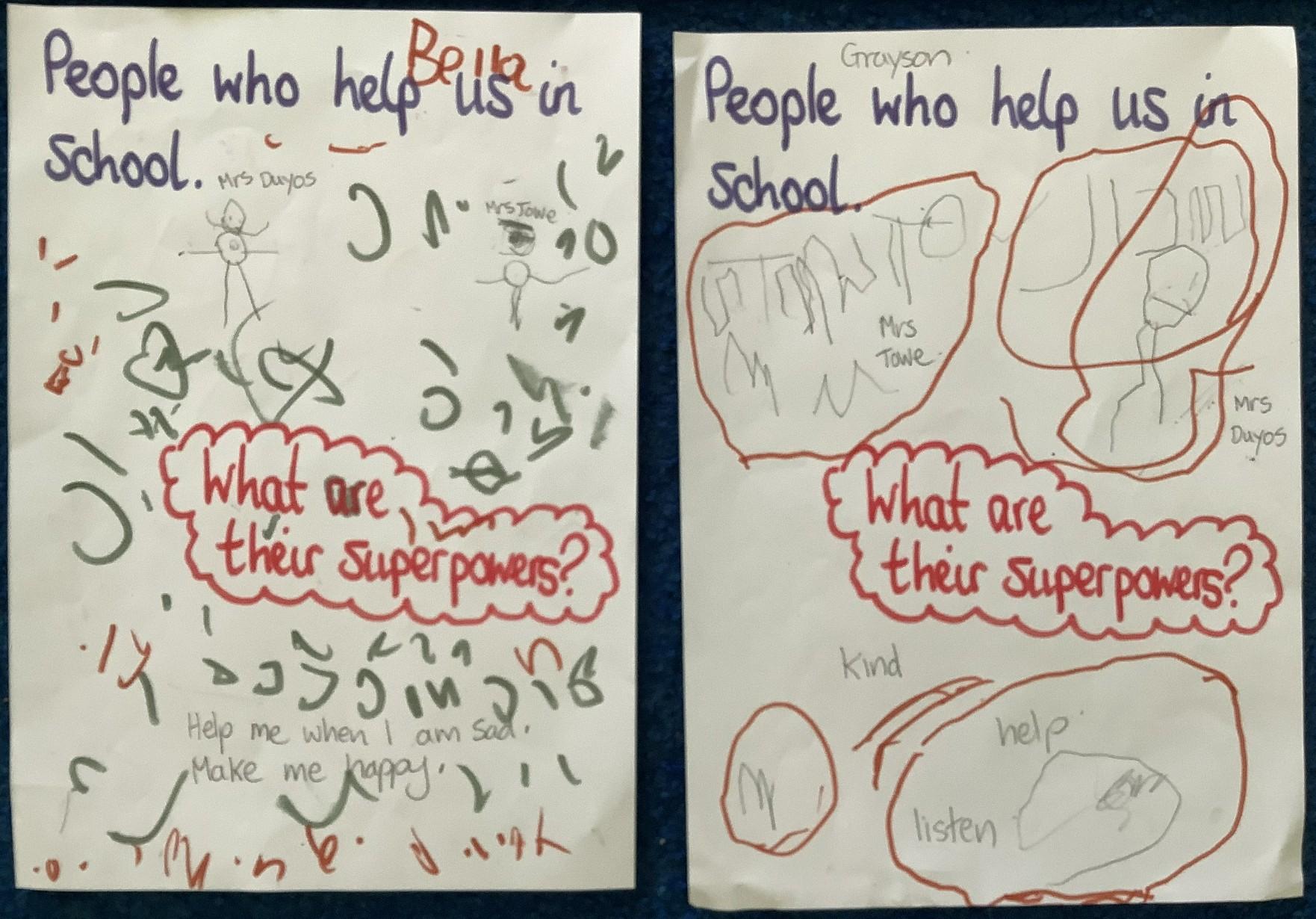
We then thought about how they used these superpowers to help us if we were, for example, sad, had hurt ourselves or didn't feel well.
RWI Phonics and early reading information meeting
Sounds pronunciation video - https://www.youtube.com/watch?v=yln6PpV1G1I&t=12s
Watch these video tutorials on the Ruth Miskin website to help you to practise reading and writing with your child at home: https://www.ruthmiskin.com/parents/
Please scroll down for more information on phonics and how we teach it.
|
|
set 1 sounds parent meeting-2022 | [pdf 1MB] |
|
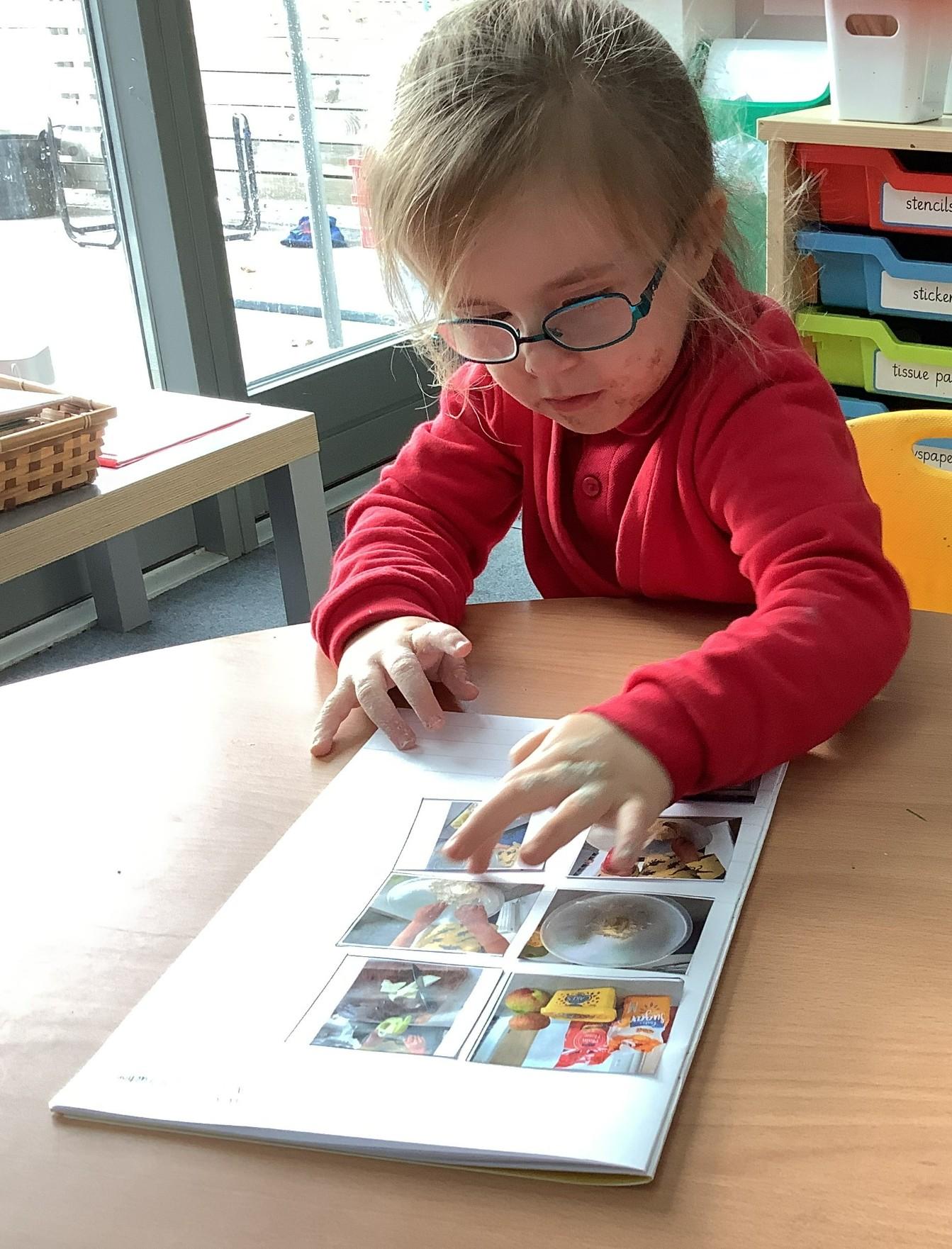
Retelling instruction
The children were able to use the pictures to talk about what they did in order.
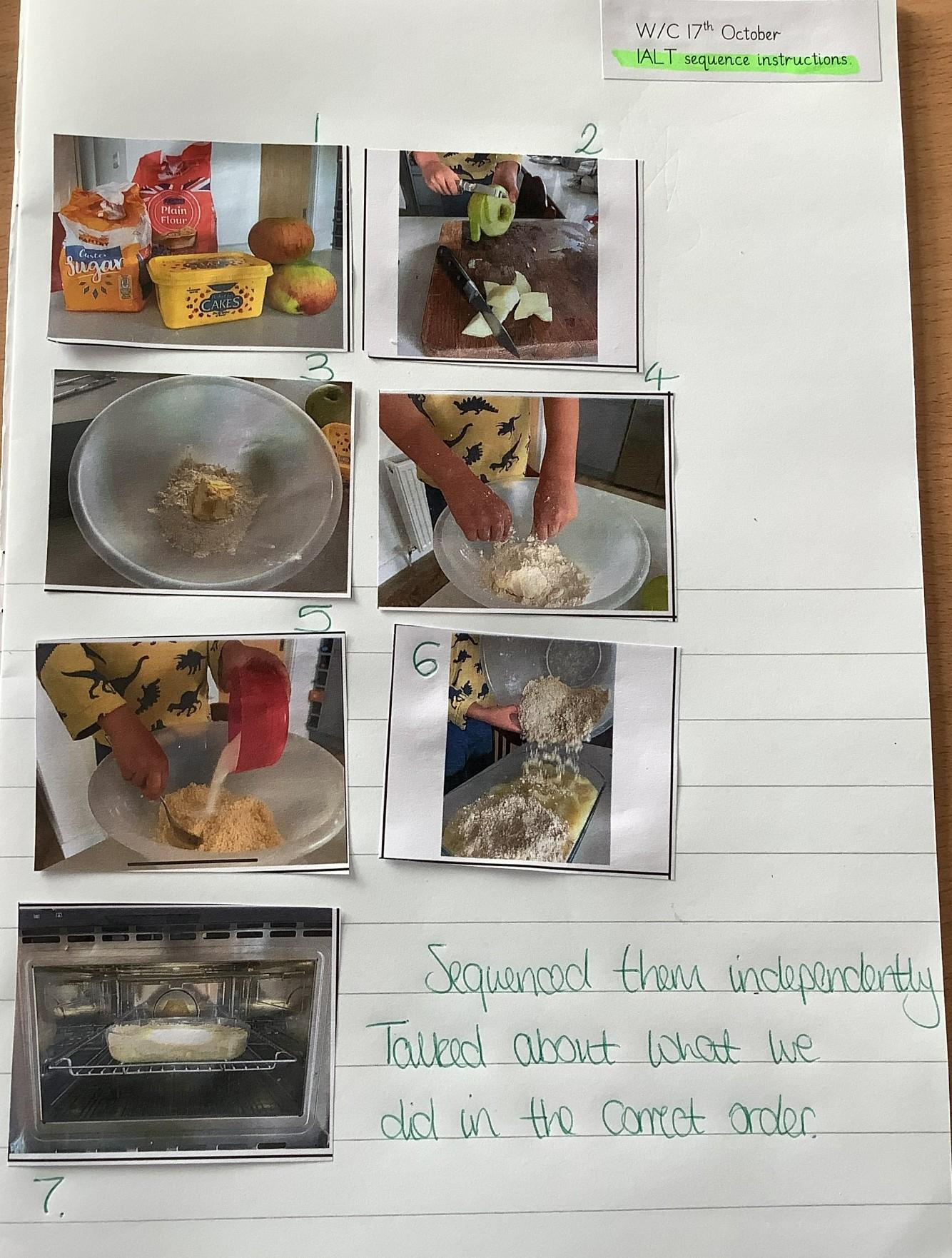
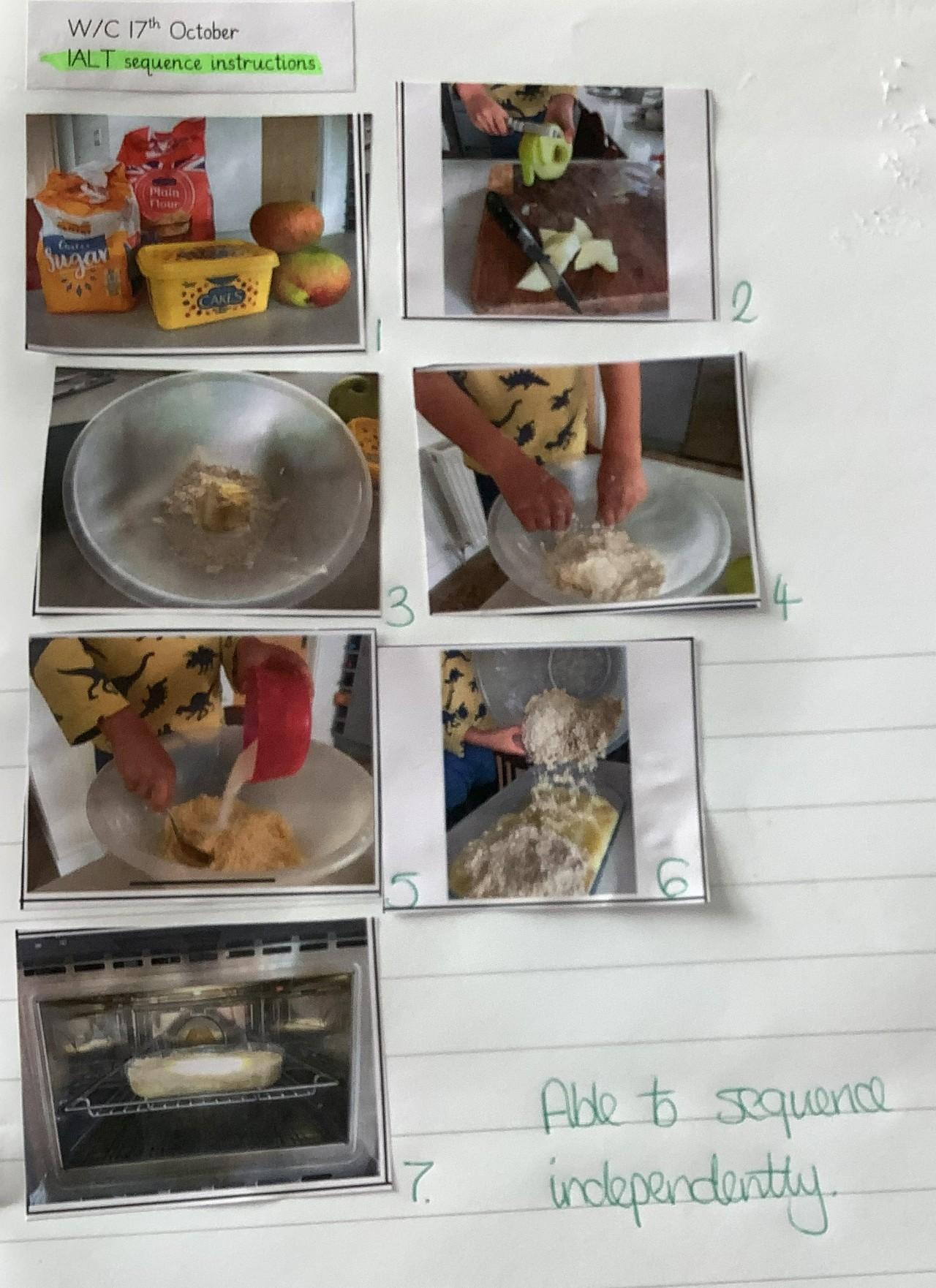
Sequencing instructions
The children were able to sequence the pictures in order to create pictorial instructions to show how we made our apple crumbles.
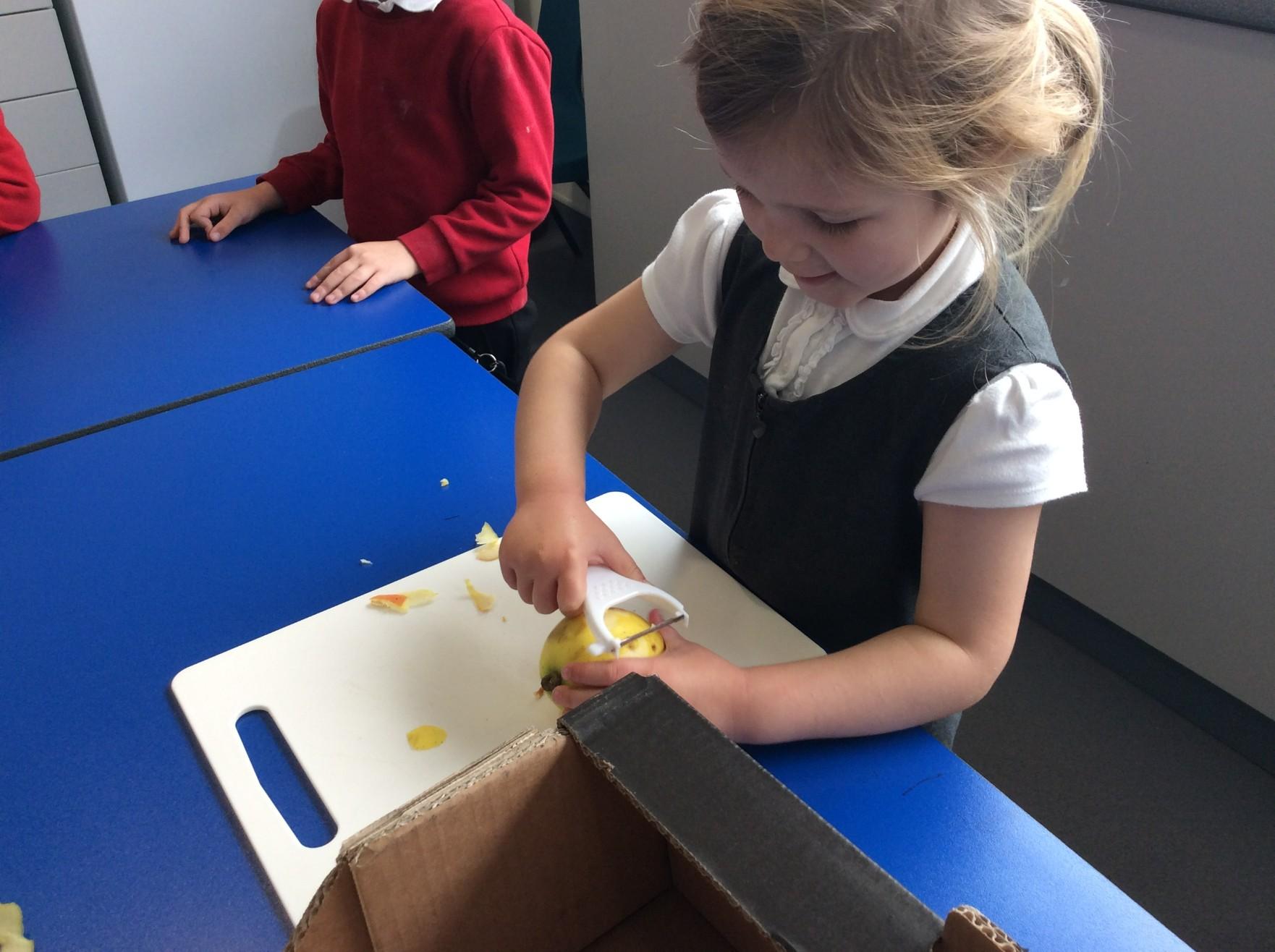
Crumble Making
We discussed which ingredients we would need to make our apples crumbles. We drew pictures of them in our English books and labelled them using known letter sounds.
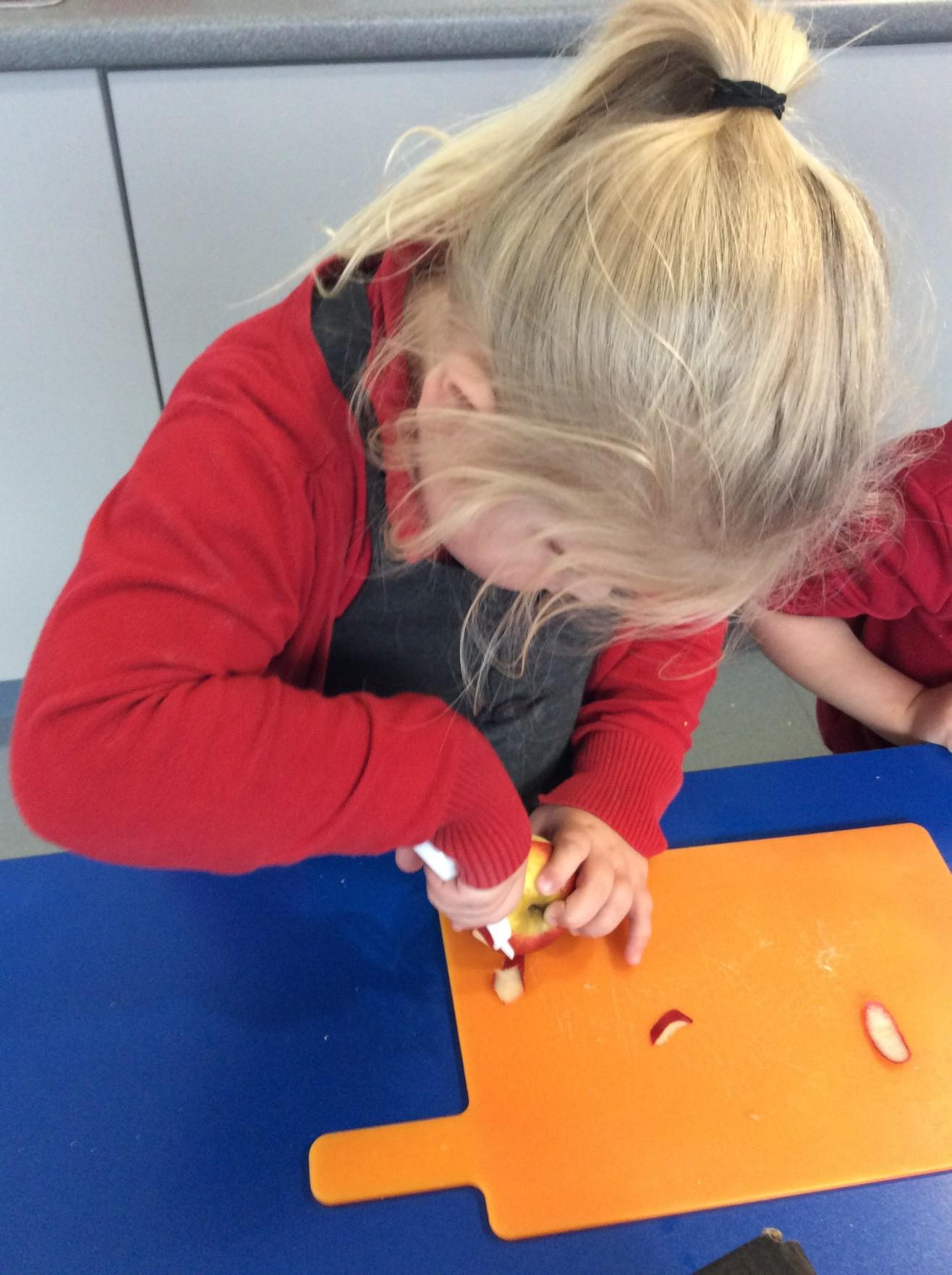
We peeled and chopped the apples into slices.
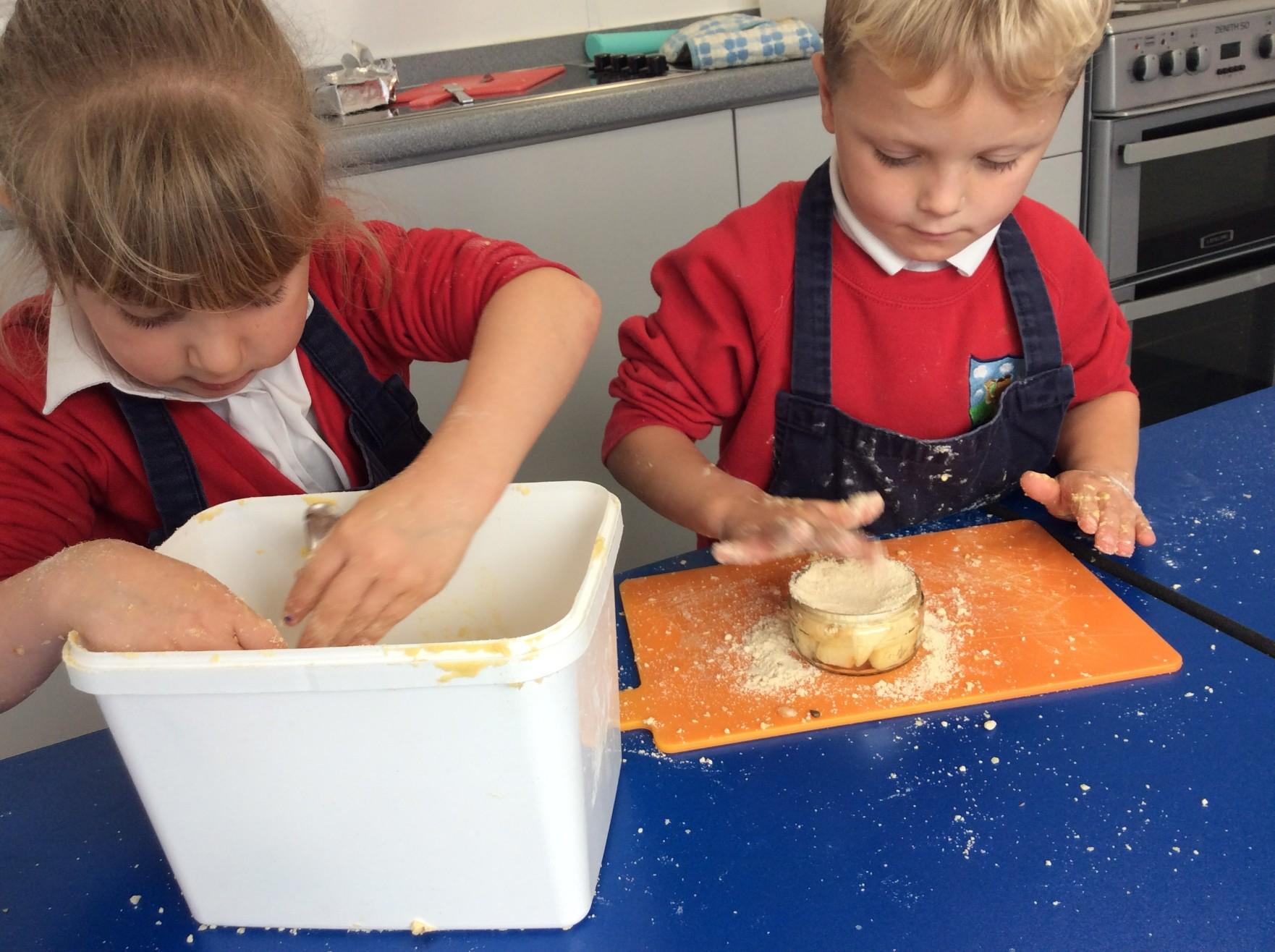
We used our fairy fingers to rub together the butter and flour to create breadcrumbs. We then sprinkled the crumble mixture over the sliced apples.
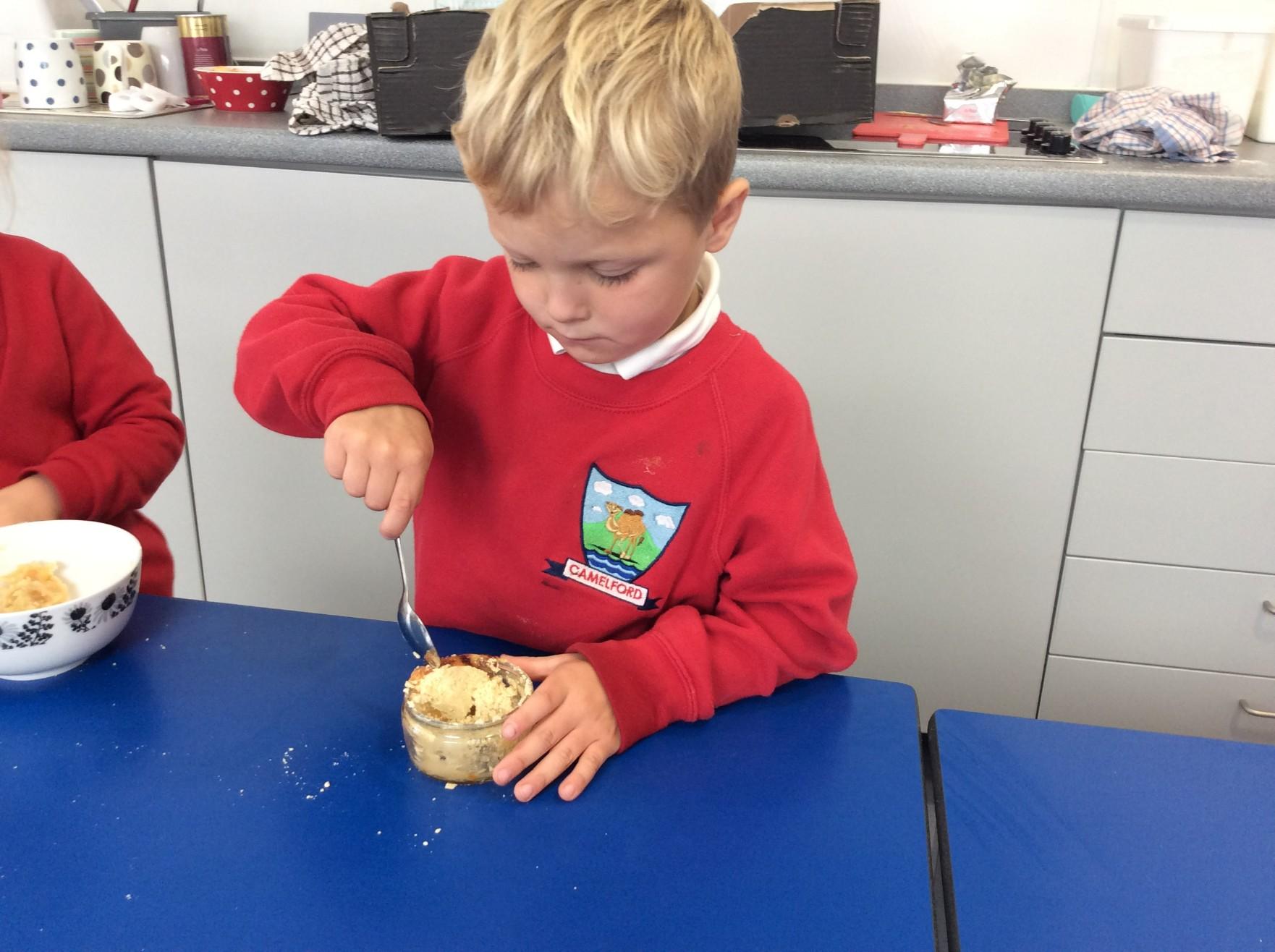
Yum, yum!
After we had cooked and cooled our crumbles we got to taste them. They were amazing!
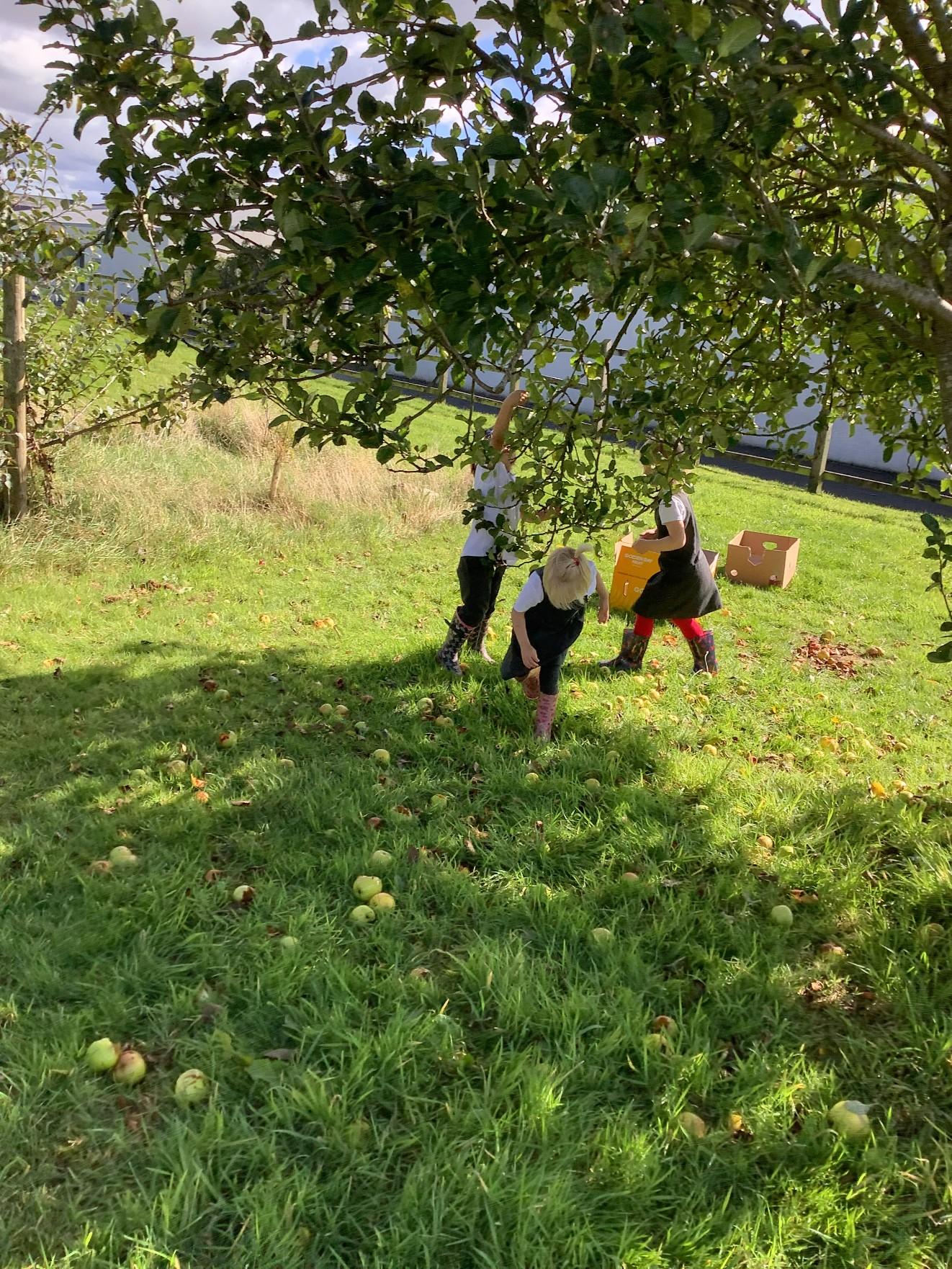
Harvesting apples
This week the Reception children have been out harvesting the apples.
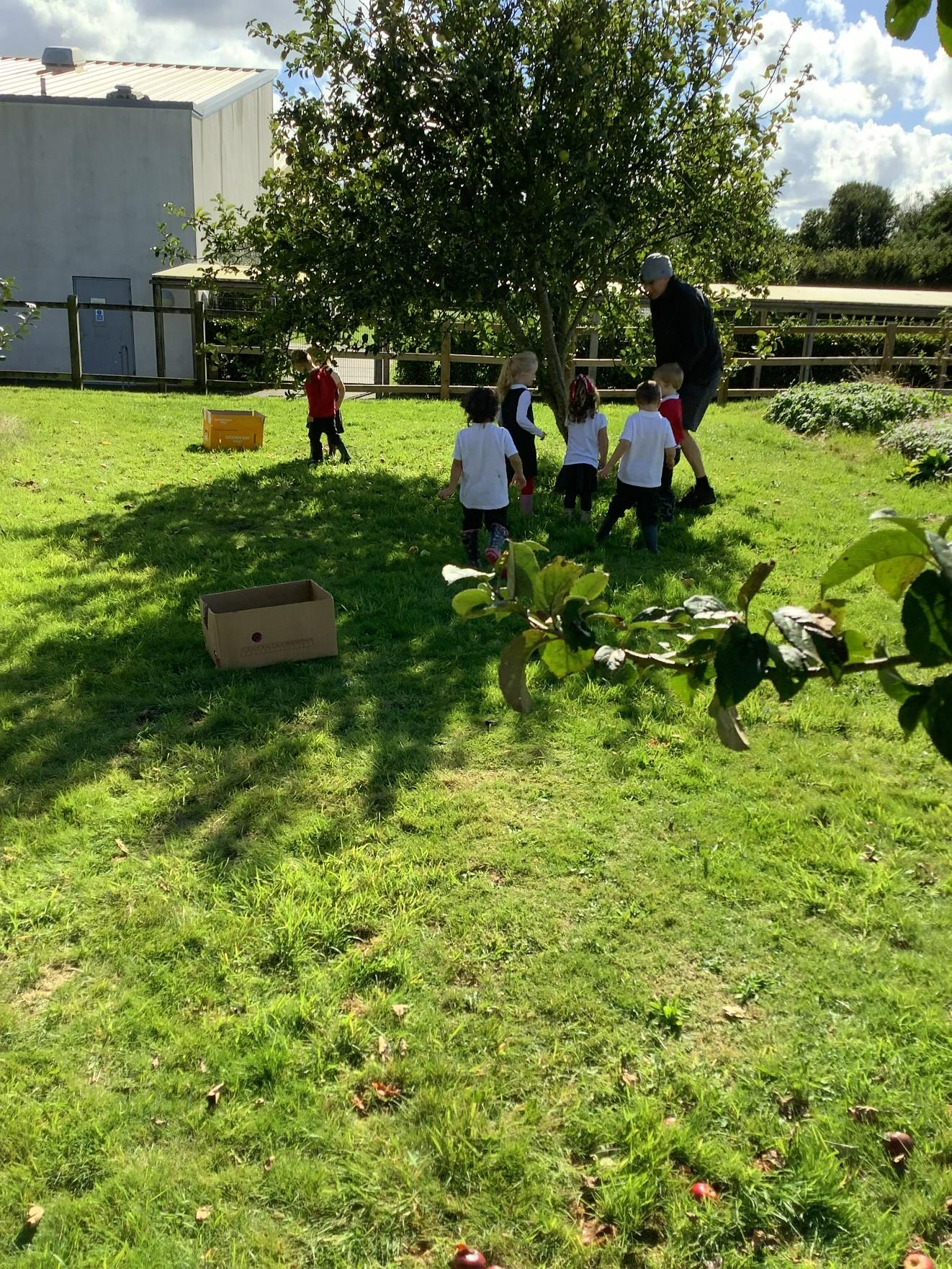
A helping hand
Luckily, we had some help to get the hard to reach apples.
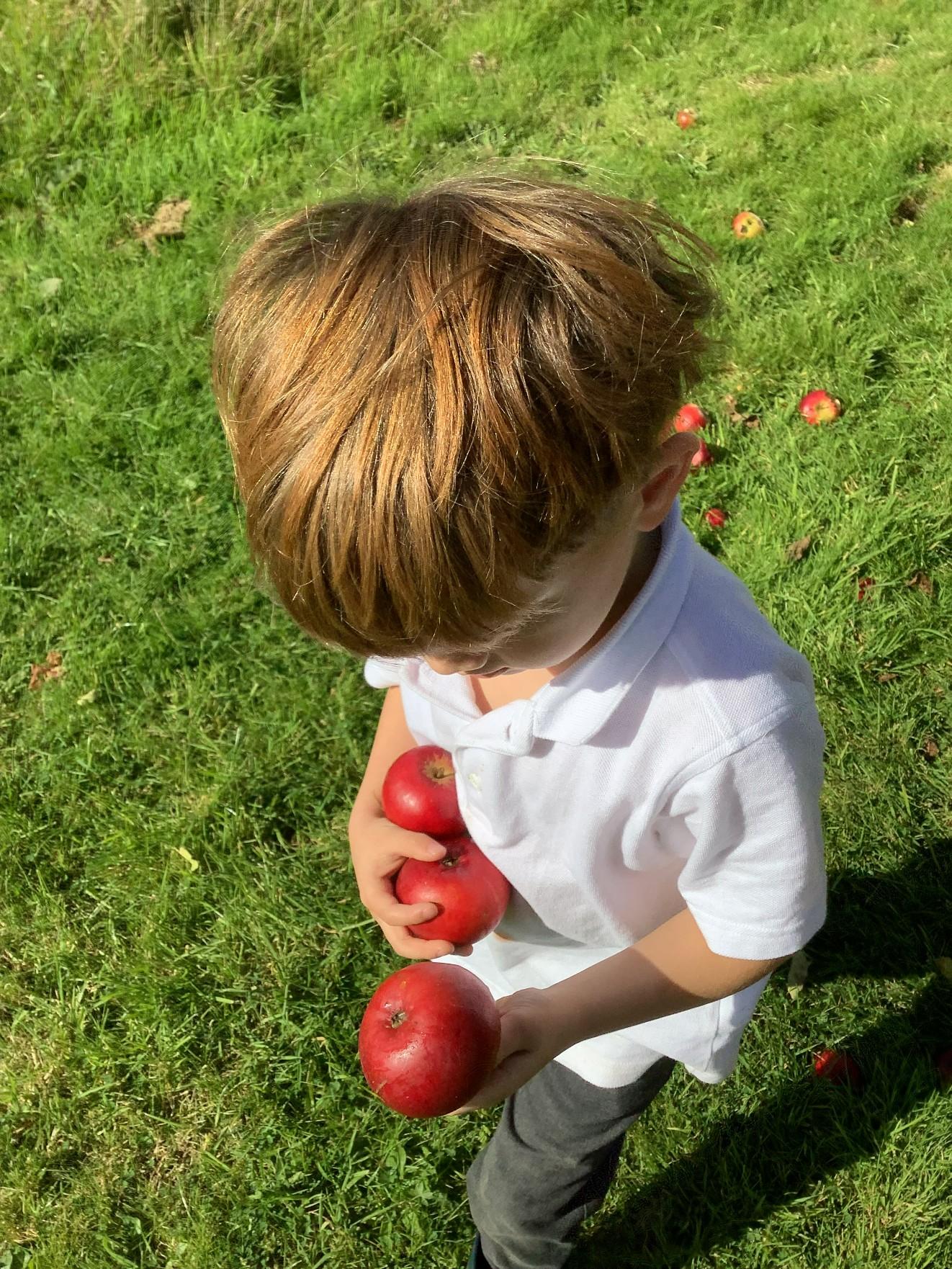
Next week we are going to use our senses to investigate what they are like.
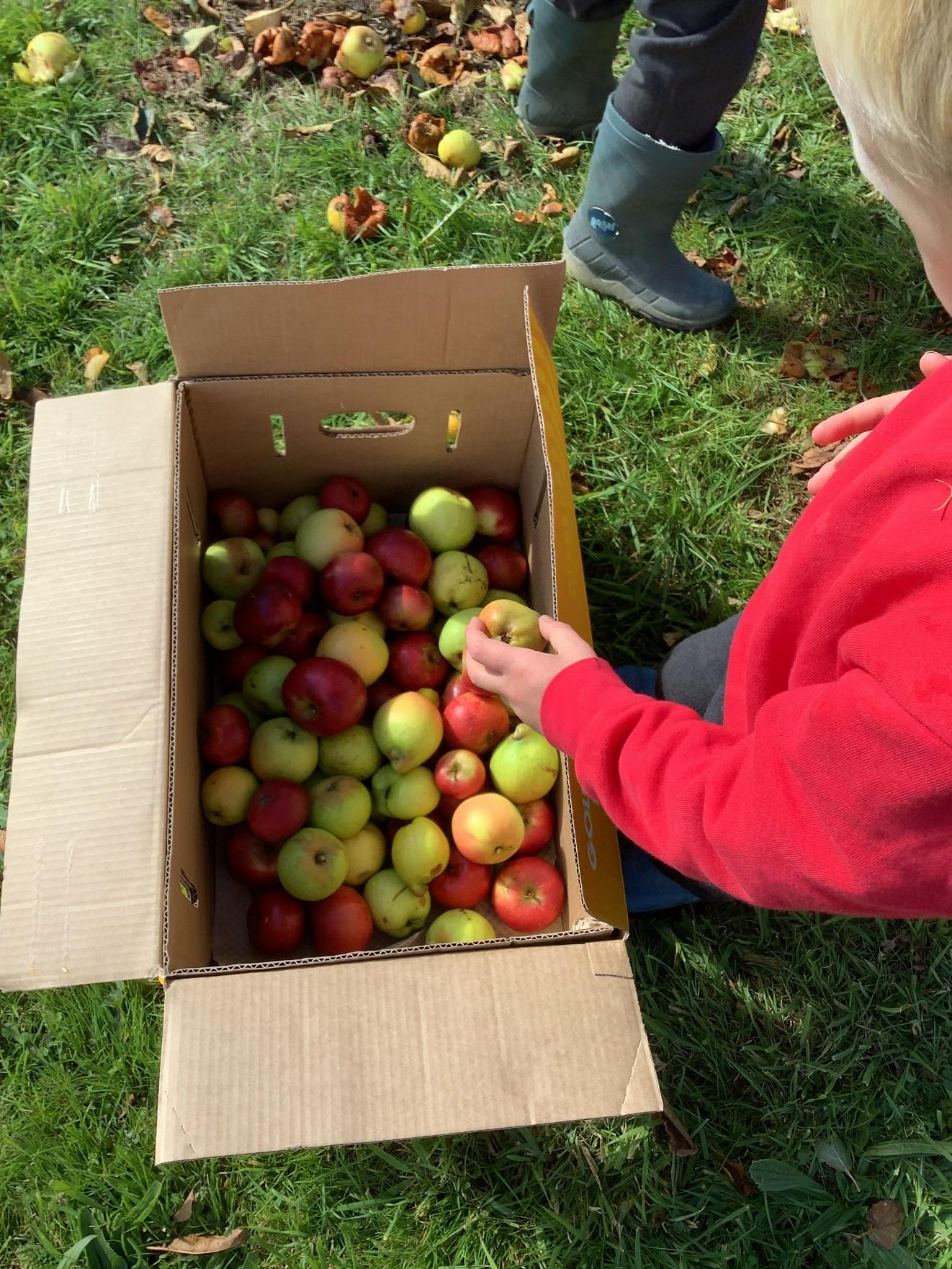
We filled 3 boxes.
We managed to collect lots and lots. We now have enough to make apple crumble!
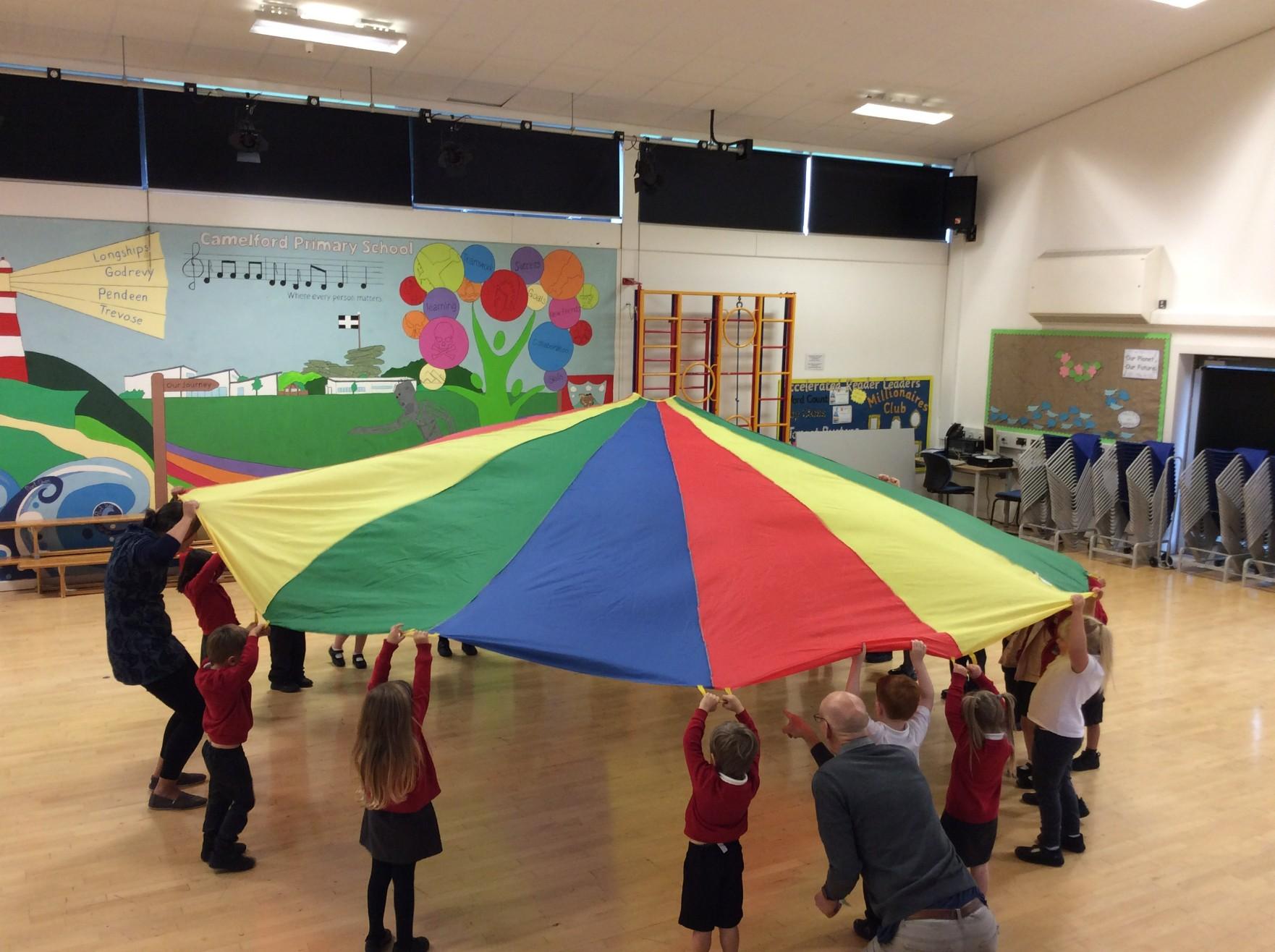
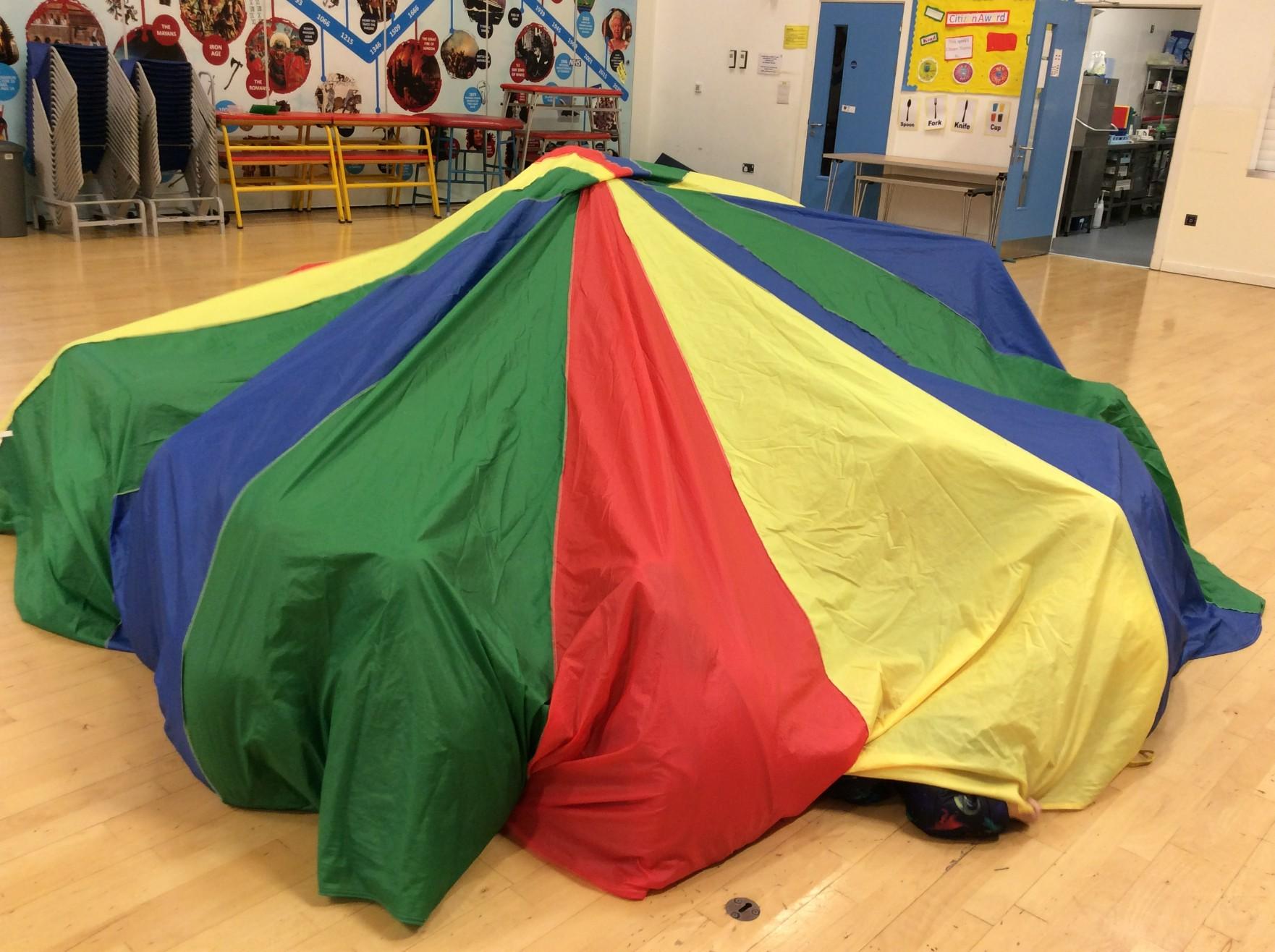
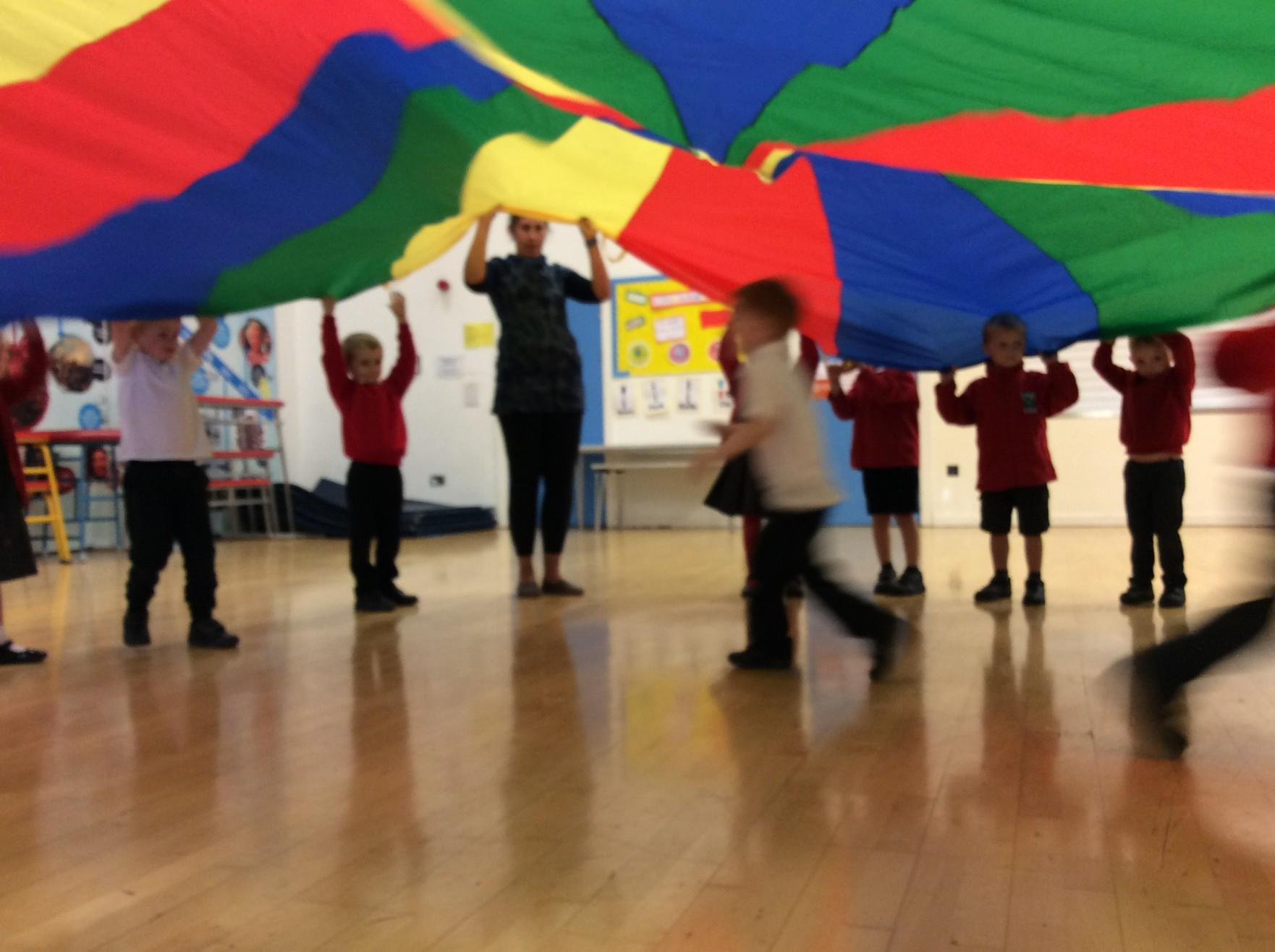
Parachute Games
Playing parachute games and having lots of fun.
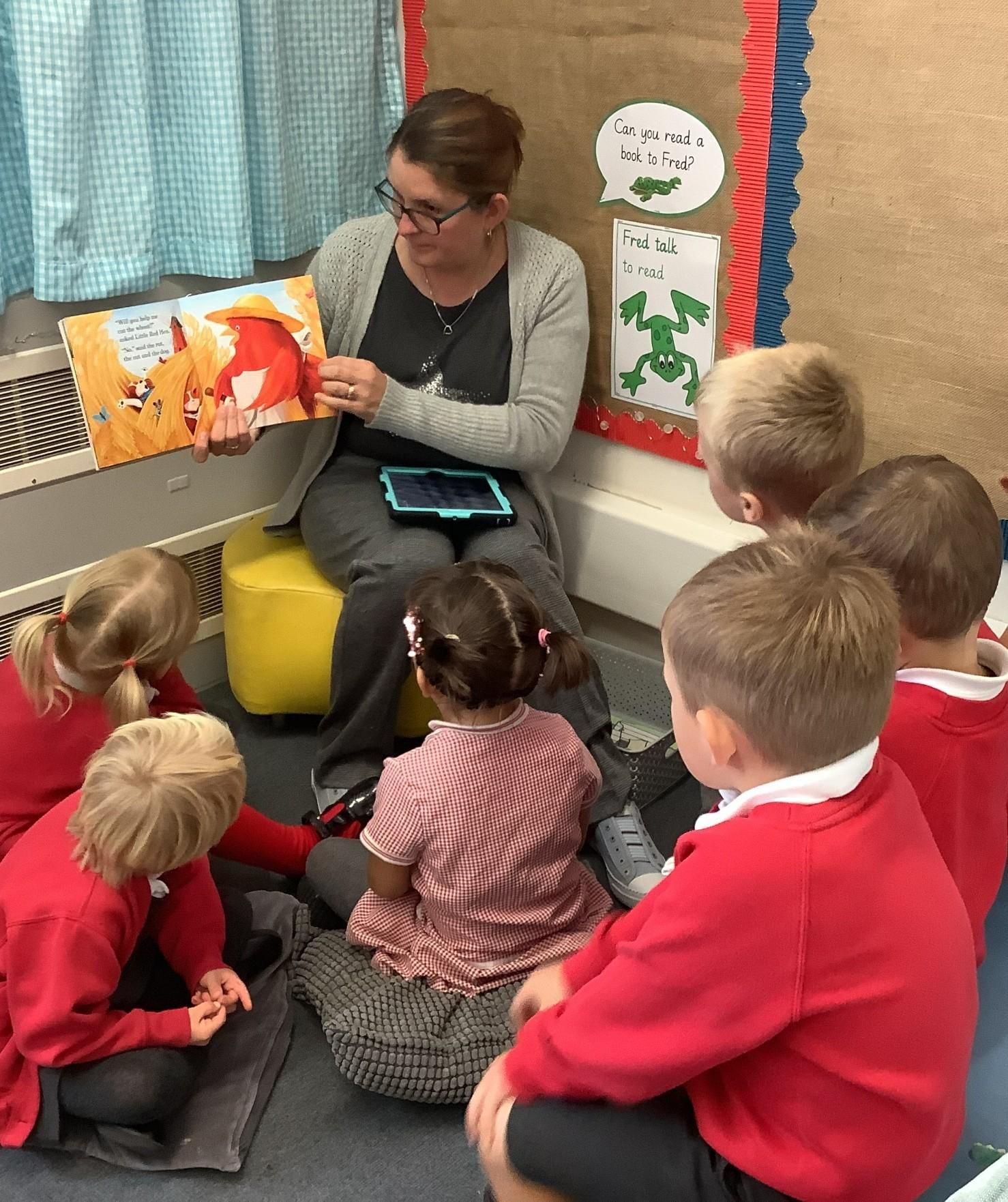
The Little Red Hen
Listening and discussing the story. Linking how the characters behaved to our school values.
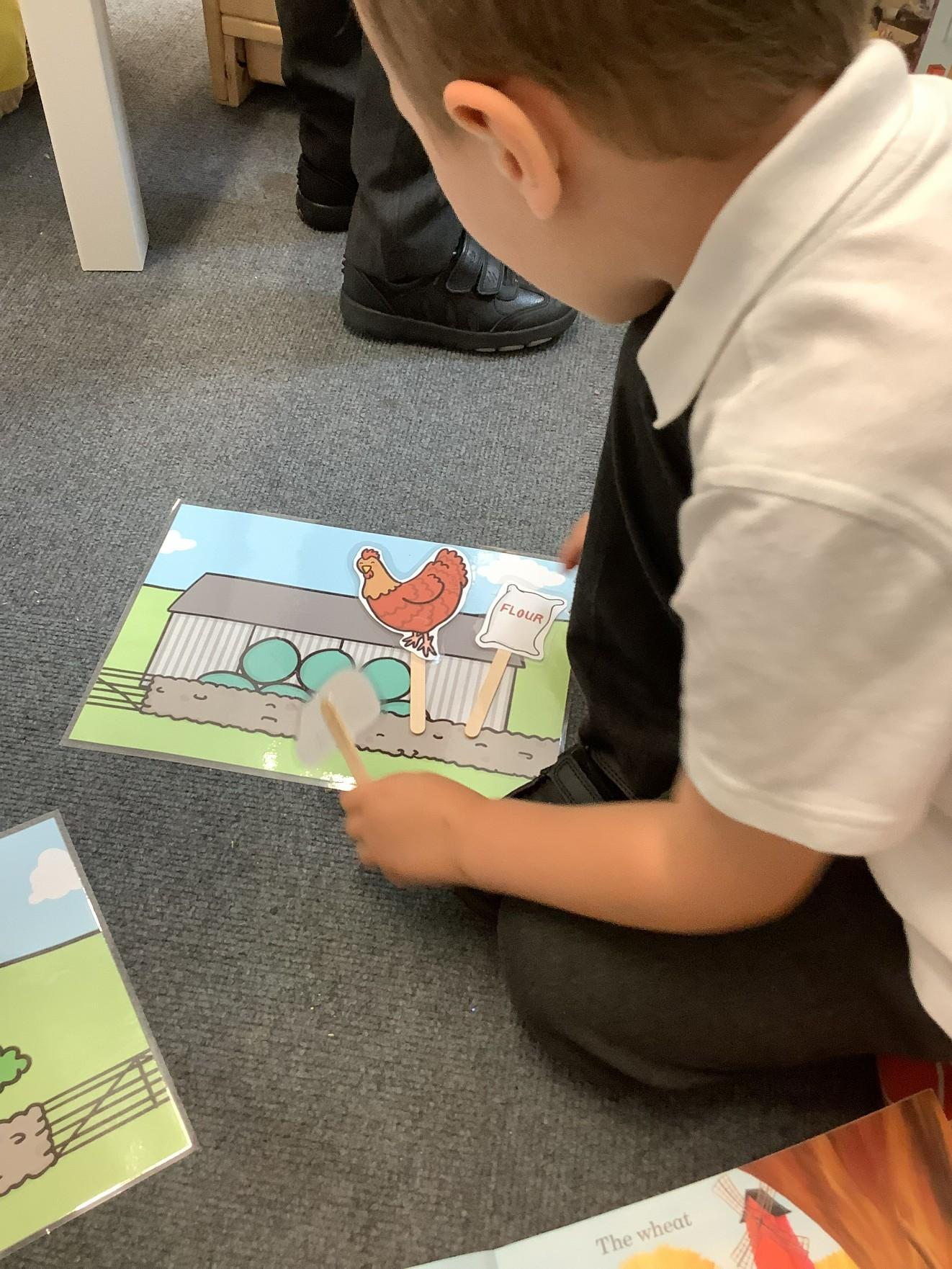
Retelling the story
We used props to retell the story.
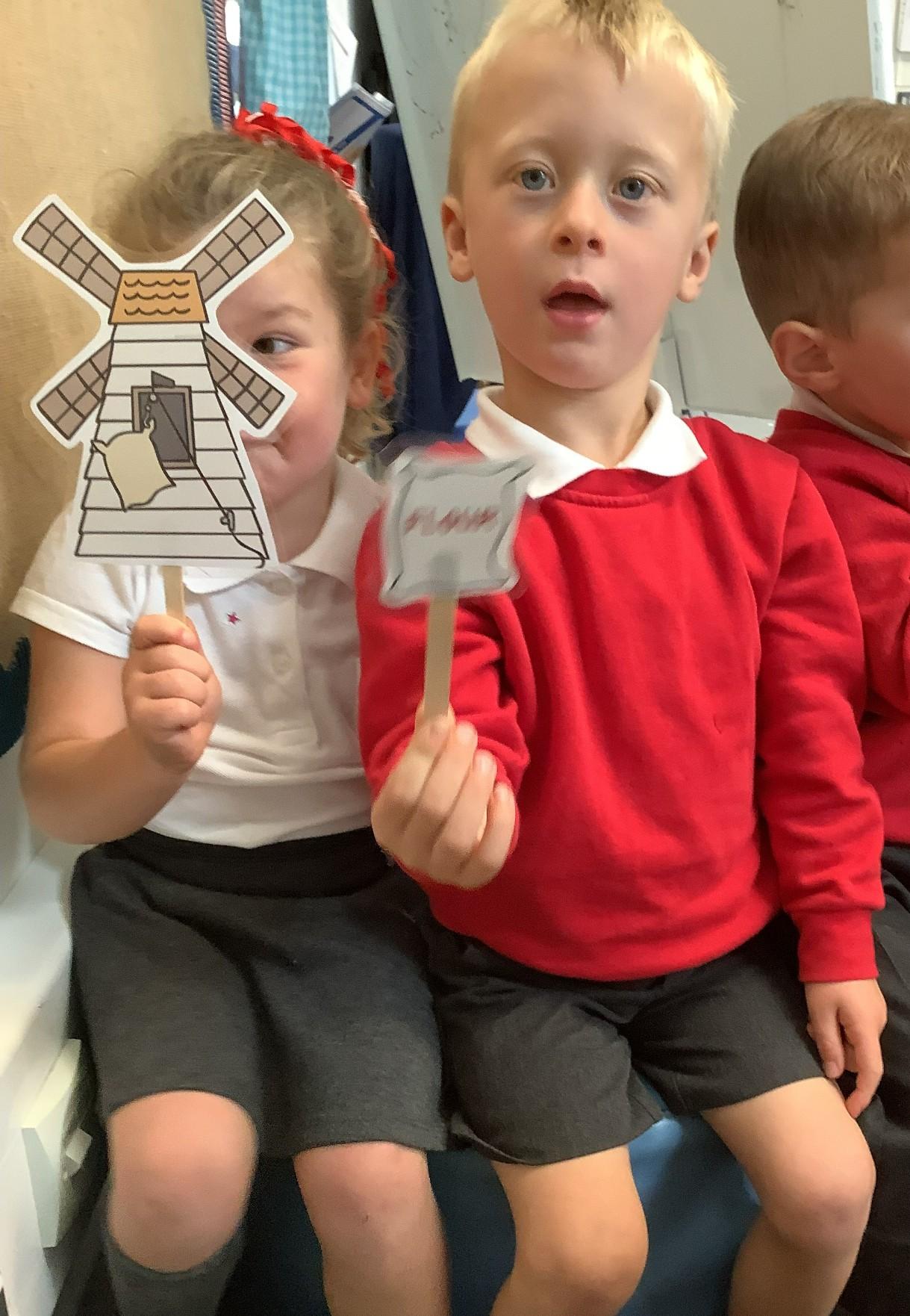
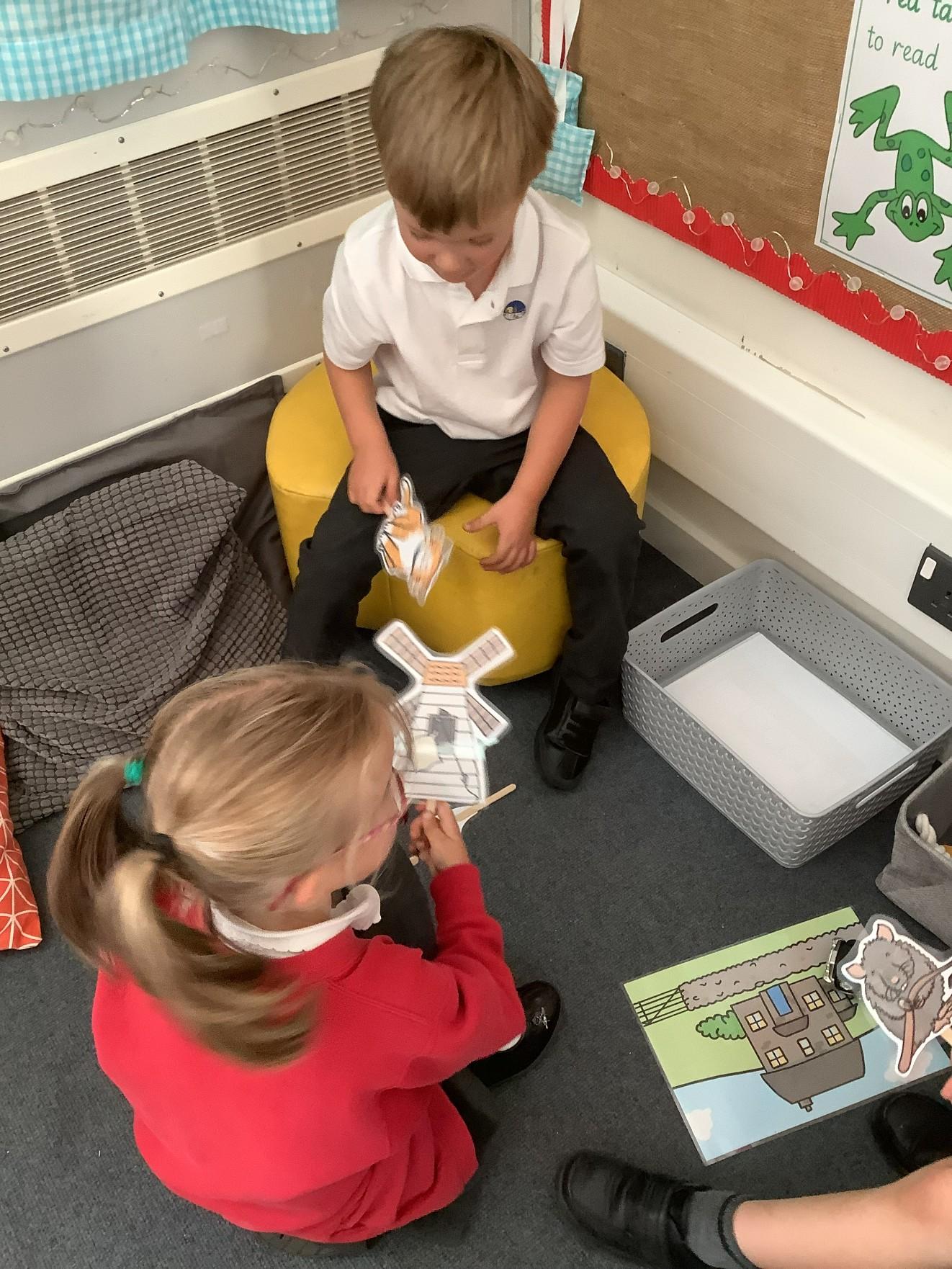
Busy learner time
Independently retelling the story as a group.
RWI Phonics - Information for parents
- The letter formation chart highlights how to form the letters correctly with your child.
- The information booklet explains the RWI phonic and reading programme we use at Camelford School.
|
|
Letter-formation-chart | [pdf 320KB] |
|
|
|
RWI - Parent information booklet 22 | [pdf 570KB] |
|
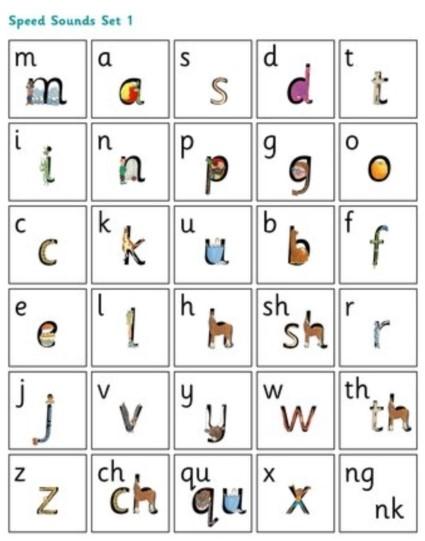
Read Write Inc. Phonics
We are all learning our Set 1 sounds.
We have daily phonic sessions where we learn one sound a day.
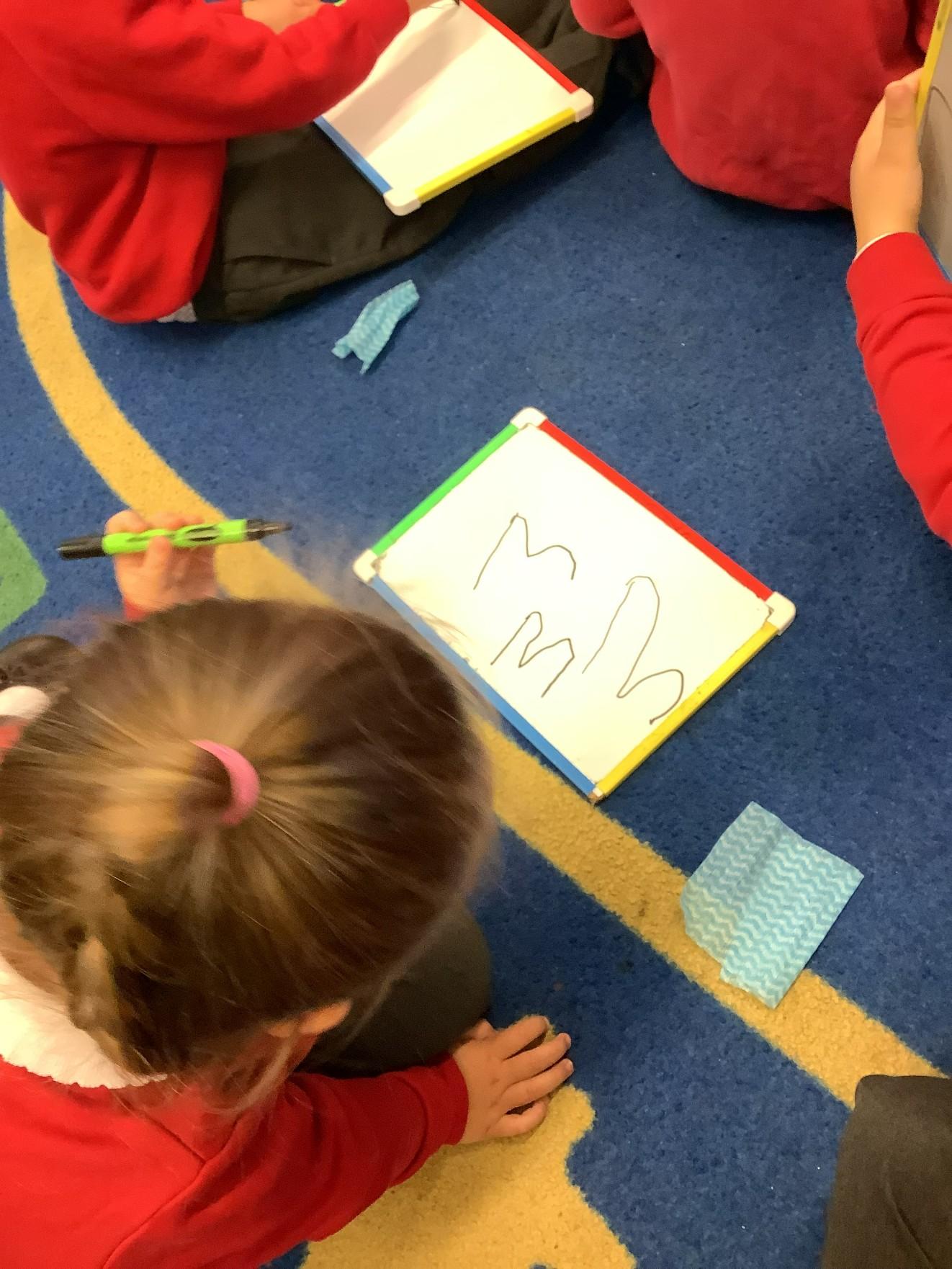
Letter Formation
Each day we learn how to form our letters correctly.
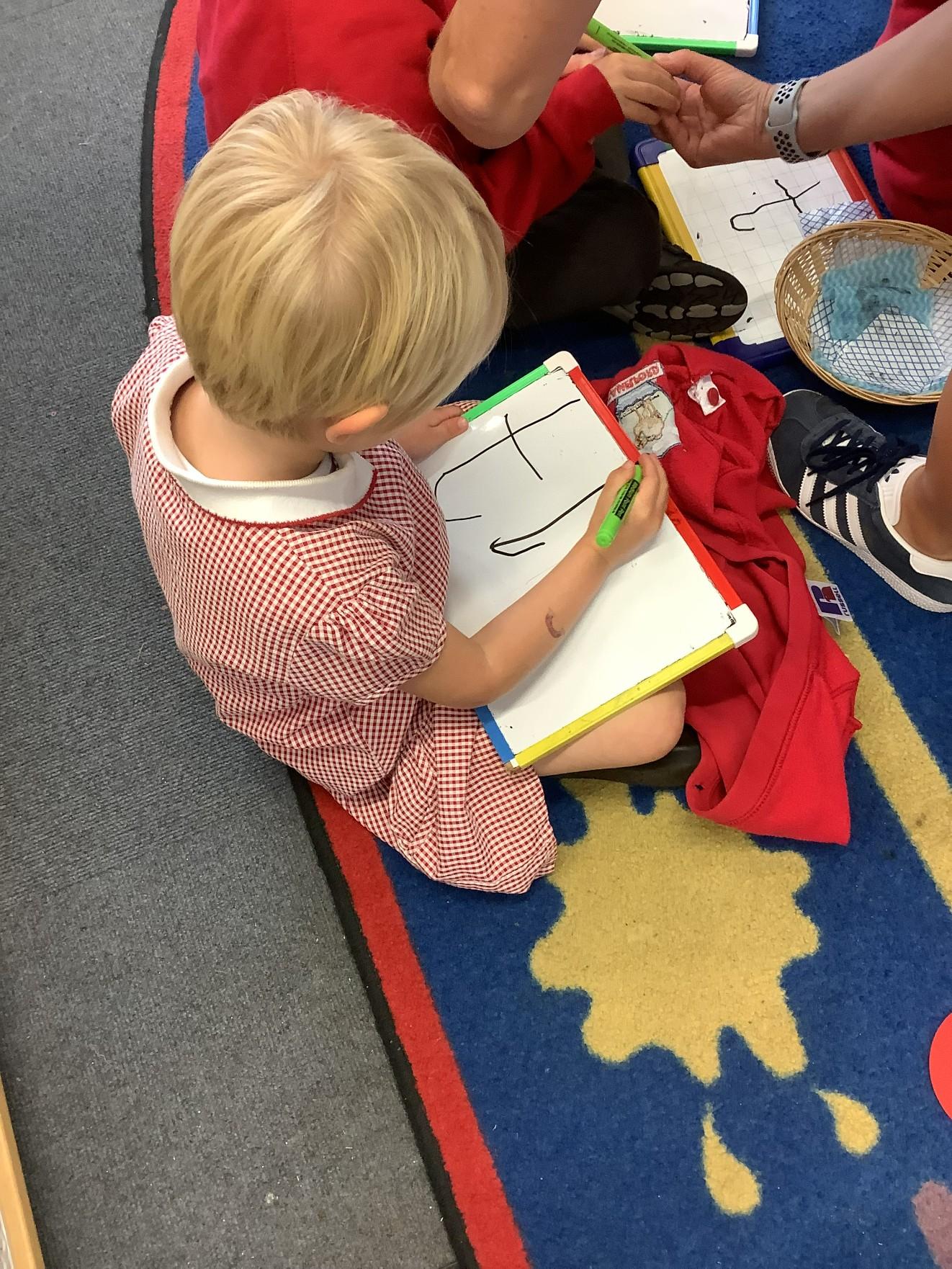
Correct pencil grip
We are learning to hold our pens and pencils with the correct grip.
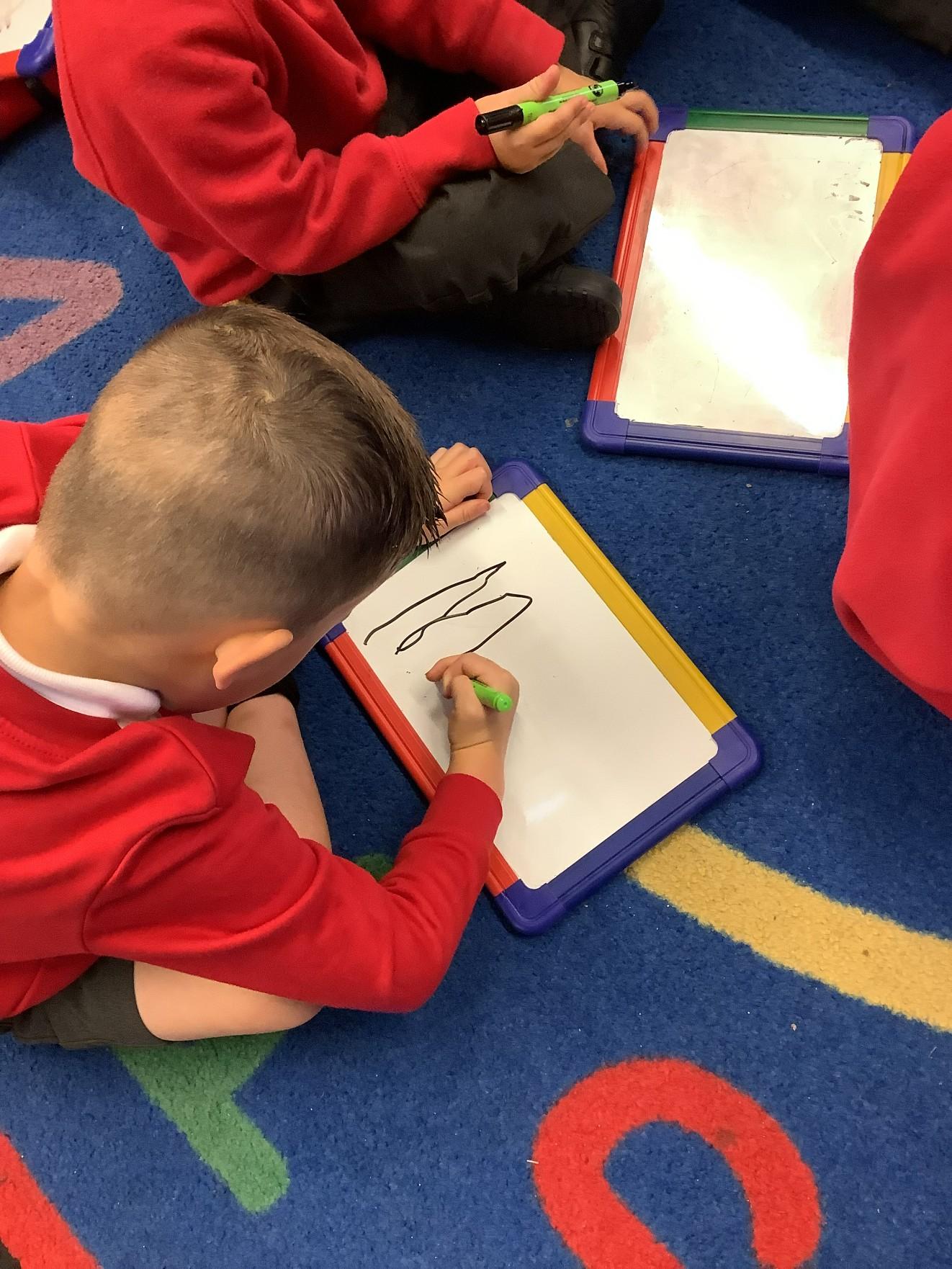
Maisie, mountain, mountain
We learn the rhyme for each letter and this helps us to remember how to write them.
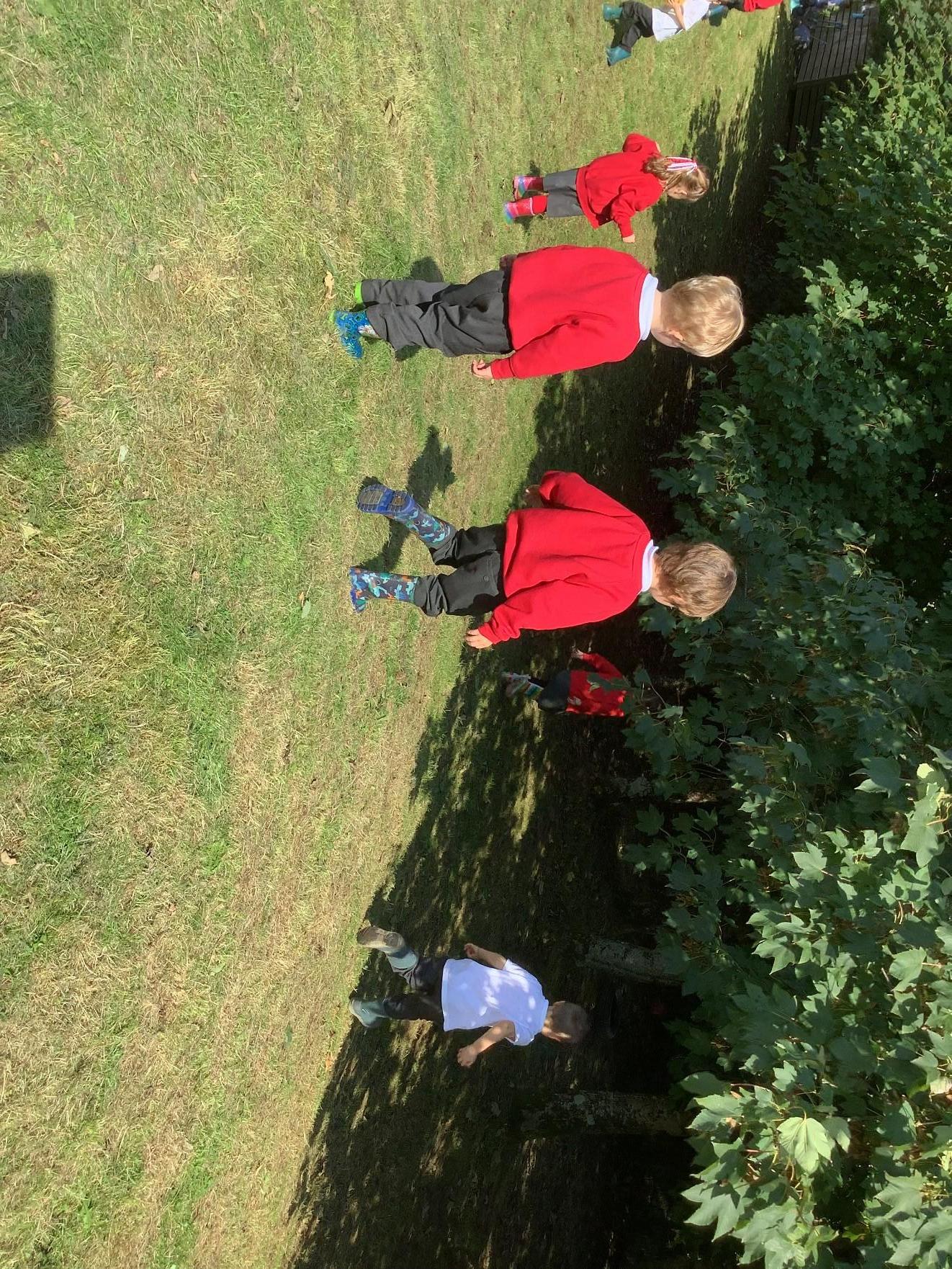
Exploring our garden
We have had lots of fun running and rolling down the grassy hills.
"We found a snail."
"We have made a stick prision for the snail so it can't escape."
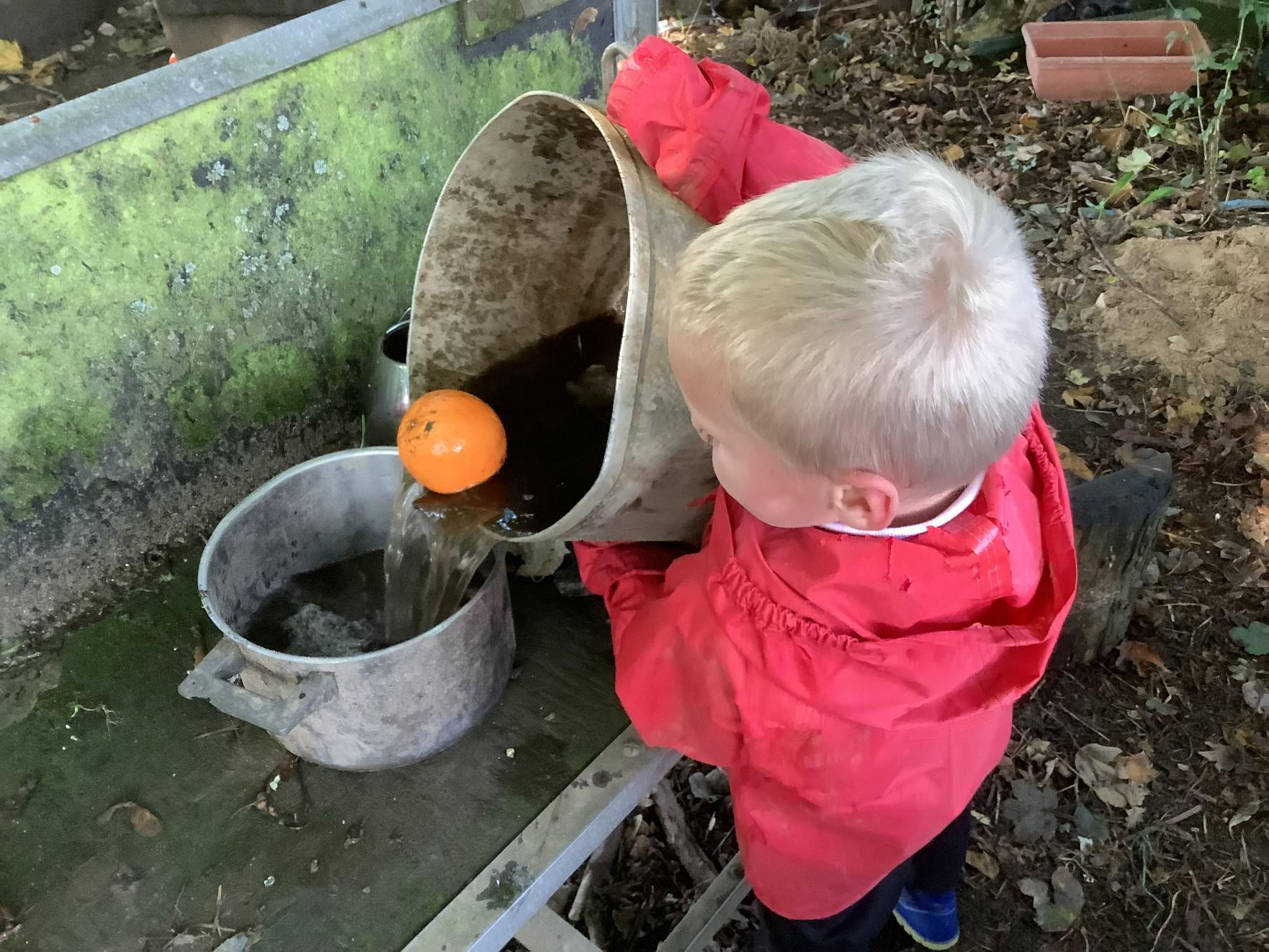
Soup
I have made water and fruit soup. "It is smelly."
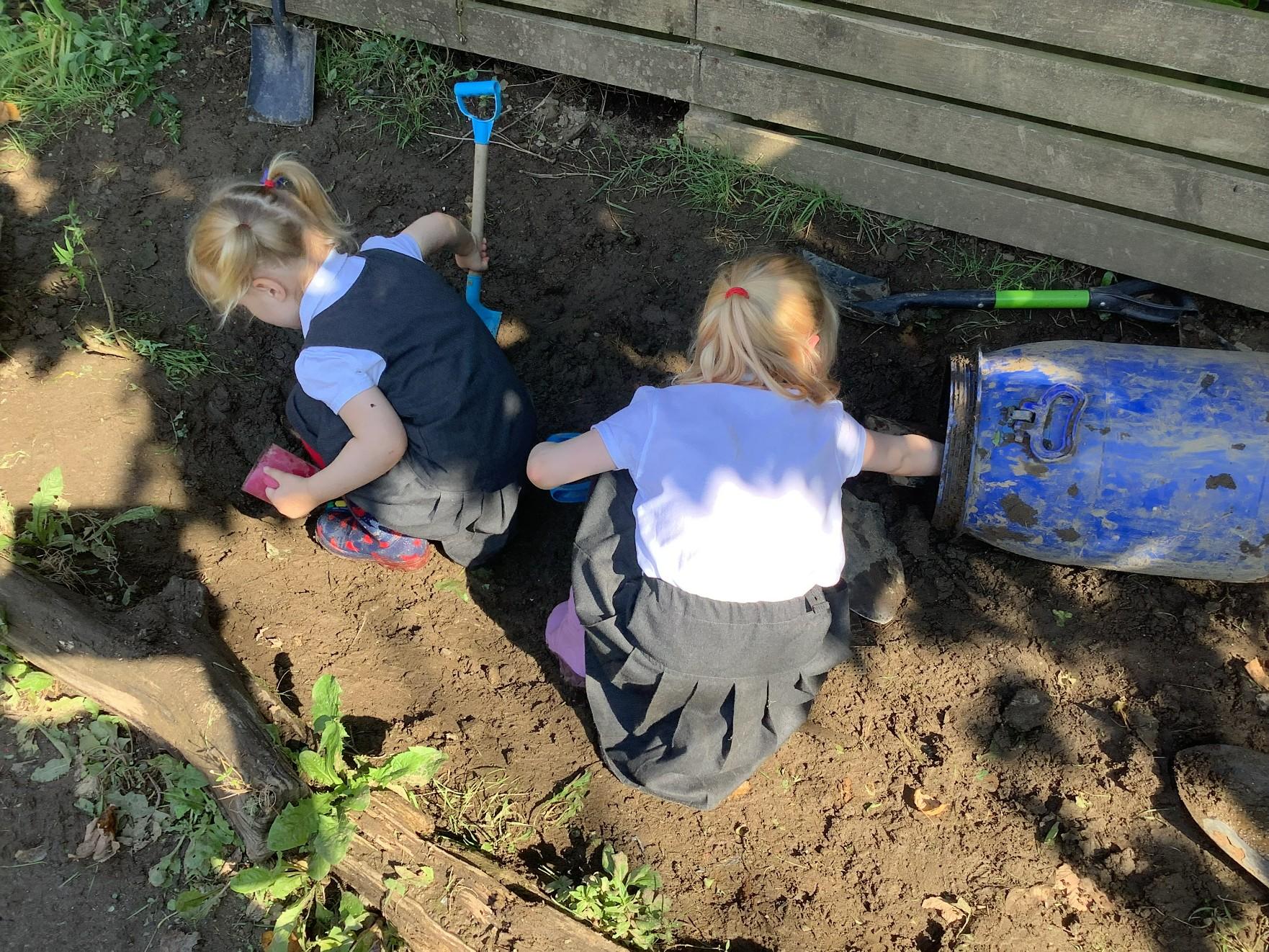
Digging
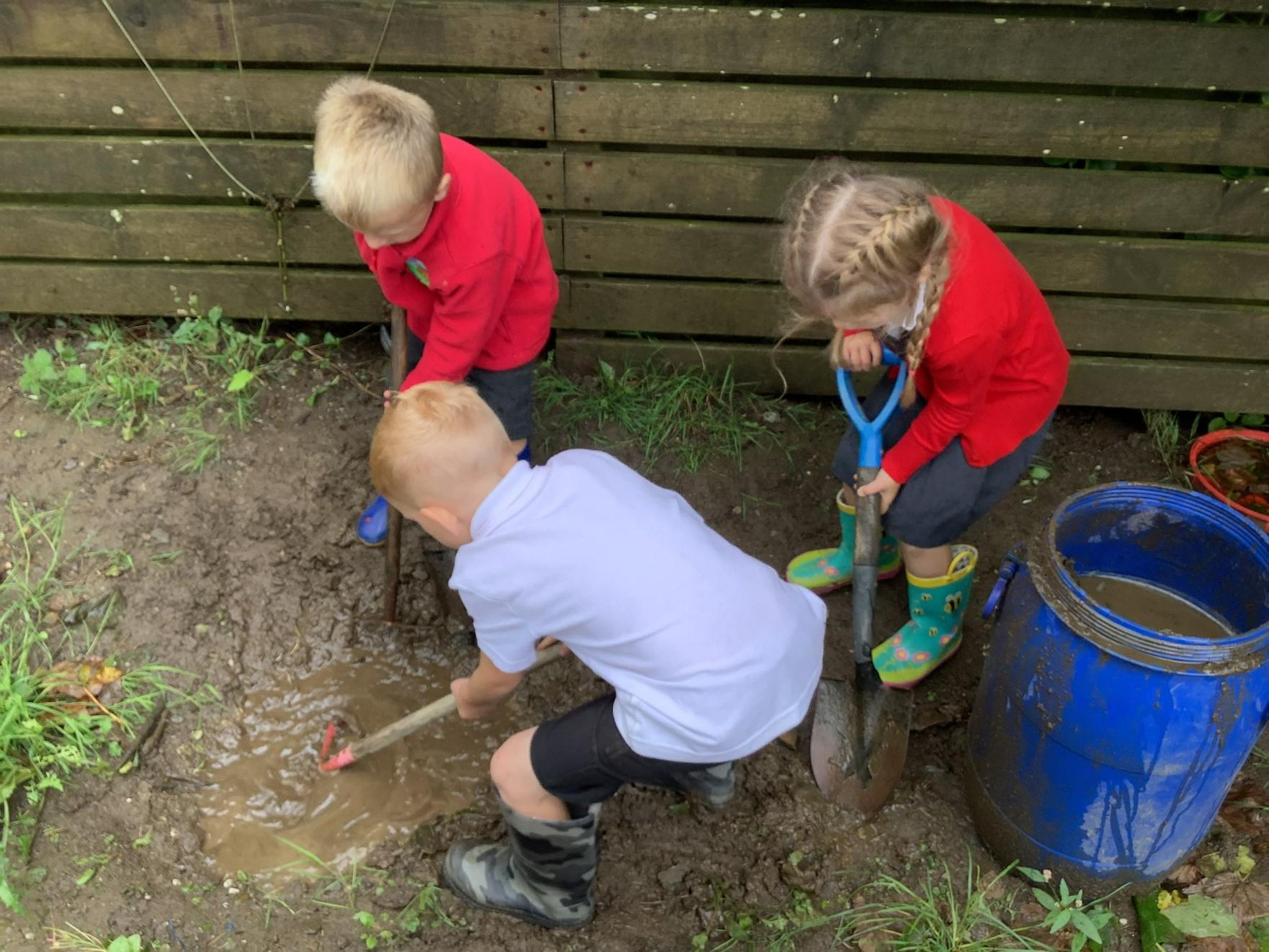
After the rain we had fun digging in the mud.
A big welcome to everyone
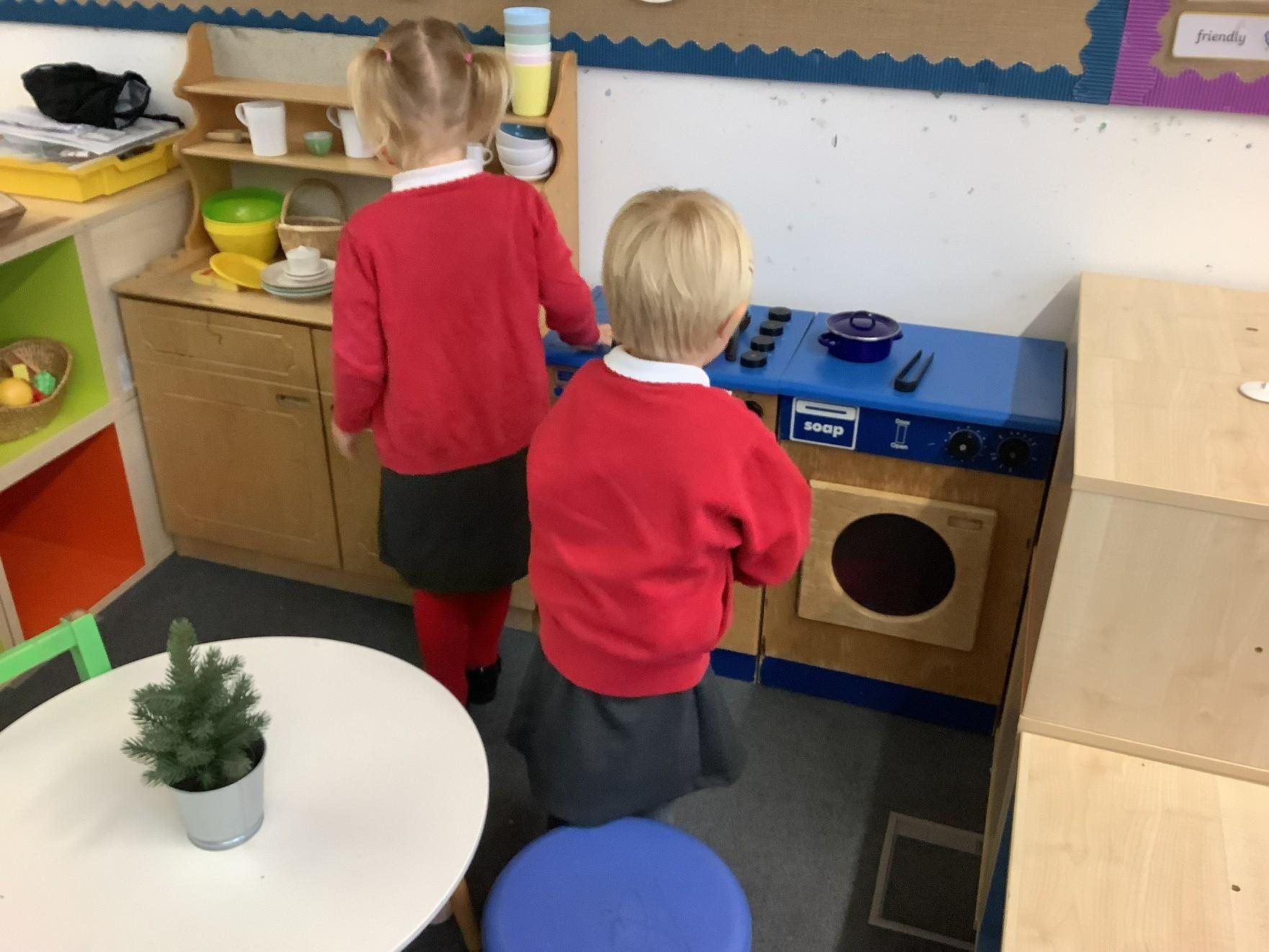
Our lovely new cohort of Reception children are enjoying settling in to their new environment; meeting old friends and making new ones and learning the rules and routines of Reception life.
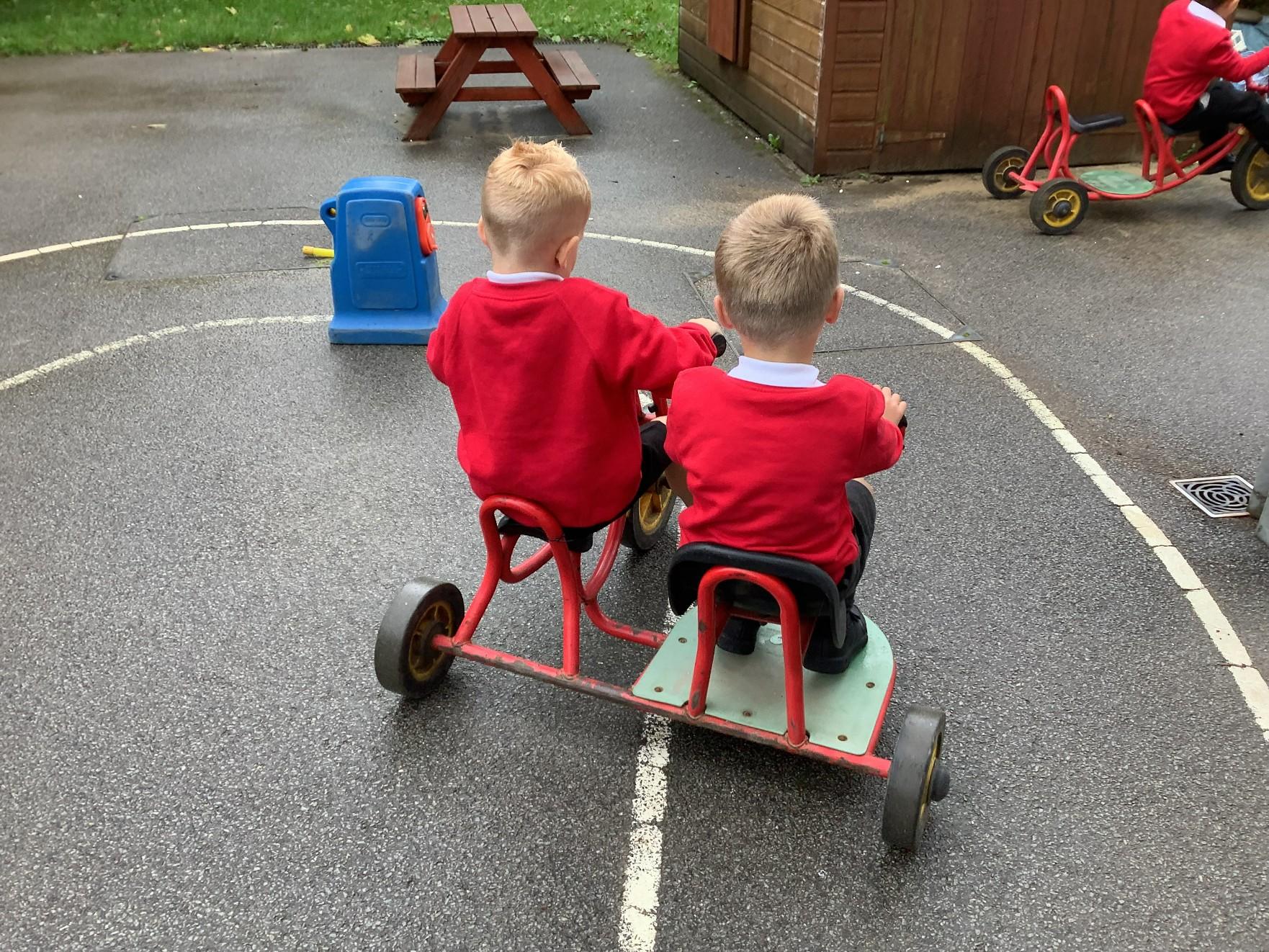
They particularly love to be outside and are learning to look after our garden as well as enjoy it at Busy Learner Time and group time.