Computing
At Camelford, we provide an exciting, rich, relevant, progressive and challenging computing curriculum for all pupils. Each 45 minute weekly lesson, based on KAPOW's curriculum, builds on previous learning ensuring that they meet their digital literacy potential for a growing digital world.
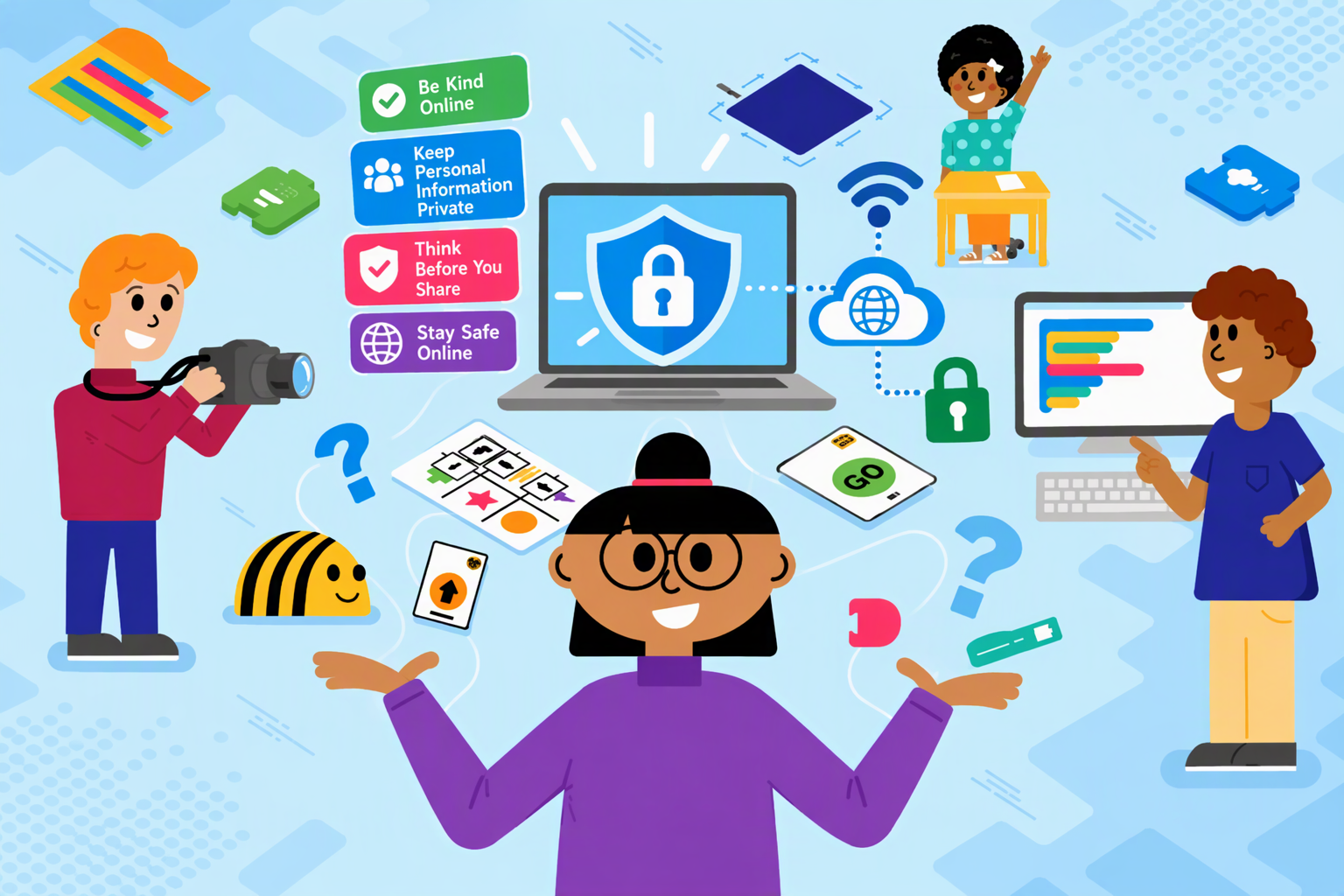
Camelford's Computing Curriculum
It is important to us that children understand how to use ever-changing technology to express themselves, support their learning and develop skills that will prepare them for the future. Through our computing curriculum, pupils are encouraged to think creatively, solve problems and work collaboratively in a digital world.
While ensuring pupils understand the advantages and disadvantages associated with online experiences, we aim to develop respectful, responsible and confident users of technology. Pupils are encouraged to treat others with kindness and respect online and to understand the importance of using technology responsibly.
Our aim is to provide a Computing curriculum that balances the acquisition of a broad and deep knowledge (substantive knowledge) alongside opportunities to apply skills (disciplinary skills) in a variety of digital contexts. Beyond discrete computing lessons, pupils are given opportunities to apply and develop their computing knowledge across the wider curriculum.

|
Computing Pathway Oct 26 | [pdf 266KB] |

|
Our School Values
Learning Computing supports our value of Community by teaching children how technology helps people connect, work together, and contribute positively to society. Through debugging, problem-solving and creating digital projects, pupils develop Resilience by persevering when tasks are difficult. Aspiration encourages them to see the possibilities that technology creates for their future. Pupils learn that their actions online have consequences and that they should always act with Integrity both online and offline.
Computing at Home
 |
Online Safety |
|
Activities at home |
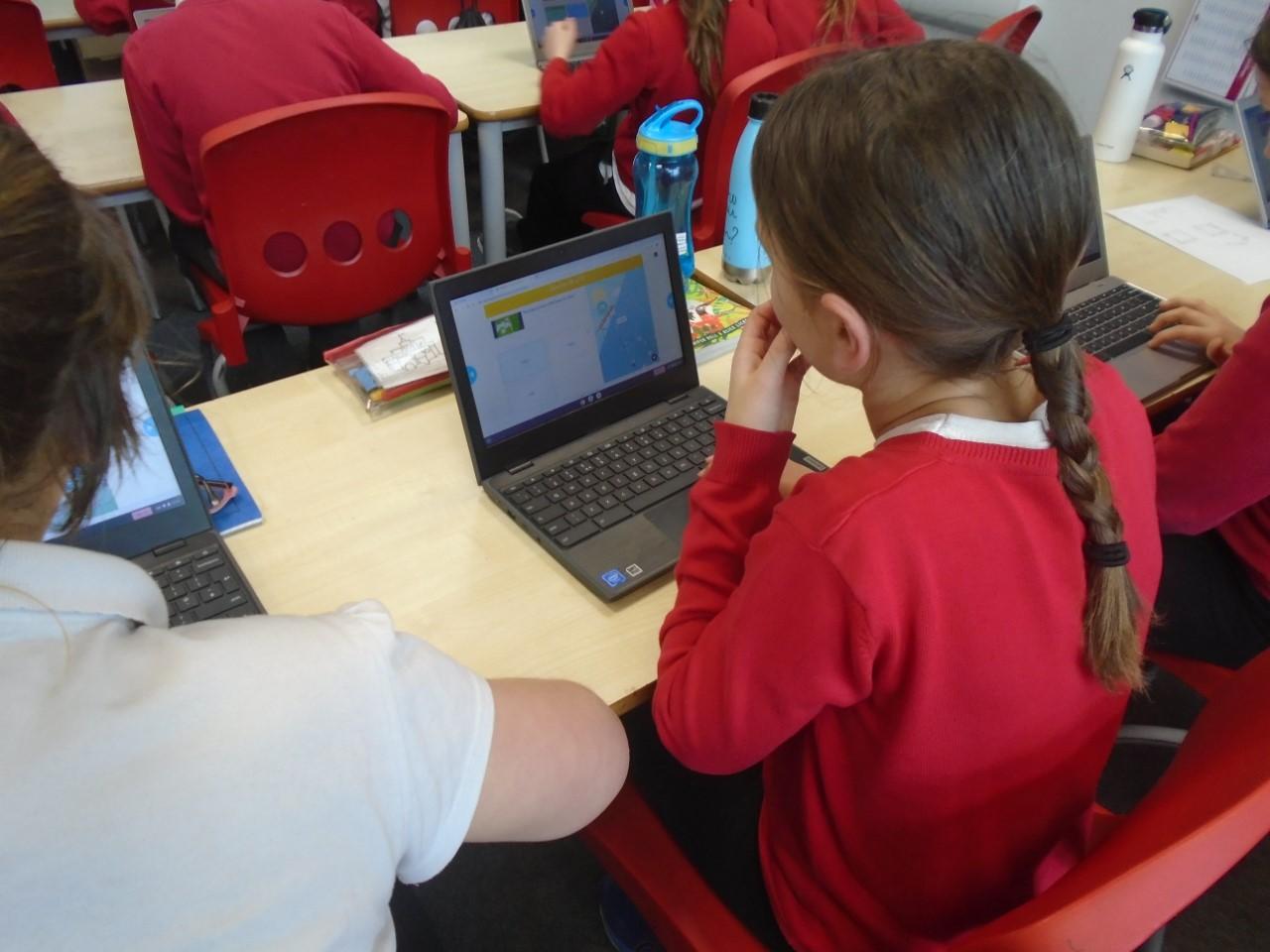
Children completing research on a ChromeBook
We often incorporate technology into our Topic learning!
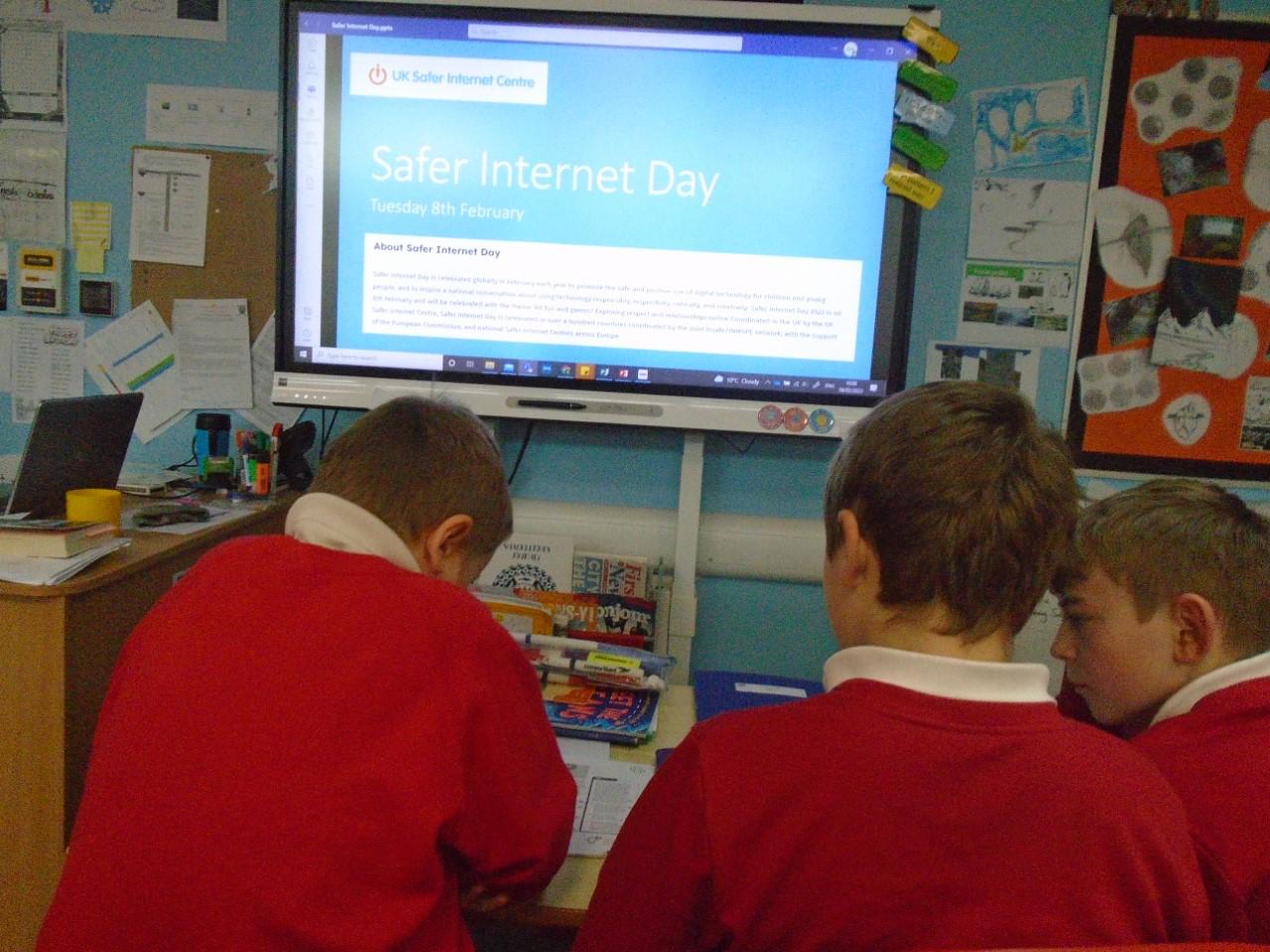
Safer Internet Day
We recognised Safer Internet Day by learning about how we can keep ourselves and each other safe online, and how to report inappropriate behaviour.
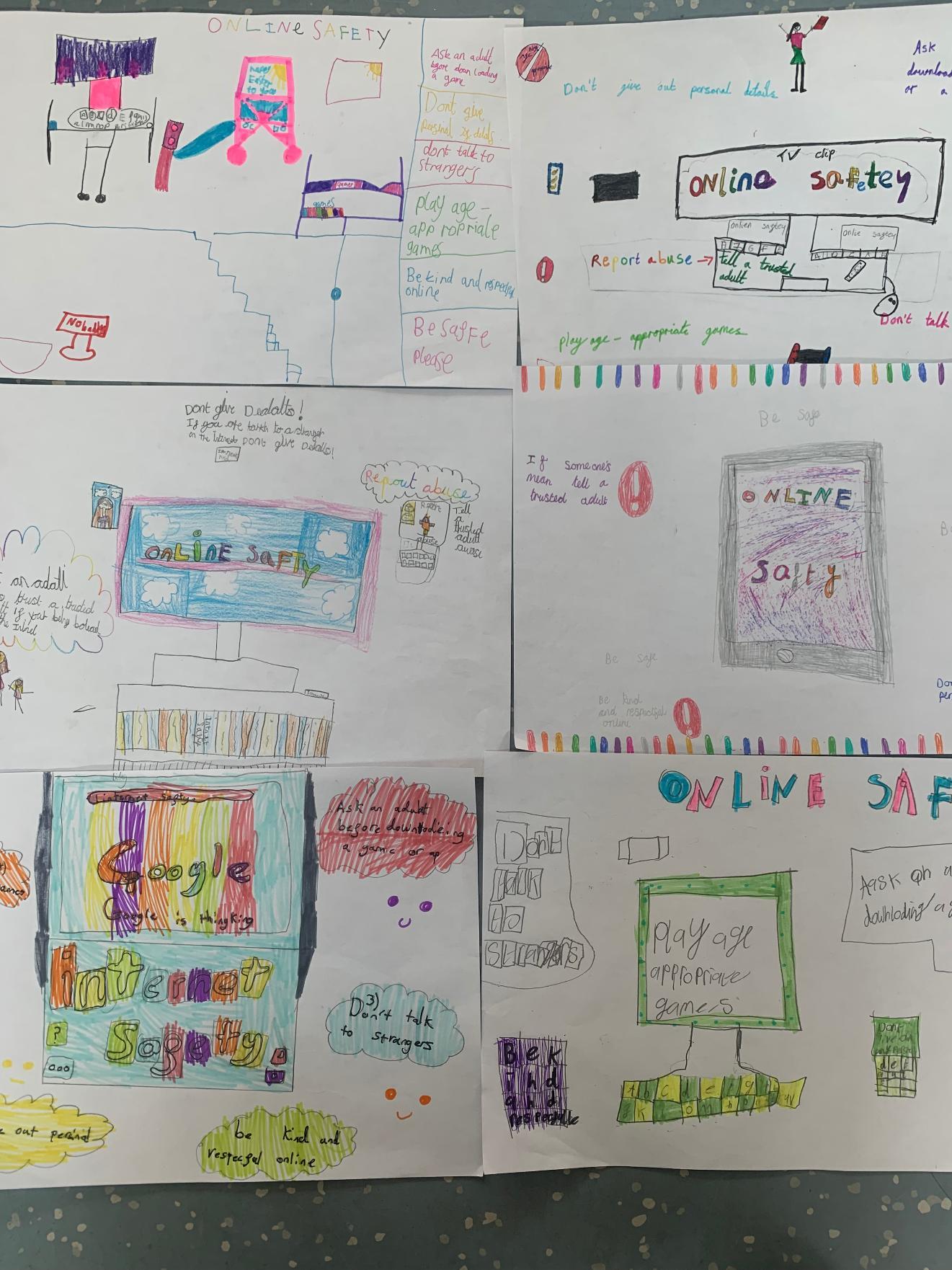
Online Safety
We regularly promote Internet Safety through assemblies, displays, and class discussions during Computing lessons.